Artwork
Annunciation (Poulakis)
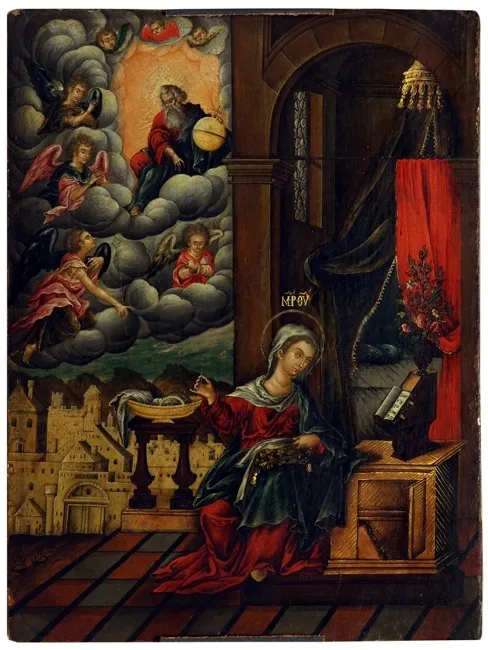
Annunciation (Poulakis) is a tempera painting by the Heptanese school artist Theodore Poulakis. It dates from 1672 and is held in the collection of the Metropolitan Museum of Art.
About this work
Subject & Meaning
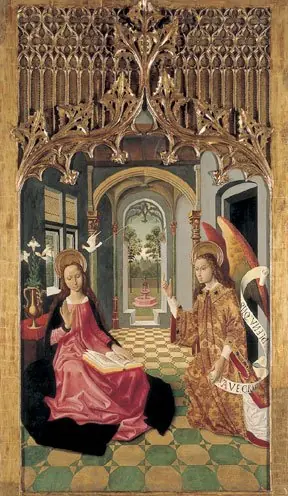
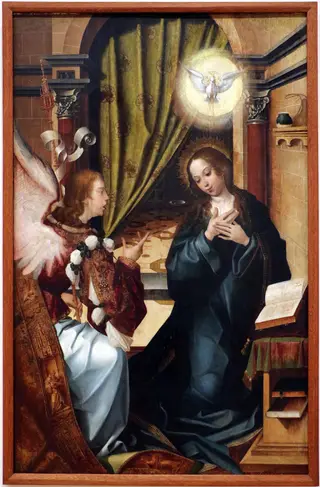
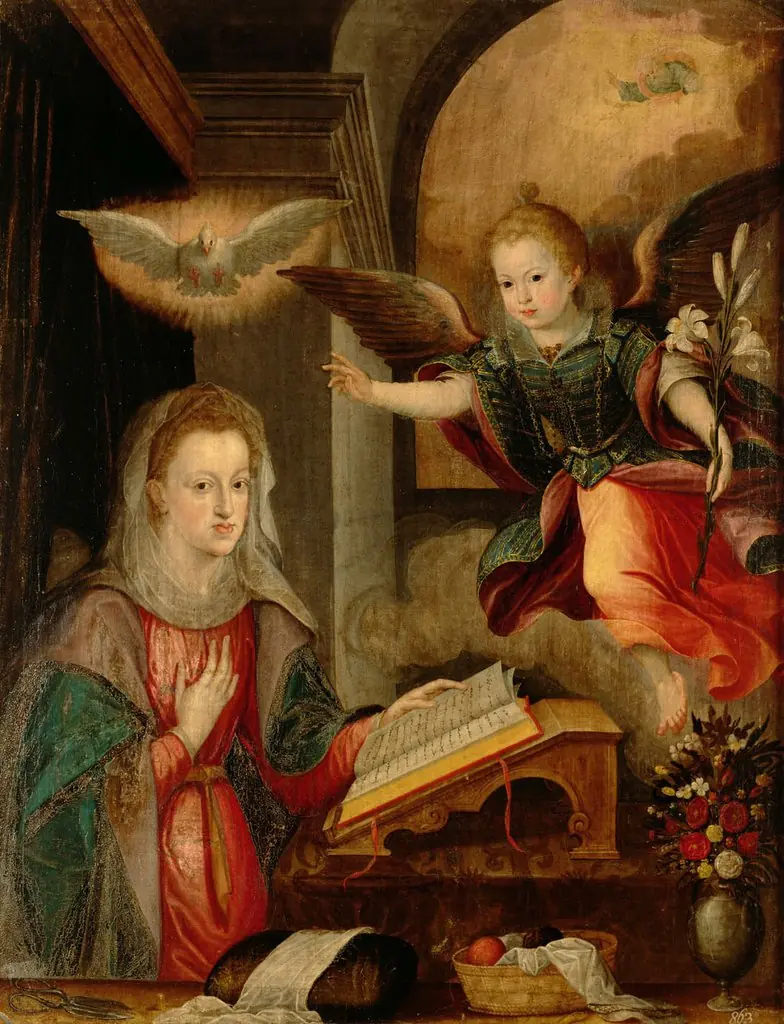
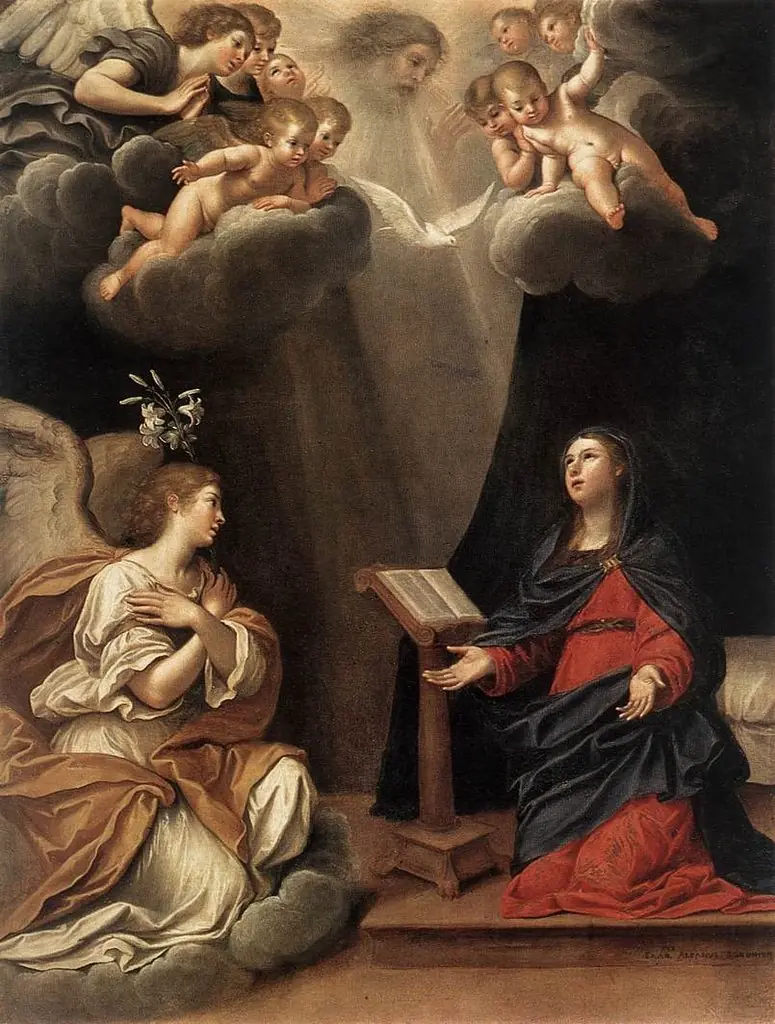
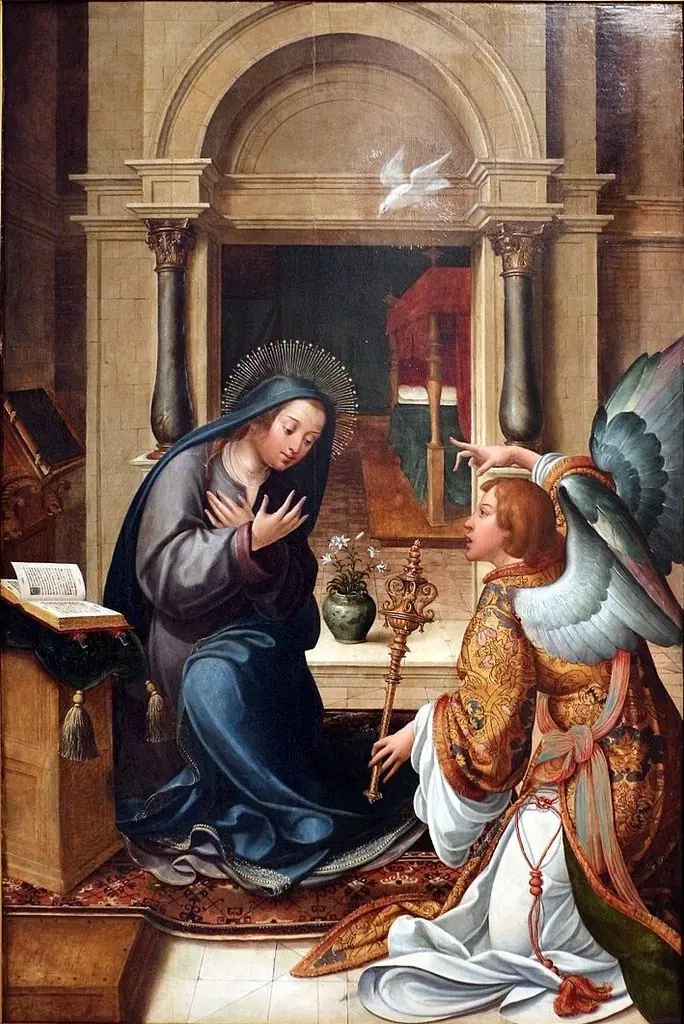
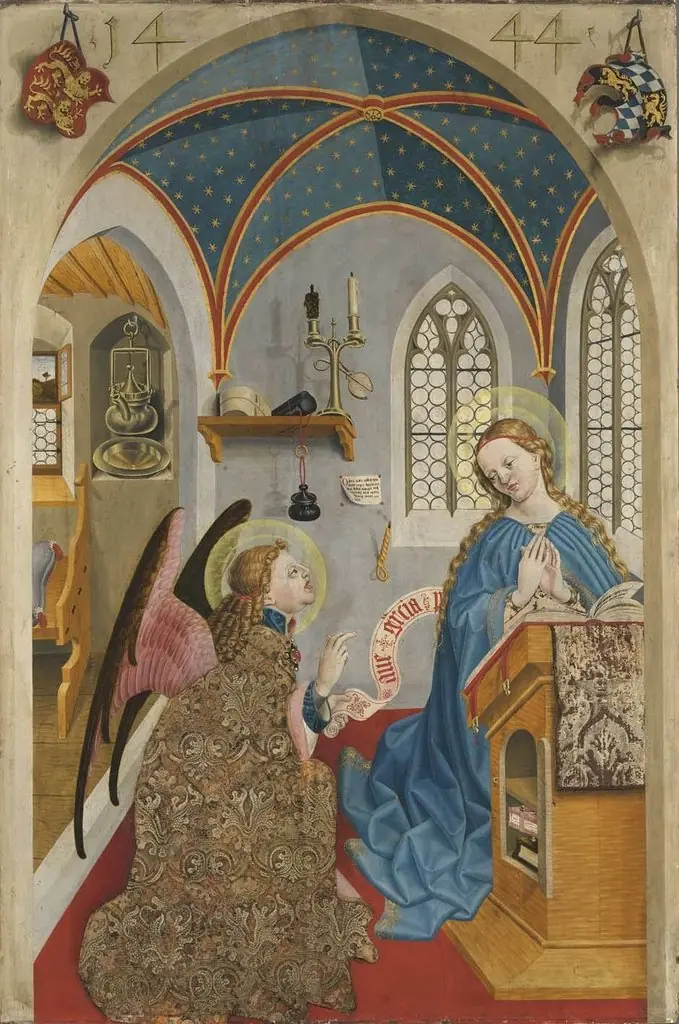
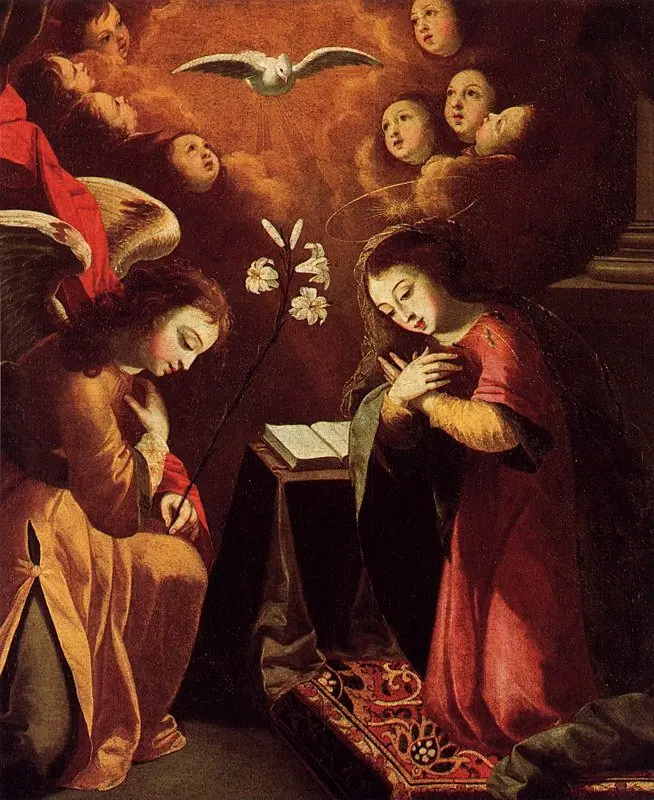
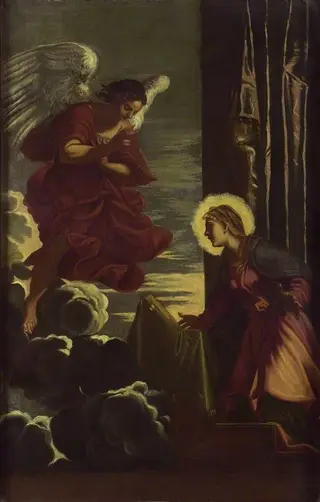
The painting depicts the Annunciation, the biblical episode in which the Archangel Gabriel announces to the Virgin Mary that she will conceive and bear Jesus.
The painting depicts the Annunciation, the biblical episode in which the Archangel Gabriel announces to the Virgin Mary that she will conceive and bear Jesus. As a work of religious art, the subject carries the central Christian symbolism of the Incarnation, marking the moment of divine conception and the announcement of salvation. Theodore Poulakis's treatment of this traditional devotional theme reflects the iconographic conventions of post-Byzantine religious painting, in which the Annunciation served as a key subject for both liturgical and private devotion.
The work's religious genre situates it within the Heptanese school's engagement with sacred imagery, presenting the encounter between angel and Virgin as a meditation on divine mystery and human obedience.
Overview
Theodore Poulakis's Annunciation, painted in tempera in 1672, portrays the biblical scene of the Virgin Mary receiving the angelic message. This work exemplifies the artist's distinctive Italo-Byzantine style, characteristic of the Heptanese school. It is currently housed in The Metropolitan Museum of Art.
Poulakis, a significant figure in Greek Renaissance art, was born in 1622 and contributed to the artistic traditions of his time.
Technique & Style
Poulakis executed Annunciation using tempera, a medium favored for its luminous and durable qualities, allowing for precise detail. The painting is rendered in the Italo-Byzantine style, a synthesis of Italian Renaissance influences and traditional Byzantine iconography. This fusion is a hallmark of the Heptanese school, which Poulakis led, reflecting a blend of Western European artistic trends with established Eastern Orthodox visual conventions.
History & Provenance
Theodore Poulakis, a leading painter of the Heptanese school, created this Annunciation in 1672. His career began within the Cretan school, but he relocated to Corfu after the Ottoman conquest of Crete in 1669. This move influenced the development of the Heptanese school, which flourished in the Ionian Islands. The painting is now part of the permanent collection at The Metropolitan Museum of Art.
Artist & collection
Artist
Theodore Poulakis (Greek: Θεόδωρος Πουλάκης; 1622–1692) was a Greek Renaissance painter and teacher.