Artwork
Bonaparte Women
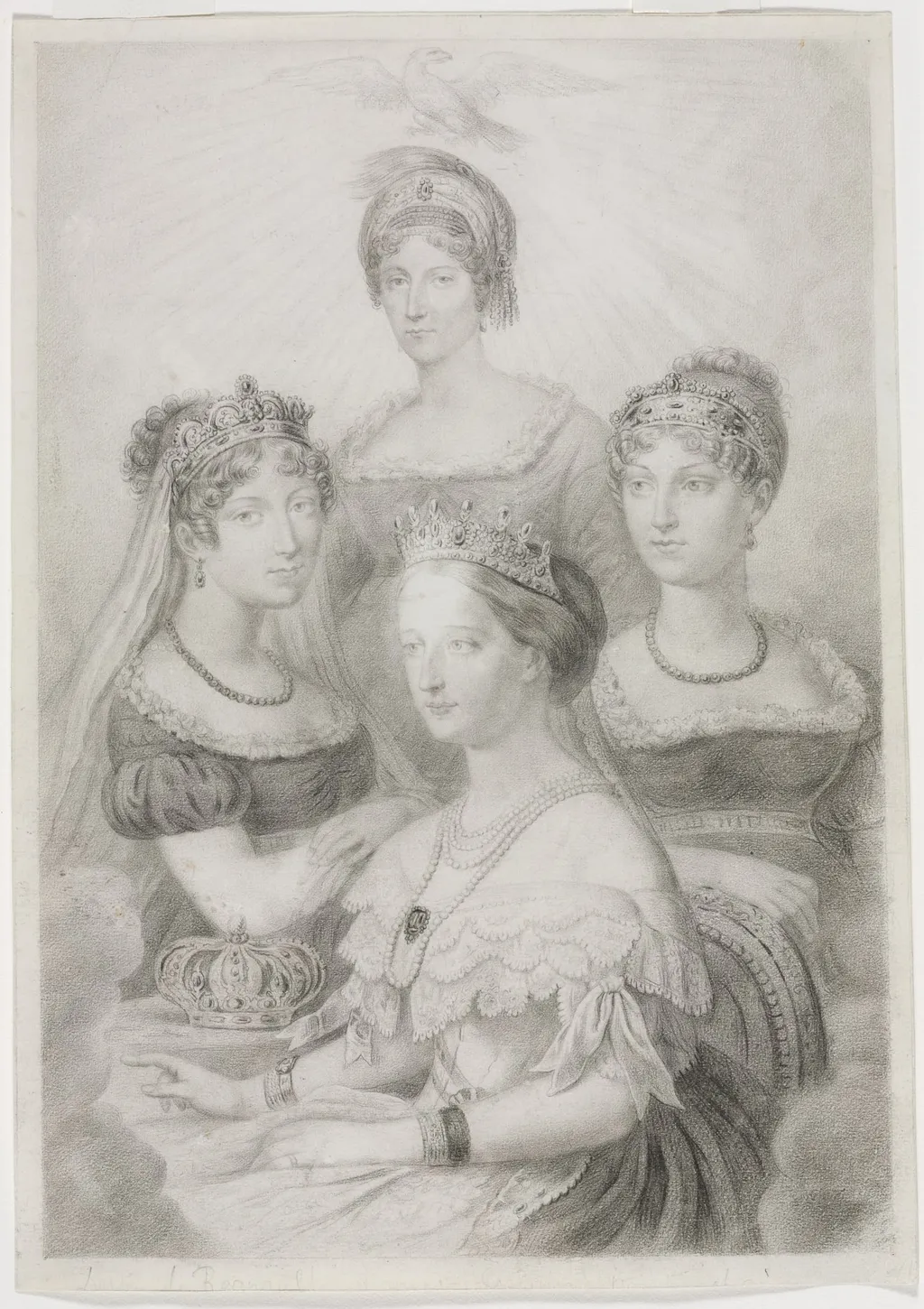
Bonaparte Women is a drawing by Thomas Casimir Regnault. It dates from 1859 and is held in the collection of the Cleveland Museum of Art.
- Accession no.
- 2009.140
- Credit line
- Bequest of Muriel Butkin
About this work
Overview
Thomas Casimir Regnault created this graphite drawing around 1859, depicting four women in elaborate historical attire.
Thomas Casimir Regnault created this graphite drawing around 1859, depicting four women in elaborate historical attire. The work is held in the collection of The Cleveland Museum of Art. Rendered in monochrome, the composition emphasizes form and detail over color, with a minimalist background that directs attention to the figures and their regal accessories. The drawing’s restrained palette and precise lines reflect a focus on dignity and hierarchy.
Subject & Meaning
The figures appear to represent members of a royal family, with the central woman holding a crown adorned with a cross and gemstones, suggesting sovereign status. The others, similarly adorned with headpieces and necklaces, are positioned as attendants or kin. Their composed expressions and synchronized attire imply a formal, ceremonial context, possibly evoking a symbolic lineage or idealized notion of female authority in a historical framework.
Technique & Style
Regnault employed fine graphite strokes to model fabric folds, jewelry, and facial features with subtle tonal gradations. The absence of color and the plain background isolate the subjects, enhancing the sculptural quality of their forms. Delicate hatching defines texture in the crown and lace, while soft shading lends volume to the faces. The technique reflects academic draftsmanship, prioritizing clarity and restraint over expressive flourish.
History & Provenance
The drawing was completed in the mid-19th century and entered the collection of The Cleveland Museum of Art at an unknown date. No record of prior ownership or exhibition history is widely documented. Its survival as a standalone sheet suggests it may have been a preparatory study or an independent work intended for private appreciation rather than public display.
Context
Created during a period of renewed interest in historical costume and monarchy in Europe, the drawing aligns with 19th-century European fascination with aristocratic imagery. Though not tied to a specific event, it reflects broader cultural tendencies to idealize royal femininity and ceremonial dress. Regnault, known for portraiture and genre scenes, likely drew from contemporary prints or literary sources to construct this imagined courtly scene.
Legacy
The work remains a quiet example of 19th-century academic drawing, valued for its technical precision and evocative stillness. It contributes to the museum’s holdings of lesser-known European draftsmen and offers insight into how historical authority was visually constructed outside major painted commissions. Its modest scale and monochrome execution invite contemplation rather than spectacle.
Own this work as a print
Artist & collection

 H Beard Print Collection
 H Beard Print Collection
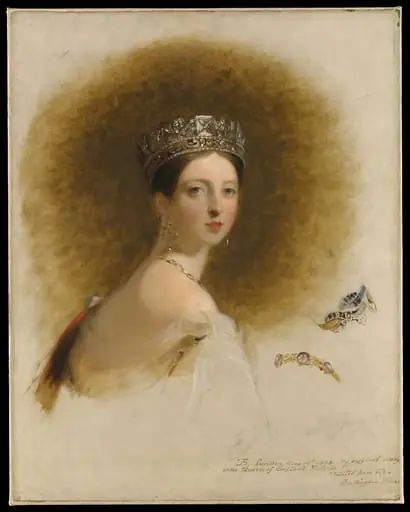 Queen Victoria
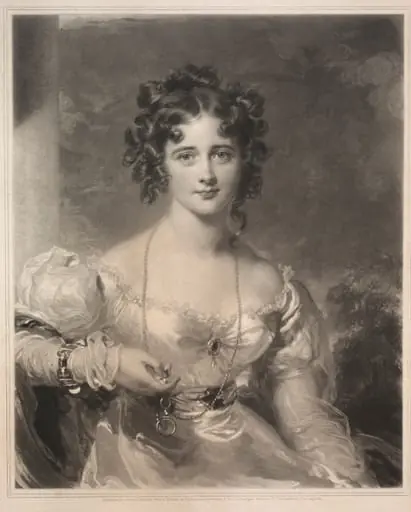 Miss Rosamond Croker
 H Beard Print Collection
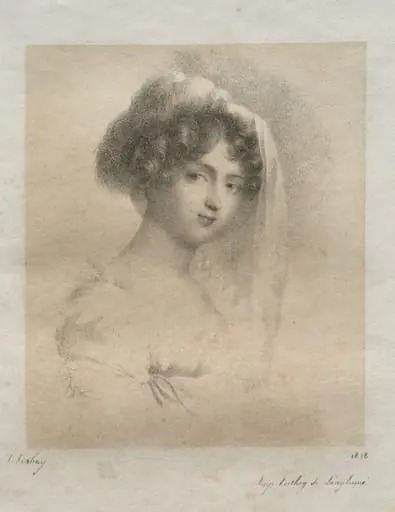 Mme. Horace Vernet
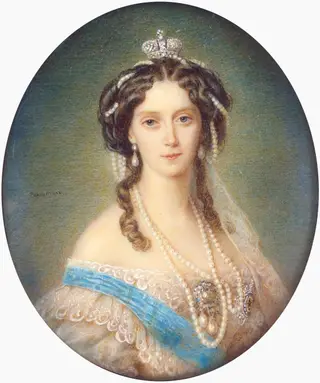 Portrait of Empress Maria Alexandrovna
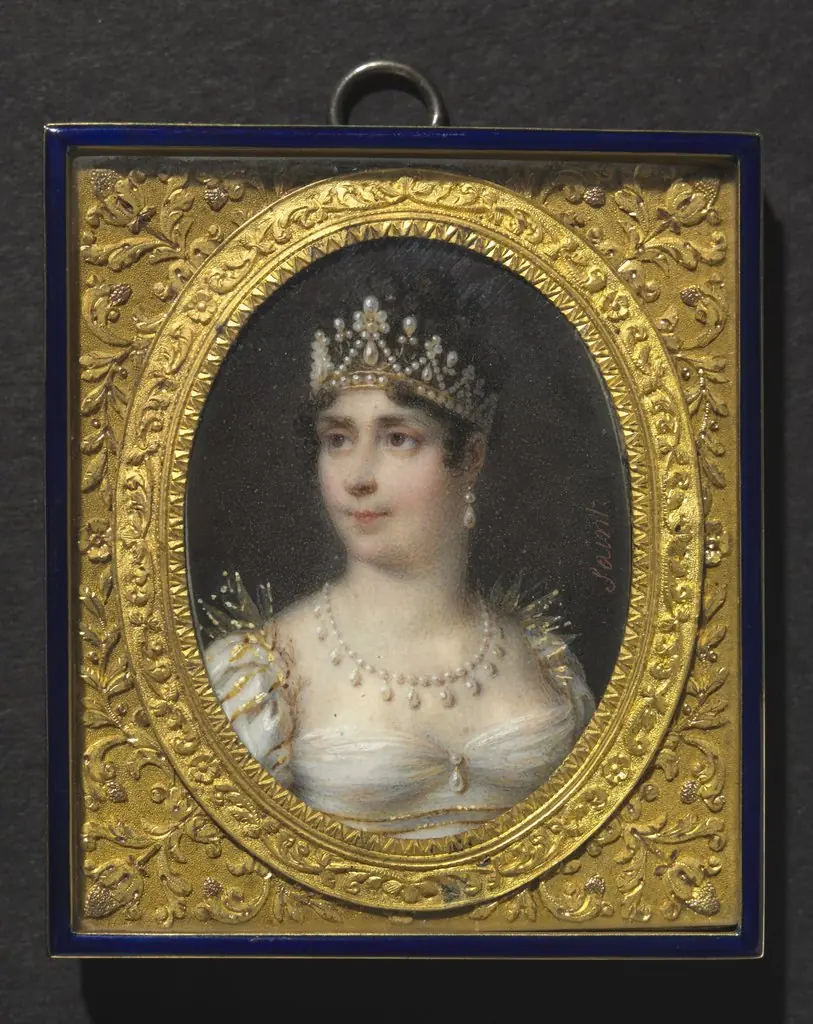 Portrait of Joséphine de Beauharnais, Empress of the French
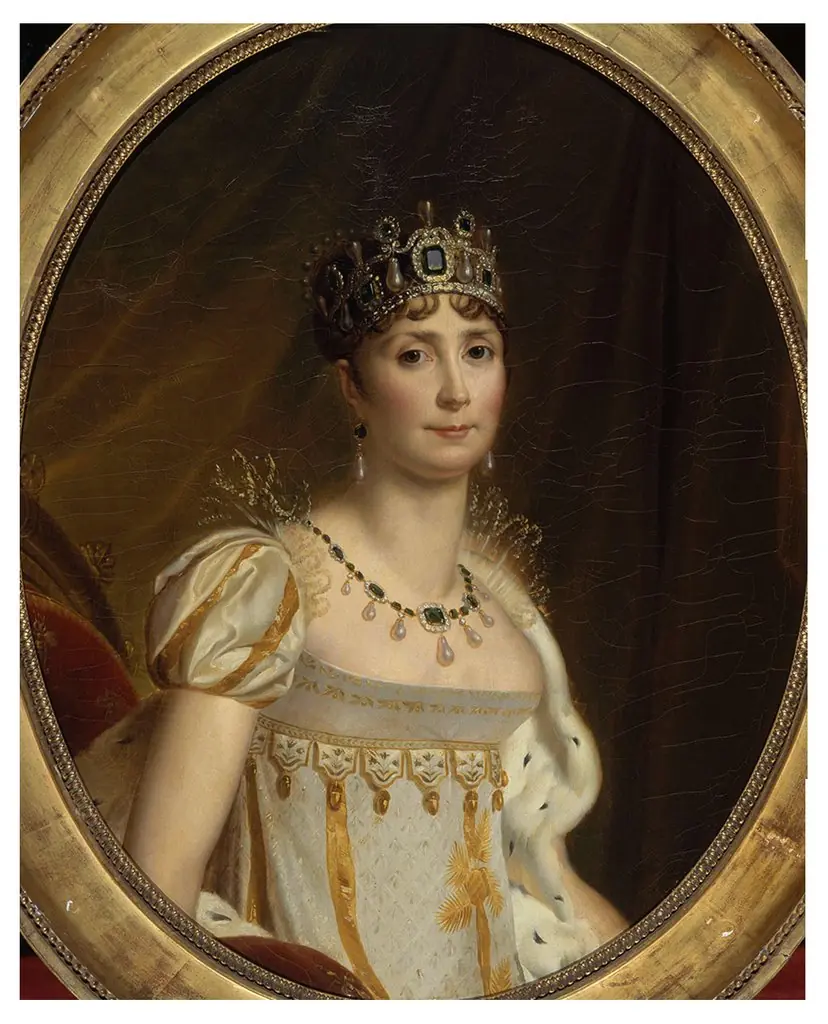 Portrait of Joséphine de Beauharnais
 H Beard Print Collection
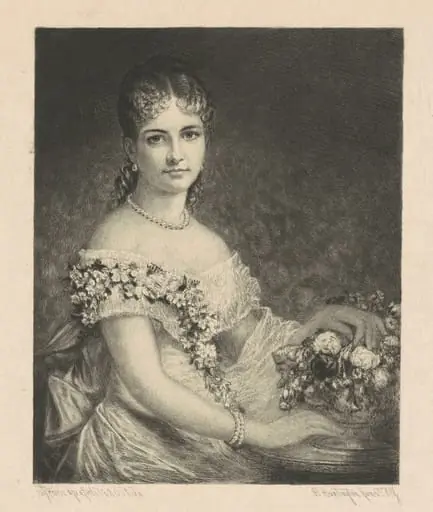 Mrs. J. Coleman Drayton (Charlotte Augusta Astor)
- Madame Jerome Bonaparte (Elizabeth Patterson)