Artwork
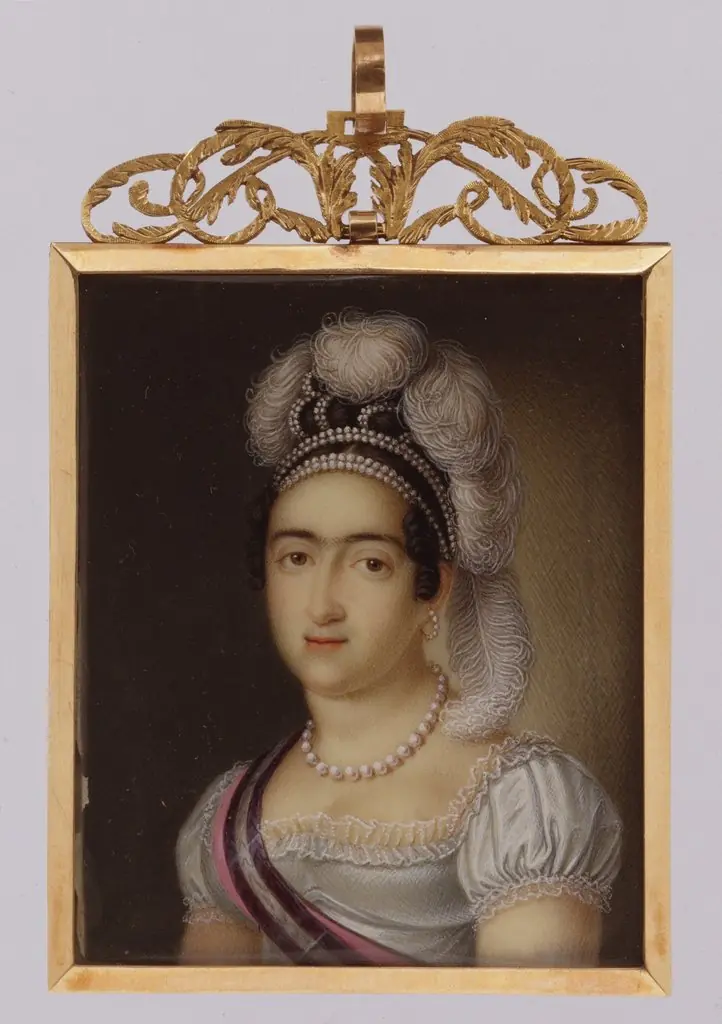
Portrait of Joséphine de Beauharnais, Empress of the French
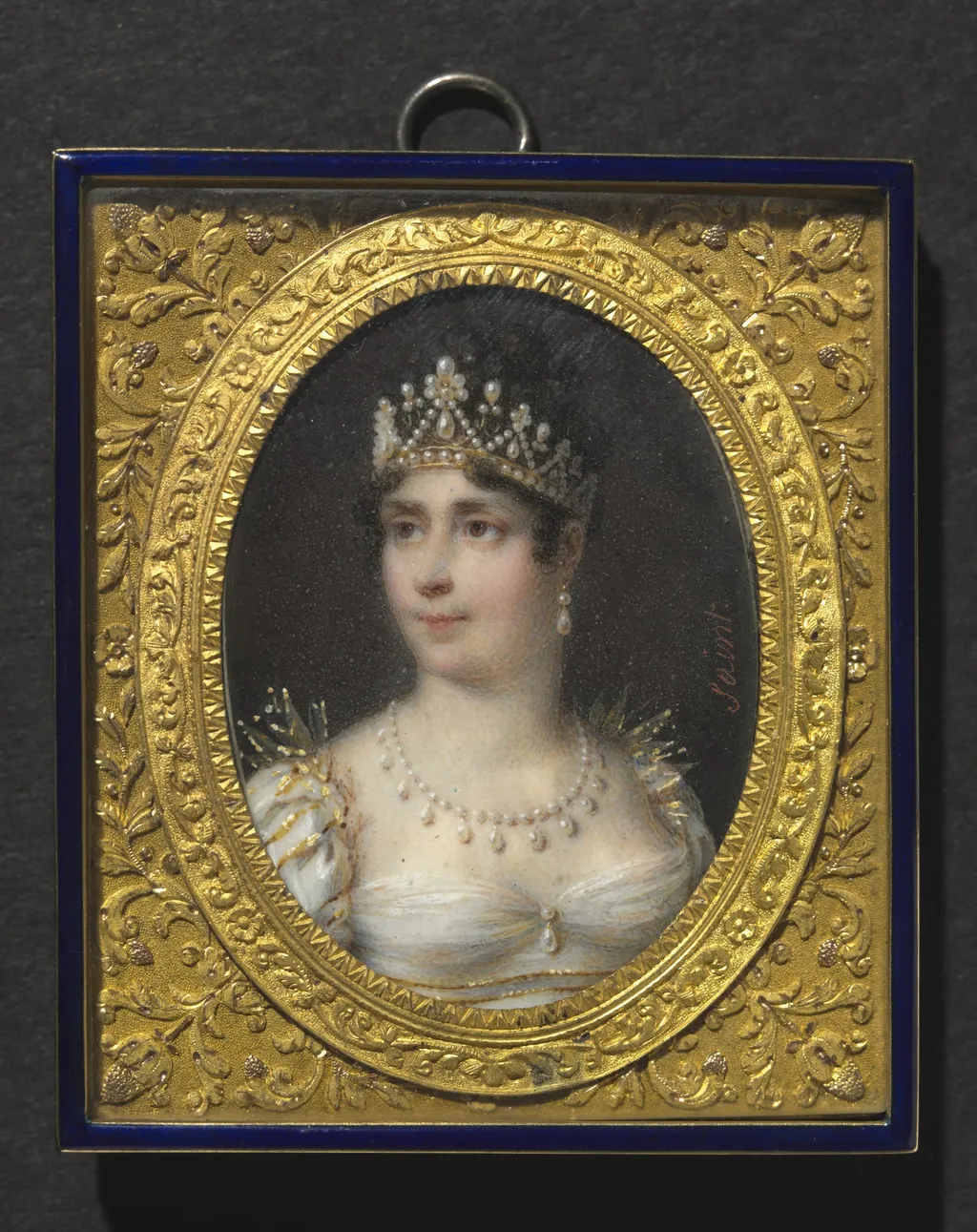
Portrait of Joséphine de Beauharnais, Empress of the French is an unspecified painting. It dates from 1806 and is held in the collection of the Cleveland Museum of Art. The work is a portrait of Joséphine de Beauharnais, later Empress of the French, rendered in oil on canvas.
About this work
Subject & Meaning
Created in 1806, this portrait miniature belongs to the genre of imperial portraiture that flourished during the Napoleonic era.
The work depicts Joséphine de Beauharnais, Empress of the French, the first wife of Napoleon Bonaparte. Created in 1806, this portrait miniature belongs to the genre of imperial portraiture that flourished during the Napoleonic era. As a miniature, it was designed for intimate, personal contemplation rather than grand public display, suggesting a focus on the subject's private persona alongside her public imperial status.
The choice to portray Joséphine in this portable format reflects the broader cultural practice of disseminating images of the imperial family to consolidate loyalty and project dynastic continuity during the early years of the First French Empire.
History & Provenance
The work is a portrait miniature painted in 1806, likely depicting Joséphine de Beauharnais, Empress of the French. It entered the collection of the Cleveland Museum of Art, where it remains on view.
The attribution to Daniel Saint is based on stylistic analysis and documented acquisition records, though the artist's full name appears only in later cataloguing. The piece was created during the early years of the French Empire, reflecting the neoclassical aesthetic favored at the imperial court.
Its provenance traces from an early 19th-century French context to its acquisition by the museum in 1940, establishing a continuous ownership chain from the original sitters to the present custodial institution.
The portrait miniature of Joséphine de Beauharnais, created in 1806 by Daniel Saint, is held in the collection of the Cleveland Museum of Art in Cleveland. The work is cataloged under the accession number 1940.1218. While the piece was created in the early 19th century, the provided records do not list specific exhibition dates or venues for this object.
Overview
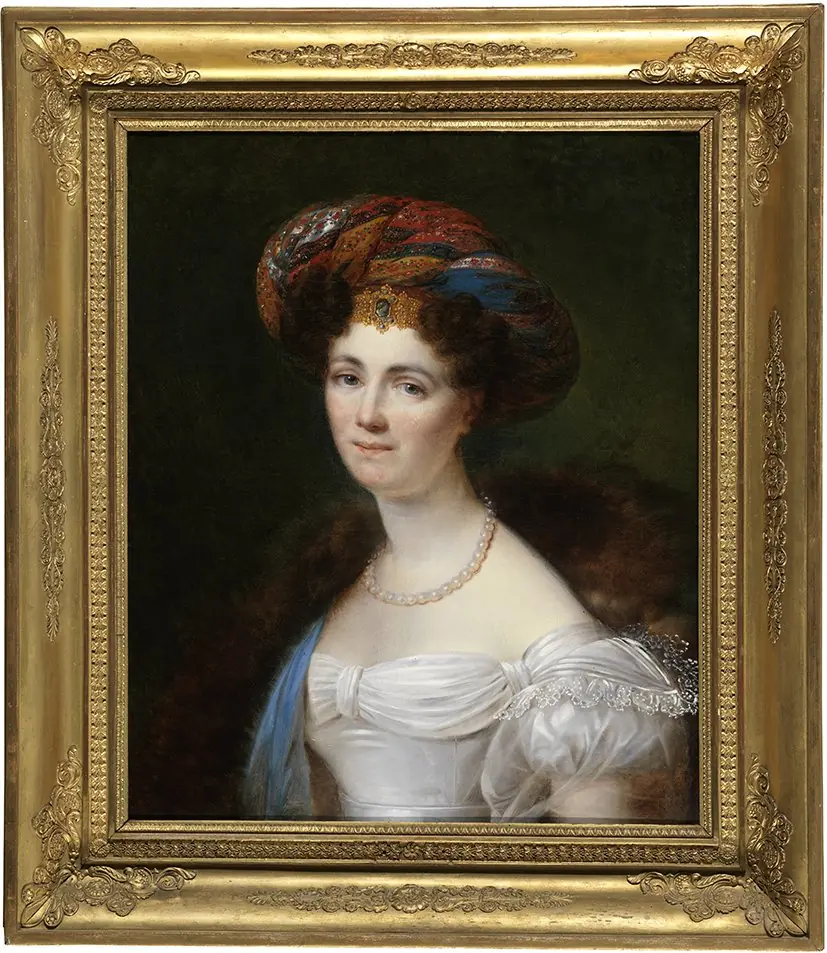
The work is a portrait of Joséphine de Beauharnais, later Empress of the French, rendered in oil on canvas. She is depicted in a white gown trimmed with gold thread, crowned with a gold diadem set with pearls, and wearing matching pearl earrings and necklace. The figure stands against a deep, dark background, framed by an elaborate gold border accented with blue.
Technique & Style
Executed with meticulous brushwork, the artist renders the facial features with fine modeling, achieving a lifelike presence. The white dress is highlighted by subtle gold thread, creating a shimmering effect. The dark background provides chiaroscuro contrast, enhancing the three‑dimensionality of the figure. The ornate frame, carved with leaves and floral motifs, complements the painting’s neoclassical aesthetic.
Context
Created during the early 19th century, the portrait aligns with the period’s emphasis on portraying political figures with grandeur. Joséphine’s image was widely circulated to reinforce the legitimacy of the new imperial regime, and the painting’s formal composition reflects contemporary conventions of court portraiture in post‑revolutionary France.
Artist & collection

 Portrait of a Woman in a White Dress
 Portrait of a Woman in a White Dress
 Princess María Francisca de Asis de Borbón and Her Son Infante Carlos Luis María Fernando de Borbón
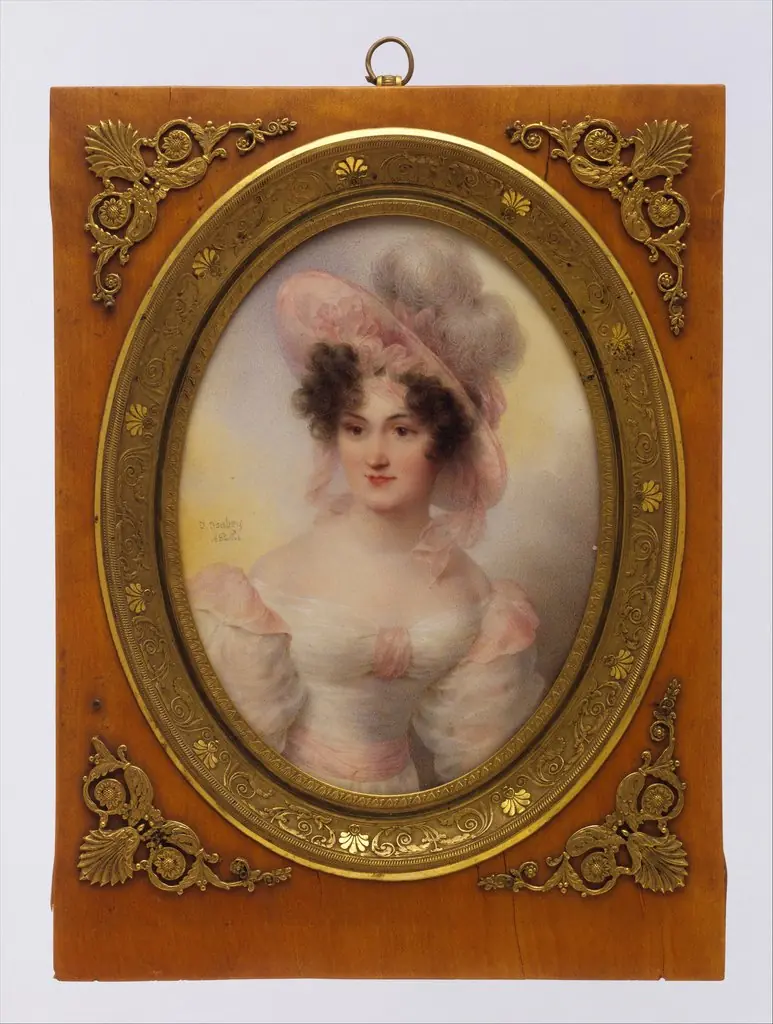 Mrs. Rufus Prime (Augusta Temple Palmer, 1807–1840)
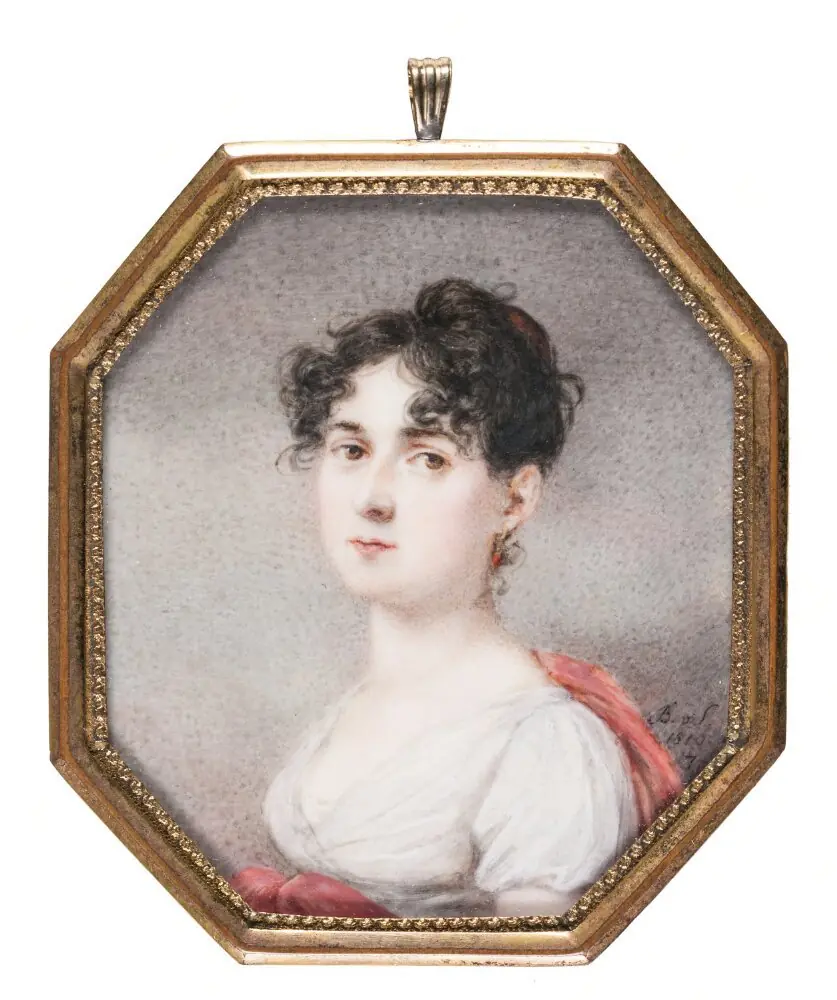 Young Lady
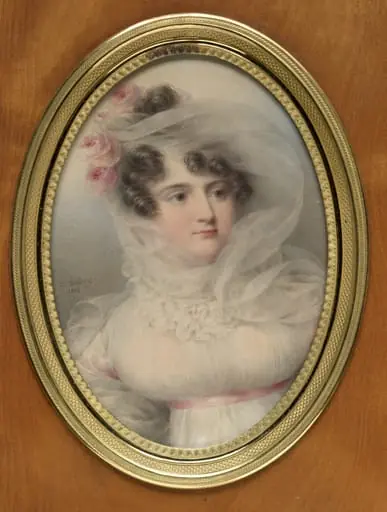 Portrait of Hortense de Perregaux, Duchess of Ragusa
 Portret van Joséphine Victoire Meslier-Duvey
 Portrait of Hortense de Perregaux, Duchess of Ragusa
 Mrs. Manigault Heyward (Susan Hayne Simmons)
 Portrait of a Lady