
Subject
Feather
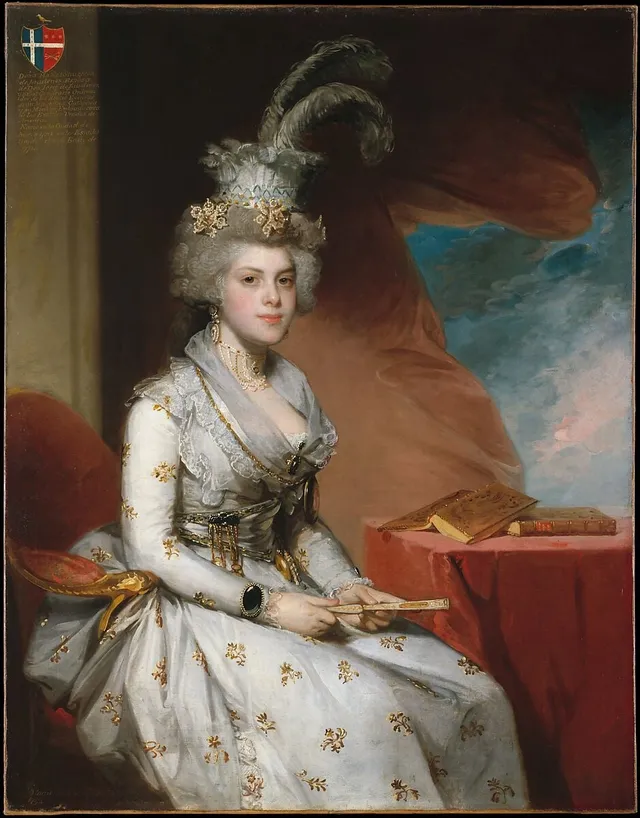
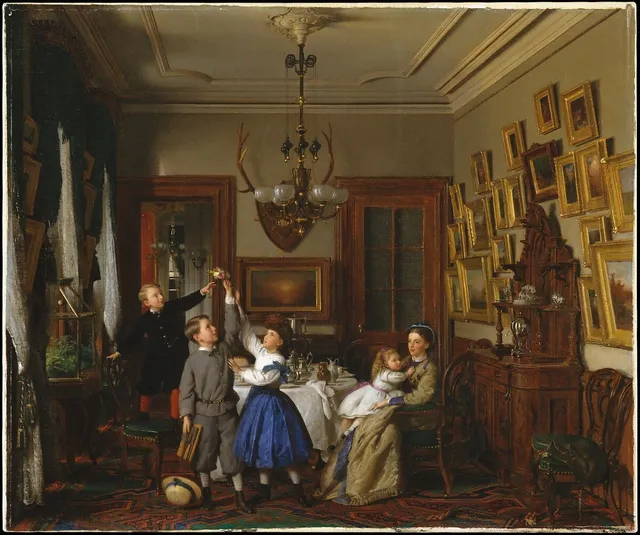
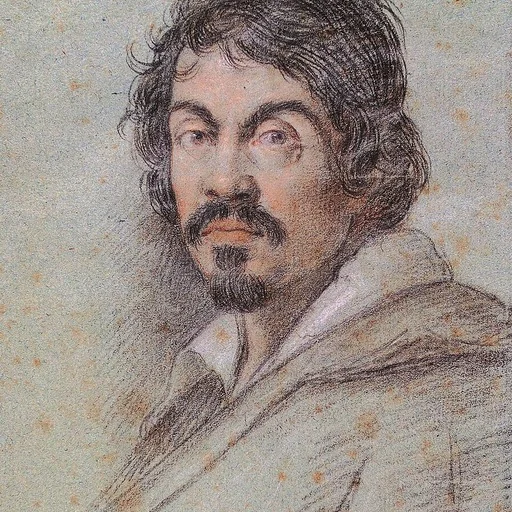
Feather is a subject in art. The gallery holds 53 works in this subject in art, including works by Seymour Joseph Guy, Francis Wheatley and Caravaggio.
family name
Key artists

Overview
The feather is a recurring motif in art, functioning as both a naturalistic detail and a heavily layered symbol. Its physical properties, specifically its lightweight structure and association with avian flight, allow it to bridge the earthly and the divine. Across cultures, feathers have been integrated into visual culture as decorations, talismans, and ceremonial objects. In art, the motif recurs frequently as an attribute of status, spirituality, or transformation. Within a single major collection, the motif can be identified across sixty distinct works, demonstrating its broad appeal and versatility as a pictorial element.
Iconography & meaning
Feathers carry a wide array of symbolic meanings rooted in their anatomical function and cultural application. The most universal association is freedom and ascension, derived from a bird's ability to soar above earthly constraints. Feathers also signify protection and divine guidance, often interpreted as messengers from the spirit world, angels, or ancestors. The molting process, wherein birds shed old feathers for new ones, introduces themes of transformation, renewal, and rebirth. Color further refines the iconography: white feathers denote purity, peace, and divine reassurance; black feathers represent protection, grounding, and shadow work rather than mere misfortune; red feathers symbolize courage, passion, and vitality. In ancient Egyptian iconography, the ostrich feather specifically represented Ma'at, the goddess of truth and justice, and was placed on scales to weigh the hearts of the deceased. Native American traditions similarly use feathers to signify honor, bravery, and a connection to the Creator.
Across movements & periods
The treatment of the feather motif has shifted alongside cultural values. In ancient civilizations, such as Egypt and the Aztec empire, feathers were tied to divinity and power, adorning royalty and funerary objects. Native American cultures integrated feathers into ceremonial regalia and headdresses to denote honor and spiritual connection. In Western art, particularly during the era of formal portraiture, feathers transitioned into symbols of secular status, elegance, and fashion, frequently appearing as fans or hat trimmings. Later, in literature and visual arts, the motif evolved into a metaphor for the ethereal aspects of existence, hope, and emotional states. Modern and contemporary artists have utilized feather-like forms to evoke movement, or have incorporated actual feathers into installations to challenge perceptions of life, death, and fragility.
Notable depictions
While specific canonical masterworks are not detailed in the sources beyond the collection examples, notable depictions of the feather motif span both visual art and literature. In visual arts, Wassily Kandinsky incorporated feather-like shapes and forms into his abstract works to evoke movement and freedom. Contemporary artists have used actual feathers in mixed media and installations to emphasize natural variations in color and texture while reinforcing emotional messages about fragility. In literature, Emily Dickinson employed feathers as metaphors for ascendance and connection to the divine, while novelists have used the molting of feathers as a metaphor for characters shedding old identities during quests for self-discovery.
Legacy
The feather's cultural afterlife extends far beyond its historical and artistic origins, maintaining a persistent presence in modern spirituality and personal symbolism. Today, finding a feather is widely interpreted as a sign of synchronicity, a message from the universe, or a reminder of spiritual alignment. The motif has been adapted into modern practices as a symbol of dreams, aspirations, and wishes. It appears in contemporary dream interpretation as a sign of impending adventure or readiness for change, and persists in tattoo symbolism as an emblem of honor, protection, and spiritual connection. The enduring interpretation of the feather as a token of divine protection continues to resonate, reflecting its deep roots in ancient spiritual traditions while adapting to modern personal narratives.
Works
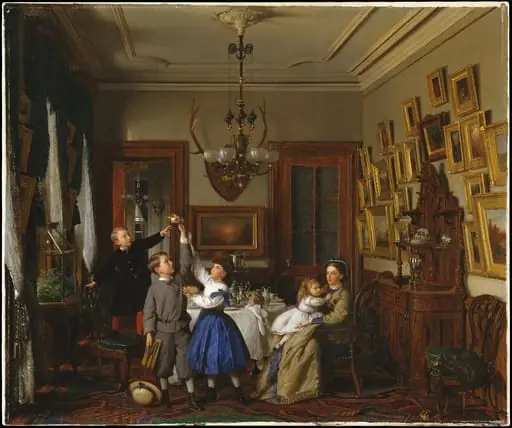 The Contest for the Bouquet: The Family of Robert Gordon in Their New York Dining-Room
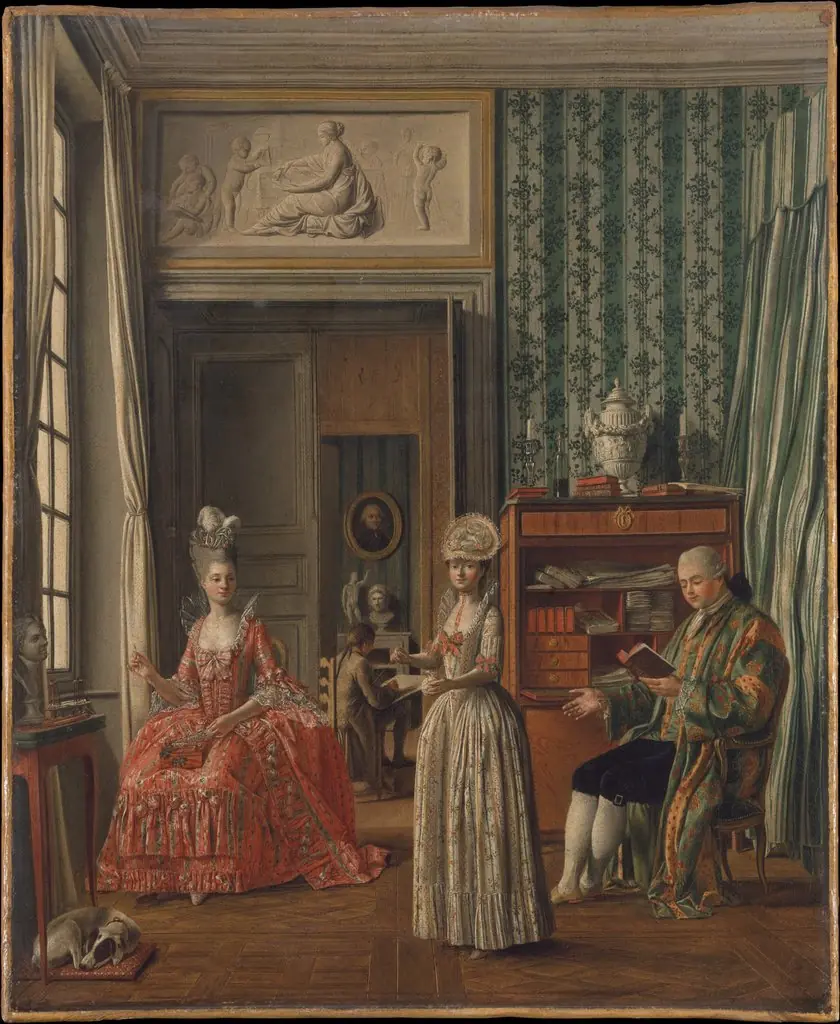 Domestic Scene
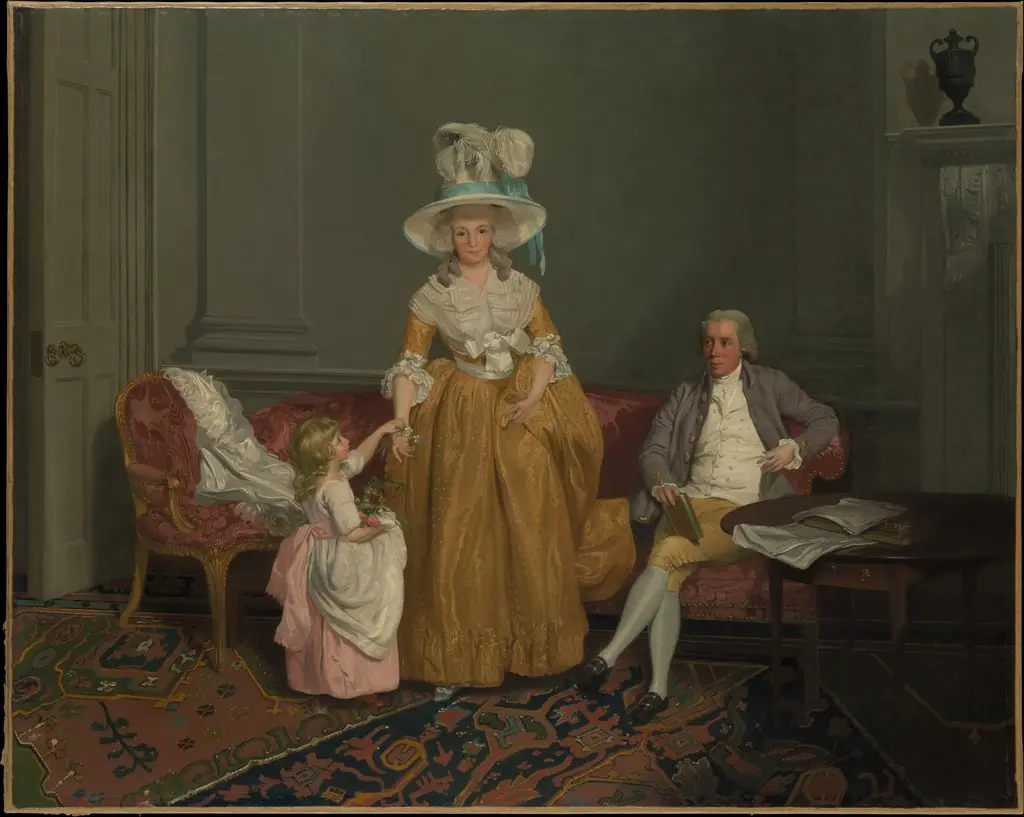 The Saithwaite Family
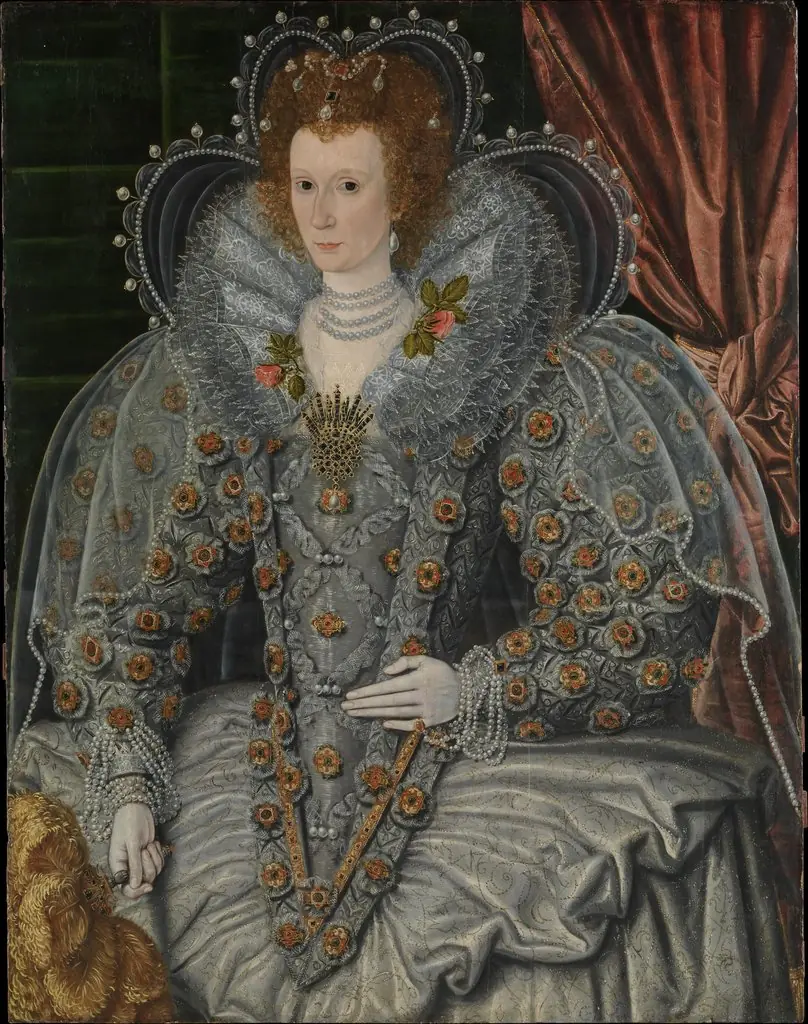 Portrait of a Woman
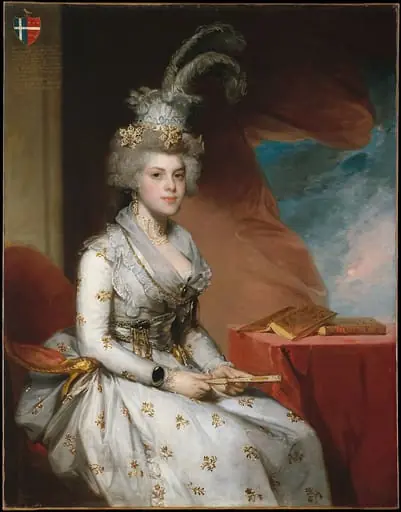 Matilda Stoughton de Jaudenes
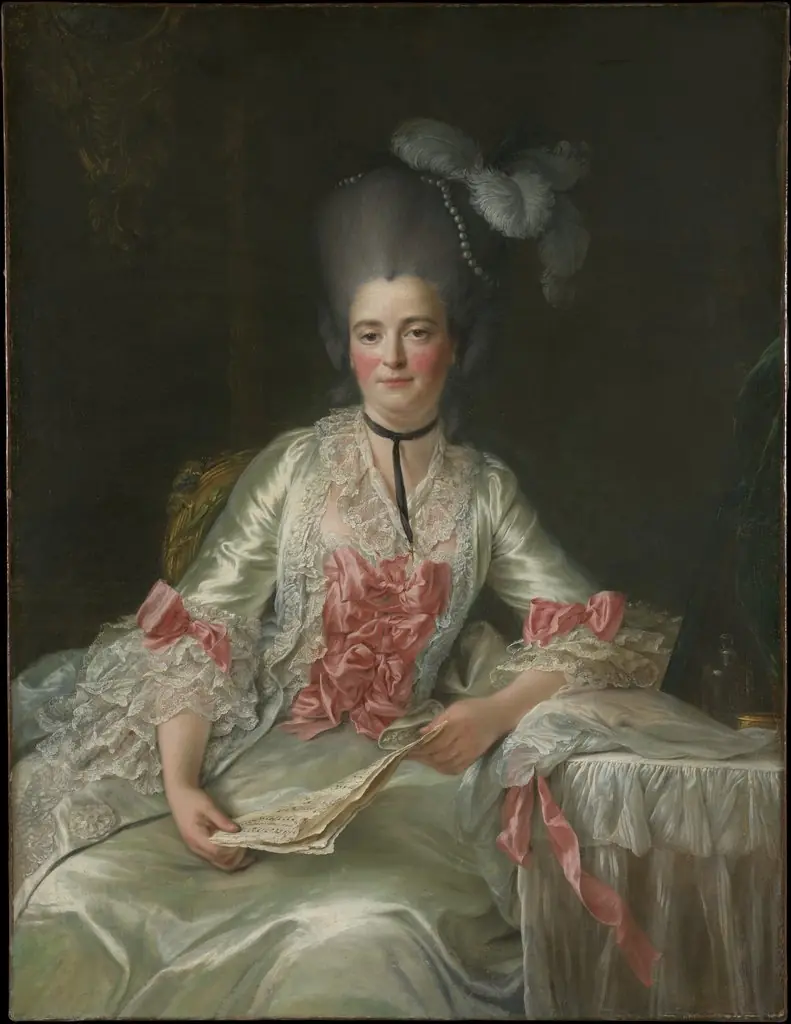 Marie Rinteau, called Mademoiselle de Verrières
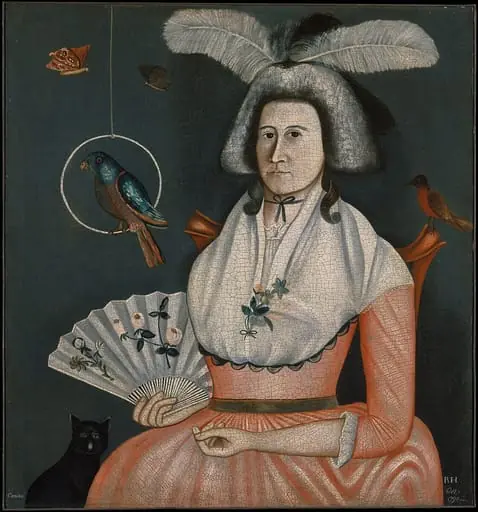 Molly Wales Fobes
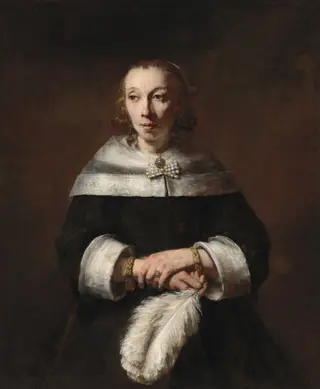 Portrait of a Lady with an Ostrich-Feather Fan
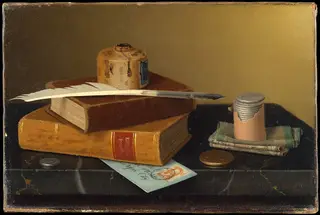 The Banker's Table
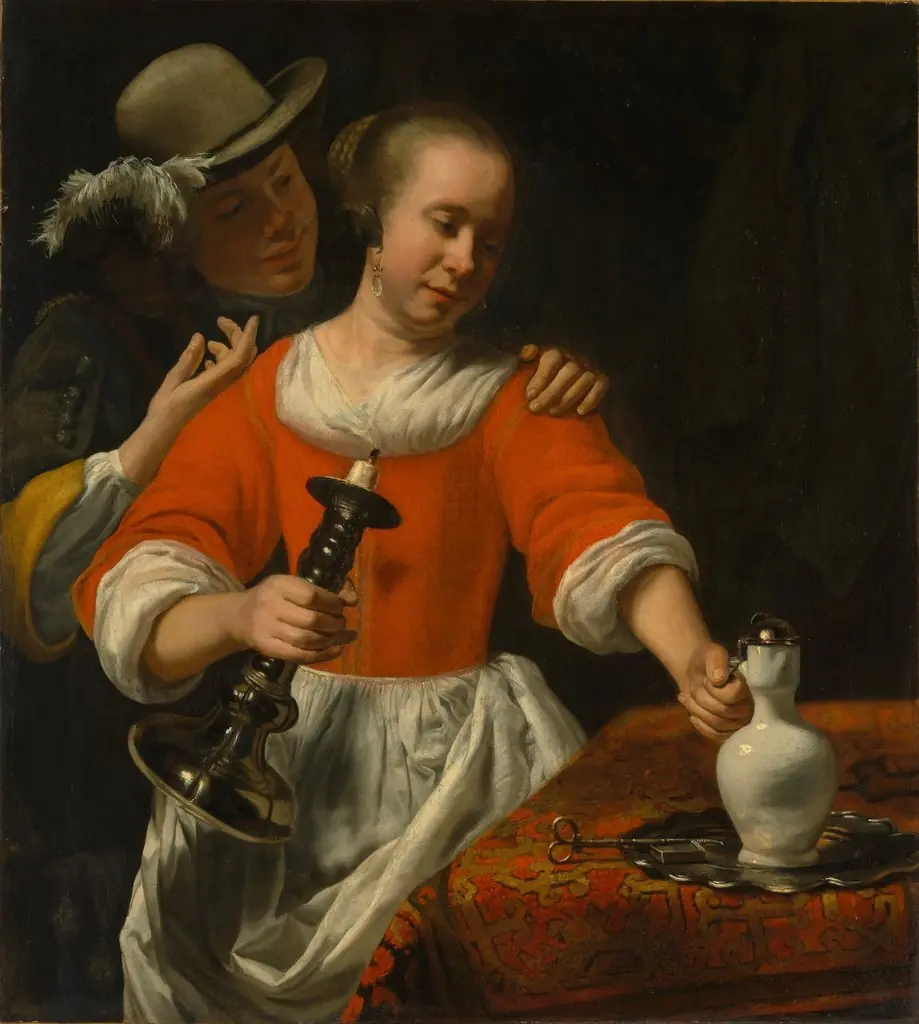 A Young Woman and a Cavalier
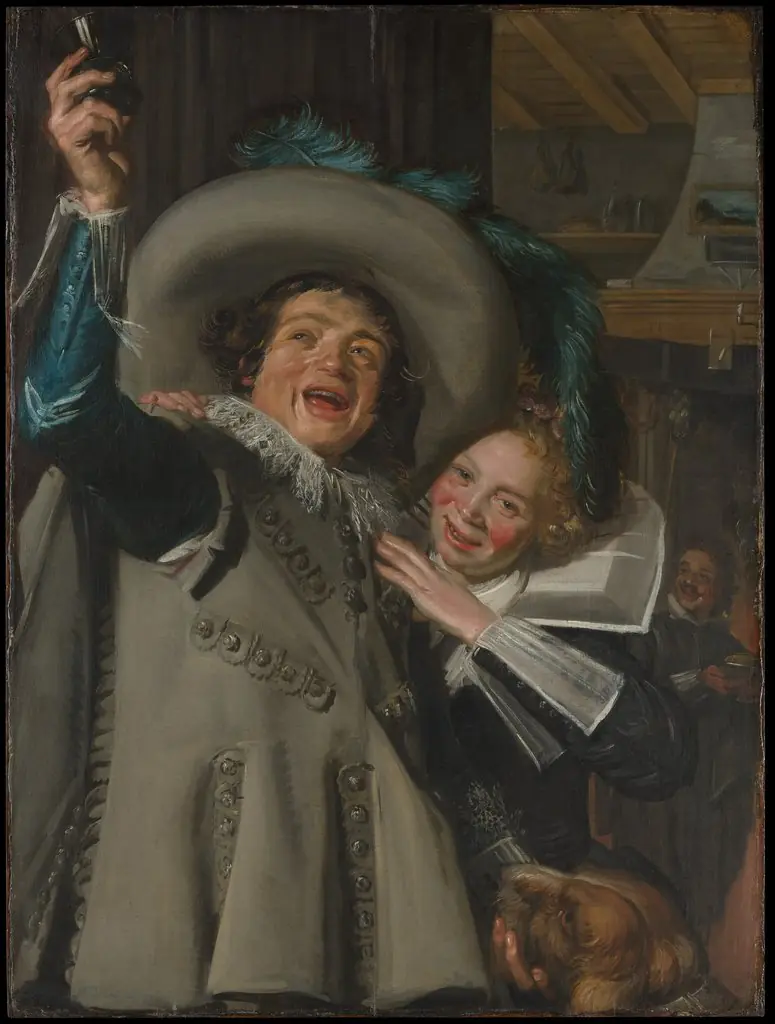 Young Man and Woman in an Inn
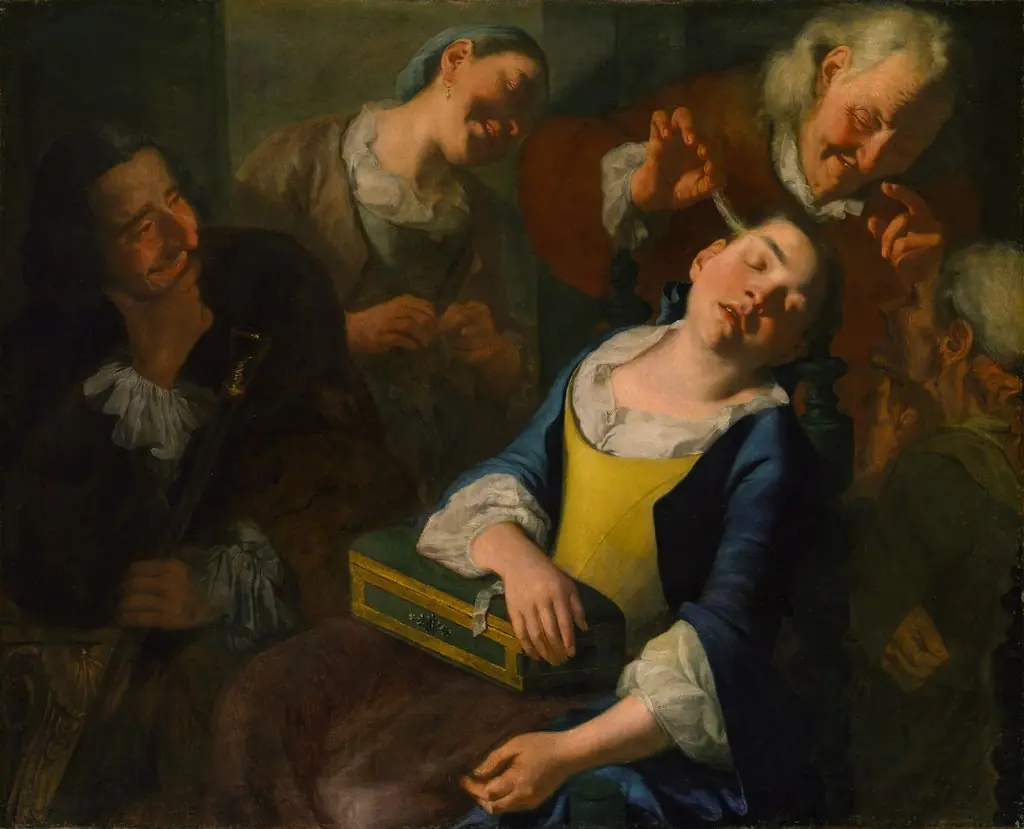 Teasing a Sleeping Girl
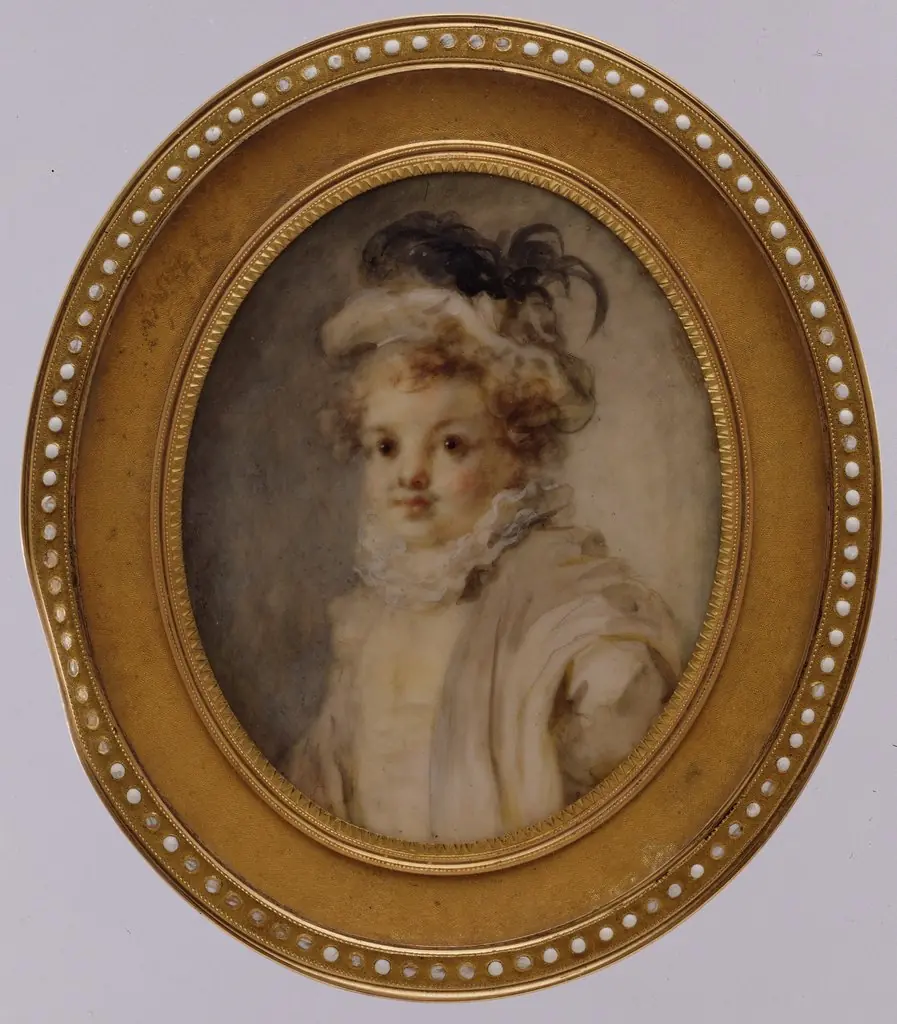 Portrait of a Boy
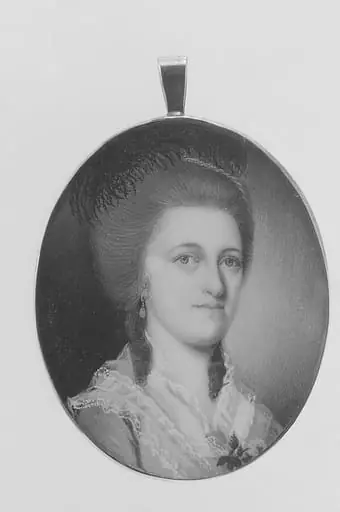 Portrait of a Lady
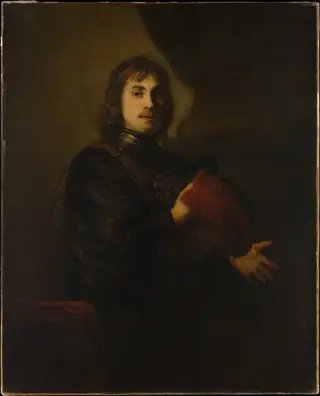 Portrait of a Man with a Breastplate and Plumed Hat
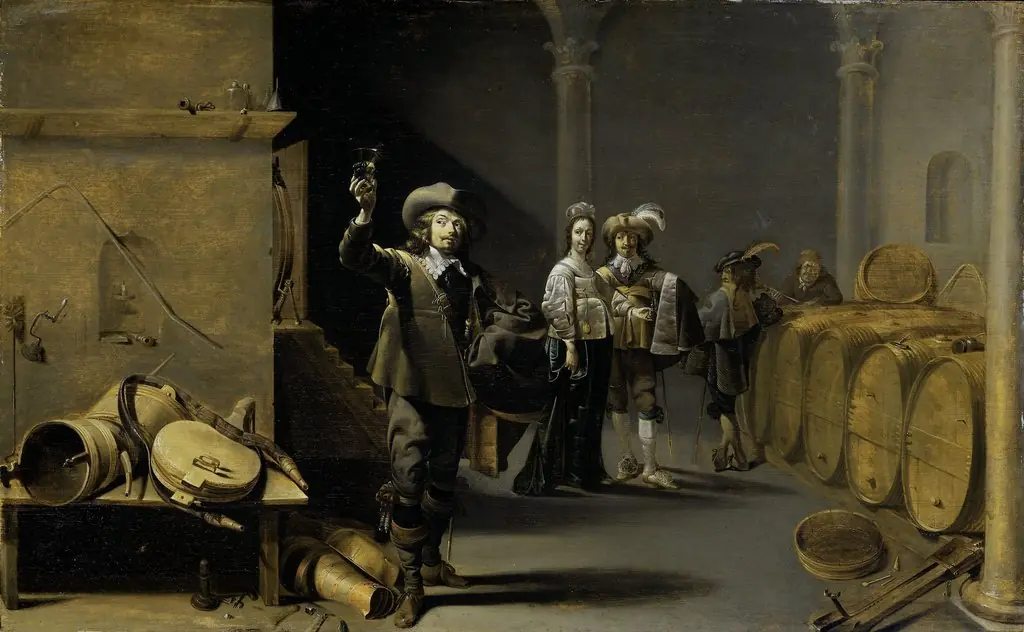 The wine connoisseurs
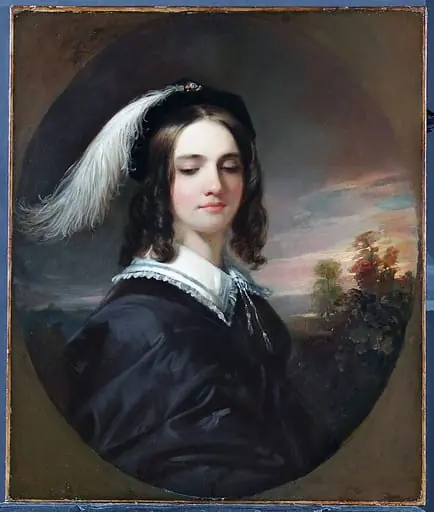 Mary Inman
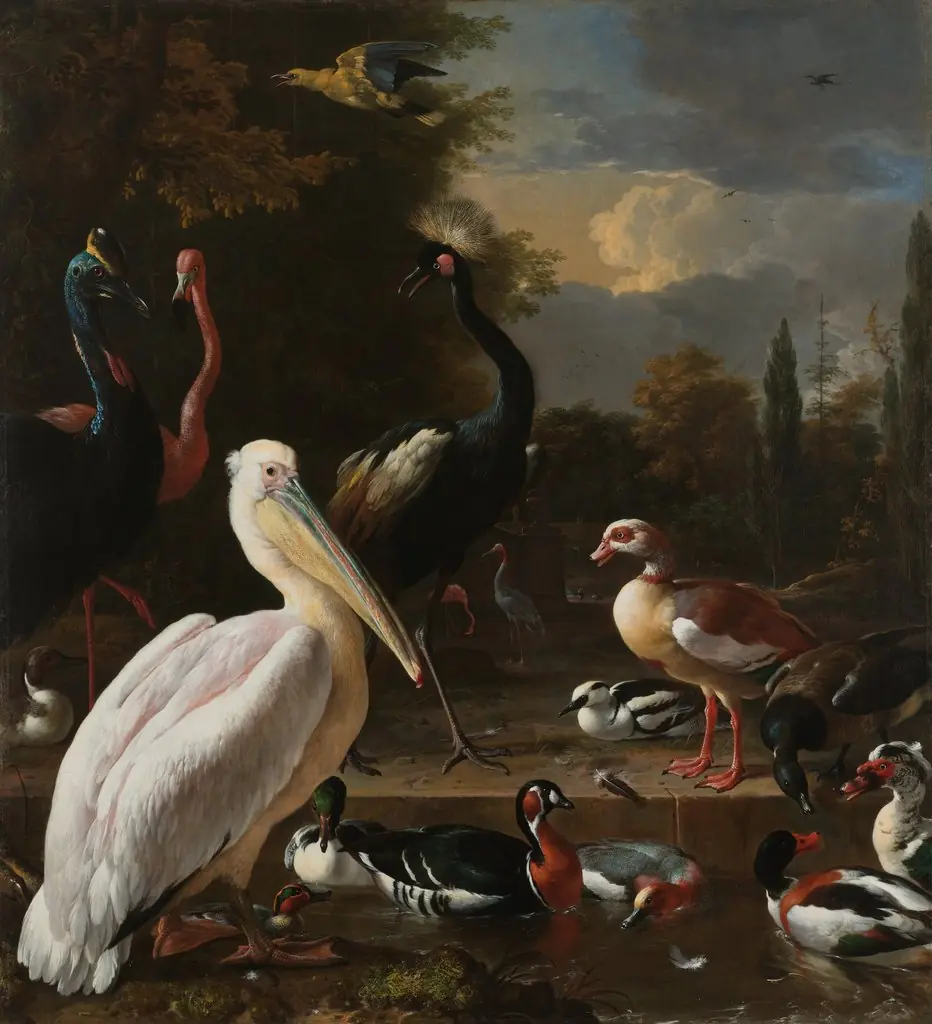 The Floating Feather
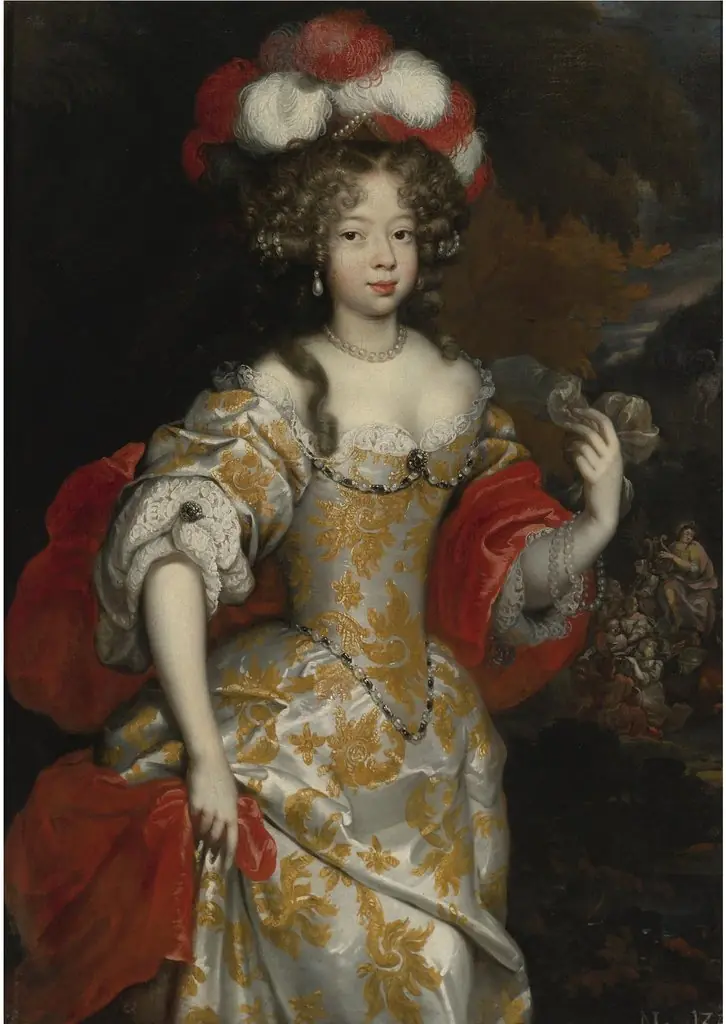 Portrait of Hortense Mancini
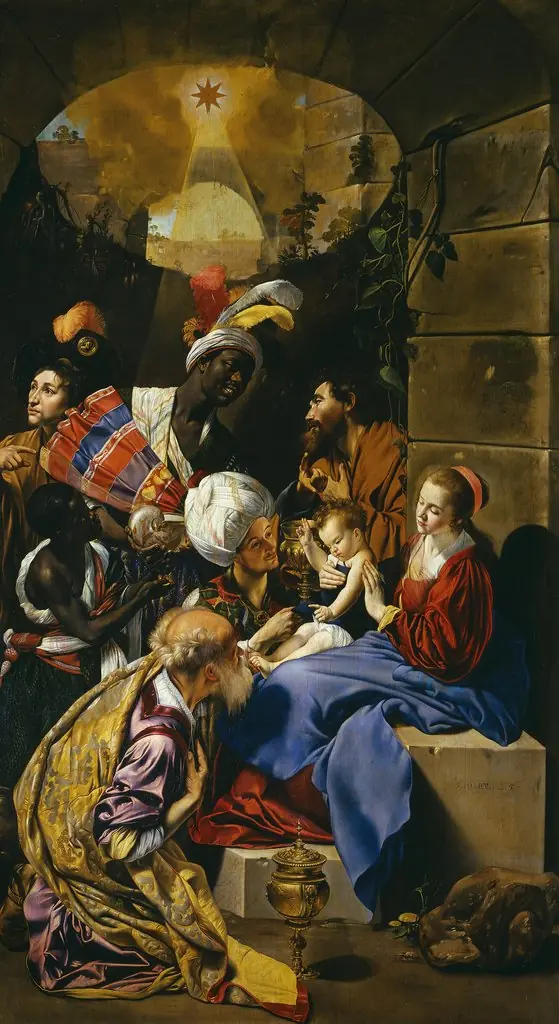 The Adoration of the Magi
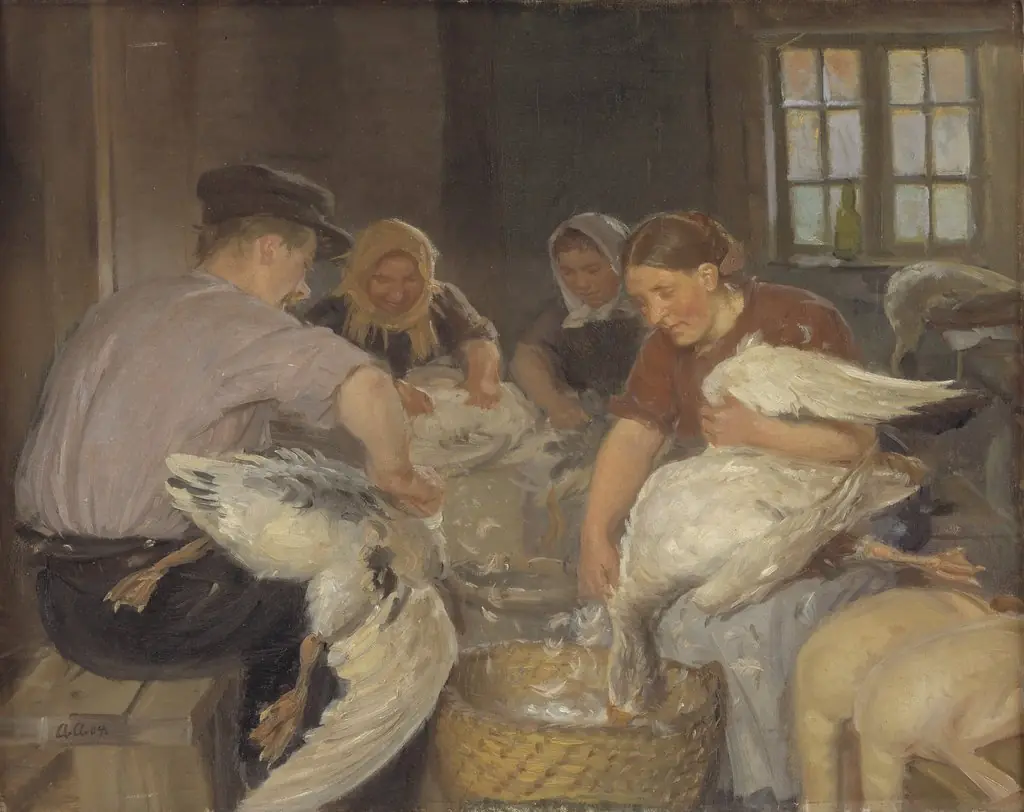 Plucking the Geese
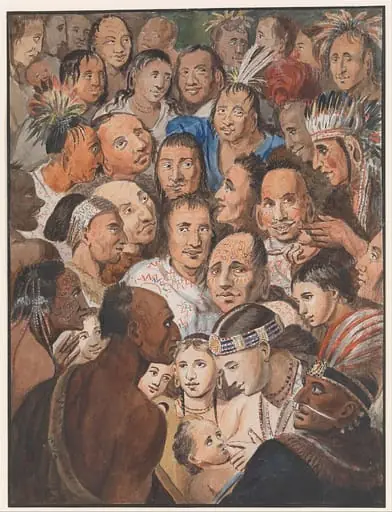 Tableau of Indian Faces
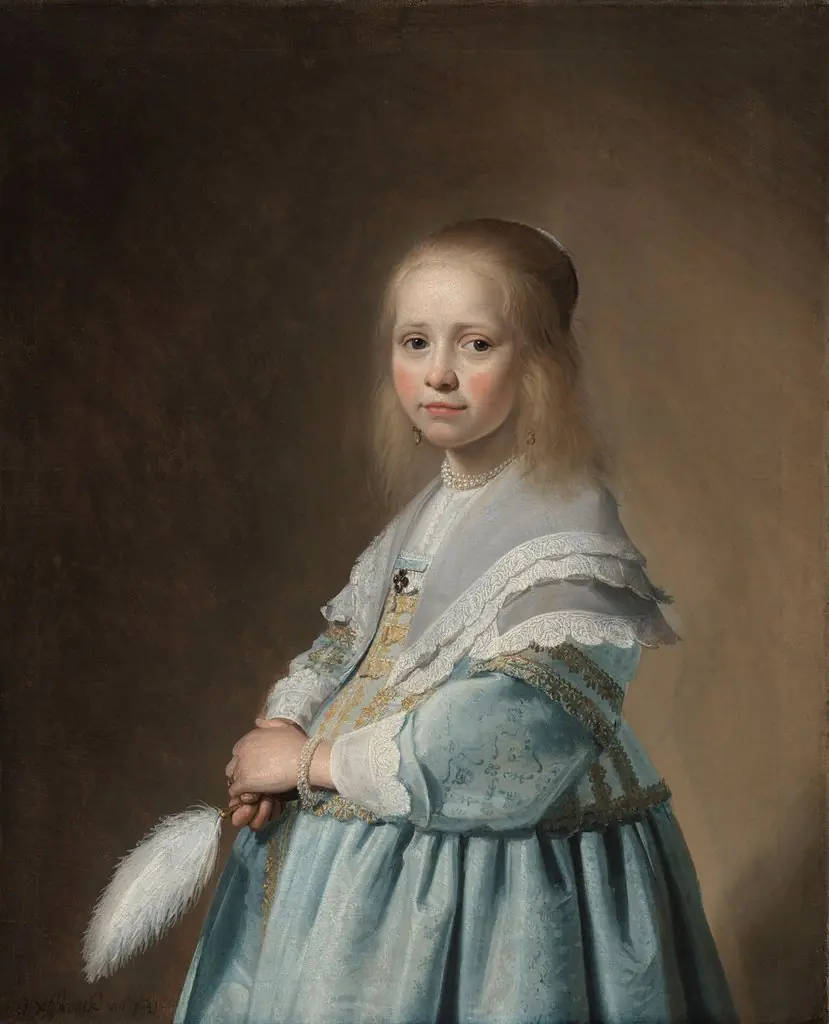 Portrait of a Girl Dressed in Blue
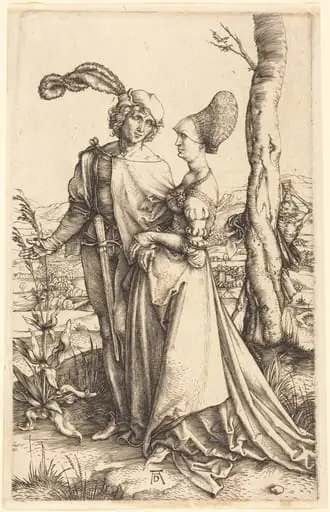 Promenade
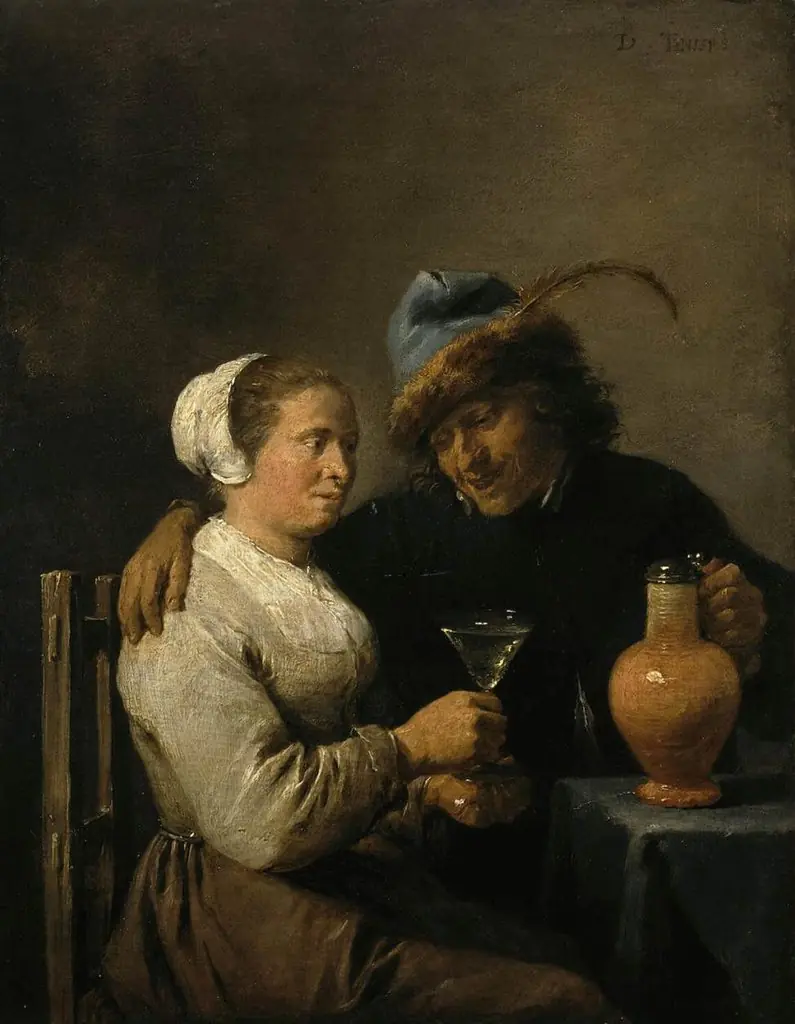 Scene in a Tavern
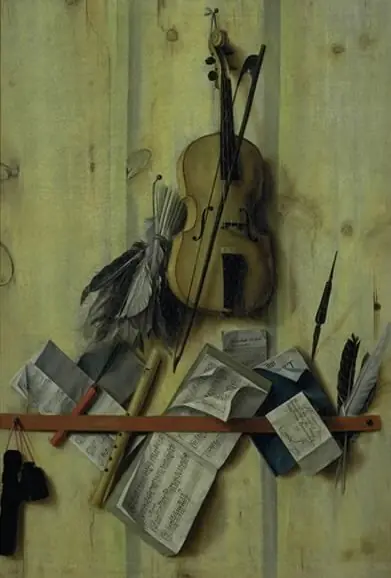 Trompe l'oeil with Violin, Music Book and Recorder
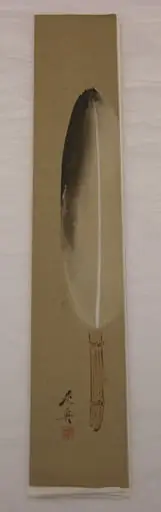 Untitled
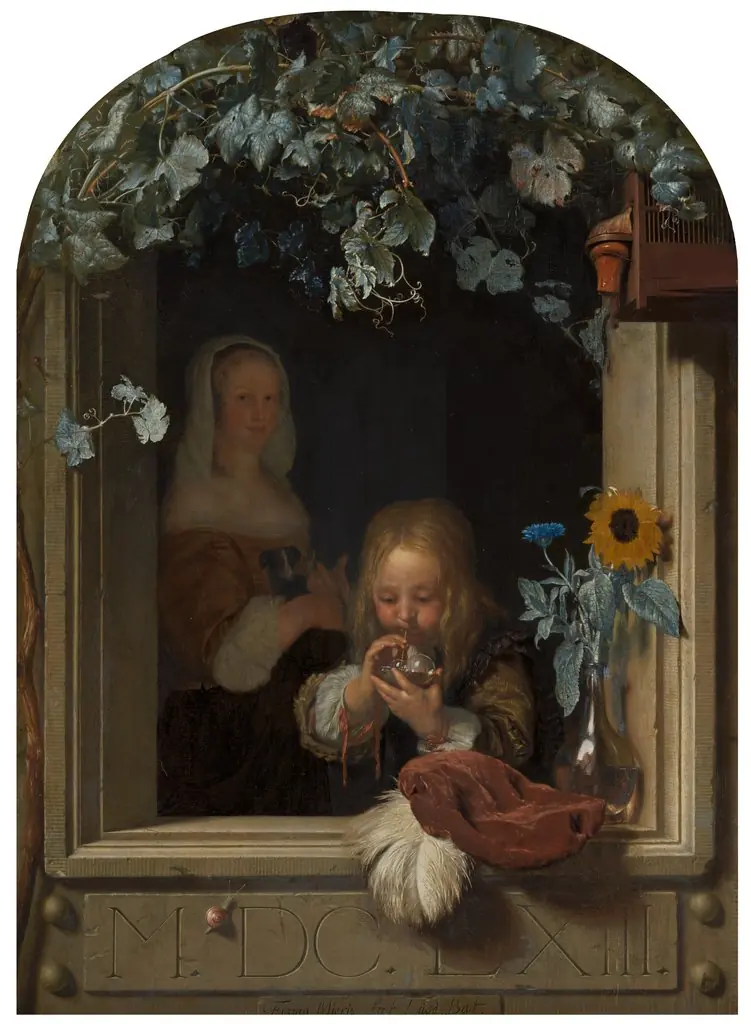 A Boy Blowing Bubbles
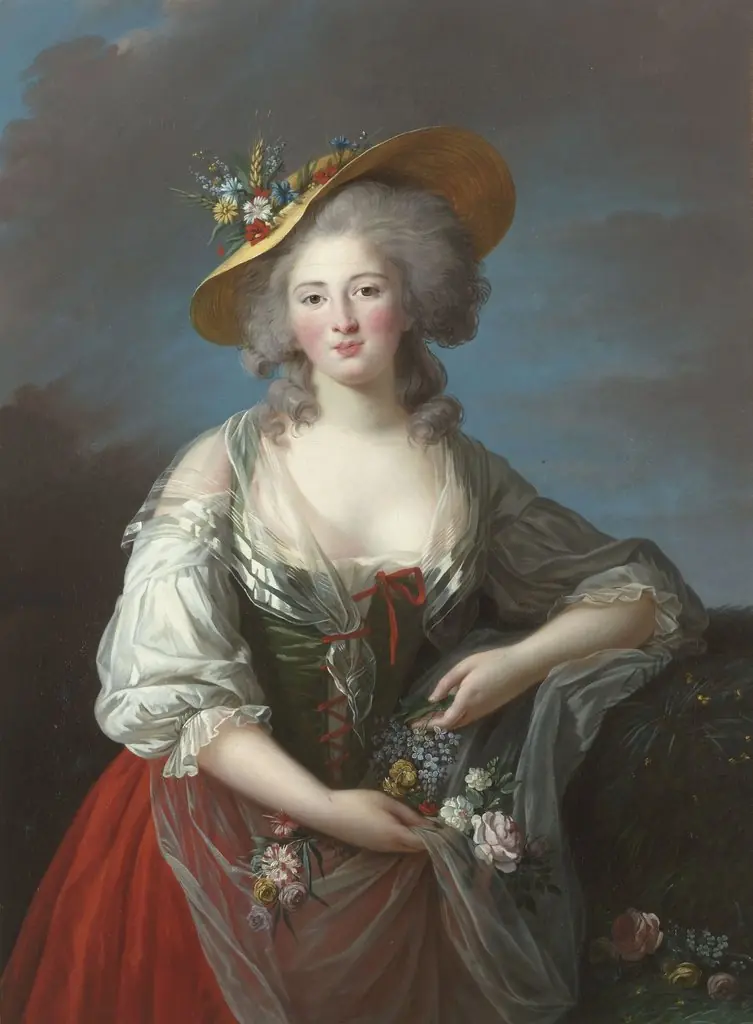 Elisabeth-Philippe-Marie-Hélène de France, dite Madame Elisabeth
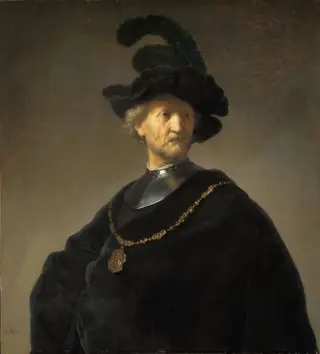 Old Man with a Gold Chain
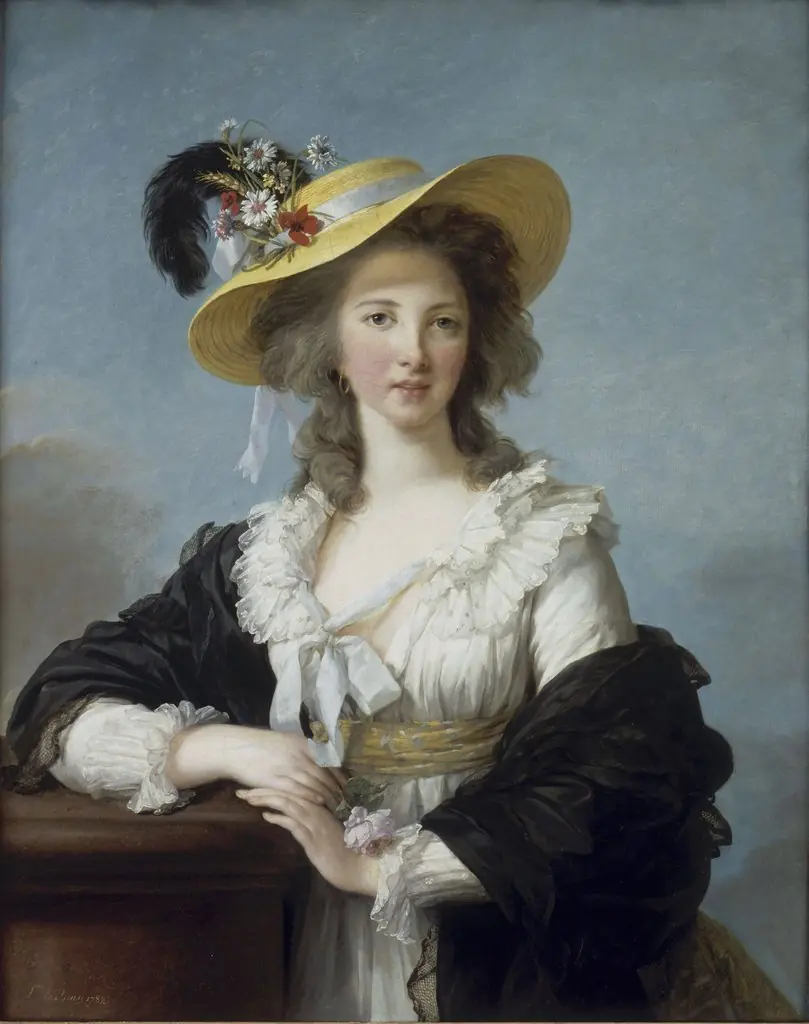 Yolande-Martine-Gabrielle de Polastron, Duchess de Polignac
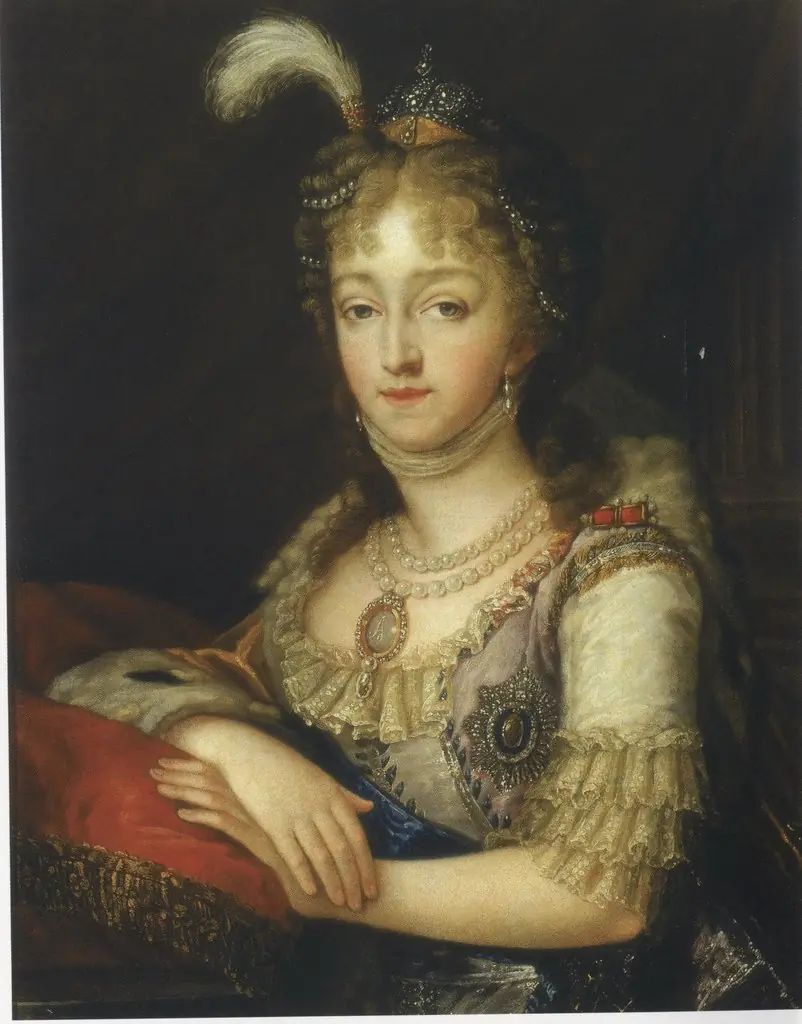 Portrait of Empress Elizabeth Alexeyevna
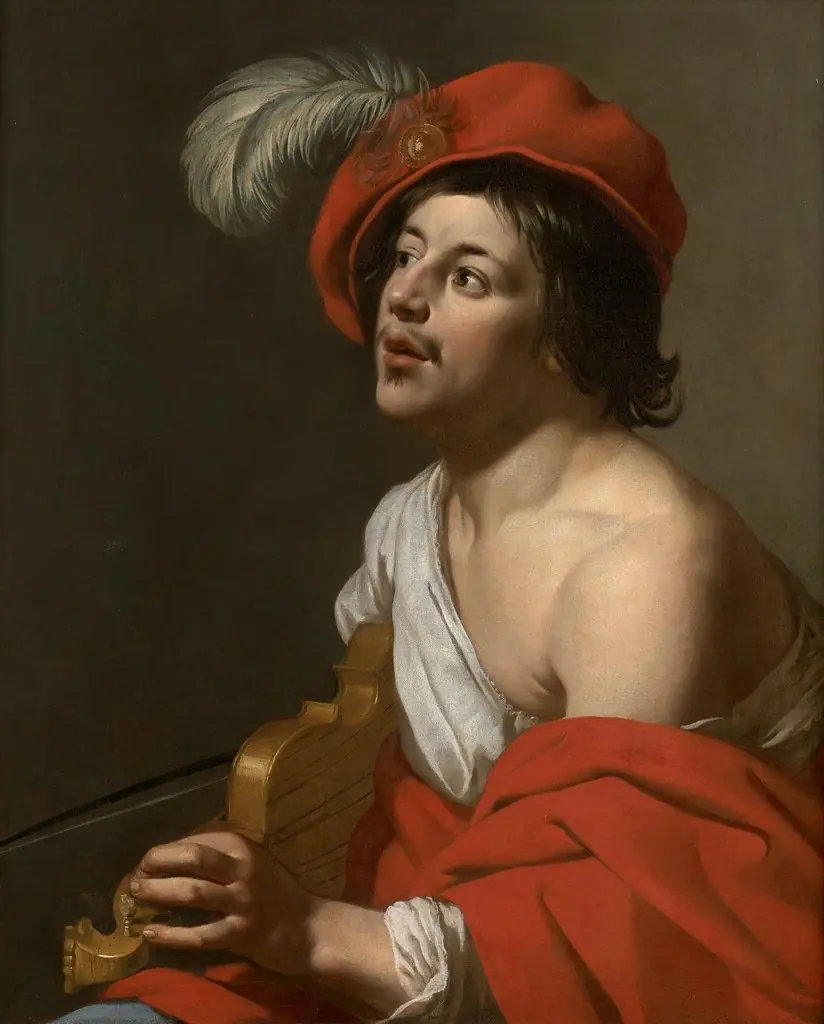 Young man tuning his violin
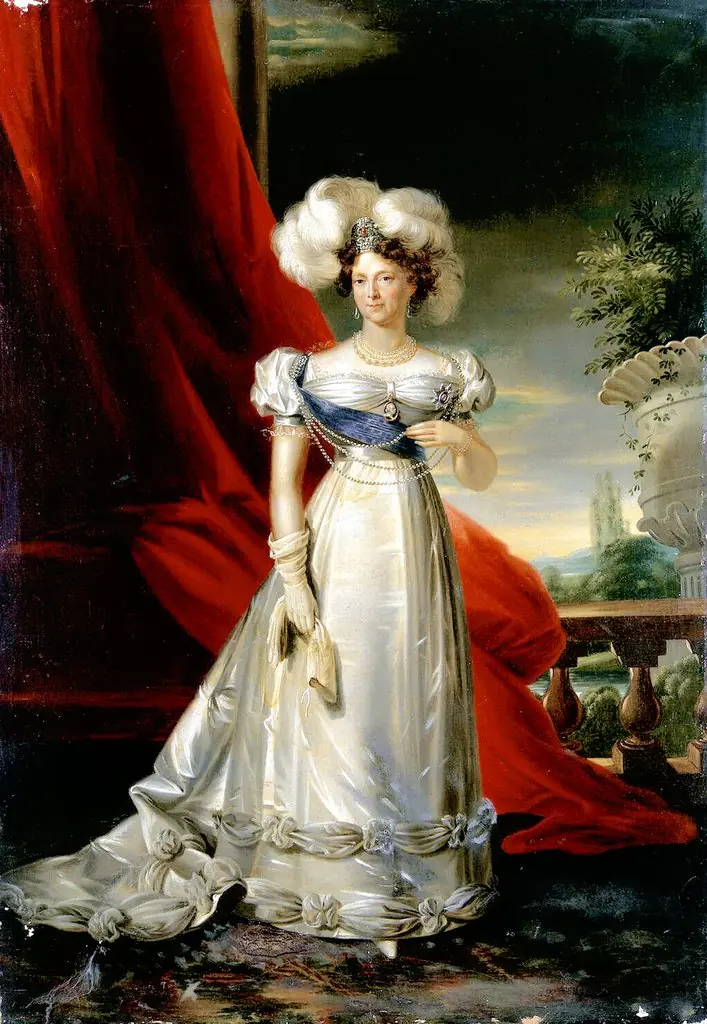 Portrait of the Empress Dowager Maria Feodorovna
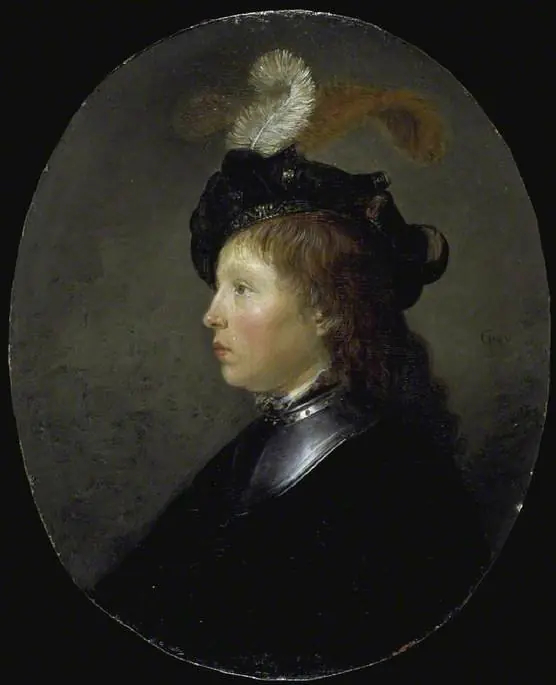 Portrait of a Boy
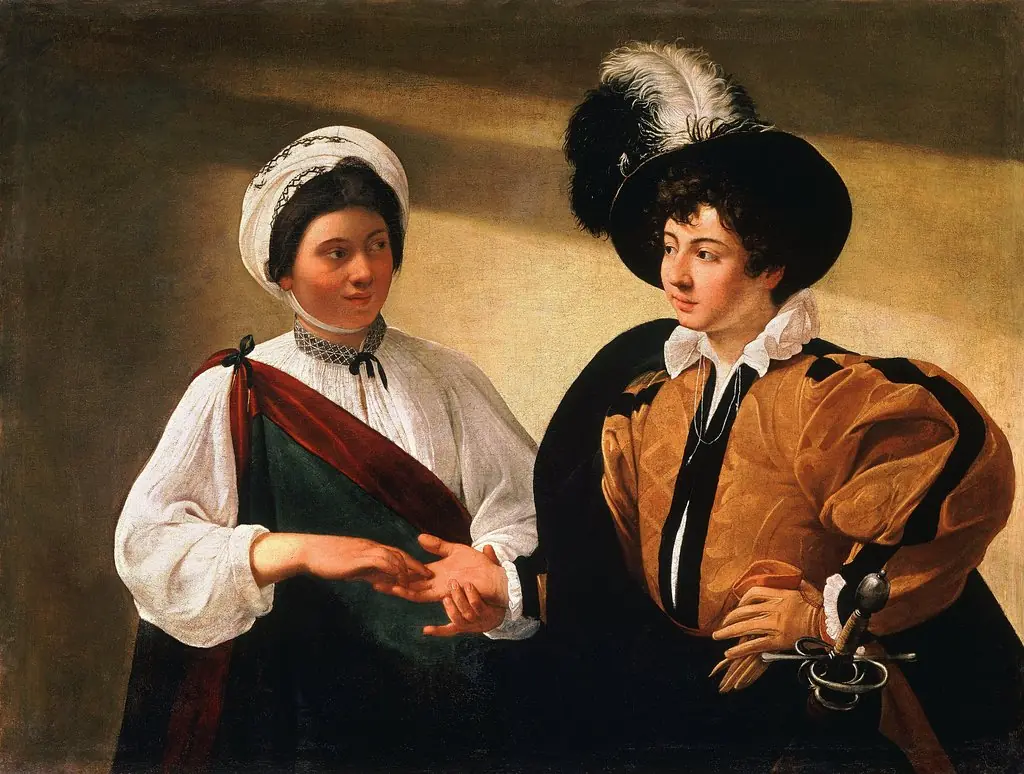 The Fortune Teller
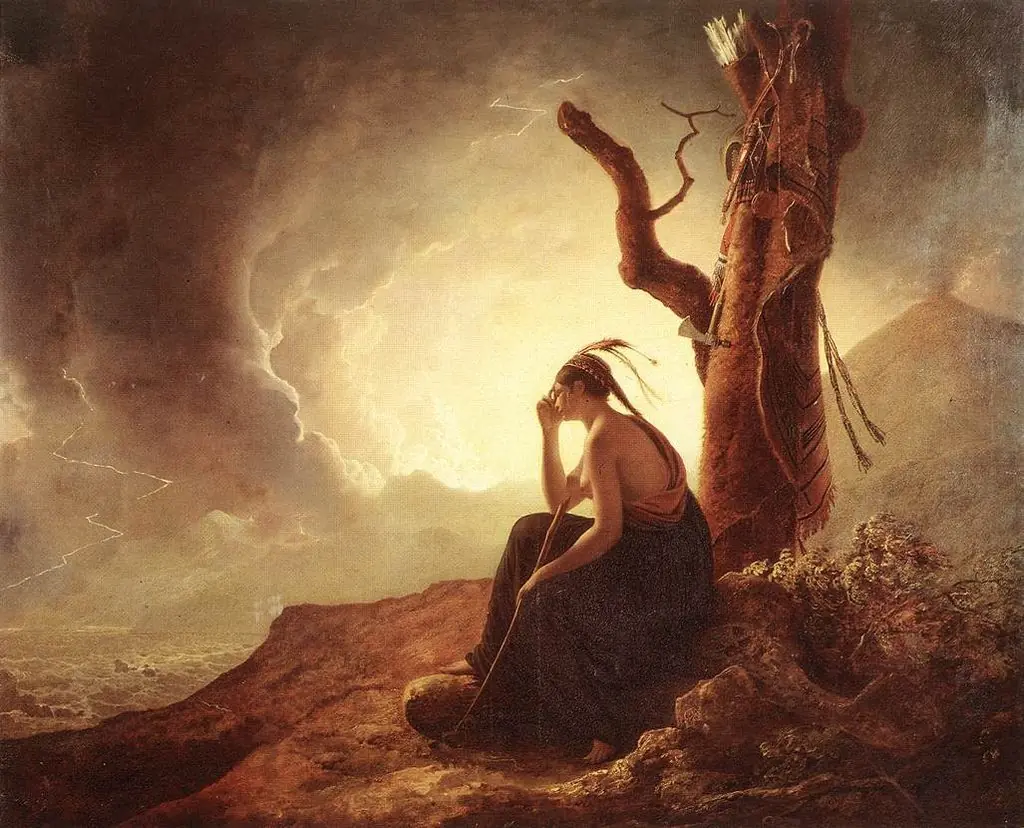 Indian Widow
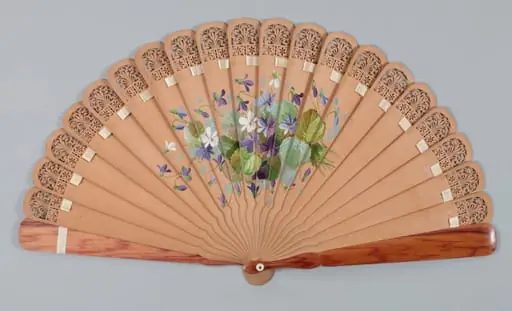 Eventail brisé
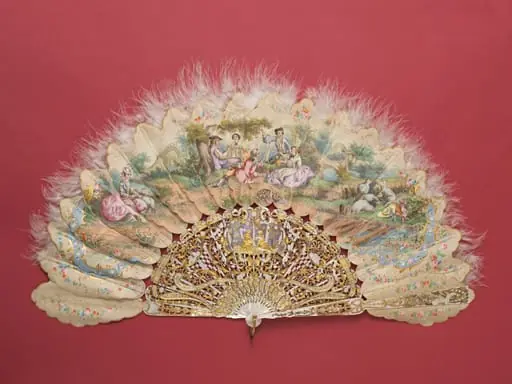 Eventail pliant
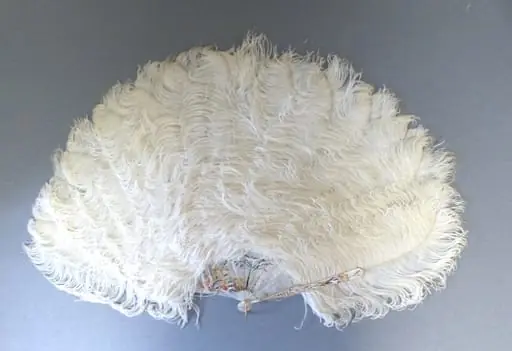 Eventail en plumes d'autruche
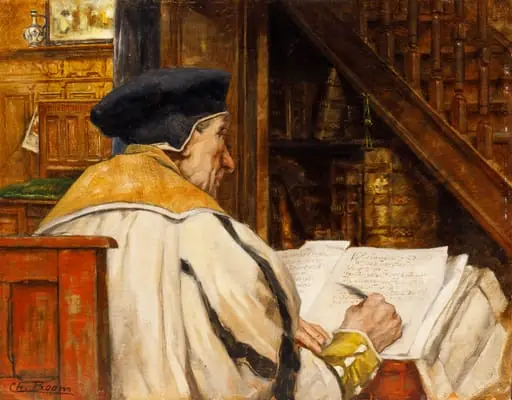 Cronicarul
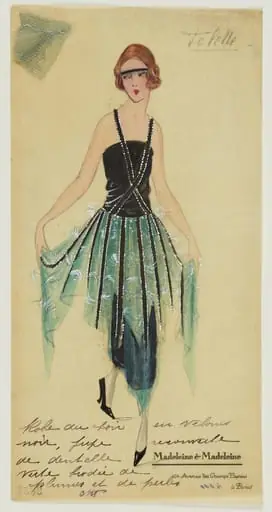 Folette
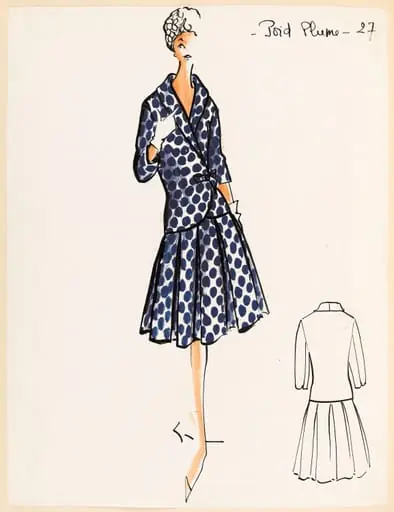 Poid plume
![Sans le v[illisible]](https://artifactworldgallery.com/img/madeleine-madeleine--sans-le-v-illisible--8212b979ada6b65a-w320.webp) Sans le v[illisible]
Sans le v[illisible]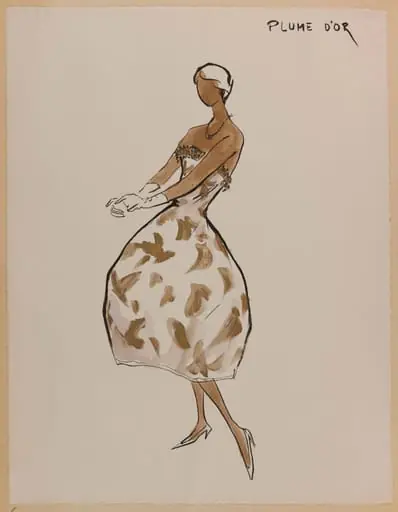 Plume d'or
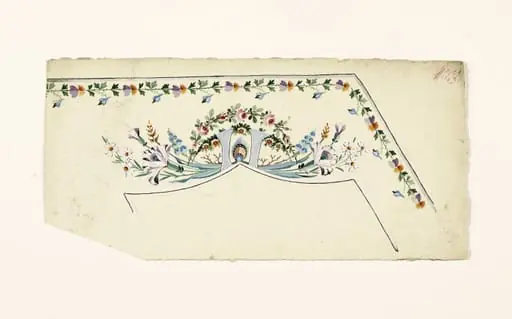 Composition avec brins et guirlandes de fleurs encadrant une plume de paon, projets de broderies de gilet, XVIIIème siècle
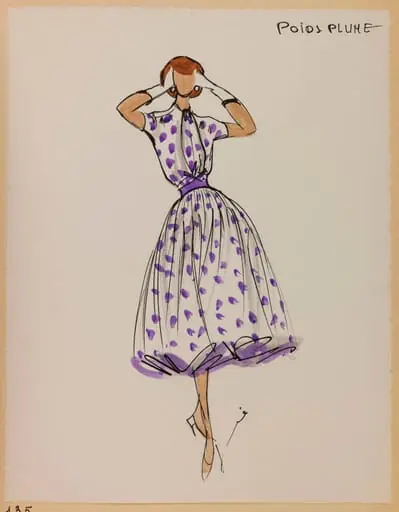 Poids plume
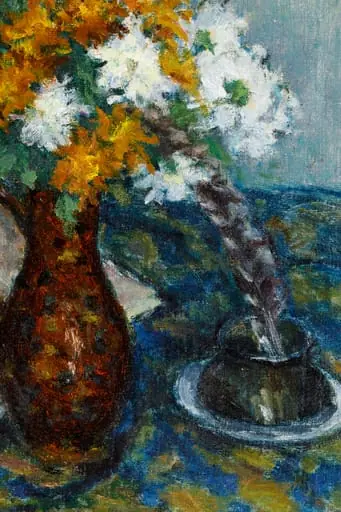 Tufănele, carte și pană pe fond albastru
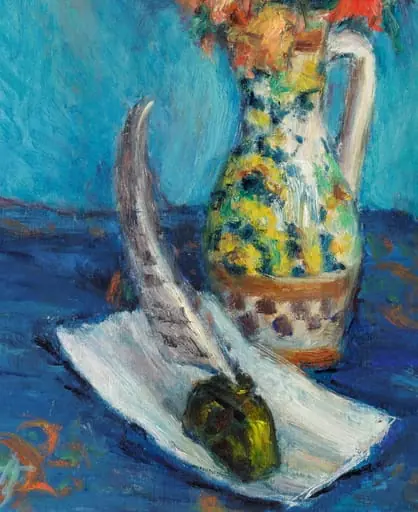 Tufănele
 Vas cu flori
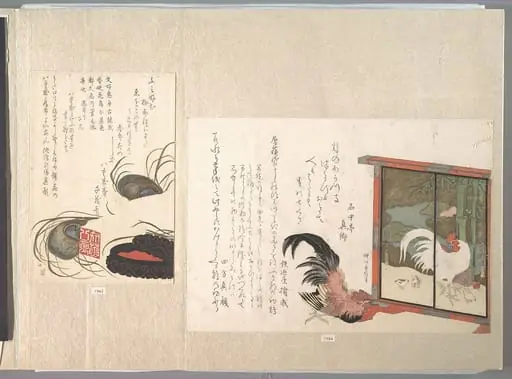 印鑑と朱に孔雀羽根|Seal-stone and Seal-ink with Peacock Feathers, from Spring Rain Surimono Album (Harusame surimono-jō), vol. 1
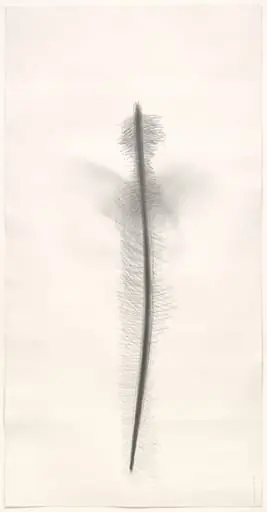 Untitled
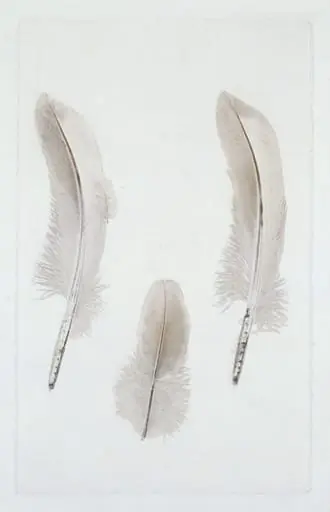 Nature print
Frequently asked questions
What is Feather?
Feather is a subject in art. family name
How many Feather works does Artifact World Gallery have?
Artifact World Gallery holds 53 public-domain Feather works, all free to view and download.
Who are the key Feather artists?
Key Feather artists in the collection include Seymour Joseph Guy, Francis Wheatley and Caravaggio.
Where can I see Feather works?
Feather works in the collection are held by Metropolitan Museum of Art, Palais Galliera - Musée de la Mode de la Ville de Paris and Hermitage Museum.