Artwork
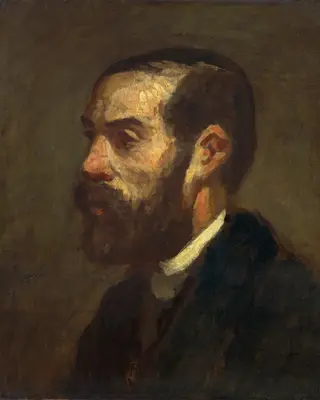
Portret van de beeldhouwer Pier Pander (1864-1919)
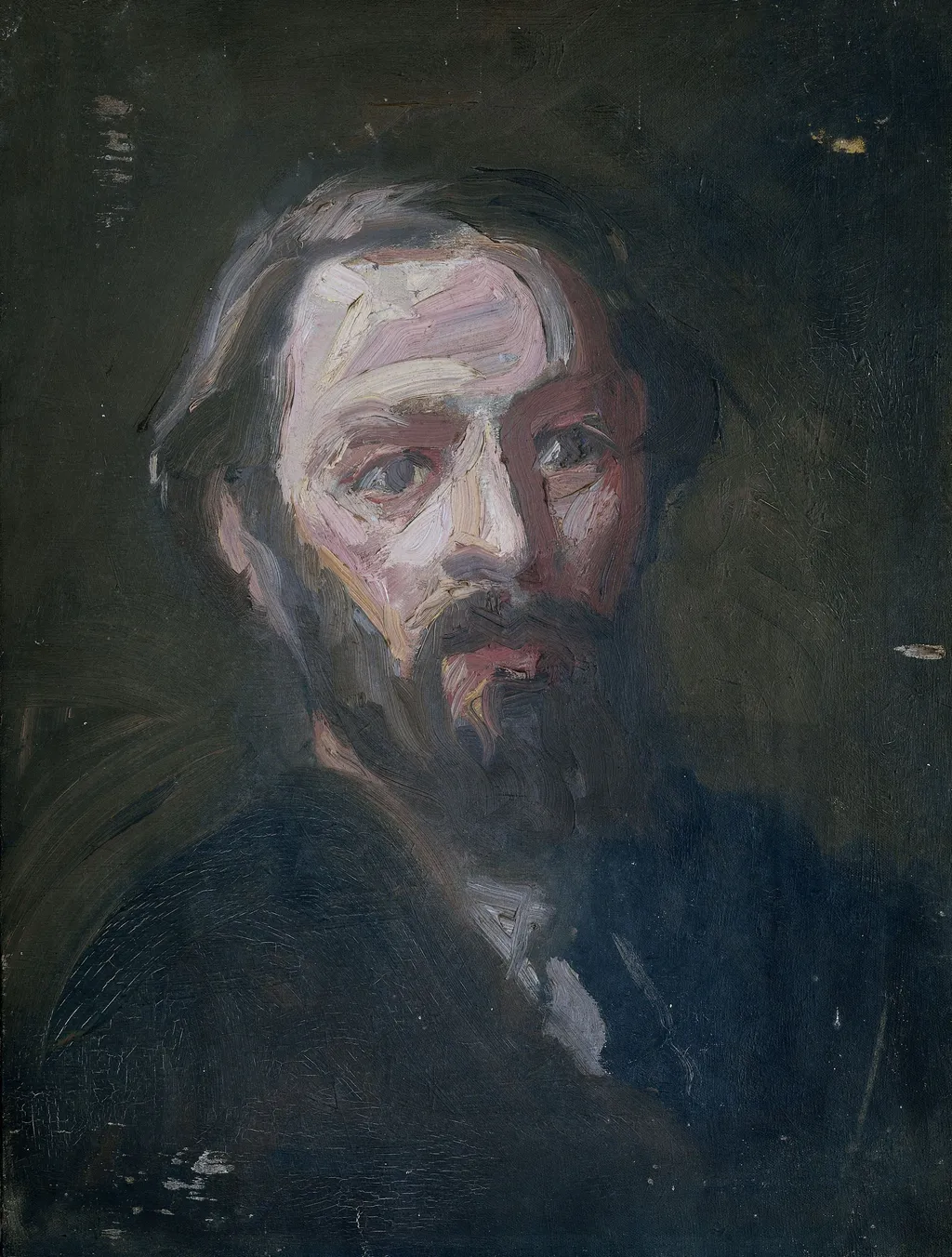
Portret van de beeldhouwer Pier Pander (1864-1919) is an oil painting by the Post-Impressionist artist Thomas Cool. It dates from 1897 and is held in the collection of the Rijksmuseum.
About this work
Subject & Meaning
The portrait was produced while Cool was working in Rome, a city that attracted many Northern European artists and sculptors in the late nineteenth century.
The painting is a portrait of the Dutch sculptor Pier Pander (1864–1919), executed by Thomas Cool in 1893. According to the work's cataloguing, Pier Pander is identified as the main subject depicted, and the genre is classified as a portrait.
The portrait was produced while Cool was working in Rome, a city that attracted many Northern European artists and sculptors in the late nineteenth century. Pander himself spent formative years in Italy, and the work therefore documents a meeting between two figures of the Dutch artistic diaspora abroad.
As a straightforward portrait rather than an allegorical or symbolic composition, its meaning lies in the commemoration of Pander as a fellow practitioner: a painted record of a sculptor made by a painter, preserving the likeness of an artist who would later become a significant figure in Dutch sculpture.
Technique & Style
The portrait of the sculptor Pier Pander is an oil painting executed on canvas, a medium and support combination consistent with Thomas Cool's broader portrait practice. According to the catalogue record, the work measures 48 cm in height by 36 cm in width, giving it a modest, upright format suited to an intimate likeness rather than a monumental composition.
The painting was produced in 1893 in Cool's Roman studio, a period when the Dutch artist was working in the international artistic milieu of the Italian capital. The genre is classified as portraiture, with Pier Pander himself identified as the main subject depicted. The canvas-and-oil technique places the work within the traditional painterly conventions of late nineteenth-century European portraiture, executed on a relatively small scale that emphasizes personal characterization over grand display.
History & Provenance
Thomas Cool executed this oil-on-canvas portrait of the sculptor Pier Pander in 1893. The work was created in Rome, Italy. Measuring 48 by 36 centimeters, the painting depicts Pander as its primary subject. The artwork eventually entered the collection of the Rijksmuseum, where it is currently held.
Overview
Thomas Cool’s 1897 oil portrait presents the Dutch sculptor Pier Pander (1864‑1919) in a close‑up composition. Executed for the Rijksmuseum’s collection, the work captures the artist’s likeness with a restrained palette and a focus on facial expression.
Context
Created during a period when realist portraiture emphasized psychological depth, the work aligns with contemporary Dutch trends that favored careful observation of the individual’s character through detailed surface treatment and subdued lighting.
Own this work as a print
Artist & collection

- Self-Portrait, Aged 21
 Male Portrait – two-sided painting
 Hippolyte Lavoignat
 Self-Portrait in a Straw Hat
 Autoportret
 Sketch Portrait of a Man – two-sided painting
 Portrait of Adam Nowina Boznański, Artist's Father
 Portrait of Anthony Valabrègue
 Self-portrait
 Autoportret
 Portræt af den franske maler Alfred Guillou
 Portrait of Stanisław Czachórski (1853–1904), artist’s brother