Artwork
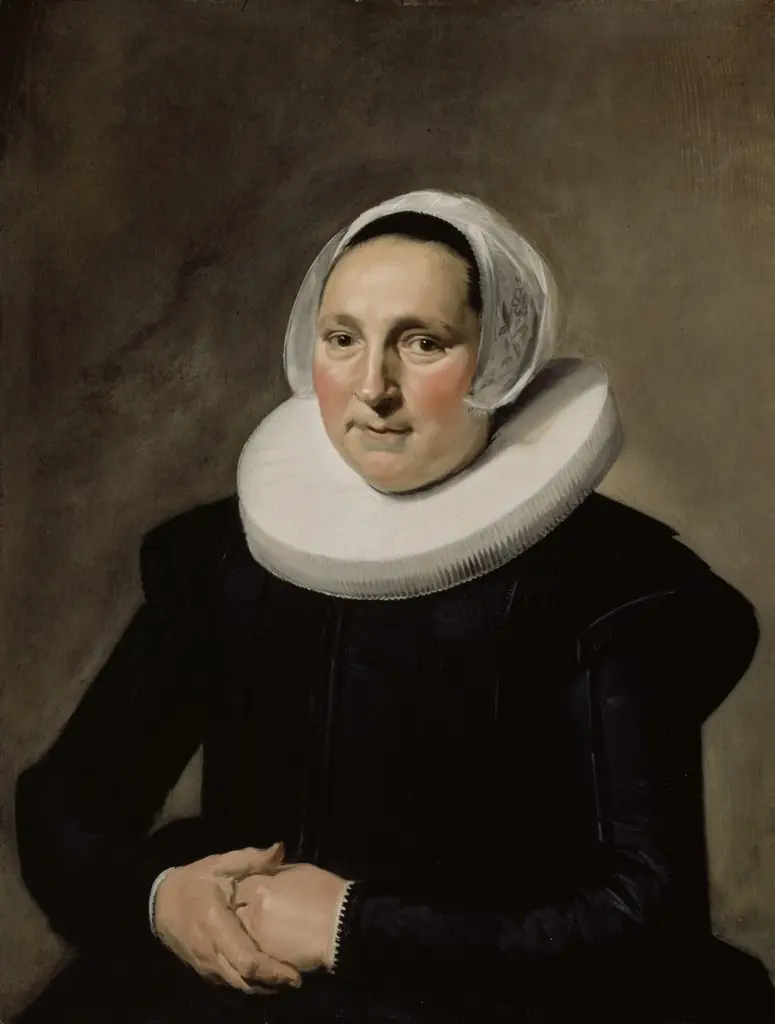
Portrait of a Woman with a Balance
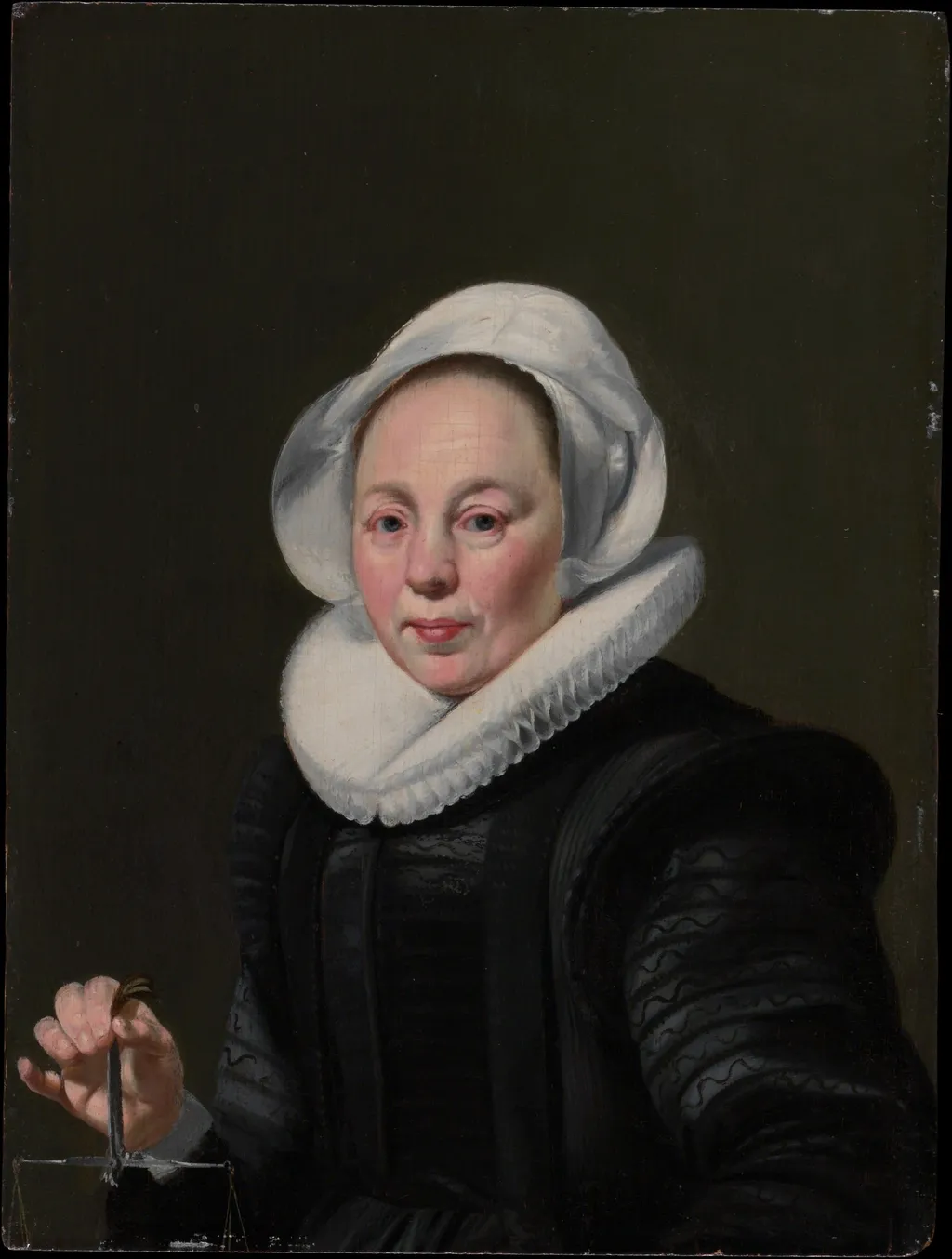
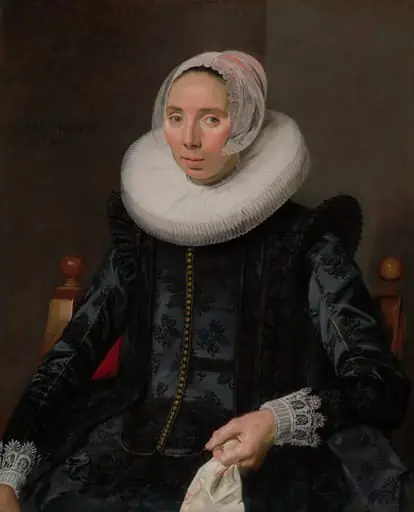
Portrait of a Woman with a Balance is an oil painting by the Dutch Golden Age artist Thomas de Keyser. It dates from 1625 and is held in the collection of the Metropolitan Museum of Art.
About this work
Technique & Style
The small dimensions (approximately 23 × 17 cm) indicate a portable format, suggesting the piece was intended for private viewing.
The work is an oil painting executed on a wooden panel, a technique typical of early‑17th‑century Dutch portraiture. According to the catalog entry, the artist employed oil paint to render fine details and subtle tonal transitions, achieving a realistic rendering of the sitter’s features and the delicate balance of the scale. The small dimensions (approximately 23 × 17 cm) indicate a portable format, suggesting the piece was intended for private viewing.
The handling of light and shadow, combined with a restrained palette, conveys a calm, composed presence, while the precise brushwork on the panel surface preserves the painting’s structural integrity despite centuries of stewardship.
History & Provenance
The work is dated to 1625 on art-historical and museum records, aligning with Thomas de Keyser’s early-career period. The painting’s first documented owner was Catalina von Pannwitz, whose name appears in later provenance chains. By the late twentieth century it formed part of the Aurora Trust collection before entering the Otto Naumann holdings. It subsequently passed to its present location, the Metropolitan Museum of Art, where it remains accessioned.
Overview
Thomas de Keyser, a prominent Dutch painter and merchant, completed Portrait of a Woman with a Balance in 1625. This oil painting captures a woman directly engaging the viewer, holding a small weighing scale. It exemplifies the portraiture genre prevalent during the Dutch Golden Age and is now part of The Metropolitan Museum of Art's collection.
Subject & Meaning
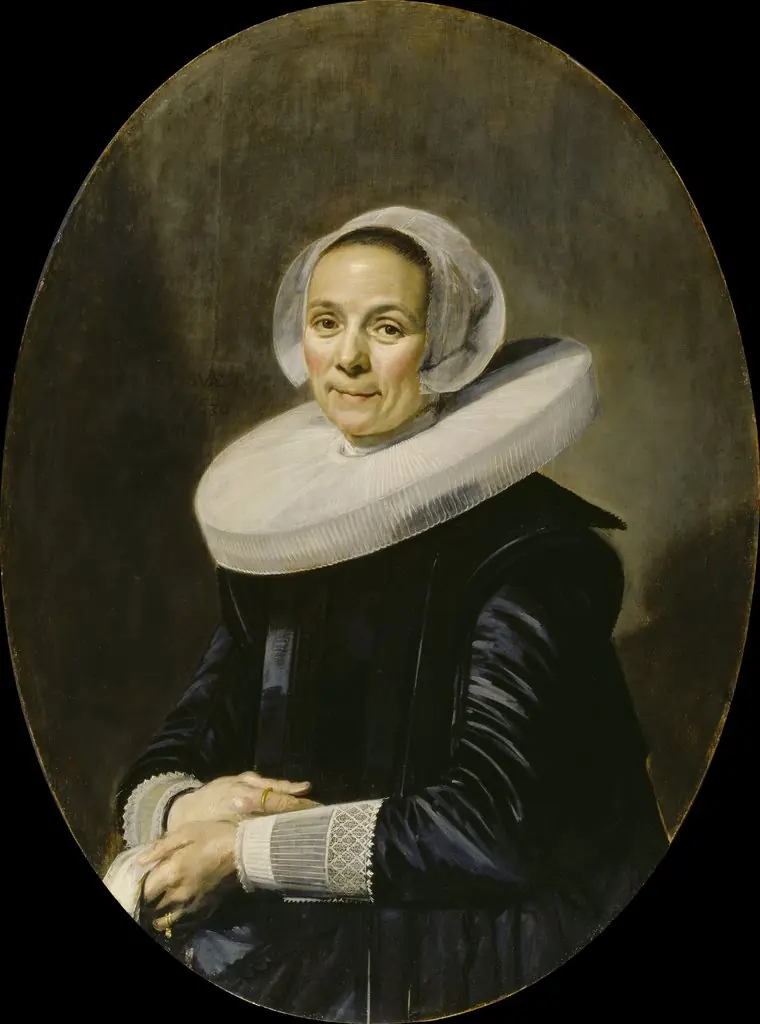
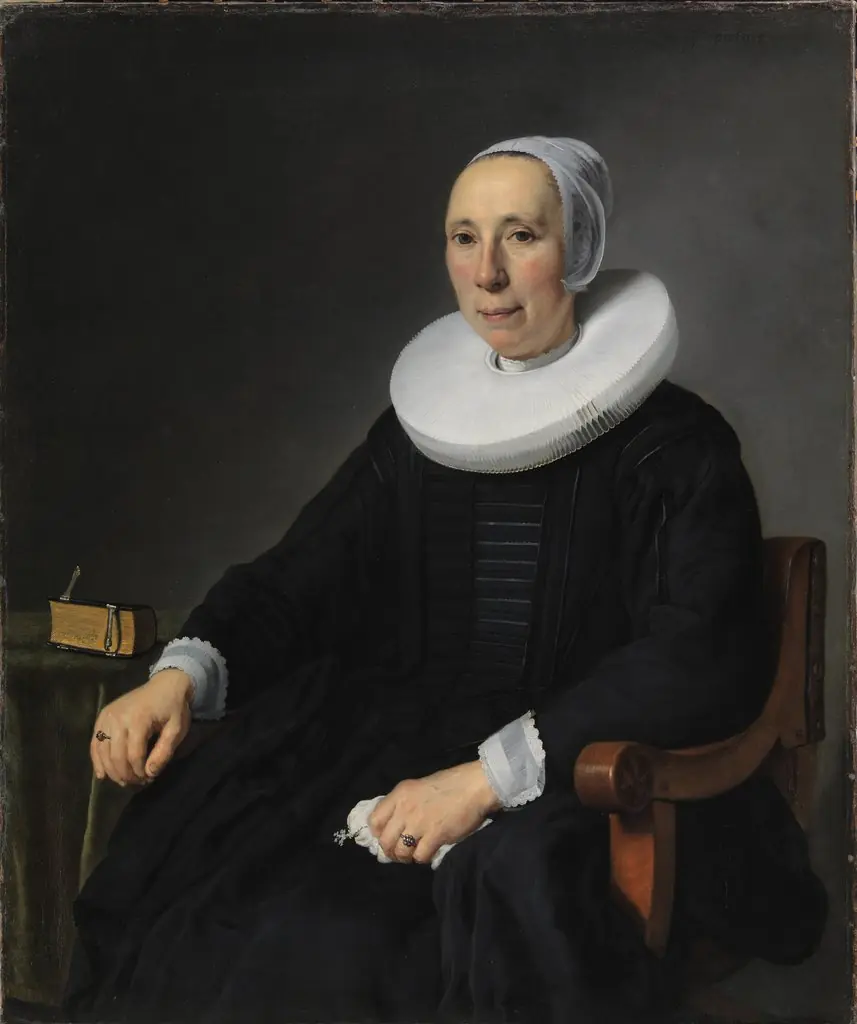
The sitter in this portrait wears a dark gown, complemented by a white ruffled collar and a matching head covering. Her direct gaze establishes an immediate connection with the observer. In her right hand, she carefully holds a balance scale, an implement that suggests a connection to commerce, judgment, or a meticulous nature, reflecting a common symbolic element in Dutch art of the period.
Context
During the early Dutch Golden Age, Thomas de Keyser was a highly regarded portraitist in the Netherlands, enjoying significant demand for his work until the 1630s. His approach to portraiture, characterized by its realism and psychological depth, made a notable impact on his contemporaries. This influence extended to other prominent artists of the era, including the young Rembrandt van Rijn, who likely studied de Keyser's compositions.
Own this work as a print
Artist & collection
Artist
Thomas de Keyser (c. 1596 – 1667) was a Dutch portrait painter and a dealer in Belgium bluestone and stone mason. He was the most in-demand portrait painter in the Netherlands until the 1630s, when Rembrandt eclipsed…

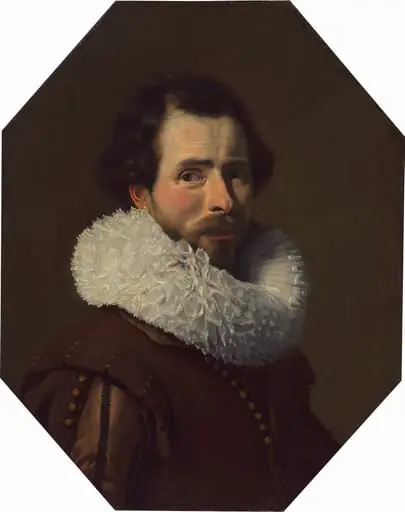 Portrait of a Gentleman Wearing a Fancy Ruff
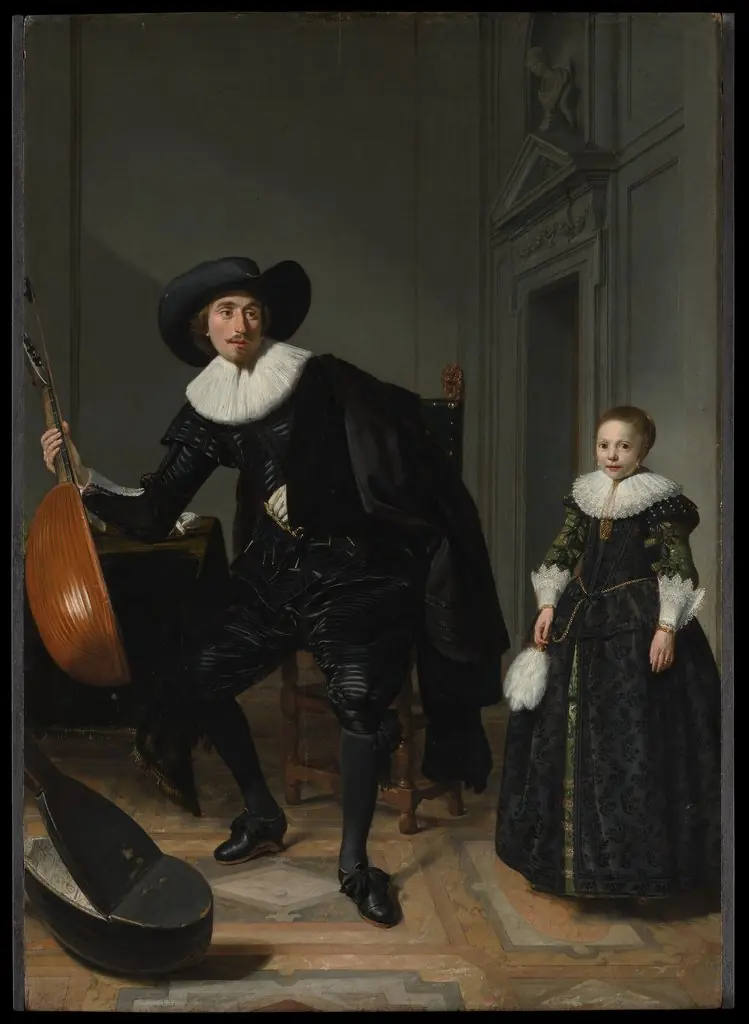 A Musician and His Daughter
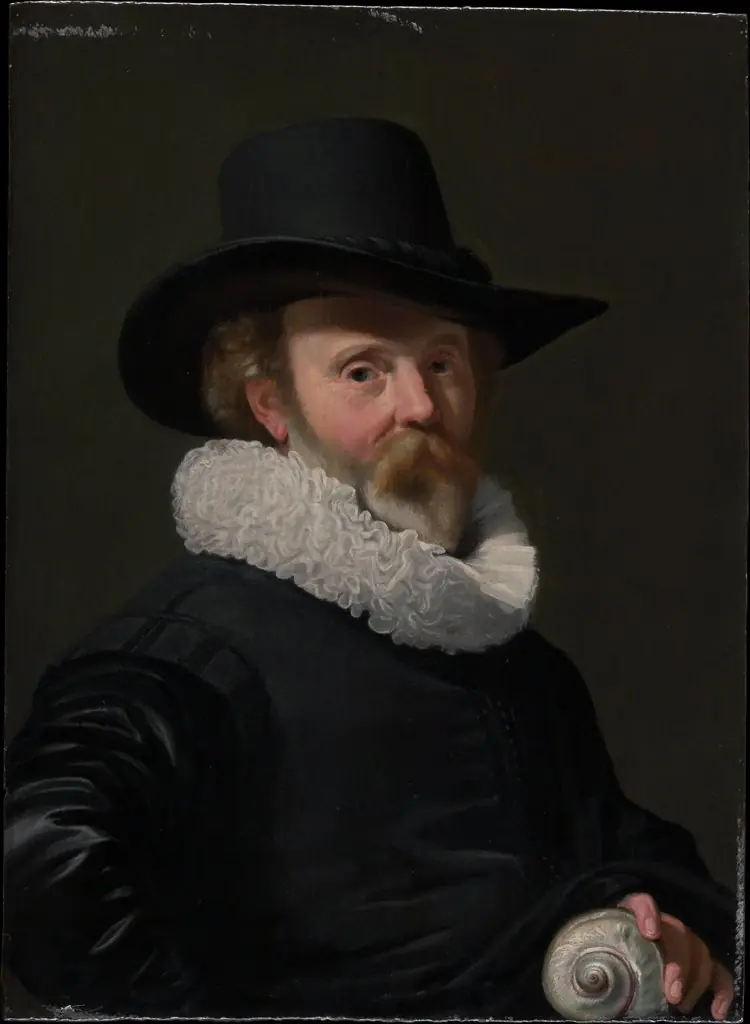 Portrait of a Man with a Shell
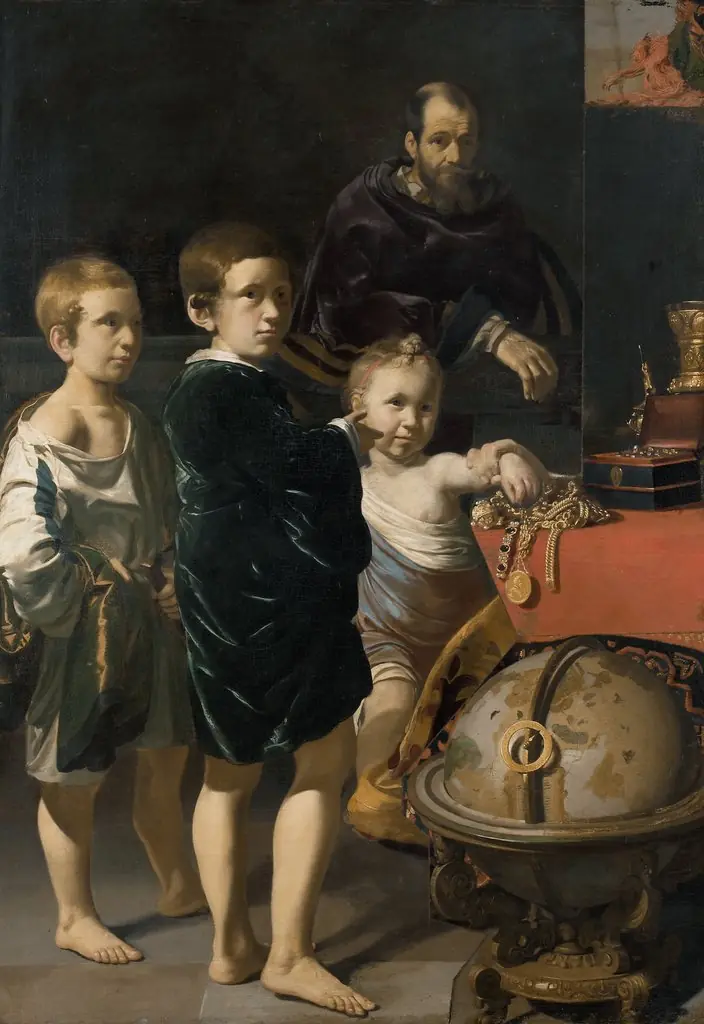 Portrait of three children and a man
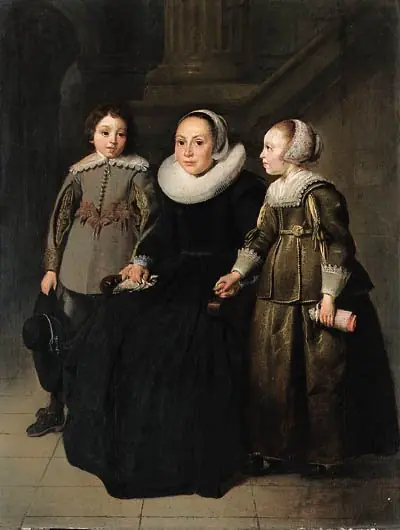 Portrait of a seated woman and two children
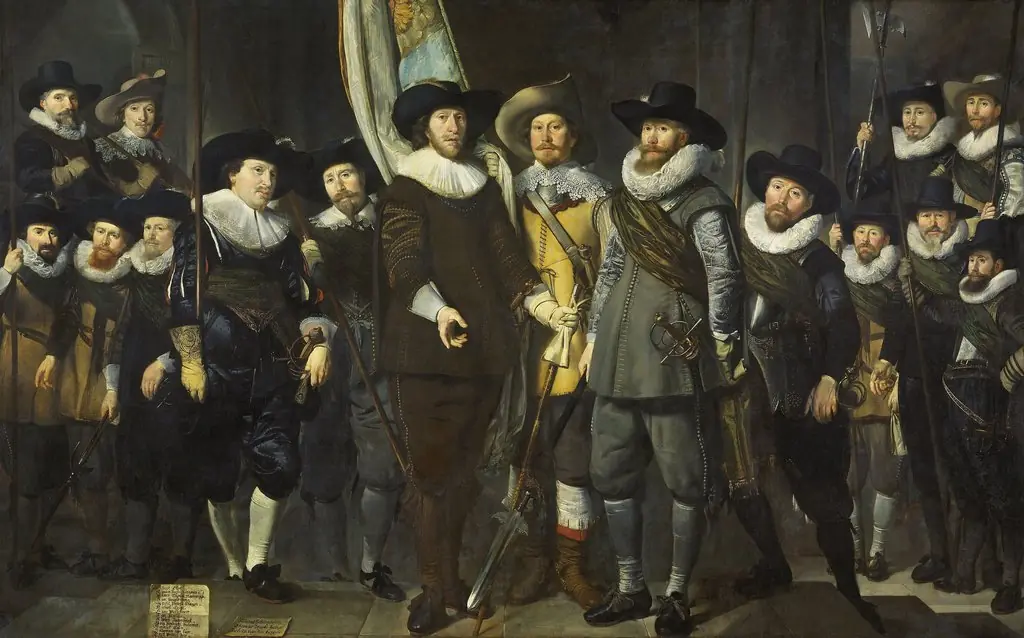 Officers and other civic guardsmen of the IIIrd District of Amsterdam, under the command of Captain Allaert Cloeck and Lieutenant Lucas Jacobsz Rotgans
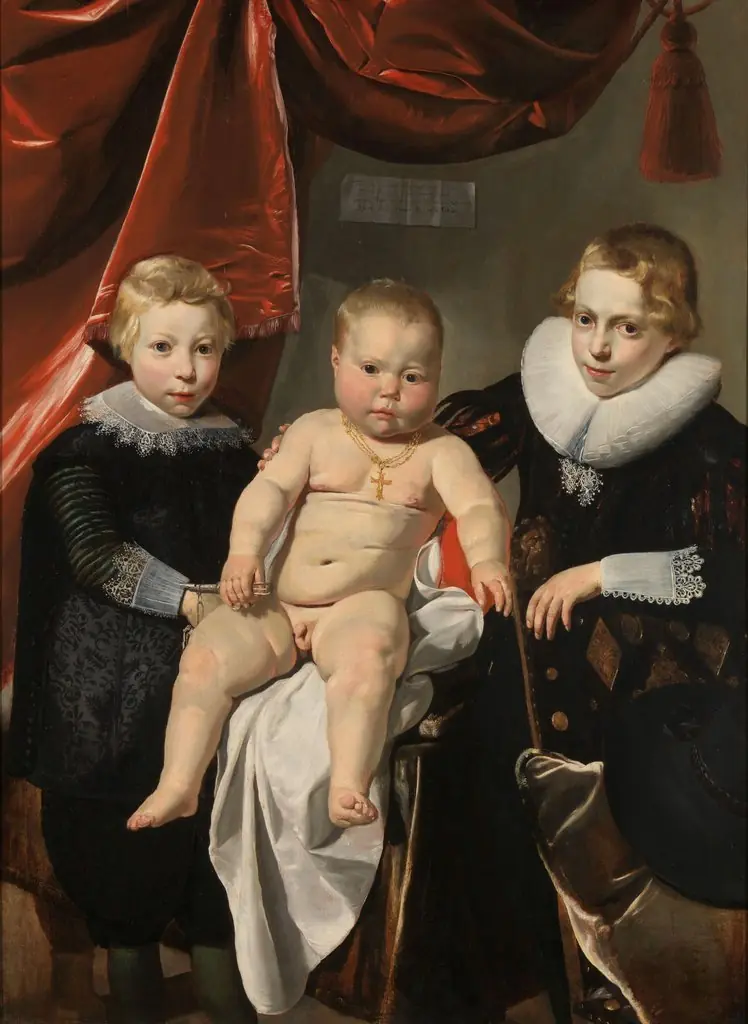 Group Portrait of Three Brothers