Artwork
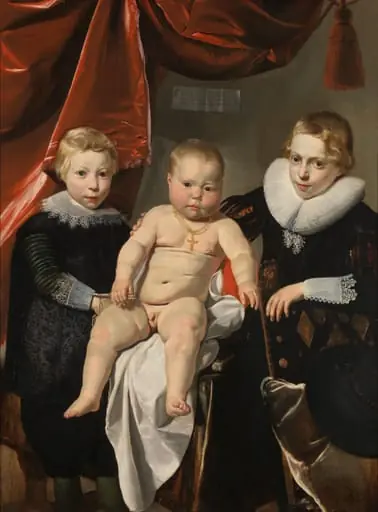
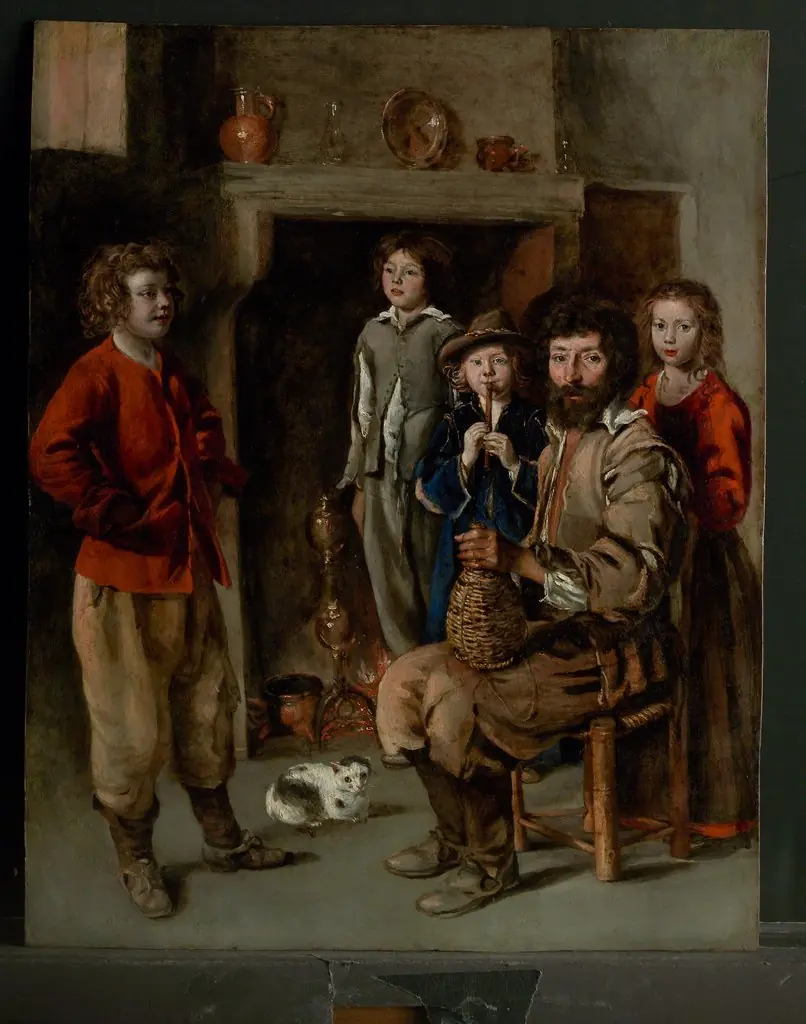
Portrait of three children and a man
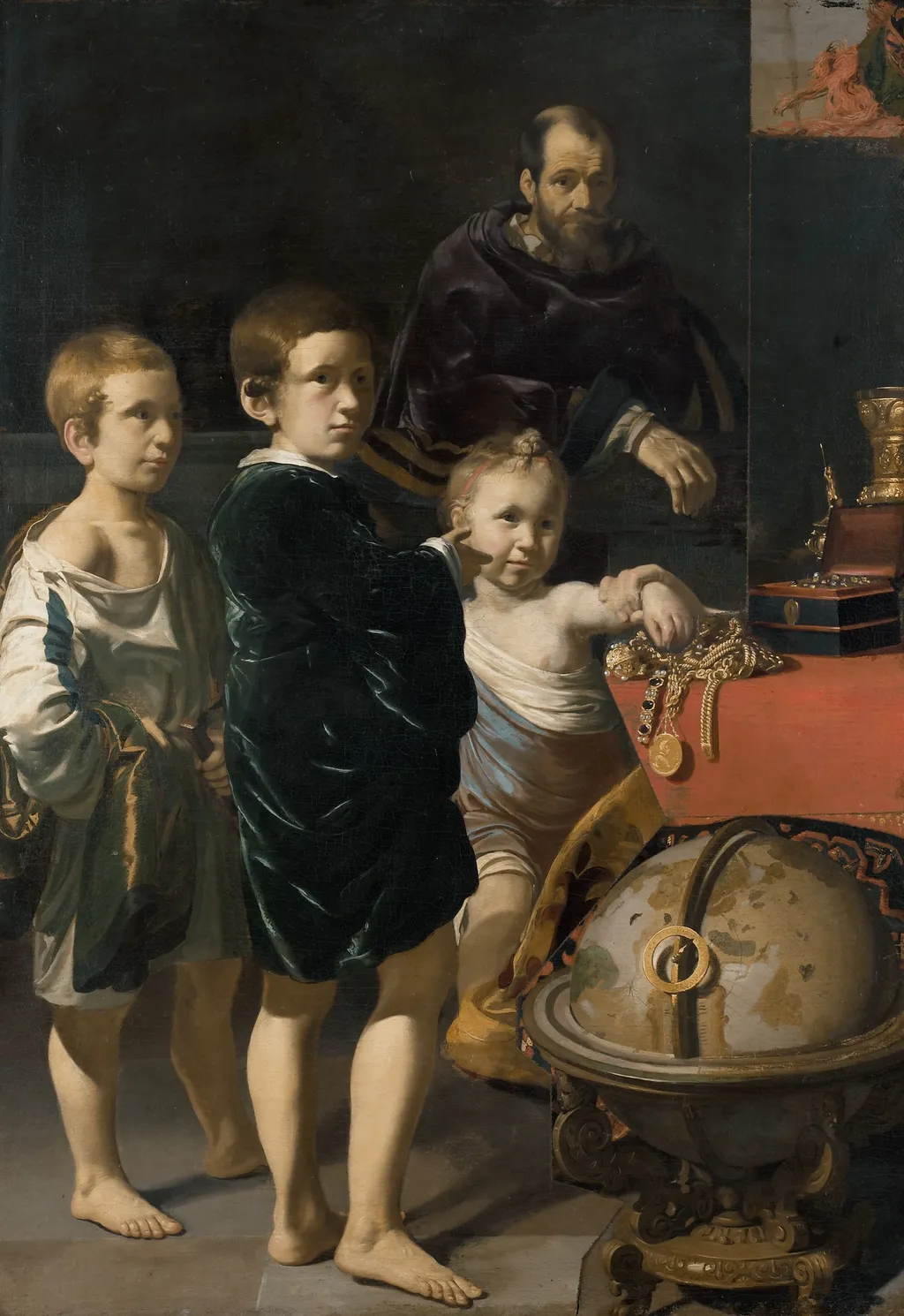
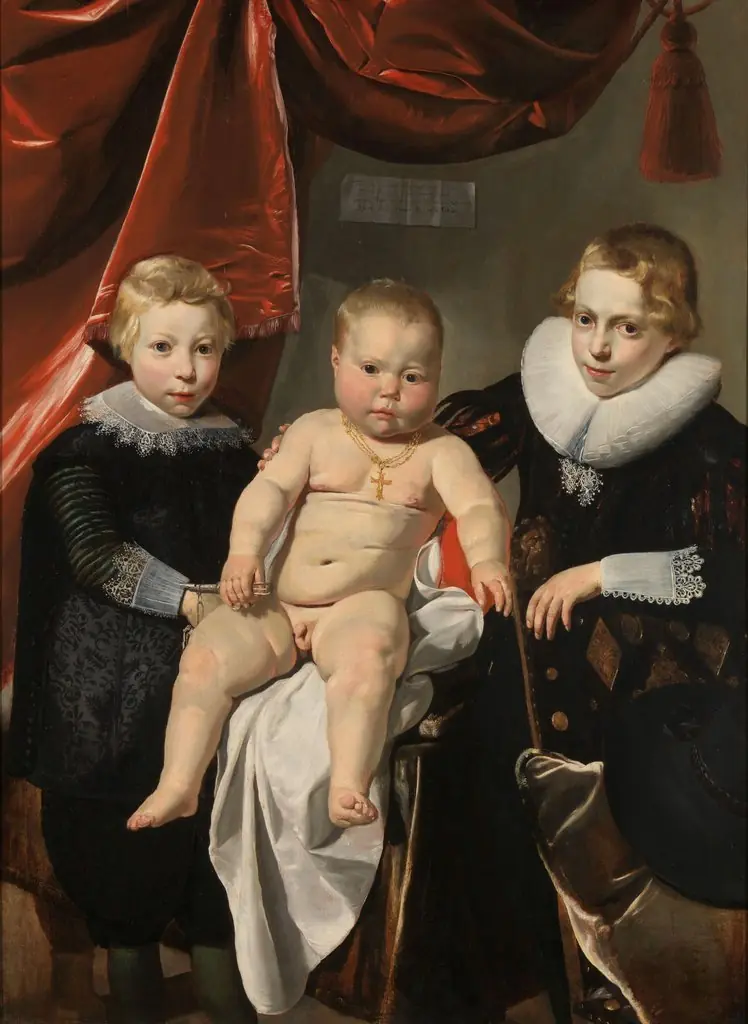
Portrait of three children and a man is an oil painting by the Dutch Golden Age artist Thomas de Keyser. It dates from 1622 and is held in the collection of the Rijksmuseum. Executed in oil in 1622, this group portrait presents a father figure and three children within a modest interior.
About this work
Subject & Meaning
The subject is a portrait that captures both individual likenesses and a collective narrative, inviting interpretation of the relationships depicted.
The painting shows three children alongside a male figure, arranged in a balanced triangular composition that emphasizes familial connection. The children are dressed in modest seventeenth‑century attire, while the adult wears a dark coat suggesting authority. Symbolically, the work may allude to themes of lineage and domestic stability, reflecting the social values of the Dutch Golden Age.
The composition underscores the intimacy of family life, with the gazes of the children drawing the viewer’s attention toward the central adult.
The subject is a portrait that captures both individual likenesses and a collective narrative, inviting interpretation of the relationships depicted.
Technique & Style
Portrait of three children and a man is an oil painting executed on canvas, a standard combination of medium and support for seventeenth-century Dutch portraiture. The work measures 133 cm in height by 92 cm in width, a substantial upright format suited to a multi-figure group composition. It is held in the collection of the Rijksmuseum.
Beyond these catalogued attributes, the provided sources do not record further details of handling, condition, or stylistic qualities.
History & Provenance
Thomas de Keyser painted this group portrait in 1622. The work is held in the collection of the Rijksmuseum, though the sources do not record how or when it entered the museum's holdings. No information is provided about the commission, the original patron, or the ownership chain prior to its current institutional home.
Overview
Executed in oil in 1622, this group portrait presents a father figure and three children within a modest interior. The composition is anchored by a dark‑cloaked man standing behind the youngsters, whose bare feet and varied attire draw attention to their individual characters. Subtle illumination highlights their faces against a shadowy backdrop, creating a quiet, intimate atmosphere.
Own this work as a print
Artist & collection
Artist
Thomas de Keyser (c. 1596 – 1667) was a Dutch portrait painter and a dealer in Belgium bluestone and stone mason. He was the most in-demand portrait painter in the Netherlands until the 1630s, when Rembrandt eclipsed…

 Portrait of a Gentleman Wearing a Fancy Ruff
 A Musician and His Daughter
 Portrait of a Man with a Shell
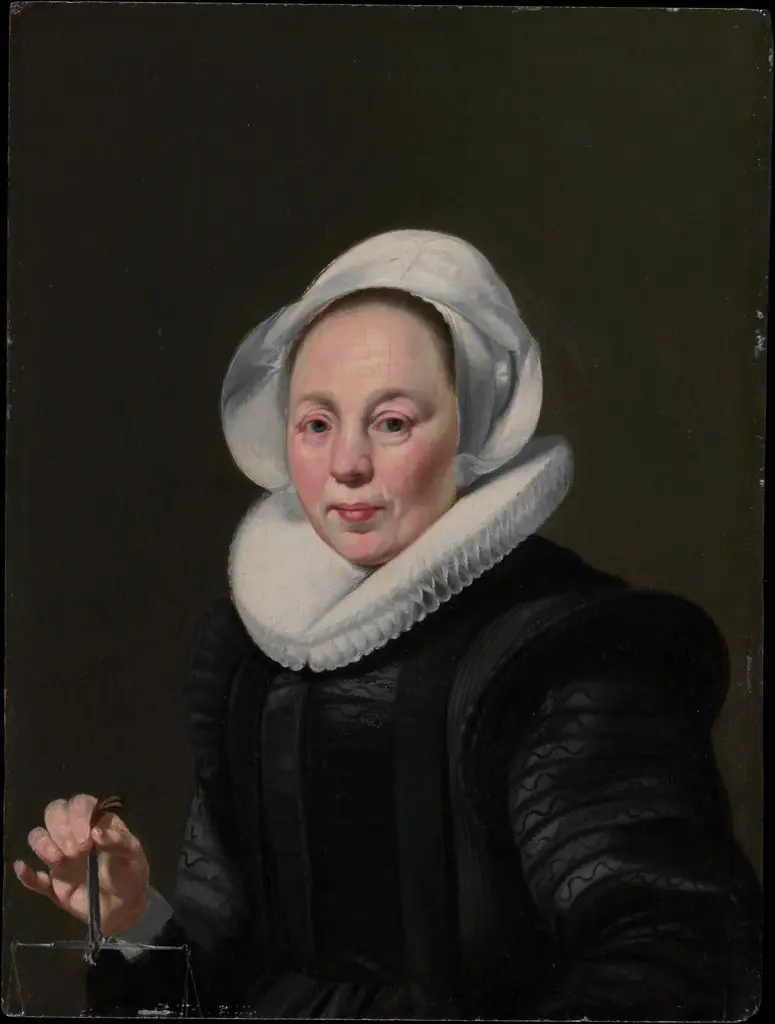 Portrait of a Woman with a Balance
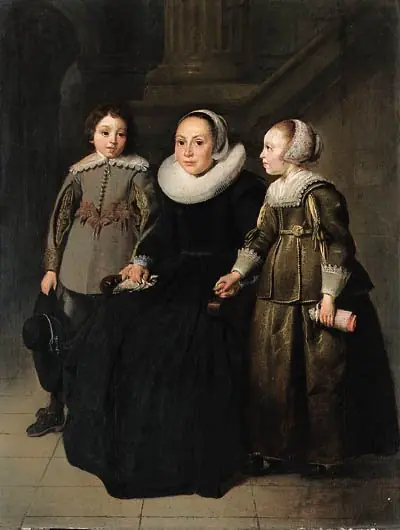 Portrait of a seated woman and two children
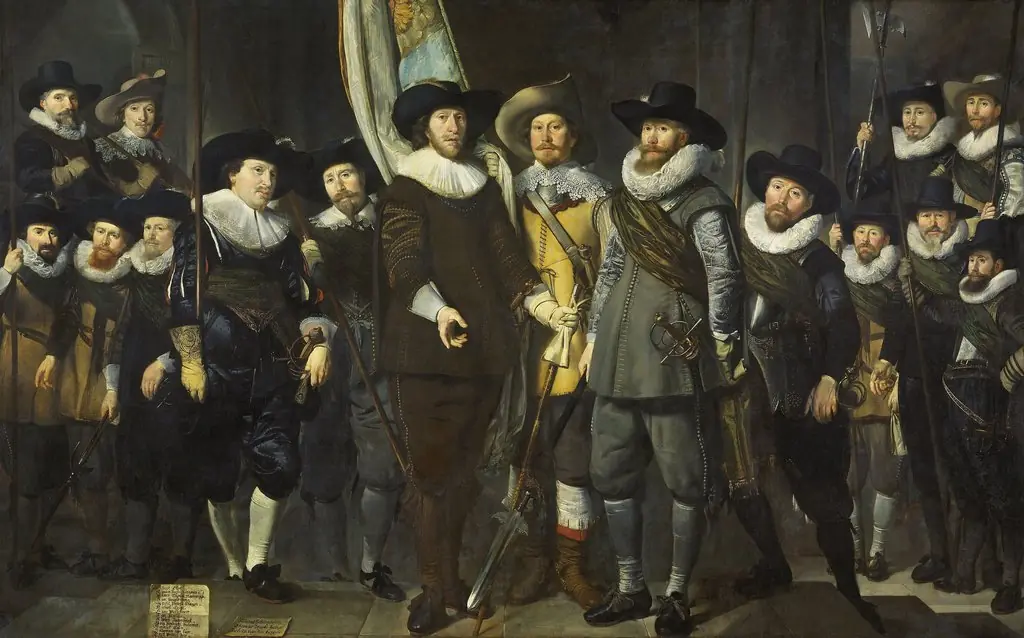 Officers and other civic guardsmen of the IIIrd District of Amsterdam, under the command of Captain Allaert Cloeck and Lieutenant Lucas Jacobsz Rotgans
- Group Portrait of Three Brothers