Artwork
Self-portrait
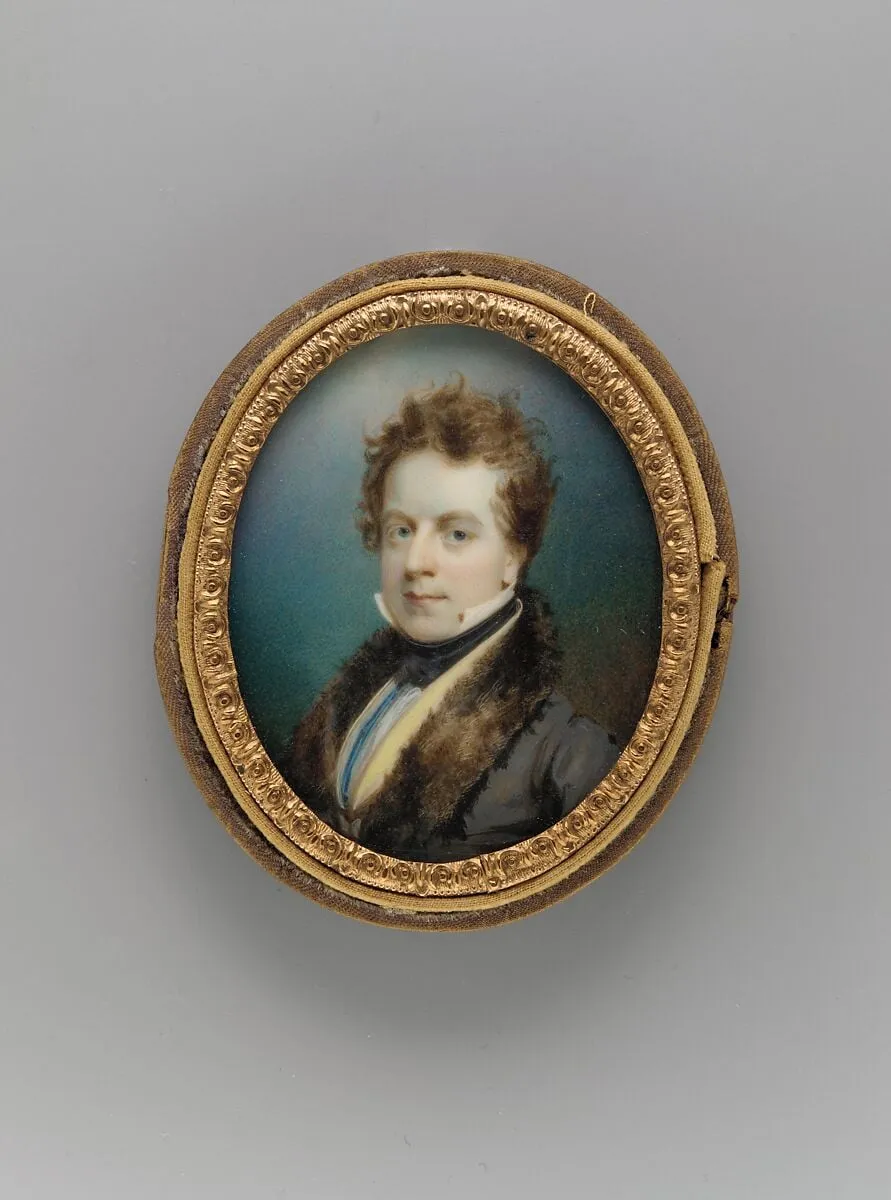
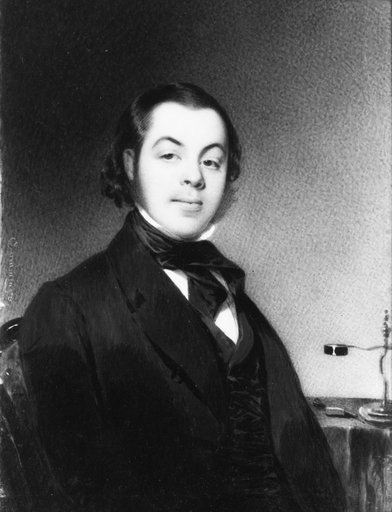
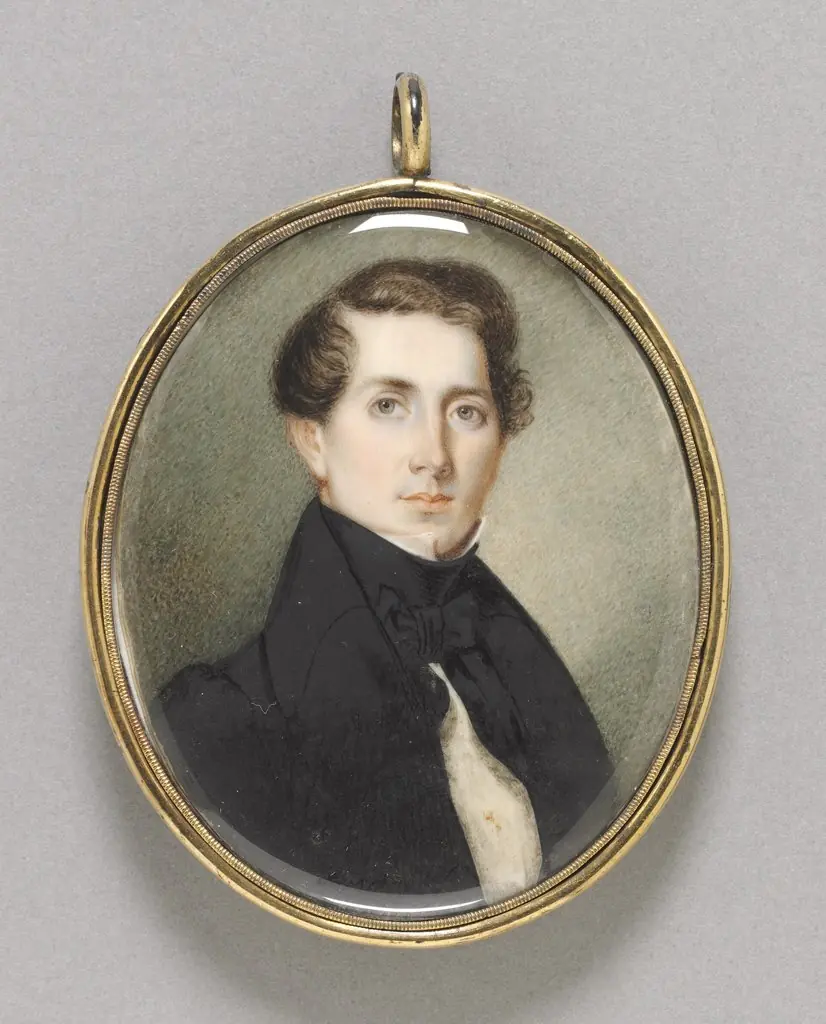
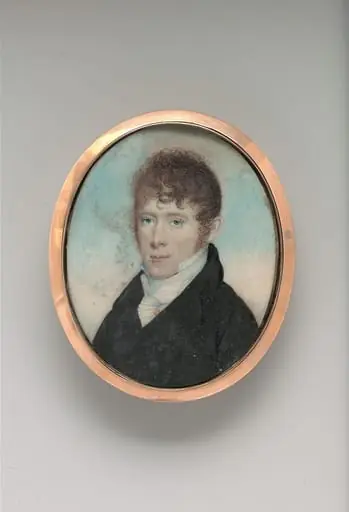
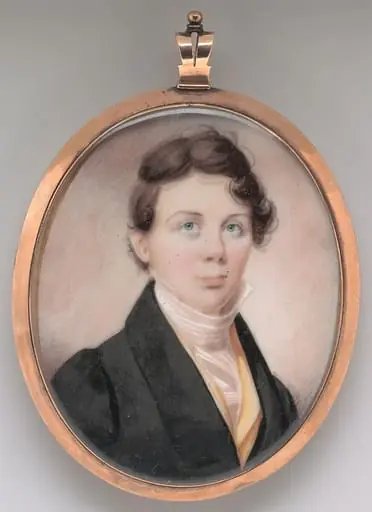
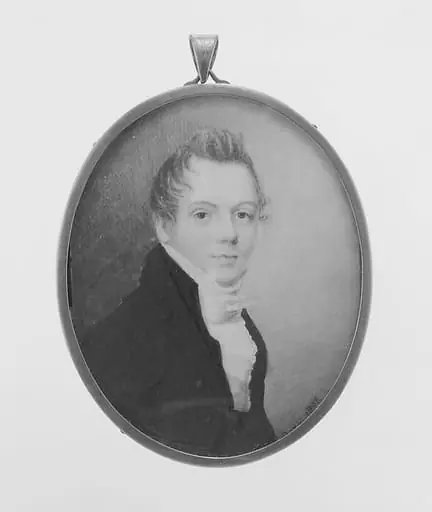
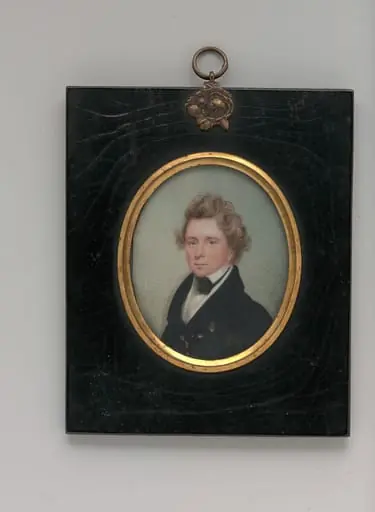
Self-portrait is a watercolor painting by the American Folk Art artist Thomas Seir Cummings. It dates from 1825 and is held in the collection of the Metropolitan Museum of Art.
About this work
Subject & Meaning
The iconography is straightforward, focusing entirely on the individual without additional allegorical figures or narrative elements.
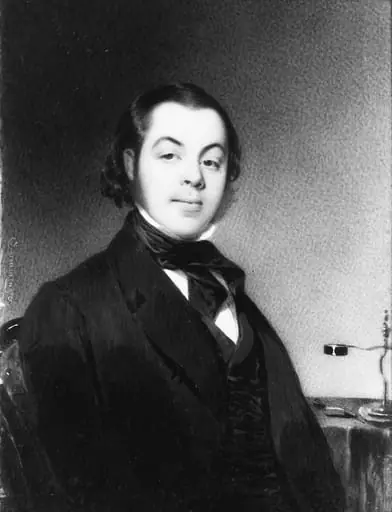
The work depicts the artist Thomas Seir Cummings as its sole subject, a direct self-representation executed in 1825. As a self-portrait, the piece functions primarily as a record of the creator's appearance during that period. The iconography is straightforward, focusing entirely on the individual without additional allegorical figures or narrative elements.
Executed in watercolor on ivory, the miniature format reflects the conventions of early 19th-century portraiture, in which such intimate scales were common for capturing personal identity. The work represents Cummings's engagement with his own image and professional identity within the American art scene of the 1820s, and is held in the collection of the Metropolitan Museum of Art.
Technique & Style
This self-portrait by Thomas Seir Cummings is executed in watercolor on ivory, a miniature format consistent with the work's modest dimensions of approximately 7.6 by 6.4 centimeters. The use of ivory as a support was characteristic of small-scale portrait miniatures produced in the early nineteenth century, allowing for finely detailed handling and a luminous surface quality. The watercolor medium permits delicate washes and precise brushwork suited to the intimate scale.
The work is held in the collection of the Metropolitan Museum of Art within the American Wing, reflecting its classification as a portrait.
History & Provenance
Created in 1825, this self-portrait was executed by Thomas Seir Cummings using watercolor on an ivory support, measuring approximately 7.6 by 6.4 cm. It is held in the collection of the Metropolitan Museum of Art, New York, classified under the American Wing. The specific circumstances of its commission and the detailed chain of ownership prior to museum acquisition are not outlined in the available records, which list neither an explicit accession number nor any exhibition history for the piece.
Overview
Created in 1825, Thomas Seir Cummings's Self-portrait is a miniature executed in watercolor on ivory, a medium characteristic of early 19th-century American portraiture. The work depicts the artist at approximately twenty-one years of age, presenting a bust-length view of a young man in a dark coat against a neutral background. Illuminated by side lighting, the subject's face is rendered with delicate, translucent washes that allow the ivory support to remain visible, creating a luminous effect typical of the genre.
The composition is contained within a small oval format, designed for intimate viewing or personal adornment, such as placement in a locket. This piece marks an early stage in Cummings's career, preceding his later prominence as a founding member of the National Academy of Design in New York. As a self-representation from the 1820s, it demonstrates the technical skill required to manipulate watercolor on a non-absorbent surface and reflects the enduring popularity of the miniature tradition in the United States during the period.
Context
Created in the early 19th century, this self-portrait belongs to a tradition of miniature painting that thrived before the widespread adoption of photography. Artists like Cummings employed watercolor on ivory to produce small, portable portraits that fulfilled a demand for personal likenesses. This practice eventually diminished as photographic processes became more accessible and affordable, offering a new means of capturing images.
Artist & collection