Artwork
Frederick Gore King
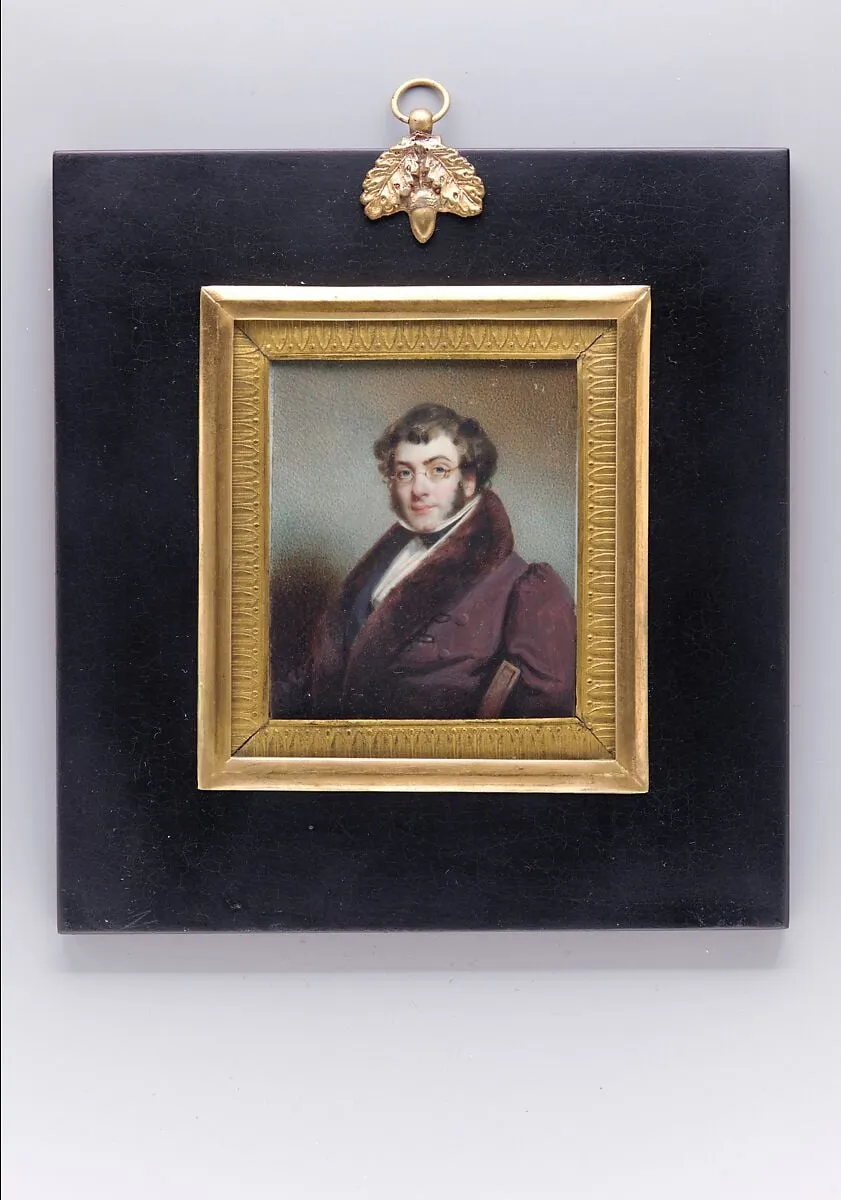
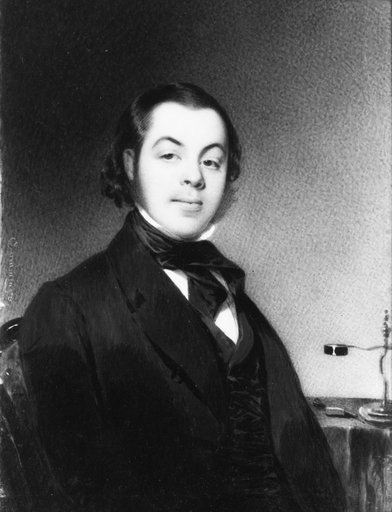
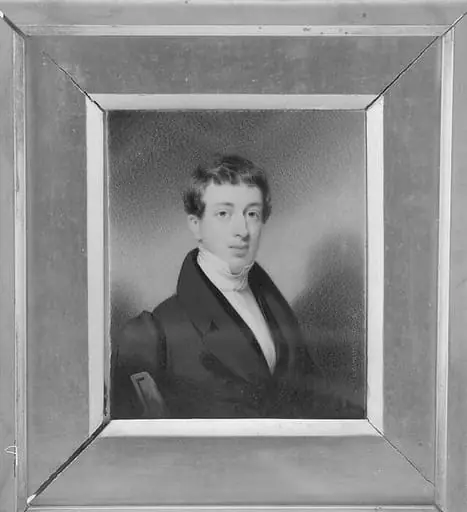
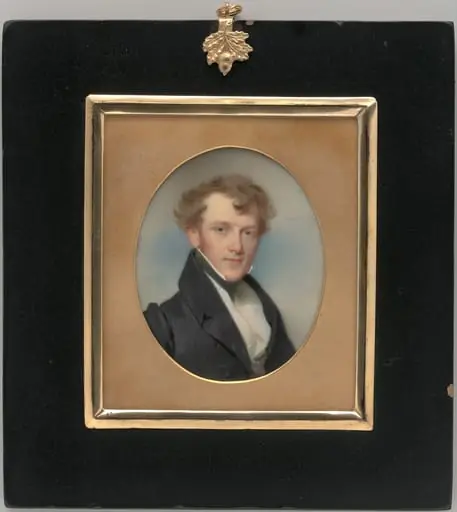
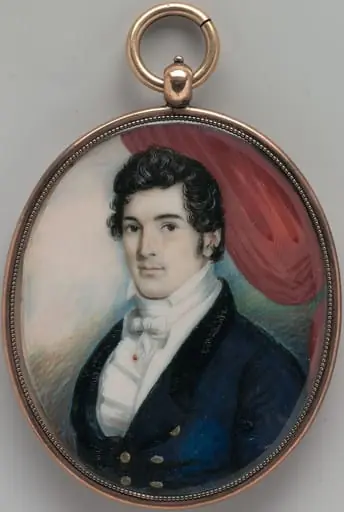
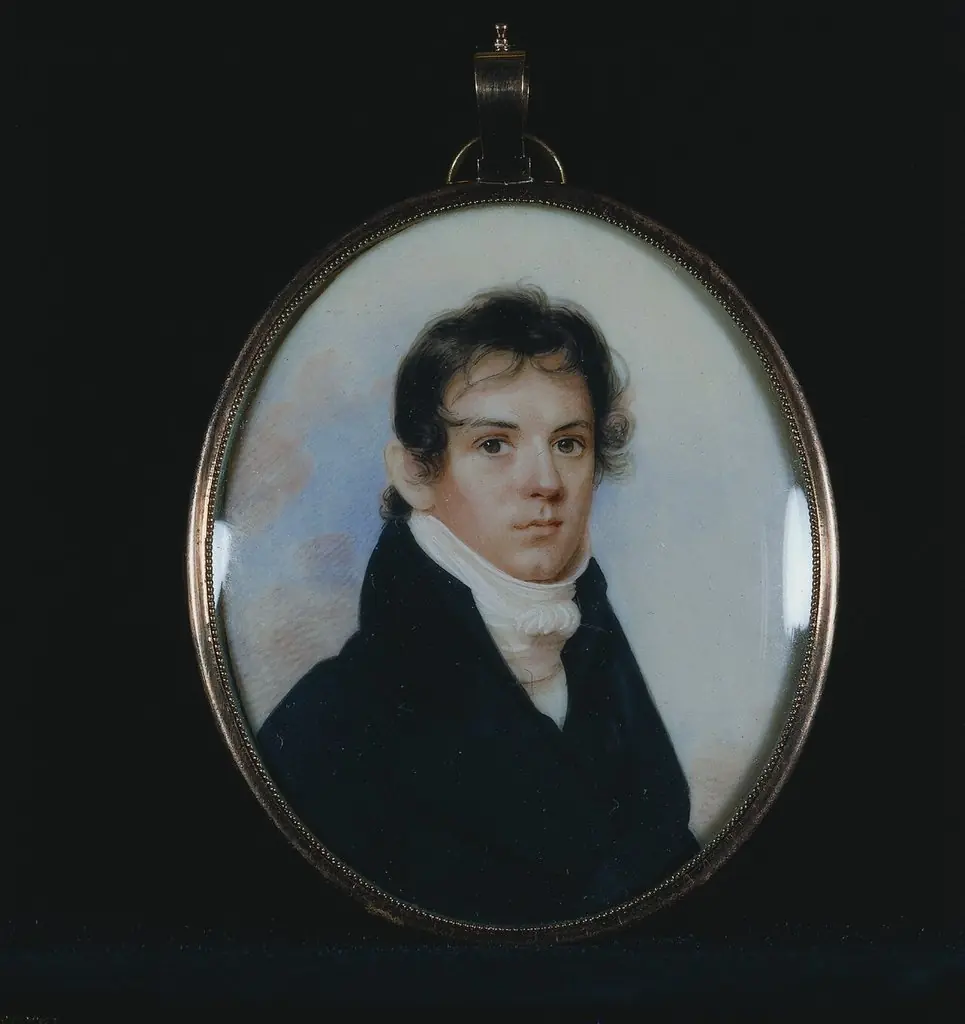
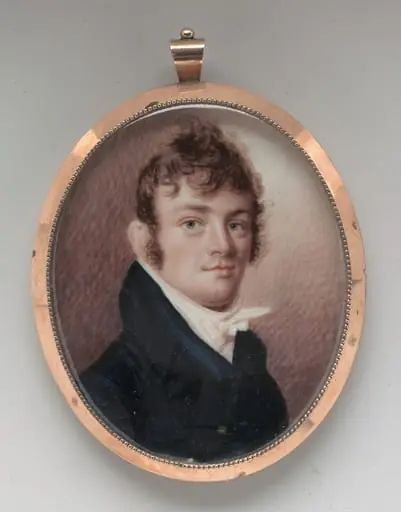
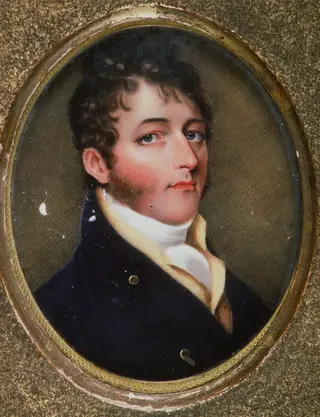
Frederick Gore King is a watercolor painting by the American Folk Art artist Thomas Seir Cummings. It dates from 1827 and is held in the collection of the Metropolitan Museum of Art.
About this work
Subject & Meaning
The composition focuses on clear facial features and restrained attire, conveying the sitter’s social role without overt allegorical or emblematic content.
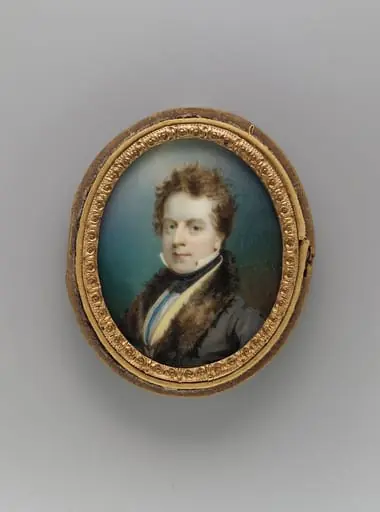
The portrait depicts Frederick Gore King, a man presented in a formal, individualized likeness typical of early nineteenth-century American miniature portraiture. Rendered in watercolor on ivory by Thomas Seir Cummings in 1827, the work emphasizes King’s identity as a private subject rather than a symbolic figure, aligning with the portrait genre’s convention of celebrating personal likeness and social standing. The composition focuses on clear facial features and restrained attire, conveying the sitter’s social role without overt allegorical or emblematic content.
Thus, the painting primarily represents King himself, documenting his appearance and status within the cultural milieu of the period.
Technique & Style
Frederick Gore King, painted by Thomas Seir Cummings in 1827, is executed as a watercolor on ivory. This miniature portrait measures 7.6 units in height and 5.1 units in width. The work depicts a man, identified as Frederick Gore King, rendered in a formal portrait style characteristic of the period.
The medium of watercolor applied to ivory support was a common technique for intimate portraiture in early 19th-century America, allowing for delicate tonal transitions and detailed facial features. The piece is classified within the American Wing genre and remains part of the Metropolitan Museum of Art collection.
History & Provenance
Executed in 1827, this watercolor portrait on ivory depicts Frederick Gore King and was created by the artist Thomas Seir Cummings. The work measures approximately 7.6 by 5.1 units. While specific details regarding the original commission or a detailed chain of private ownership prior to its museum acquisition are not provided in the available records, the piece is currently held within the collection of the Metropolitan Museum of Art.
There, it is classified under the institution's American Wing. The artwork serves as a formal representation of its subject, Frederick Gore King, establishing its inception date firmly in the late 1820s through these institutional records.
The watercolor on ivory portrait of Frederick Gore King by Thomas Seir Cummings, dated 1827, is held in the collection of the Metropolitan Museum of Art, where it is classified within The American Wing. According to Wikidata records, the work is inventoried as part of the museum's holdings, with documented dimensions of 7.6 cm in height and 5.1 cm in width. No specific accession number is recorded in the available sources.
The provided sources do not document an exhibition history for the work beyond its inclusion in the Metropolitan Museum of Art's permanent collection.
Overview
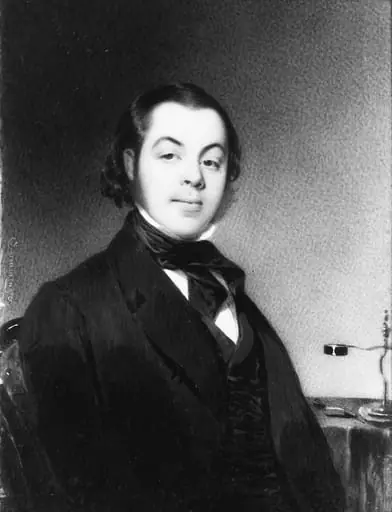
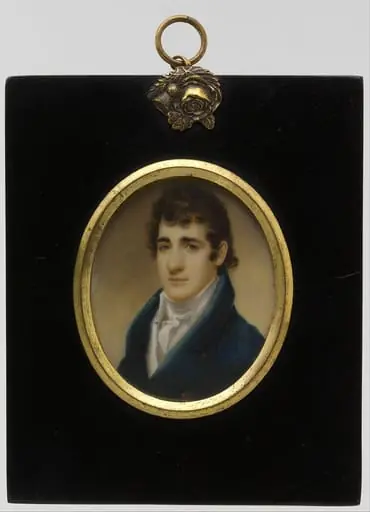
Frederick Gore King is a miniature portrait executed in 1827 by Thomas Seir Cummings, a prominent American artist known for his work in watercolor on ivory. The work depicts a man facing forward, dressed in a dark coat with a crisp white collar and neatly combed hair. His gaze meets the viewer directly, illuminated by soft, even lighting that highlights the facial features against a neutral background.
Cummings employed the traditional technique of glazing, applying thin, translucent layers of watercolor to the ivory surface to achieve a luminous skin tone and smooth texture characteristic of the medium. Created during the height of the miniature portrait tradition in the United States, this piece reflects Cummings' early career focus on capturing the likeness and status of his subjects with precision and delicacy. The small scale of the work, typical for the genre, allowed it to be held in the hand or carried as a personal keepsake.
This portrait stands as a representative example of early 19th-century American portraiture, showcasing the artist's skill in rendering human features with the unique translucency afforded by the ivory support.
Context
Miniatures like Frederick Gore King served a function akin to modern photographs, intended for private ownership and intimate viewing. Their diminutive size made them easily portable, allowing individuals to carry images of loved ones or significant figures close at hand. This particular work is housed within The American Wing, reflecting its historical and cultural significance in the United States.
Artist & collection