Artwork
Benson John Lossing
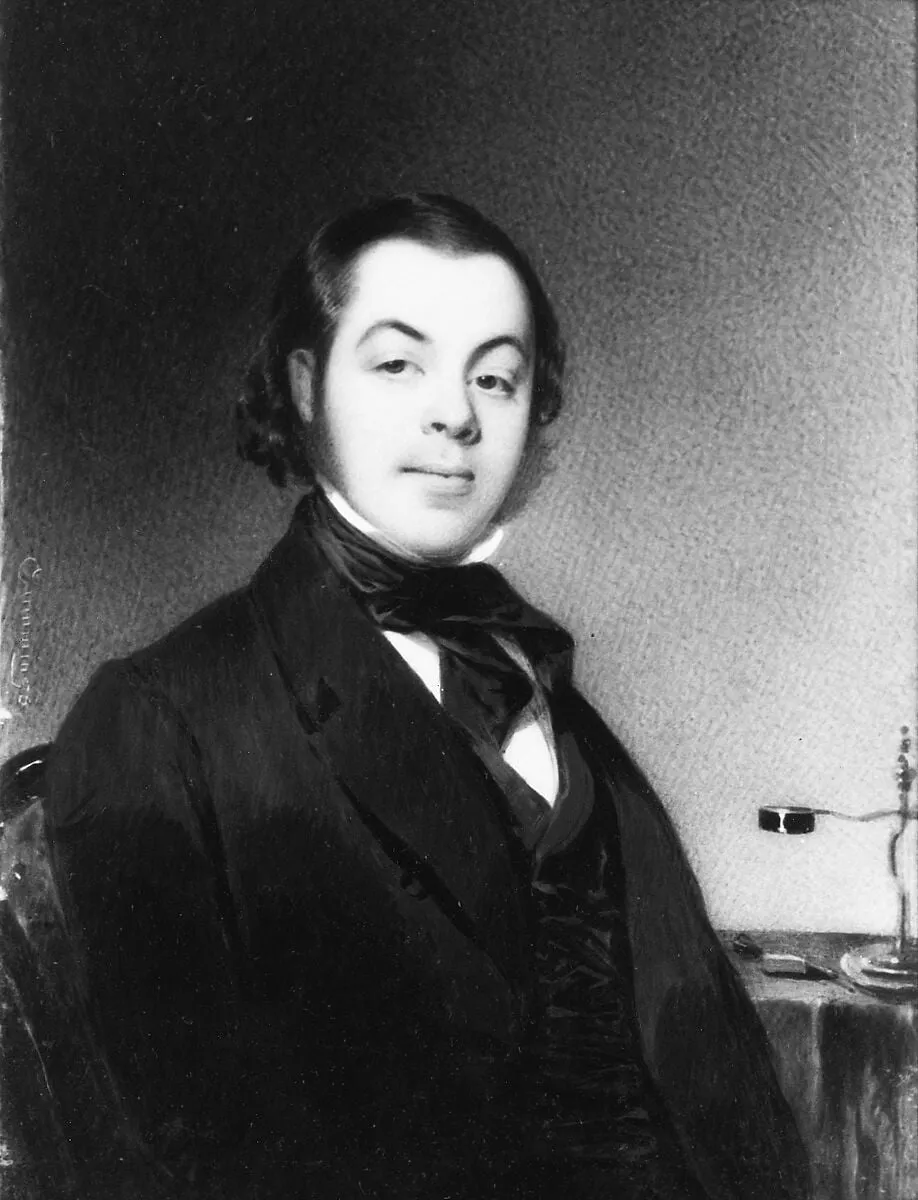
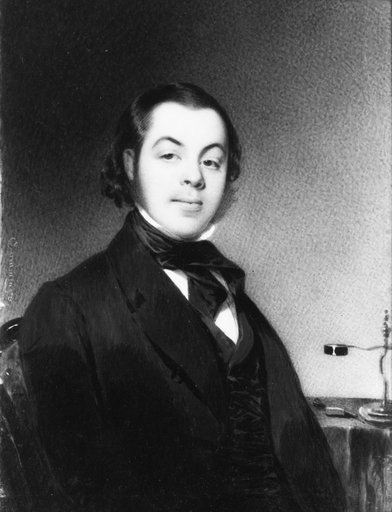
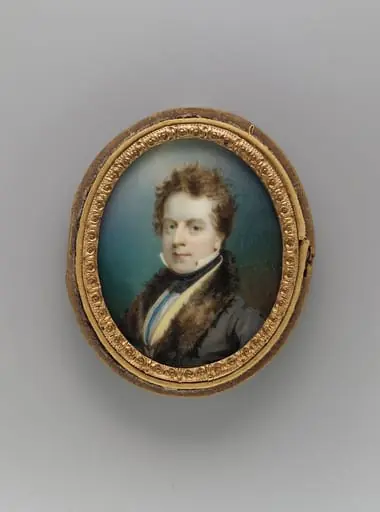
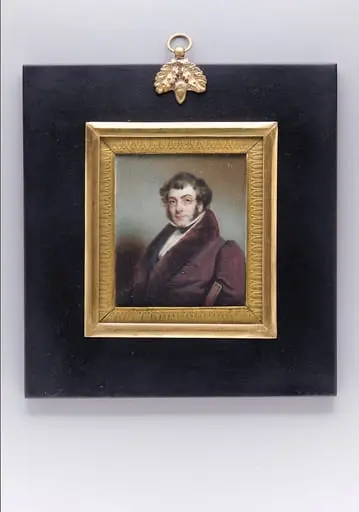
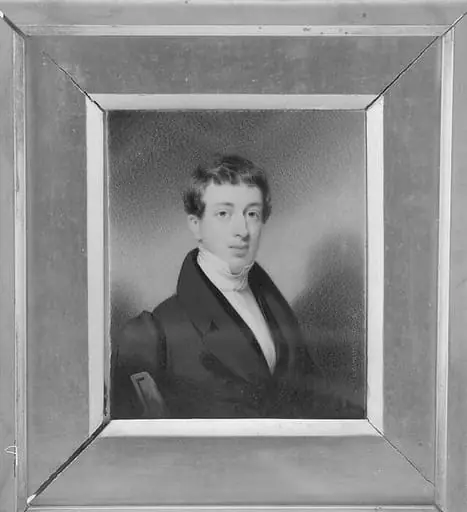
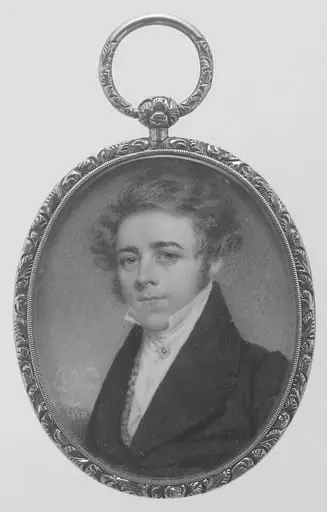
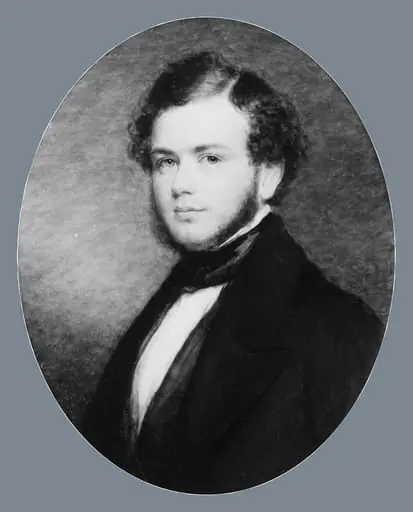
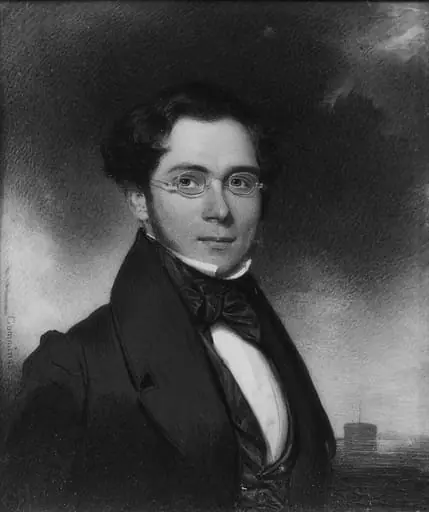
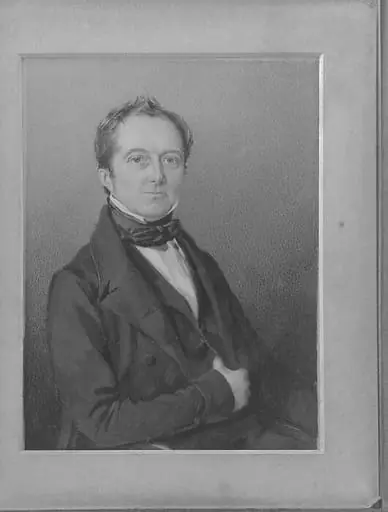
Benson John Lossing is a watercolor painting by the American Folk Art artist Thomas Seir Cummings. It dates from 1835 and is held in the collection of the Metropolitan Museum of Art.
- Accession no.
- 65.180
- Credit line
- Rogers Fund, 1965
About this work
Subject & Meaning
The work belongs to the portrait genre and is housed in the Metropolitan Museum of Art's American Wing.
The painting titled Benson John Lossing, executed by Thomas Seir Cummings in 1835 as a watercolor on ivory, portrays the sitter in the conventional manner of early-American portraiture. The work belongs to the portrait genre and is housed in the Metropolitan Museum of Art's American Wing. No specific iconographic symbols or allegorical attributes are recorded; the meaning derives from the representation of Lossing himself as a distinguished individual of his era, reflecting the status associated with portraiture in the 1830s.
Technique & Style
The portrait Benson John Lossing, painted by Thomas Seir Cummings in 1835, is executed in watercolor on an ivory support measuring roughly 9.8 × 6.9 cm. It belongs to the American Wing collection at the Metropolitan Museum of Art and is classified as a portrait genre work depicting a male sitter. The technique employs delicate washes and fine line work typical of early nineteenth-century watercolor portraiture, creating a restrained palette and subtle modeling of facial features.
History & Provenance
The portrait of Benson John Lossing, painted by Thomas Seir Cummings in 1835, is held in the collection of the Metropolitan Museum of Art, classified within The American Wing. The piece is cataloged as a watercolor on ivory measuring 9.8 cm in height and 6.9 cm in width. The provided sources do not contain information regarding a specific exhibition history for this artwork.
Overview
Painted in 1835 by Thomas Seir Cummings, this watercolor on ivory depicts Benson John Lossing, a prominent American historian and author. The work is a miniature portrait, a format popular in the early nineteenth century for its intimacy and portability. Cummings renders Lossing with precise attention to detail, capturing the subject in a dark coat against a neutral, unadorned background that directs full focus to his face.
The artist utilizes the translucent quality of the ivory support to achieve a soft, luminous effect on the skin, contrasting with the darker tones of the clothing. Lossing is portrayed with neatly combed hair and a calm, serious expression, gazing directly at the viewer. This piece exemplifies Cummings' skill as a leading American miniaturist during the antebellum period, showcasing the technical demands of working on ivory to create a lifelike yet refined likeness.
The portrait serves as a historical record of Lossing before his extensive career in publishing and historical writing, reflecting the dignified aesthetic favored by the American professional class of the era.
Context
During the 19th century, miniature portraits like this one served a function similar to modern photographs, enabling individuals to carry images of loved ones. Their small size made them ideal for personal keepsakes, often housed in lockets or small cases. This particular work reflects the widespread demand for such intimate and portable artistic representations.
Artist & collection