Artwork
The Bracelet
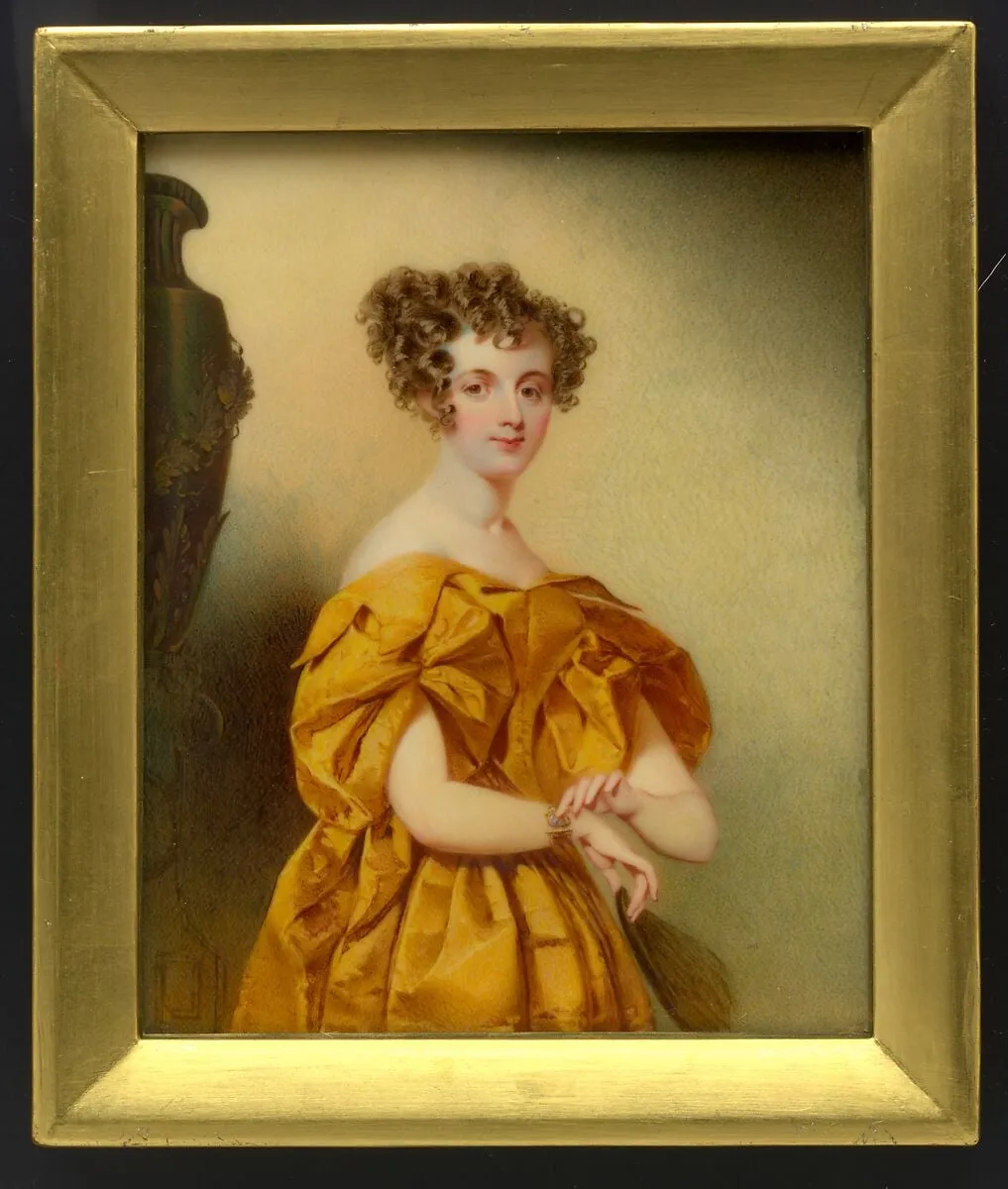
The Bracelet is a watercolor painting by the American Folk Art artist Thomas Seir Cummings. It dates from 1835 and is held in the collection of the Metropolitan Museum of Art.
About this work
Subject & Meaning
The Bracelet is a 1835 watercolor on ivory portrait by Thomas Seir Cummings, housed in The American Wing of the Metropolitan Museum of Art.
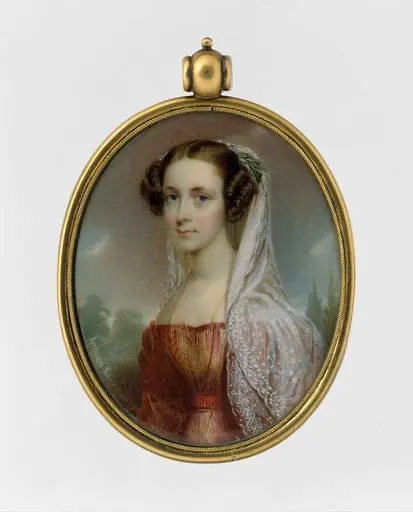
The Bracelet is a 1835 watercolor on ivory portrait by Thomas Seir Cummings, housed in The American Wing of the Metropolitan Museum of Art. The work portrays a young woman, identified only through the genre label of portrait, and exemplifies early‑American portraiture’s focus on individual likeness and modest dress. As a portrait, the image functions as a visual record of the sitter’s status and identity within the cultural context of the 1830s.
Its intimate scale and delicate medium underscore the personal nature of the representation, while the depiction of a solitary female figure aligns with contemporary conventions of representing women as subjects of familial and social memory.
Technique & Style
The Bracelet is executed in watercolor on ivory, a miniature portrait technique favored in the early nineteenth century for its capacity to render fine detail and luminous flesh tones on a small scale. The support measures 17.3 cm in height by 13.7 cm in width, a modest format consistent with portable keepsake portraits intended for intimate display. Cummings, trained in miniature painting methods, applied the watercolor medium to the ivory ground, which provided a smooth, reflective surface that heightened the delicacy of the sitter's features and the jewelry that gives the work its title. The portrait genre and refined handling align with the conventions of American miniature practice of the period.
History & Provenance
The Bracelet is dated to 1835 based on internal records and the Metropolitan Museum of Art’s object file, which aligns with Cummings’s documented practice during the mid-1830s. The work entered the Metropolitan Museum of Art’s collection directly, with no intervening owners listed in available documentation. As a portrait miniature, it was likely commissioned to commemorate the sitter, whose identity remains unattributed in public records.
The watercolor-on-ivory format and small scale (17.3 cm × 13.7 cm) typify early 19th-century American miniature portraiture, suggesting a private commission rather than a public display or exhibition piece.
The Bracelet, a watercolor on ivory by Thomas Seir Cummings, is held in the collection of the Metropolitan Museum of Art, where it is classified within The American Wing. The work measures 17.3 cm in height by 13.7 cm in width. No accession number or exhibition history is documented in the available sources.
Overview
Thomas Seir Cummings completed The Bracelet in 1835, a watercolor portrait rendered on ivory. This miniature work captures the likeness of a woman, representing an early instance of this particular artistic approach in American art. Its creation reflects a period when artists began exploring alternatives to traditional oil on canvas, offering a more intimate and portable form of portraiture for personal appreciation.
Context
The Bracelet holds significance as one of the earliest American portraits executed in watercolor on ivory. During the 1830s, oil on canvas was the predominant medium for portraiture. Cummings's choice of ivory offered a novel aesthetic, producing delicate, luminous images that were both portable and deeply personal, contributing to the evolving landscape of American art and the appreciation for miniature forms.
Artist & collection

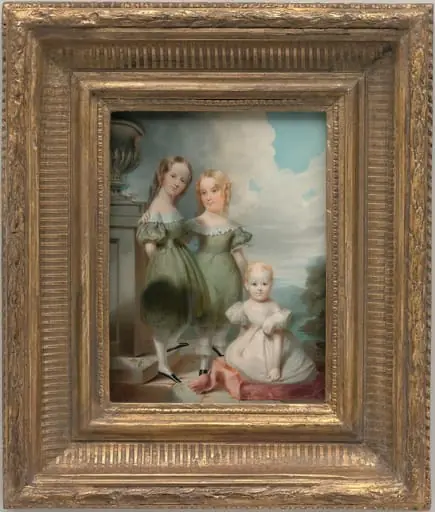
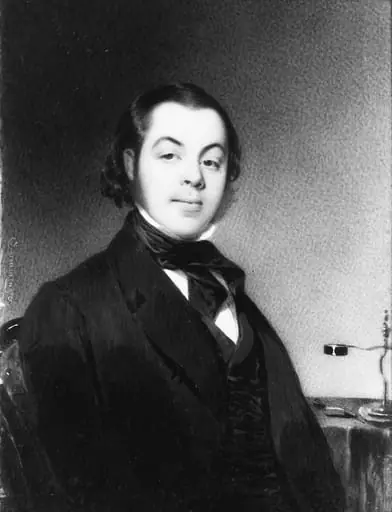
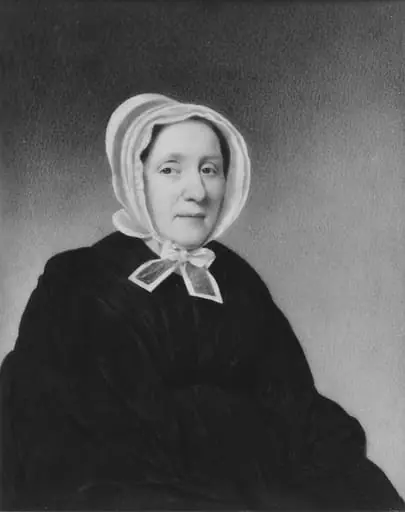
- Unknown woman
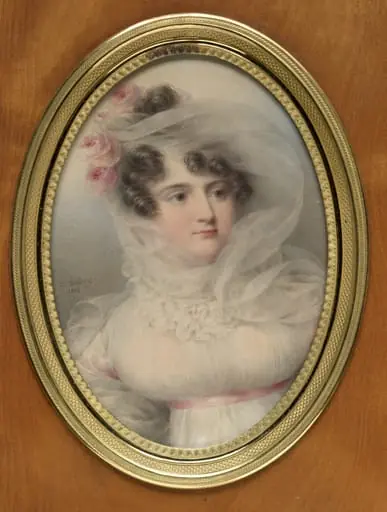 Portrait of Hortense de Perregaux, Duchess of Ragusa
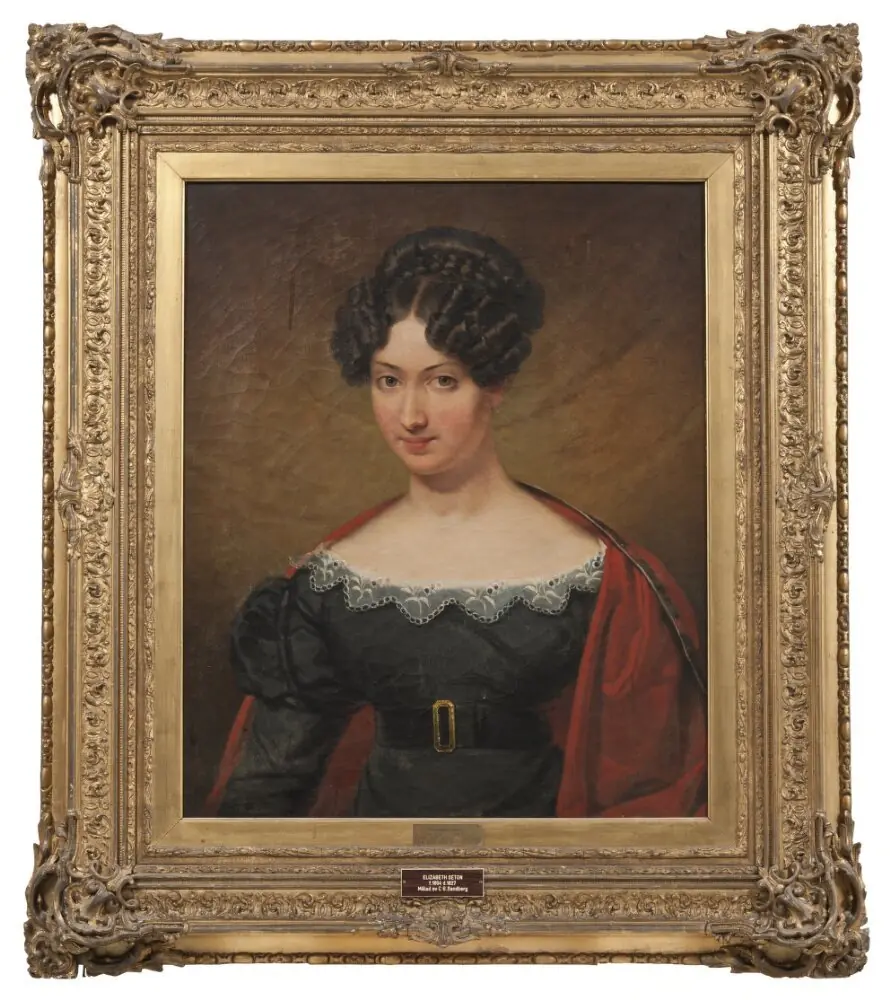 Elizabeth Seton (1804-1827), stiftsjungfru, sondotter till Alexander Baron Seton
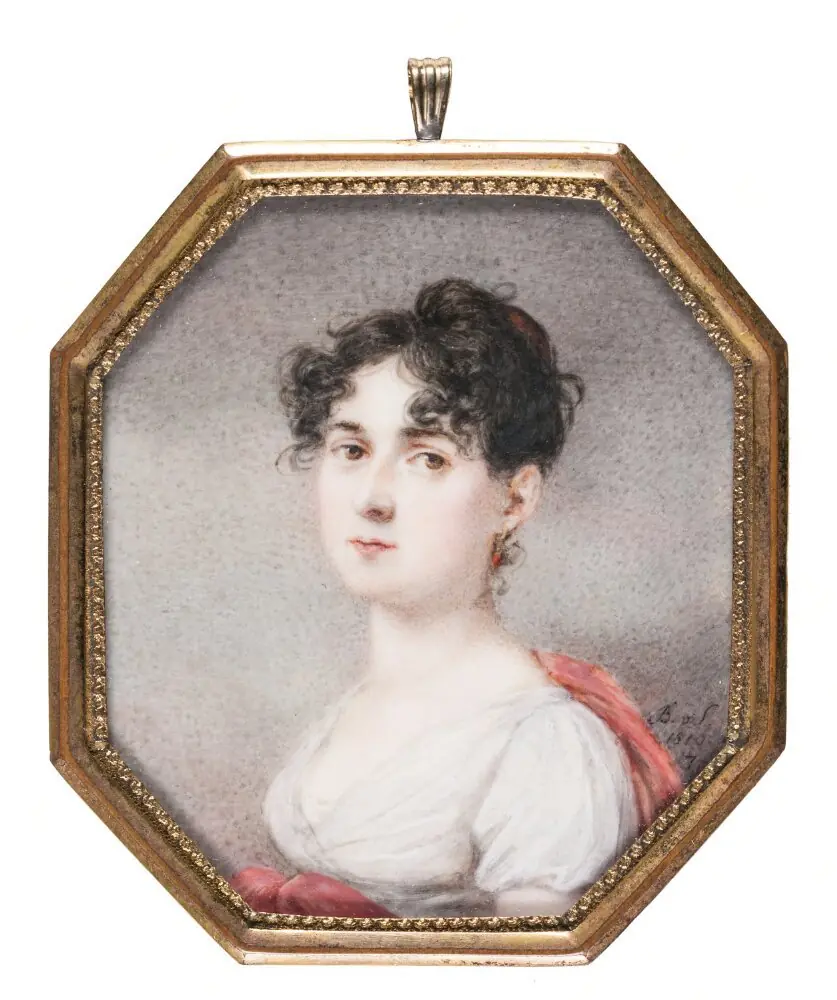 Young Lady
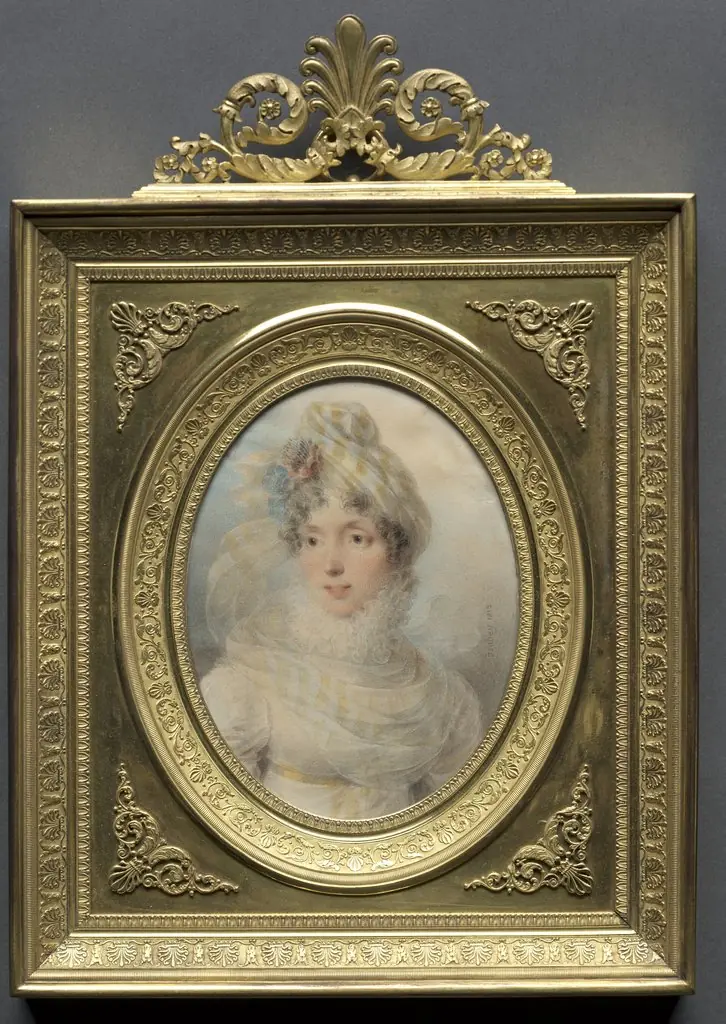 Portrait of a Woman in a White Dress
 Portret van een vrouw
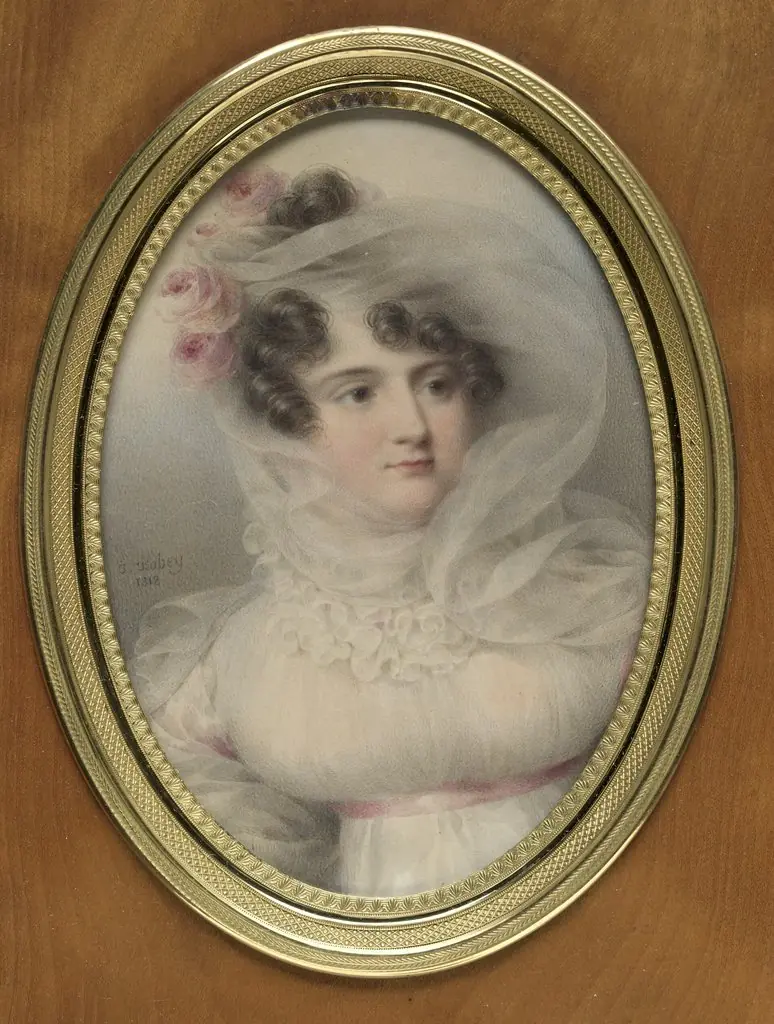 Portrait of Hortense de Perregaux, Duchess of Ragusa
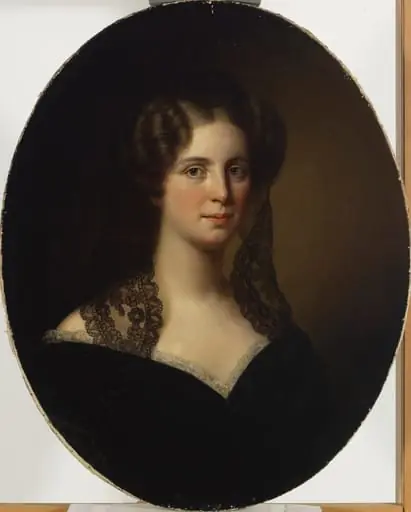 Maria Helena Rosina von Haartman
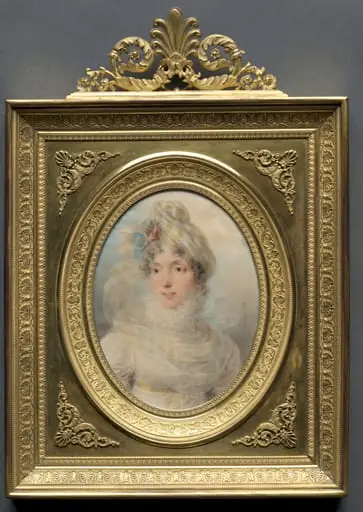 Portrait of a Woman in a White Dress
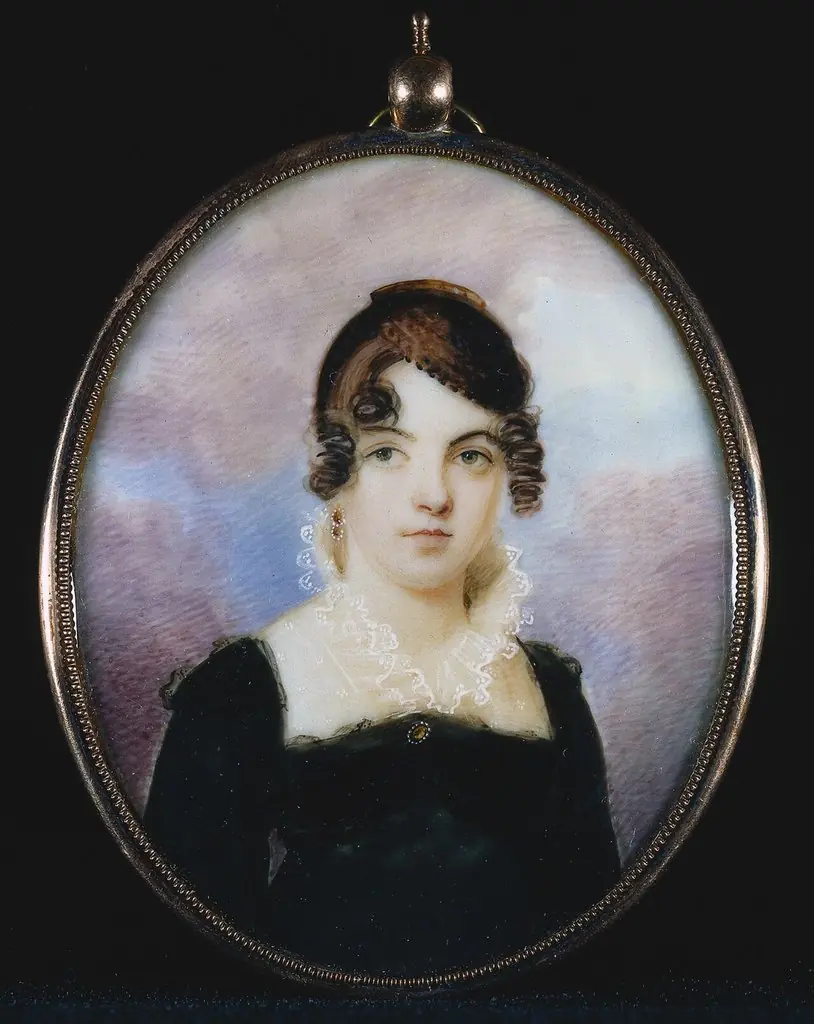 Portrait of a Woman
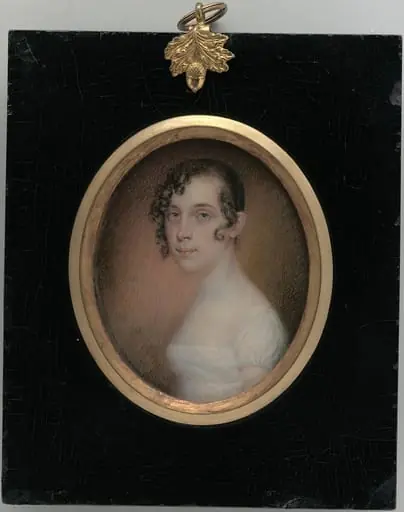 Anna Claypoole Peale
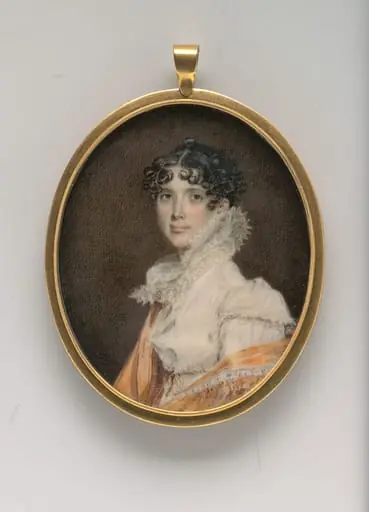 Mrs. Nathaniel Chapman (Rebekah Biddle)