Artwork
John Gilpin
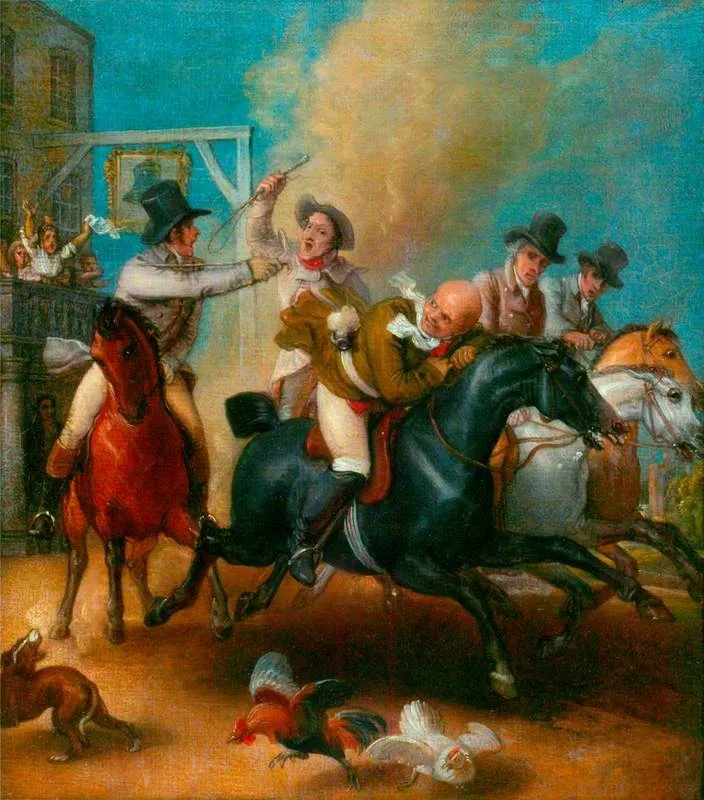
John Gilpin is an oil painting by Thomas Stothard. It dates from 1804 and is held in the collection of the Victoria and Albert Museum.
About this work
Overview
Painted around 1804 by Thomas Stothard, this oil work illustrates a scene from William Cowper’s humorous 1785 poem, 'The Diverting History of John Gilpin.
Painted around 1804 by Thomas Stothard, this oil work illustrates a scene from William Cowper’s humorous 1785 poem, 'The Diverting History of John Gilpin.' The painting captures the moment when the titular character, a London citizen, loses control of his mount during a misguided ride. Now in the Victoria and Albert Museum’s collection, the piece reflects Stothard’s interest in literary subjects rendered with lively detail and narrative clarity.
Subject & Meaning
The scene portrays John Gilpin, dressed in a brown coat and white breeches, clinging desperately to his galloping horse as it races uncontrollably through the countryside. His family, following in a cart, watches in alarm. The chaos underscores the poem’s satirical tone, depicting middle-class pretension colliding with unintended consequences. Animals and onlookers amplify the absurdity, transforming a domestic mishap into a public spectacle.
Technique & Style
Stothard employs fluid brushwork and dynamic composition to convey motion and disorder. Figures are arranged diagonally across the canvas, guiding the eye through the galloping horse and fleeing riders. Dust swirls behind the animals, and background observers on a balcony add depth.
Subtle contrasts in light and shadow define forms without heavy chiaroscuro, favoring clarity and narrative legibility over dramatic intensity.
History & Provenance
The painting entered the Victoria and Albert Museum’s collection in the 19th century, likely through the museum’s early acquisitions of British narrative art. It has remained in public ownership since, with no documented private ownership after its creation. Stothard’s son, Robert T. Stothard, later gained recognition for documenting royal events, but this work stands as the father’s most enduring literary illustration.
Context
In the early 1800s, British art increasingly turned to popular literature for subject matter, especially comic or moral tales accessible to the middle class. Cowper’s poem, widely read and recited, offered a ready-made scene rich with humor and social observation. Stothard’s depiction aligns with this trend, bridging print culture and visual art in an era before mass reproduction.
Legacy
The painting endures as a visual record of how literary humor was translated into visual form during the Romantic period. Though not widely exhibited today, it remains a key example of narrative painting rooted in vernacular culture. Its preservation in a major national collection affirms its role in documenting the intersection of literature, class, and everyday life in early 19th-century Britain.
Artist & collection
Artist
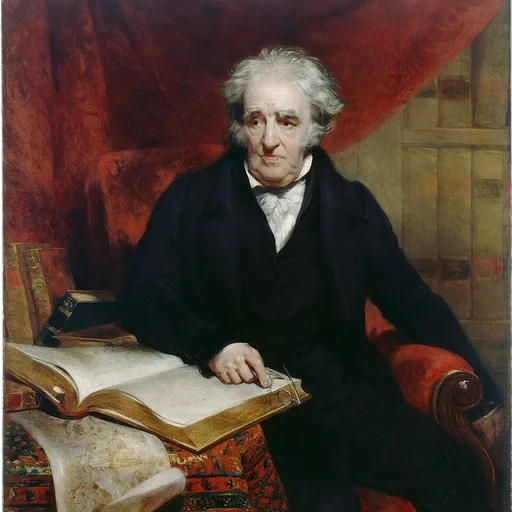
Thomas Stothard (17 August 1755 – 27 April 1834) was a British painter, illustrator and engraver.

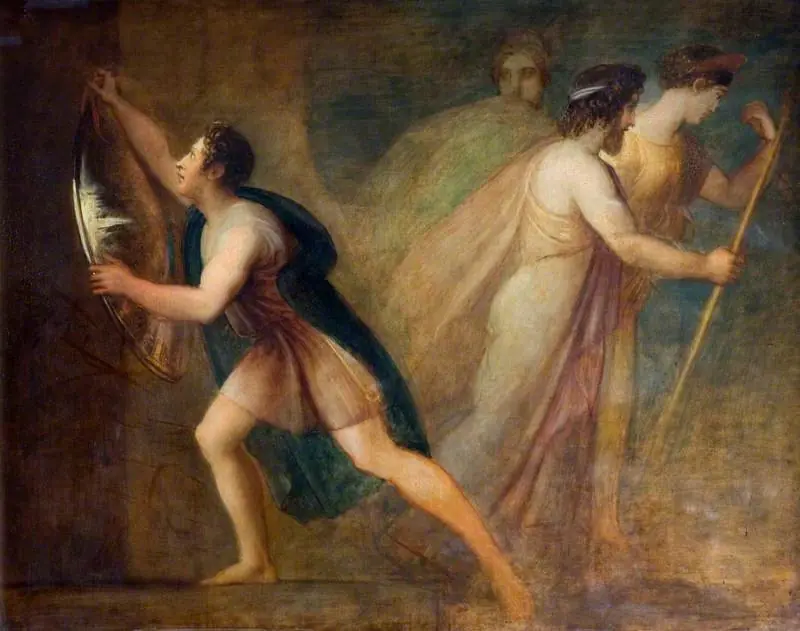 Orestes Hanging up the Shield of Agamemnon
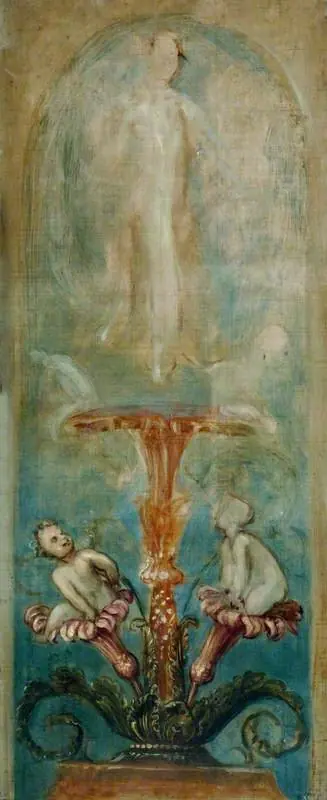 Arabesque Decoration with a Female Figure (sketch)
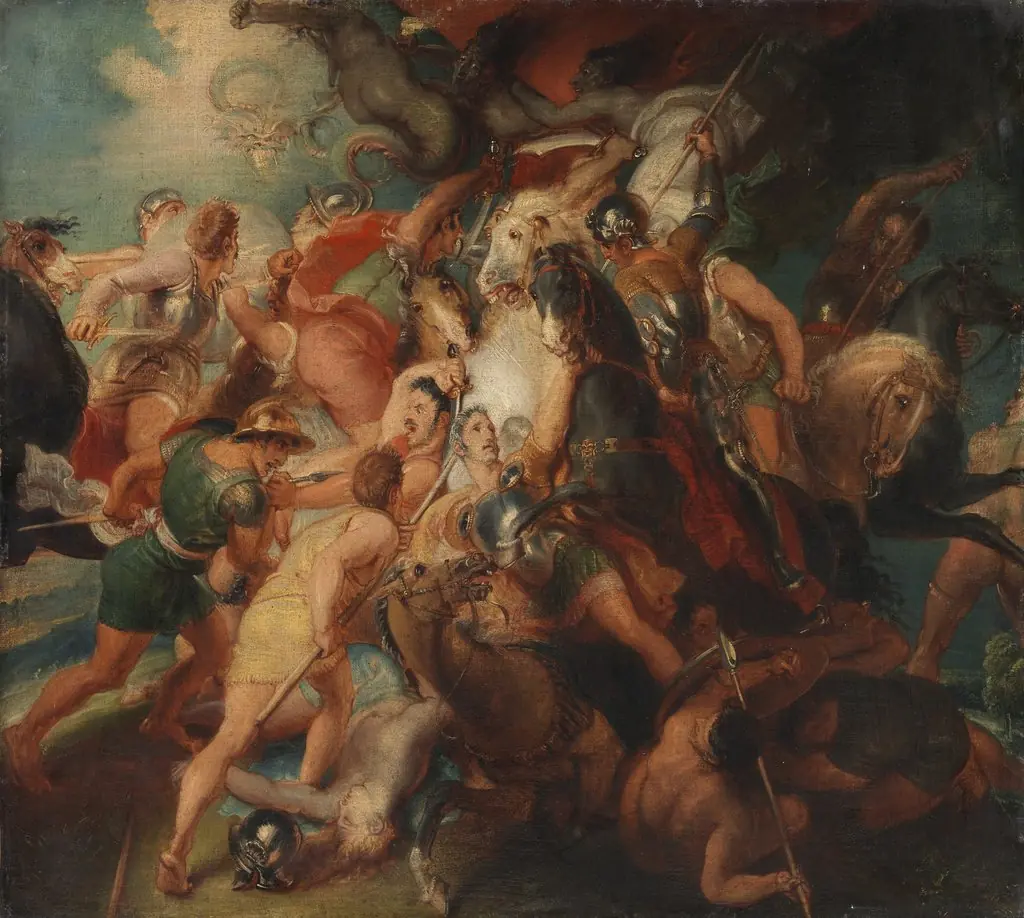 The Horrors of War, Sketch for Burghley House Mural
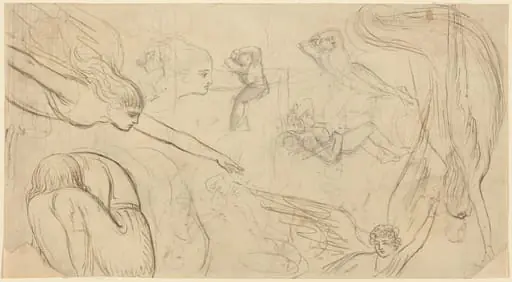 Sheet of Studies with Angels and Cowering Figures (Illustration for Macklin's Bible?)
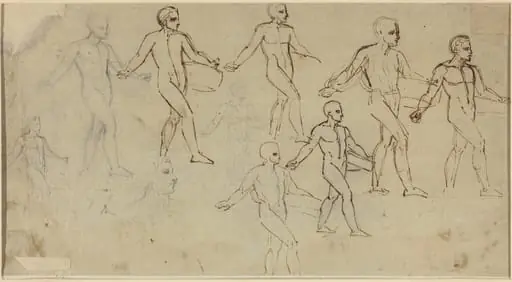 Studies of a Sower (Illustration for Thomson's _Seasons_)
 Vignette for a Title Page: "Winged Victory"
![Design for a Book Illustration of Circe and Odysseus [recto], by Thomas Stothard](https://artifactworldgallery.com/img/thomas-stothard--design-for-a-book-illustration-of-circe-and-odysseus-recto--5bd59a6f73de4838-w320.webp) Design for a Book Illustration of Circe and Odysseus [recto]
Design for a Book Illustration of Circe and Odysseus [recto] Peter and His Children Visited by Three Flying Figures
 Dr Syntax Stopped by Highwaymen
 On horseback
 Pferdestück
 En jagt af kongelige personer
 Artillery Crossing a Stream
 The Charger of Captain Nolan Returning with his Dead Master
 Pferde im Stall
 En rytterfægtning
 En jagt af kongelige personer
 Election Scene, Catonsville, Baltimore County
 A Hawking Party
- The history of John Gilpin, as read by Mr Henderson