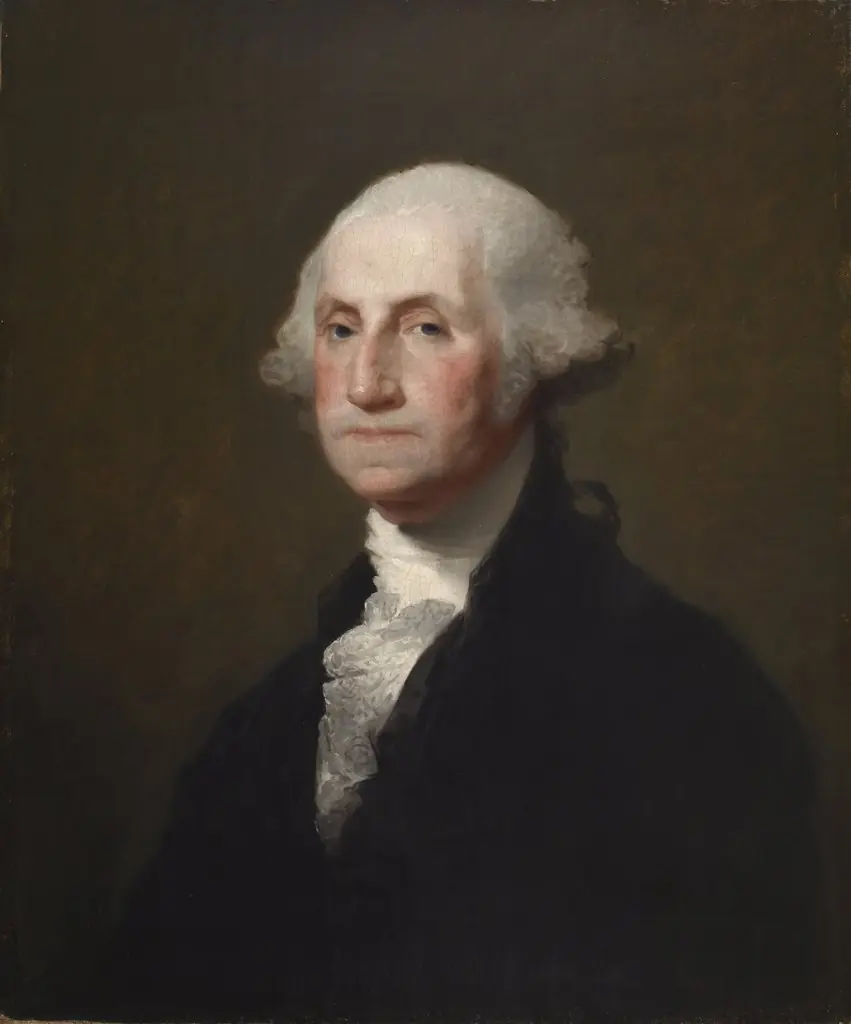
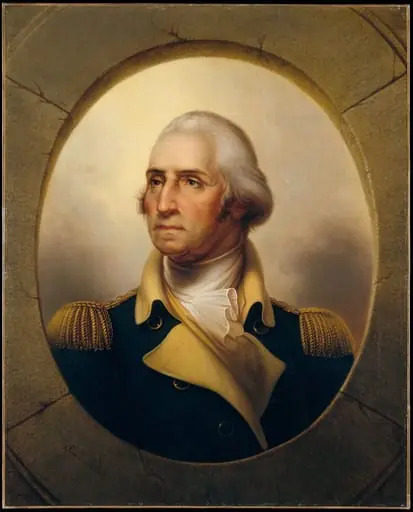
Artwork
George Washington
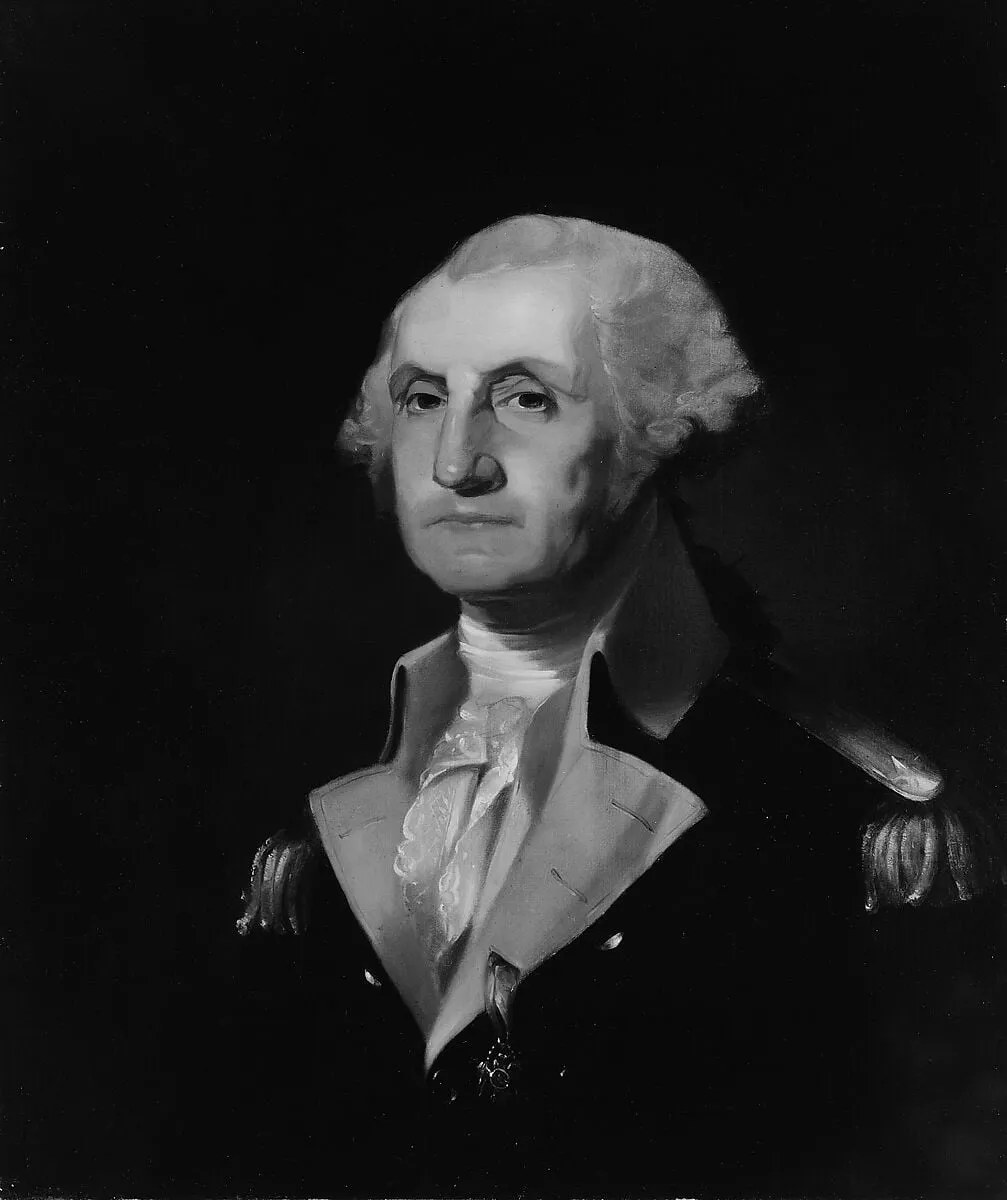
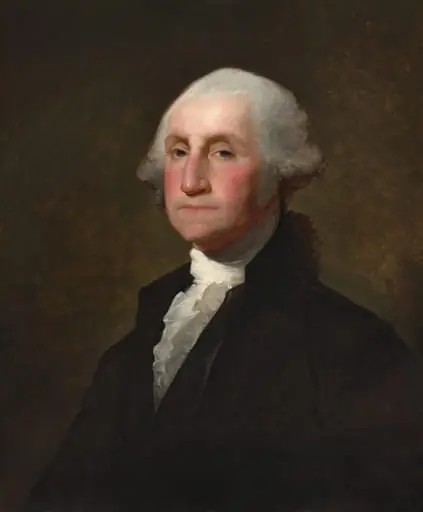
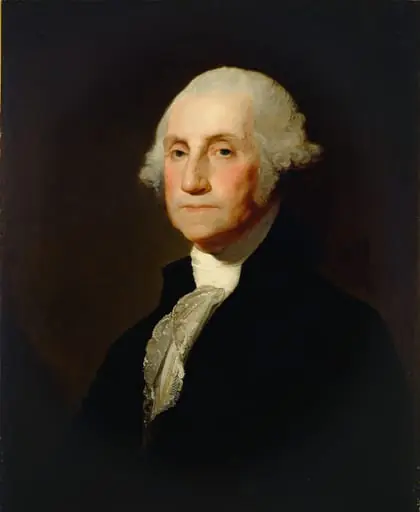
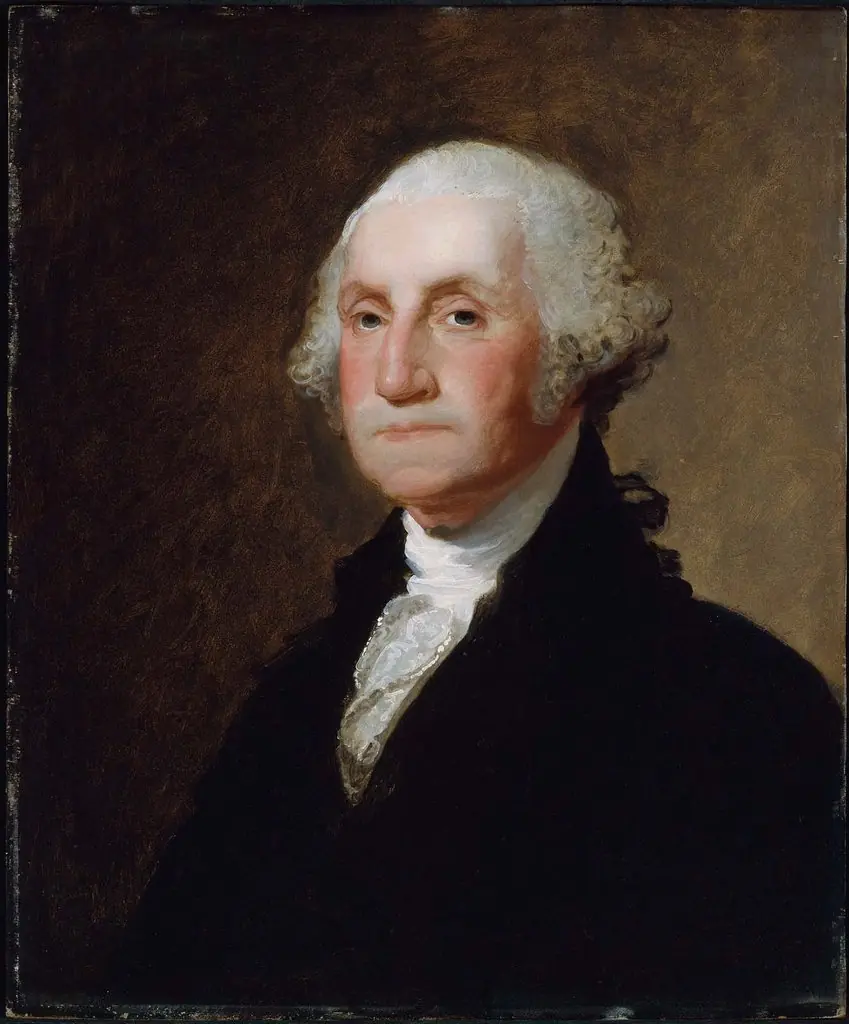
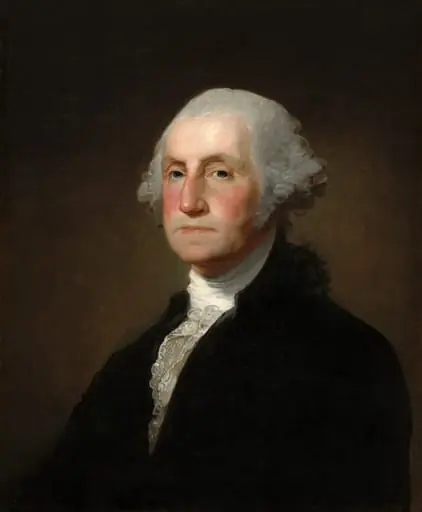
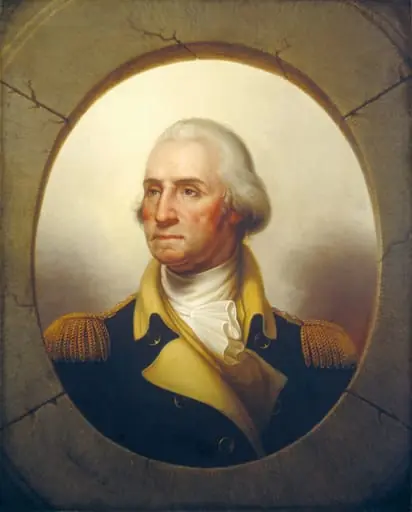
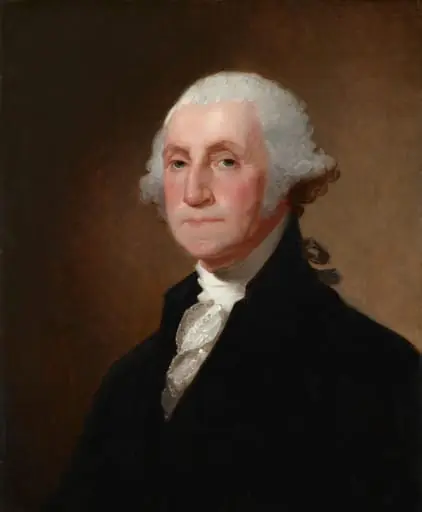
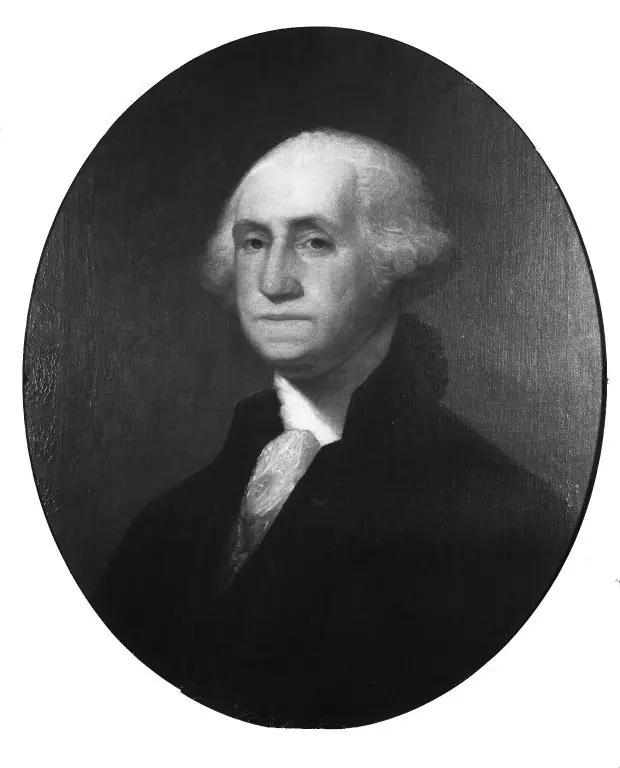
George Washington is an oil painting by the American Impressionist artist Thomas Wilcocks Sully. It dates from 1840 and is held in the collection of the Metropolitan Museum of Art.
About this work
Overview
This approach distinguishes the piece from the more formal, martial representations common in earlier eras, presenting Washington as a relatable statesman.
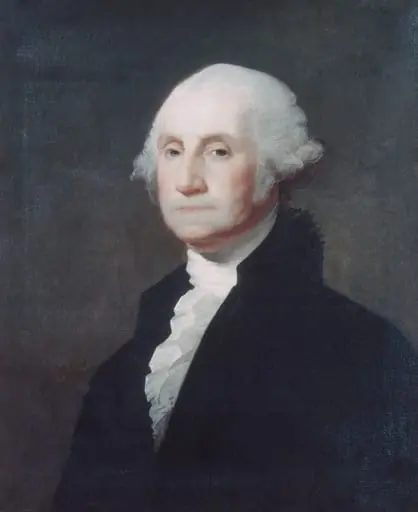
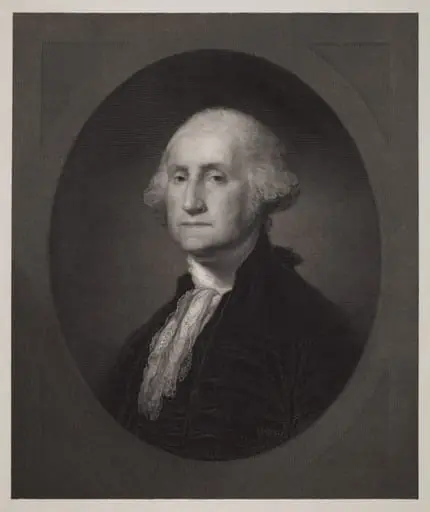
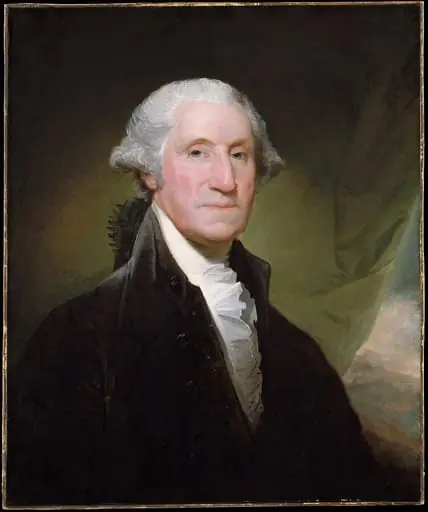
Painted in 1840 by Thomas Wilcocks Sully, this oil on canvas portrait depicts George Washington in his later years, dressed in a black civilian suit rather than a military uniform. Created decades after Washington's death and long after his presidency, the work relies on Sully's study of earlier portraits and historical accounts, as the artist never met the subject. The composition focuses on a bust-length view, utilizing soft, diffused lighting to model the President's face, which conveys a sense of weariness tempered by kindness.
This approach distinguishes the piece from the more formal, martial representations common in earlier eras, presenting Washington as a relatable statesman. The painting reflects Sully's reputation for capturing the psychological depth and humanity of his sitters, even when working from secondary sources. By choosing civilian attire, Sully emphasizes Washington's role as a citizen leader rather than a general, aligning with the democratic ideals of the early American republic.
The work stands as a significant example of mid-19th-century American portraiture, bridging the gap between the founding generation and the artists who sought to memorialize them for a new era.
Subject & Meaning
Rather than a military leader, Washington is shown as a civilian, dressed in a black suit, long after his presidency. The portrayal emphasizes his post-service life, with a countenance that appears both weary and benevolent. This approach renders him as an approachable individual, moving beyond the distant, heroic imagery often associated with his public persona.
Technique & Style
Sully employed soft illumination on Washington's face, a stylistic choice that contributes to the subject's perceived approachability. This gentle lighting, combined with the subdued palette, creates a contemplative atmosphere. The overall effect is a respectful and intimate characterization, distinct from more formal or idealized representations of the historical figure.
History & Provenance
Created decades after Washington's death, this portrait was not based on direct sittings. Sully, who never met Washington, synthesized his image from existing portraits and historical accounts. This method allowed the artist to interpret Washington's legacy through a lens of collective memory and established iconography, rather than direct observation.
Artist & collection