Artwork
Raphaël; Salomé
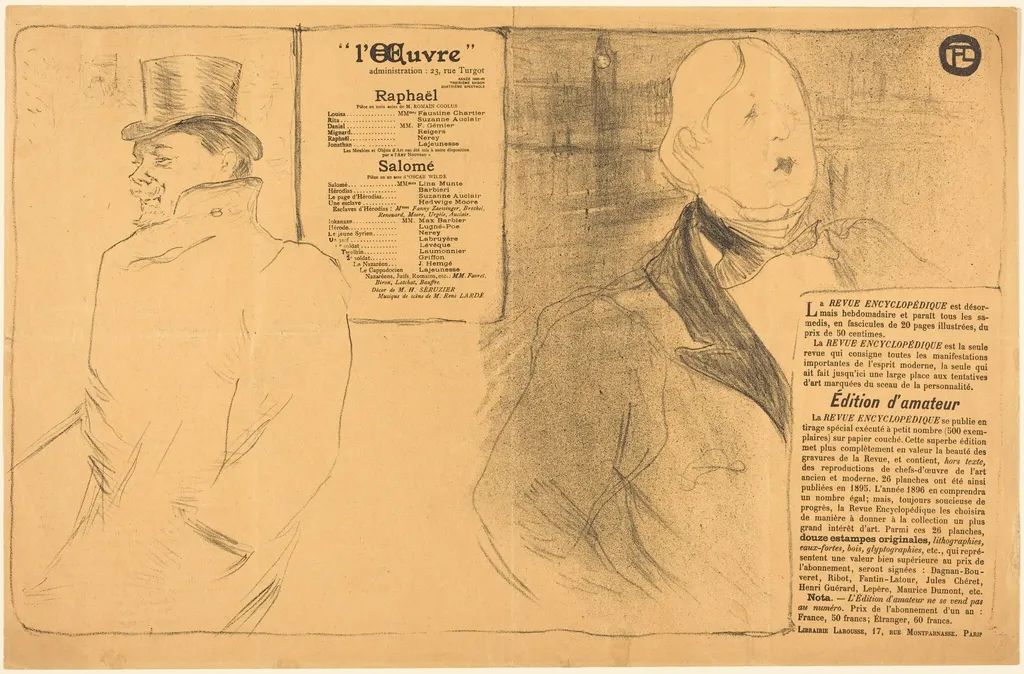
Raphaël; Salomé is an ink print by the Impressionist artist Henri de Toulouse-Lautrec. It dates from 1896 and is held in the collection of the National Gallery of Art.
- Inscription
- Inscribed:upper right in stone in ligature: T-L; upper center printed: "l'OEuvre" / administration: 23 rue Turgot / ANNÉE 1895-96 / TROISIEME SAISON / QUATRIEME SPECTACLE / Raphaël / Pièce en tois actes de M. ROMAIN COOLUS... / Salomé / Pièce en un acte d'Oscar Wilde...
About this work
Overview
Henri de Toulouse-Lautrec's 1896 lithograph, Salomé, is a print on light brown wove paper, created to advertise a cabaret performance.
Subject & Meaning
The print depicts a woman, likely a performer, holding a silver platter with a severed head, referencing the biblical figure Salomé. However, the work is not a representation of the biblical narrative, but rather a promotional image for a cabaret show.
Technique & Style
The lithograph features bold lines and rough edges, characteristic of the medium, which allows for expressive and dynamic imagery. The use of black ink on light brown paper creates a striking visual contrast.
Context
Toulouse-Lautrec was a prominent figure in late 19th-century Parisian artistic and theatrical circles, often capturing the city's nightlife and cabaret culture in his work. His prints and paintings frequently explored the city's more marginalized aspects.
Own this work as a print
Artist & collection
Artist
Comte Henri Marie Raymond de Toulouse-Lautrec-Montfa (24 November 1864 – 9 September 1901), known as Toulouse-Lautrec (French: ), was a French painter, printmaker, draughtsman, caricaturist, and illustrator.

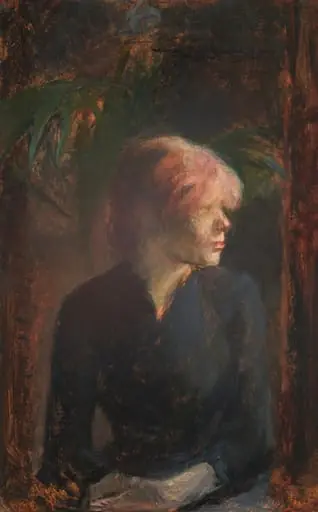
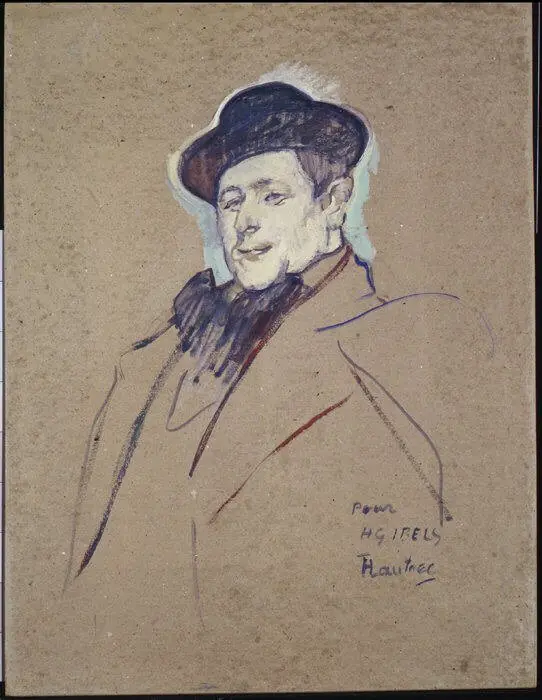
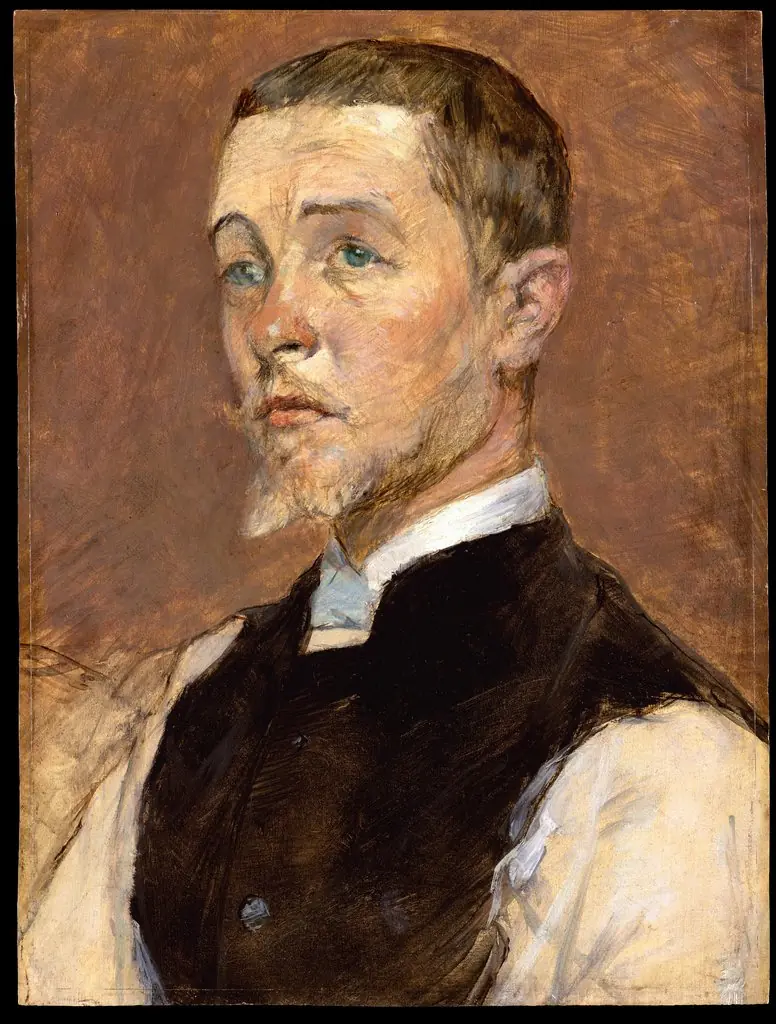
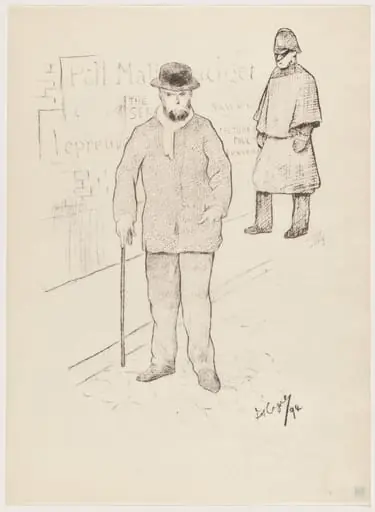
- Paul Verlaine à Londres
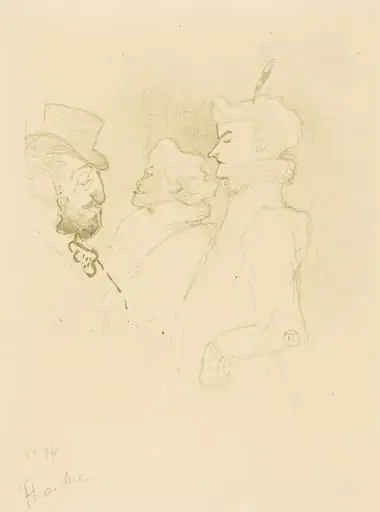 Why Not?...Once Is Not a Habit (Pourquoi pas?...Une fois n'est pas coutume)
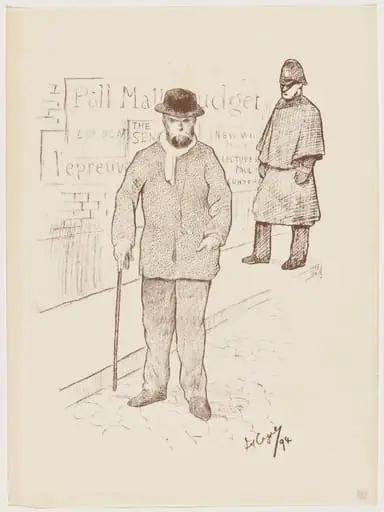 Paul Verlaine à Londres
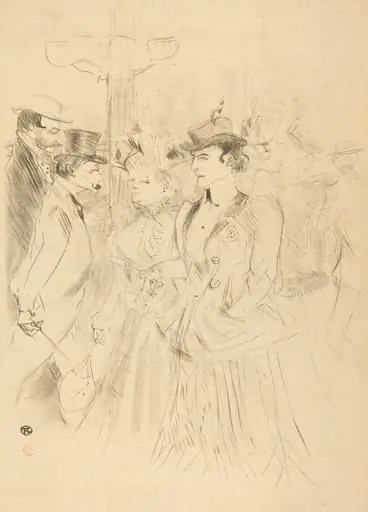 Promenade (Promenoir)
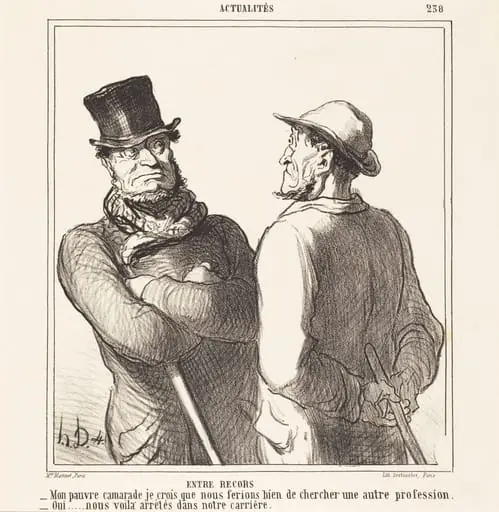 Entre recors
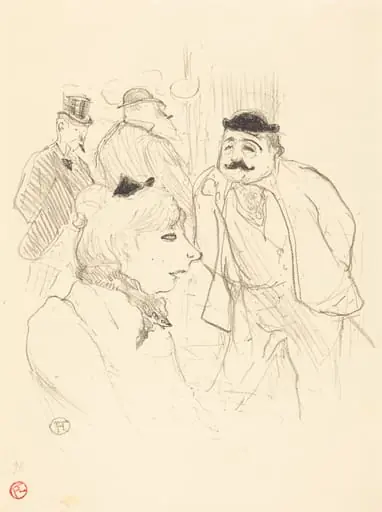 La Tige (Moulin-Rouge)
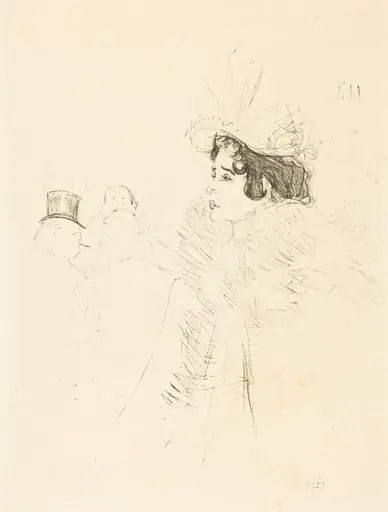 Miss May Belfort in the Irish and American Bar, rue Royale (Miss Belfort Belfort au Irish and American Bar, Rue Royale)
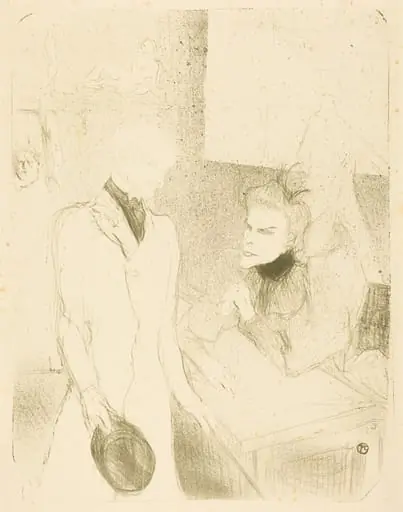 Brandes and Le Bargy in "Cabotins" (Brandès et Les Bargy dans "Cabotins")
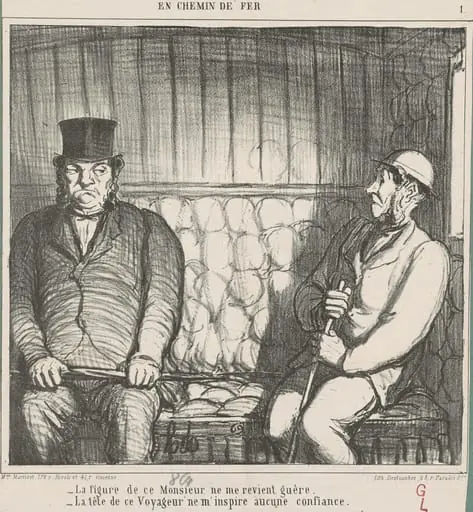 La figure de ce monsieur ne me revient guère ...
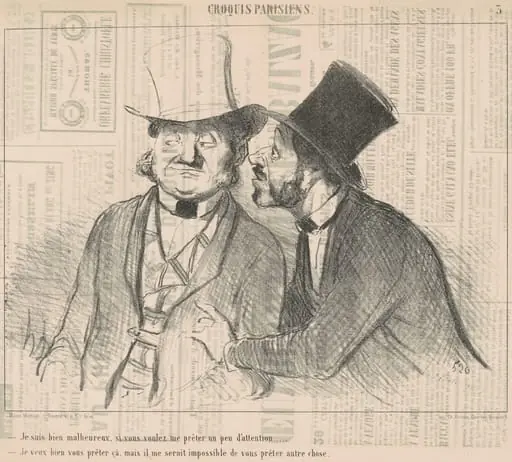 Je suis bien malheureux, si vous voulez ...
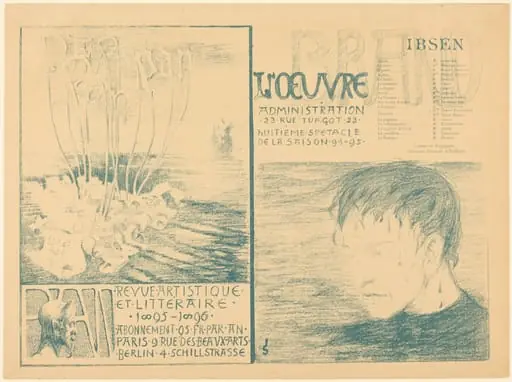 Brand
Brand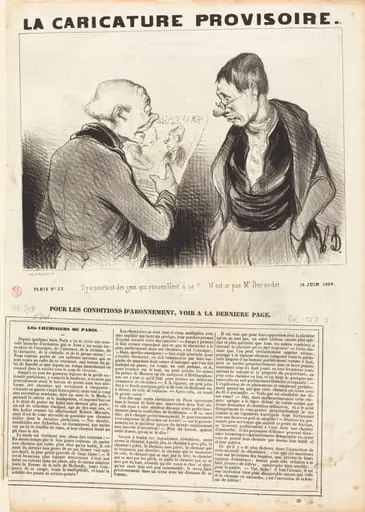 Il y a pourtant des gens qui ressemblent a ça!