Artwork
Maxime Dethomas
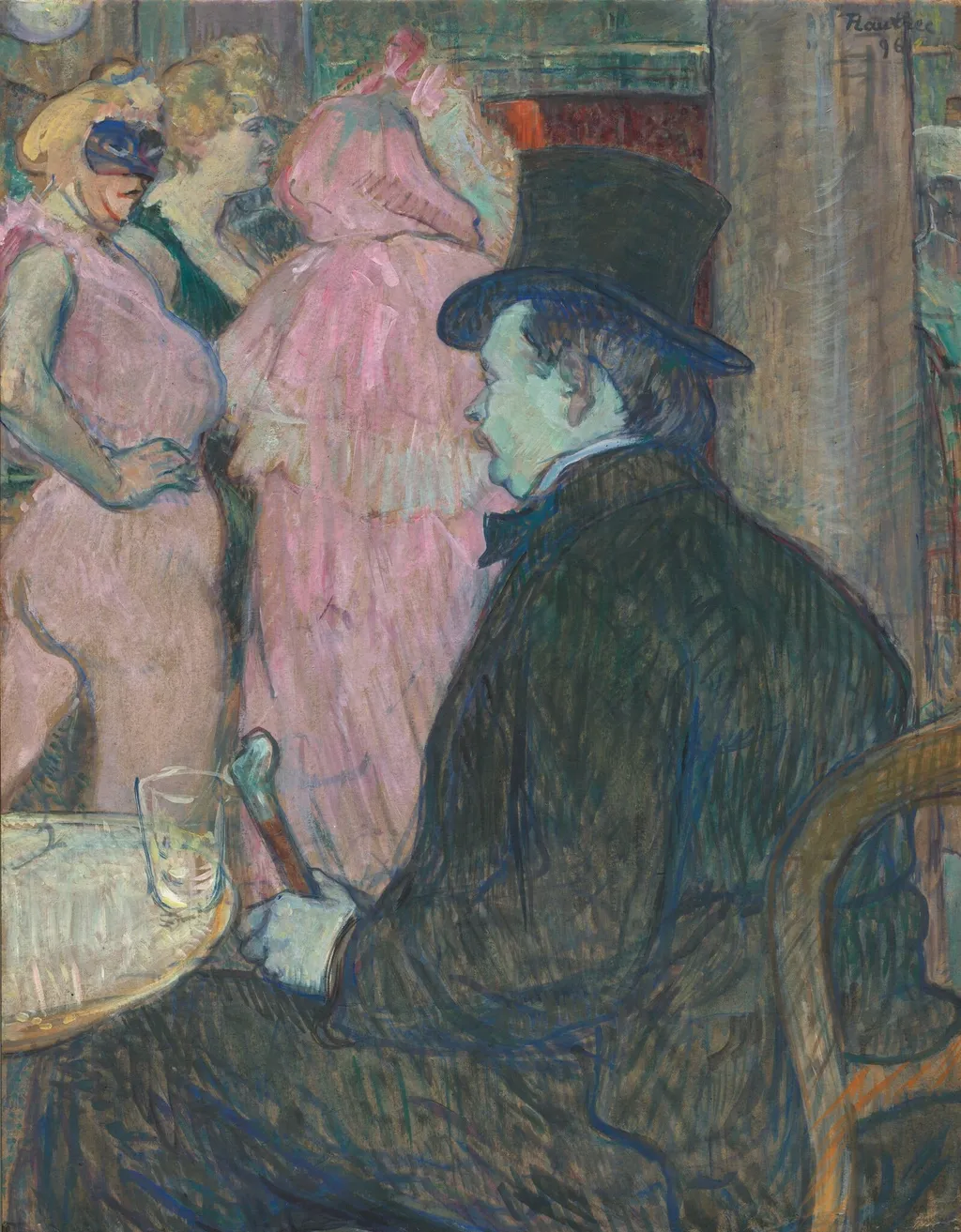
Maxime Dethomas is an oil painting by the Impressionist artist Henri de Toulouse-Lautrec. It dates from 1896 and is held in the collection of the National Gallery of Art.
- Inscription
- Inscribed:upper right: HTLautrec / 96 (HTL in ligature)
About this work
History & Provenance
Prior to this acquisition, the work circulated through several dealers and collectors following its ownership by Charles Pacquement in Paris.
The portrait of Maxime Dethomas by Henri de Toulouse-Lautrec was created in 1896. It entered the provenance chain through Charles Pacquement in Paris before passing to Paul Cassirer in Berlin. In 1929, it was sold to Alex Reid & Lefèvre in London, then to Étienne Bignou in Paris by November 1931, with a final transfer to Chester Dale in New York by April 1932.
Dale later bequeathed the work to the National Gallery of Art in Washington, D.C., in 1963. The discrepancy between the 1931 and 1932 dates reflects Reid & Lefèvre’s accounting adjustments for the sale.
The portrait of Maxime Dethomas is held in the collection of the National Gallery of Art in Washington, D.C., having entered the institution in 1963 as a bequest from Chester Dale. Prior to this acquisition, the work circulated through several dealers and collectors following its ownership by Charles Pacquement in Paris. It was sold in 1929 via Paul Cassirer in Berlin to Alex Reid & Lefèvre in London.
Subsequent transactions included a sale to Etienne Bignou in Paris in April 1932 and a transfer to Chester Dale in New York in November 1931, with archival records noting discrepancies in the final accounting dates between these dealers. The provided sources do not list specific public exhibition history for the painting.
Overview
Henri de Toulouse-Lautrec created this oil on cardboard portrait of Maxime Dethomas in 1896. The work exemplifies the Post-Impressionist movement, offering a direct and unembellished depiction of its subject. Toulouse-Lautrec, a French painter and printmaker, was widely recognized for his vivid portrayals of Parisian social life during the late 19th century, often focusing on its vibrant nightlife. This piece, however, presents a more intimate study.
Subject & Meaning
The painting features Maxime Dethomas seated, wearing a hat and coat, within an unadorned setting. His expression appears contemplative, drawing the viewer's attention to his face. The artist's choice to simplify the background emphasizes Dethomas himself, suggesting a focus on the individual's character rather than elaborate surroundings or narrative details.
Technique & Style
Executed in oil on cardboard, the portrait employs a technique characterized by straightforward brushstrokes. This approach avoids excessive detail, contributing to the work's directness. As a Post-Impressionist piece, it moves beyond the fleeting impressions of its predecessors, instead favoring a more structured and personal interpretation of reality, evident in its focused composition and unembellished rendering of Dethomas.
Context
Born into an aristocratic French family in 1864, Henri de Toulouse-Lautrec became prominent for his incisive observations of Parisian society, particularly its cabarets, theaters, and brothels. While many of his works capture the dynamic energy of late 19th-century nightlife, this portrait of Maxime Dethomas offers a quieter, more personal engagement. It reflects his broader interest in individual character studies, even amidst his more public-facing subjects.
Own this work as a print
Artist & collection
Artist
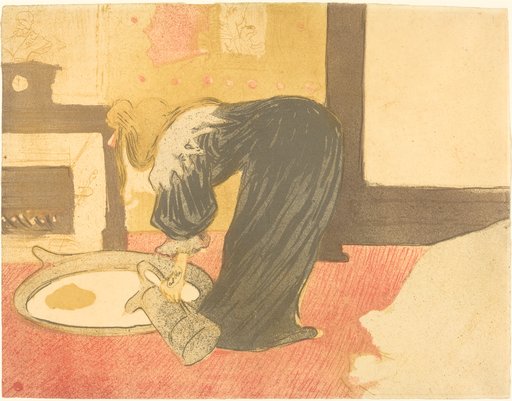
Comte Henri Marie Raymond de Toulouse-Lautrec-Montfa (24 November 1864 – 9 September 1901), known as Toulouse-Lautrec (French: ), was a French painter, printmaker, draughtsman, caricaturist, and illustrator.

- Alfred la Guigne
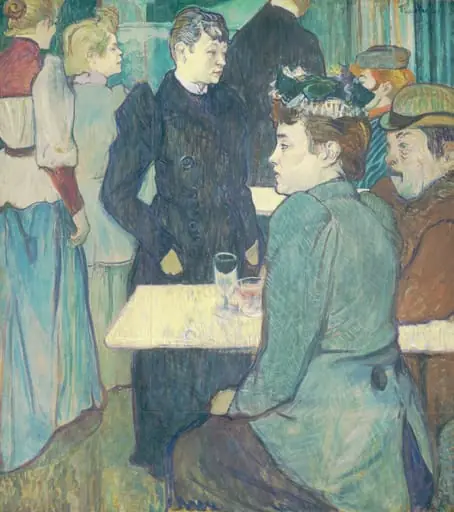 A Corner of the Moulin de la Galette
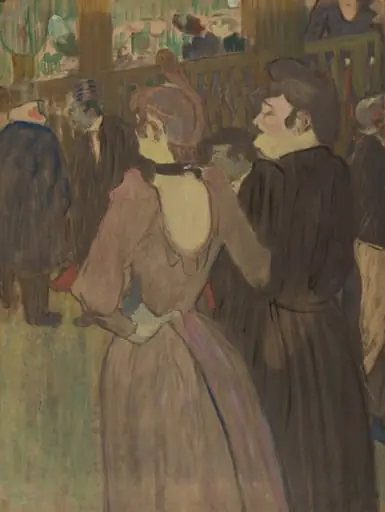 La Goulue and Her Sister
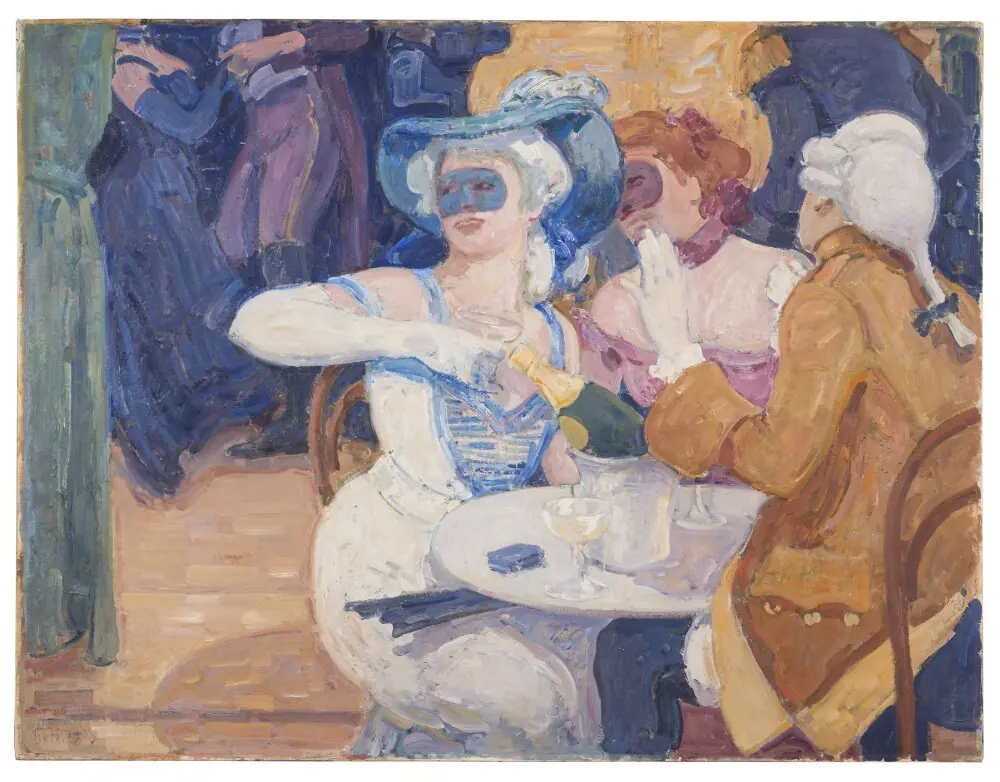 Carnival
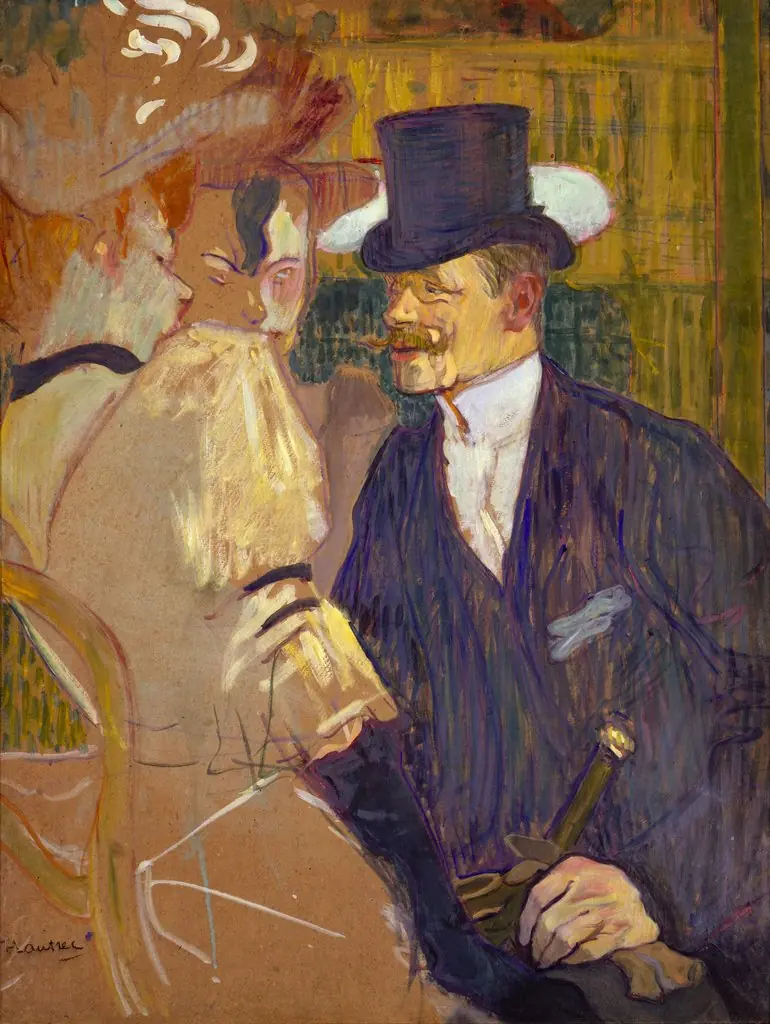 The Englishman (William Tom Warrener, 1861–1934) at the Moulin Rouge
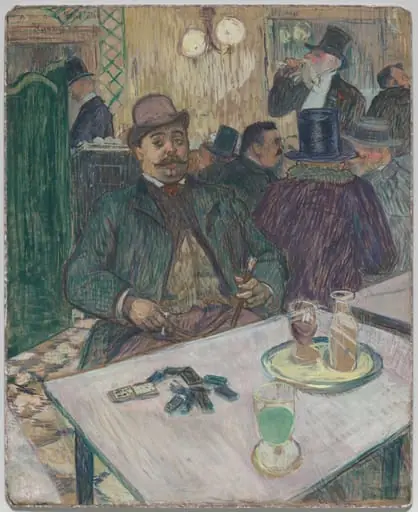 Monsieur Boileau at the Café
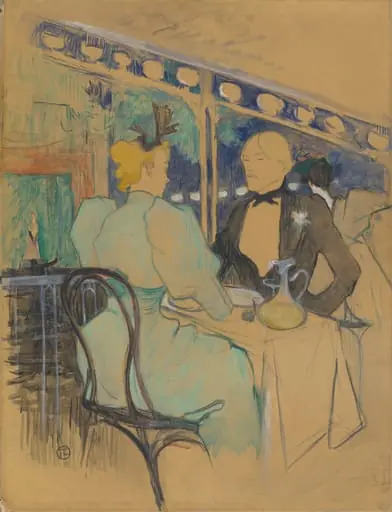 Fashionable People at Les Ambassadeurs (Aux Ambassadeurs: Gens Chic)
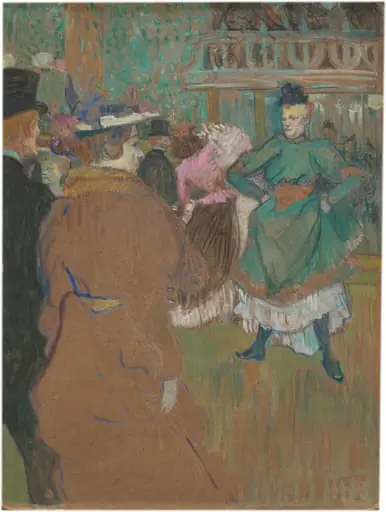 Quadrille at the Moulin Rouge
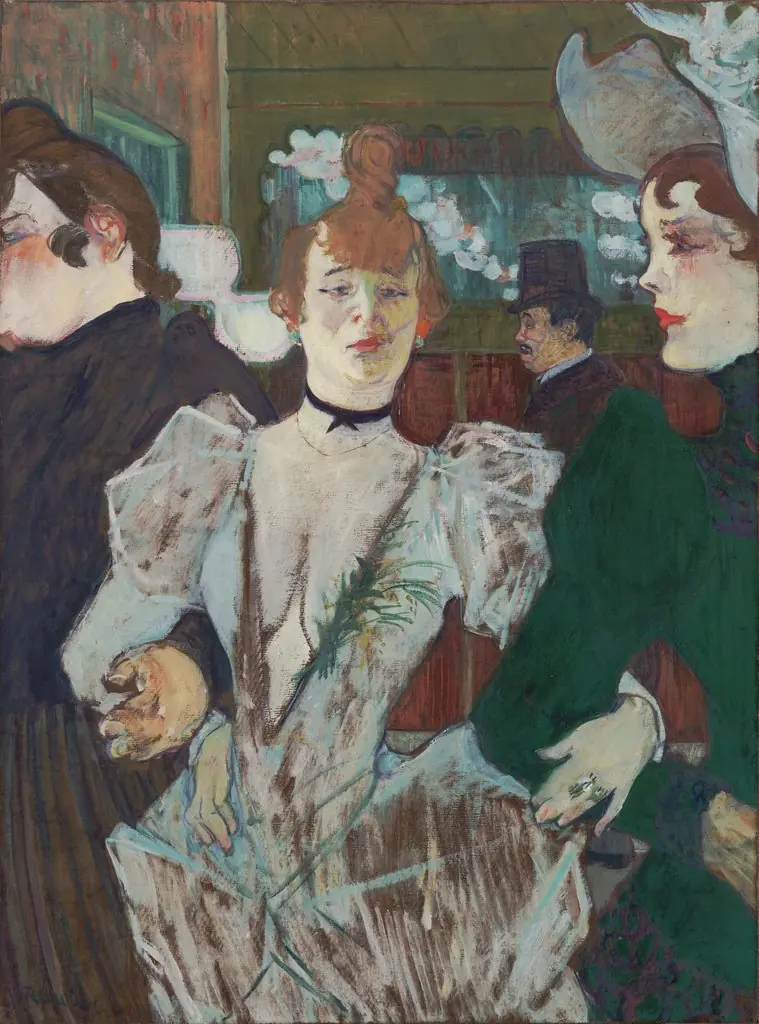 La Goulue at the Moulin Rouge
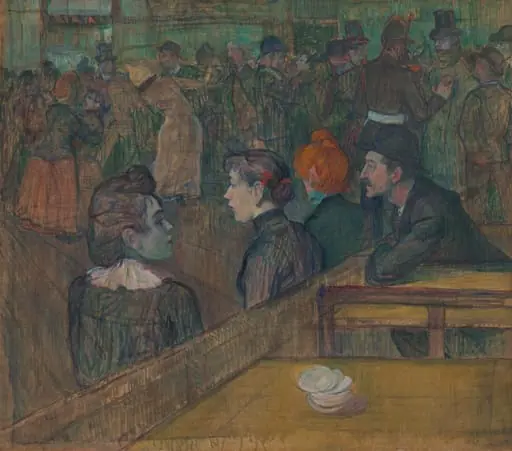 Moulin de la Galette
 Untitled
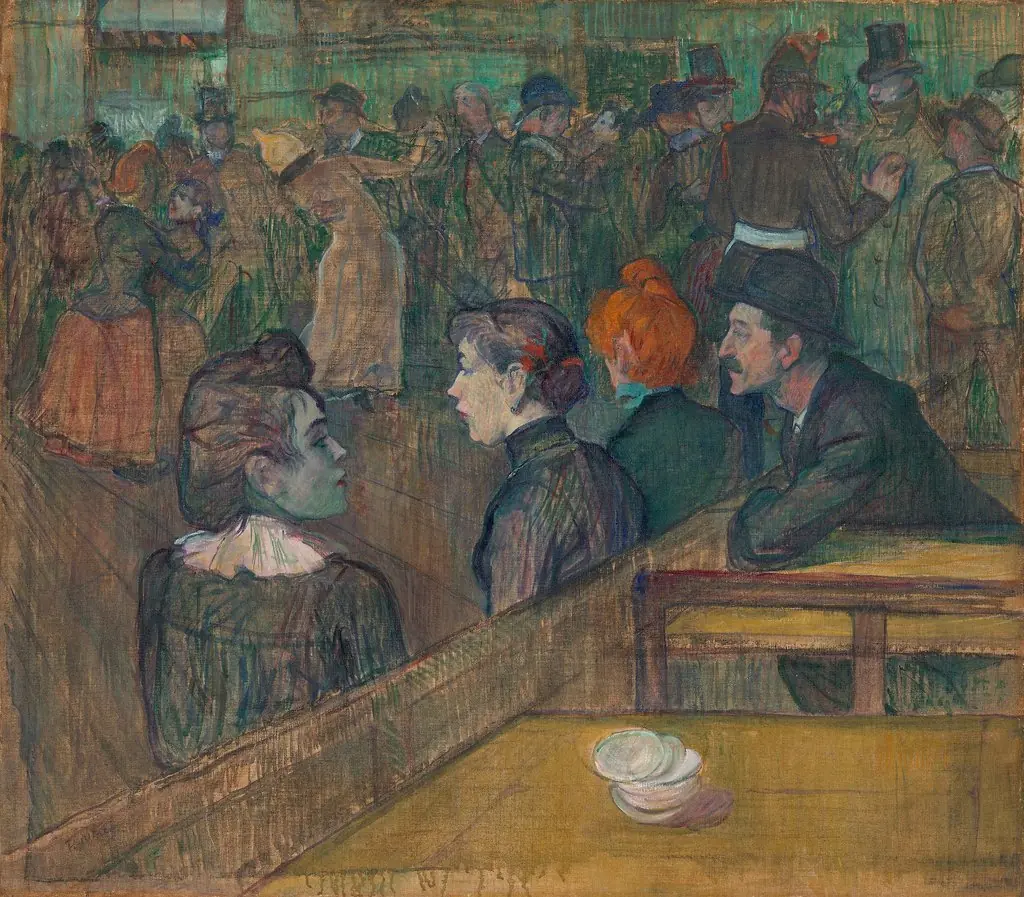 Moulin de la Galette