Artwork
Albert (René) Grenier (1858–1925)
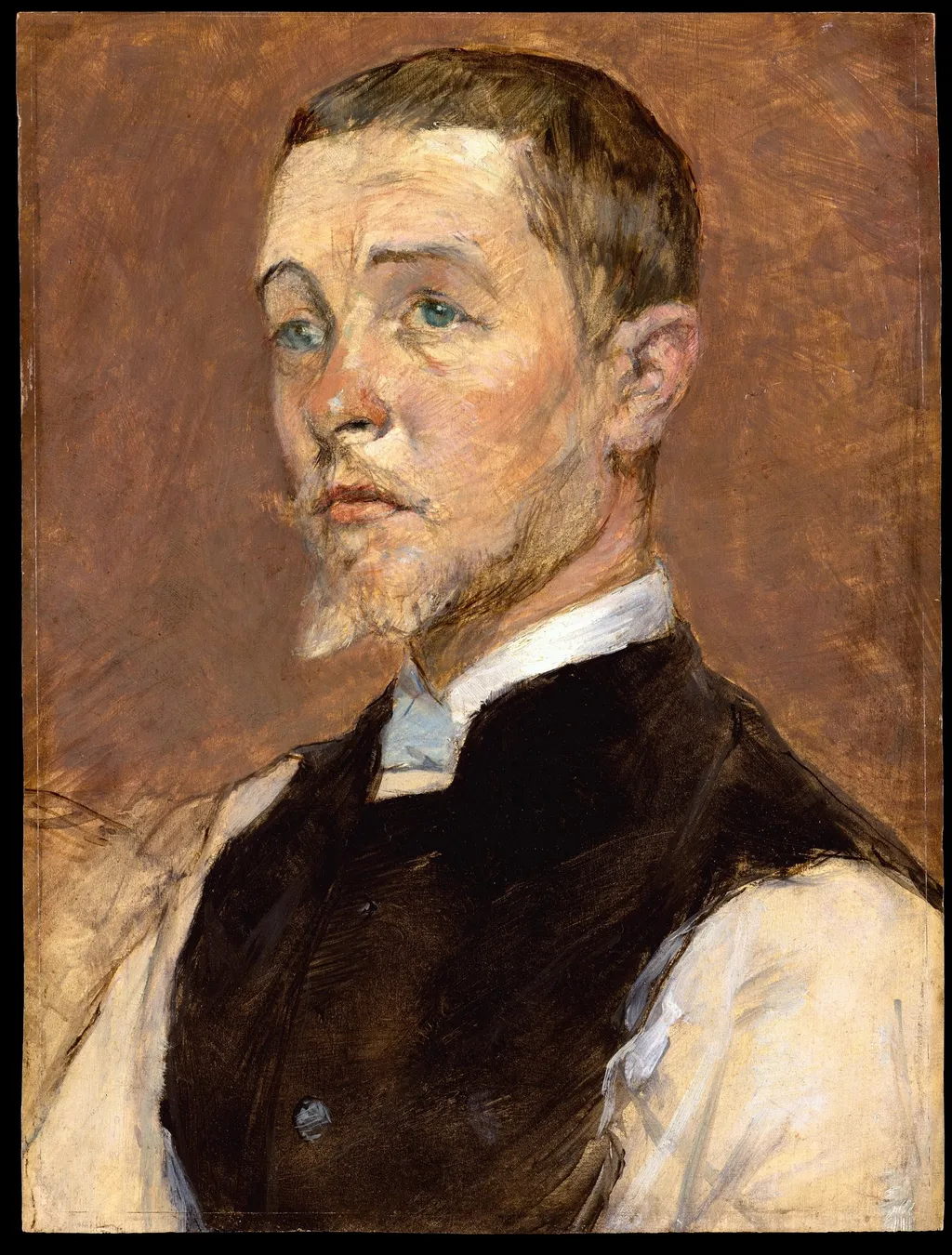
Albert (René) Grenier (1858–1925) is an oil painting by the Post-Impressionist artist Henri de Toulouse-Lautrec. It dates from 1894 and is held in the collection of the Metropolitan Museum of Art.
About this work
History & Provenance
The portrait of Albert (René) Grenier, executed in 1887 by Henri de Toulouse-Lautrec, is currently held by the Metropolitan Museum of Art in New York.
The portrait of Albert (René) Grenier by Henri de Toulouse-Lautrec was completed in 1887, as indicated by the artist’s inscription and the work’s stylistic features. The painting is an oil on panel measuring 34 × 25.4 cm. It entered the collection of the Metropolitan Museum of Art in New York in 1979, accessioned as 1979.135.14. The early provenance prior to its acquisition by the museum is not documented in the cited sources.
The portrait of Albert (René) Grenier, executed in 1887 by Henri de Toulouse-Lautrec, is currently held by the Metropolitan Museum of Art in New York. The work, an oil painting on panel measuring 34 by 25.4 centimeters, entered the museum's collection with the accession number 1979.135.14. While the sources confirm the painting's location and specific inventory details within the museum's holdings, they do not provide information regarding a history of public exhibitions or loan records for this specific piece.
Overview
Henri de Toulouse-Lautrec completed this oil portrait of Albert (René) Grenier in 1894. The painting exemplifies the artist's engagement with individual likenesses, rendered in a post-impressionist manner. It offers a direct portrayal of the sitter, reflecting the artistic currents of late 19th-century France.
Subject & Meaning
The painting presents Albert (René) Grenier as a man with short, dark hair and a mustache, dressed in a white shirt and a dark vest. His body is angled slightly to the left, with his gaze following the same direction, conveying a sense of quiet observation. The formal nature of his clothing suggests a professional or established social standing, contributing to the portrait's straightforward depiction of the individual.
Technique & Style
Executed in oil paint, this work aligns with Post-Impressionist tendencies through its directness and focus on form. Toulouse-Lautrec employed chiaroscuro, a technique involving strong contrasts between light and dark, to imbue the figure with a sense of volume and spatial depth. This approach emphasizes the three-dimensionality of Grenier's form against the warm, earthy background, enhancing the portrait's visual impact.
Context
As a prominent French artist of the late 19th century, Henri de Toulouse-Lautrec was widely recognized for his diverse output, including prints, illustrations, and paintings. While often celebrated for his depictions of Parisian nightlife and theatrical scenes, he also created numerous portraits. This painting of Albert (René) Grenier demonstrates his broader interest in capturing the individuals who populated the social fabric of his era.
Own this work as a print
Artist & collection
Artist
Comte Henri Marie Raymond de Toulouse-Lautrec-Montfa (24 November 1864 – 9 September 1901), known as Toulouse-Lautrec (French: ), was a French painter, printmaker, draughtsman, caricaturist, and illustrator.

- Portrait of Stanisław Czachórski (1853–1904), artist’s brother
 Jacinto Felipe Picón y Pardiñas
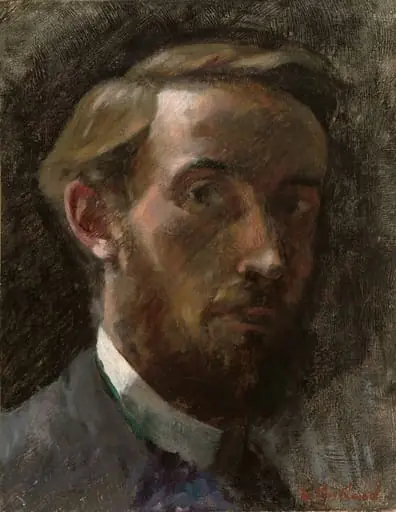 Self-Portrait, Aged 21
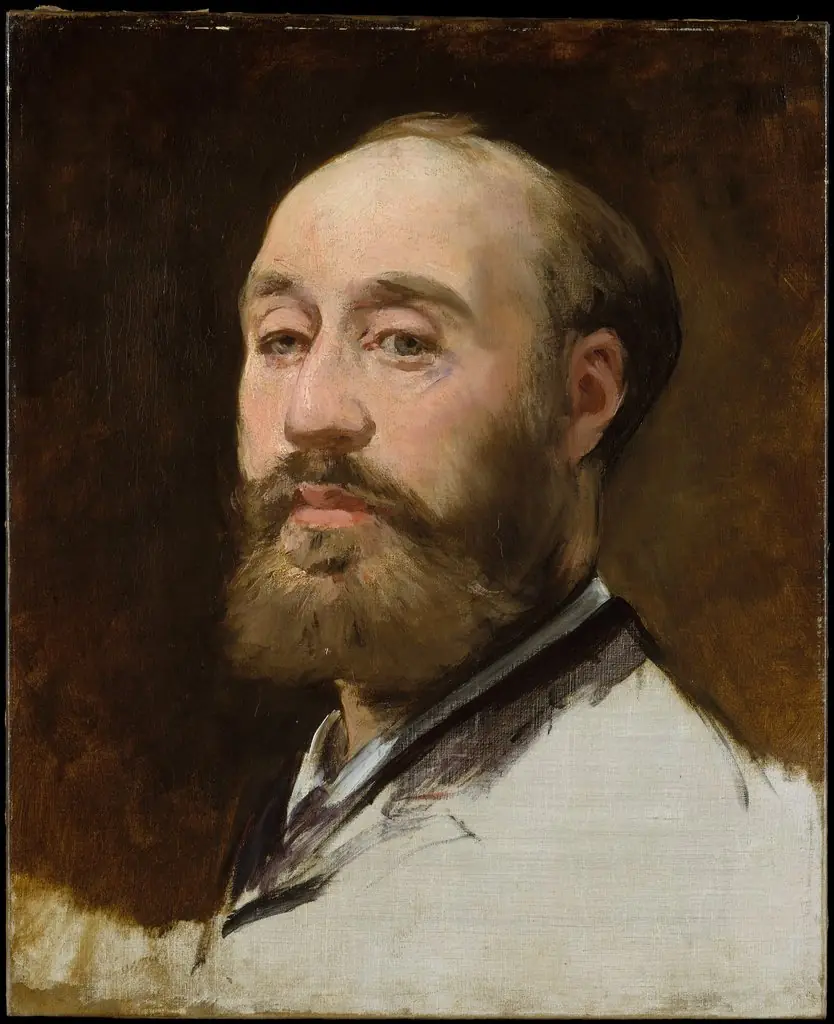 Head of Jean-Baptiste Faure (1830–1914)
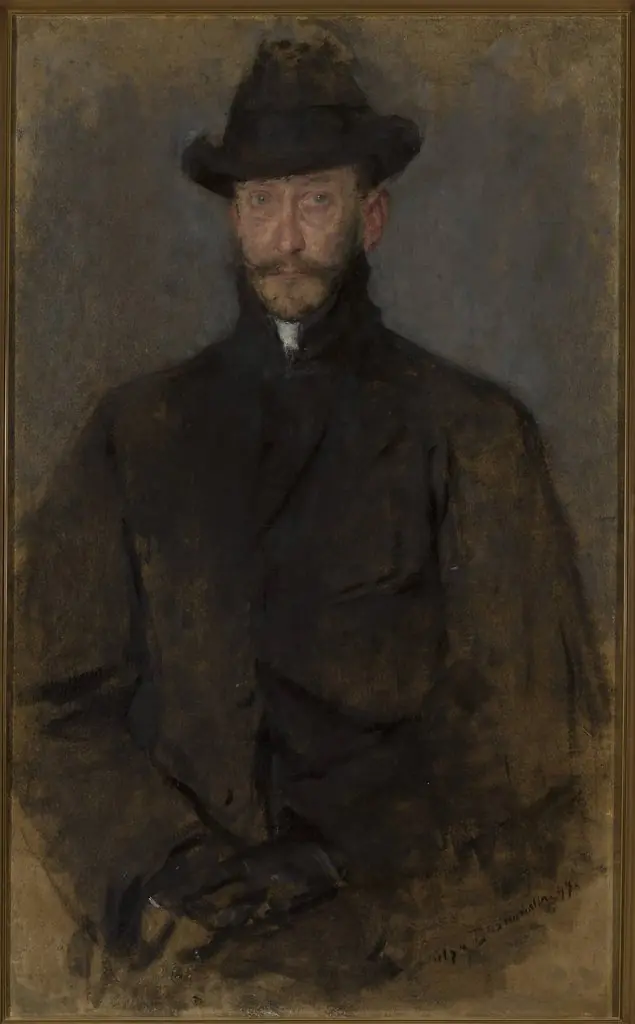 Portrait of Antoni Kamieński (1860/1861–1933), painter
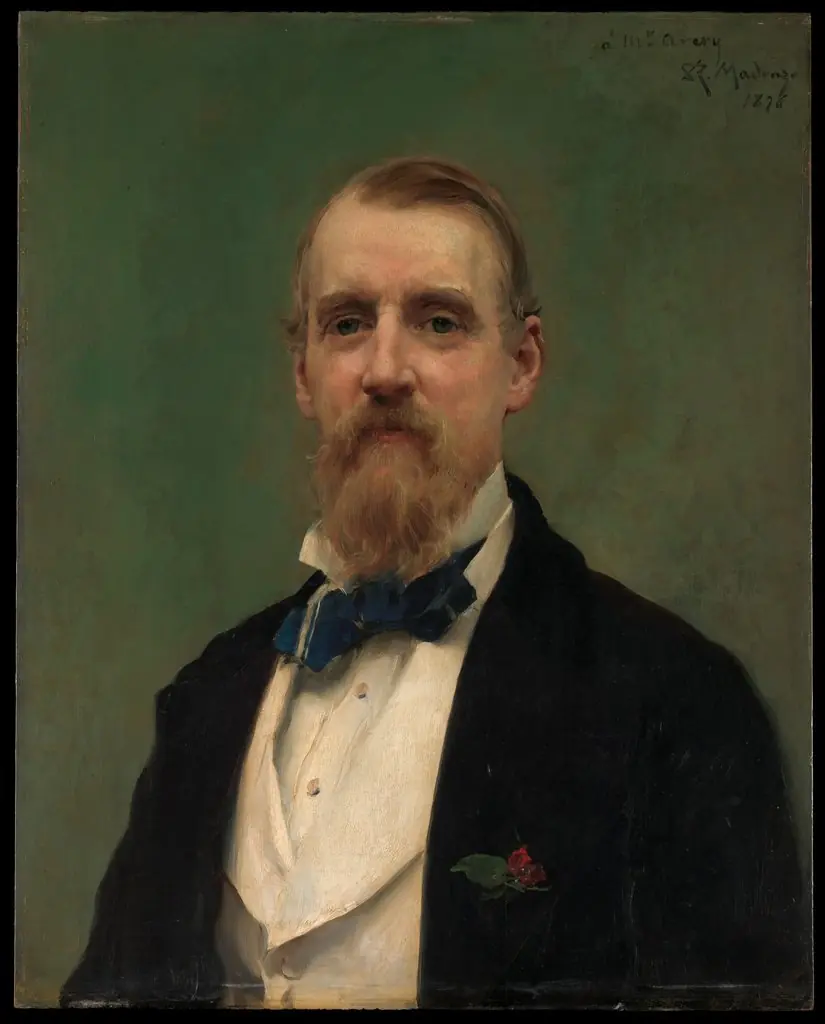 Samuel P. Avery (1822–1904)
 Alexander J. Cassatt
 Self-Portrait
 Portret van de beeldhouwer Pier Pander (1864-1919)
 Autoportret
 Émile Bernard
 Portrait of the Pianist Prof. Antoni Dieth