Artwork
The Nativity and Passion of Christ
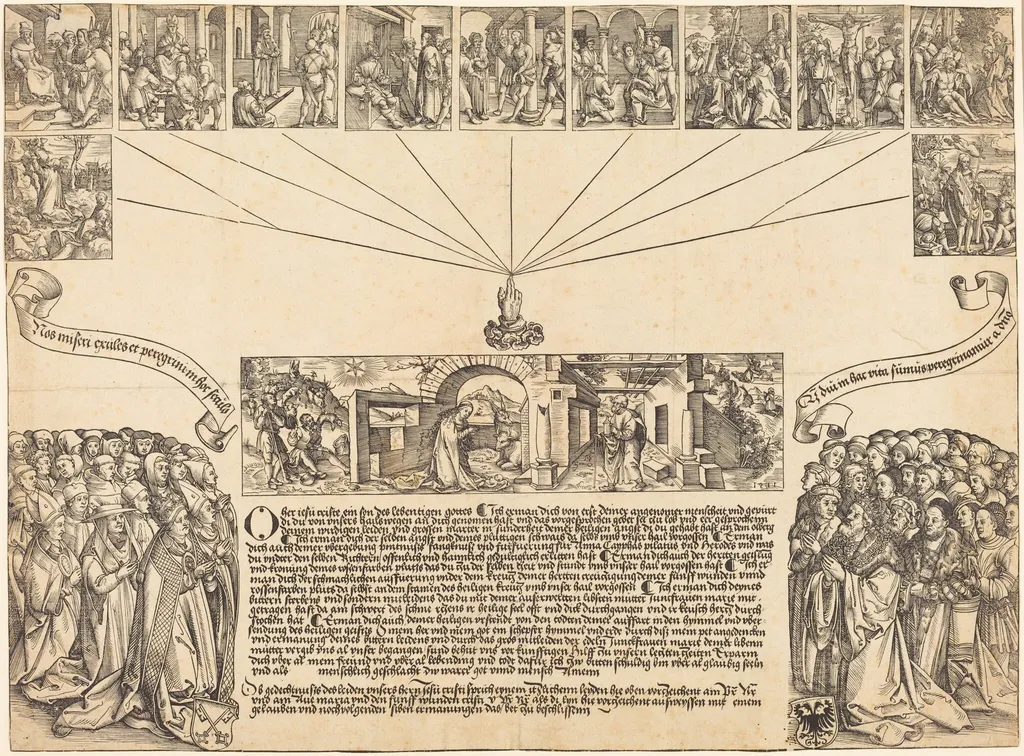
The Nativity and Passion of Christ is an ink print by the Renaissance artist Wolf Traut. It dates from 1511 and is held in the collection of the National Gallery of Art.
- Inscription
- Inscribed:on banderole at left, in block: Nos miseri exules e peregrini in hoc seculo; on banderole at right, in block: Q' diu in hac vita sumus peregrinamur a dno; printed in letterpress at bottom of broadsheet: [a prayer beginning: O her iesv criste...]; verso, upper center, in graphite by a later hand: N [illegible]; upper right, in graphite by a later hand:[struckthrough in graphite: No. 214]; lower left, in graphite by a later hand: AD; bottom center, in graphite by a later hand: Wolf Traut 1511 / Pass. 265 D.I.515 No.8
About this work
Overview
Created in 1511 by the German artist Wolf Traut, The Nativity and Passion of Christ is a monumental woodcut printed from fifteen separate blocks on laid paper.
Created in 1511 by the German artist Wolf Traut, The Nativity and Passion of Christ is a monumental woodcut printed from fifteen separate blocks on laid paper. This complex religious composition functions as a visual narrative, densely packing multiple episodes from the life of Jesus into a single sheet. The upper register depicts the Nativity and early years of Christ, characterized by intimate, small-scale figures.
Dominating the lower section is a large, crowded scene of the Crucifixion, where the emotional weight of the Passion is conveyed through the gathering of mourners and onlookers around the cross. The work's borders are framed with Latin inscriptions and additional miniature vignettes that further expand the theological scope. Executed during the height of the Northern Renaissance, the print demonstrates Traut's mastery of the woodcut medium, utilizing sharp, precise carving to create distinct tonal contrasts and intricate details across the multiple blocks.
This piece stands as a significant example of early 16th-century German devotional art, designed to guide the viewer through the central mysteries of the Christian faith in a format accessible for private contemplation or instruction.
Subject & Meaning
The print functions as a visual narrative of Christ’s life, juxtaposing his birth and childhood with the collective suffering surrounding the cross. By aligning the joyous inception of the Incarnation with the solemnity of the Passion, the work underscores the theological continuity between the beginning and the culmination of Christian salvation history.
Technique & Style
Traut employed the traditional woodcut method, carving each of the fifteen blocks with a fine gouge to achieve precise, sharply defined lines. The resulting imagery is marked by crisp contours and a high contrast between the black ink and the pale laid‑paper background, characteristic of early sixteenth‑century German printmaking.
History & Provenance
Created in 1511, the print reflects the period’s devotional interest in portable, illustrated religious texts. While specific ownership records are scarce, the work survives in several museum collections, indicating its circulation among collectors of early Northern European prints and its role in disseminating biblical iconography during the Reformation era.
Own this work as a print
Artist & collection

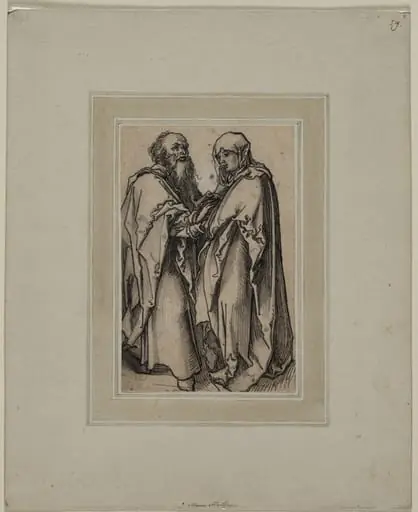
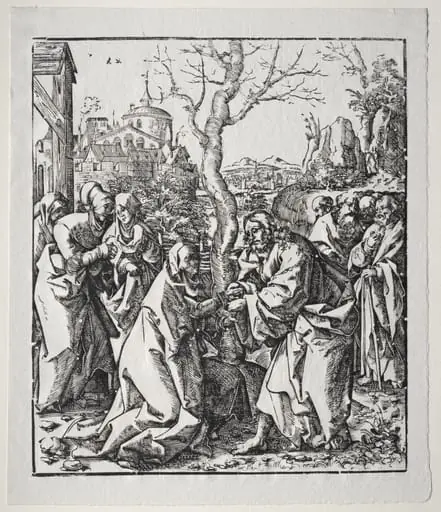
- Nativity and Passion of Christ
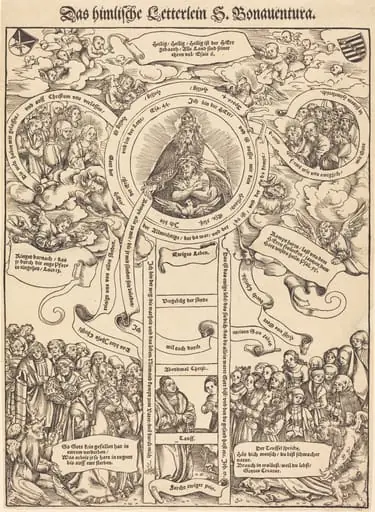 The Celestial Ladder of Saint Bonaventura
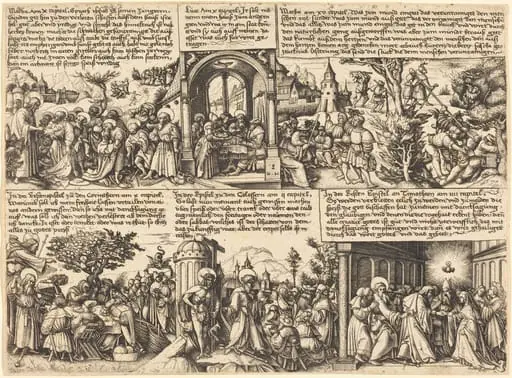 Jesus Christ Giving the Mission to the Apostles and Other New Testament Scenes
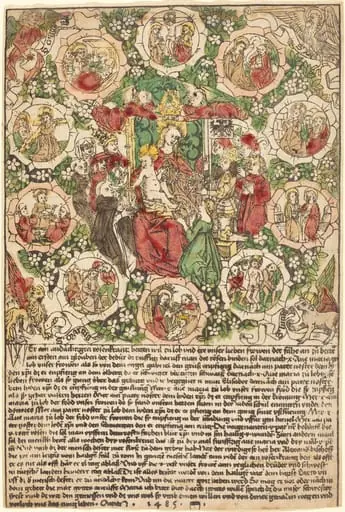 Madonna with the Rosary
![A Dialogue on Human Favor (recto) [fol. 15 verso / 16 recto], by French early 16th Century](https://artifactworldgallery.com/img/french-early-16th-century--a-dialogue-on-human-favor-recto-fol-15-verso-16-recto--a4f1453e0385d8d6-w320.webp) A Dialogue on Human Favor (recto) [fol. 15 verso / 16 recto]
A Dialogue on Human Favor (recto) [fol. 15 verso / 16 recto]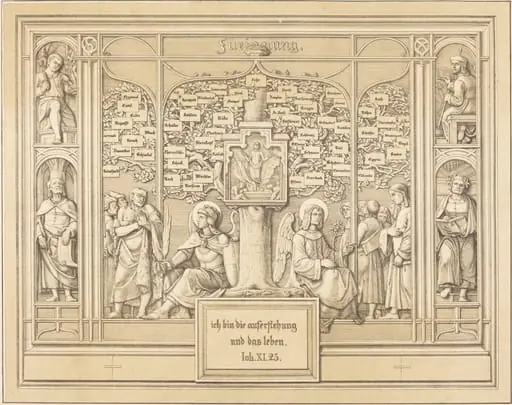 Dedication: Ich bin die Auferstehung und das Leben (I am the resurrection and the life)
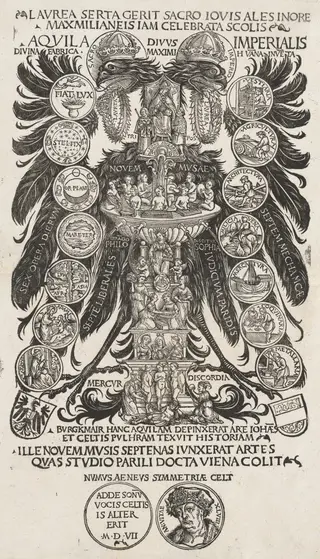 The Imperial Eagle
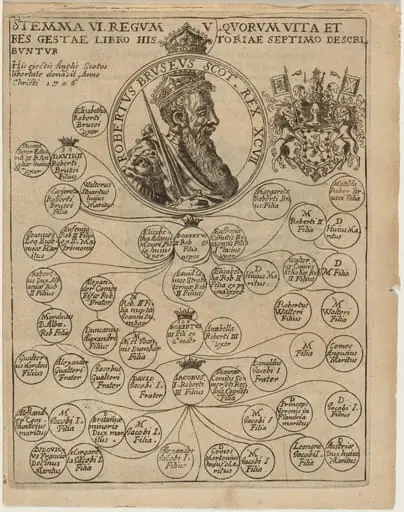 Robert de Bruce VIII, King of Scotland
!["Obliterate the Trace of the Pot in the Ashes" [fol. 32 verso / 33 recto], by French early 16th Century](https://artifactworldgallery.com/img/french-early-16th-century--obliterate-the-trace-of-the-pot-in-the-ashes-fol-32-verso-33--e808688d684304b0-w320.webp) "Obliterate the Trace of the Pot in the Ashes" [fol. 32 verso / 33 recto]
"Obliterate the Trace of the Pot in the Ashes" [fol. 32 verso / 33 recto]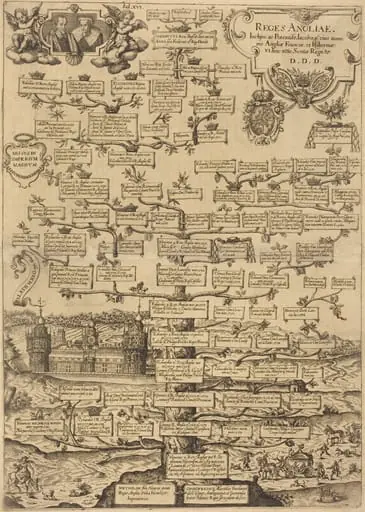 Reges Anglia
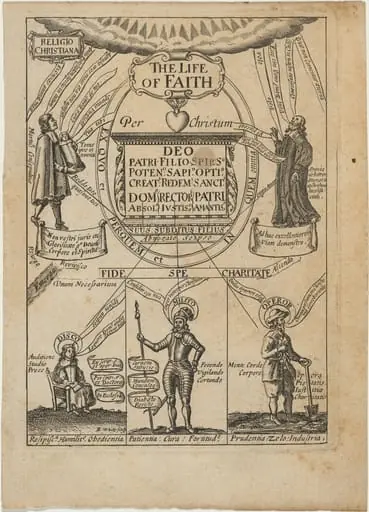 Title Page to The Life of Faith by Richard Baxter
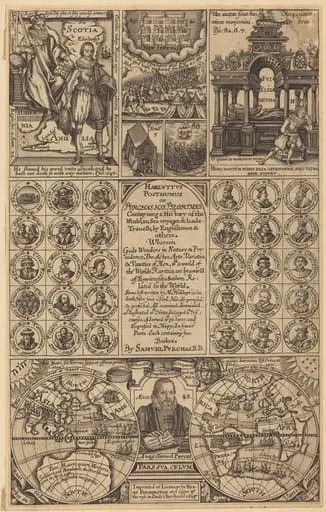 Frontispiece