Subject
Joseph
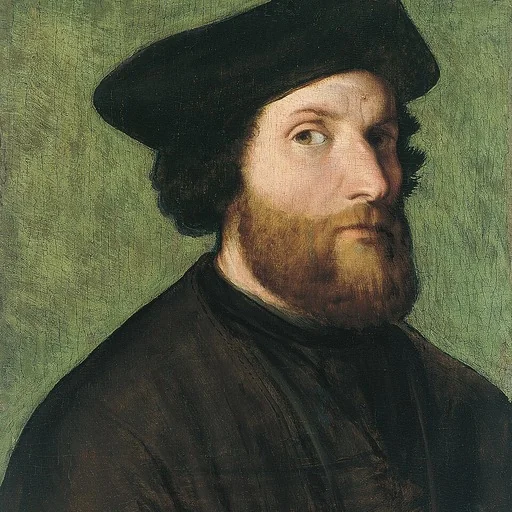
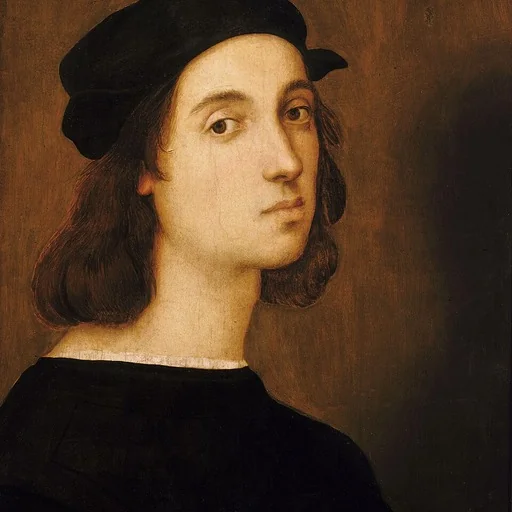
Joseph is a subject in art. The gallery holds 200 works in this subject in art, including works by Titian, Paolo Veronese and Lorenzo Lotto.
In art the name Joseph—from the Hebrew Yosef (יוֹסֵף), and rendered Josef in German—attaches to two distinct biblical figures whose images dominate the Western tradition. The first is the Old Testament patriarch, son of Jacob and Rachel, whose Genesis narrative of betrayal, slavery, temptation and triumph furnished painters with one of scripture's richest dramatic cycles. The second is Saint Joseph, the carpenter of Nazareth and husband of the Virgin Mary, a quieter but ultimately ubiquitous presence in Christian devotional art.
The patriarch's story flourished as a cycle, especially on Italian Renaissance marriage furniture. The most celebrated example is the suite painted around 1515–18 for the bedchamber of Pierfrancesco Borgherini and Margherita Acciaiuoli in Florence, to which Jacopo Pontormo, Bacchiacca, Andrea del Sarto and Francesco Granacci all contributed; Pontormo's "Joseph in Egypt" (now National Gallery, London) was judged by Vasari his masterpiece. The episode of Joseph rebuffing Potiphar's wife and fleeing, leaving his cloak in her grasp, became a Baroque favourite for its charged eroticism and moral force, treated by Tintoretto, Orazio Gentileschi, Ludovico Cigoli, Rembrandt and—in our own holdings—Nicolas Bertin.
Saint Joseph's iconography evolved more dramatically. Medieval art often relegated him to a marginal, elderly, even comic figure dozing at the Nativity. The Catholic Reformation transformed him: advocated by Teresa of Ávila and theorists such as Johannes Molanus, he was reimagined from the later sixteenth century as a younger, vigorous craftsman and devoted father, moving from the background to the centre of the Holy Family. He also became the model of the "good death," an iconography crystallised in the eighteenth century by Giuseppe Maria Crespi.
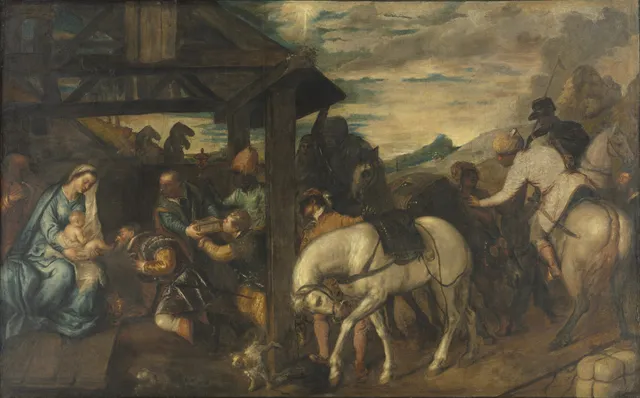
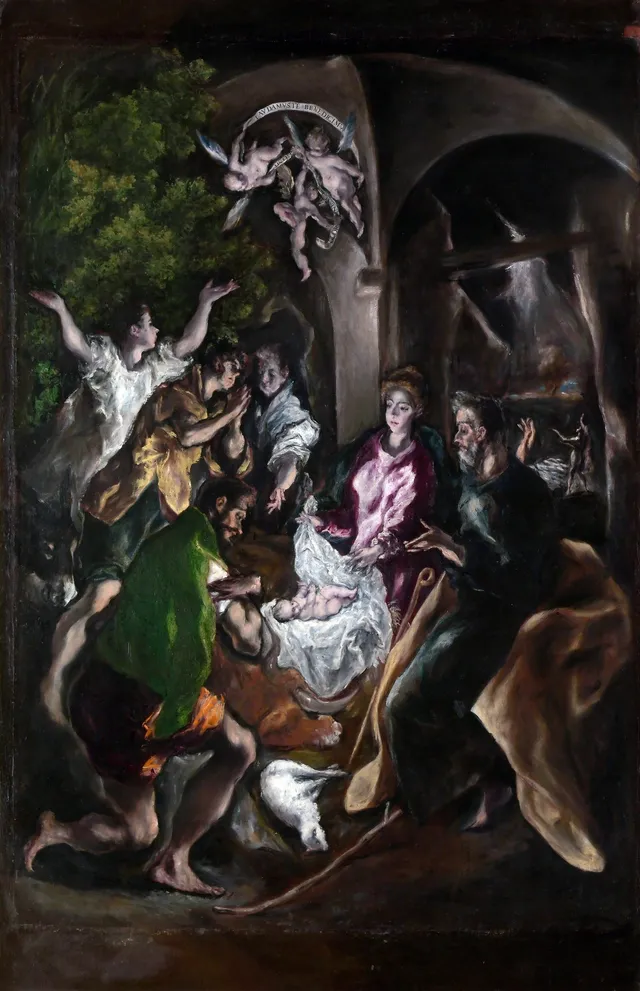
Joseph thus appears across the canon, most often within Holy Family and Nativity compositions. Our collection includes El Greco's "The Holy Family with Saint Anne and the Infant John the Baptist" and his "Adoration of the Shepherds," Titian's "Adoration of the Magi," and Bonifazio Veronese's "Madonna and Child with Saints." From Renaissance cassoni to Counter-Reformation altarpieces and Baroque history painting, the two Josephs together trace much of the changing relationship between scripture, family and the sacred in European art.
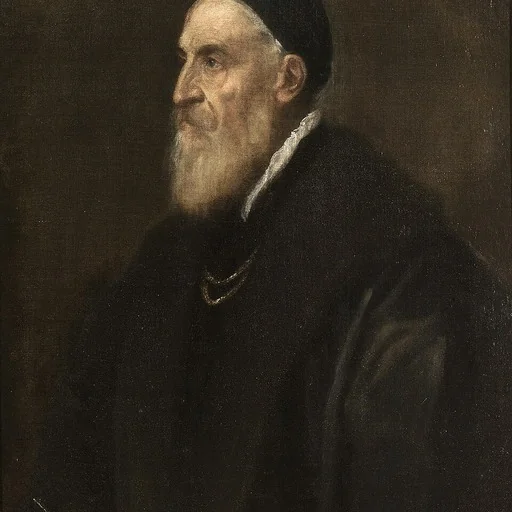
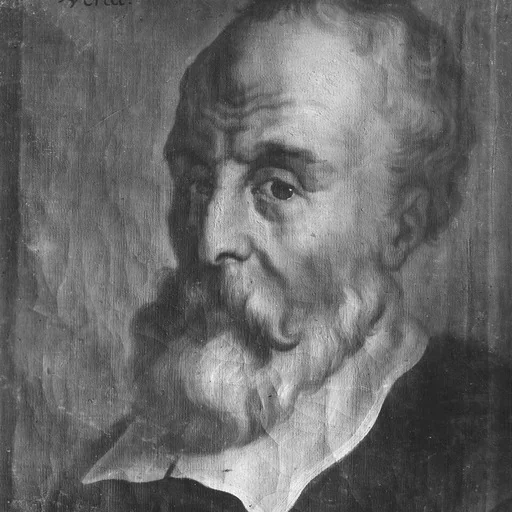
Key artists
Overview
Joseph is a common male given name with deep roots in religious, cultural, and artistic traditions. Derived from the Hebrew Yosef (יוֹסֵף), meaning "he will add" or "he will increase," the name appears in both the Hebrew Bible and the New Testament, giving rise to two primary artistic subjects: Joseph, the eleventh son of Jacob and first son of Rachel in the Book of Genesis, and Joseph of Nazareth, the husband of Mary and earthly father of Jesus. A third figure, Joseph of Arimathea, a secret disciple who provided Christ's tomb, also appears in religious art. The name's ubiquity across languages, cultures, and centuries, its association with virtue, suffering, and paternal care, and its centrality to foundational biblical narratives have made Joseph a recurring and significant subject in Western art. The collection holds 316 works depicting Joseph, spanning narrative scenes from the Old and New Testaments, devotional images of the Holy Family, and episodes from the life of Christ.
Across movements & periods
The treatment of Joseph evolved considerably across artistic periods. In early Christian and Byzantine art, Joseph of Nazareth received relatively limited attention, overshadowed by the Virgin Mary and Christ. The Gothic period saw increased interest in his role, particularly in Nativity and Flight into Egypt scenes, as devotion to the Holy Family intensified. The Renaissance marked a decisive shift: artists explored Joseph's psychology and domestic role with new naturalism. Florentine and Venetian painters rendered him with individualized features and emotional depth, while Northern European artists emphasized narrative detail in the Joseph and Potiphar's Wife cycle. The Baroque period heightened drama in both subjects, theatrical lighting emphasizing Joseph's moral trials, whether resisting temptation or protecting the Christ child. Counter-Reformation art particularly promoted his image as model father and chaste spouse. In subsequent centuries, academic and popular traditions continued to mine the subject's narrative possibilities, though with decreasing frequency as religious patronage declined. The name's linguistic variants, Joseph, Josef, José, Giuseppe, and Yūsuf among dozens of others, reflect its transmission across the European, Mediterranean, and global cultures that produced these artworks.
Legacy
The enduring presence of Joseph in art reflects the name's and the figure's deep embedding in Western religious and cultural consciousness. The 316 works in the collection testify to centuries of sustained visual meditation on themes of paternity, virtue, providence, and domestic sanctity. The name's remarkable linguistic proliferation, documented across more than seventy languages and dialects from Hebrew and Arabic to Japanese and Samoan, parallels its visual dissemination. In the first century CE, Yosef was the second most popular male name among Jews; by the twentieth century, Giuseppe was the most common male name in Italy, and Joseph remained in the top ten American boys' names from 1925 to 1972. This demographic persistence ensured continued demand for Joseph imagery across devotional, institutional, and private contexts. The figure's afterlife extends beyond fine art into popular religious imagery, folk traditions, and the naming practices that continue to honor the biblical archetypes. The collection's sustained acquisition of Joseph subjects suggests ongoing institutional recognition of this cultural and artistic significance.
Works
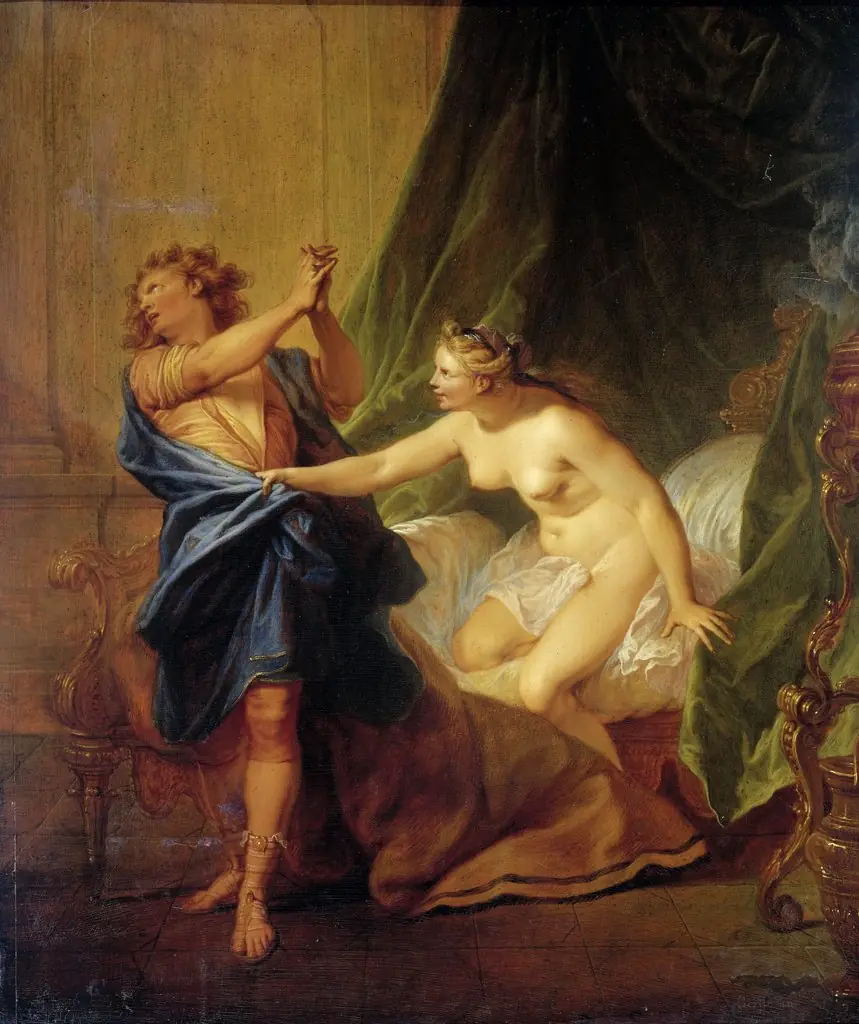 Joseph and Potiphar's Wife
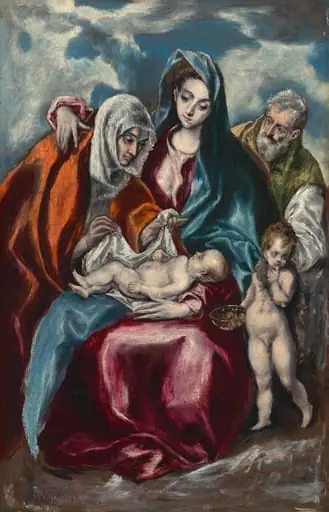 The Holy Family with Saint Anne and the Infant John the Baptist
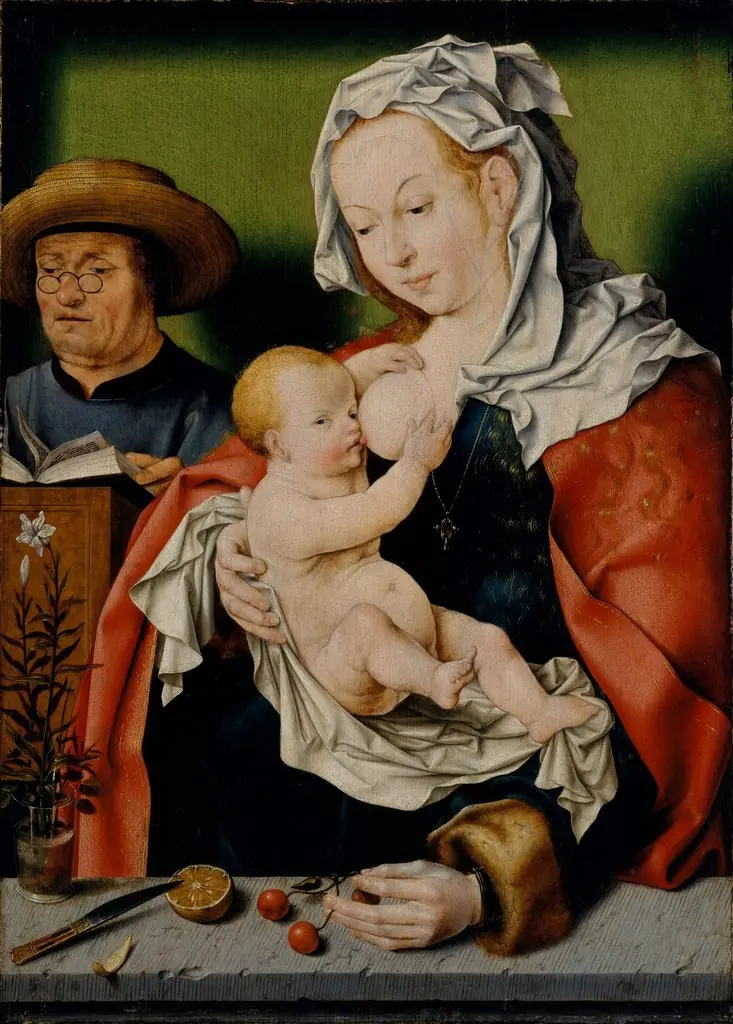 The Holy Family
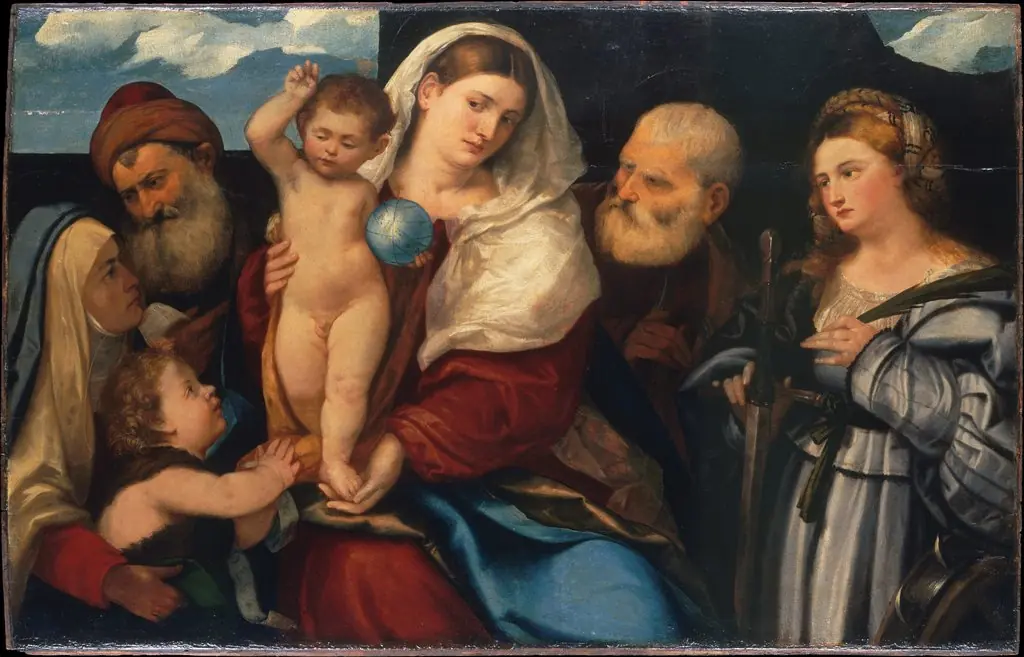 Madonna and Child with Saints
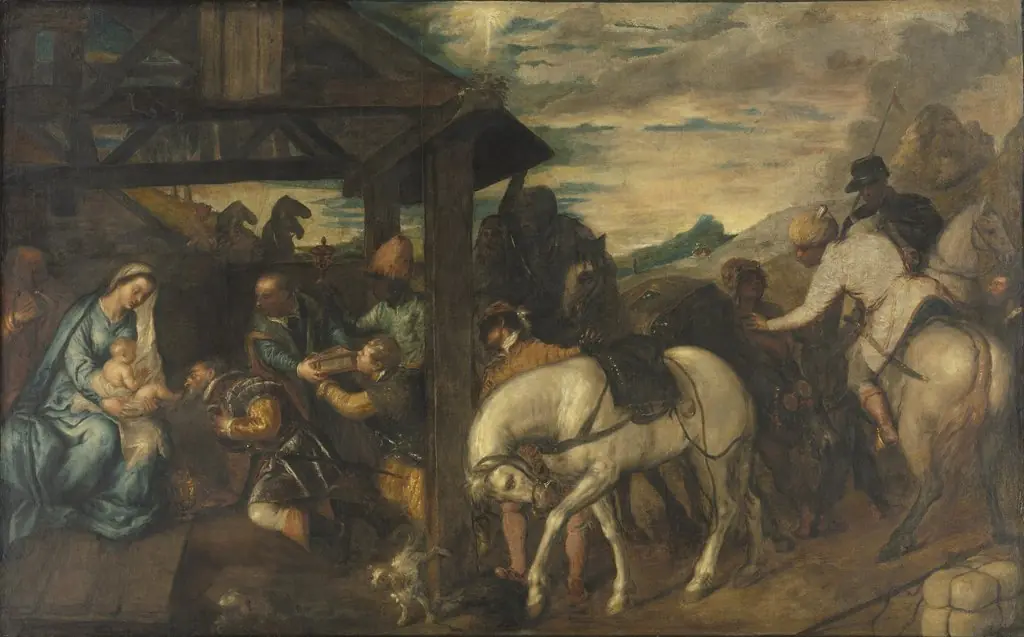 Adoration of the Magi
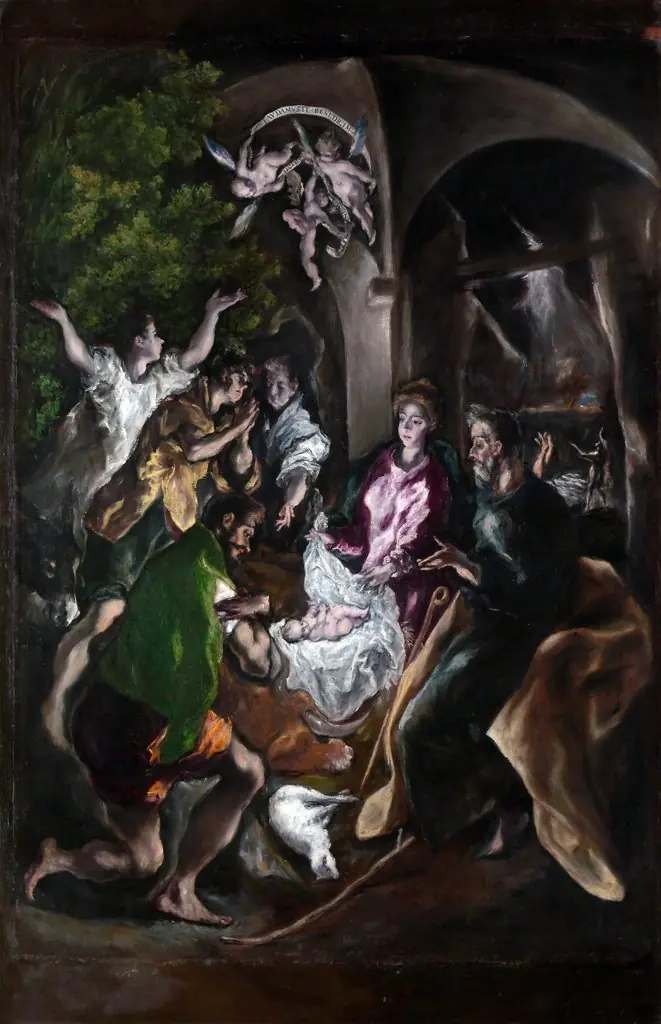 The Adoration of the Shepherds
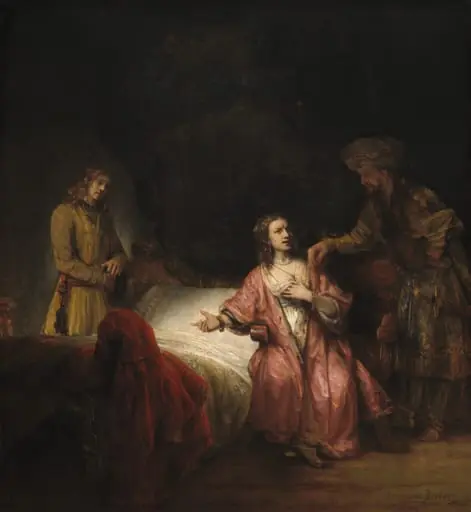 Joseph Accused by Potiphar's Wife
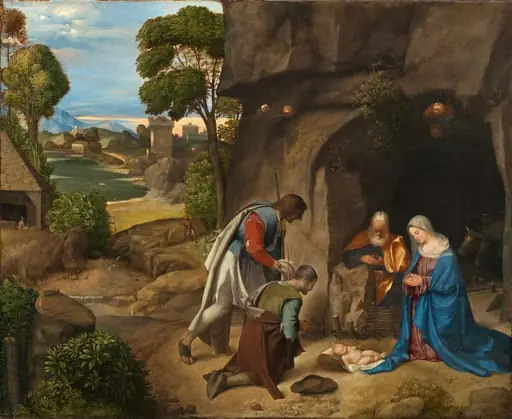 The Adoration of the Shepherds
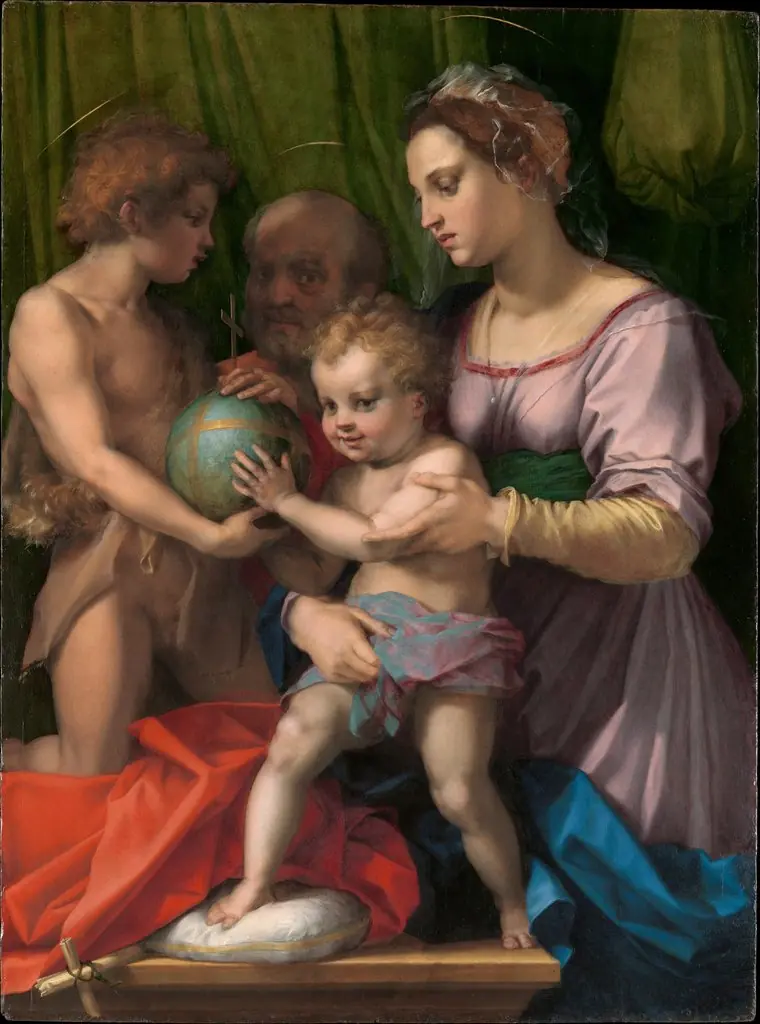 The Holy Family with the Young Saint John the Baptist
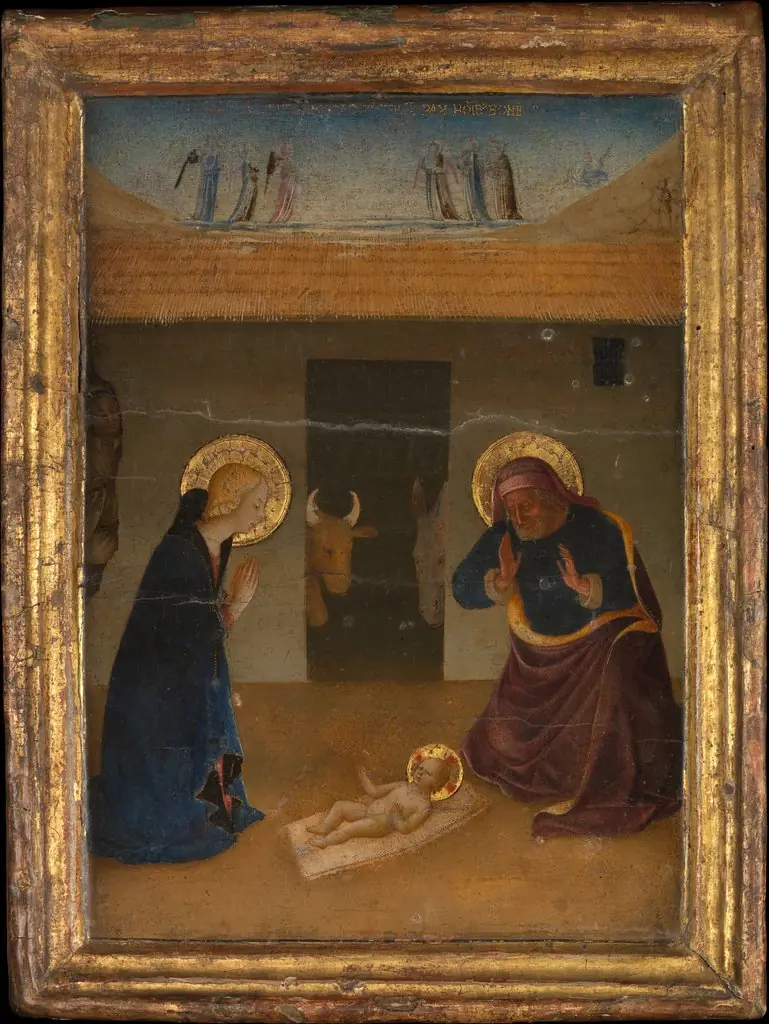 The Nativity
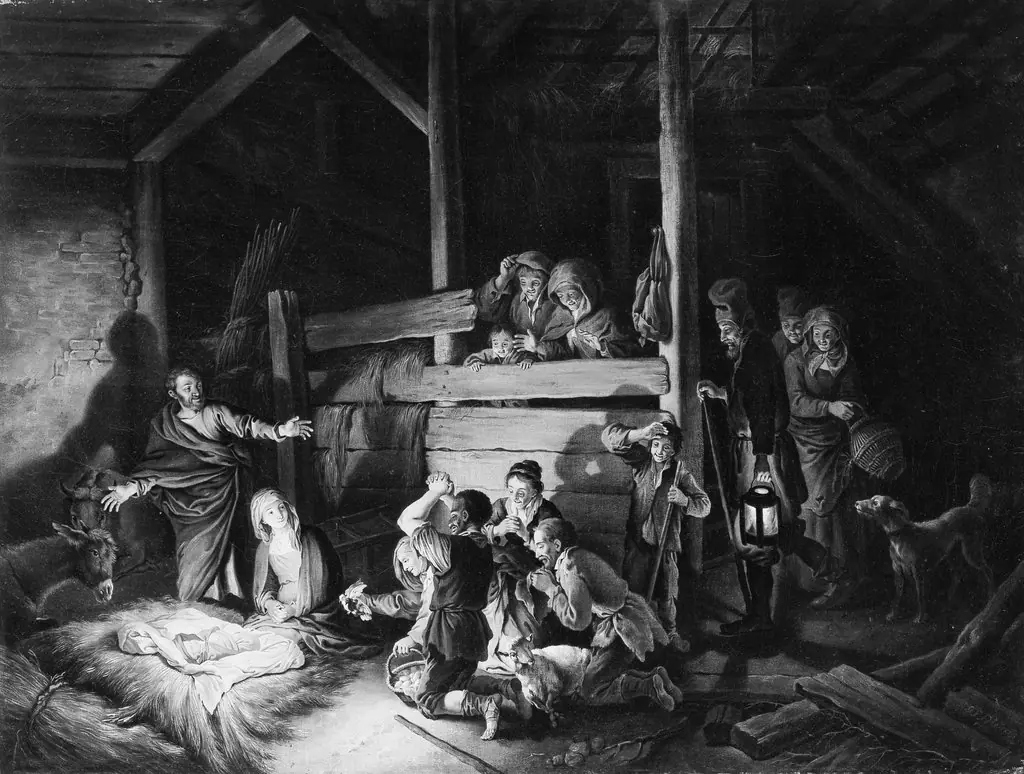 The Adoration of the Shepherds
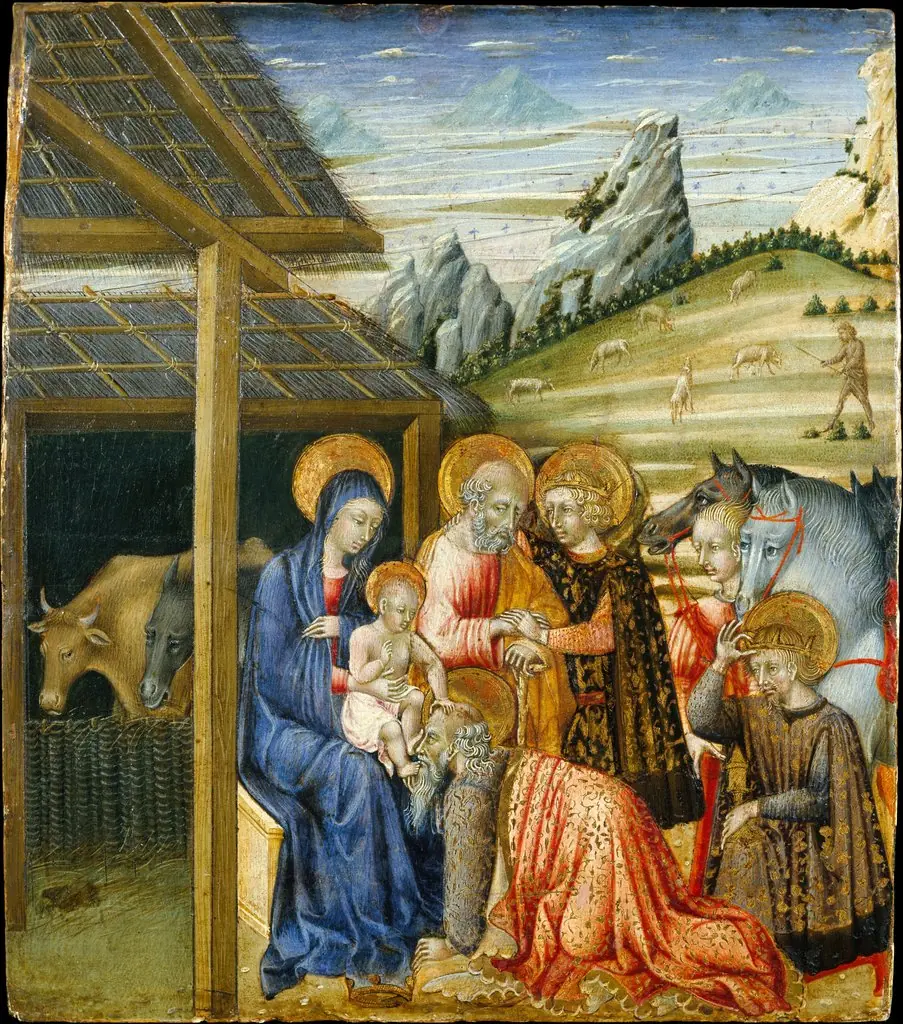 The Adoration of the Magi
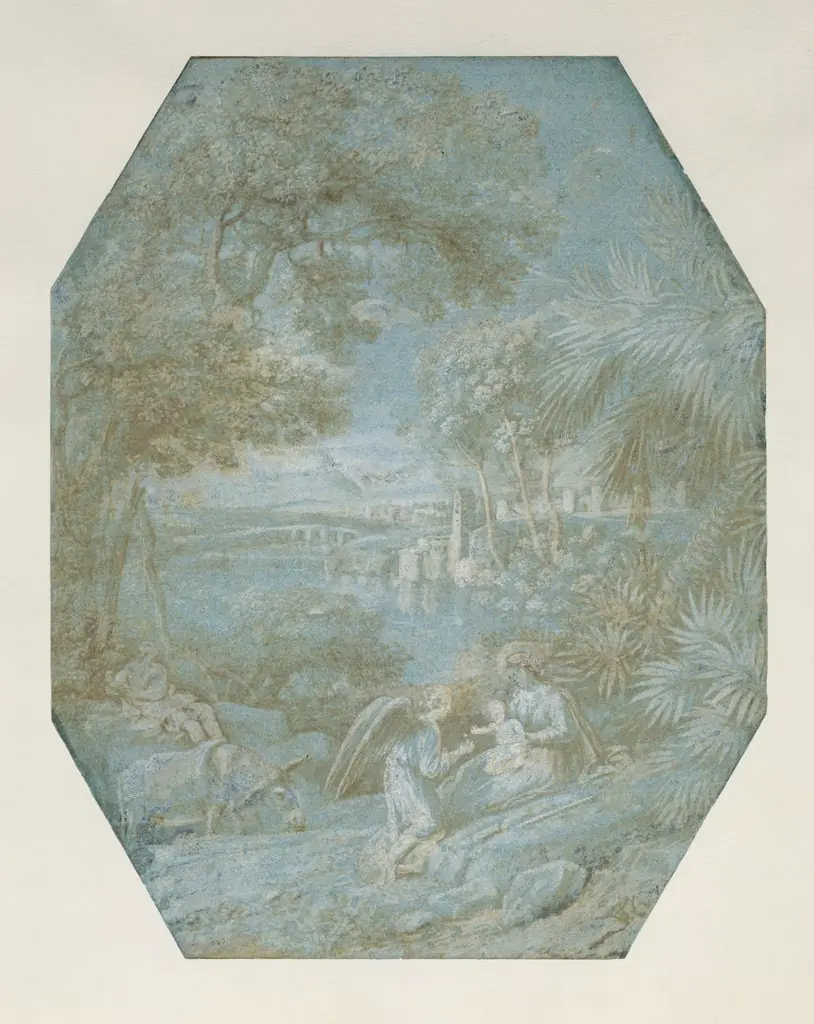 Landscape with the Rest on the Flight into Egypt
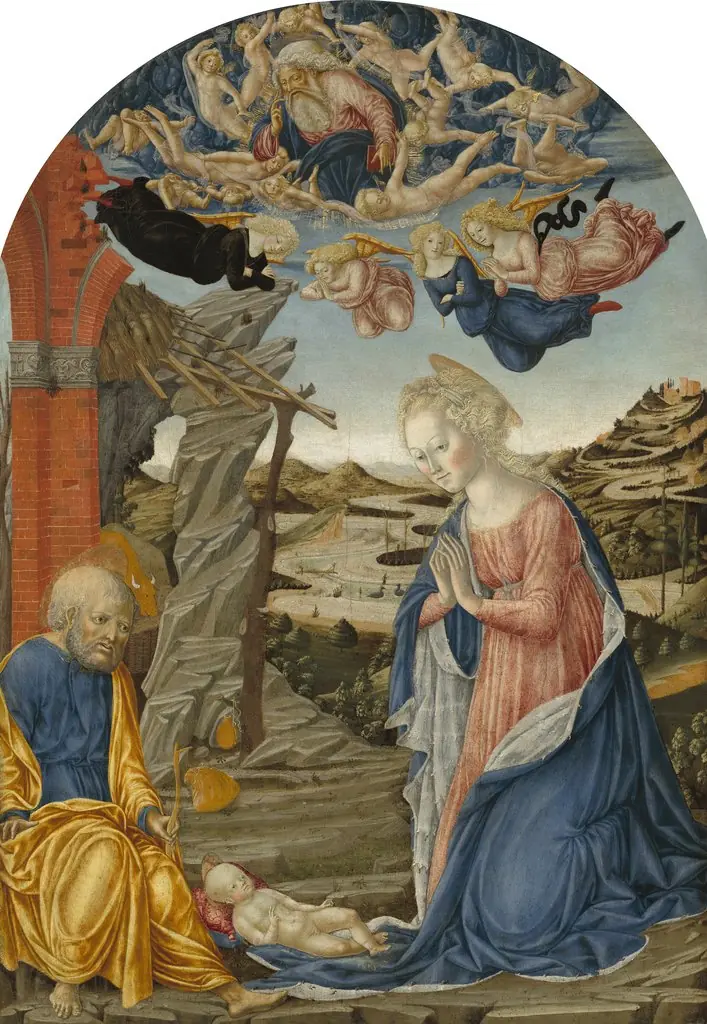 The Nativity
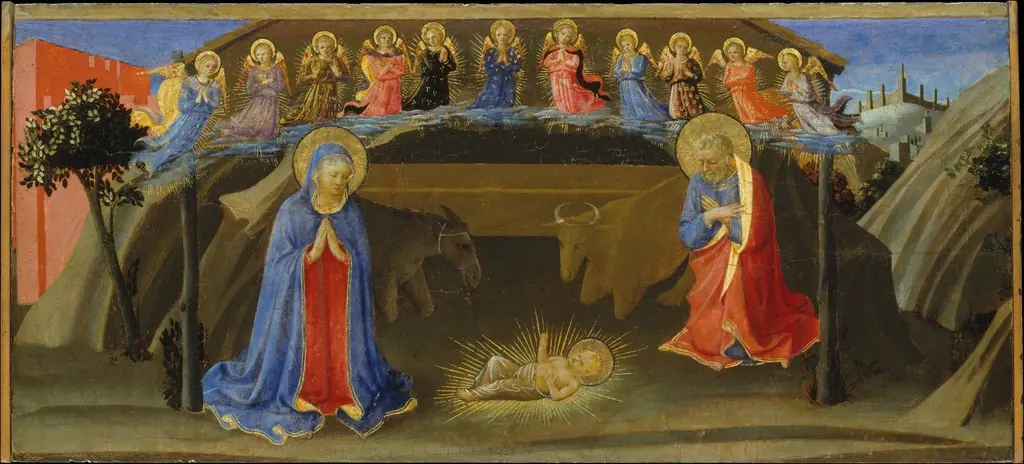 The Nativity
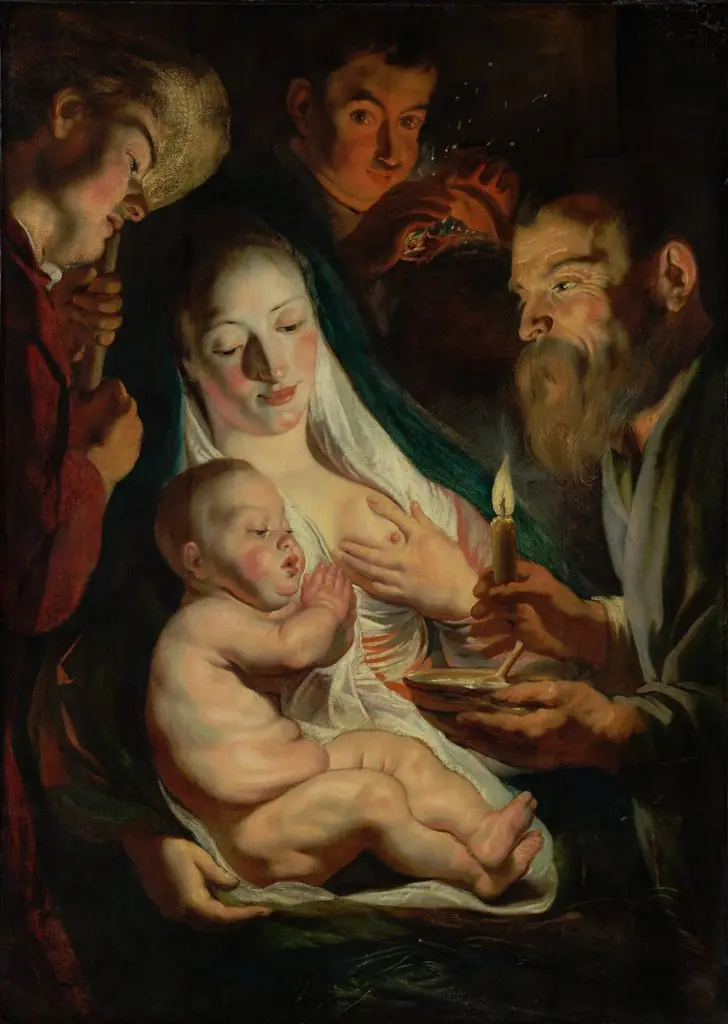 The Holy Family with Shepherds
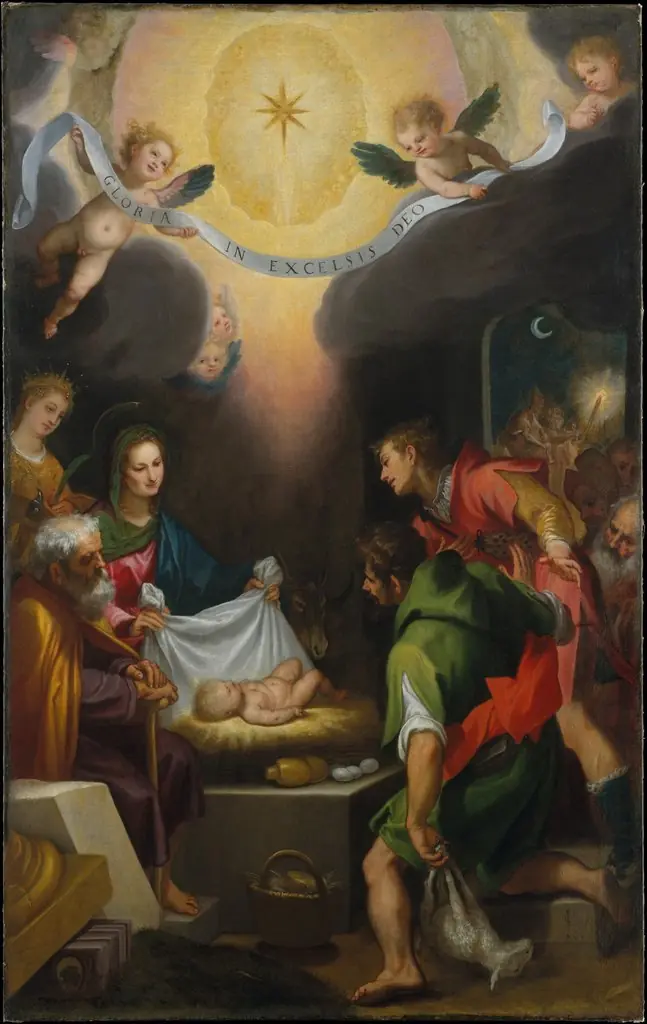 The Adoration of the Shepherds with Saint Catherine of Alexandria
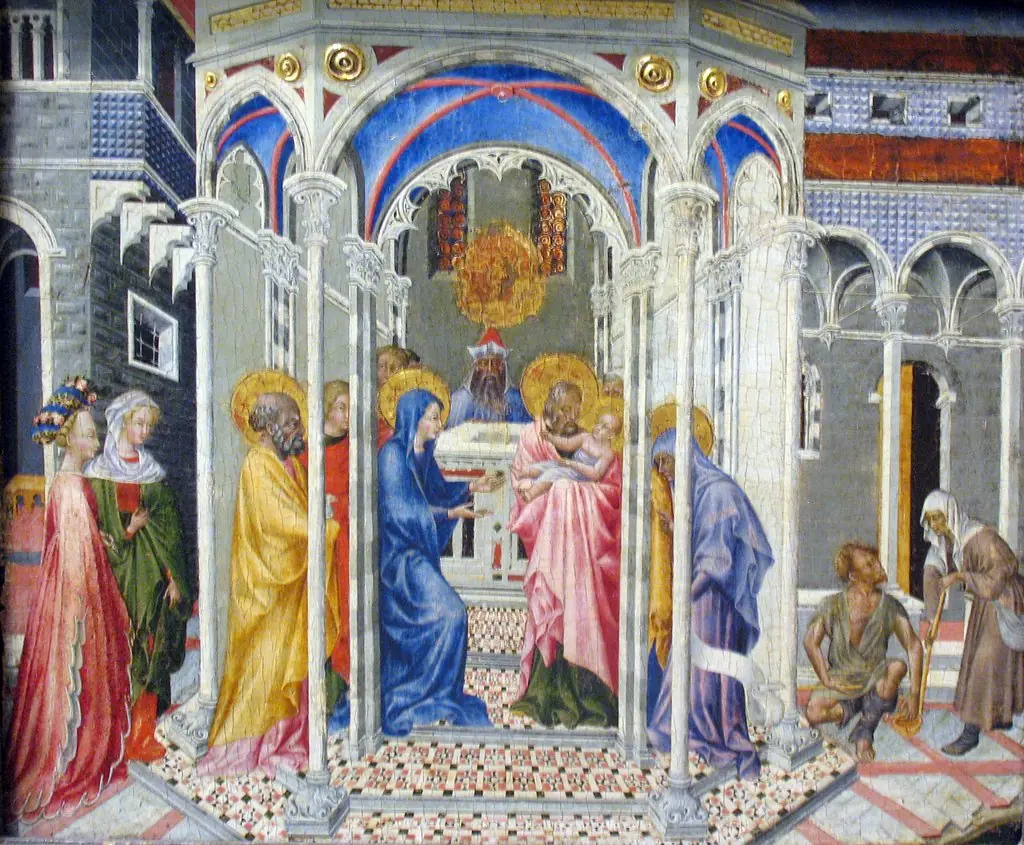 The Presentation of Christ in the Temple
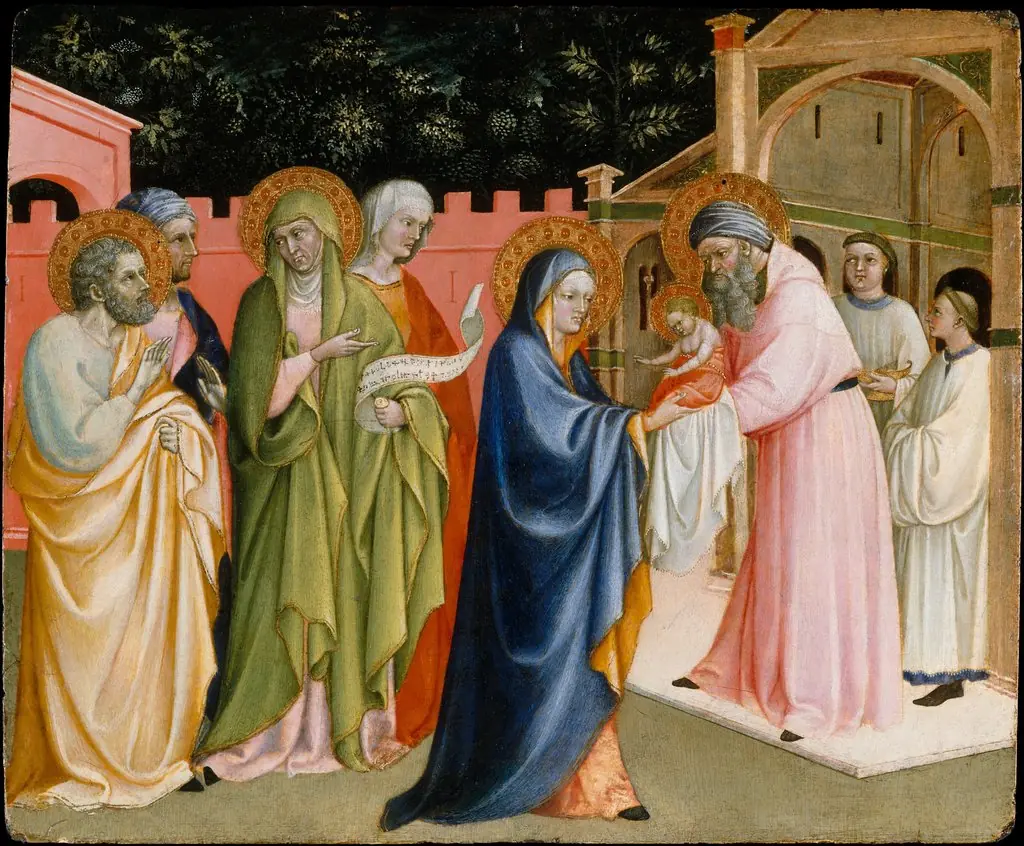 The Presentation in the Temple
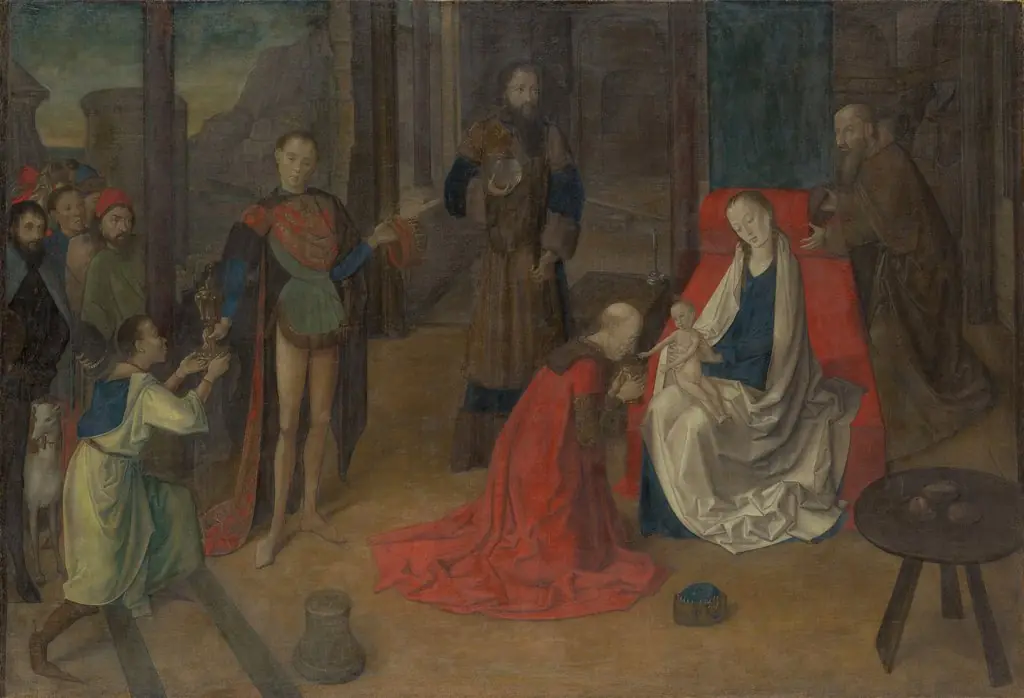 The Adoration of the Magi
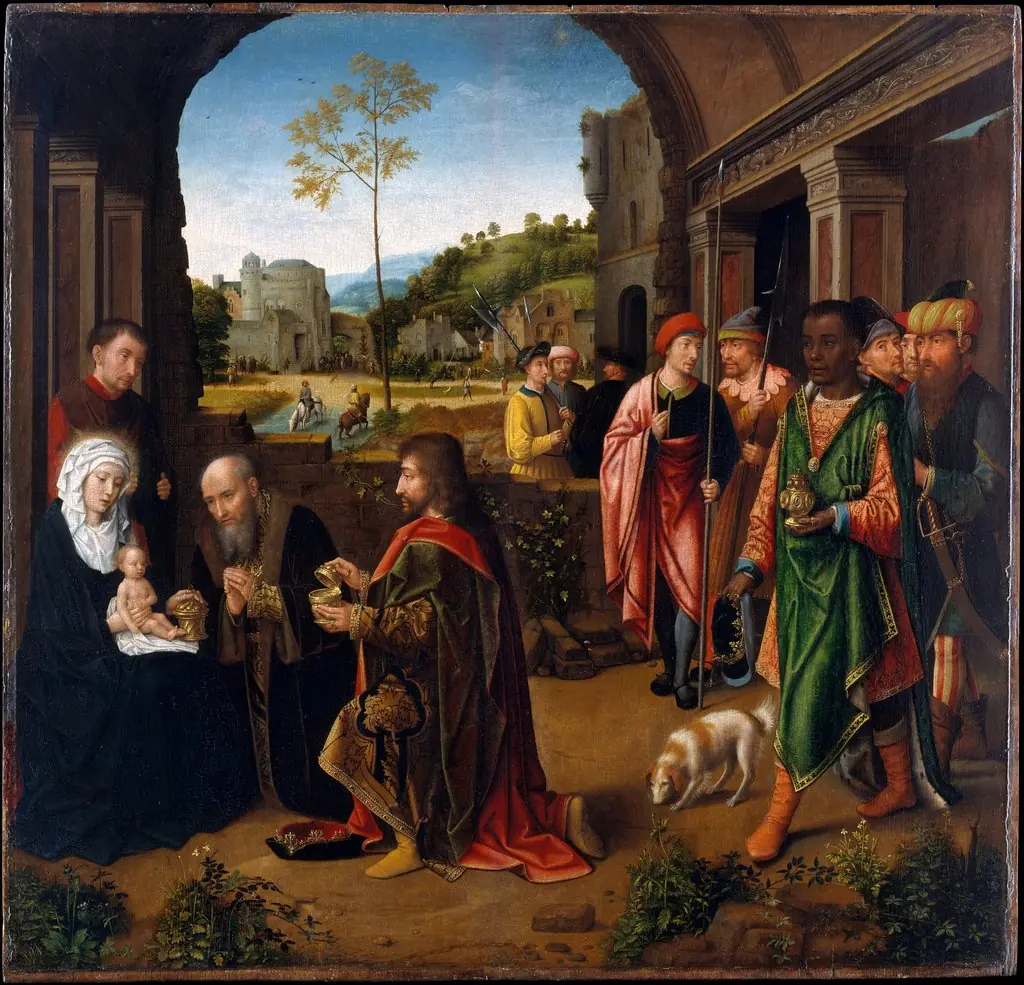 The Adoration of the Magi
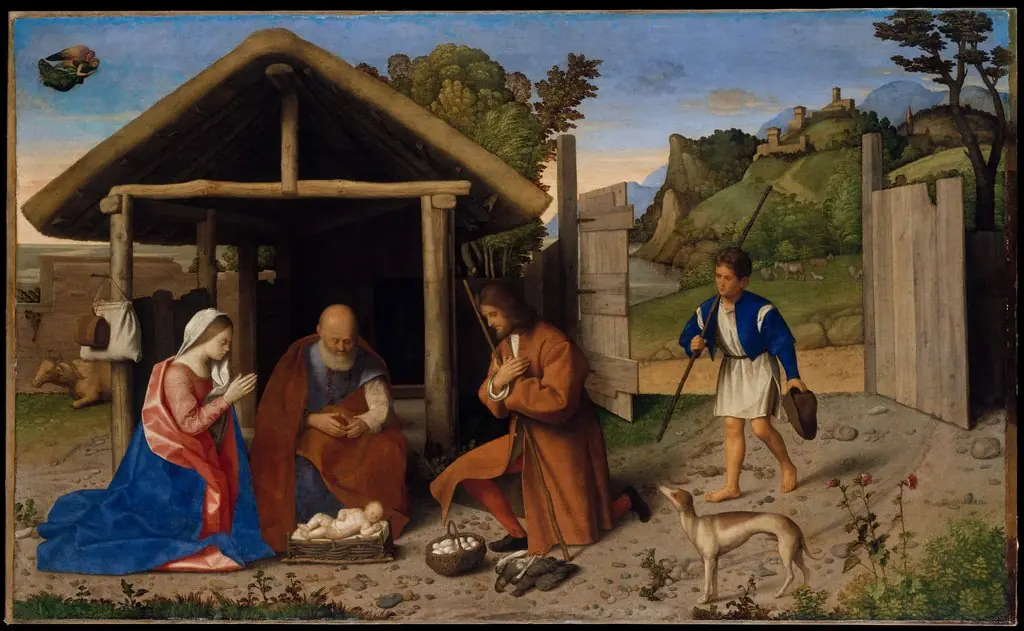 The Adoration of the Shepherds
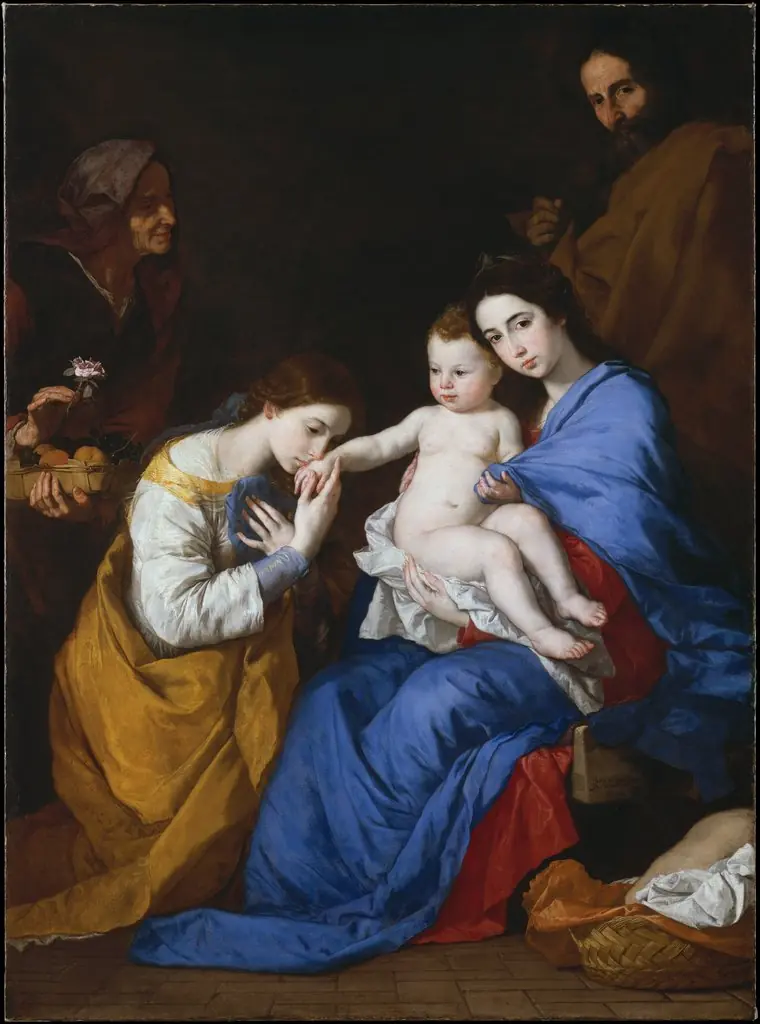 The Holy Family with Saints Anne and Catherine of Alexandria
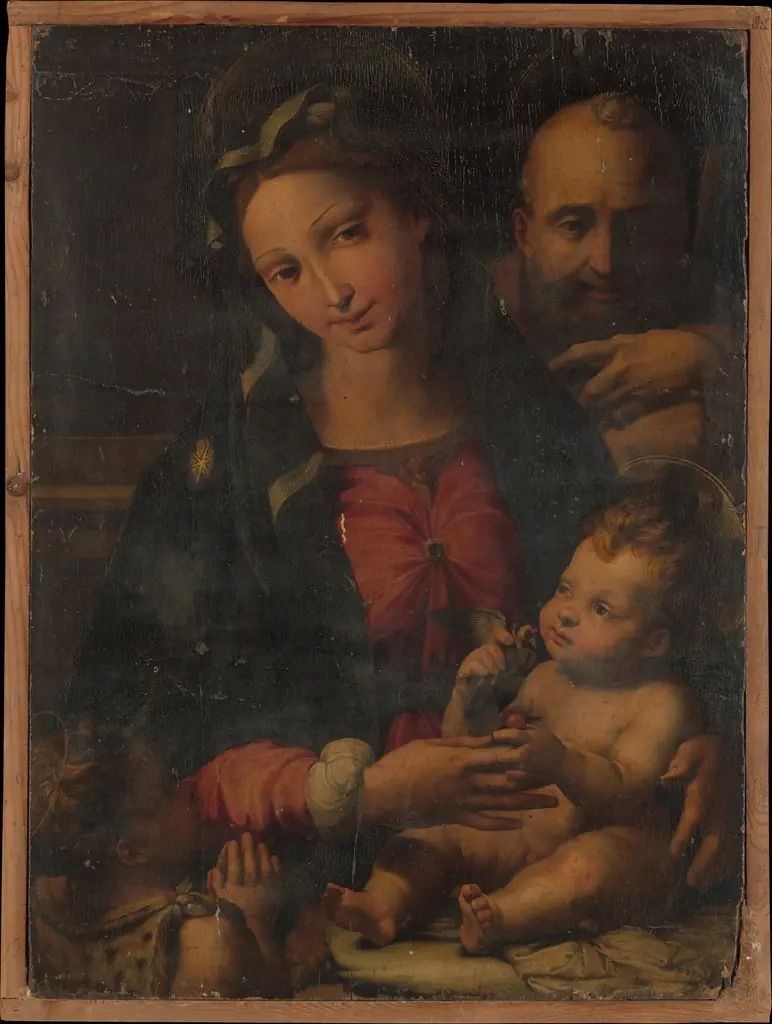 The Holy Family with the Infant Saint John the Baptist
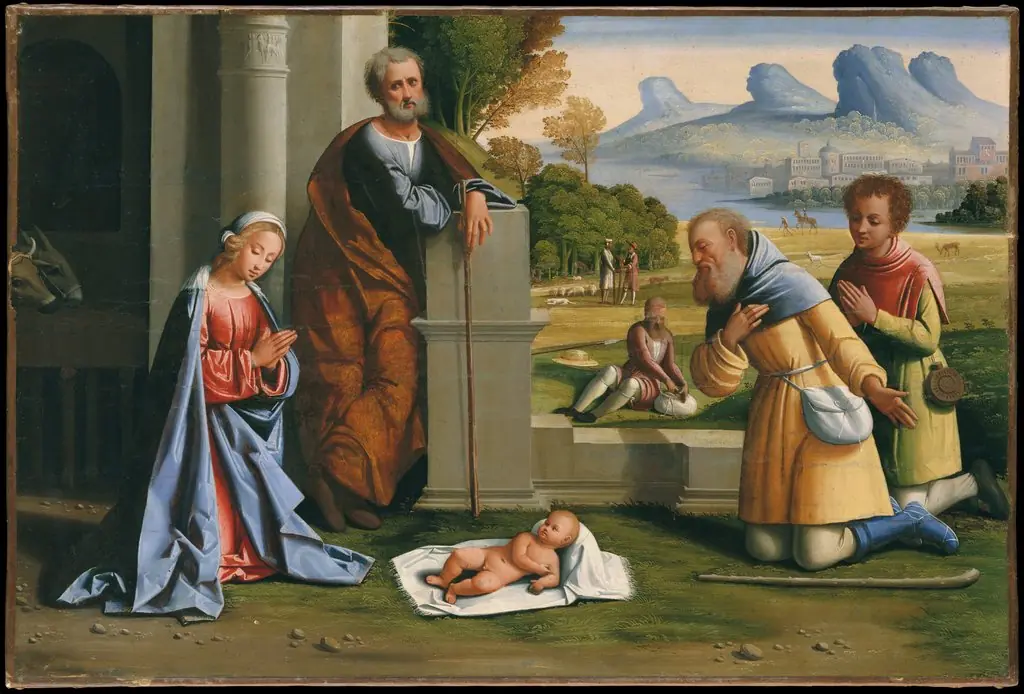 The Adoration of the Shepherds
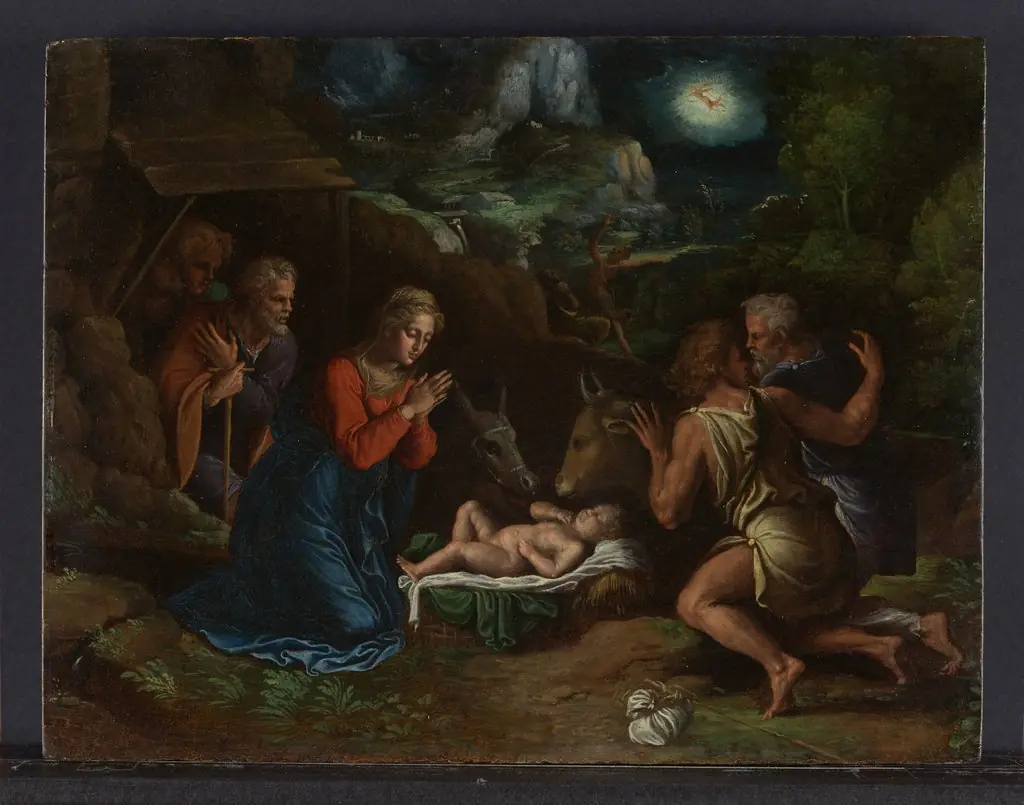 The Adoration of the Shepherds
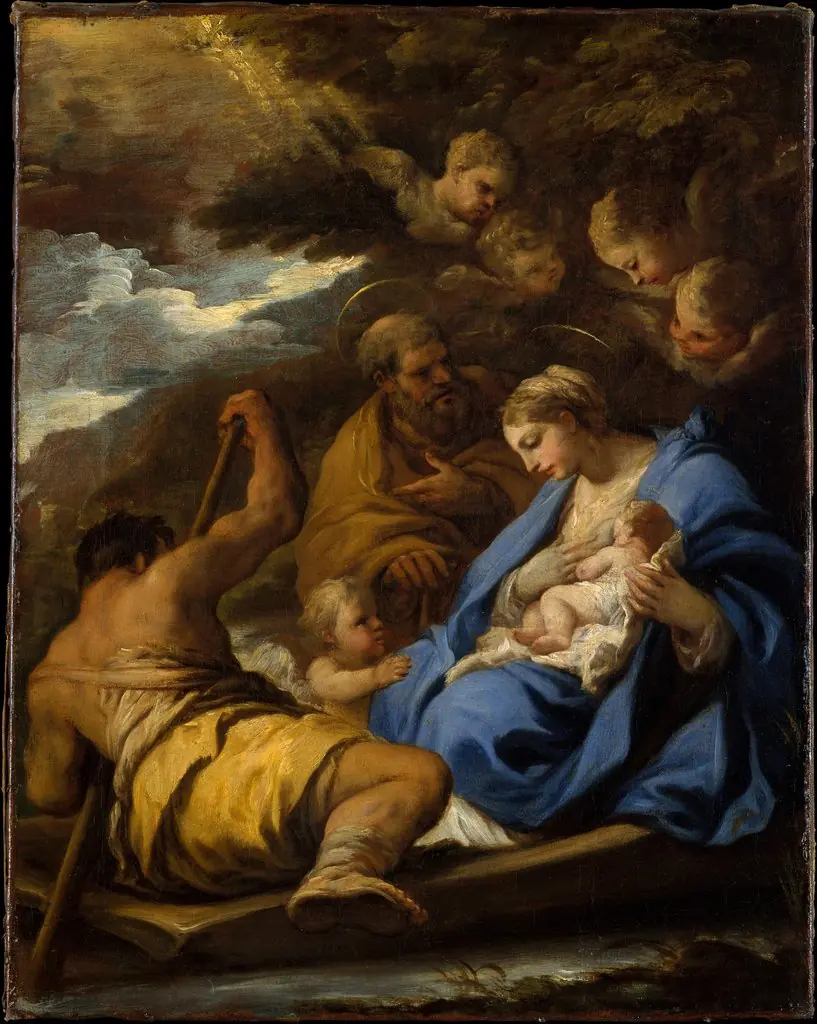 The Flight into Egypt
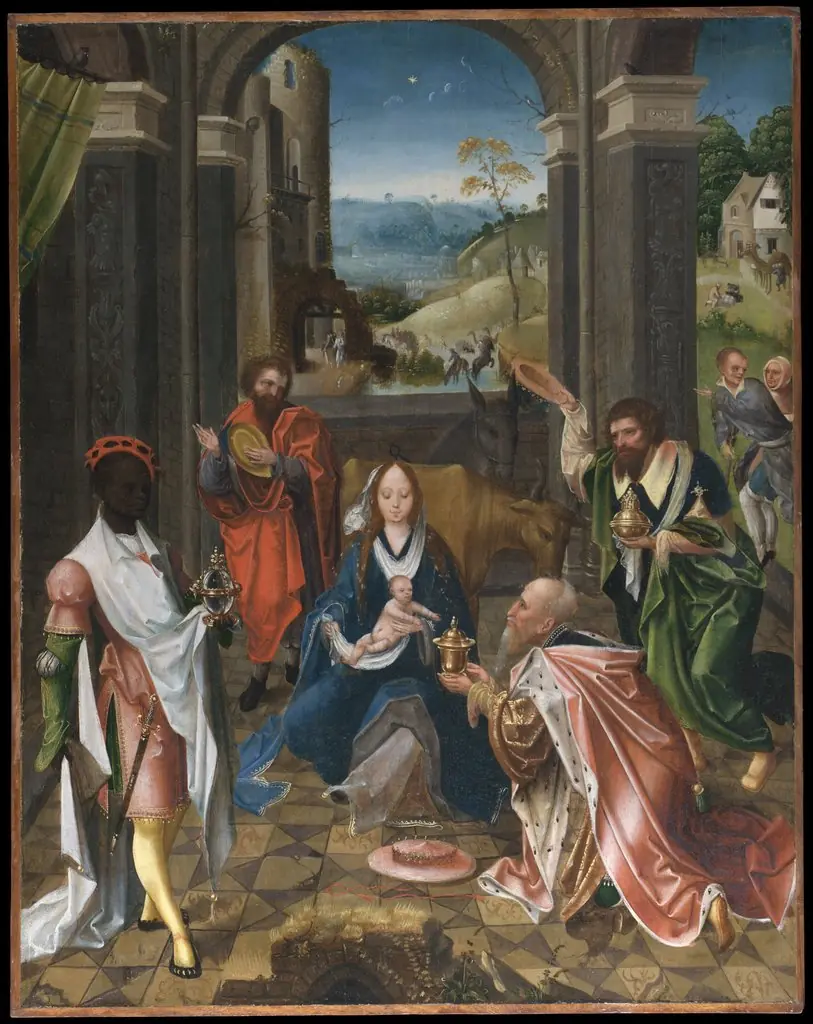 The Adoration of the Magi
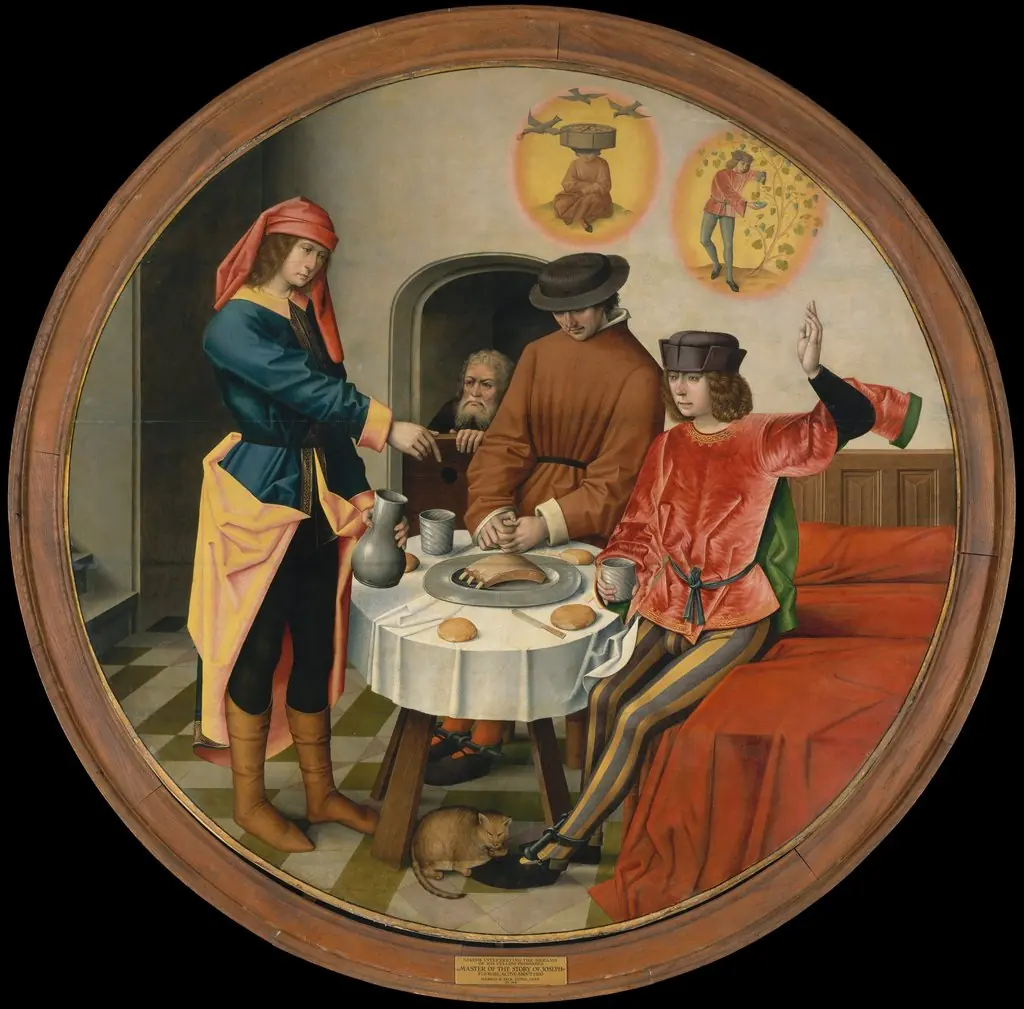 Joseph Interpreting the Dreams of His Fellow Prisoners
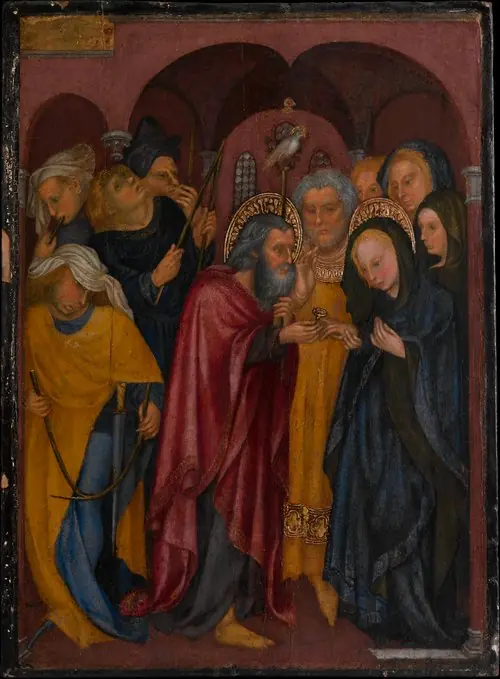 The Marriage of the Virgin
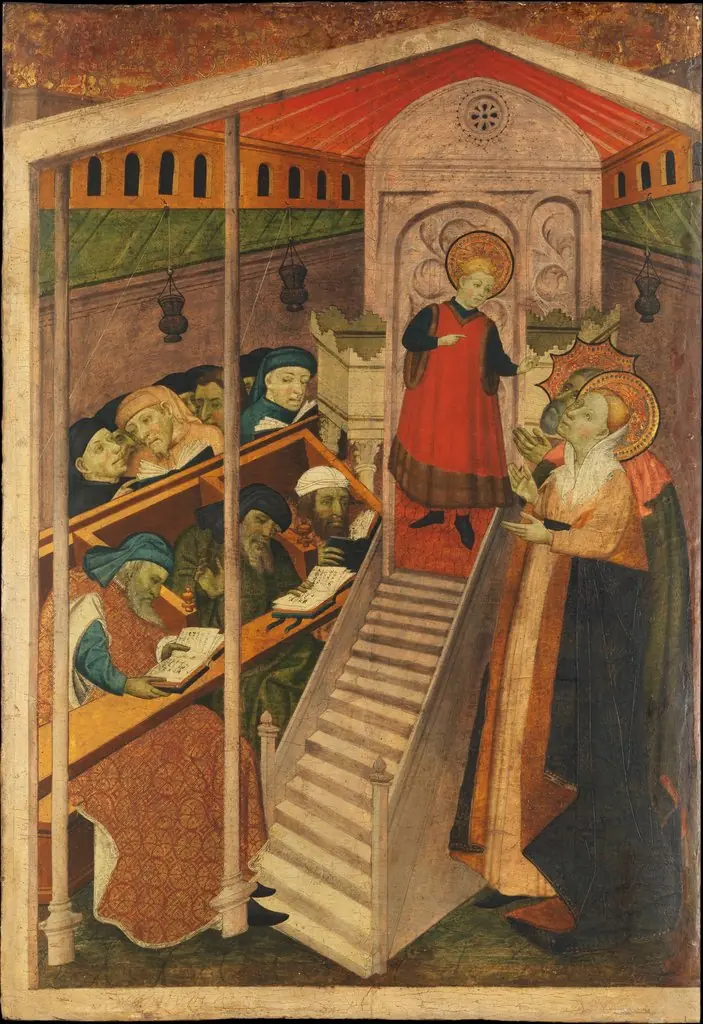 Christ among the Doctors
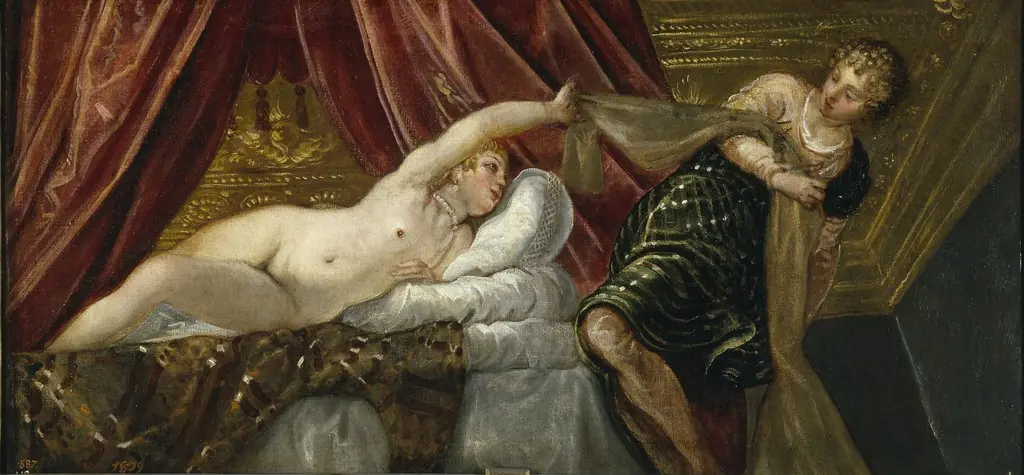 Joseph and Potiphar's Wife
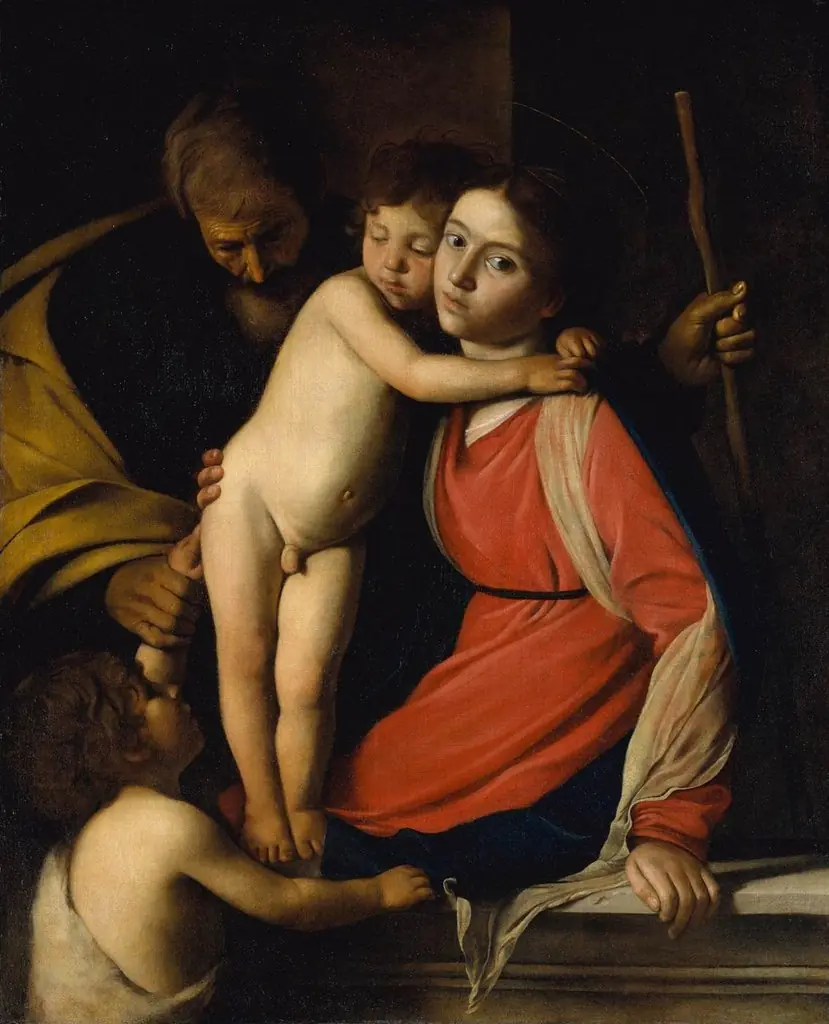 The Holy Family with Saint John the Baptist
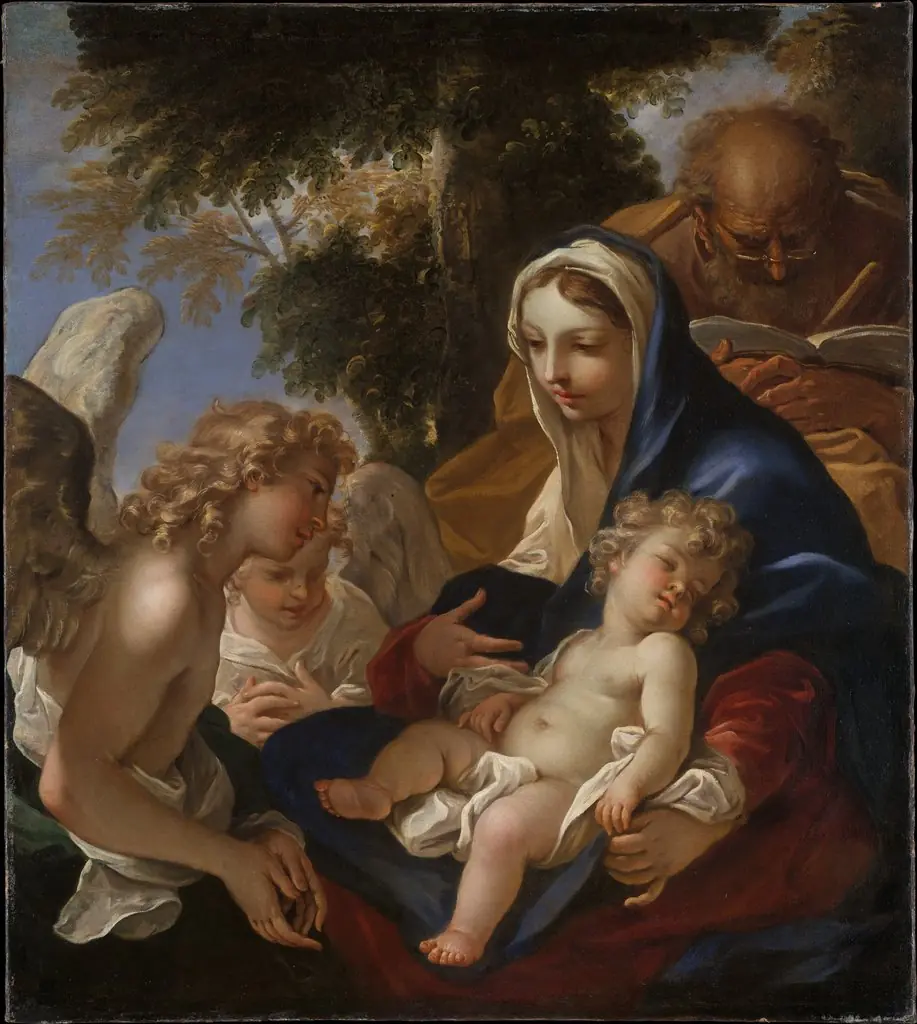 The Holy Family with Angels
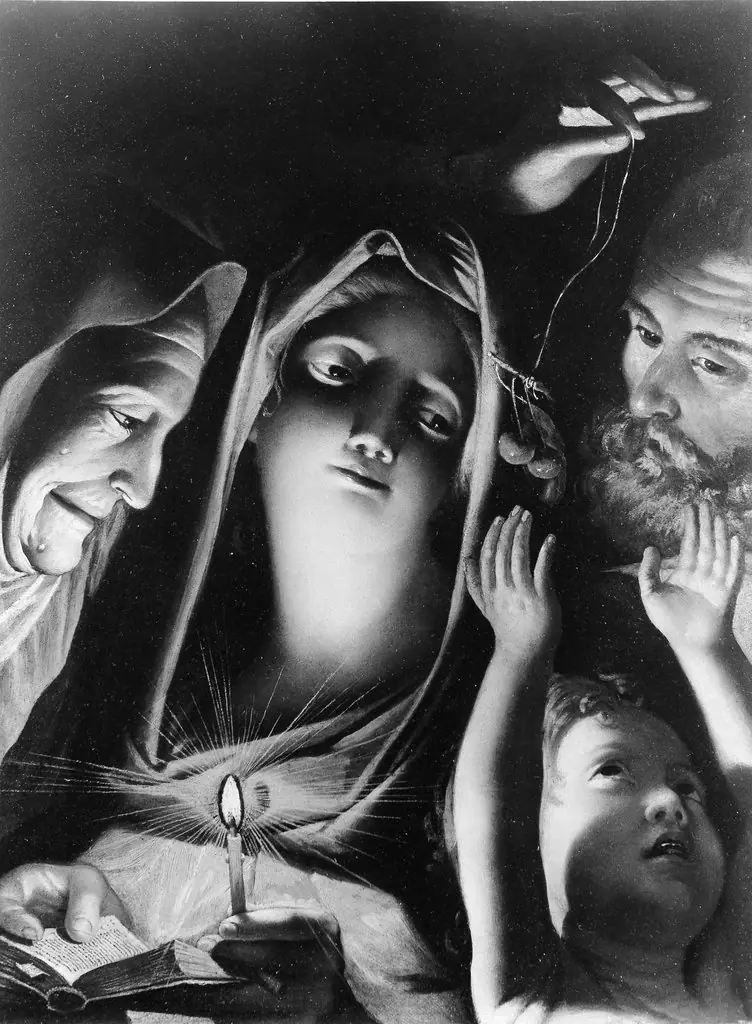 Holy Family with Saint Anne
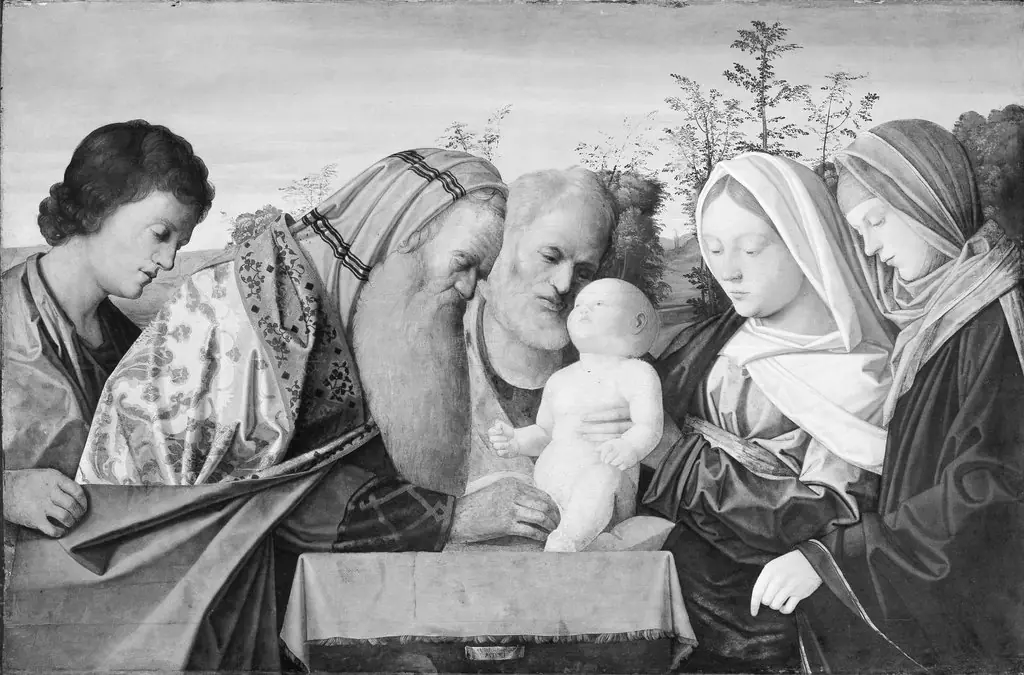 The Circumcision
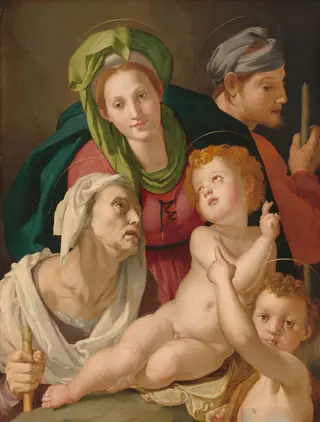 The Holy Family
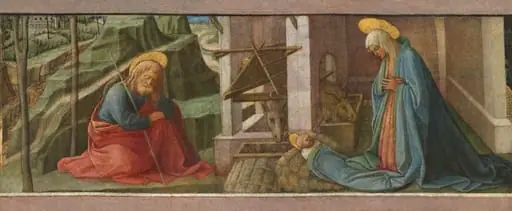 The Nativity
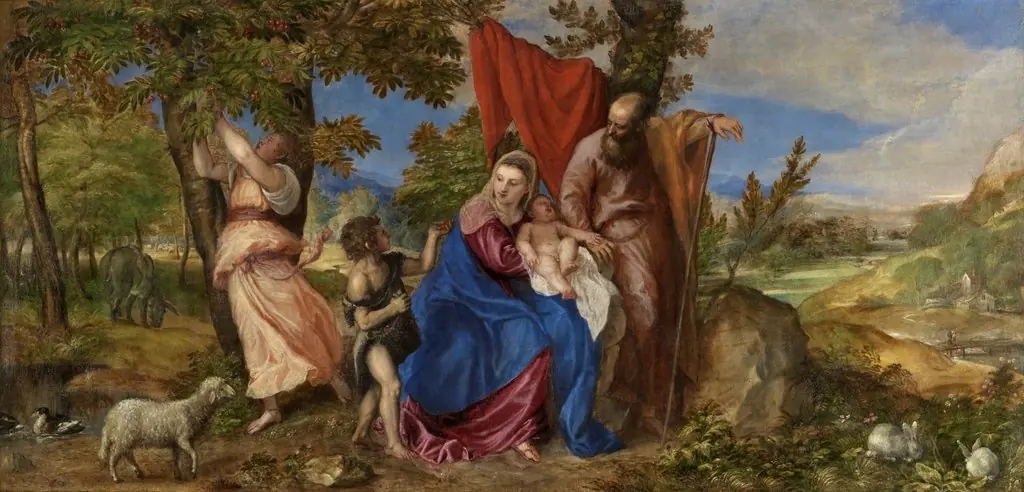 Rest on the Flight into Egypt
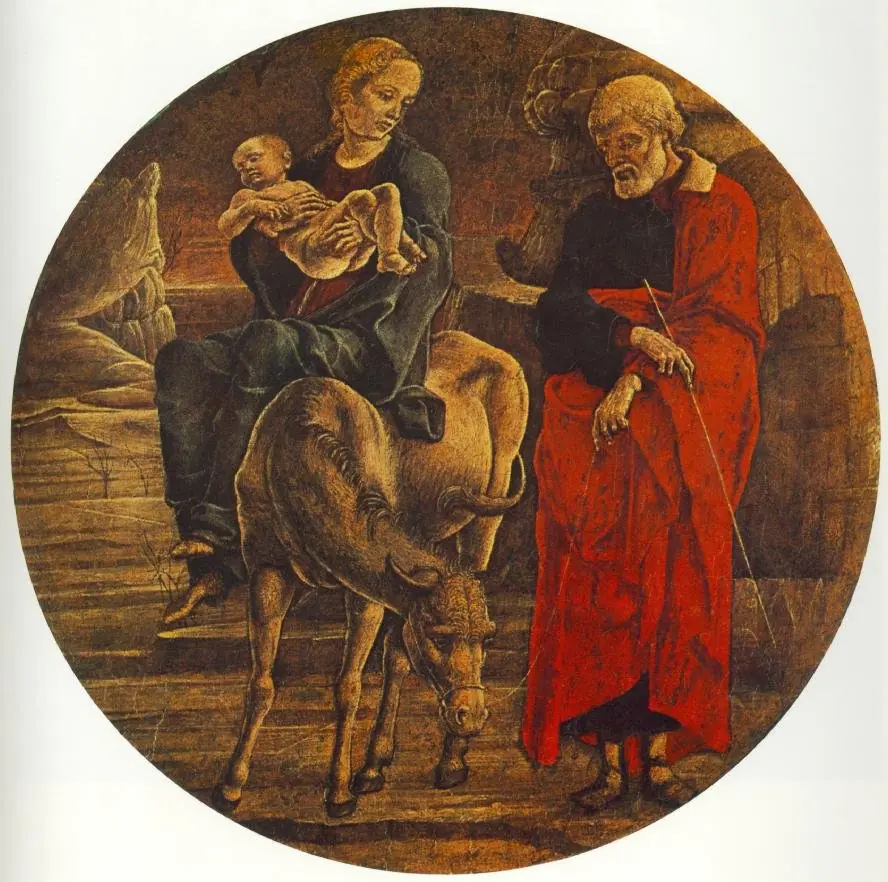 The Flight into Egypt
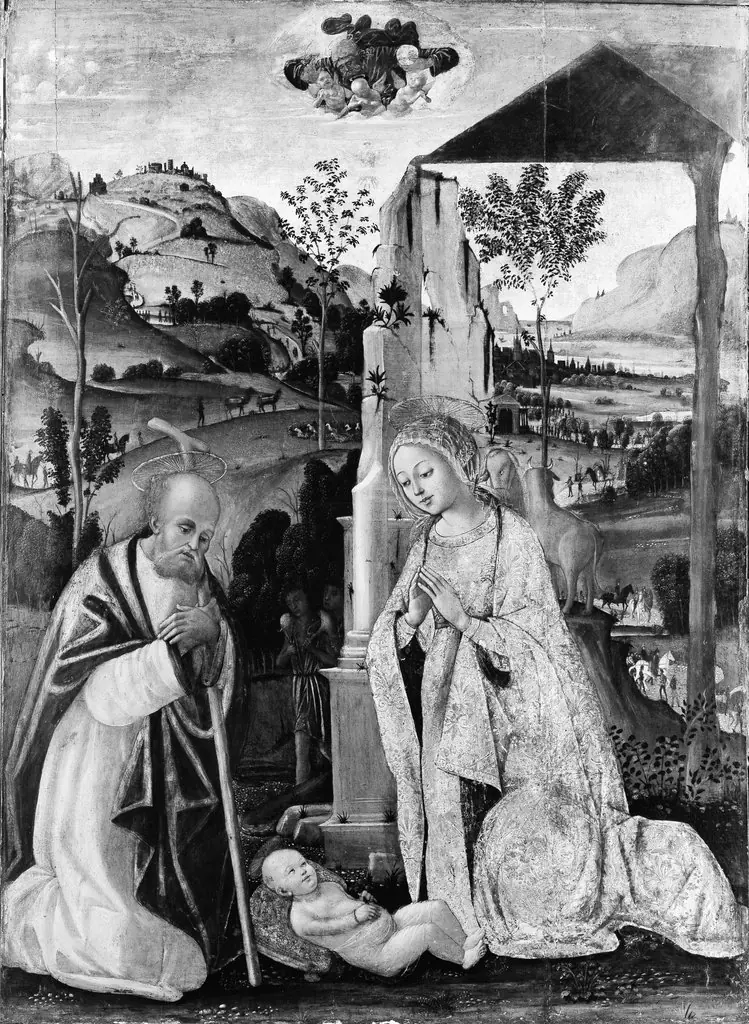 The Nativity
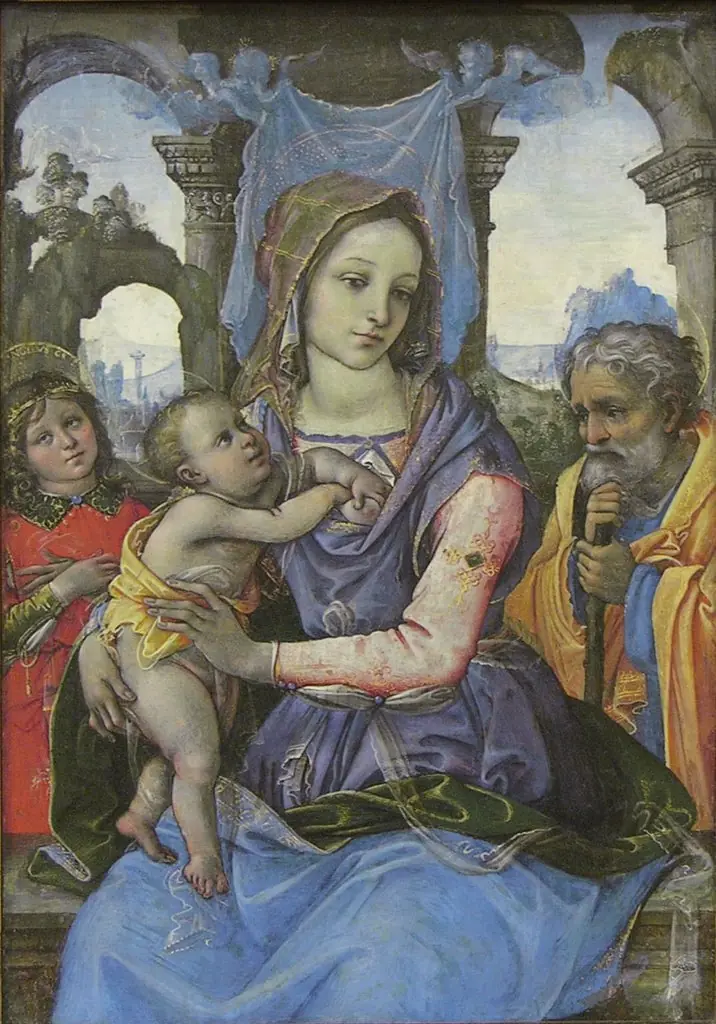 Madonna and Child with Saint Joseph and an Angel
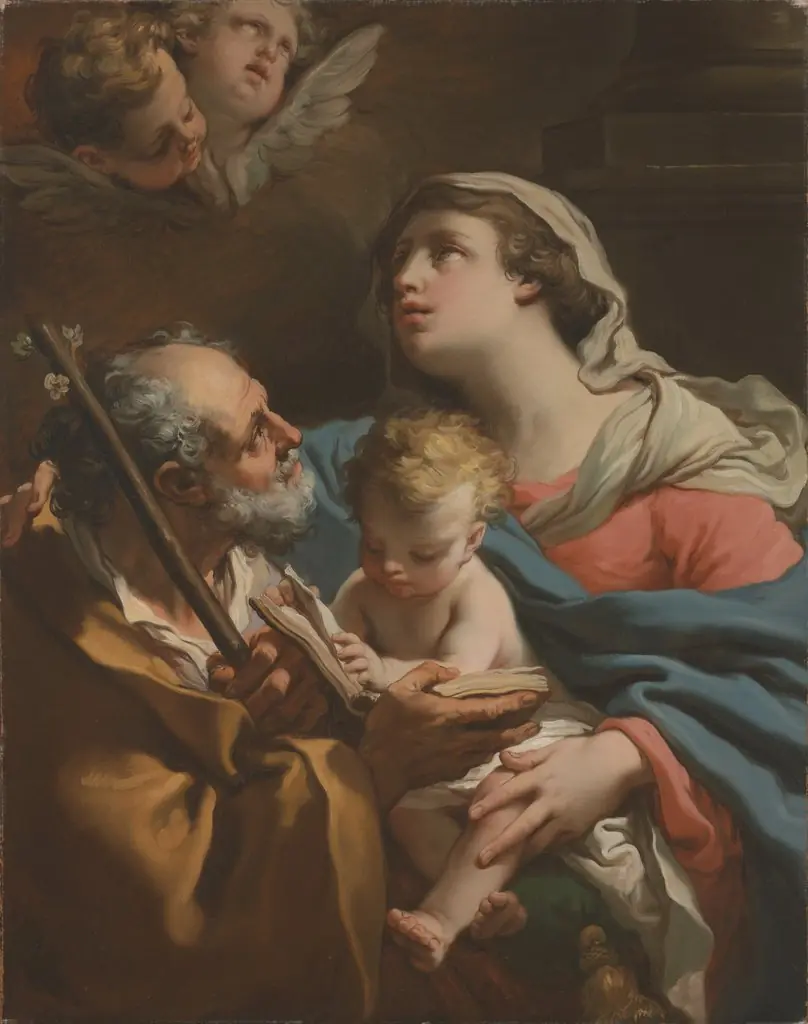 The Holy Family
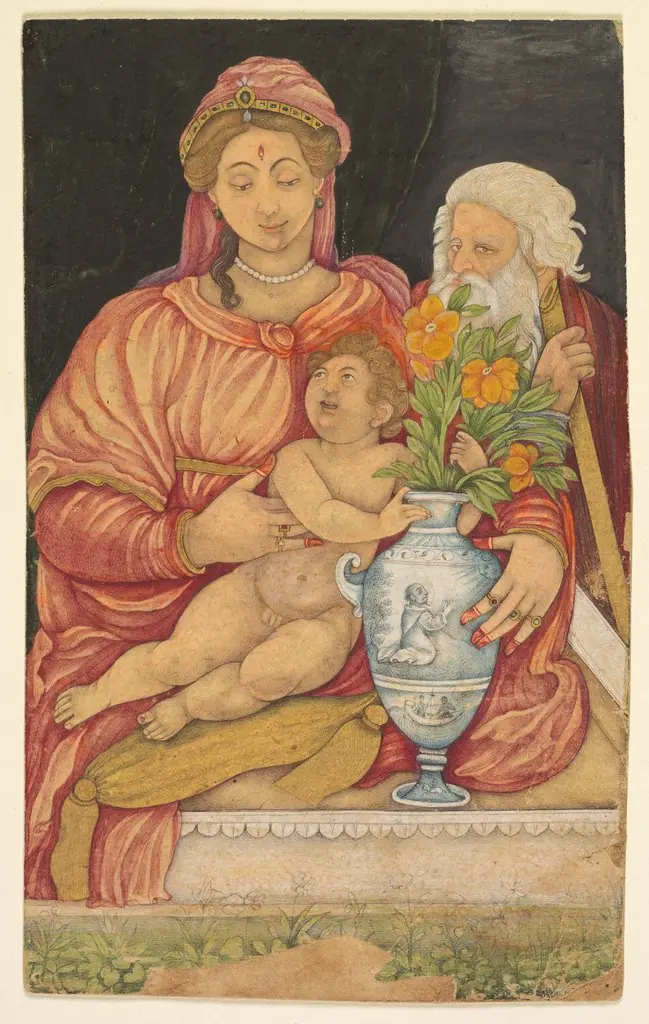 The Holy Family
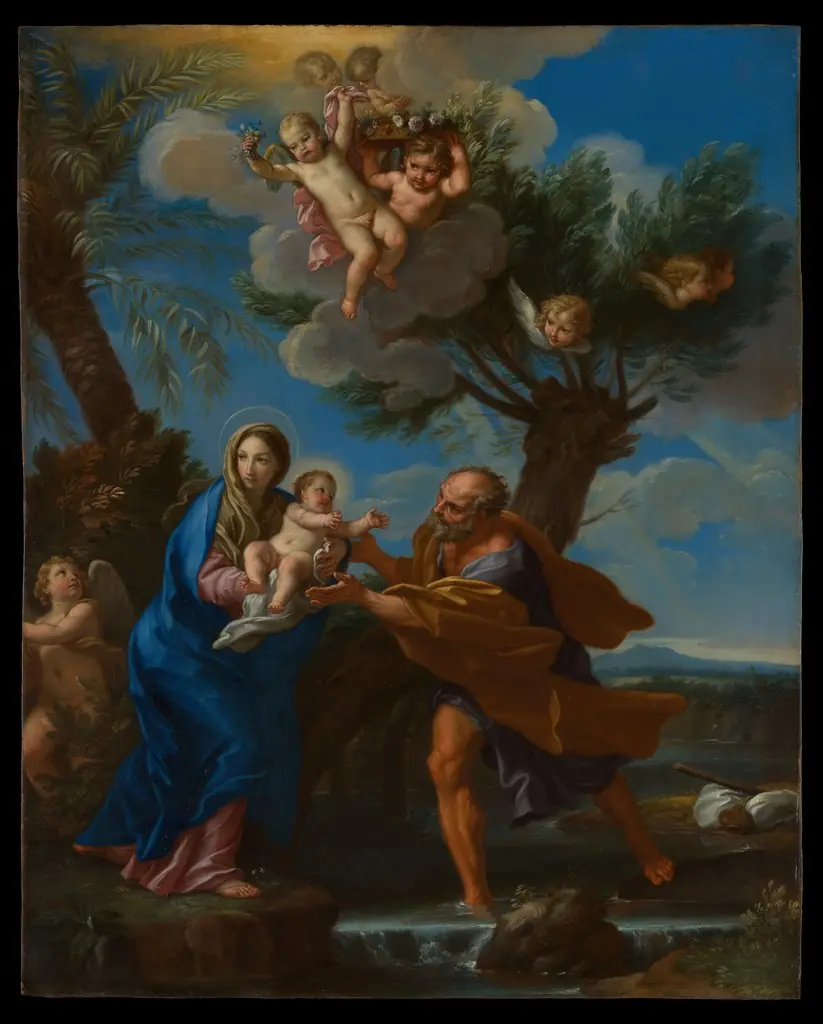 The Flight into Egypt
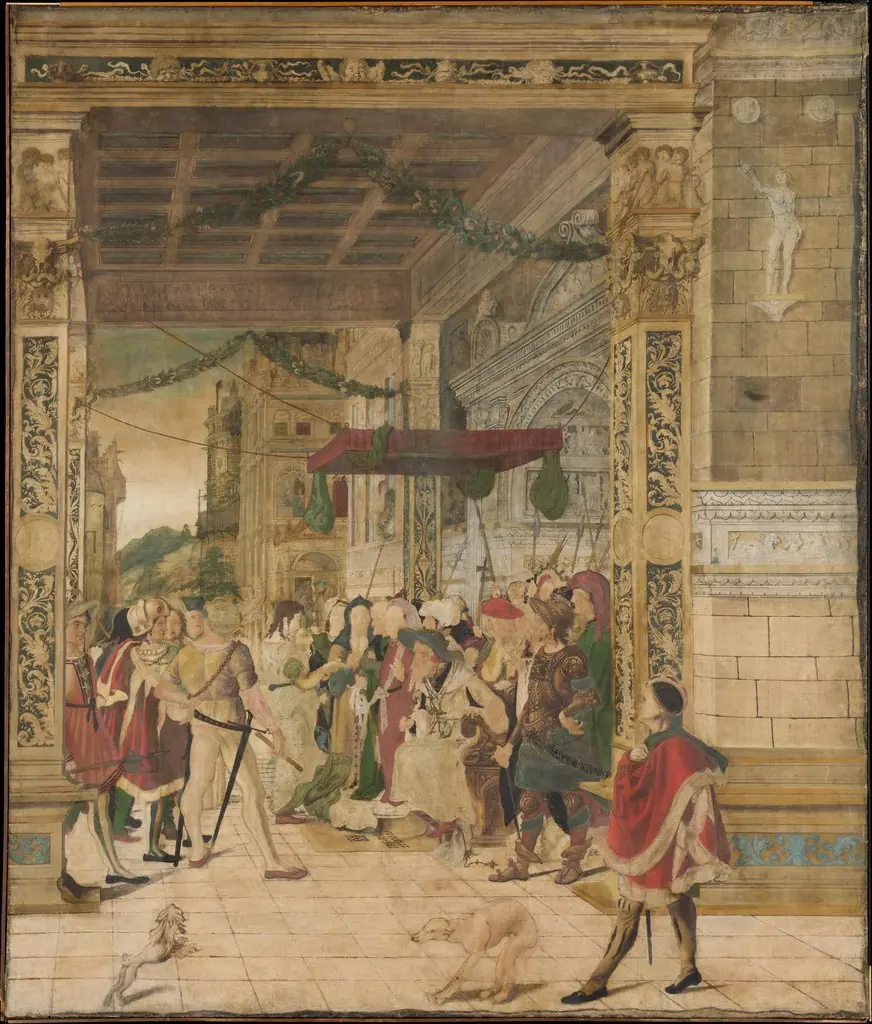 Joseph Interpreting the Dreams of Pharaoh
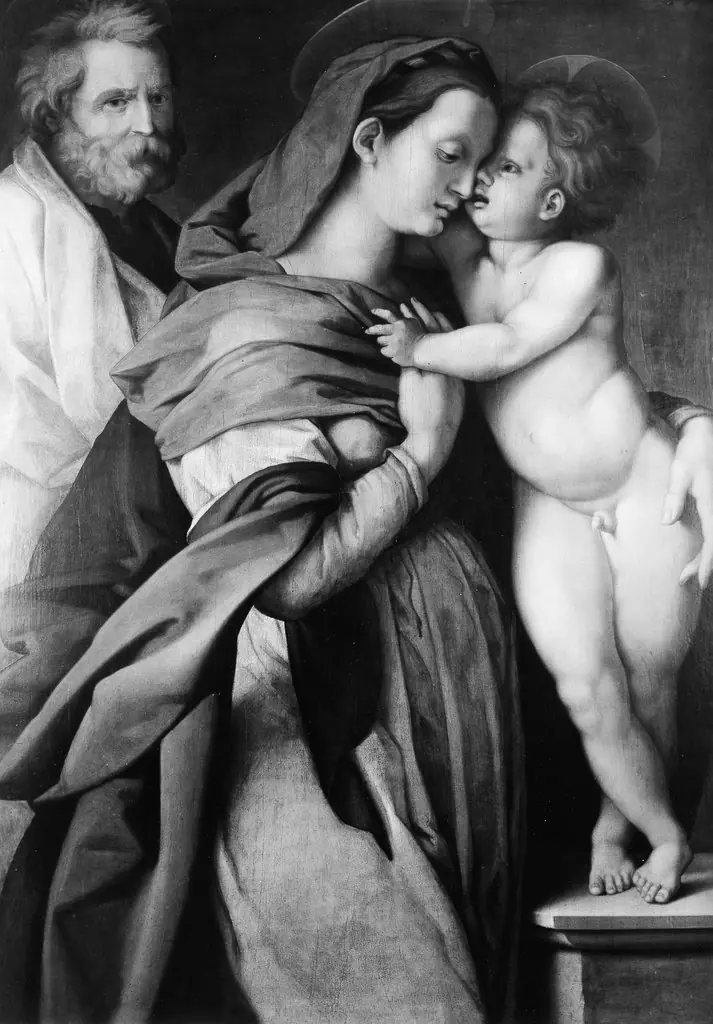 Holy Family
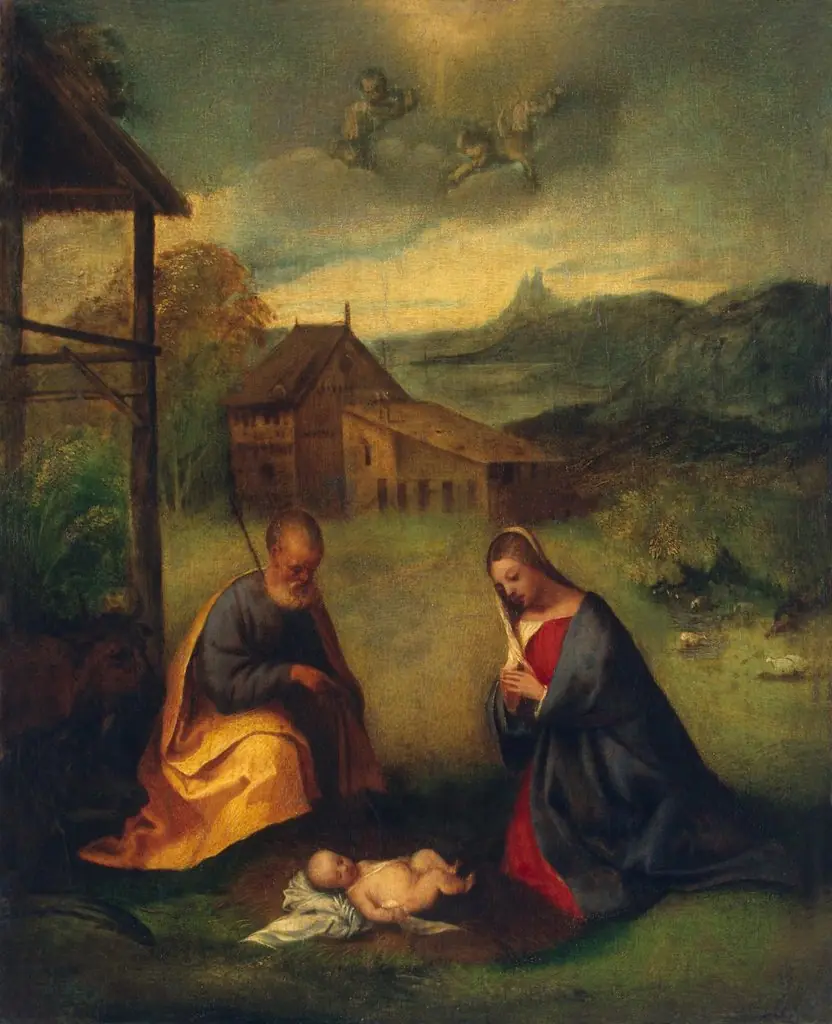 Adoration of the Christ Child
 The People's Census at Bethlehem
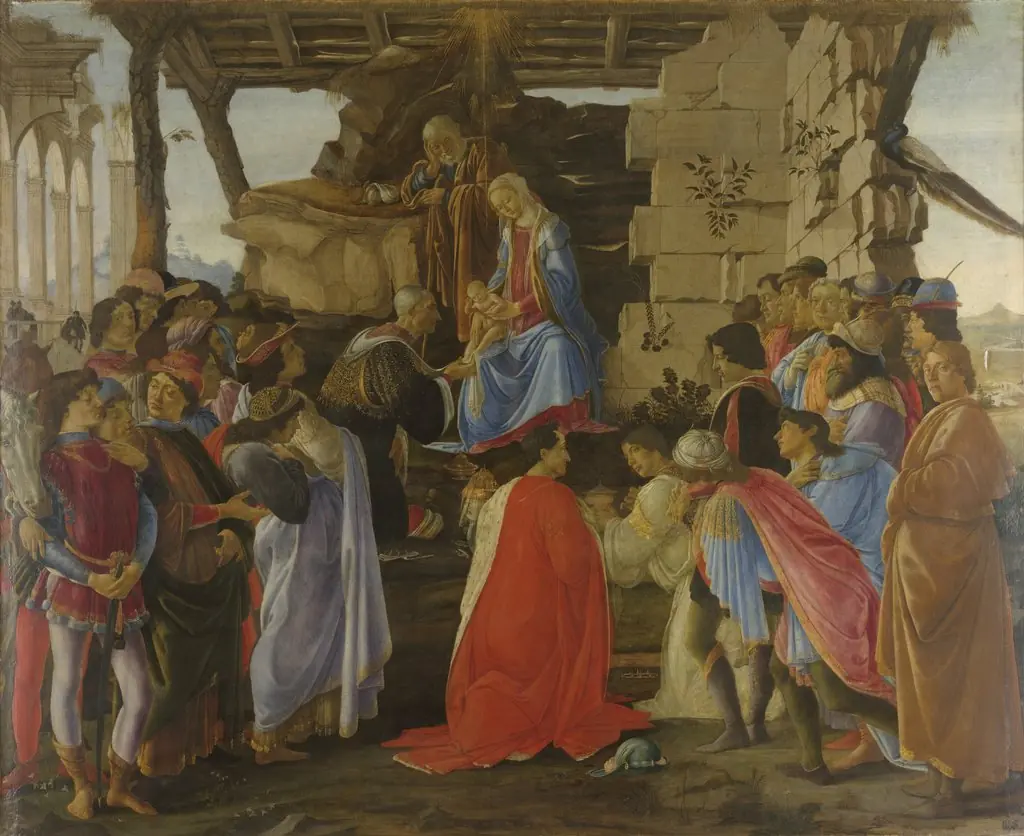 Adoration of the Magi
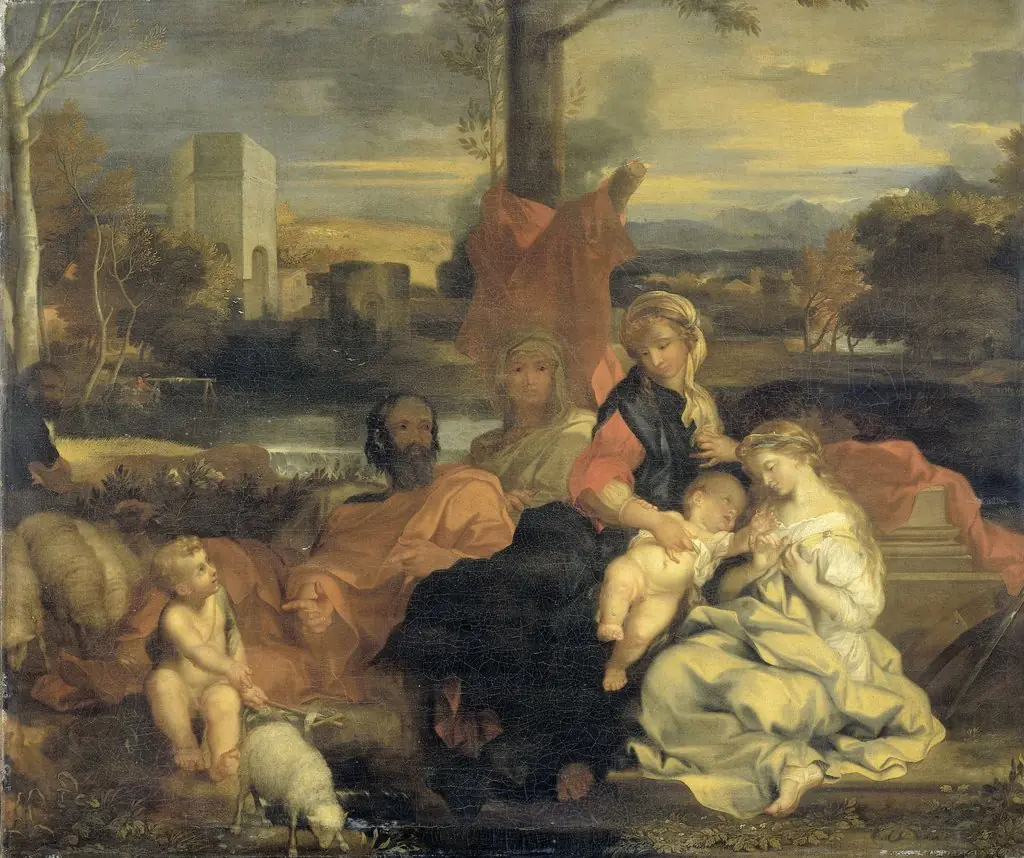 The Mystic Marriage of St Catherine
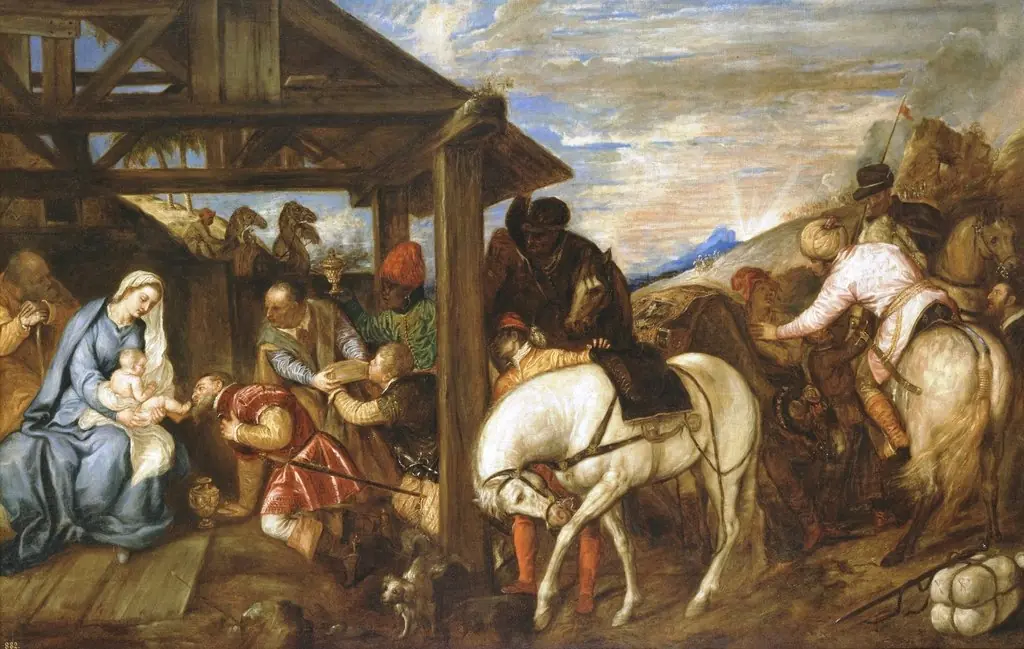 The Adoration of the Magi
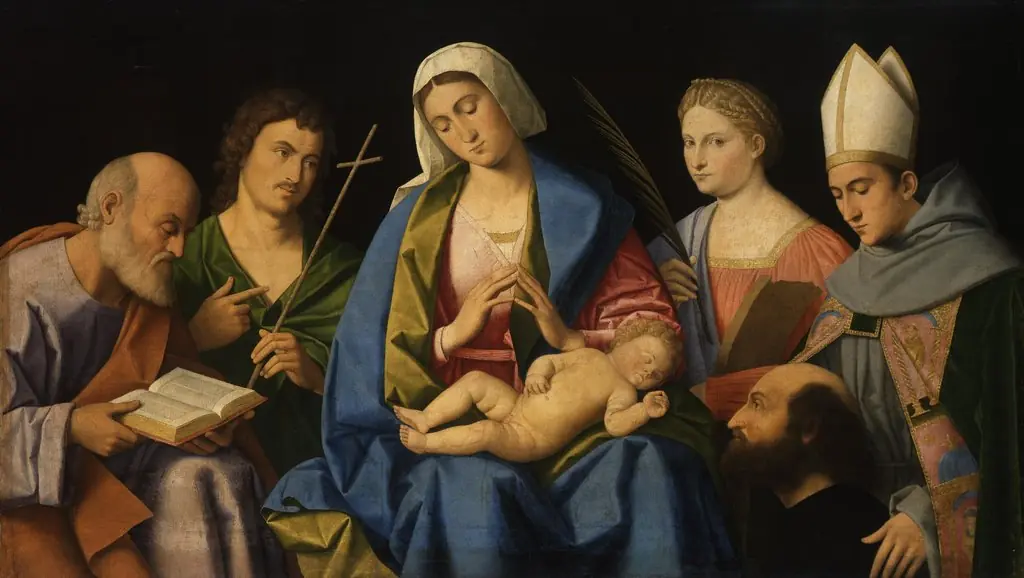 Madonna and Child with Saints and Donor
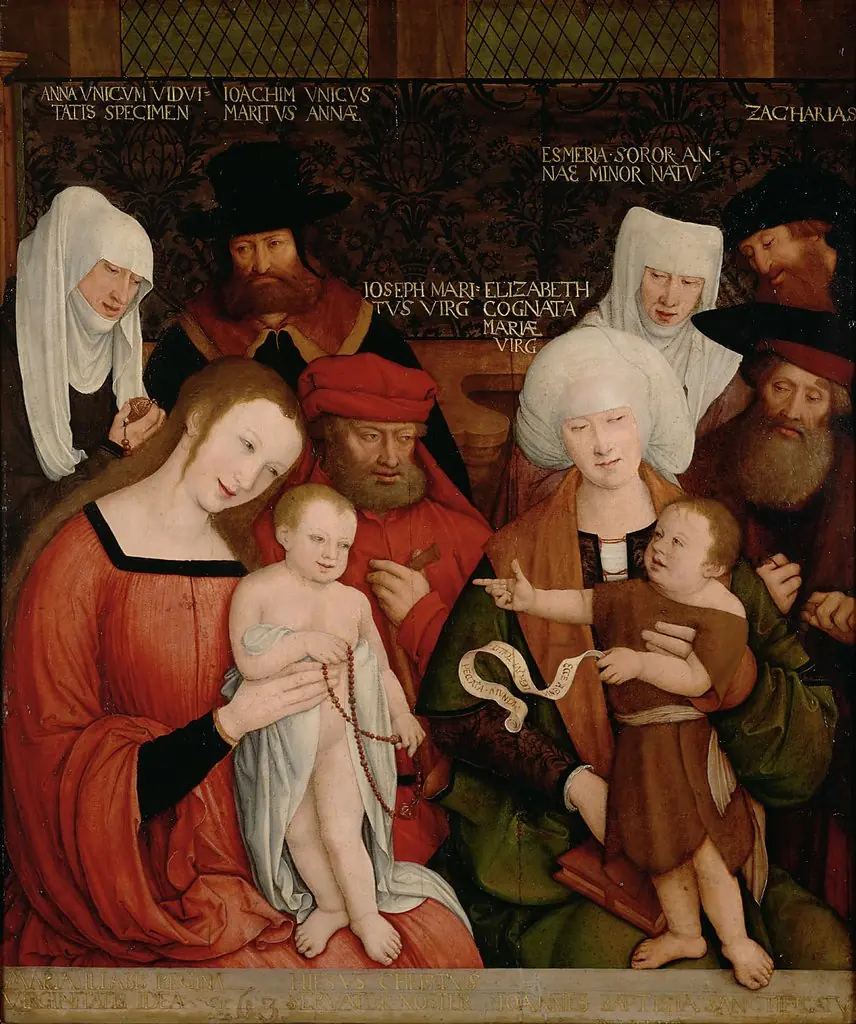 Holy Tribe
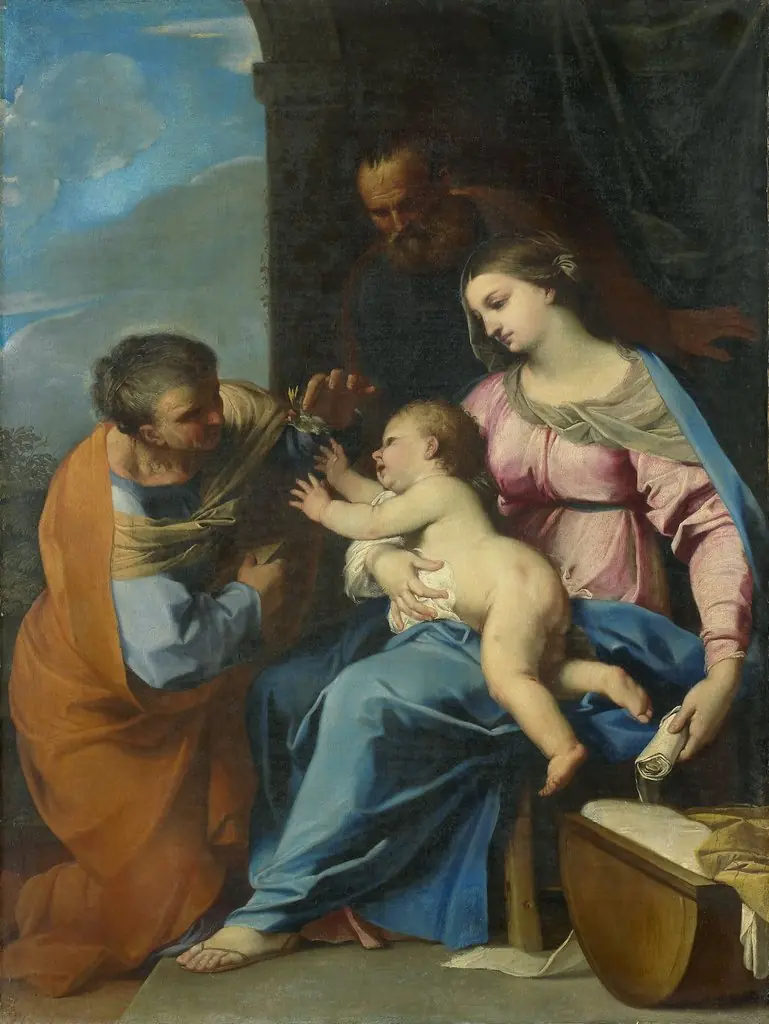 Holy Family
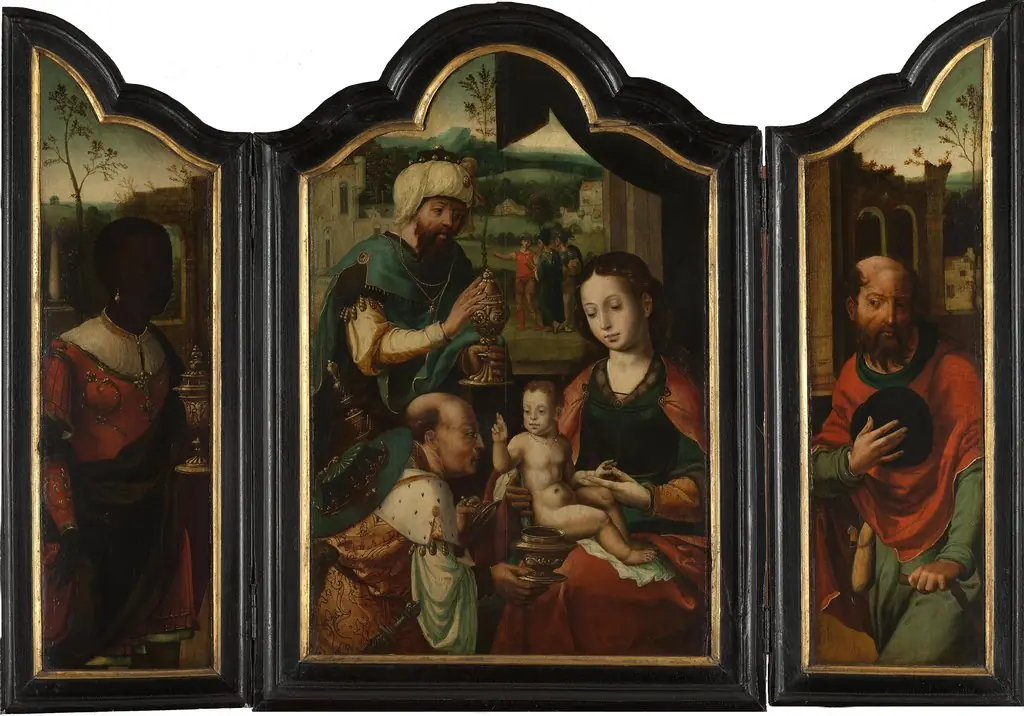 Triptych with Adoration of the Magi
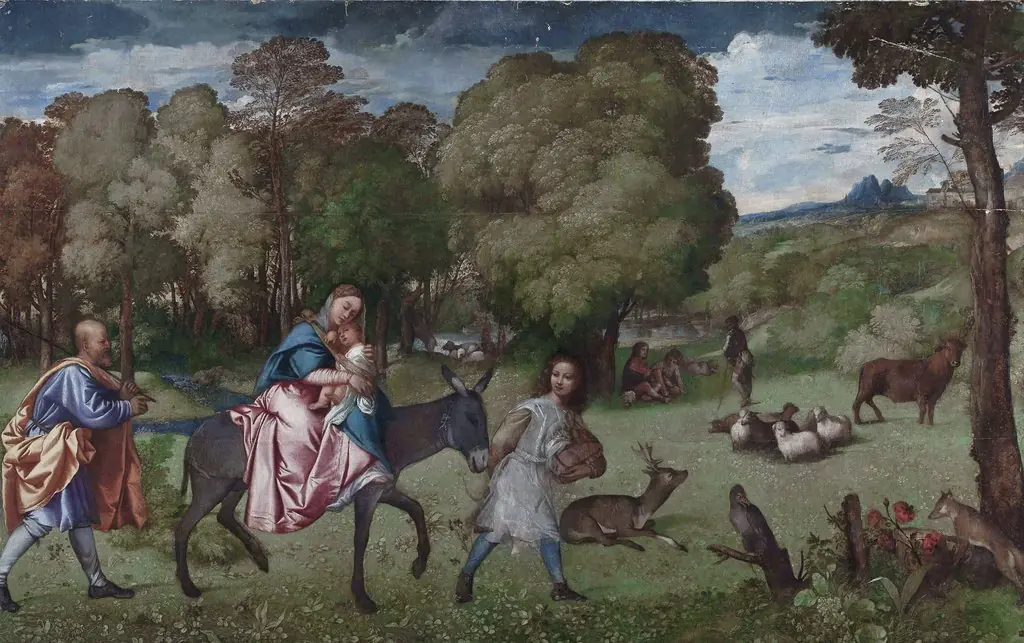 Flight into Egypt
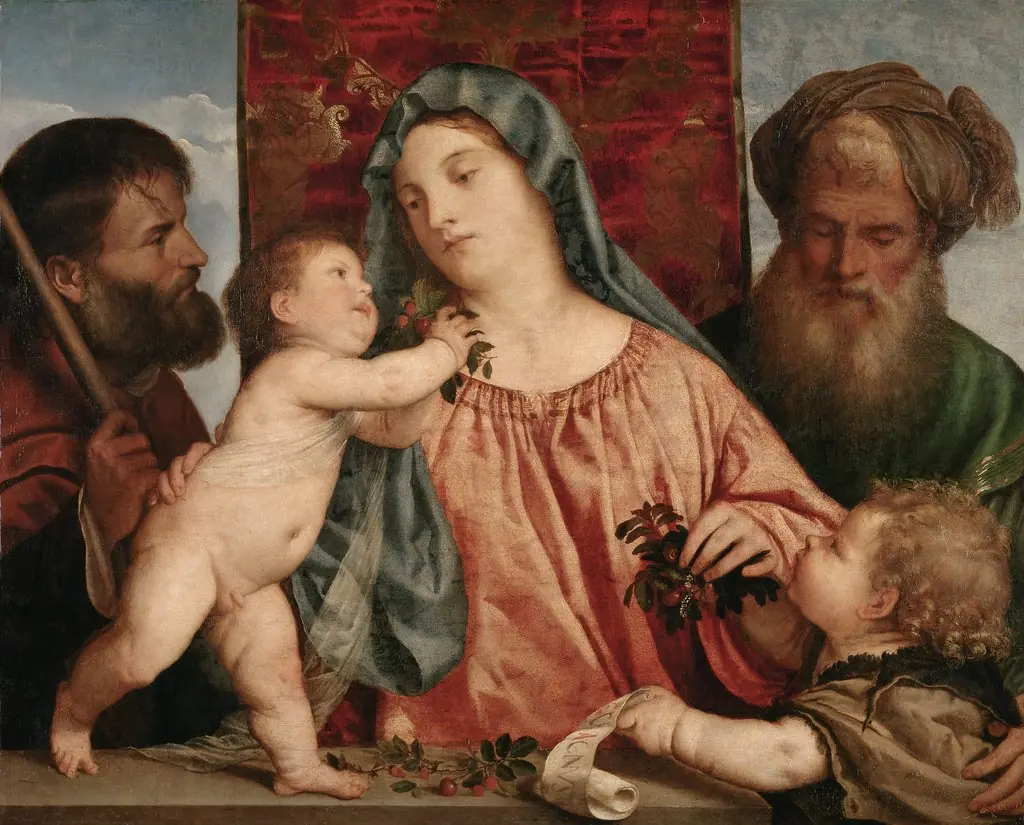 Madonna of the Cherries
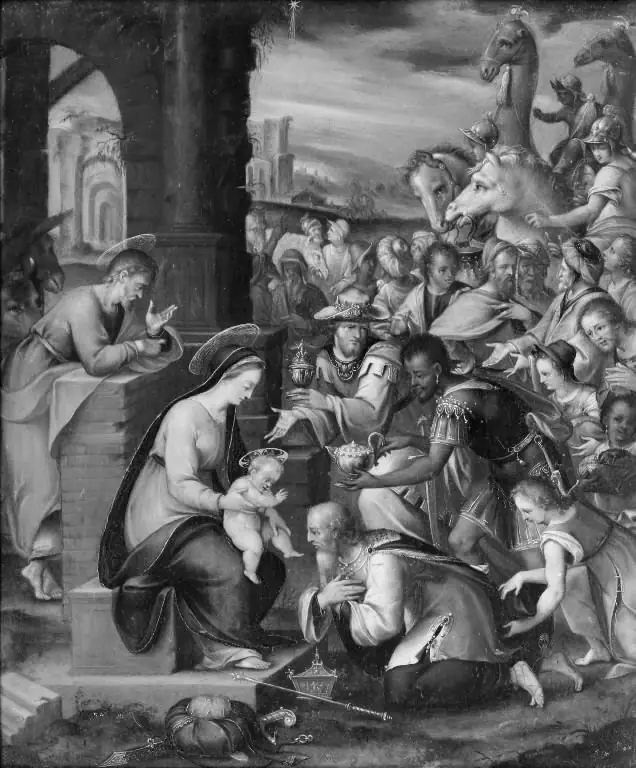 The Adoration of the Magi
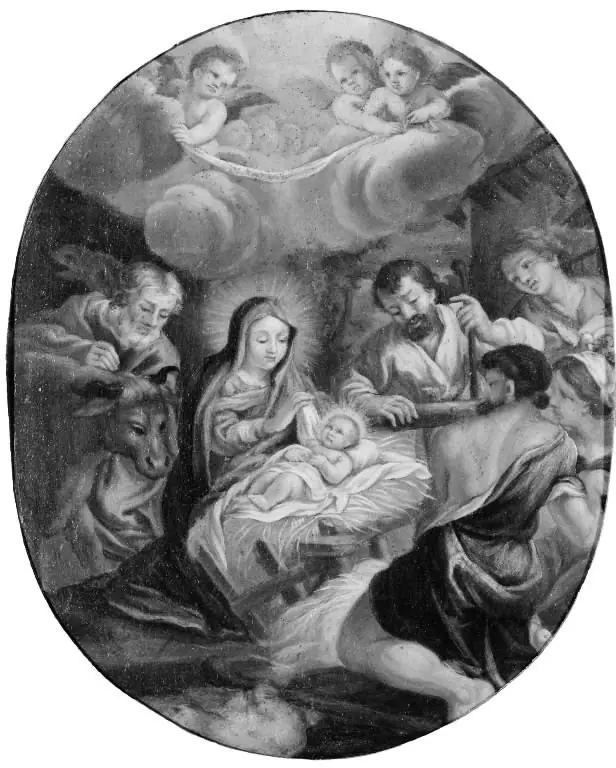 The Adoration of the Shepherds
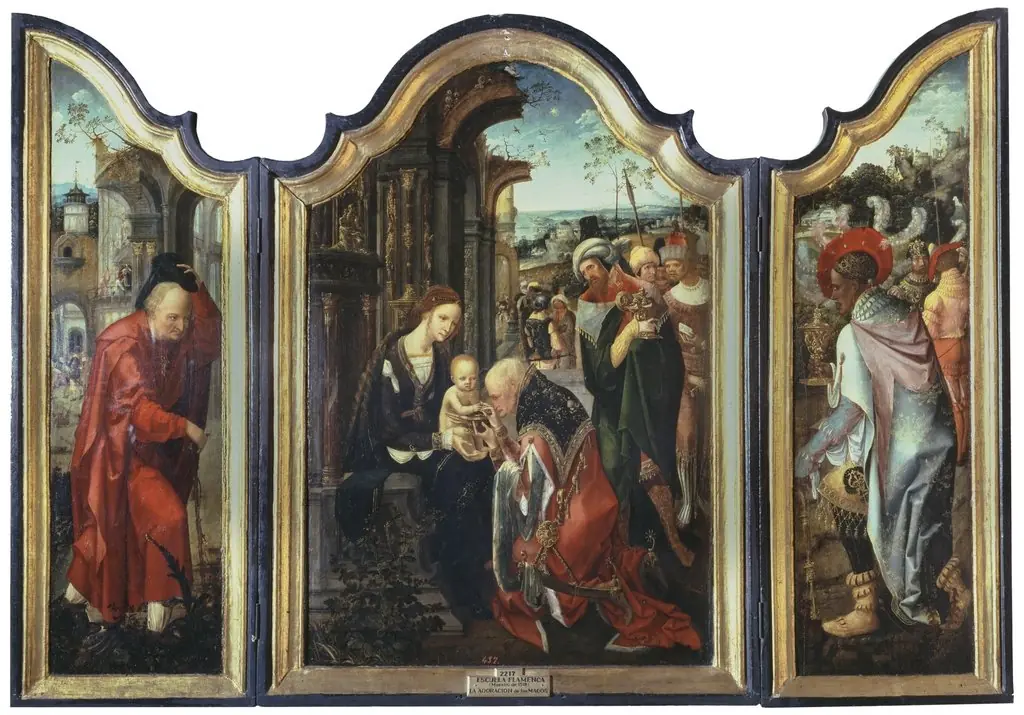 Adoration of the Magi
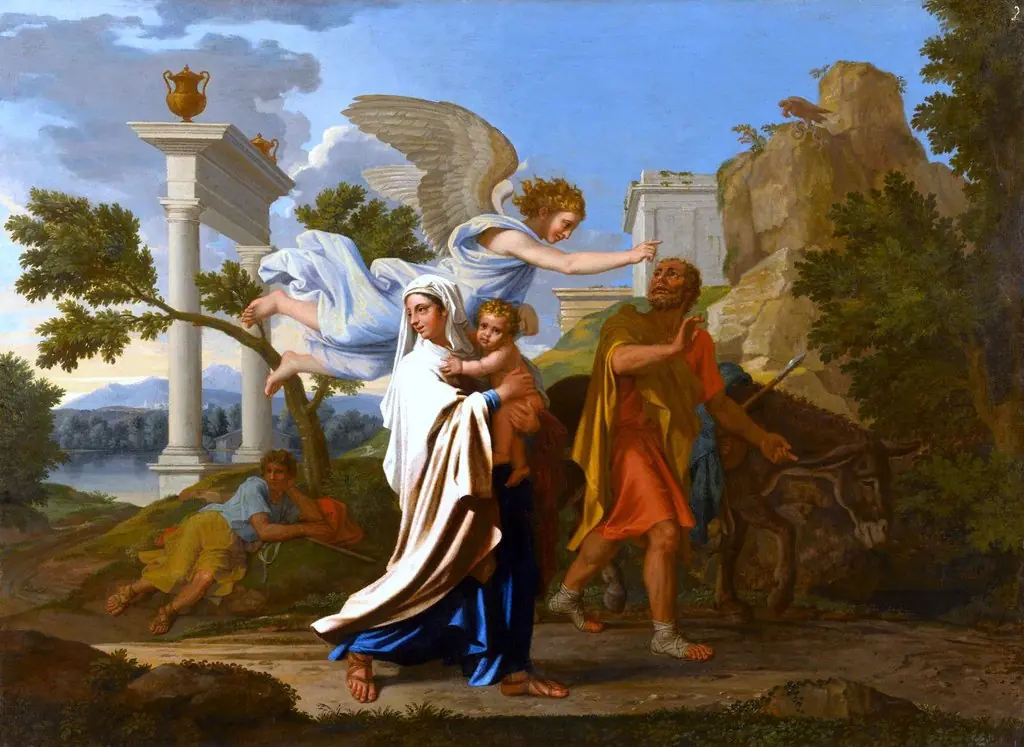 The Flight into Egypt
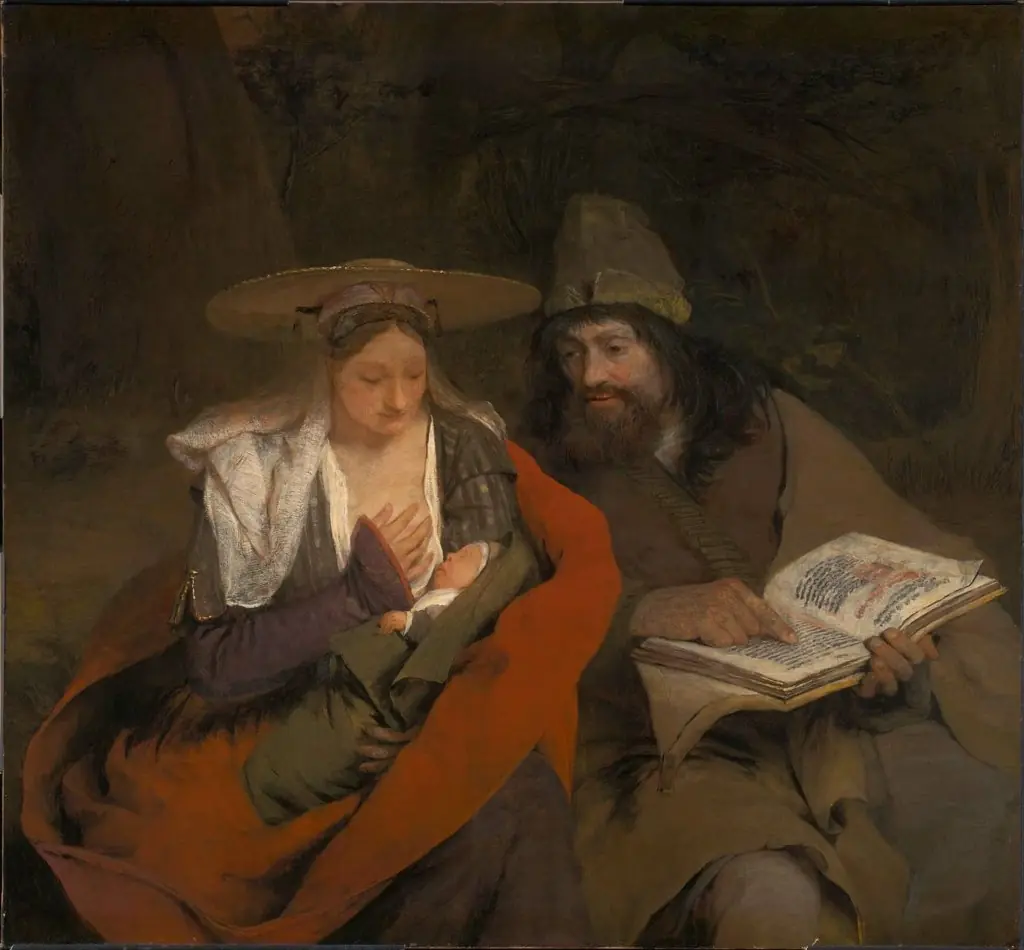 Rest on the Flight into Egypt
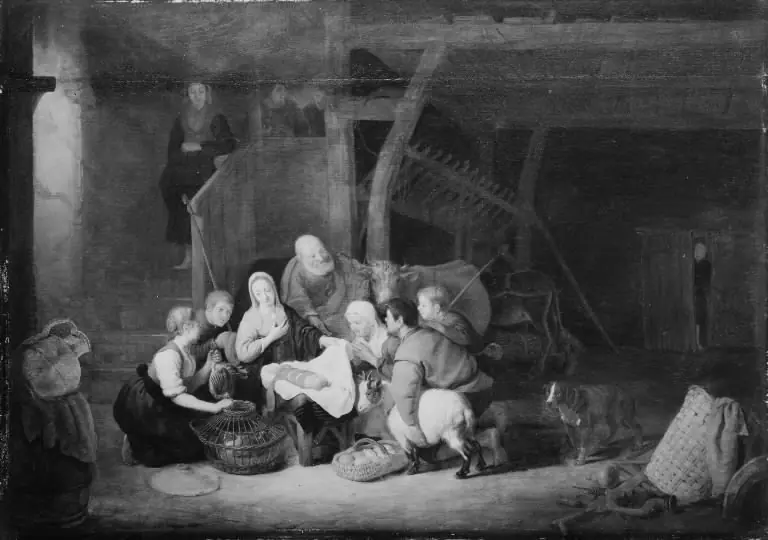 The Adoration of the Shepherds
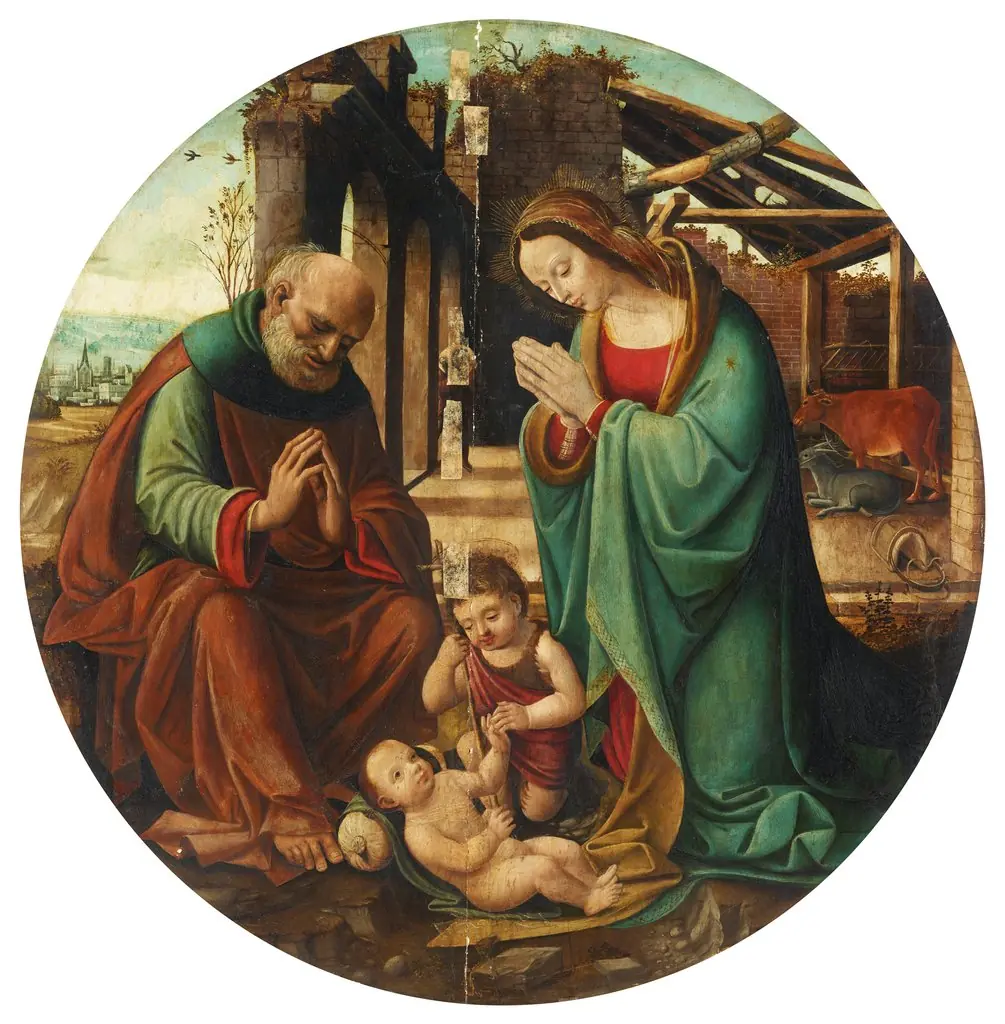 The Holy Family with Young St. John, Adoring the Child
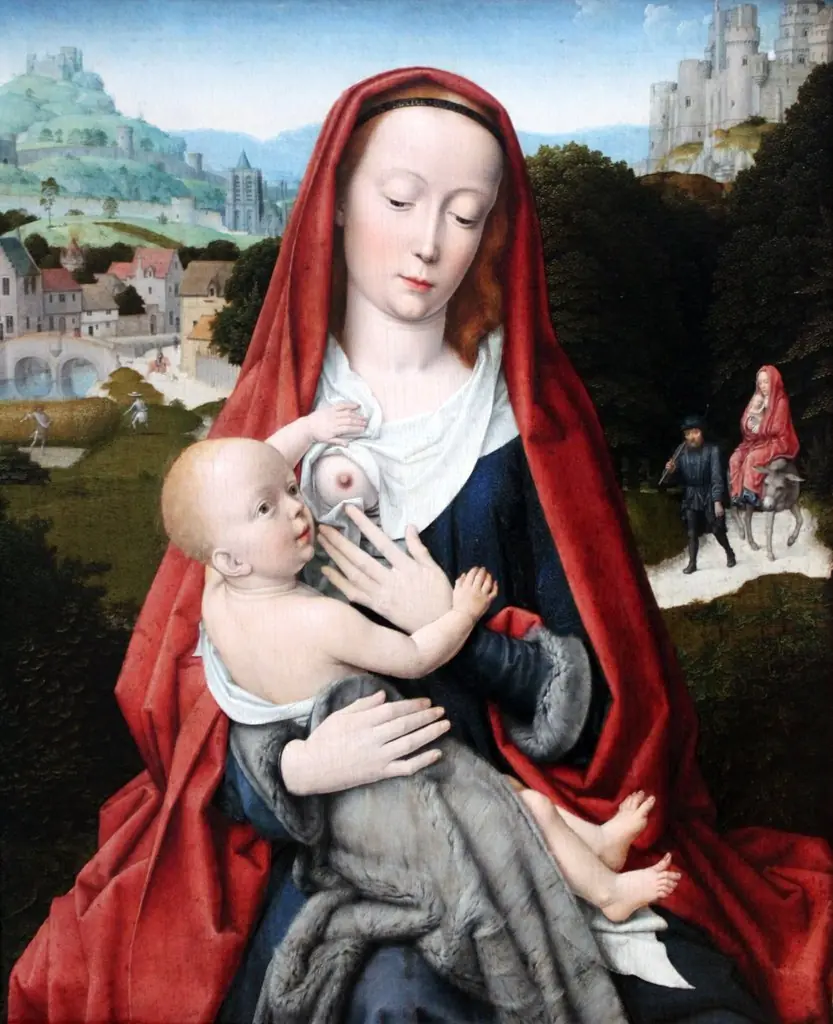 Madonna and Child
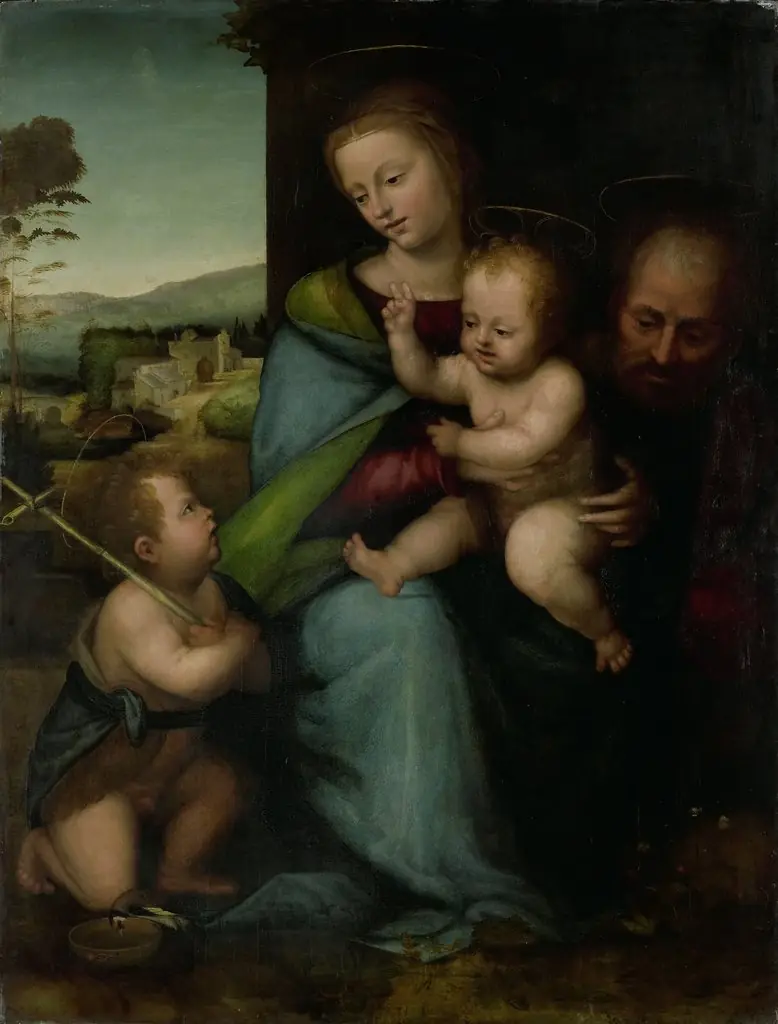 The Holy Family with the Infant John the Baptist
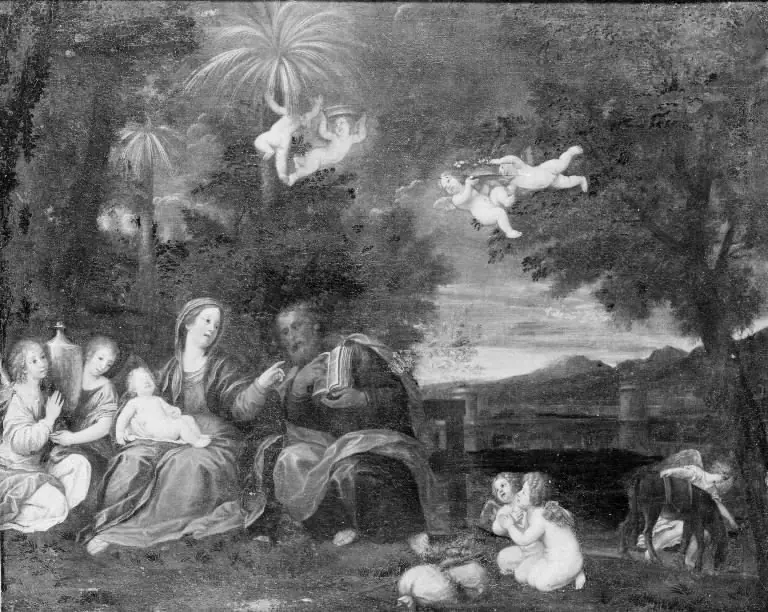 The Rest on the Flight into Egypt
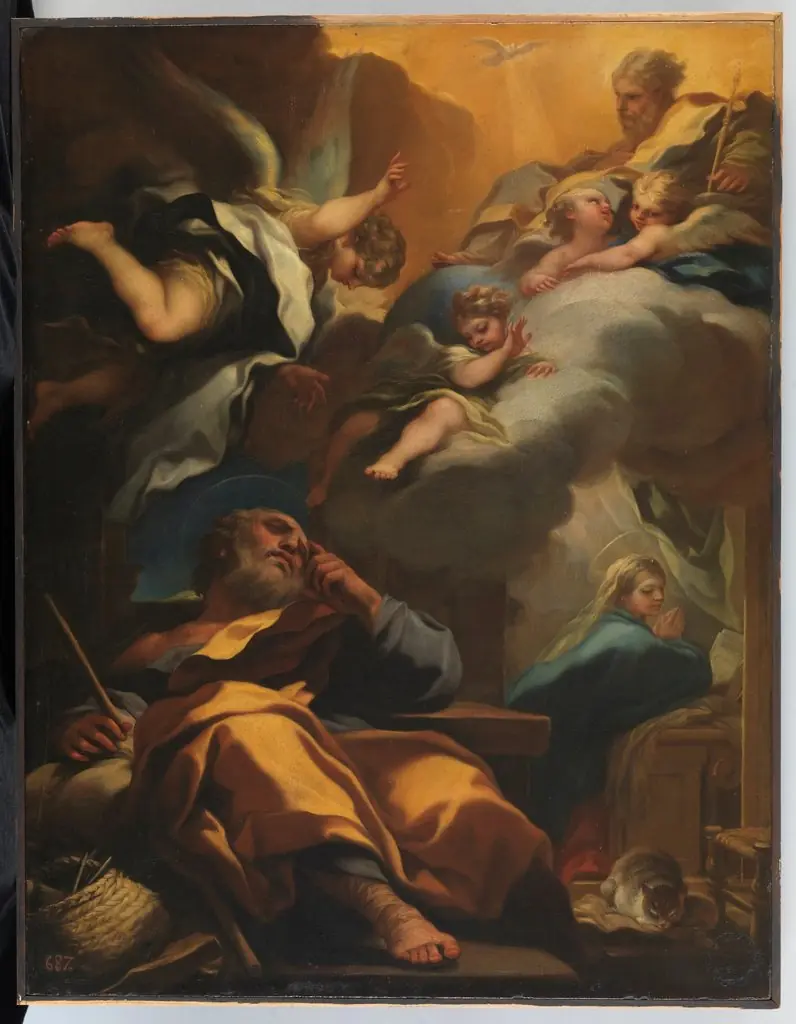 Saint Joseph’s Dream
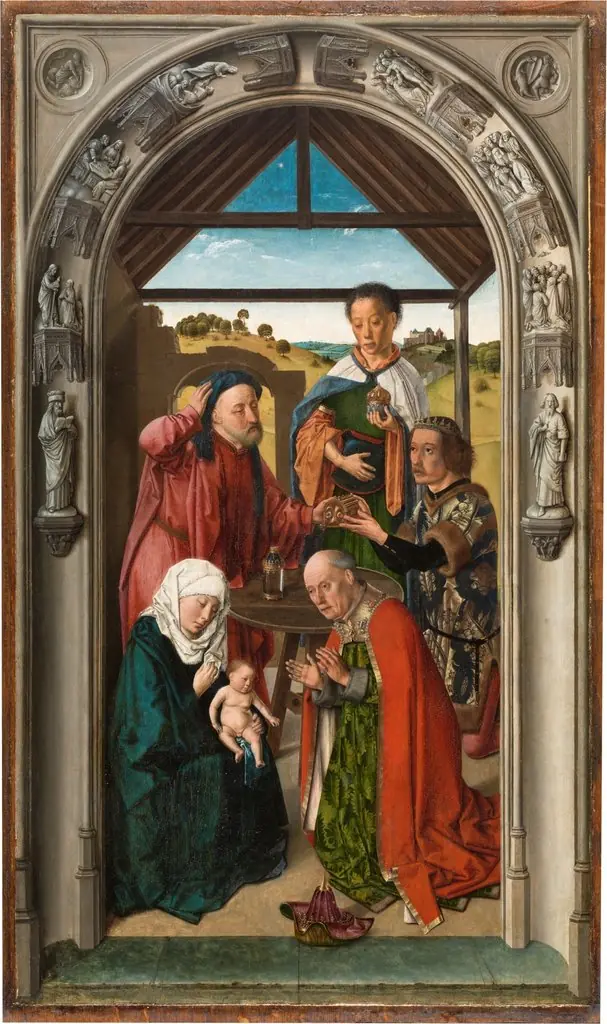 Adoration of the Magi
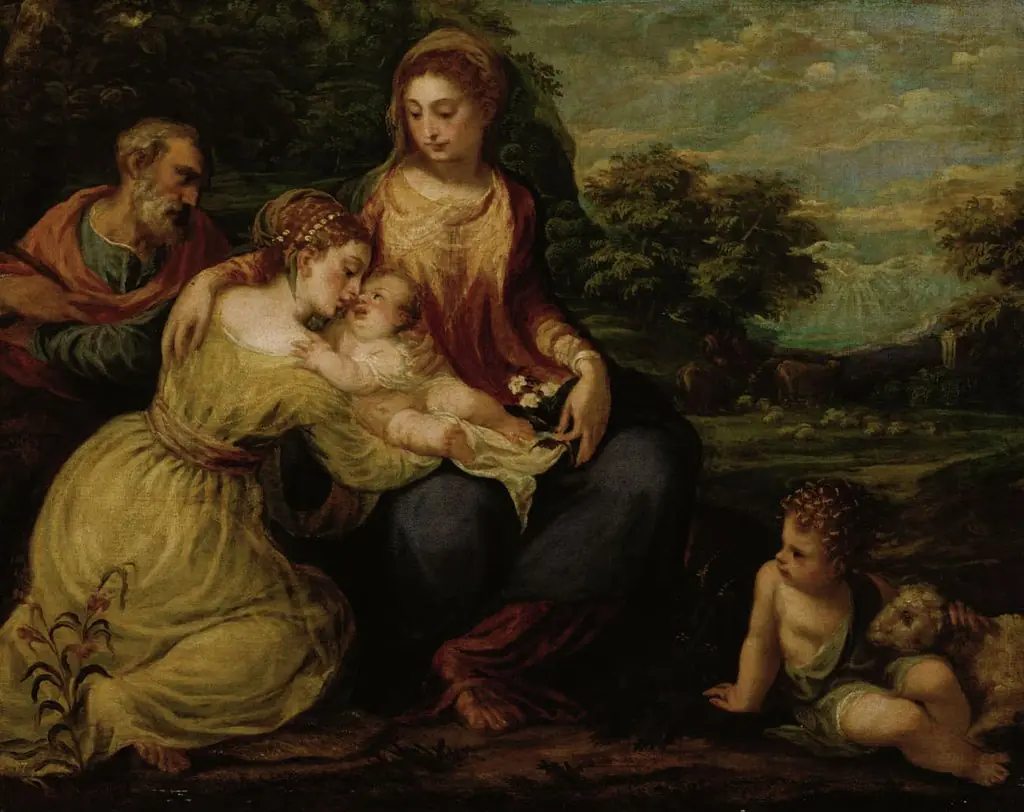 Holy Family with St Catharine and Young John the Baptist
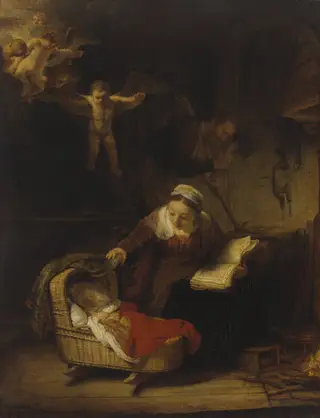 The Holy Family with Angels
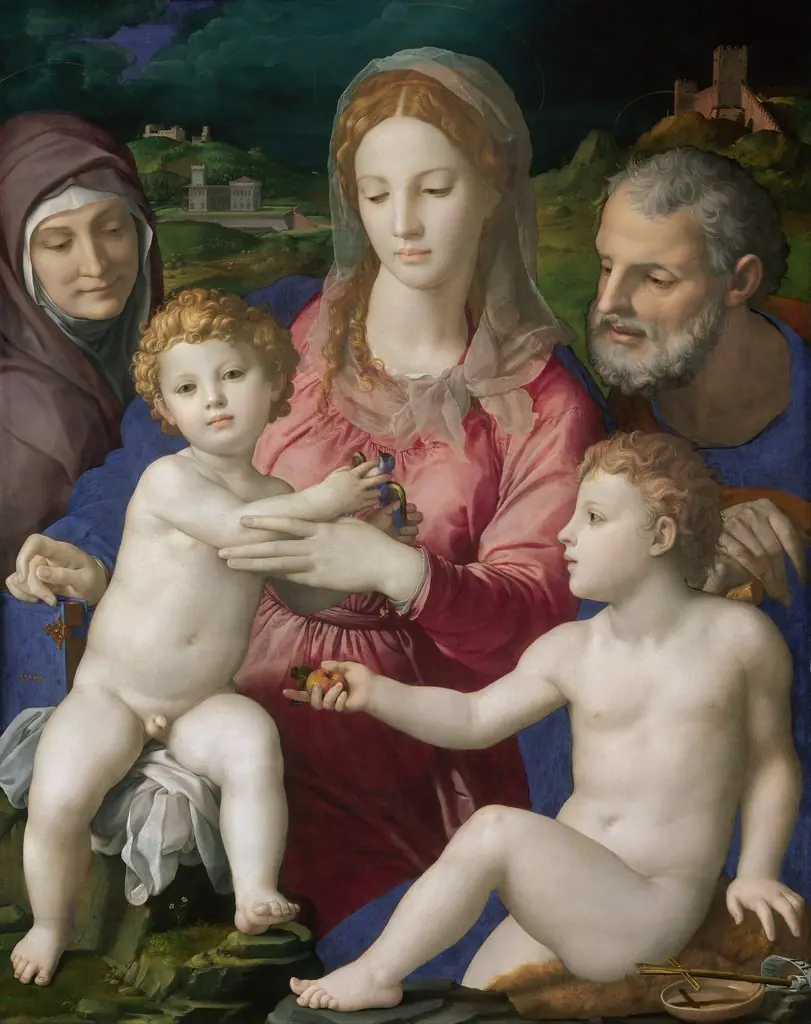 Holy Family with St. Anne and the Infant St. John
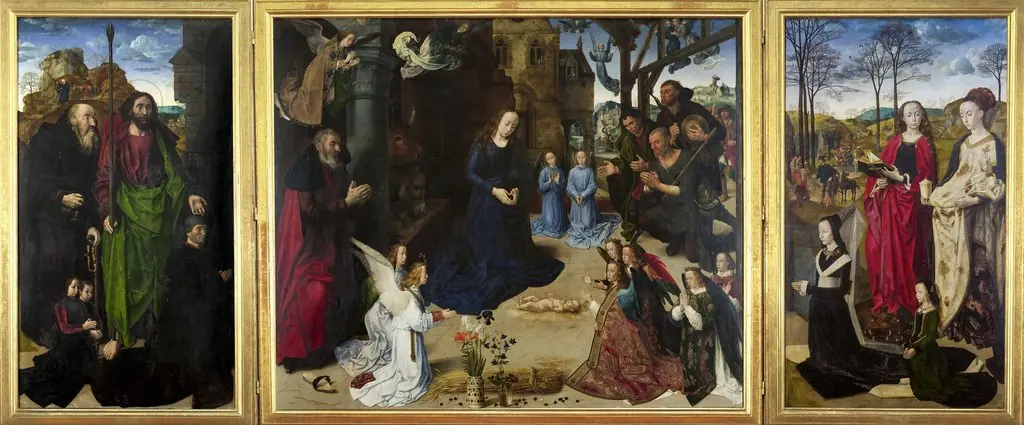 Portinari Triptych
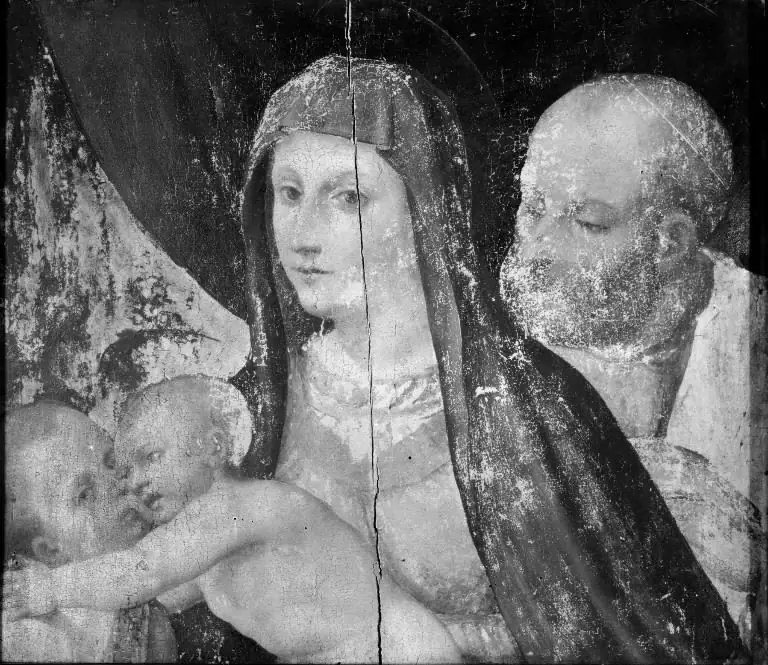 The Holy Family
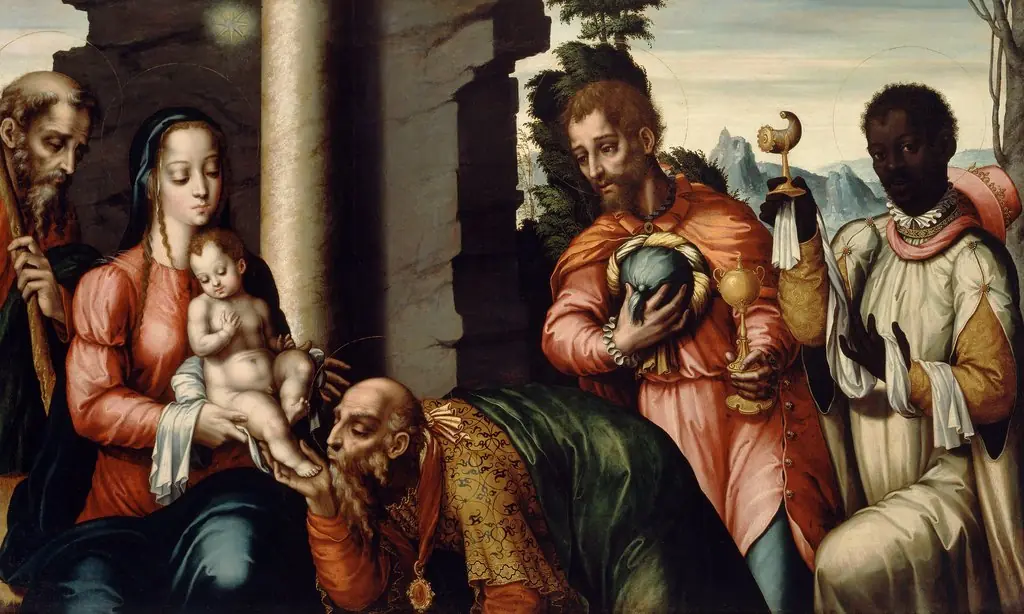 The Adoration of the Magi
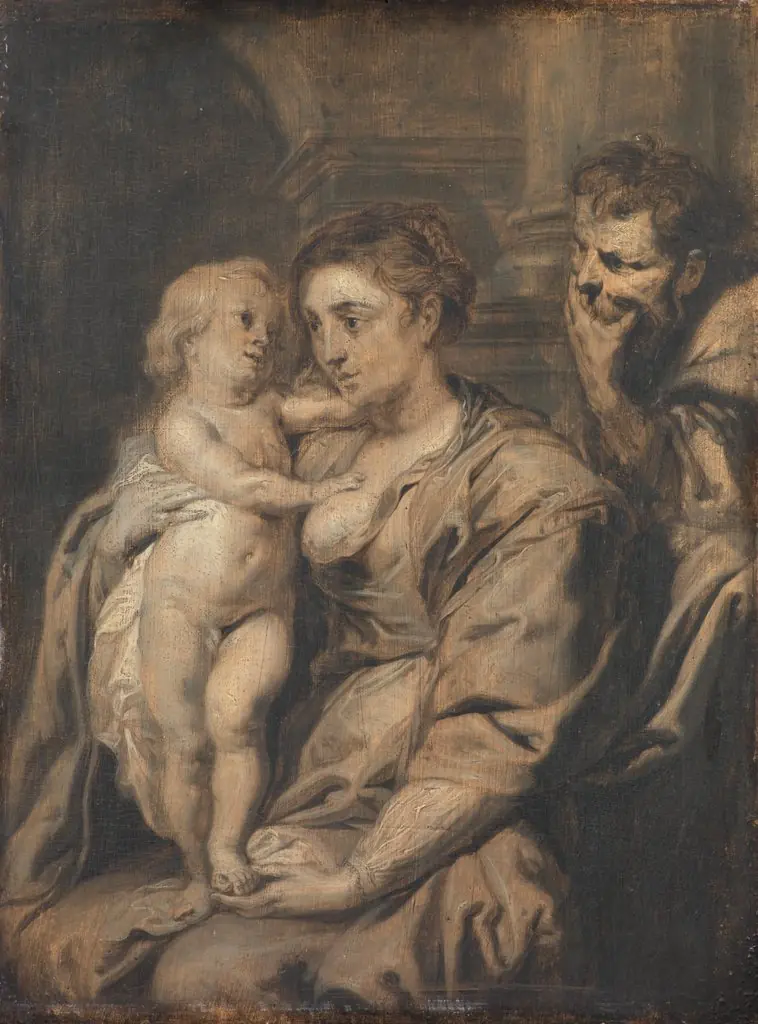 The Holy Family
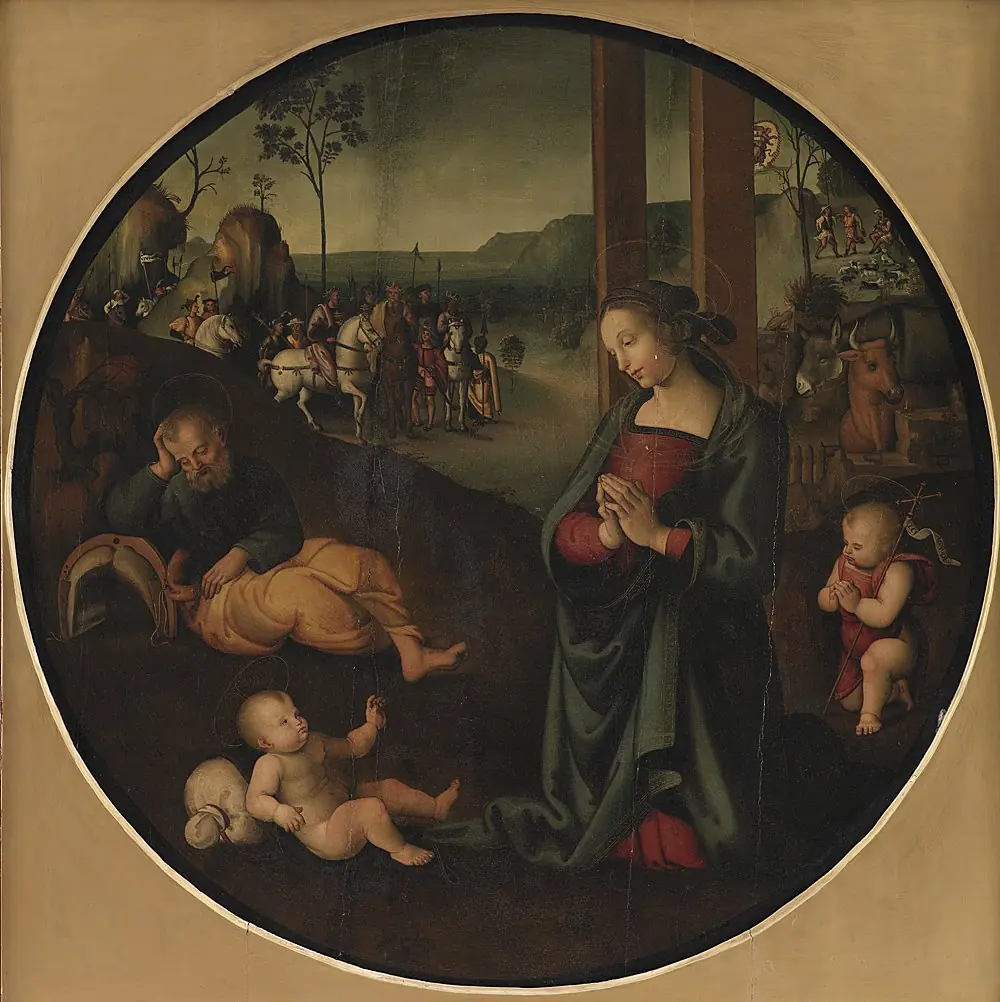 The Holy Family
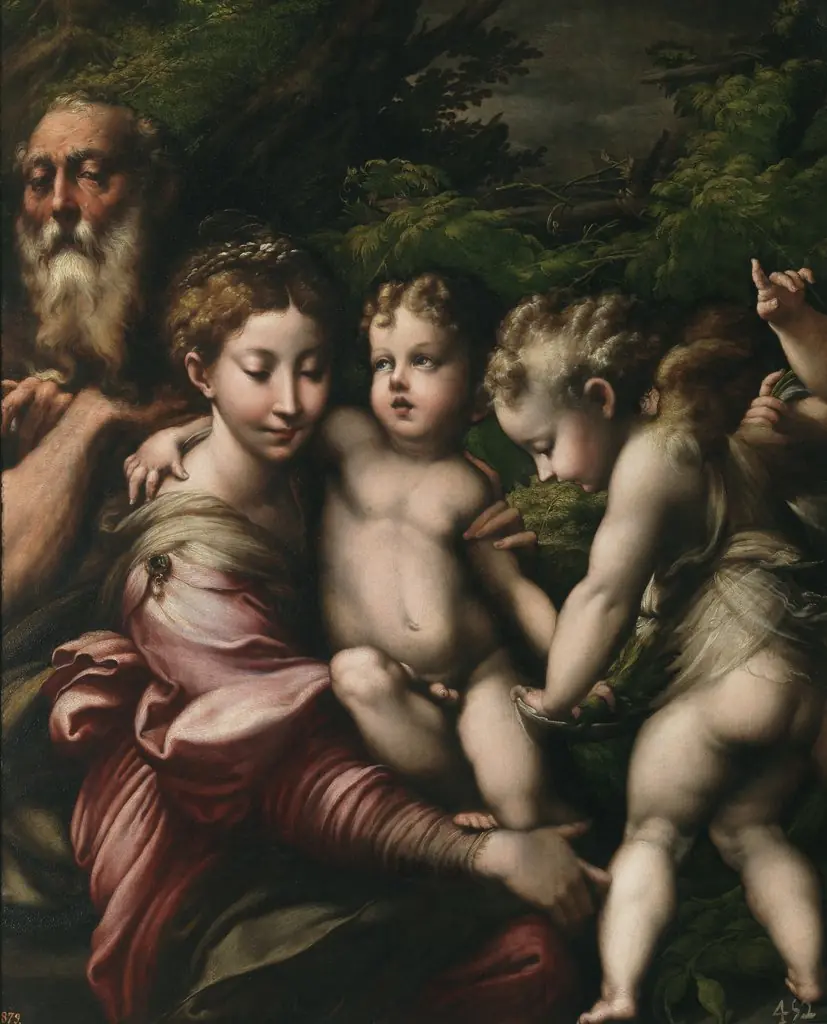 The Holy Family with Angels
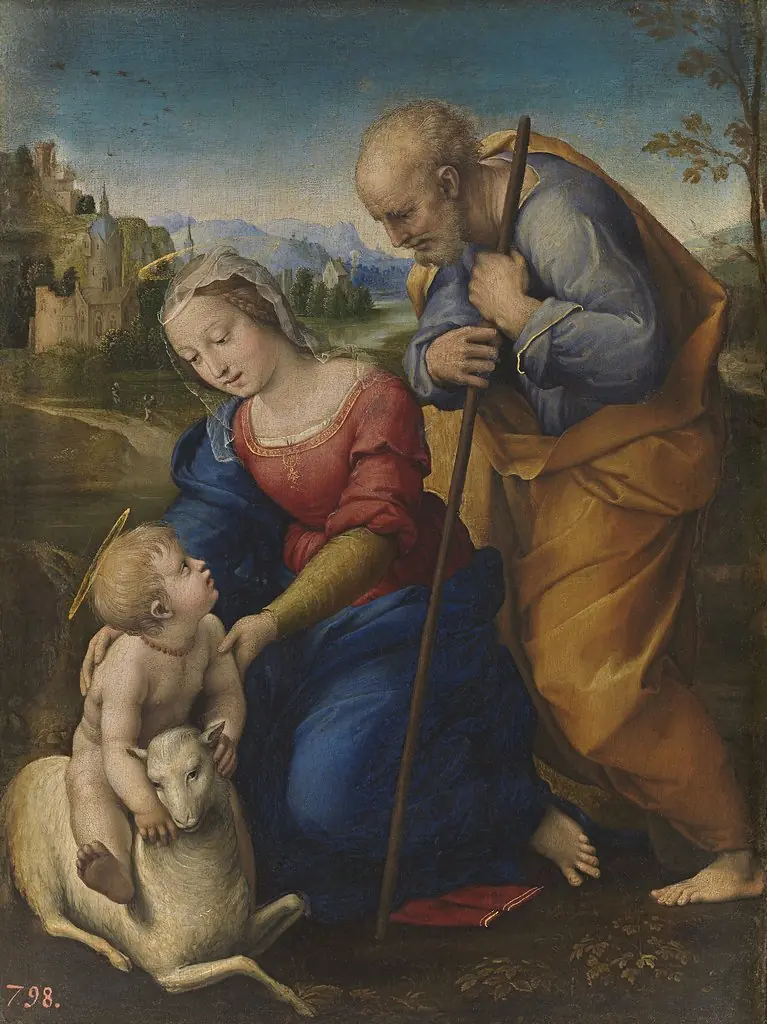 The Holy Family with a Lamb
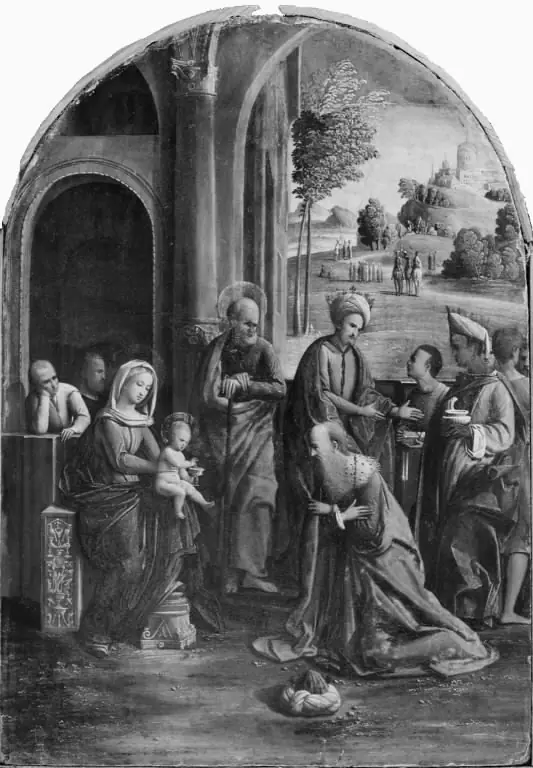 The Adoration of the Kings
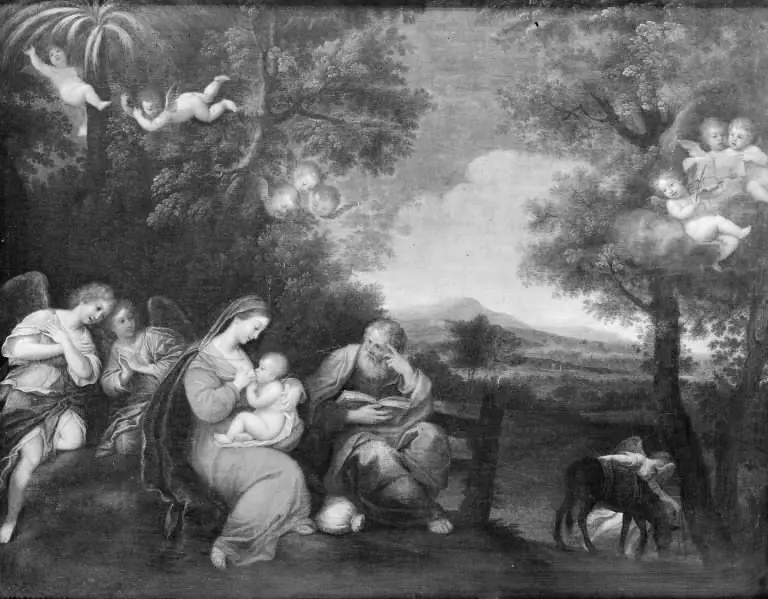 The Rest on the Flight into Egypt
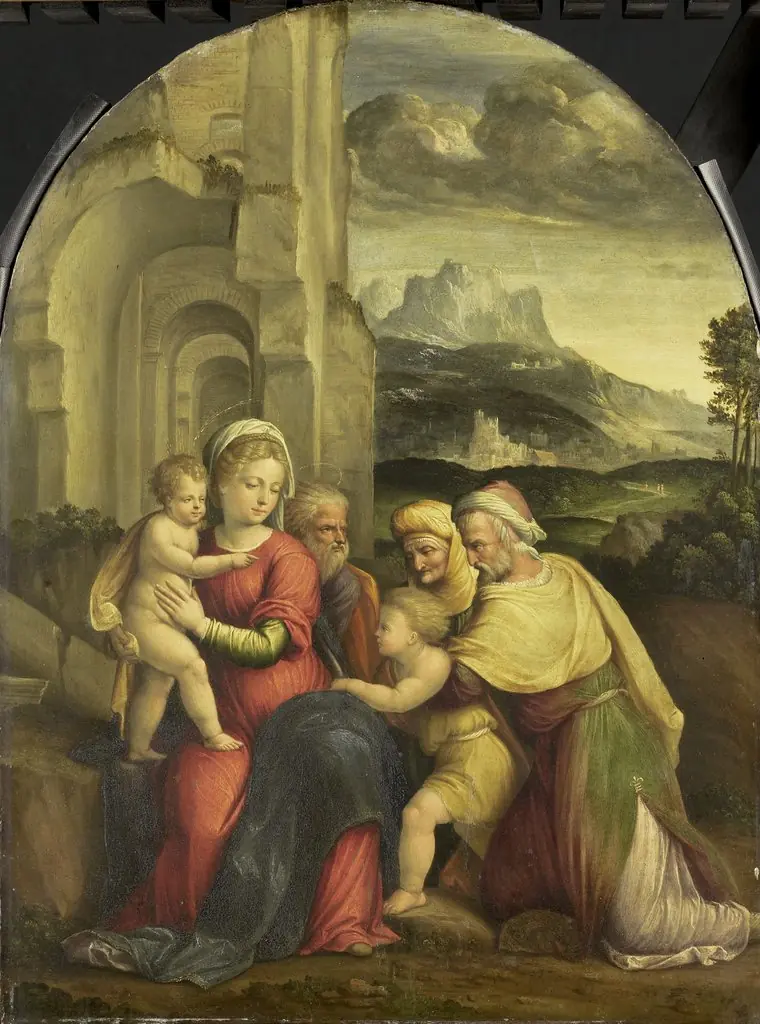 Holy Family
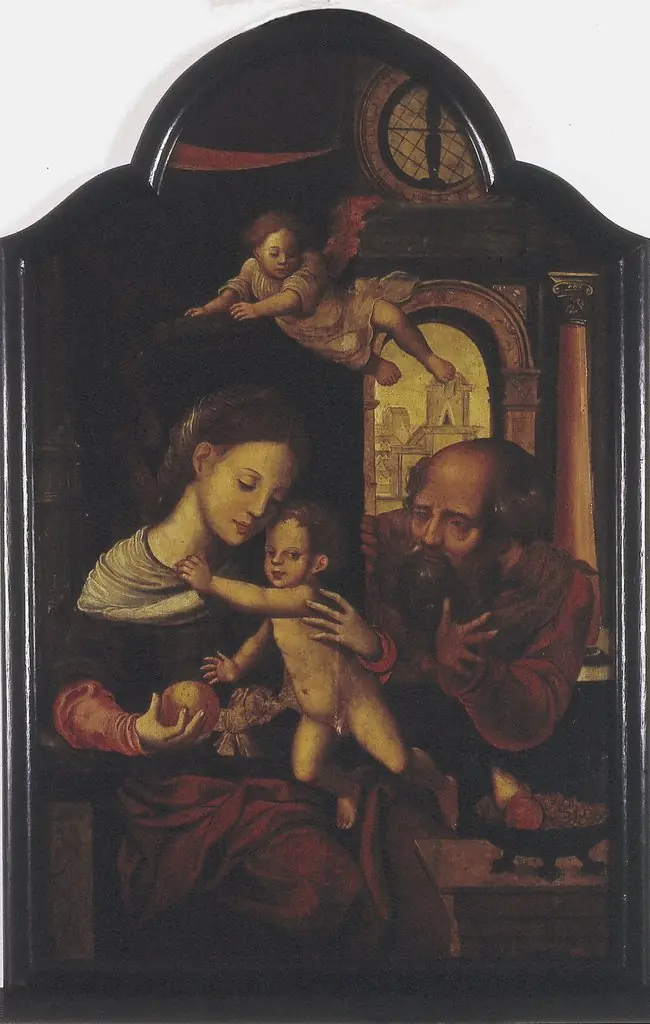 The Holy Family
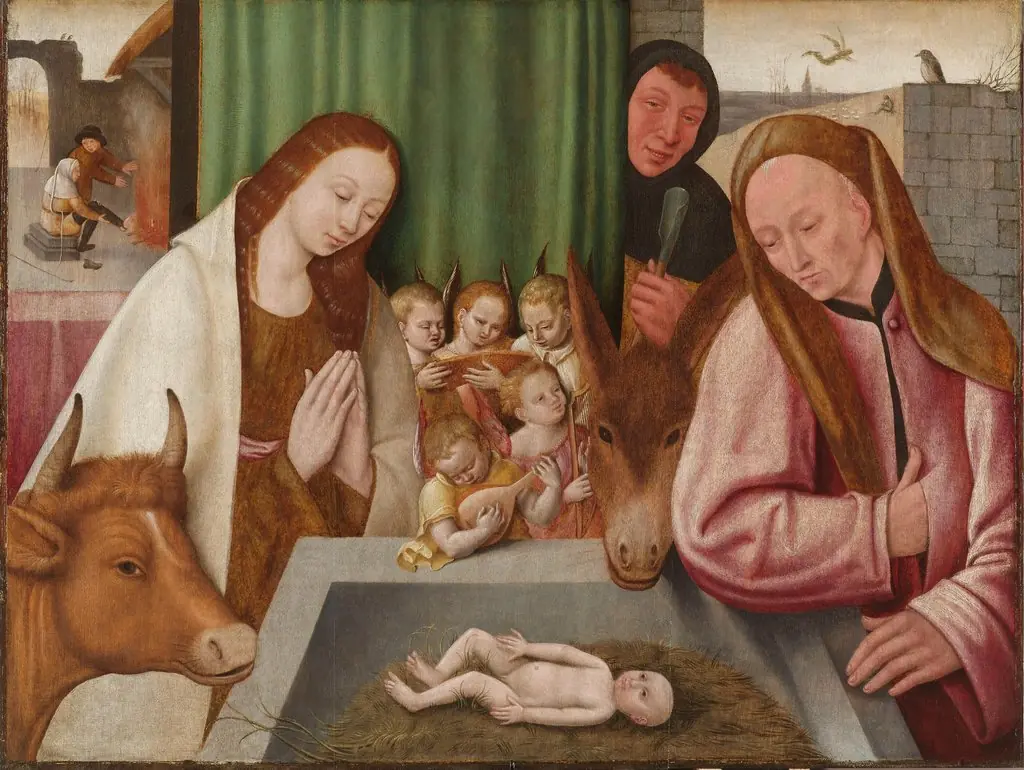 The Nativity
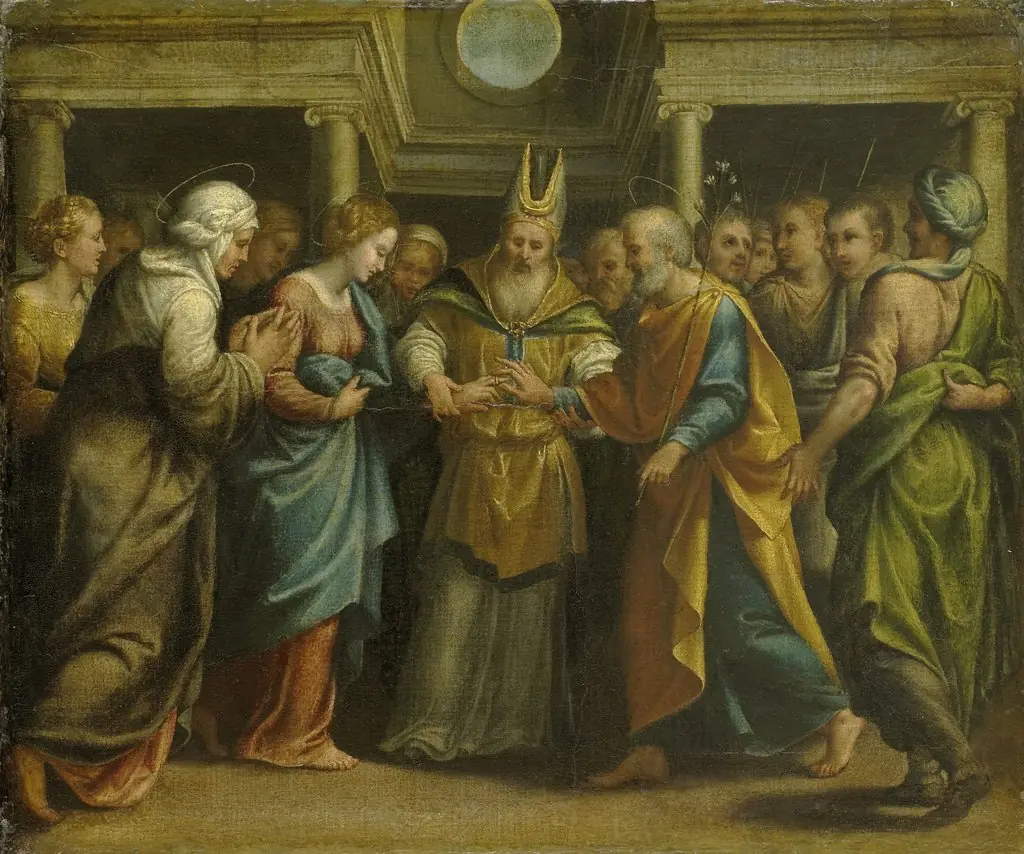 Marriage of Mary and Joseph
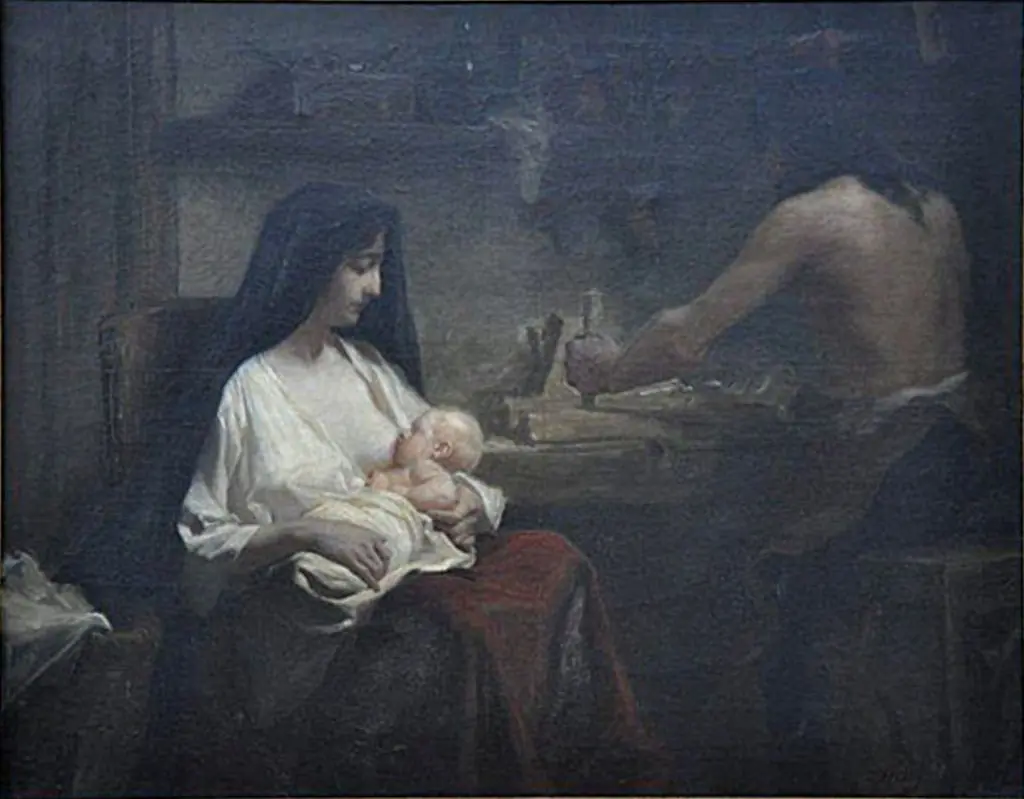 The Holy Family
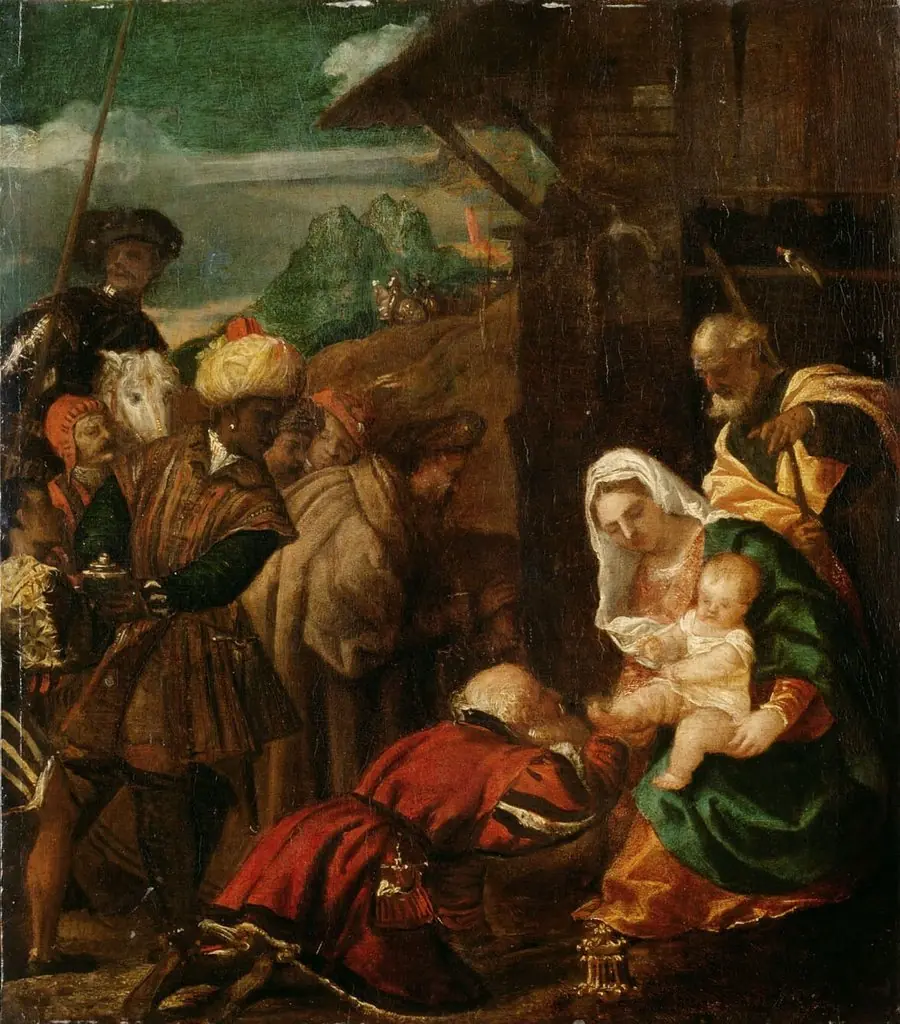 Adoration of the Magi
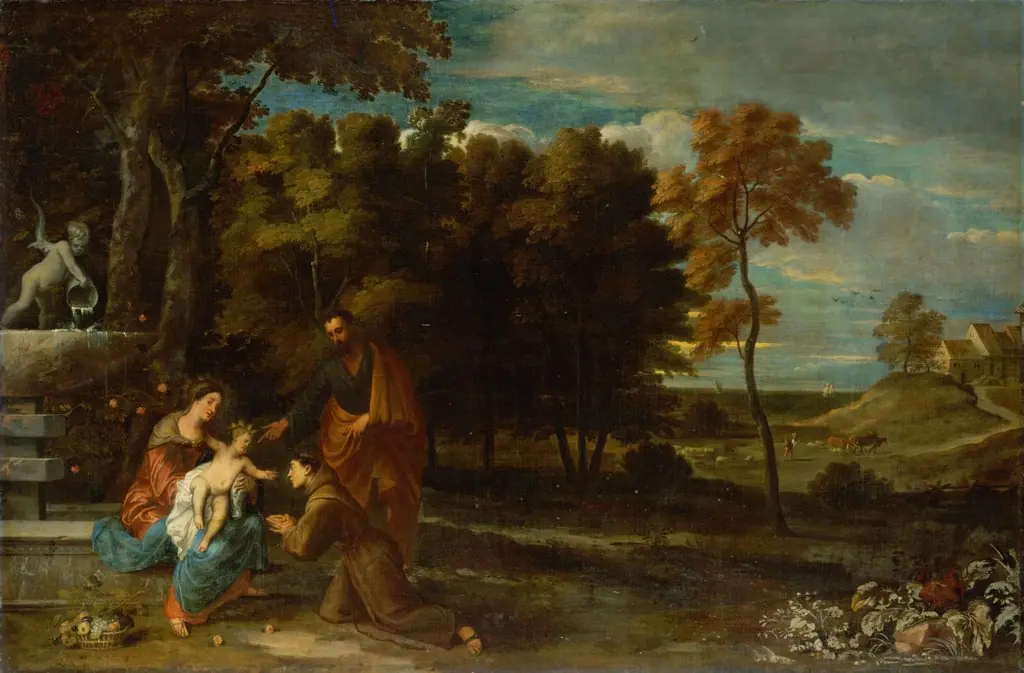 Landscape with the Holy Family and St. Anthony of Padua
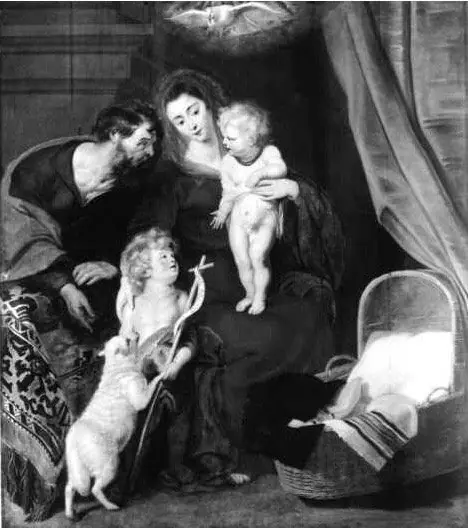 The Holy Family with John the Baptist as child
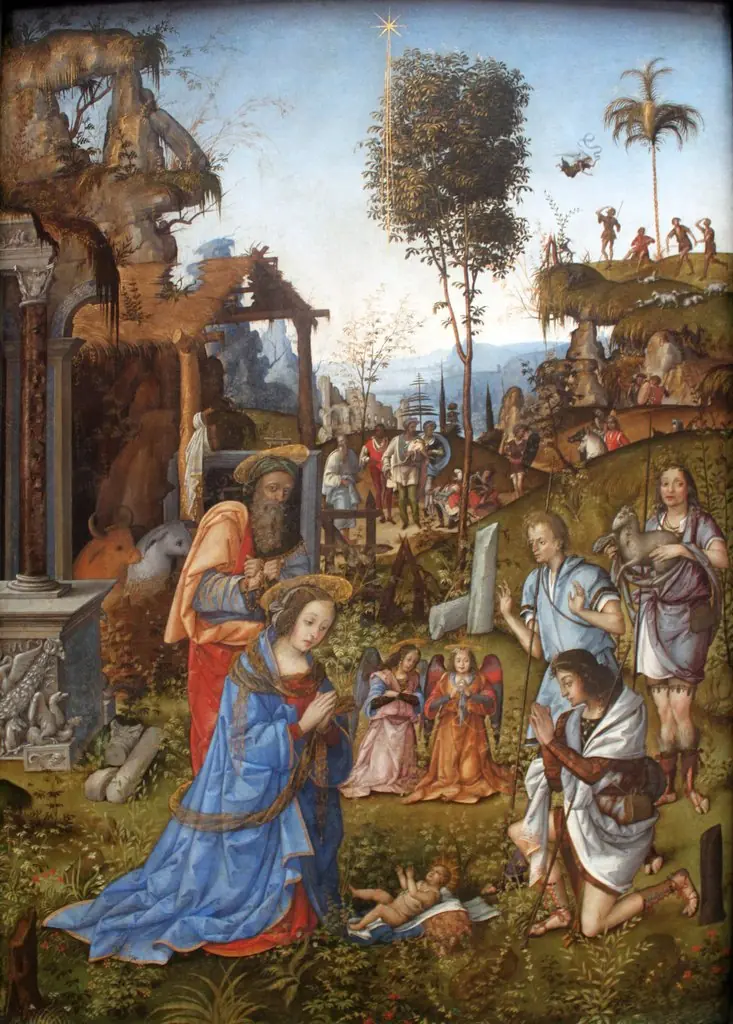 The Adoration of the Shepherds
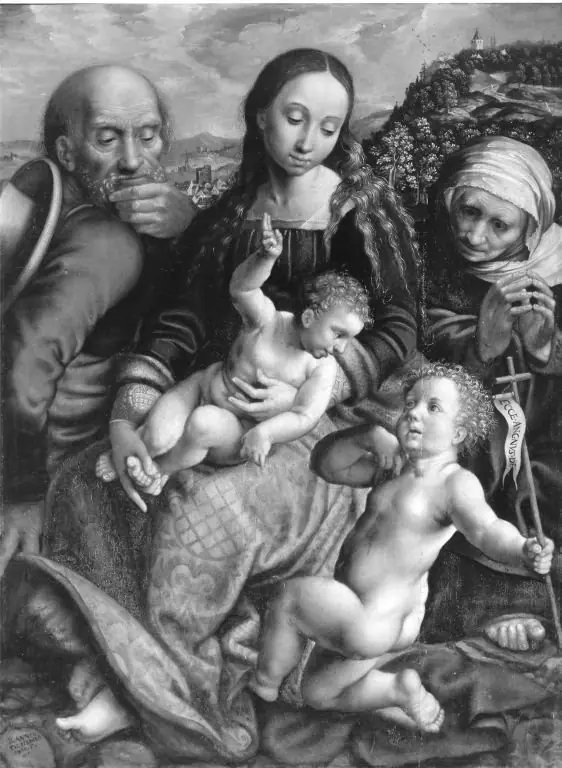 The Holy Family with Saint Elisabeth and the young St. John the Baptist
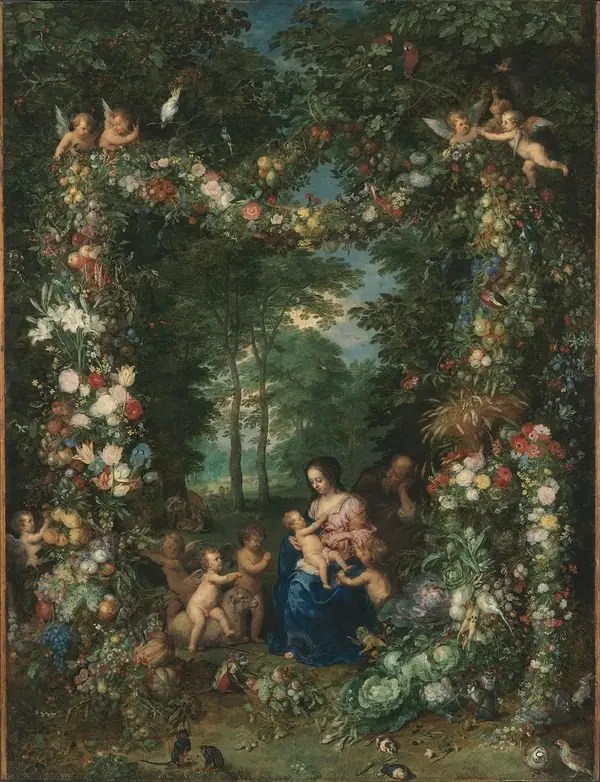 Holy family with a garland of flowers and fruits
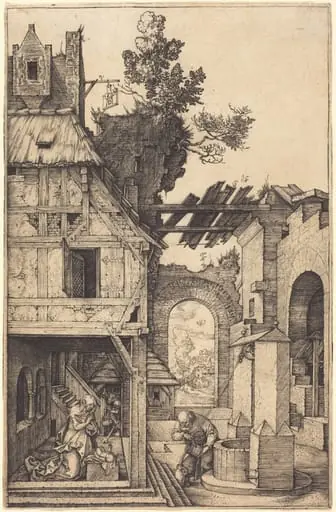 The Nativity
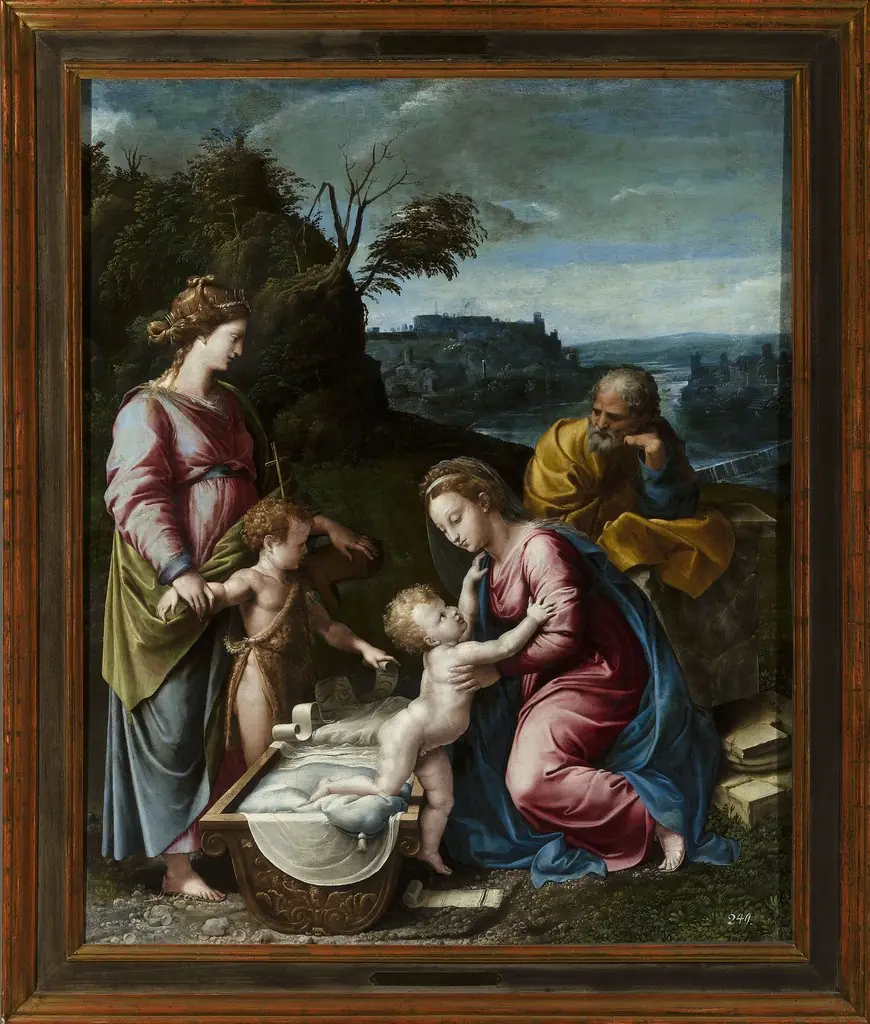 Holy Family with St. John the Baptist and St. Catherine of Alexandria
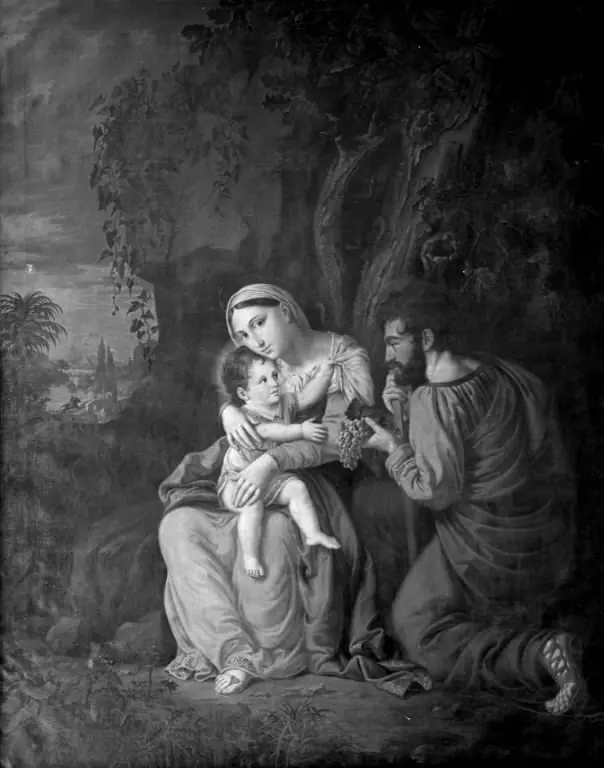 Den hellige familie
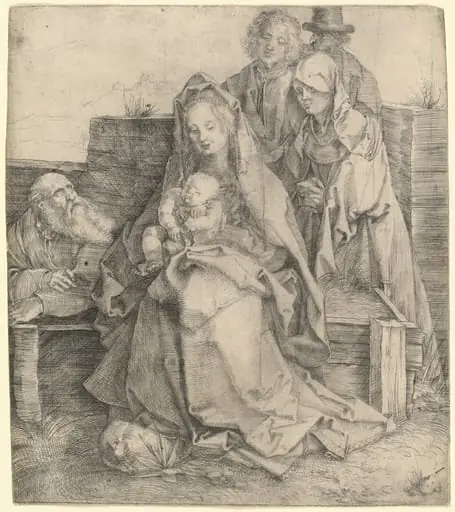 The Holy Family
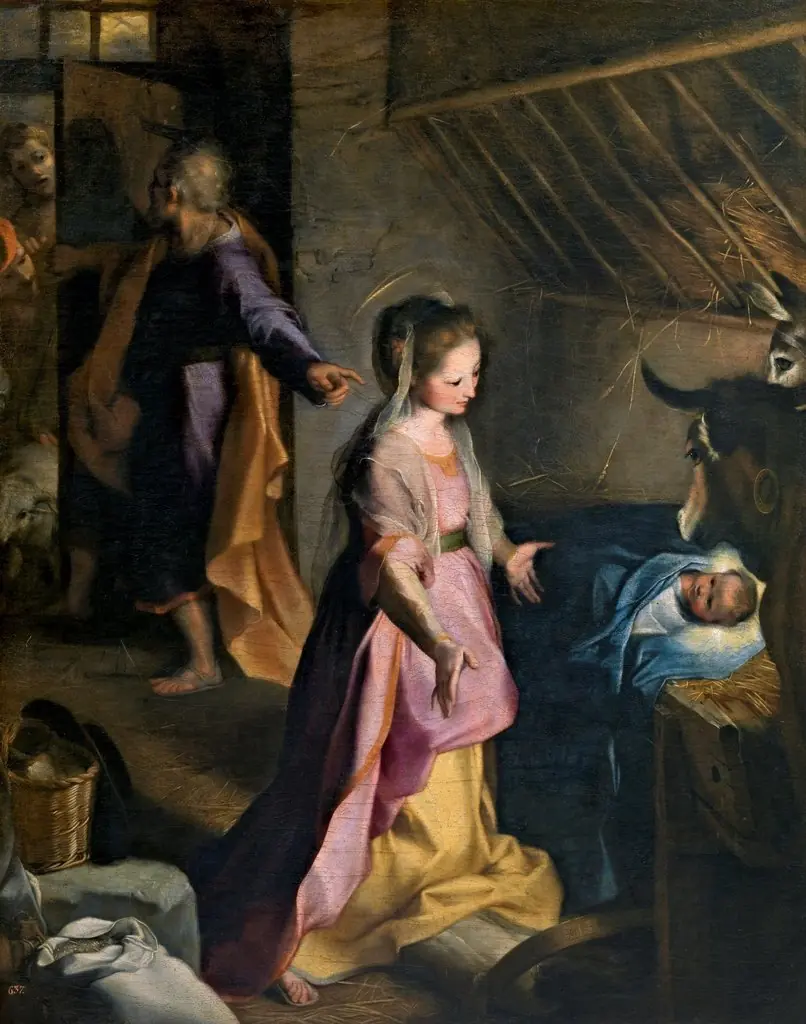 Nativity
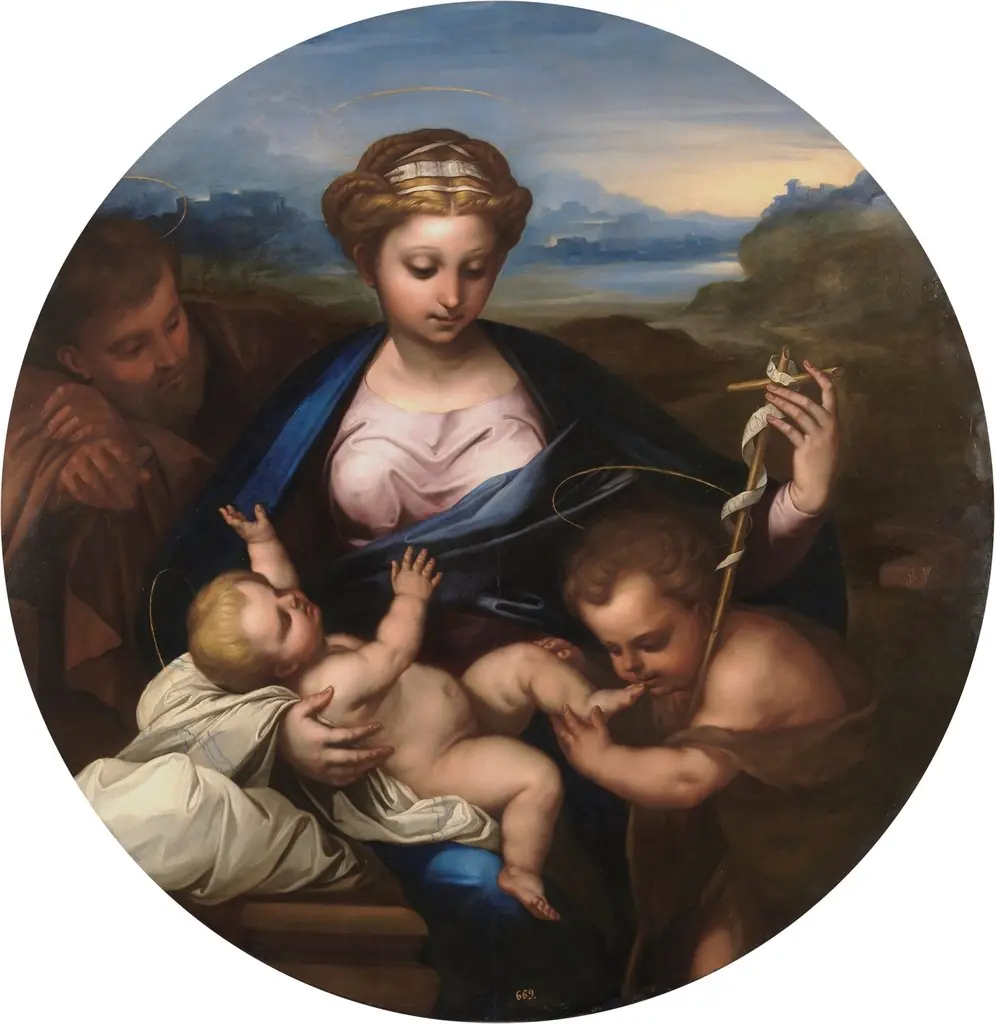 The Holy Family with Saint John
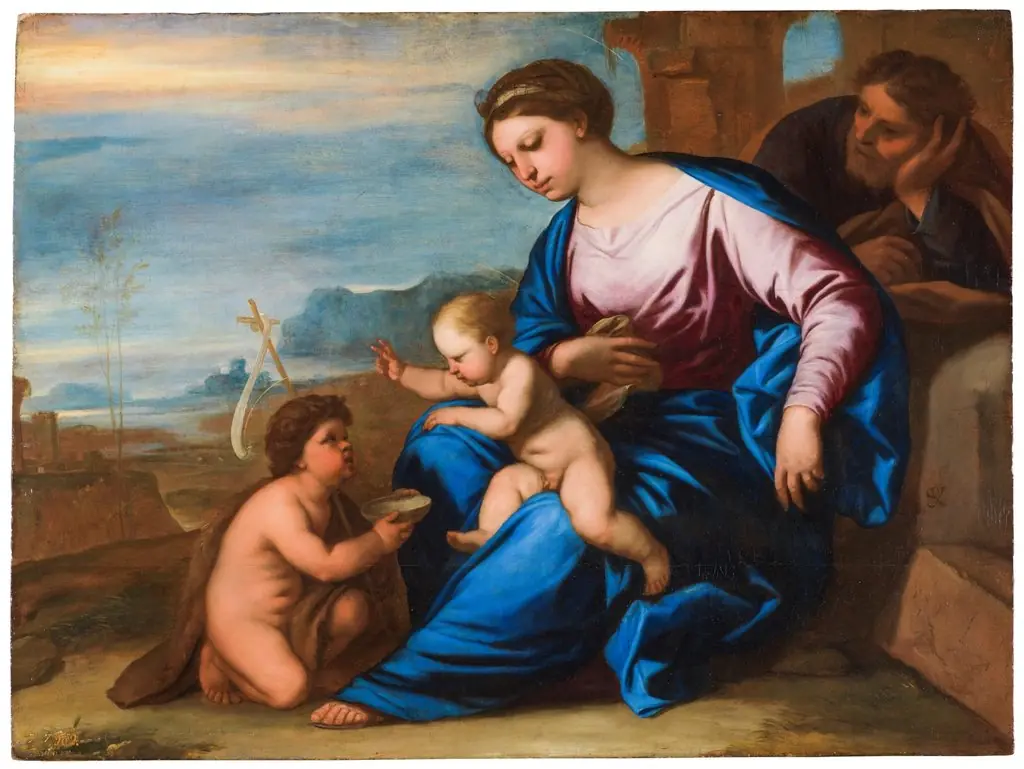 Sagrada Familia con San Juanito
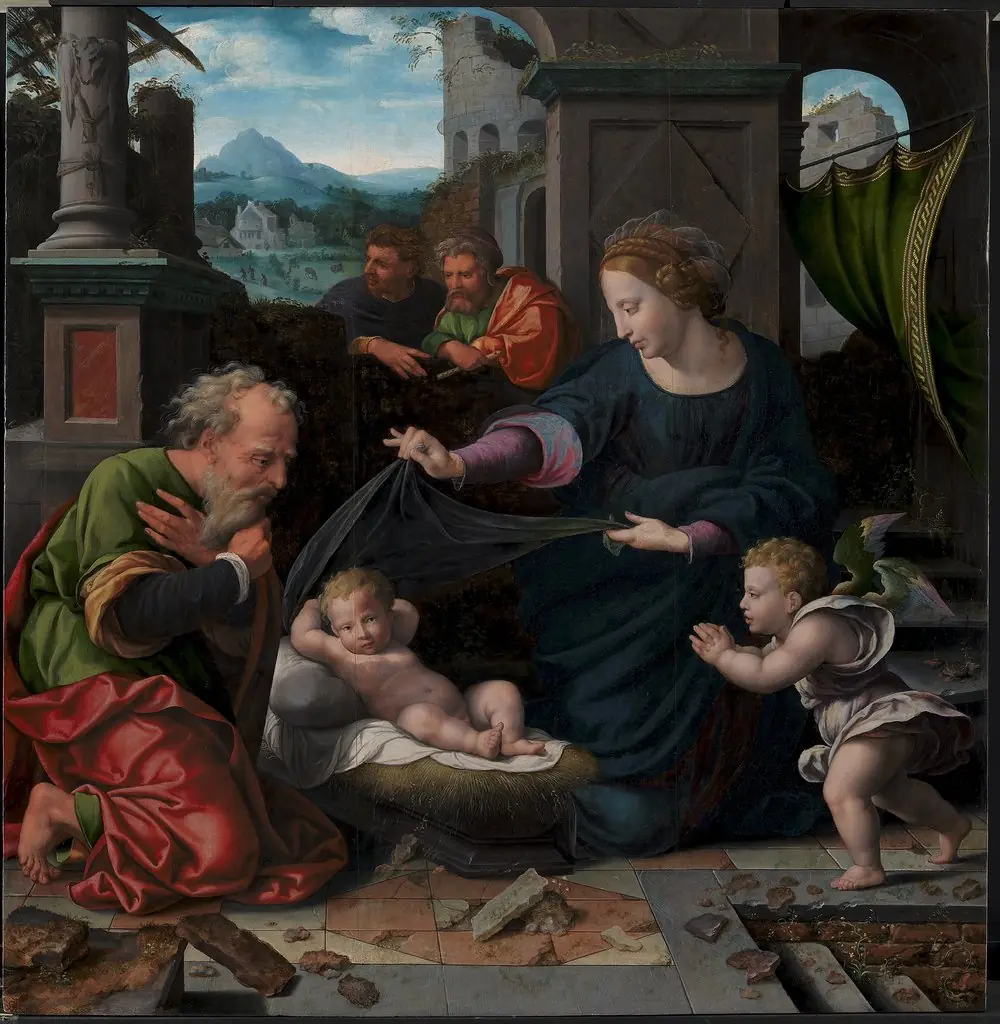 The Holy Family
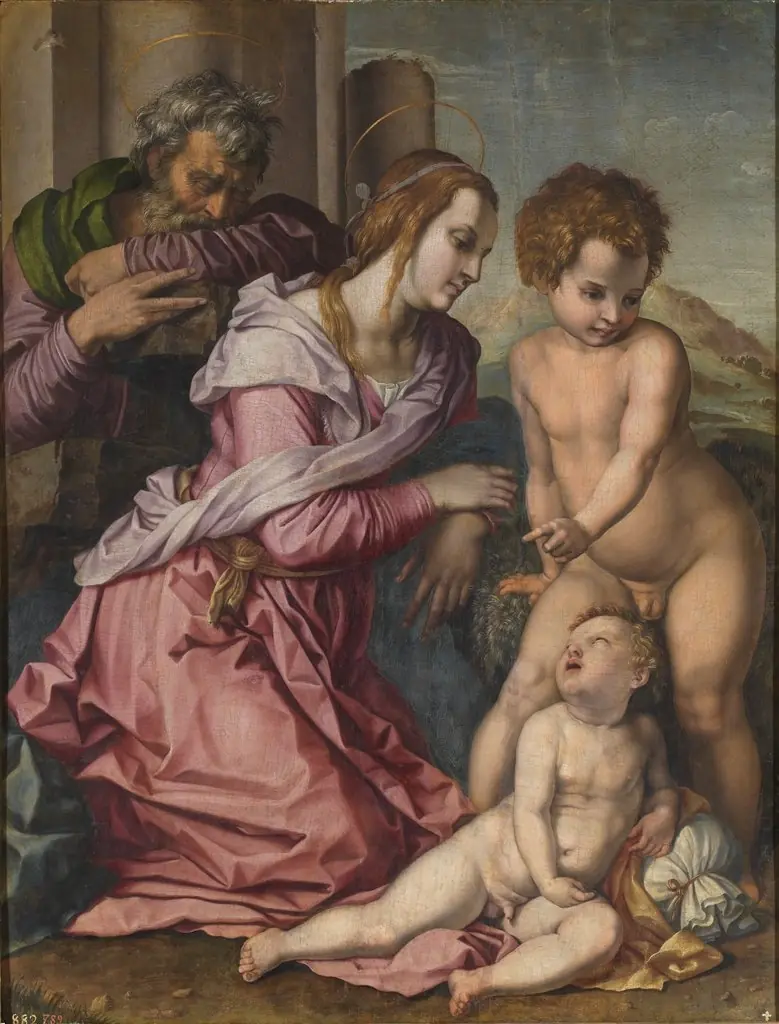 The Holy Family with the Infant Saint John the Baptist
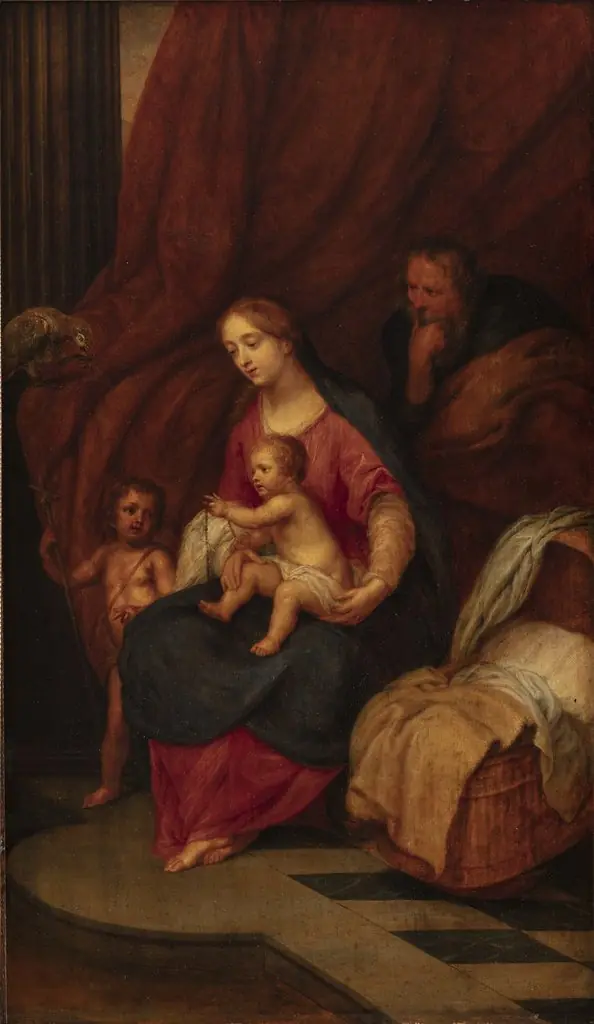 The Holy Family
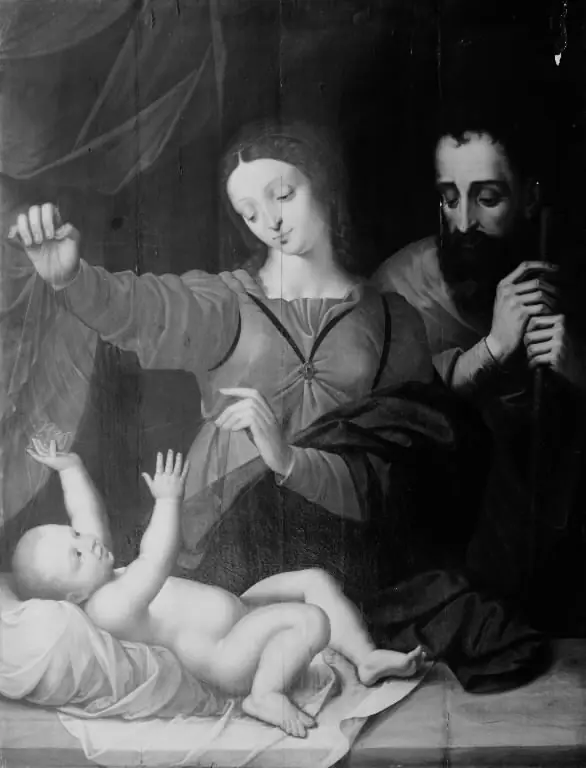 The Holy Family
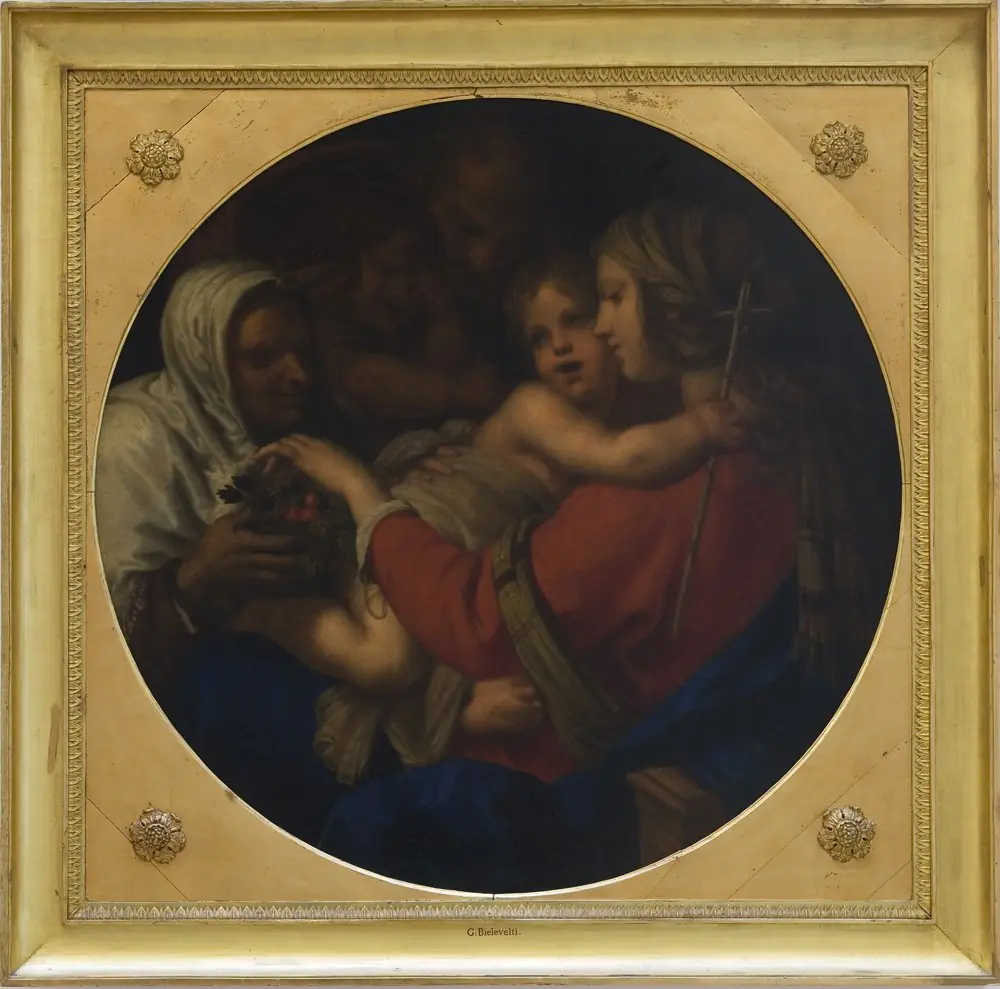 The Holy Family
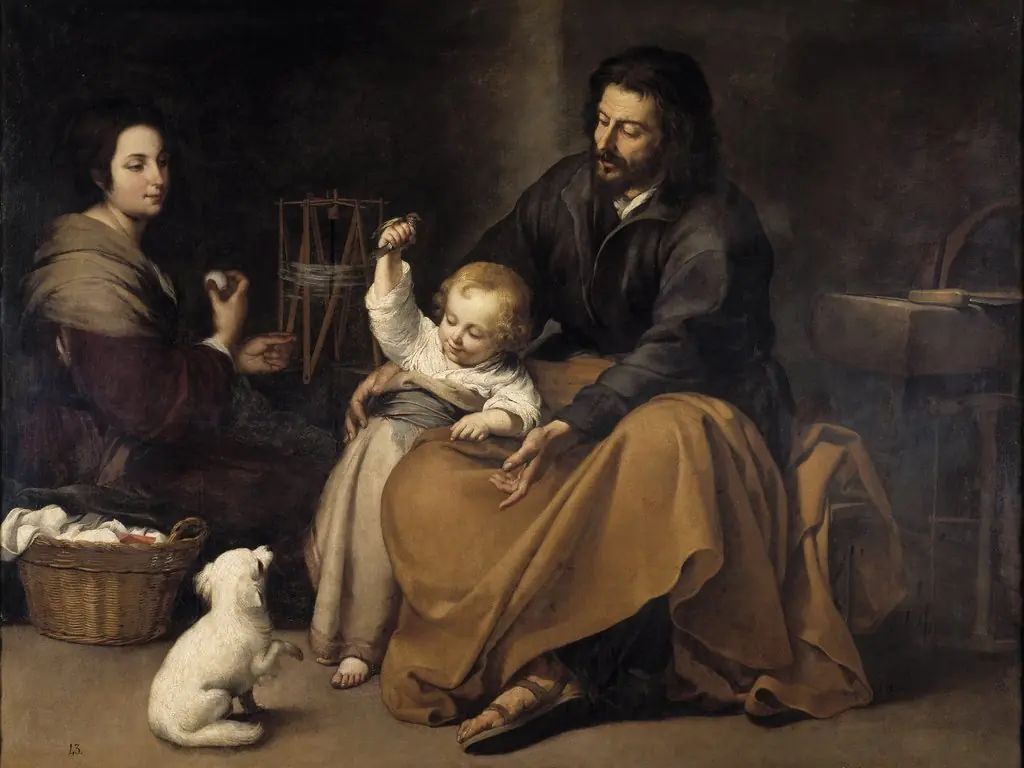 The Holy Family with a Bird
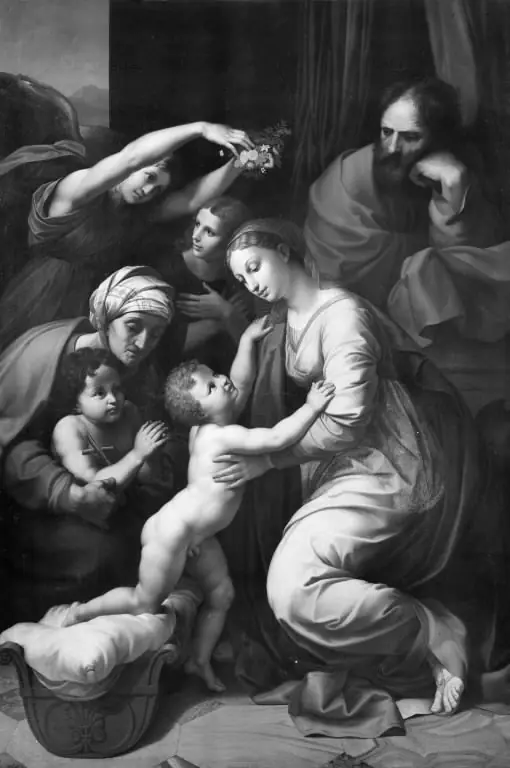 The Holy Family
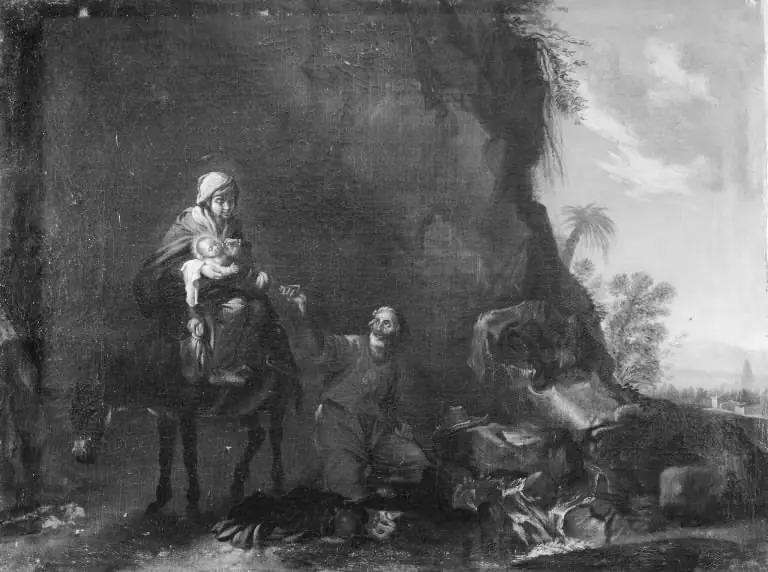 The Flight into Egypt
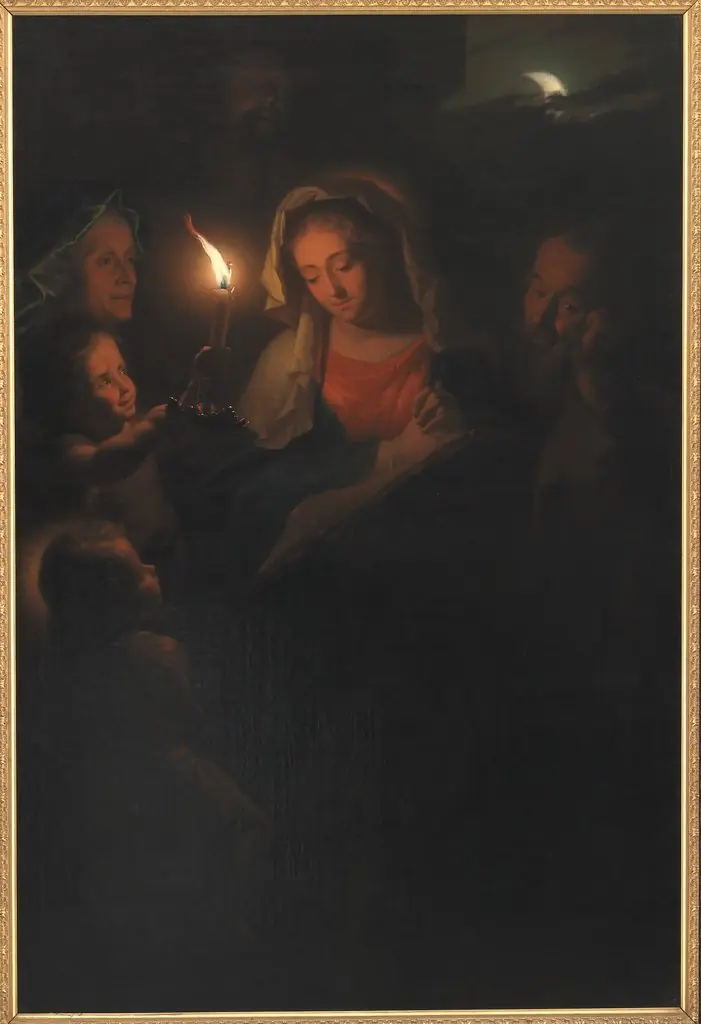 The Holy Family
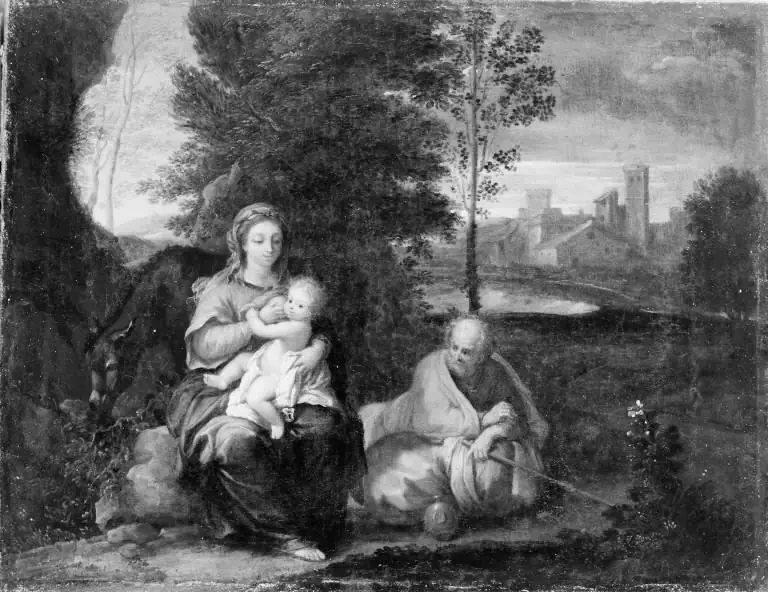 The Rest on the Fligth into Egypt
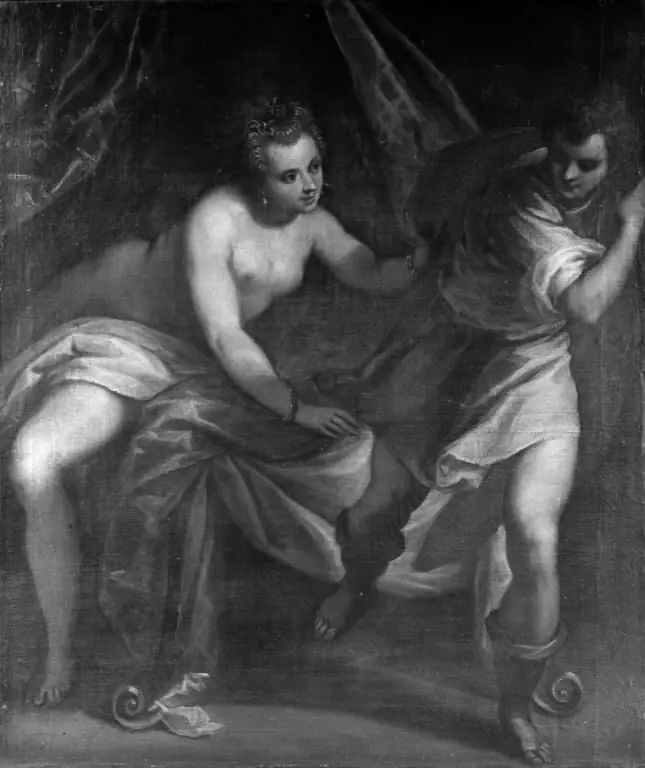 Joseph and Potiphar's Wife
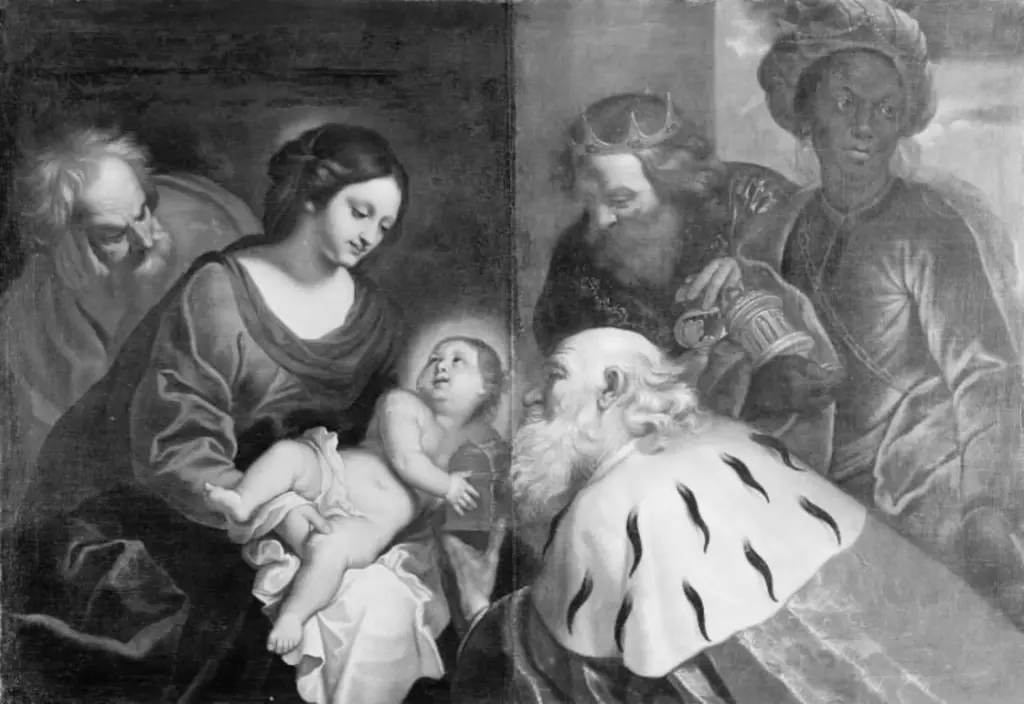 Kongernes tilbedelse
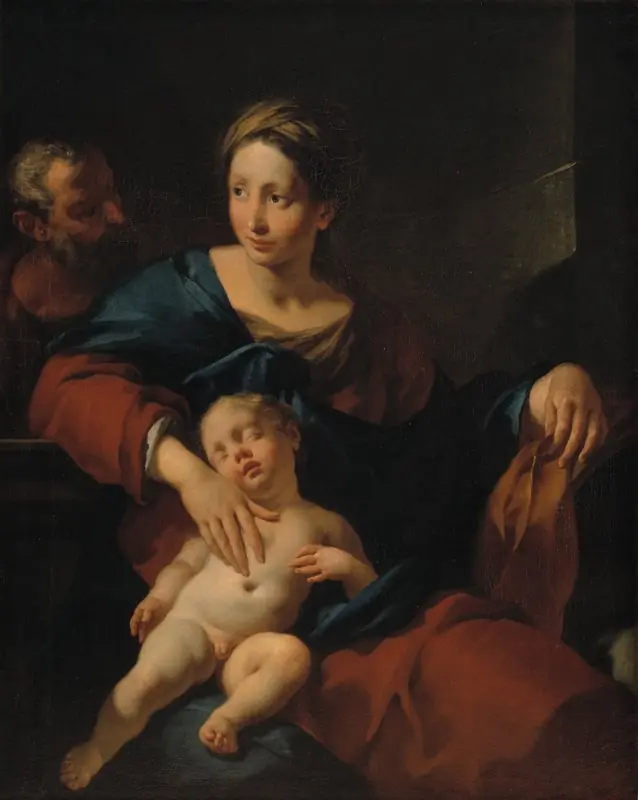 The Holy Family
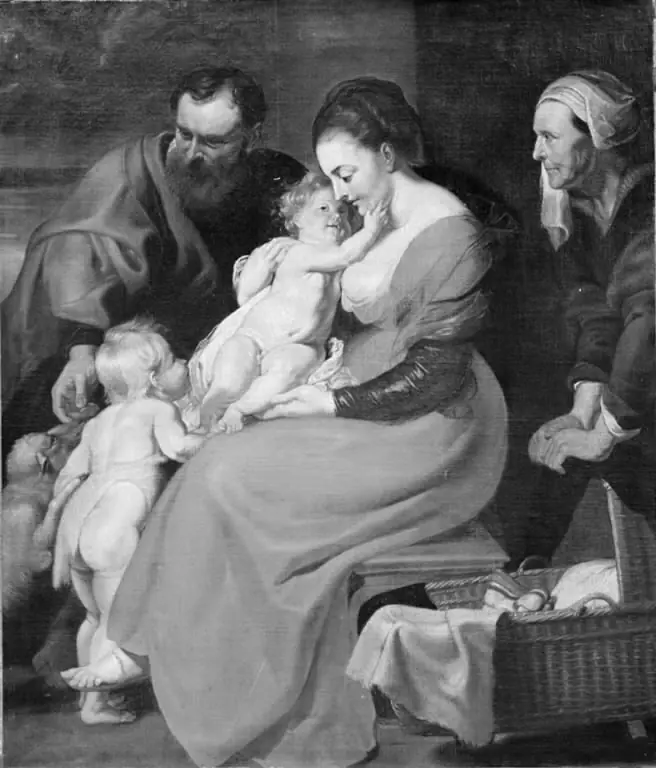 The holy family
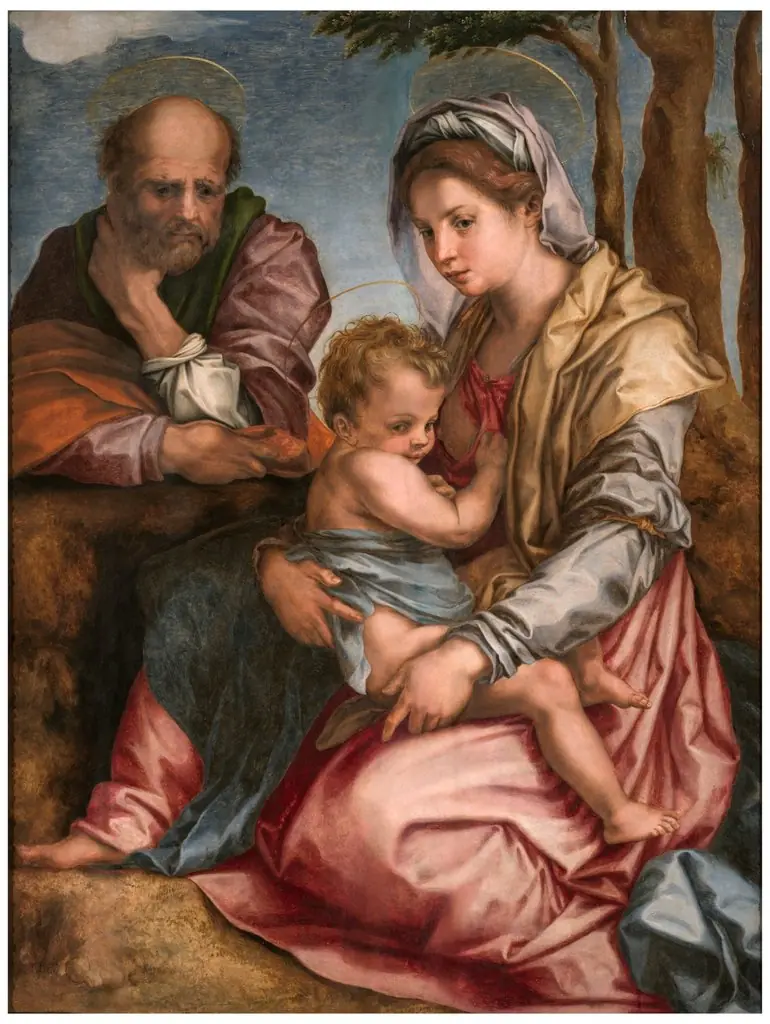 The Holy Family
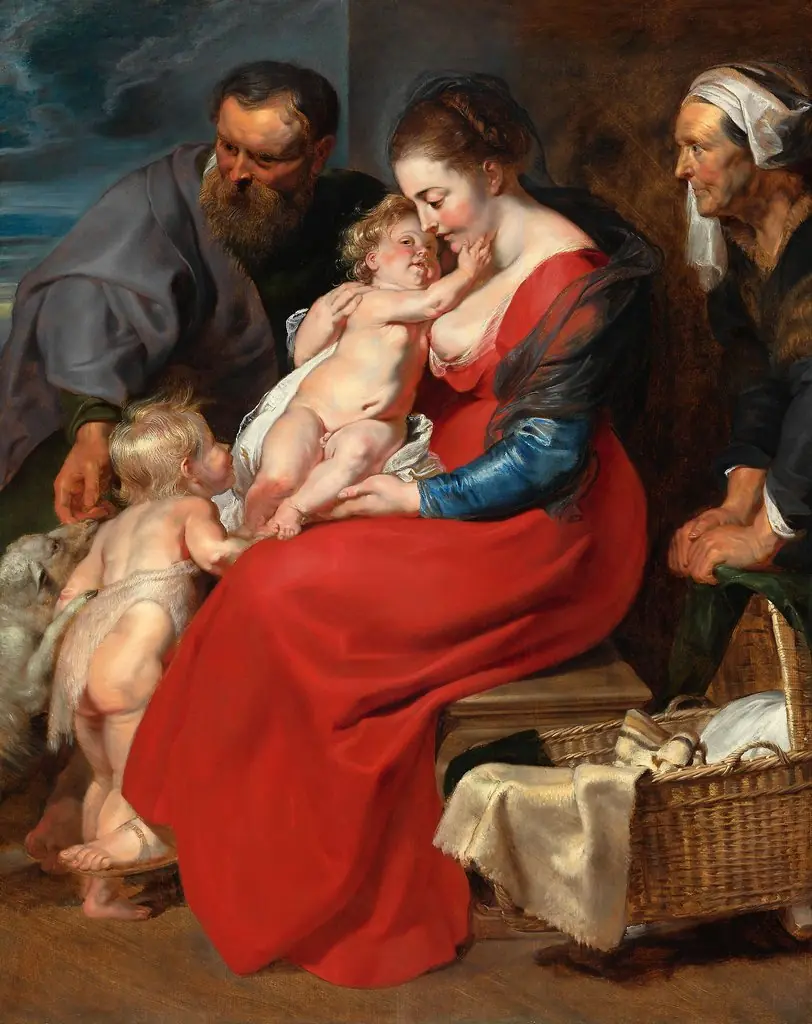 The Holy Family with Saint Elizabeth and Saint John
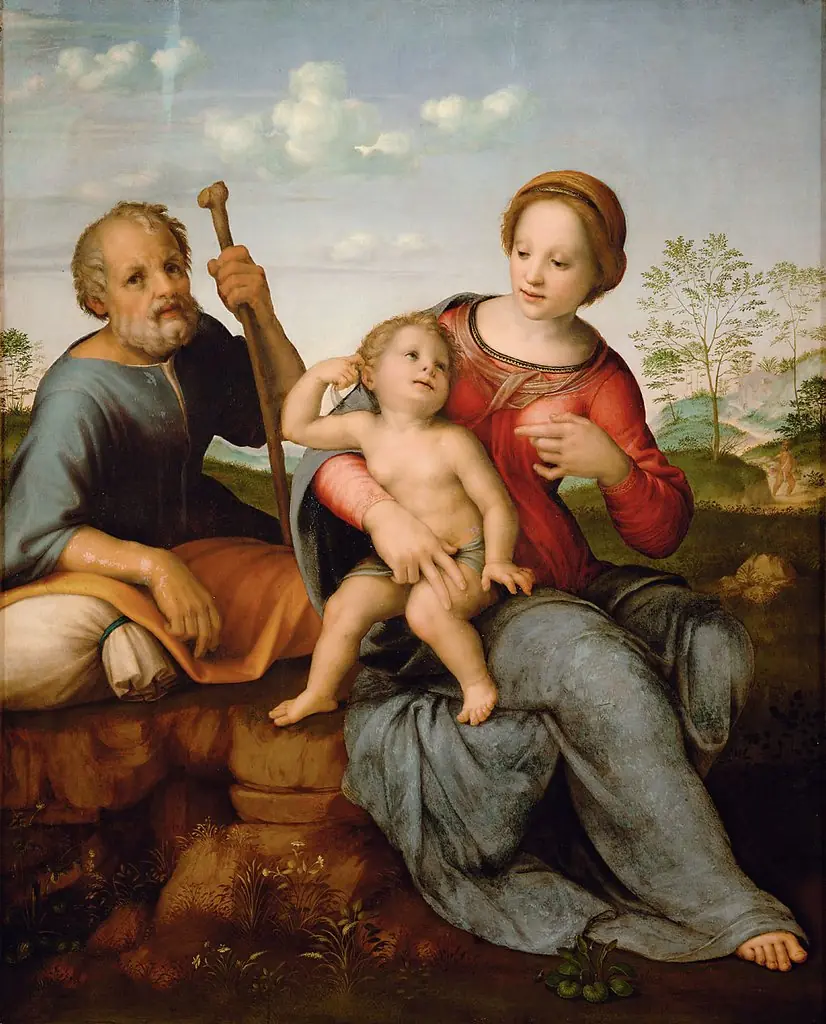 Holy Family in a Landscape
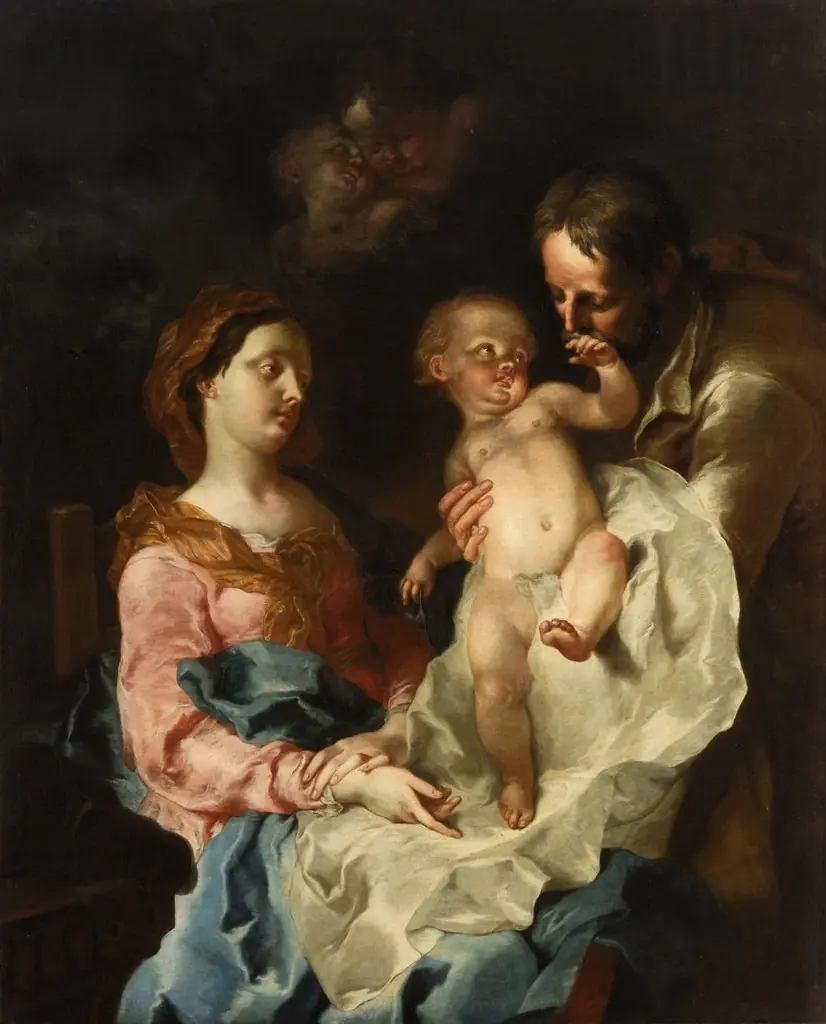 The Holy Family
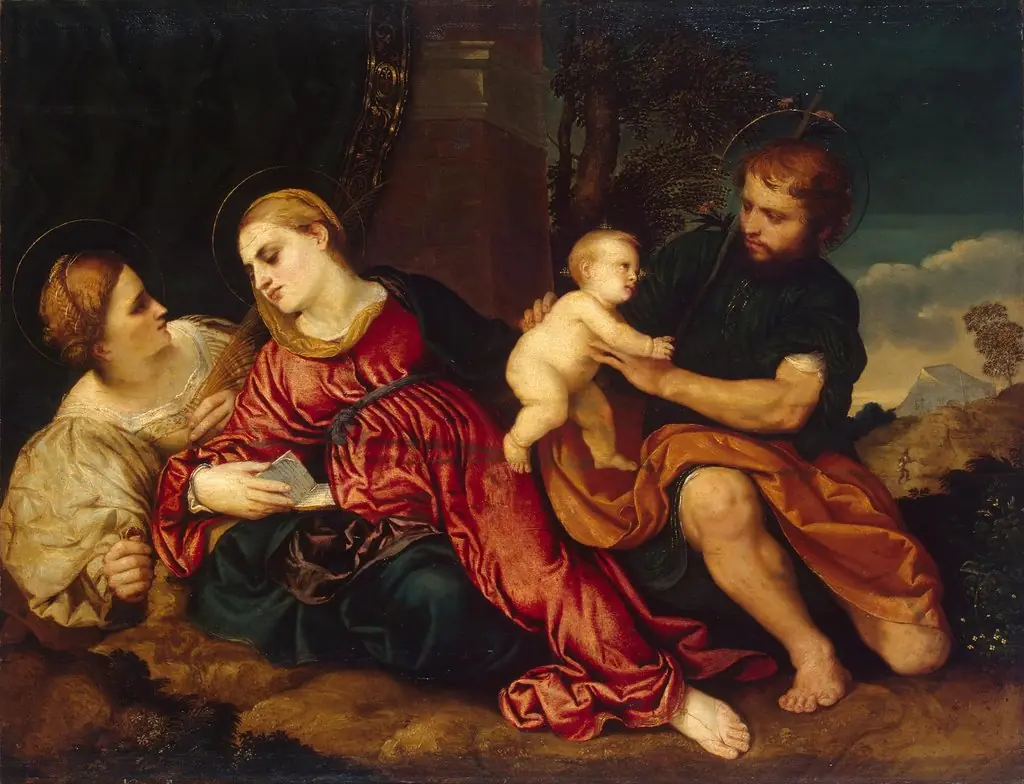 Holy Family with St Catherine
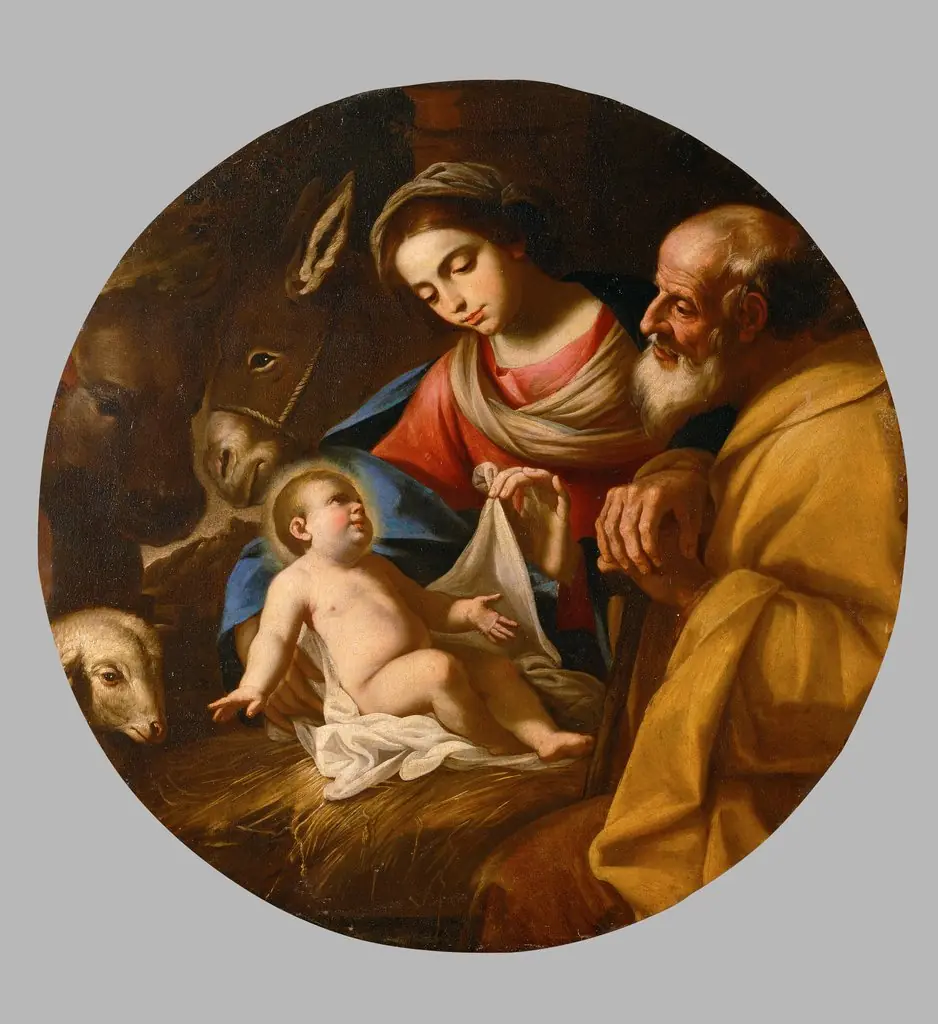 Holy Family
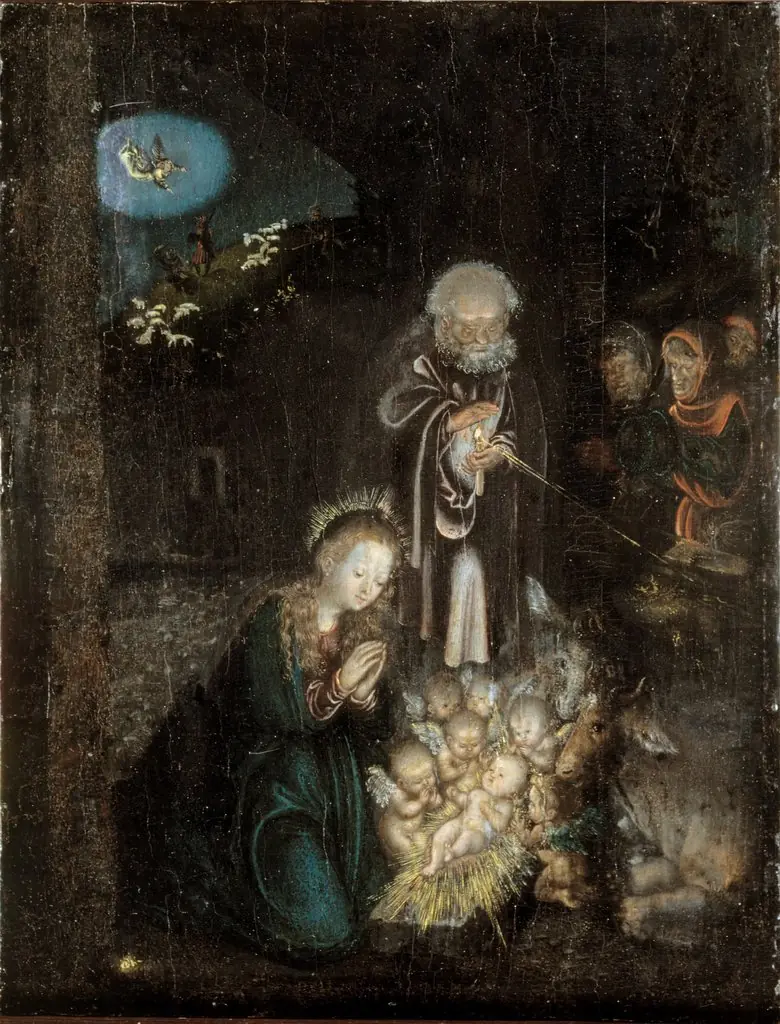 Nativity
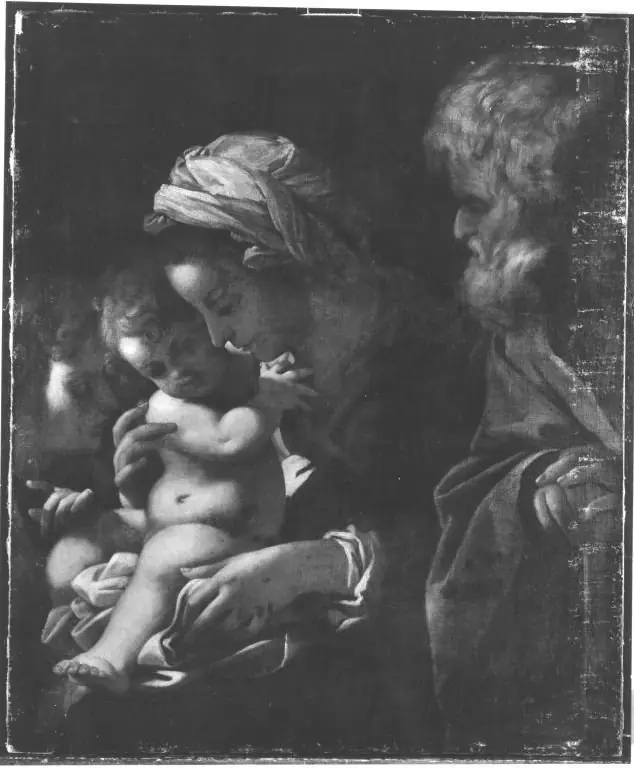 Heilige Familie
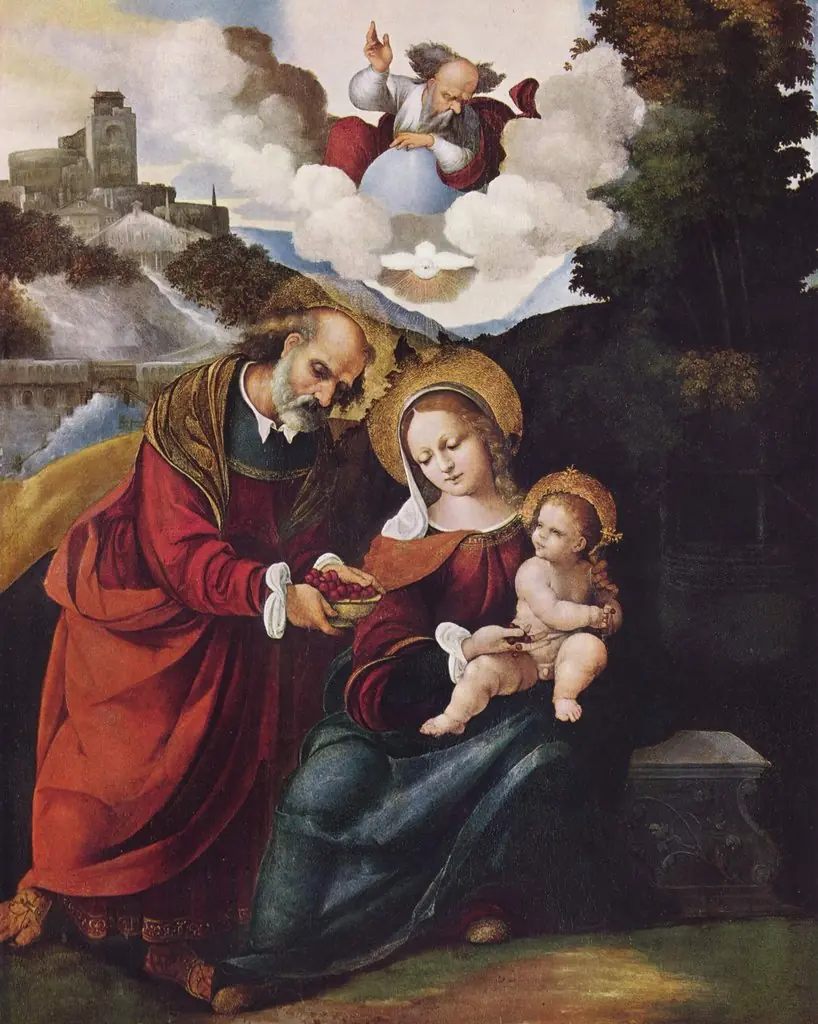 The Holy Family
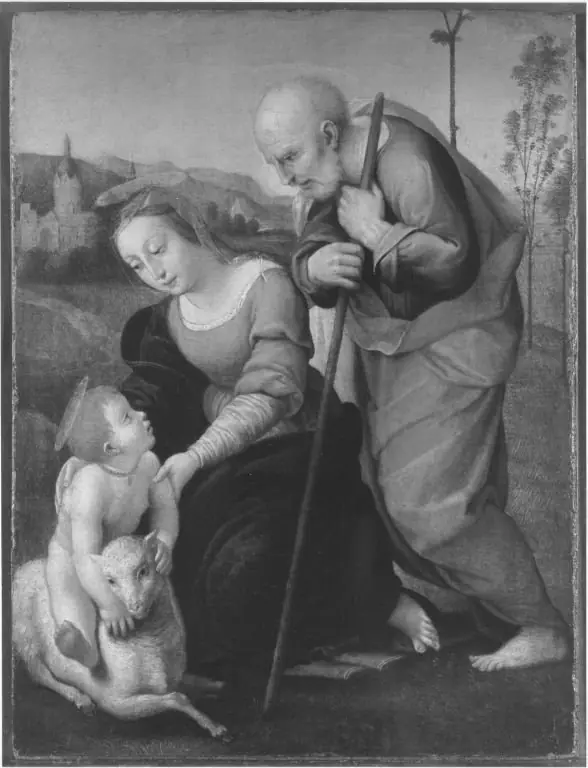 The Holy Family with a Lamb
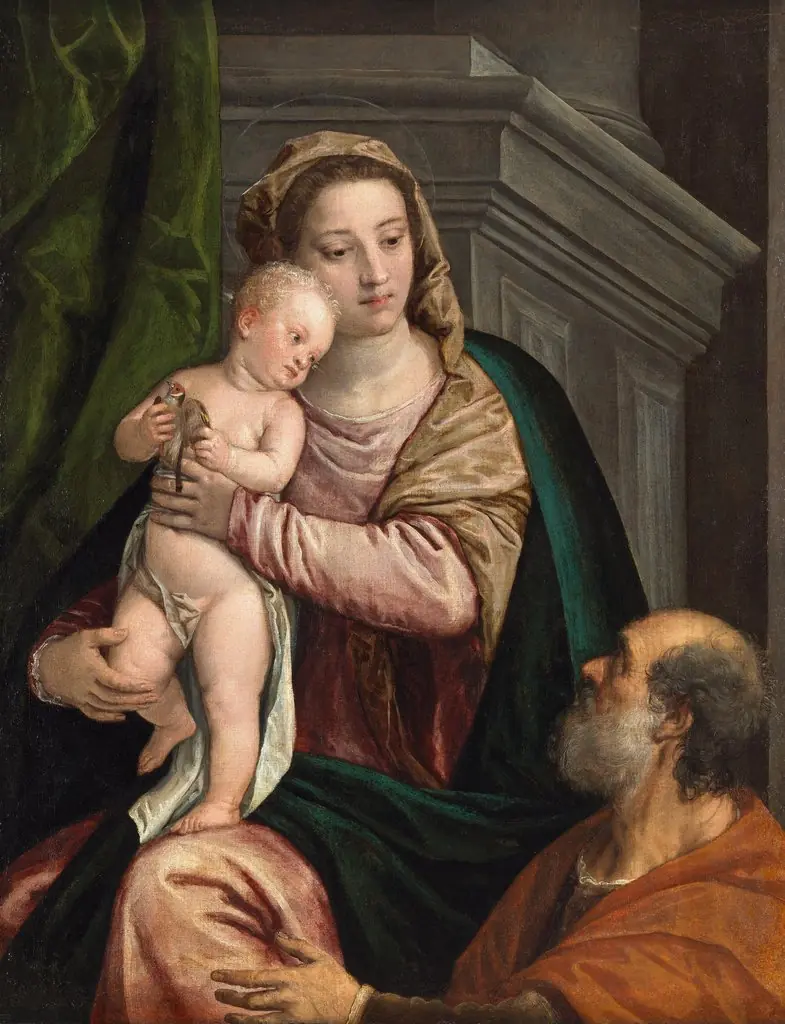 Die Heilige Familie
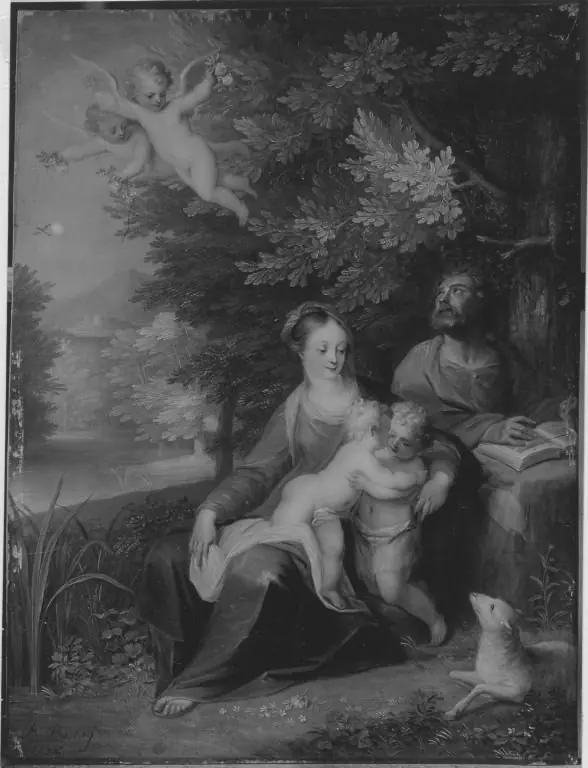 The holy family with Saint John in a landscape
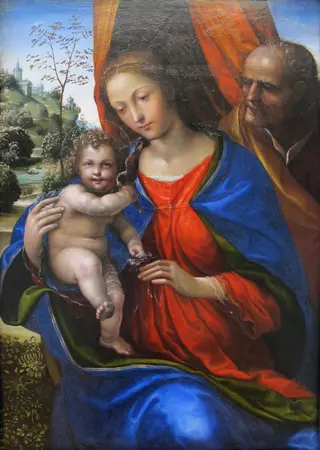 The Holy Family
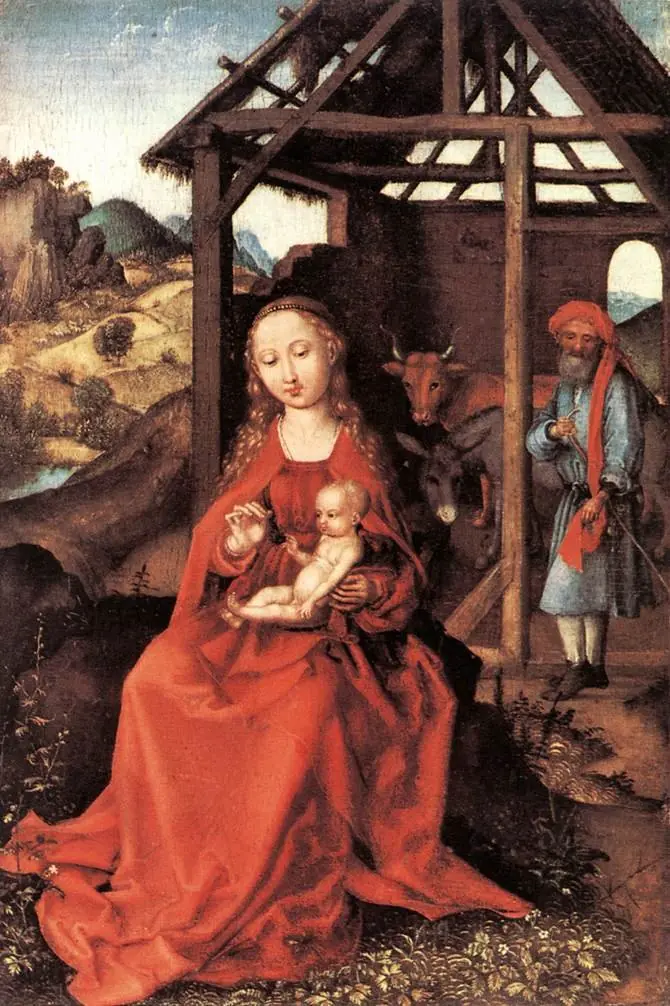 The Holy Family
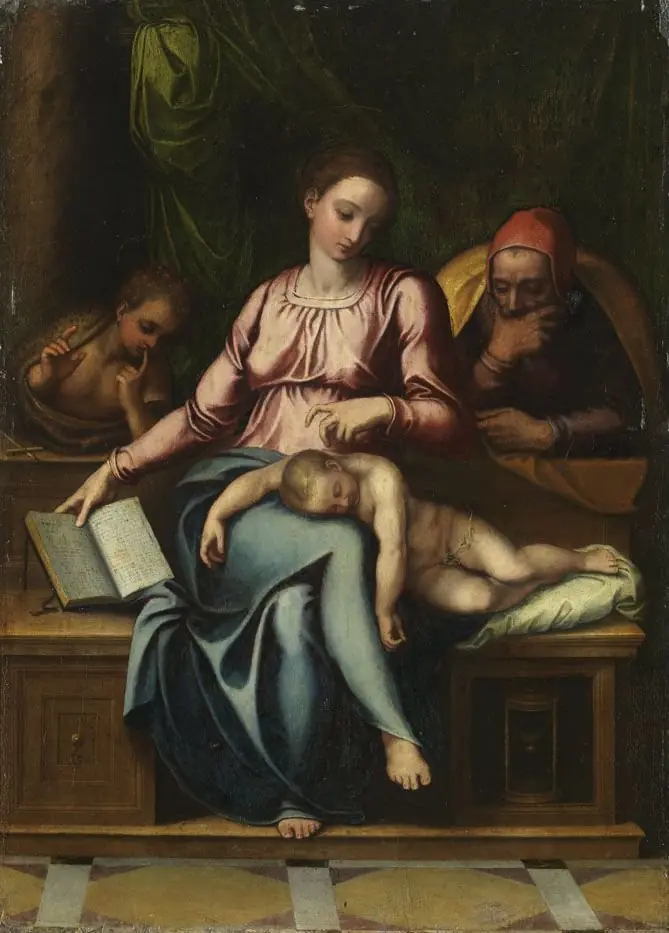 Heilige Familie mit Johannesknaben
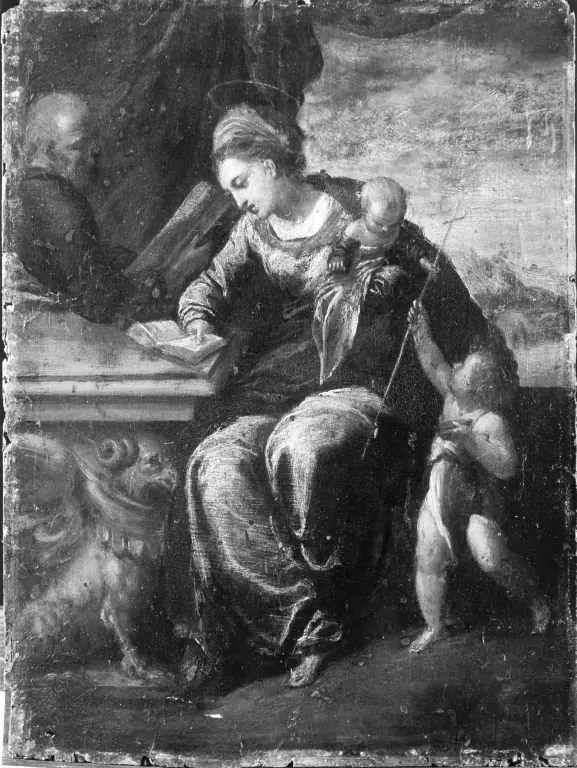 Heilige Familie
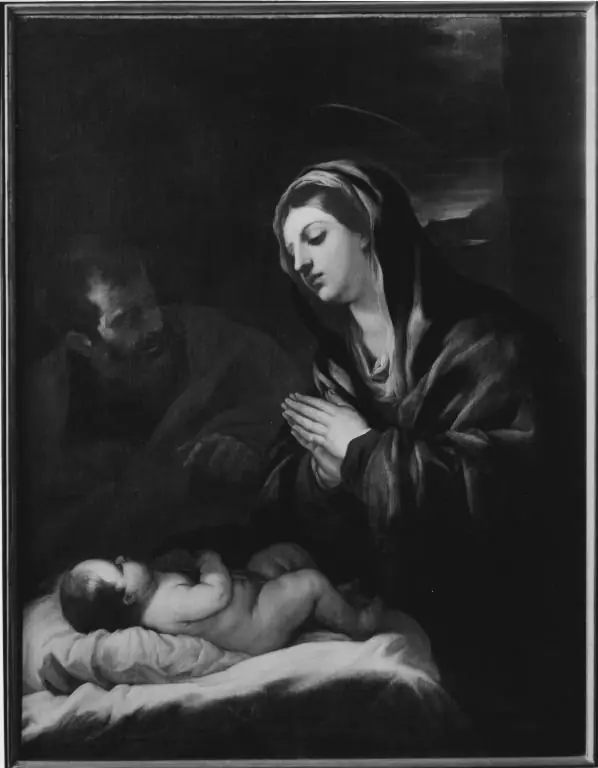 Die Heilige Familie
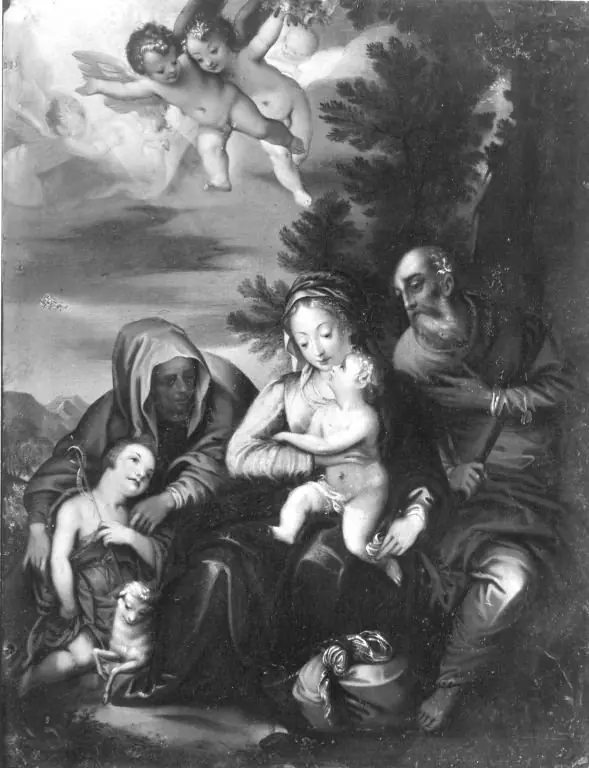 Heilige Familie
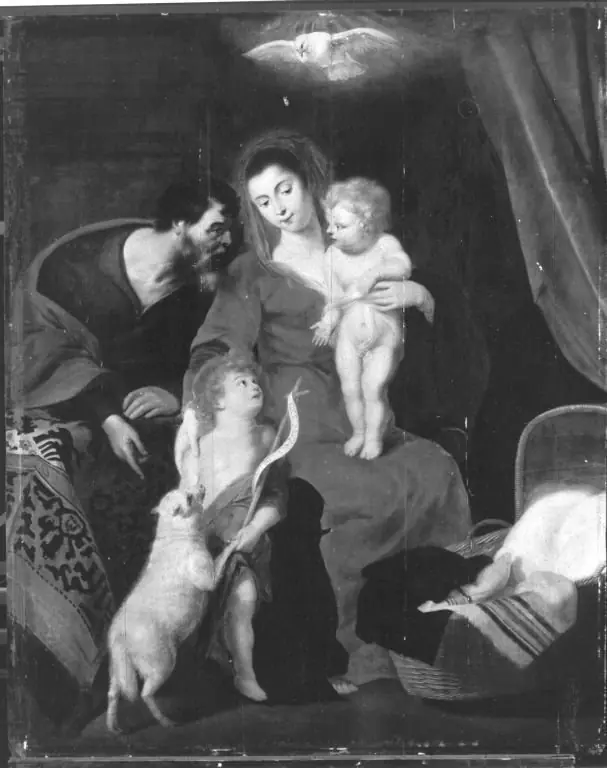 Holy Family with Saint John the Baptist as a Child
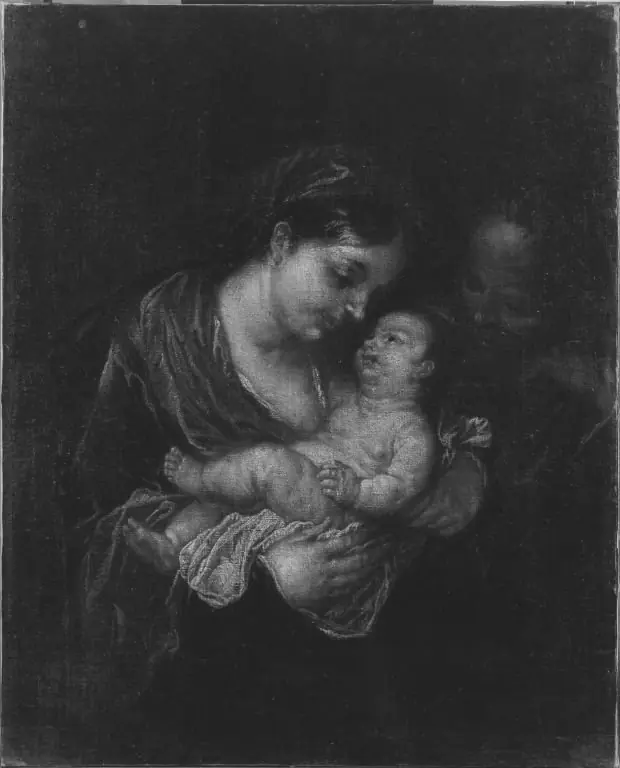 Die Heilige Familie
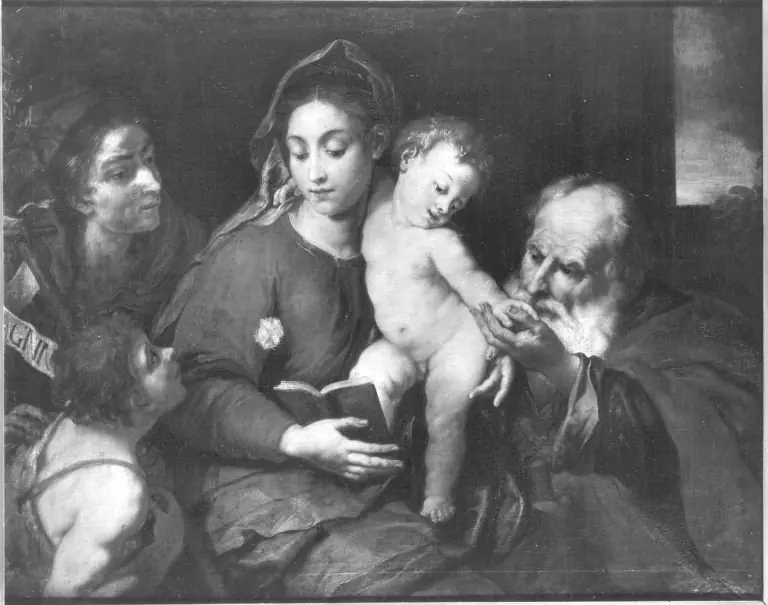 Die Heilige Familie mit dem Johannesknaben
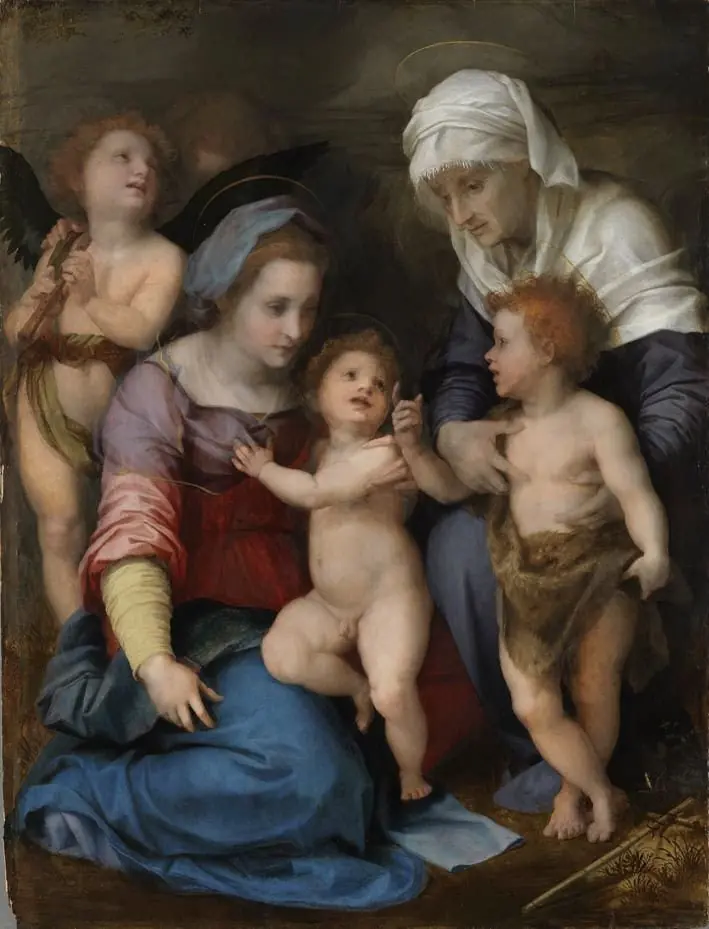 The Holy Family
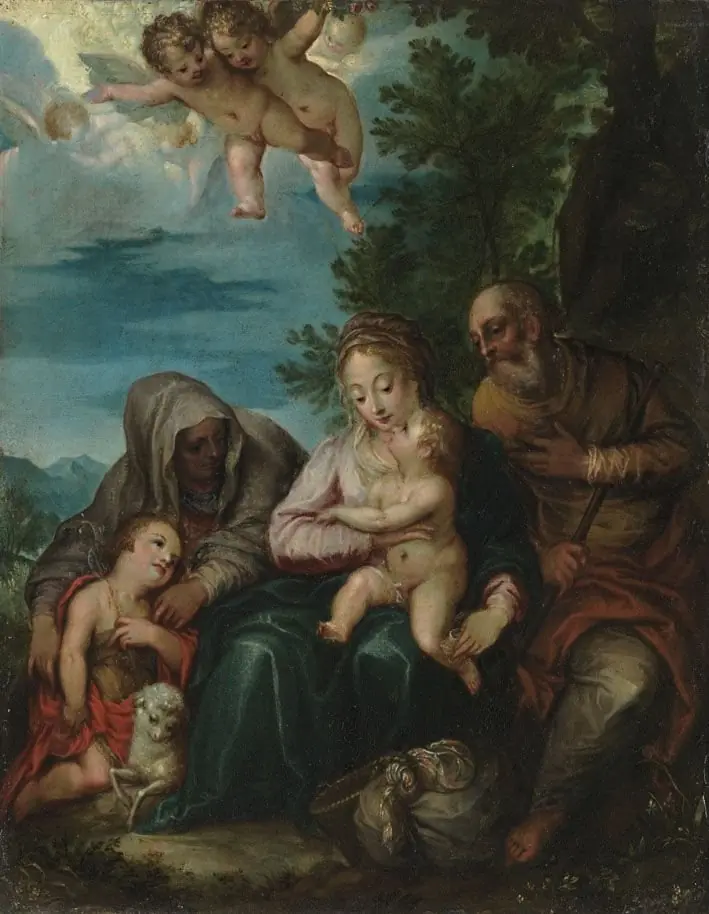 Heilige Familie
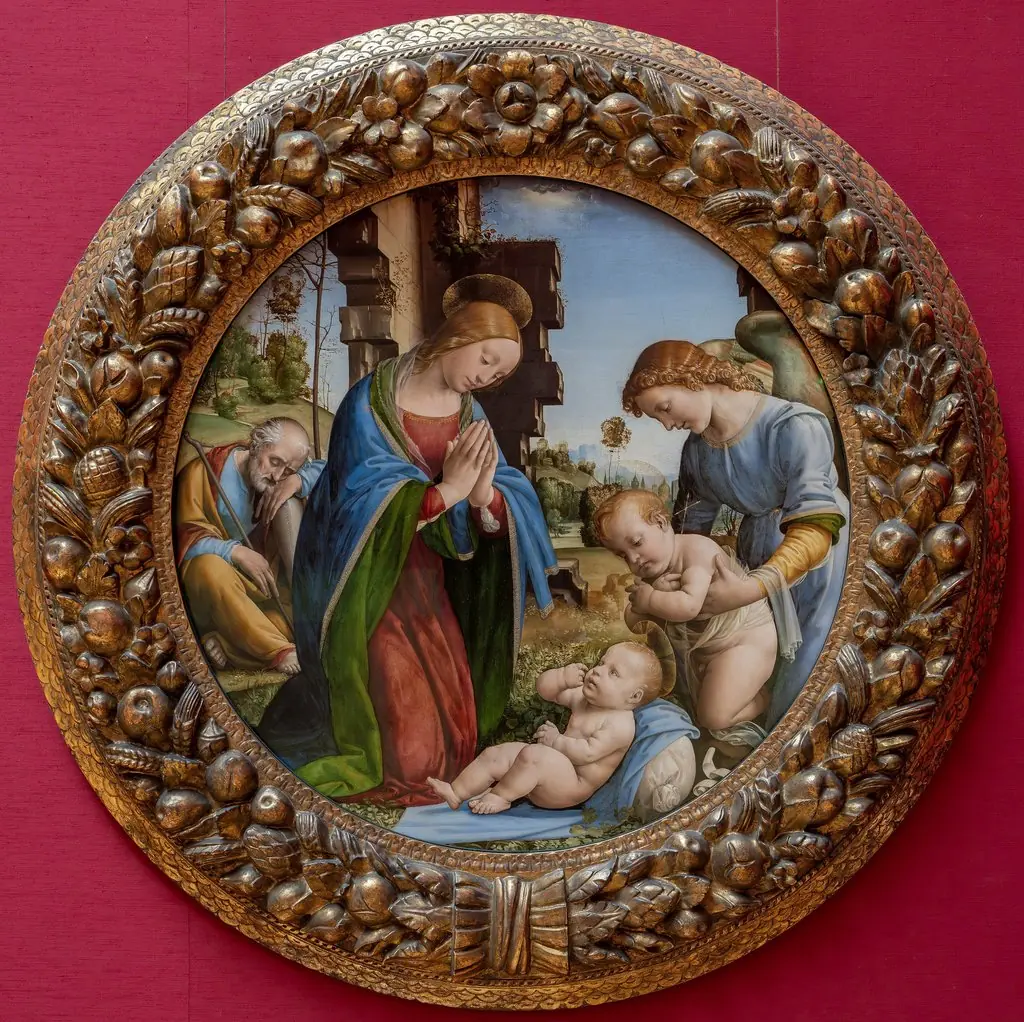 Adoration of the Child - Holy Family with child St. John
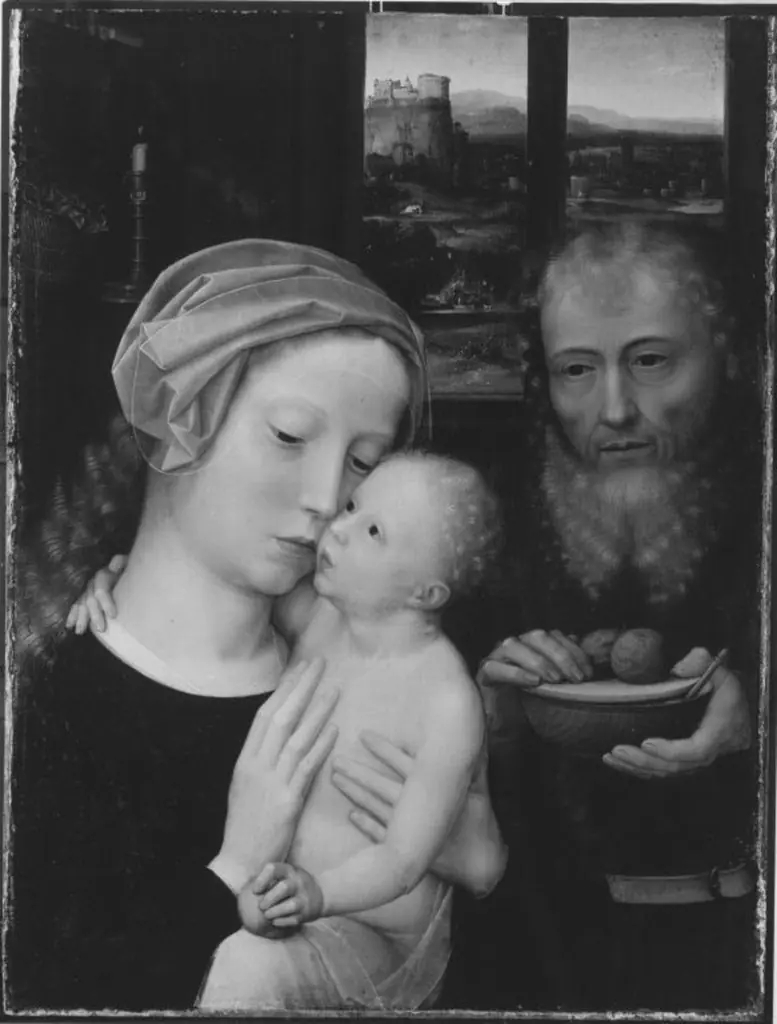 The Holy Family
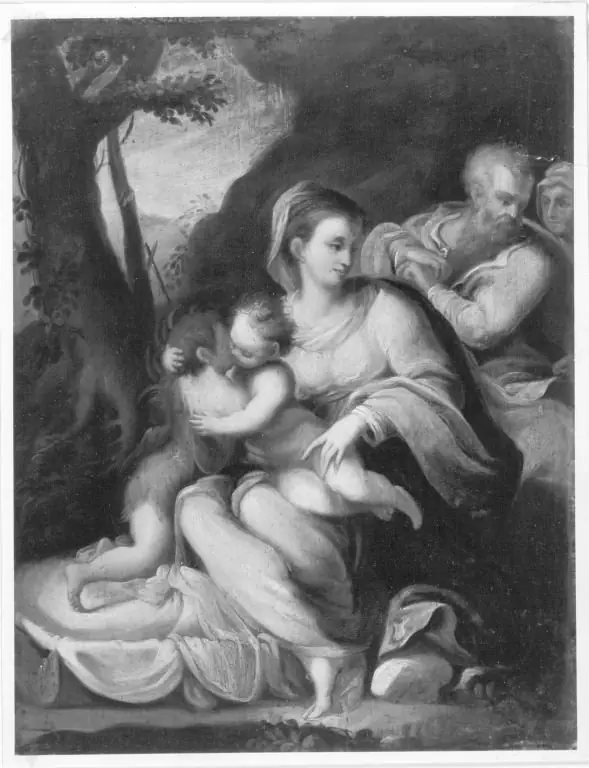 Heilige Familie
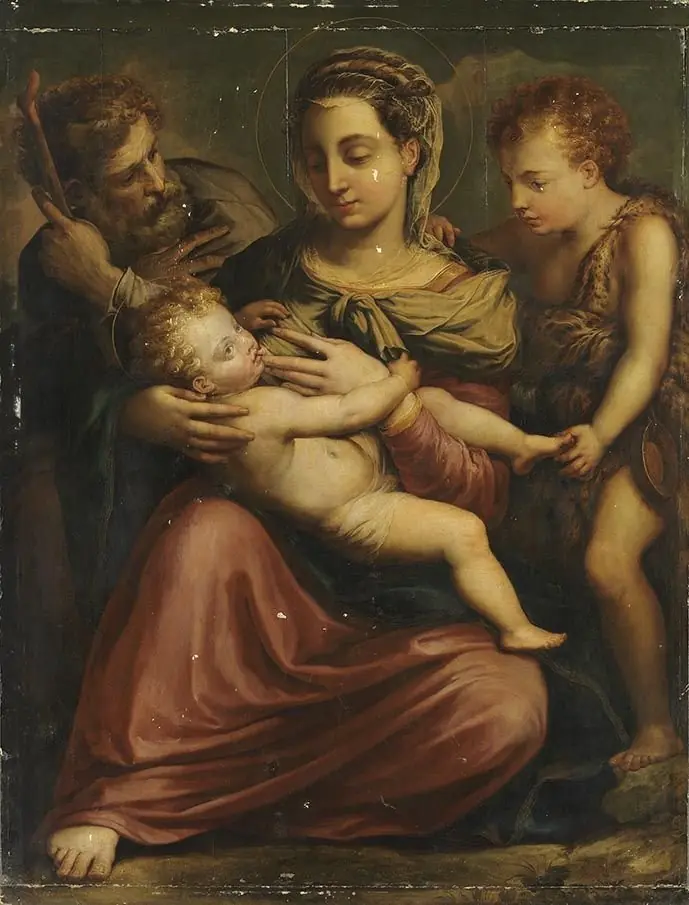 Holy Family with John the Baptist as child
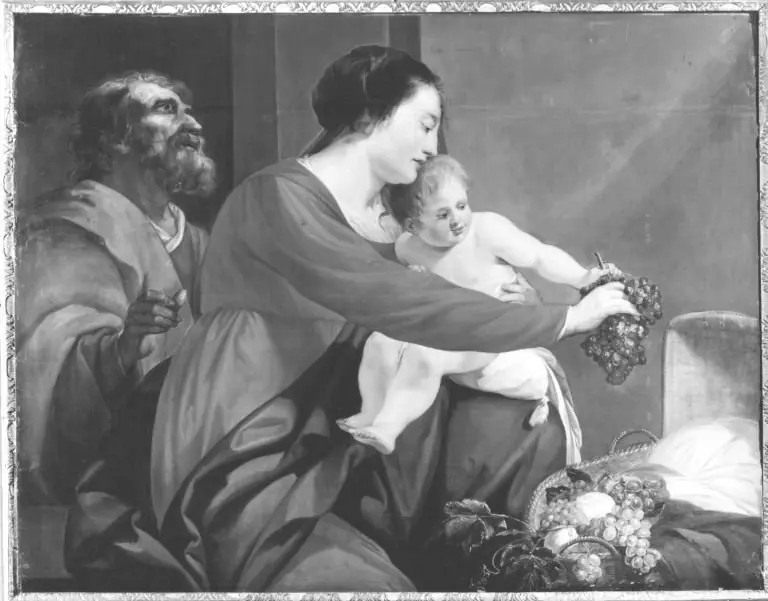 The Holy Family
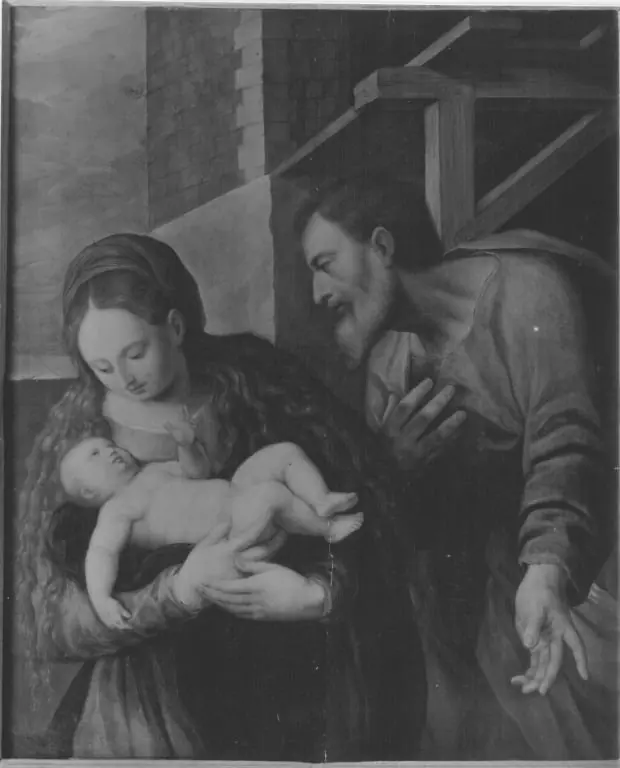 Heilige Familie
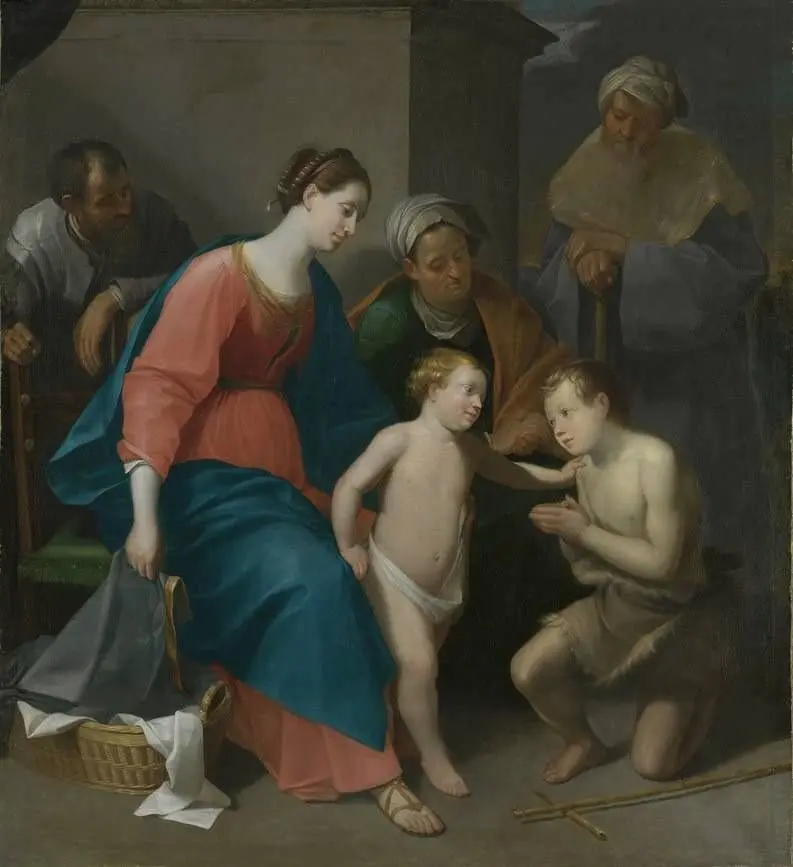 Die Heilige Familie
 Holy family
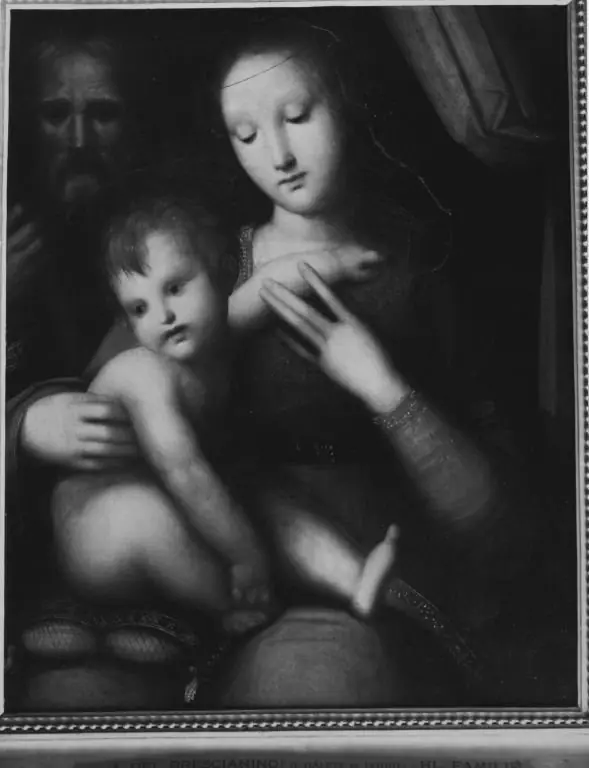 Heilige Familie
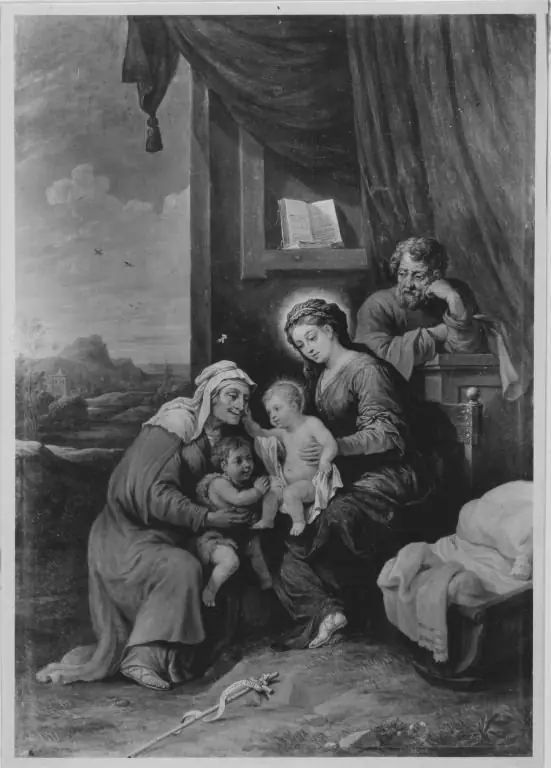 Heilige Familie
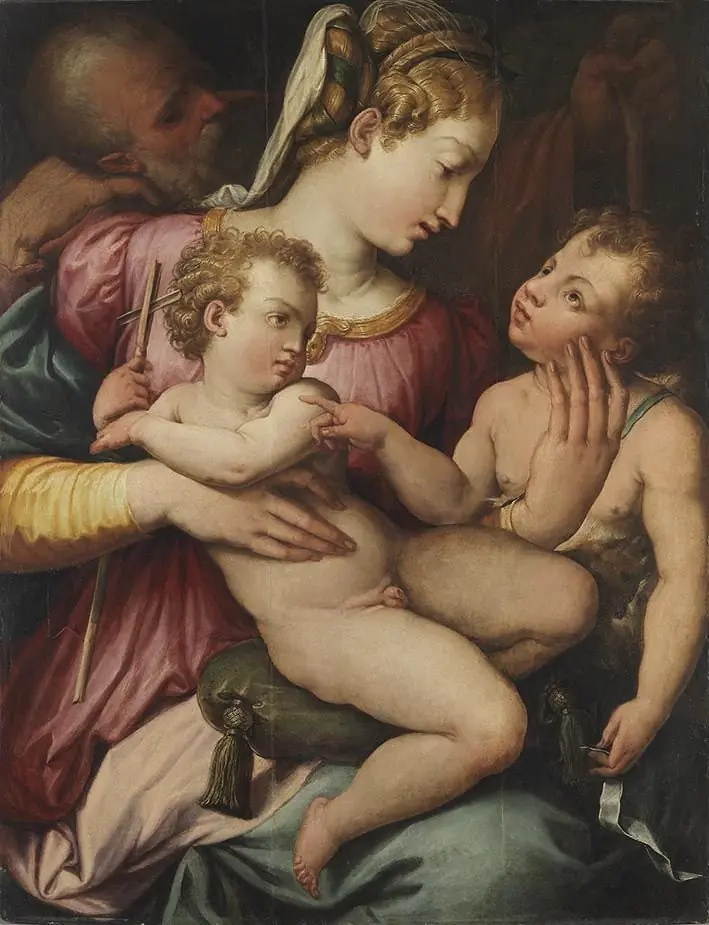 Holy family with little John the Baptist
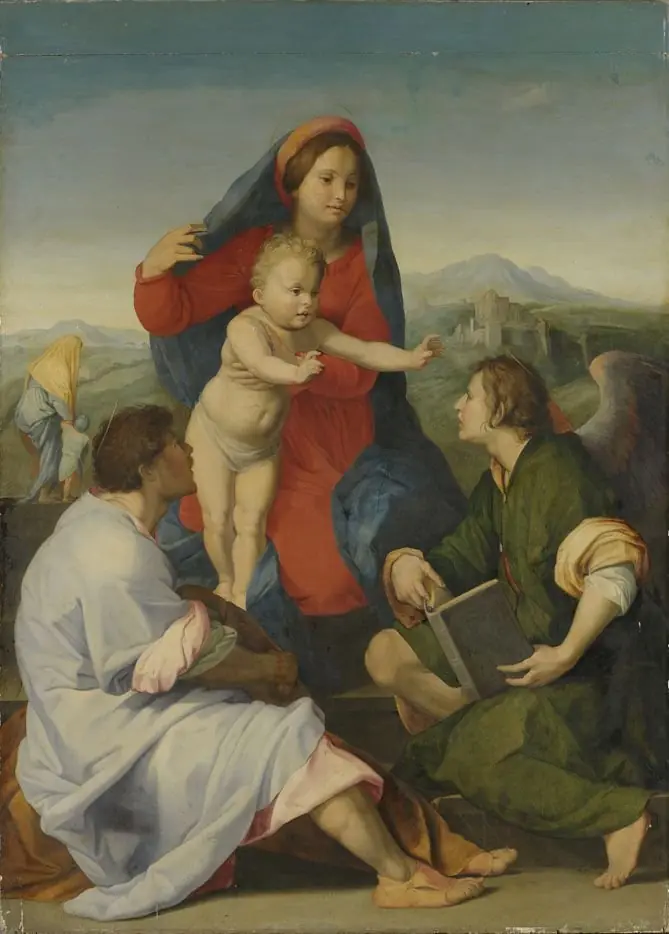 Holy family
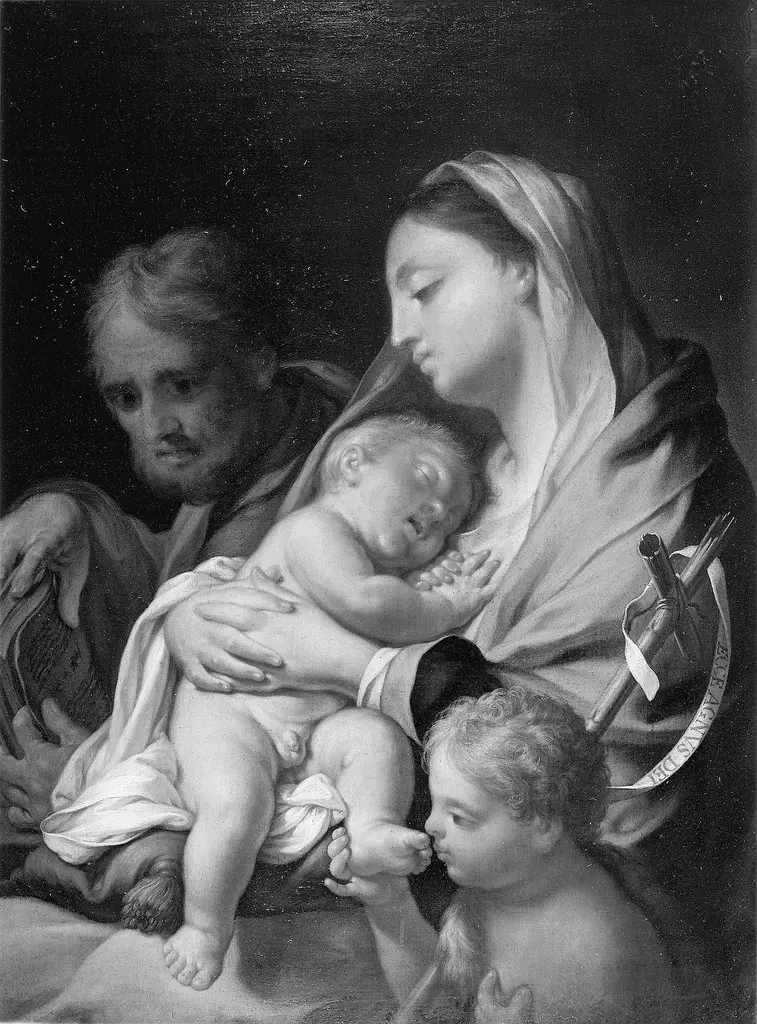 Holy Family with the Infant St. John
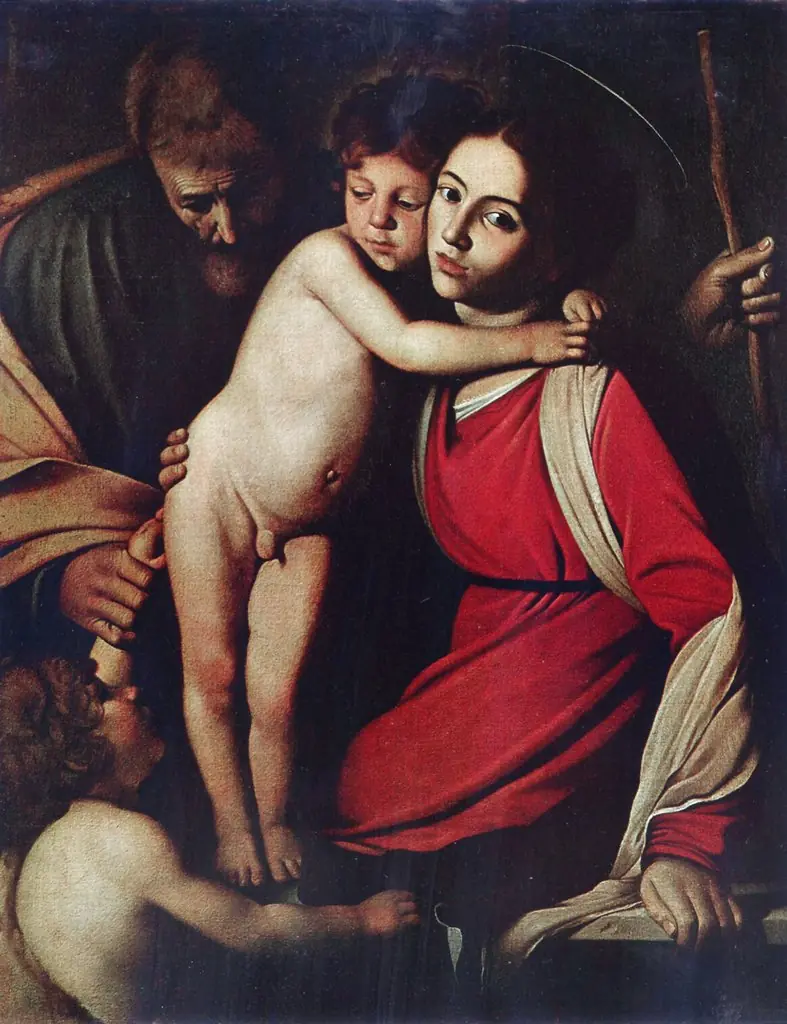 The Holy Family with Child Saint John
 The Holy Family
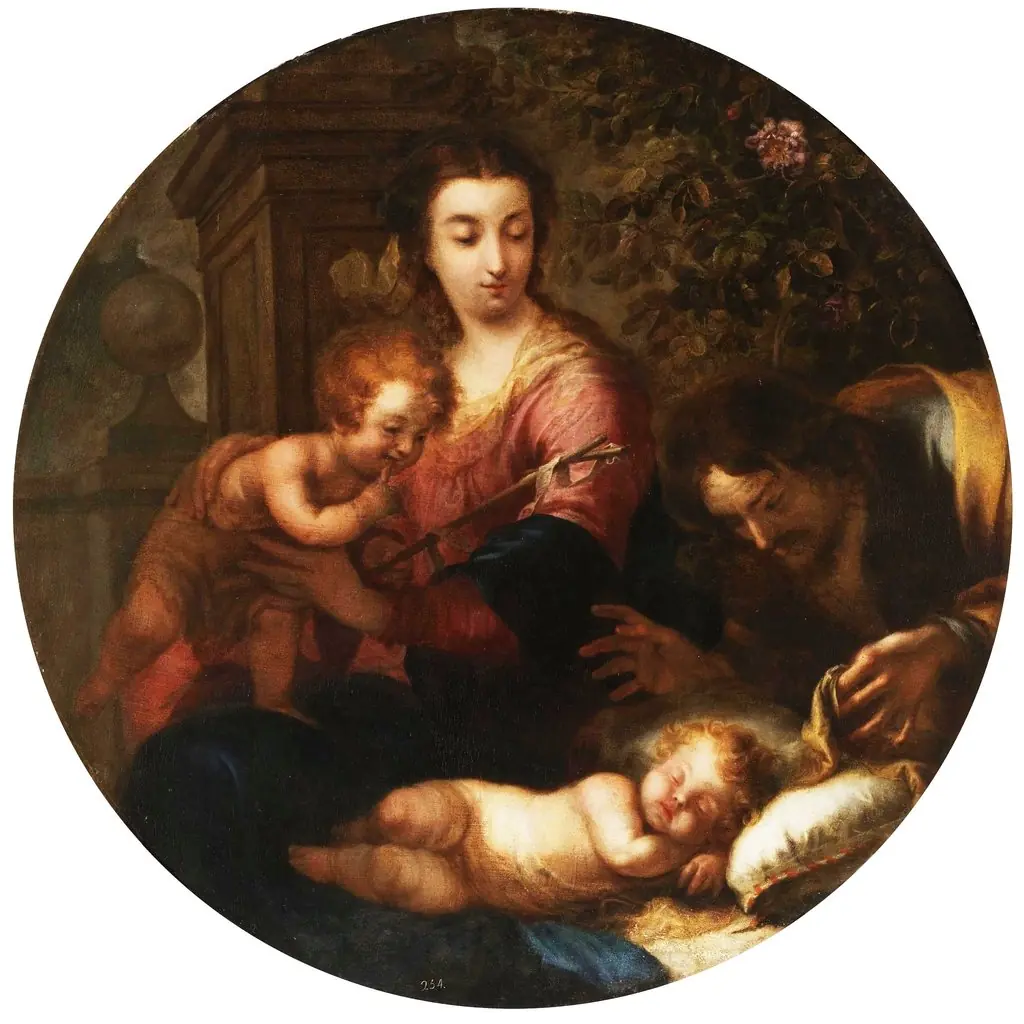 The Holy Family
 The Holy Family
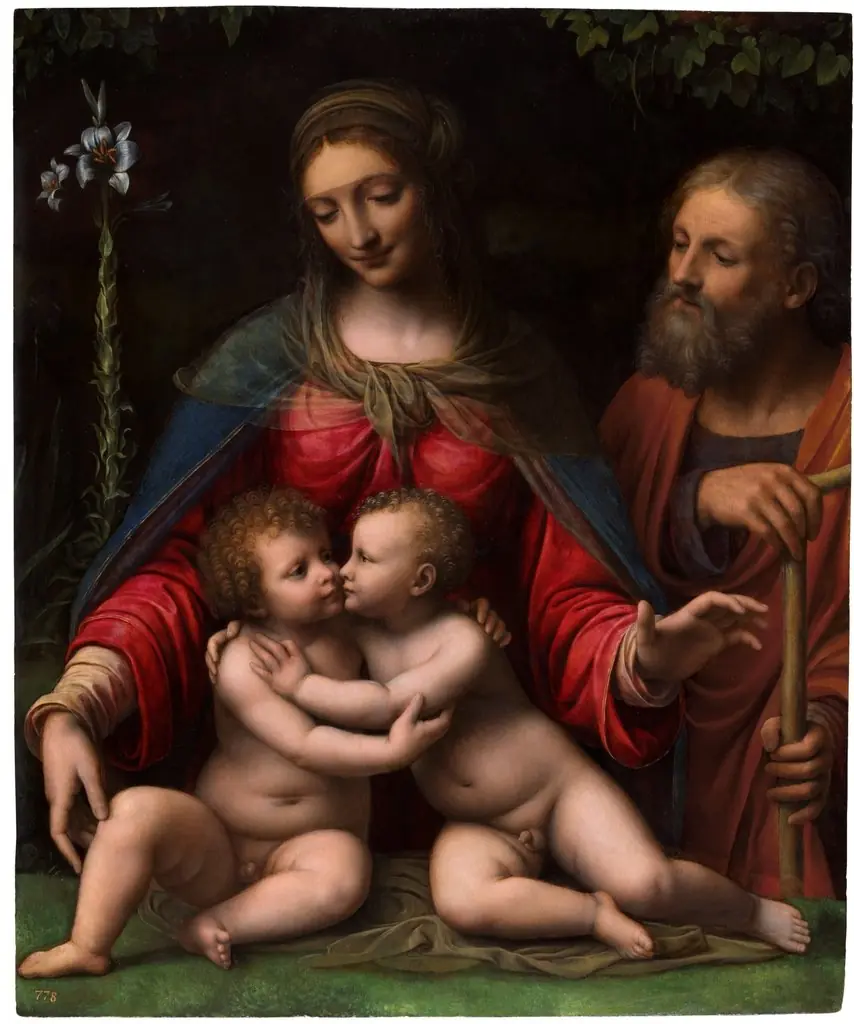 The Holy Family
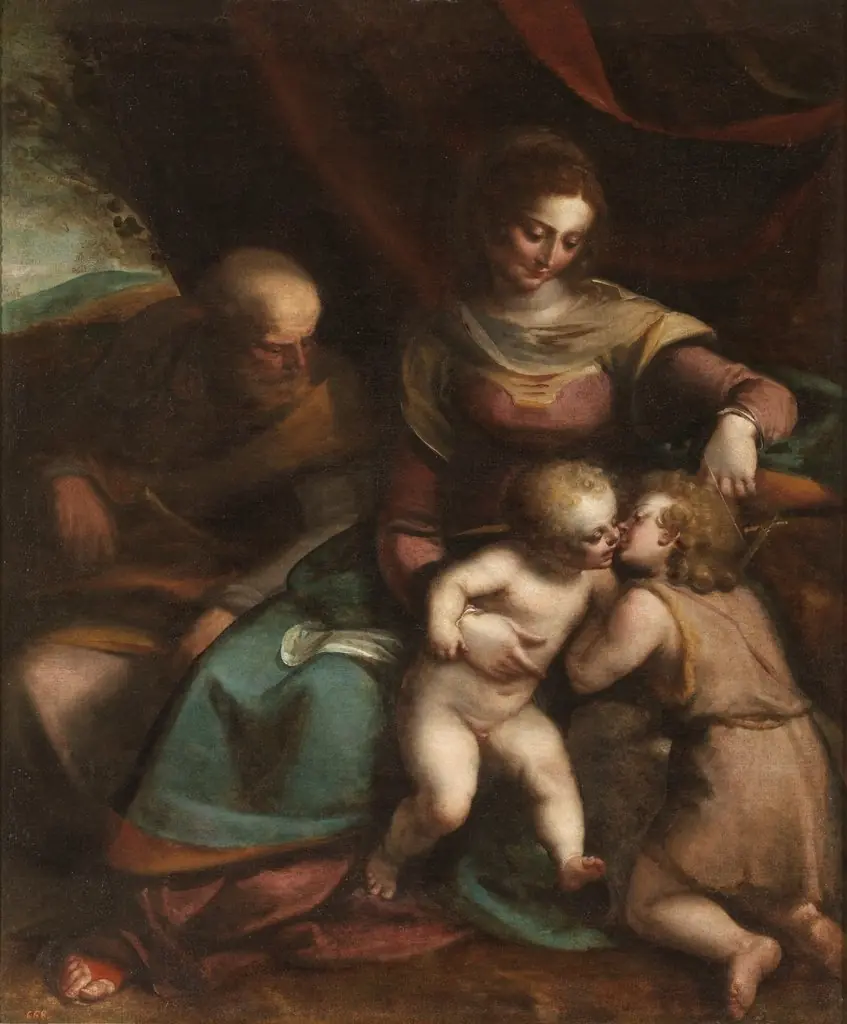 The Holy Family
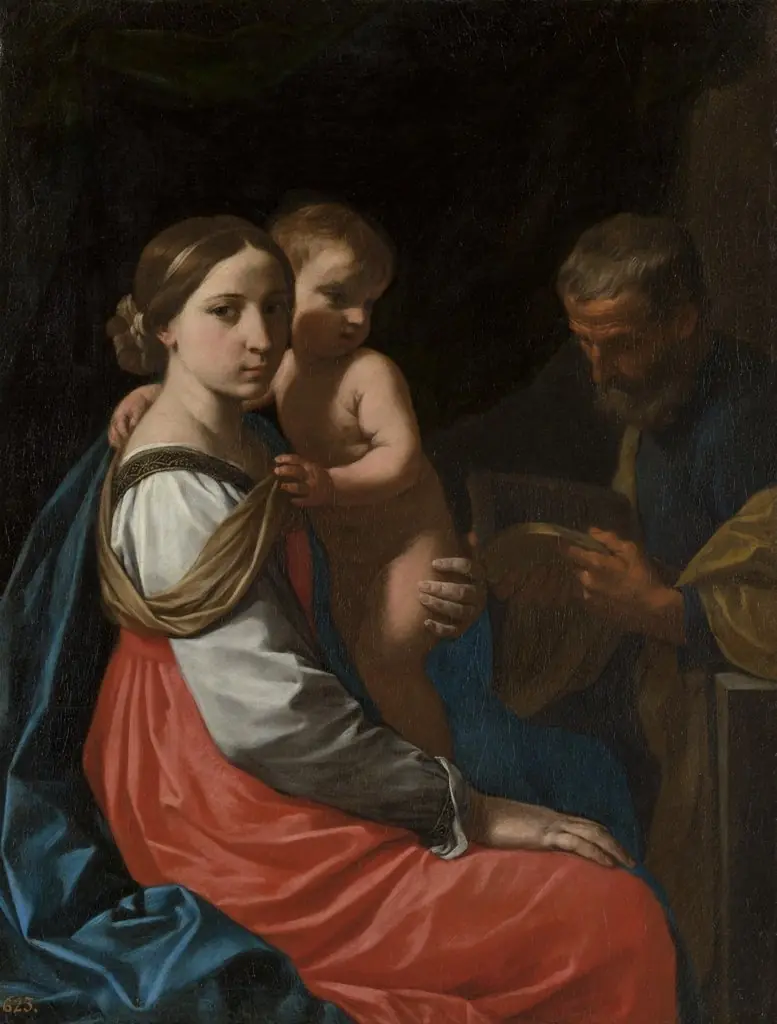 Holy Family
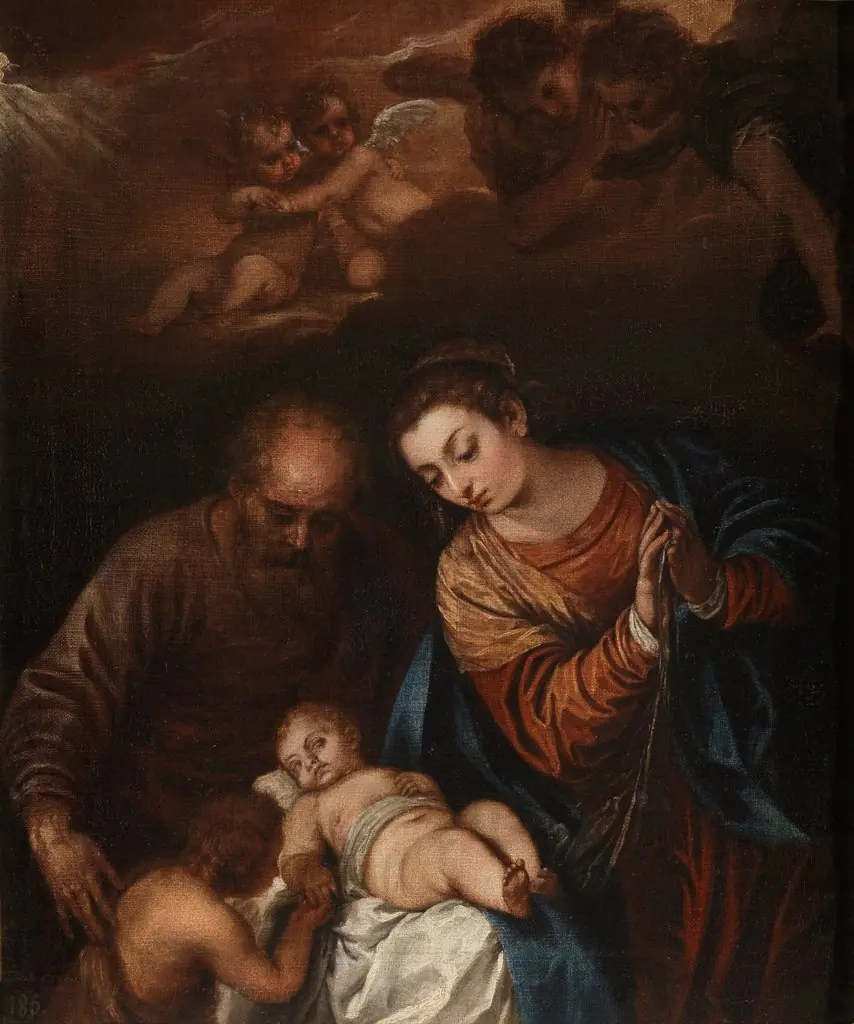 La Sagrada Familia
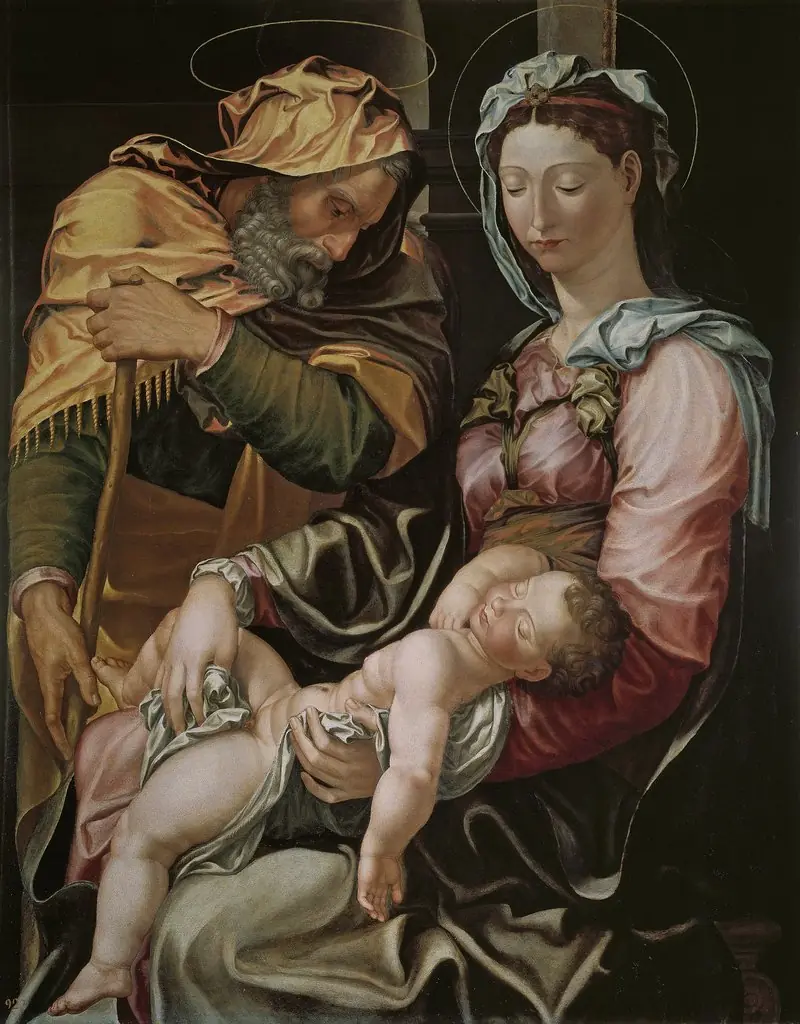 La Sagrada Familia
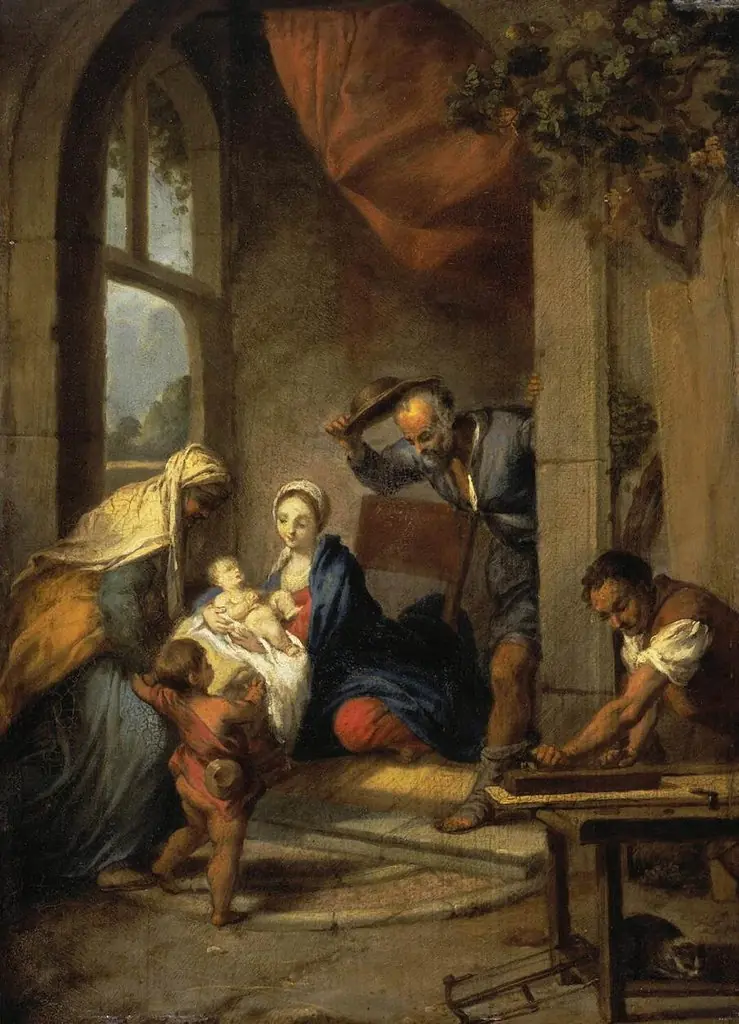 Holy Family
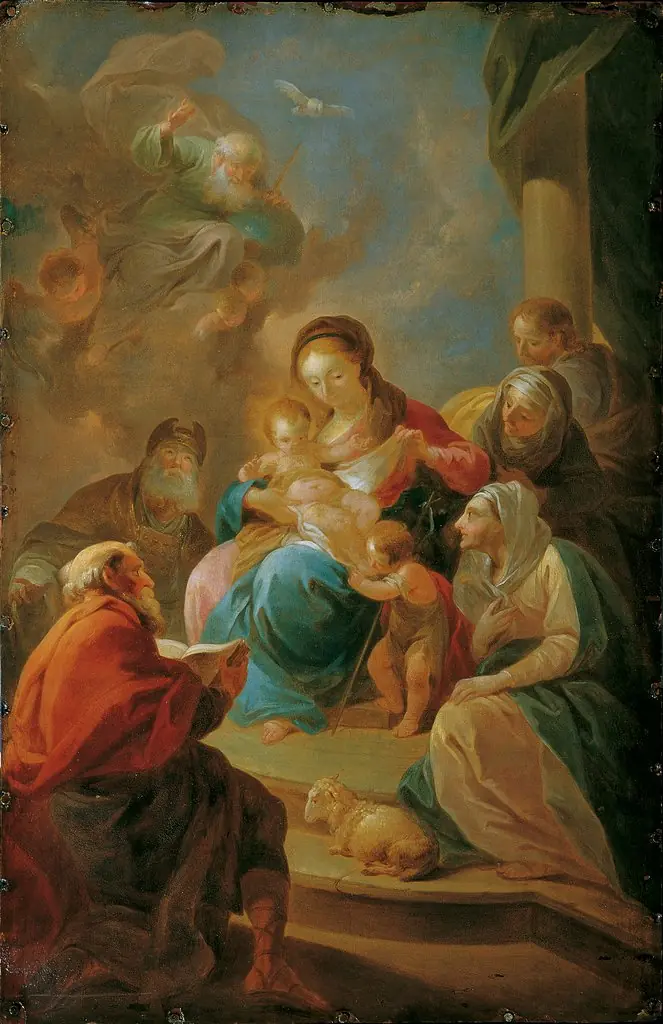 Die Heilige Sippe
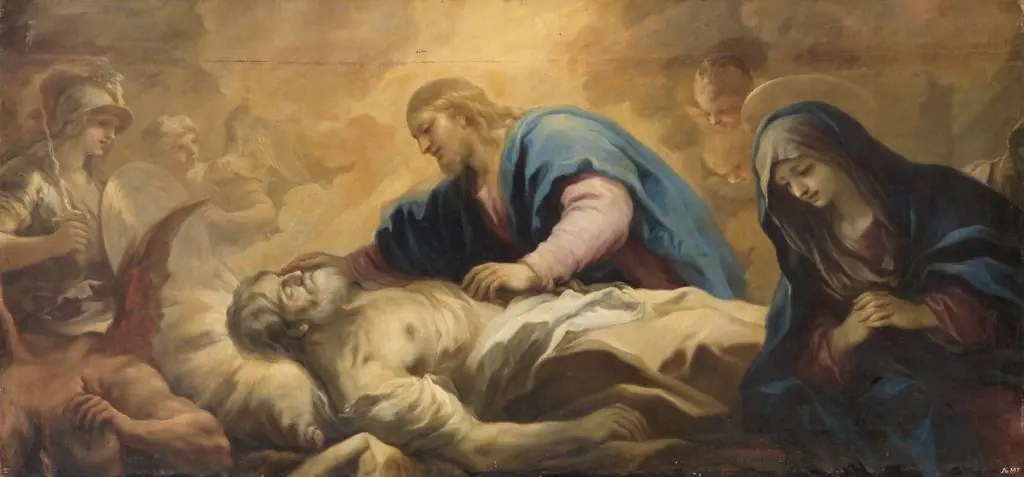 Death of Saint Joseph
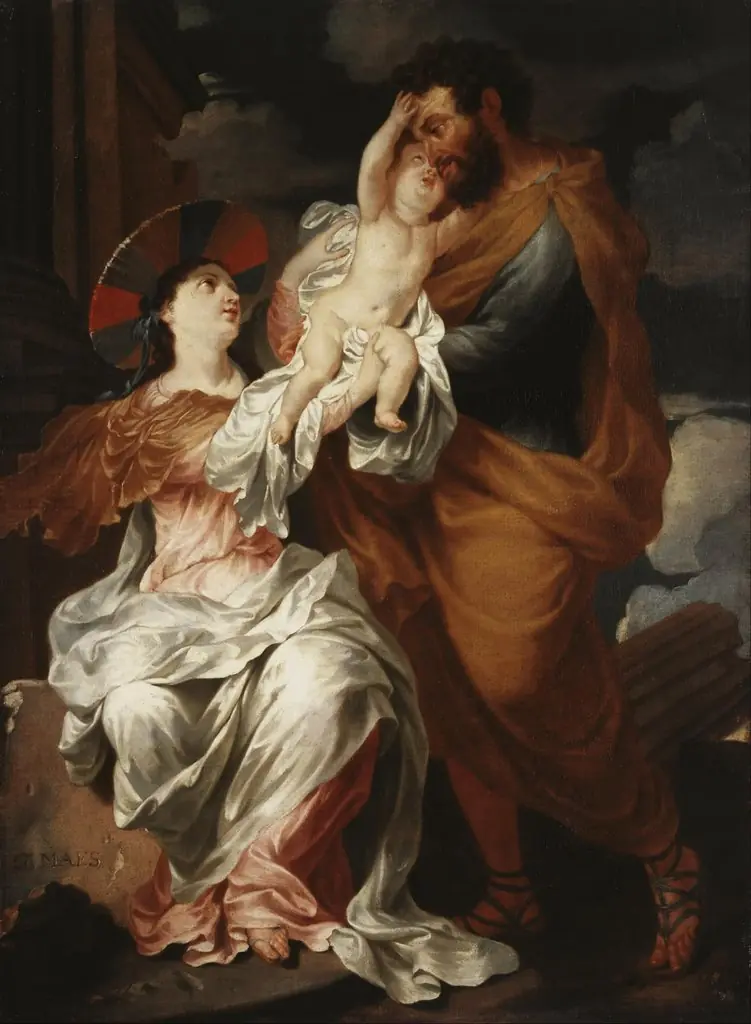 Holy Family
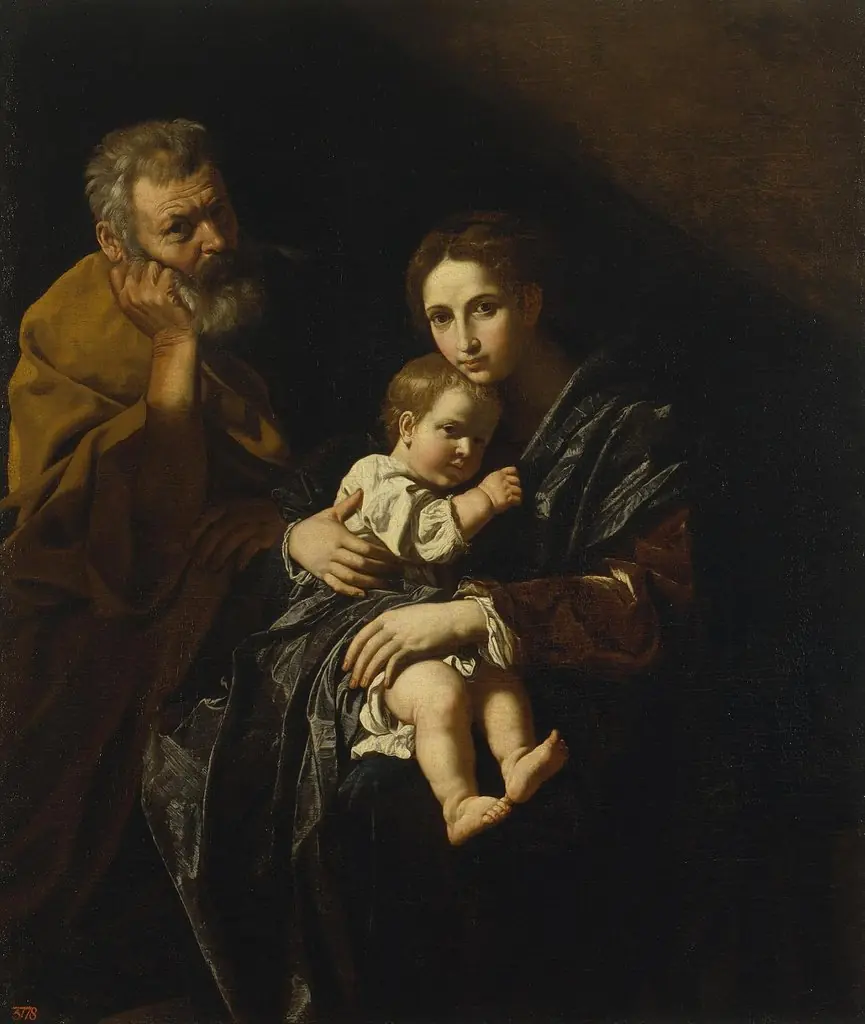 Holy Family
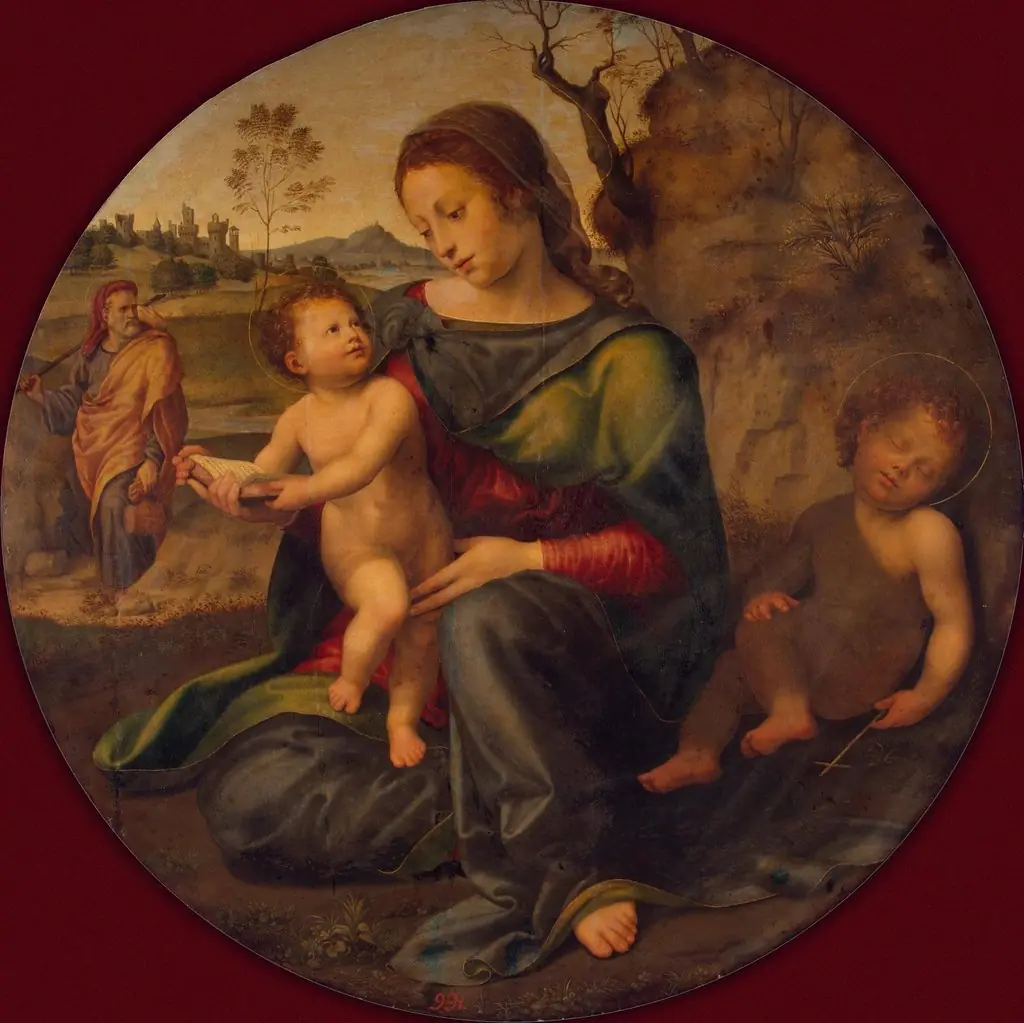 Holy Family with St John the Baptist
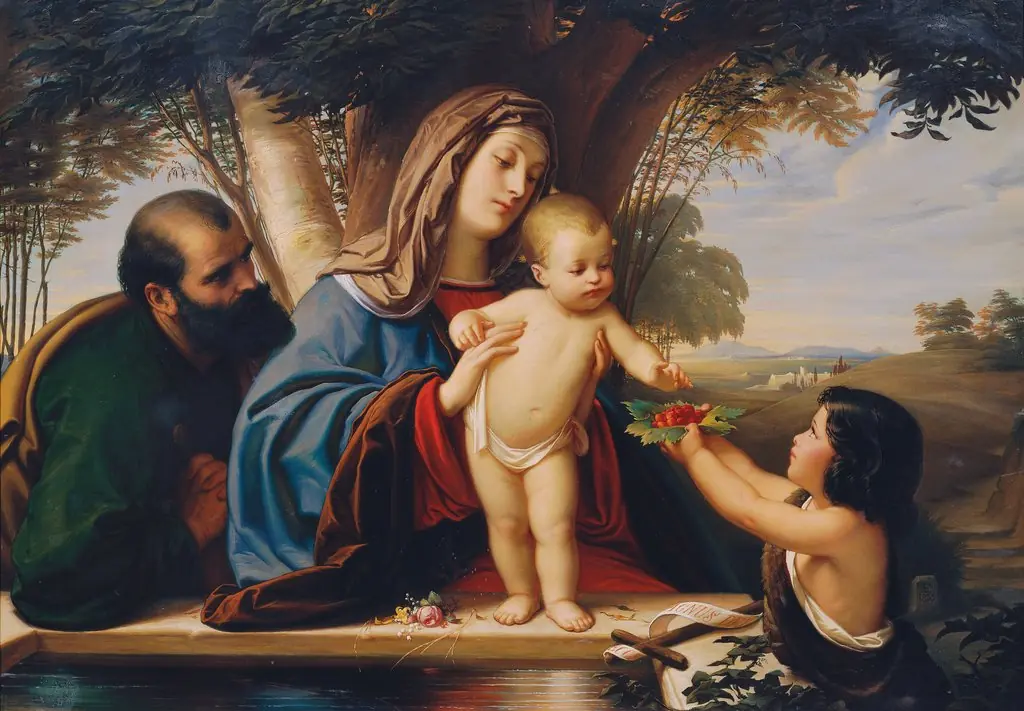 Heilige Familie mit Johannesknaben
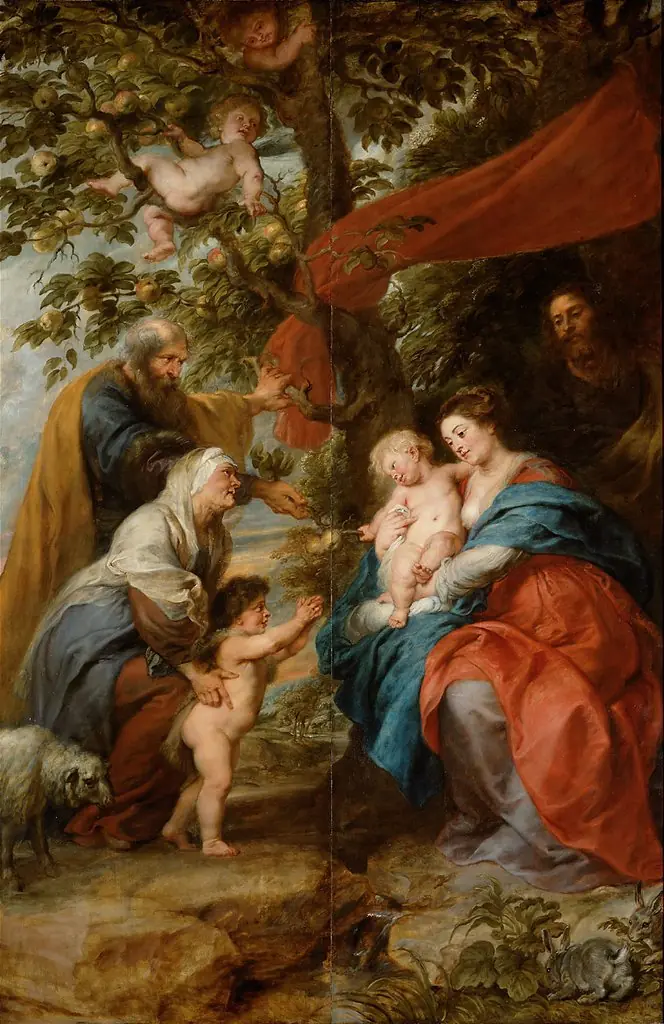 The Holy Family under the Apple Tree
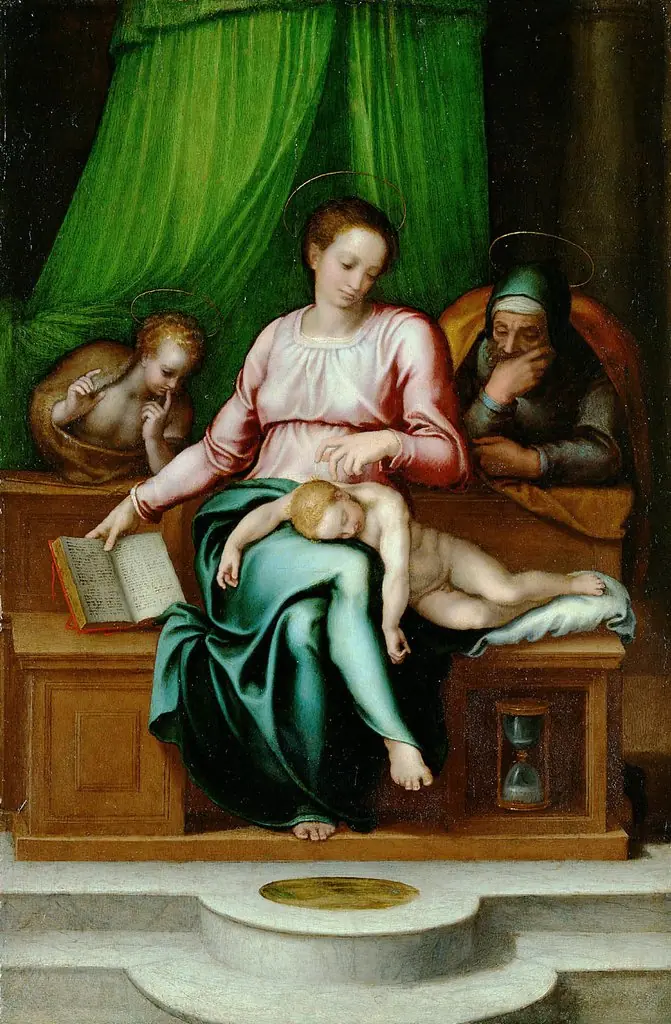 Holy Family
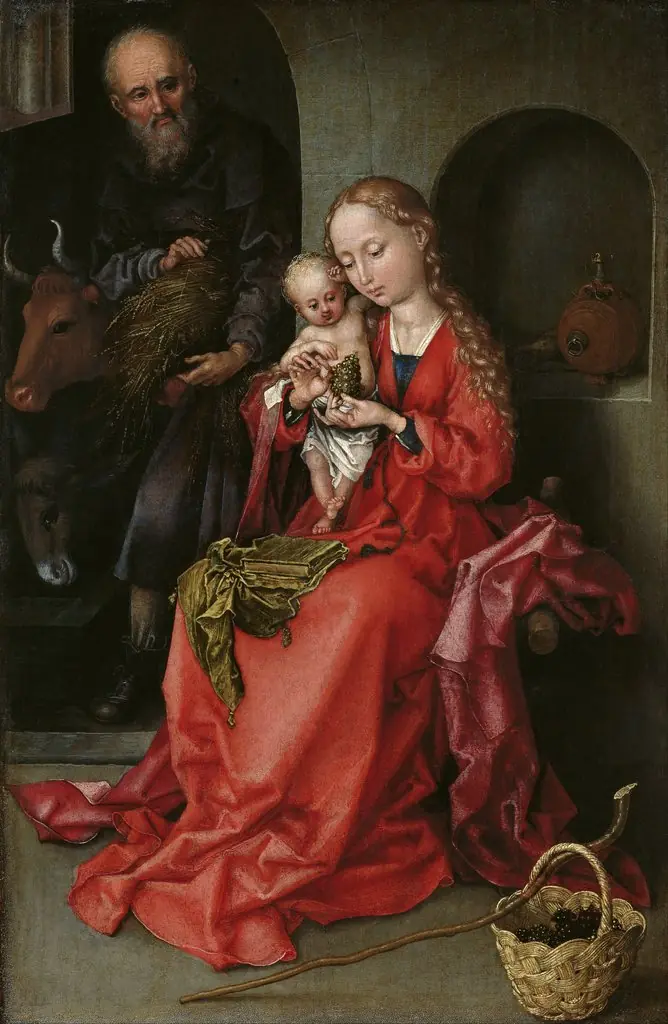 The Holy Family
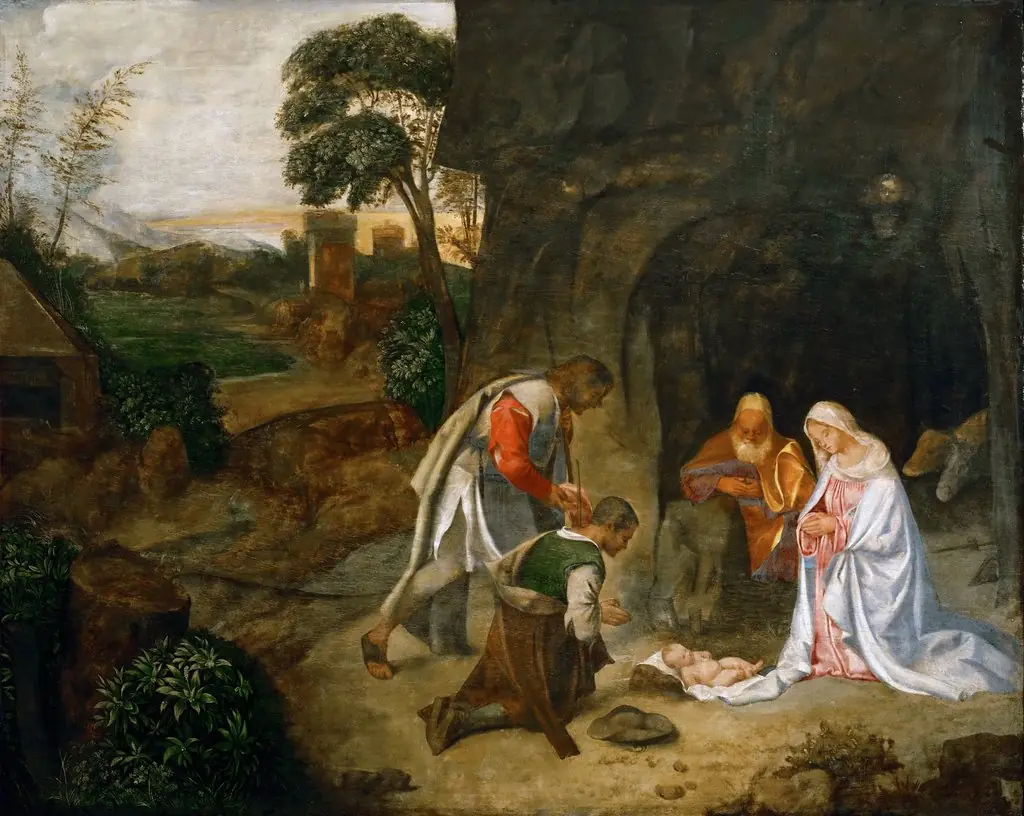 The Adoration of the Shepherds
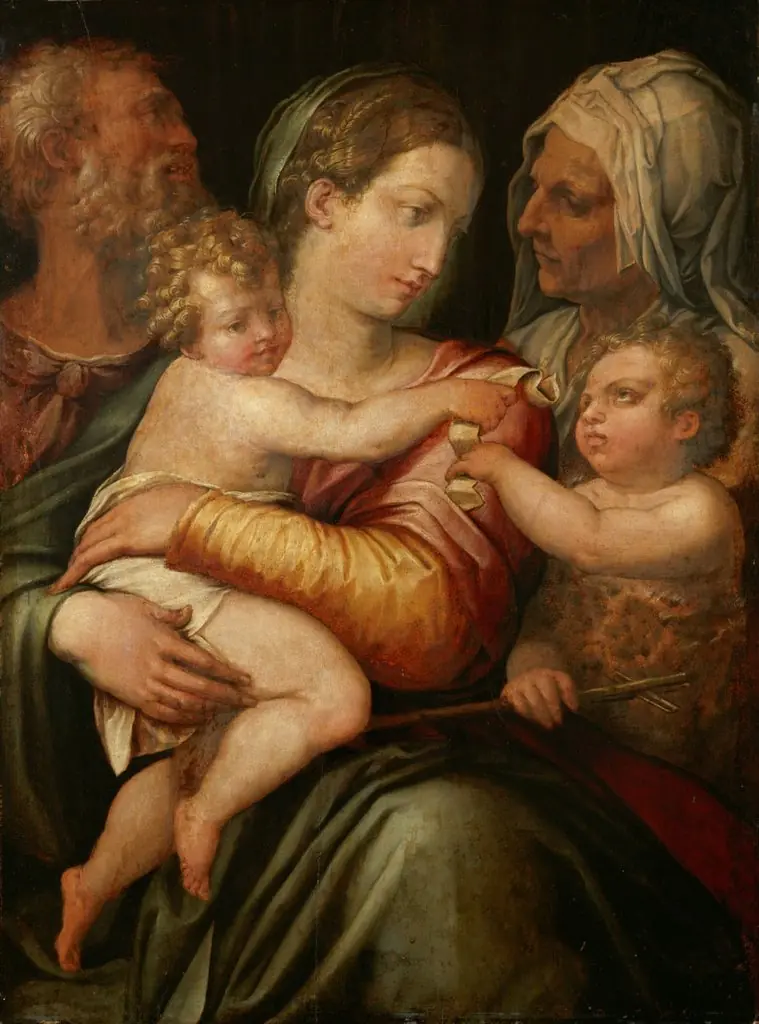 Heilige Familie
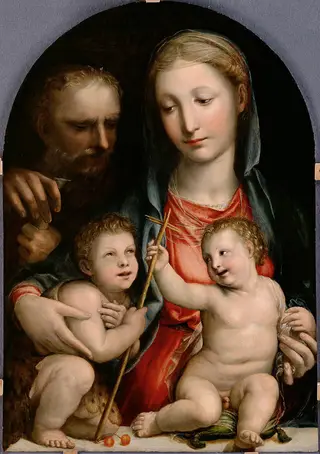 Holy Family with St. John the Baptist as child
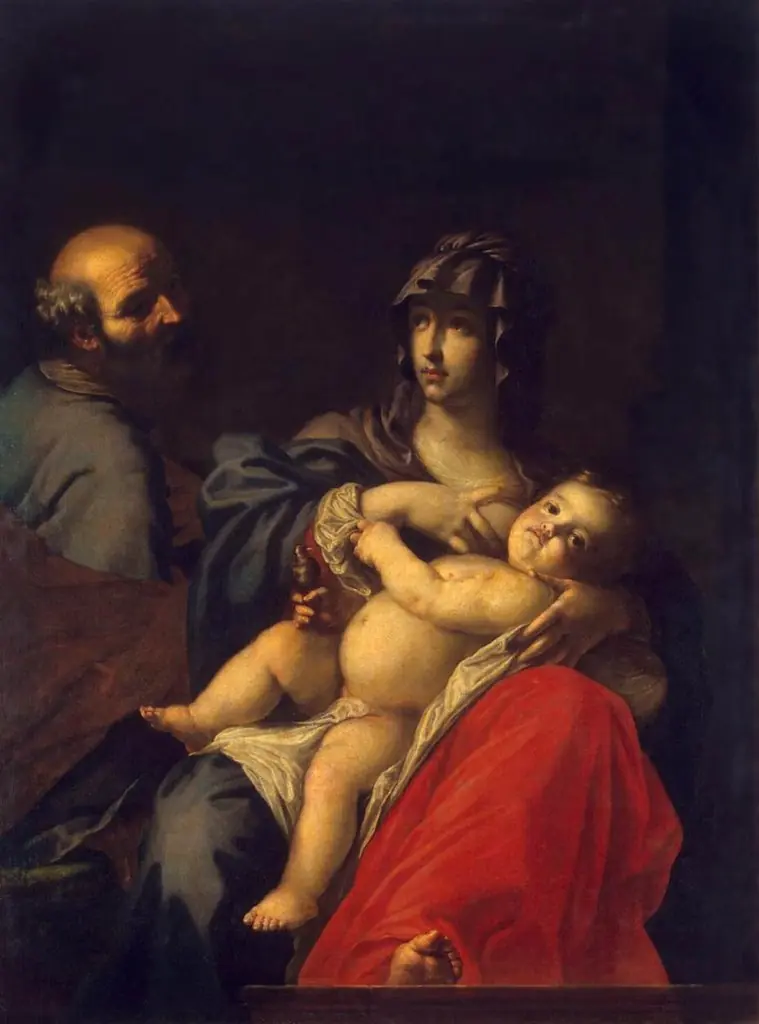 Holy Family
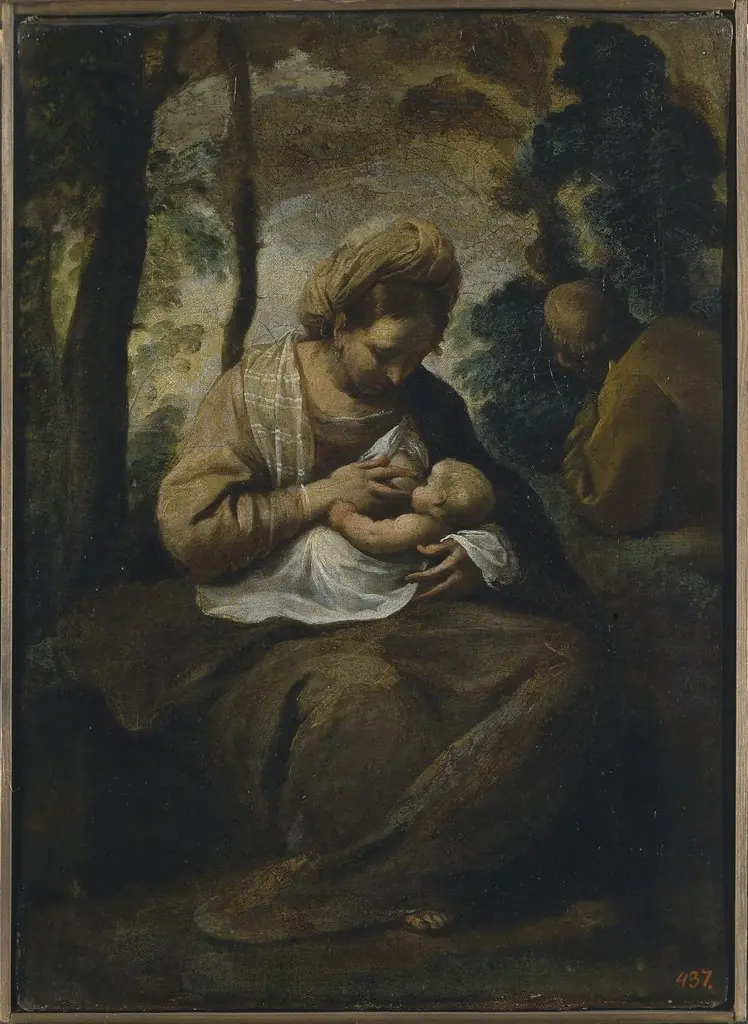 Holy Family
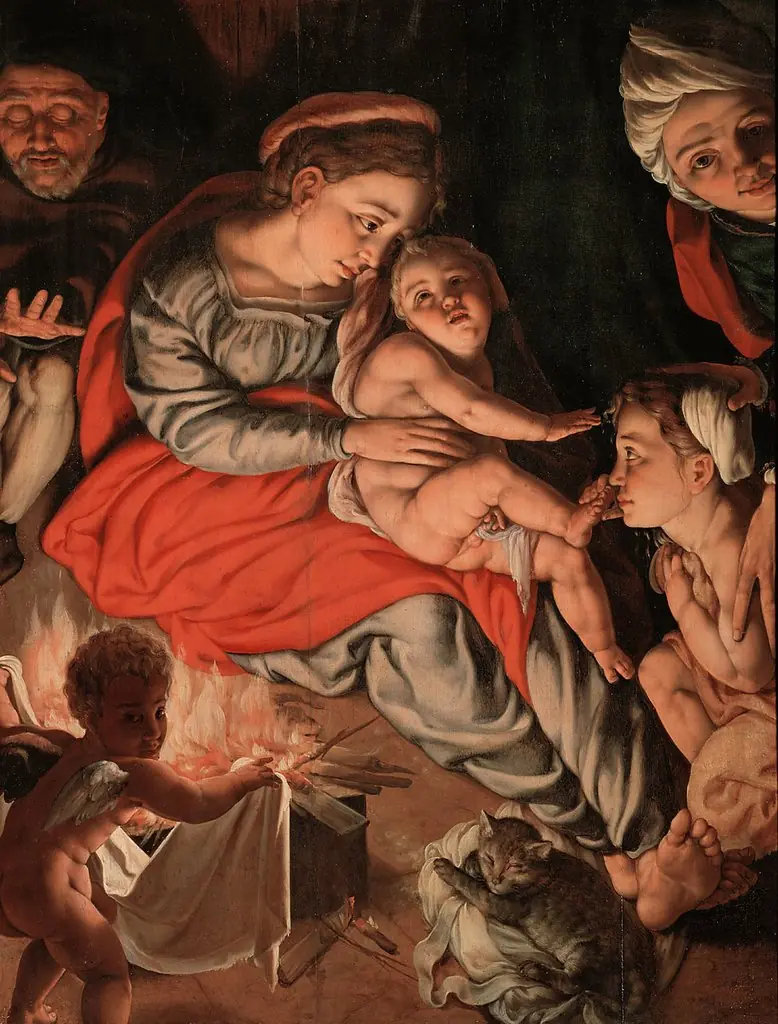 Holy Family at the fire
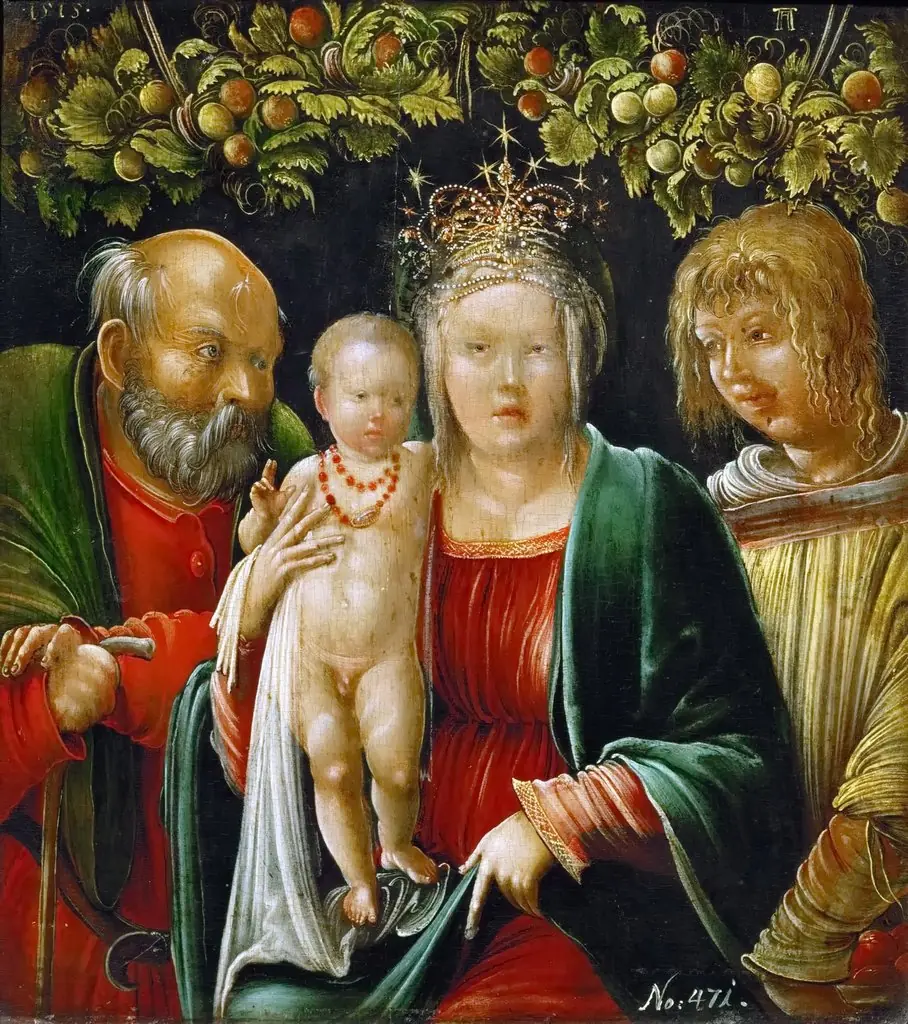 Holy Family with an Angel
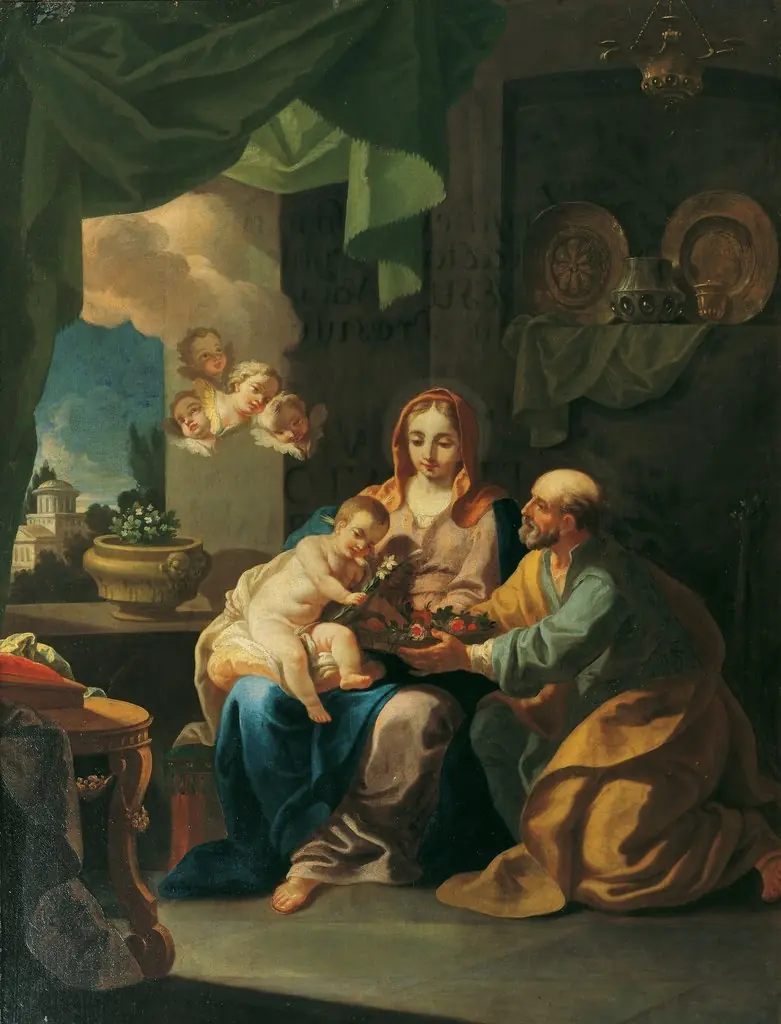 Die Heilige Familie
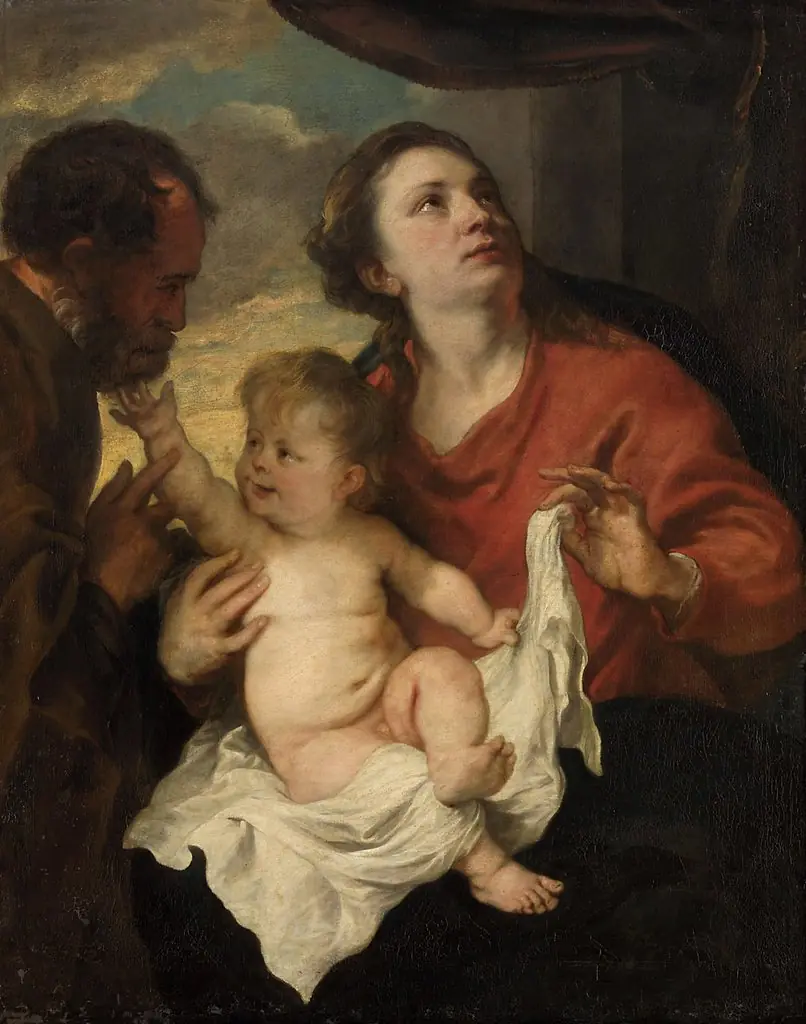 The Holy Family, 'Trinitas terrestris'
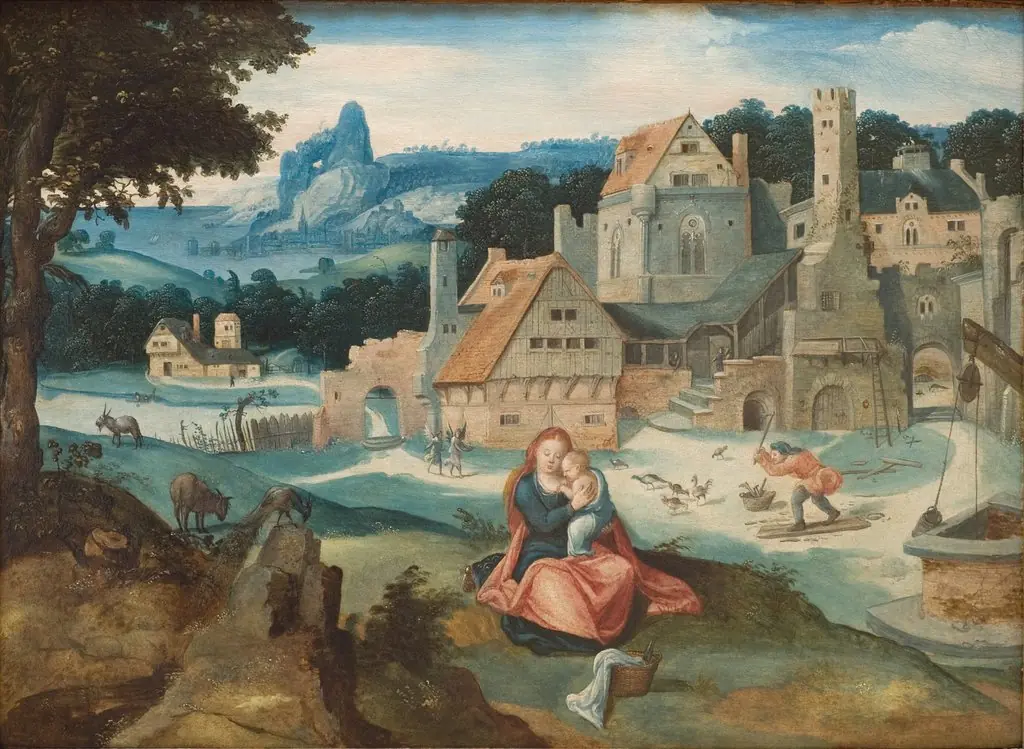 The Holy Family
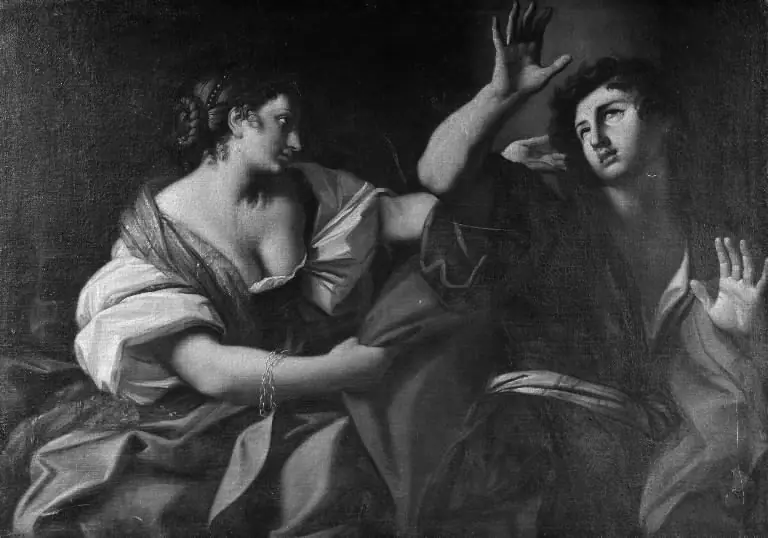 Joseph and Potiphar's Wife
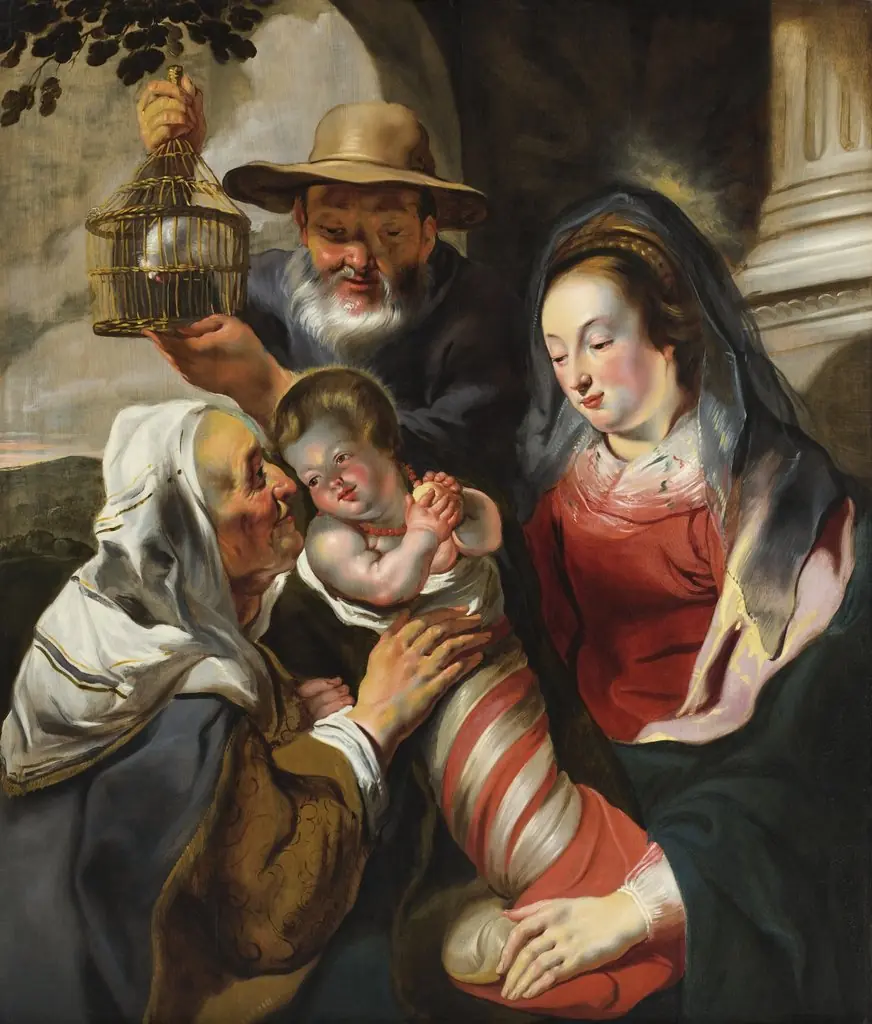 Holy Family with St. Anne
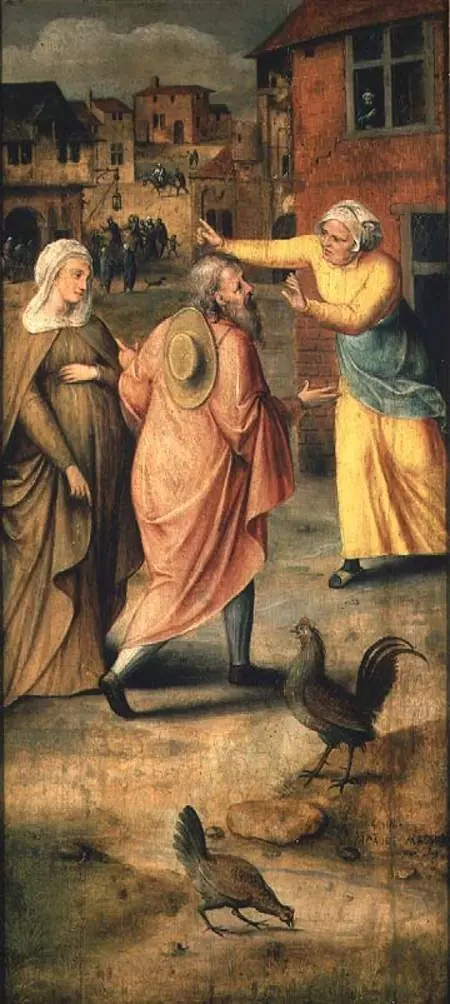 Mary and Joseph find no lodgings in Bethlehem
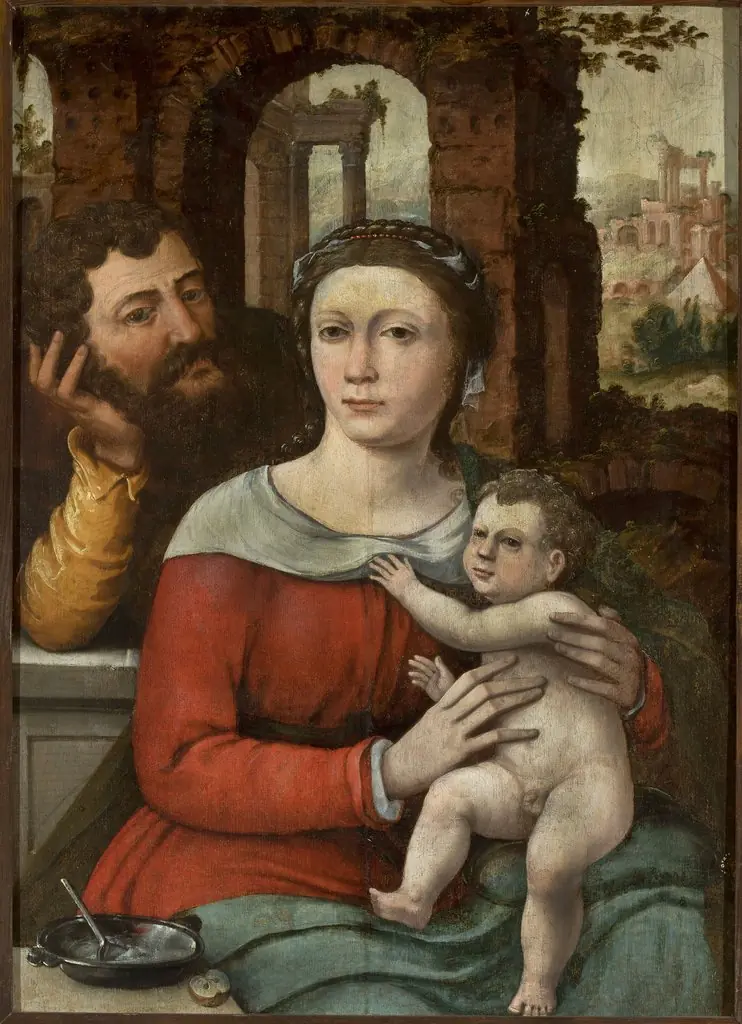 Holy Family
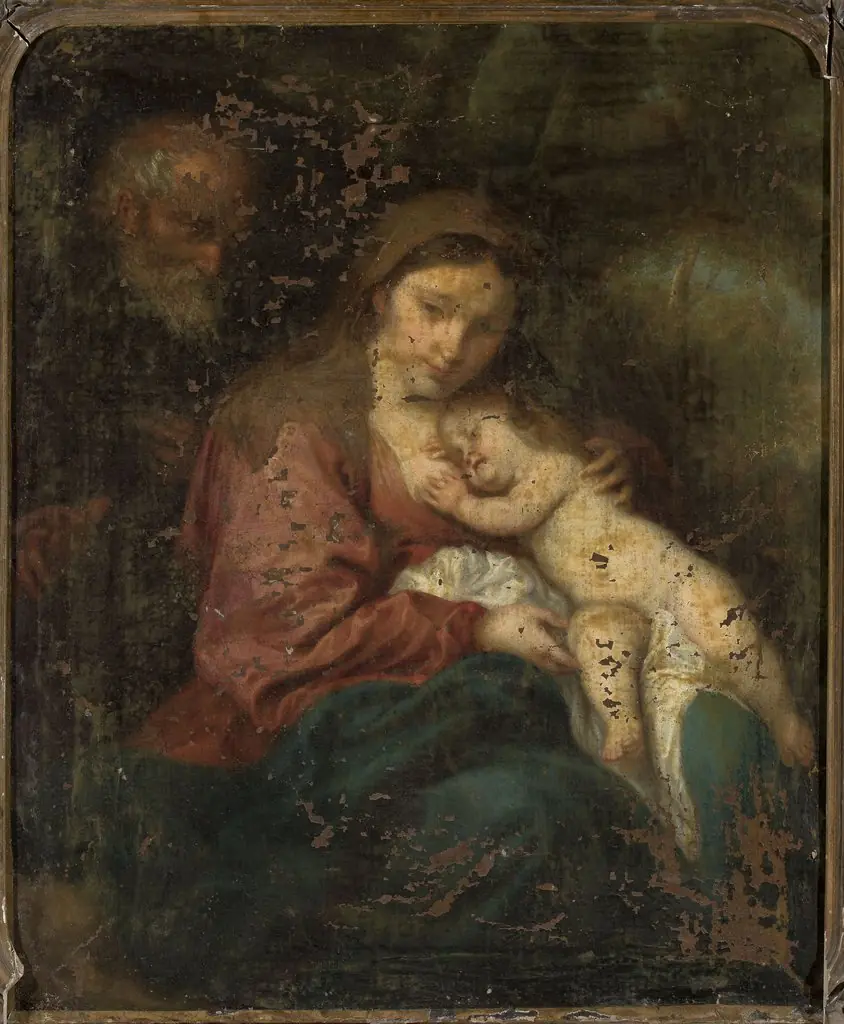 Holy Family
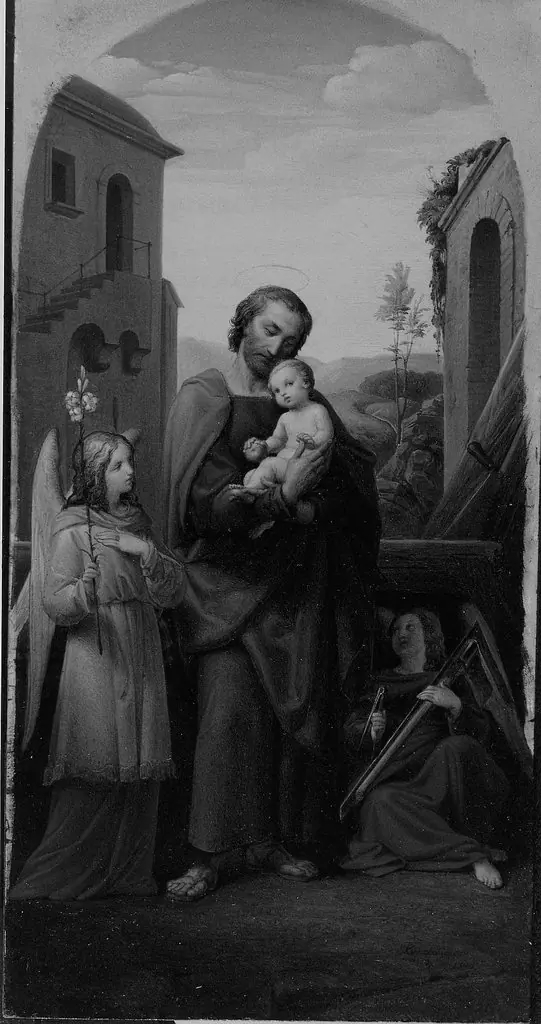 St. Joseph and Christ Child
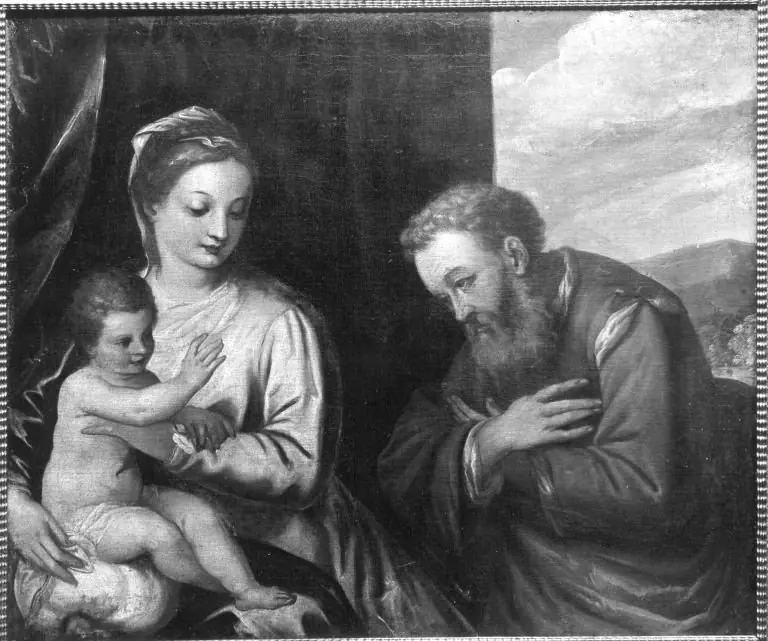 Heilige Familie
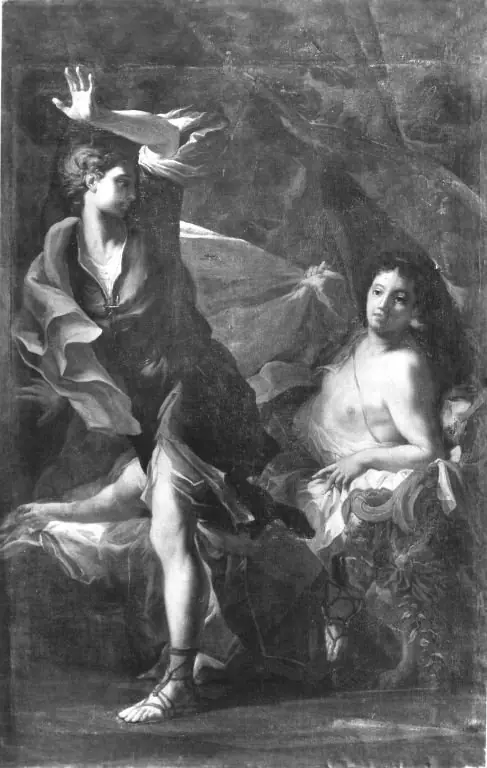 Joseph and Potiphar's Wife
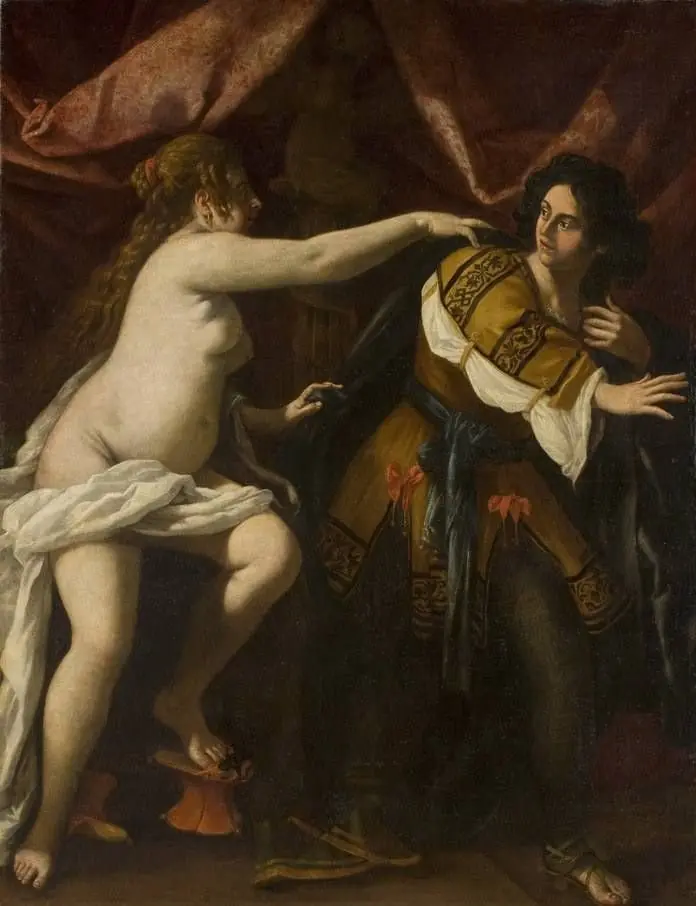 Joseph und Potiphars Weib
 Jesus and Saint Joseph
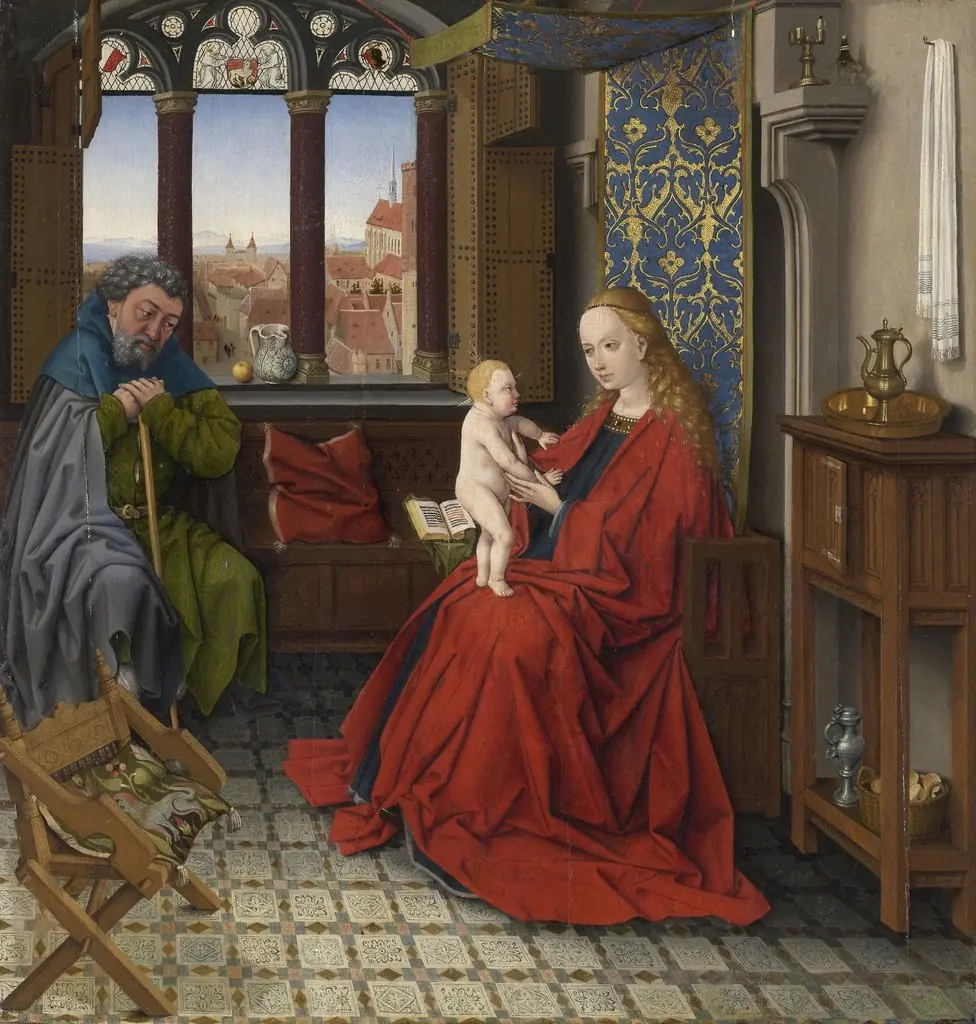 Holy Family
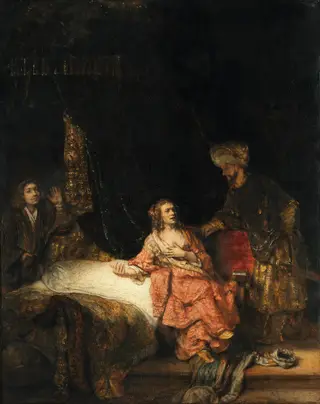 Joseph accused by Potiphar's wife
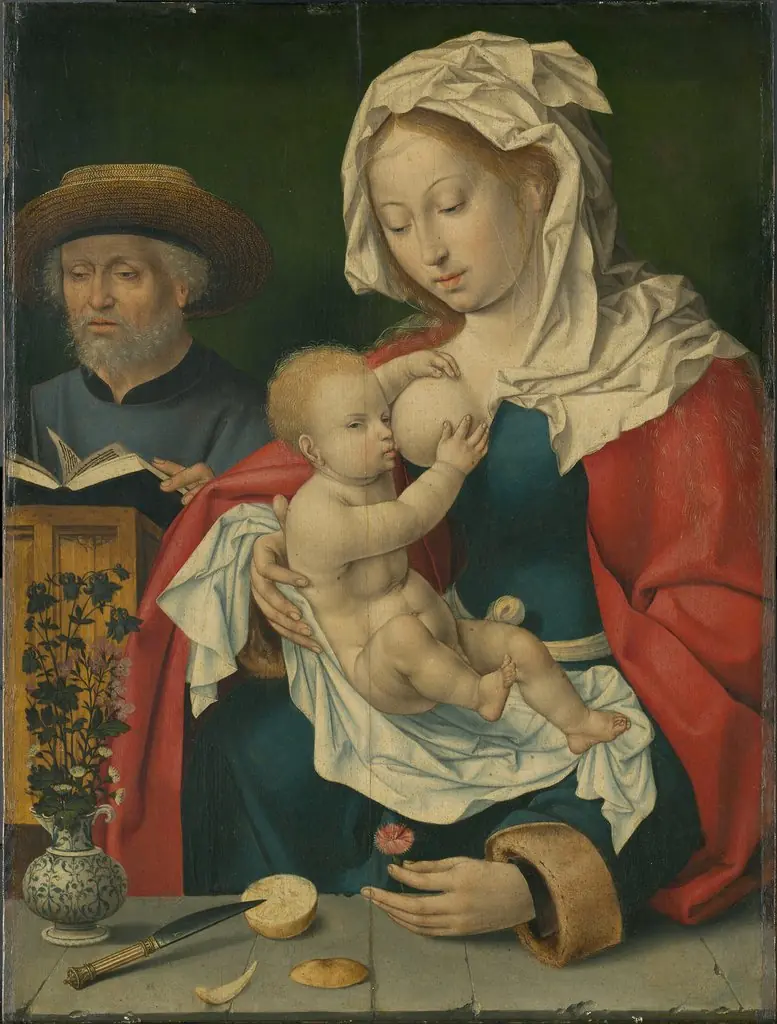 Holy Family
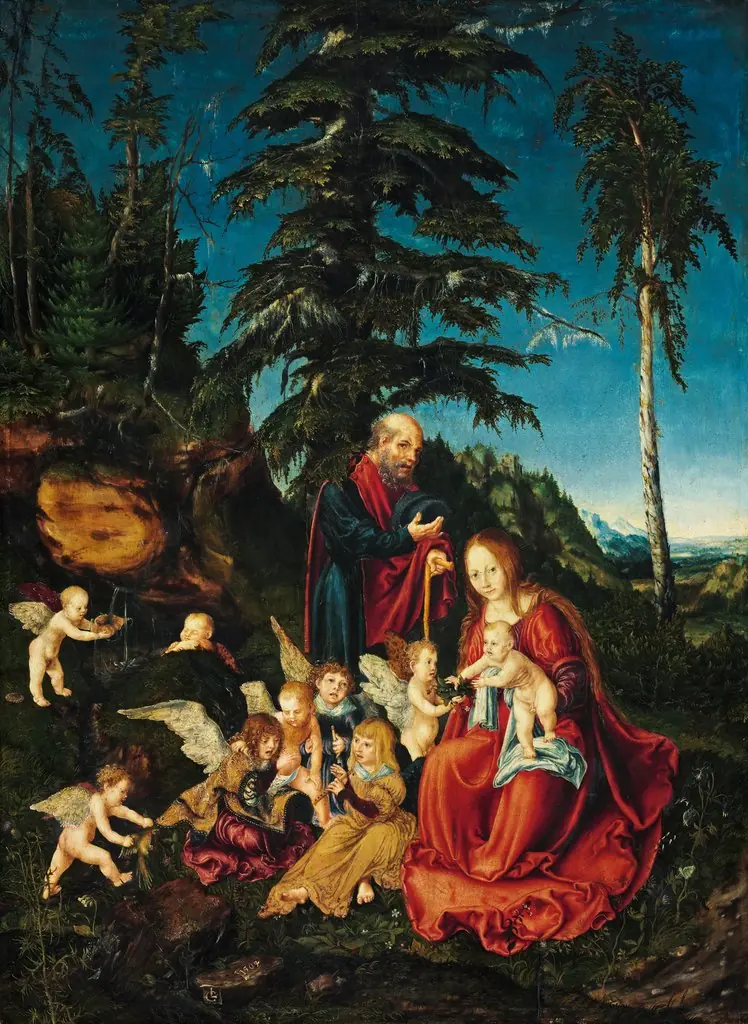 Rest on the Flight to Egypt
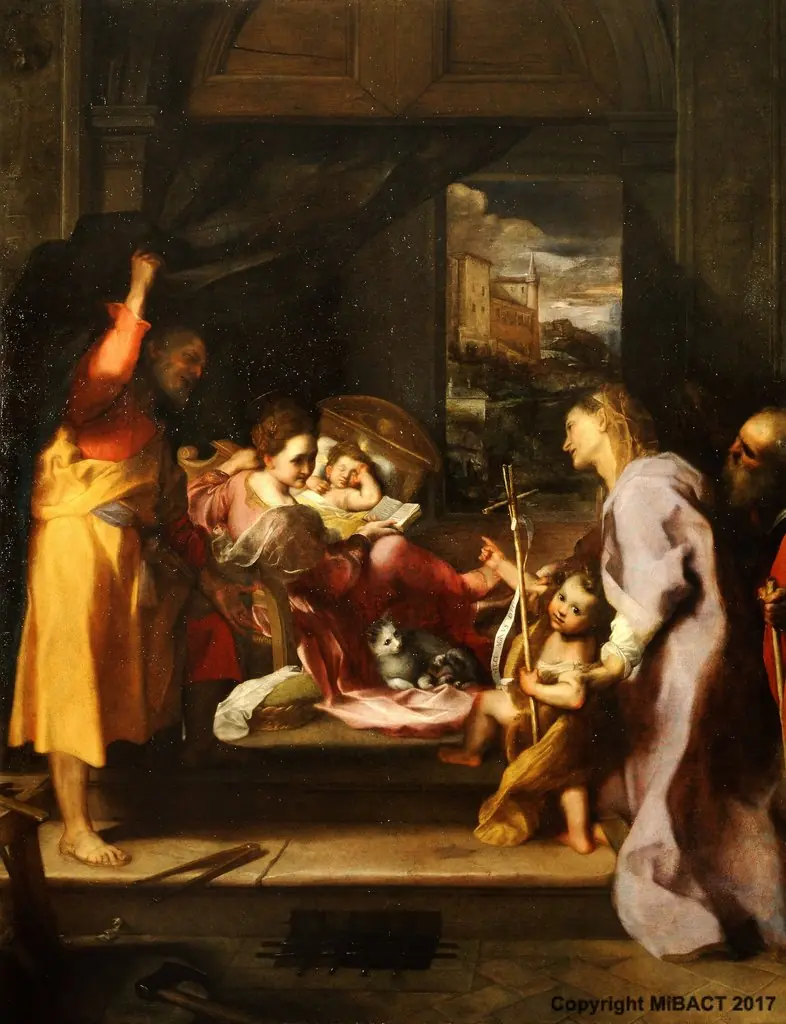 Madonna of the Cat
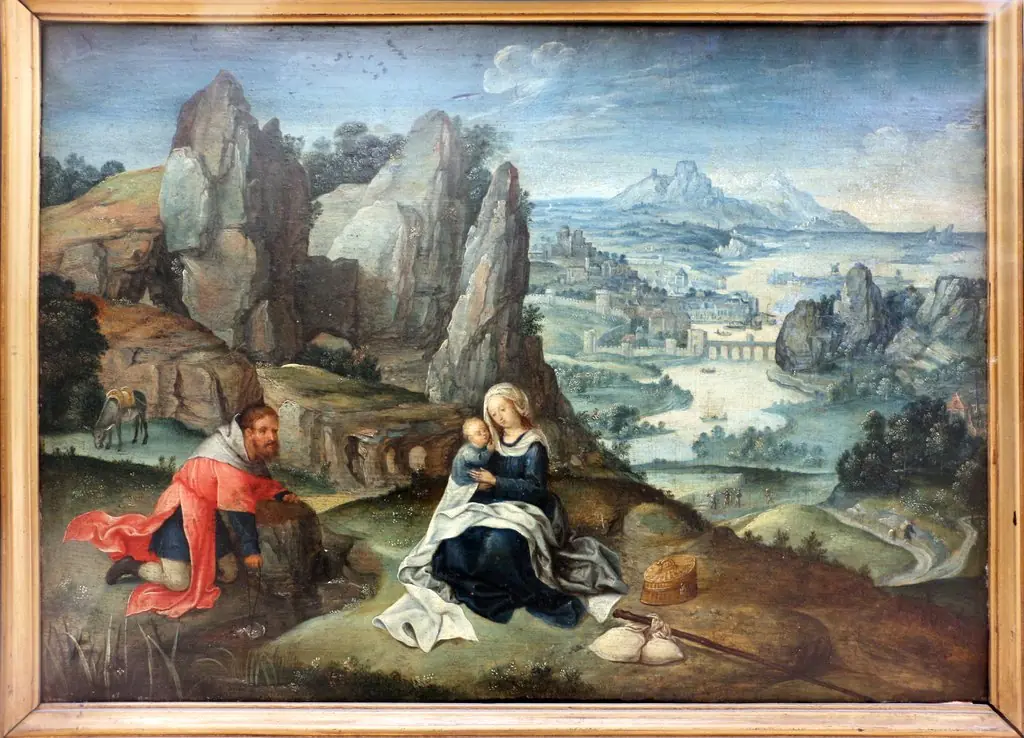 Rest on the Flight into Egypt
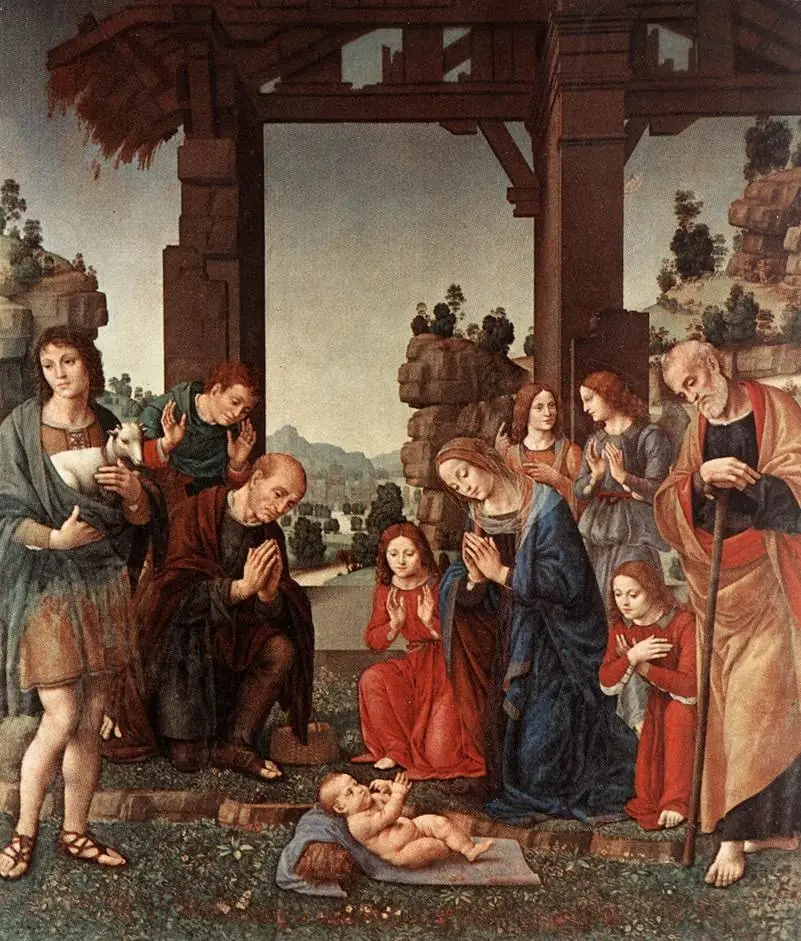 Adoration of the Shepherds
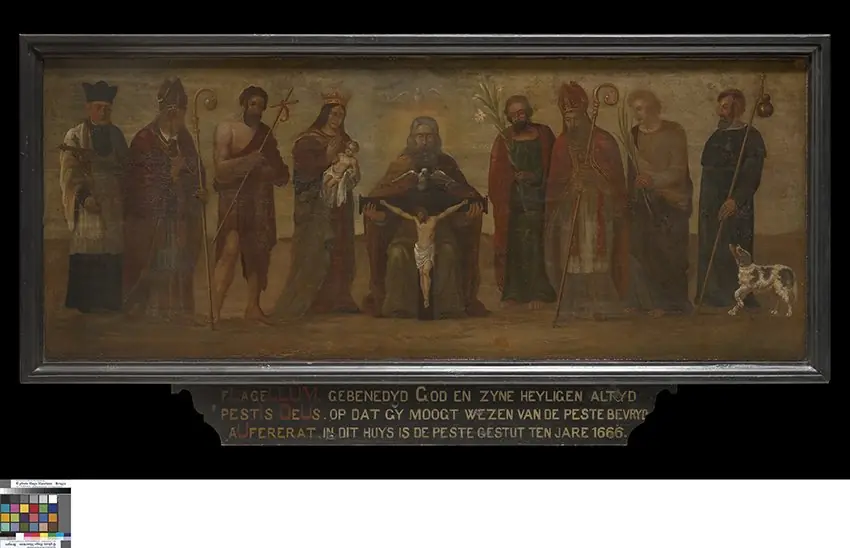 Heilige Drievuldigheid met heiligen
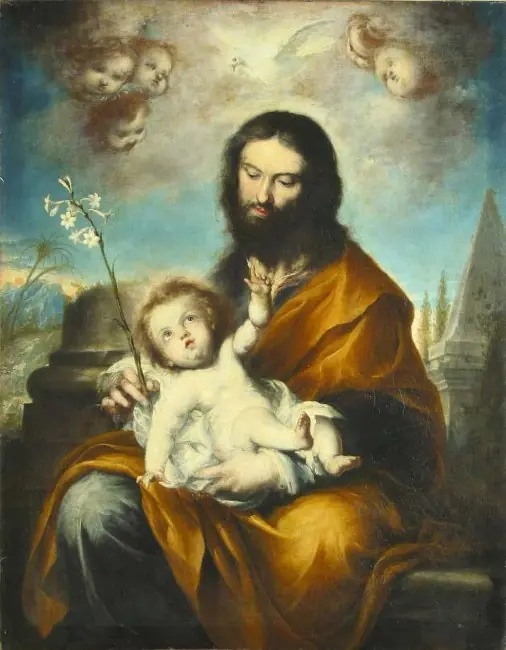 St Joseph with the Infant Christ
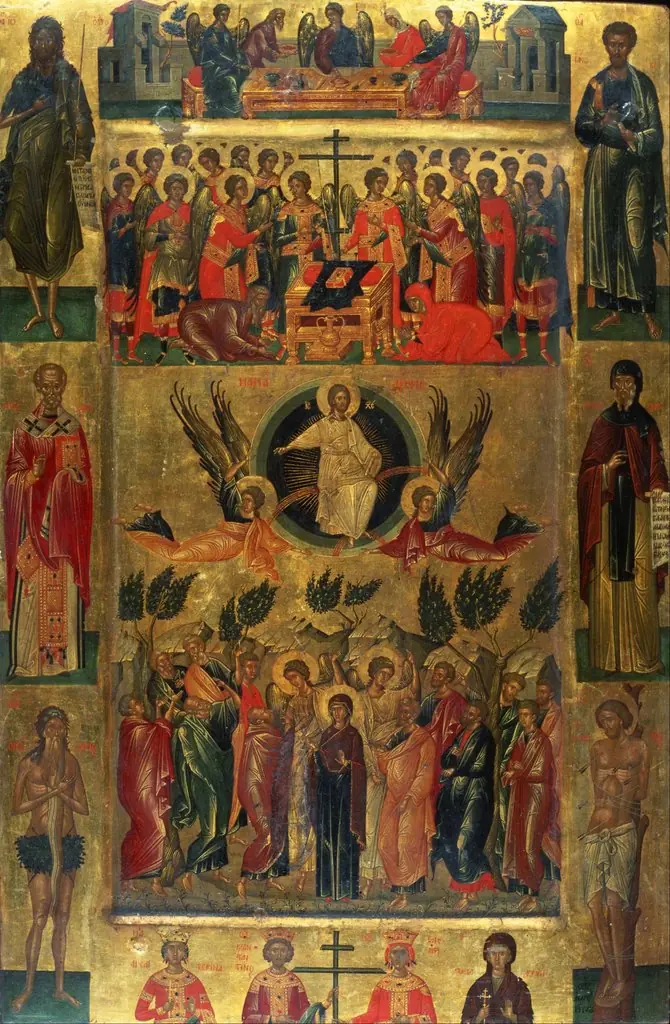 Ascension of Christ with the Hetoimasia
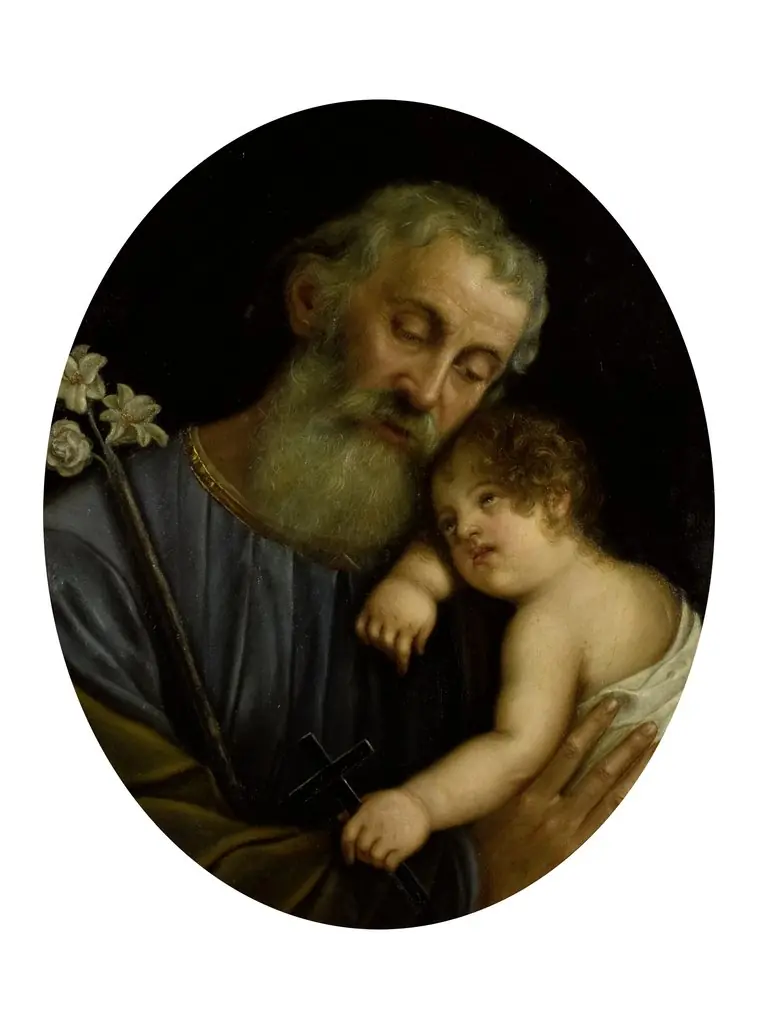 Joseph and Child
Frequently asked questions
What is Joseph?
Joseph is a common male name, derived from the Hebrew Yosef (יוֹסֵף).
How many Joseph works does Artifact World Gallery have?
Artifact World Gallery holds 200 public-domain Joseph works, all free to view and download.
Who are the key Joseph artists?
Key Joseph artists in the collection include Titian, Paolo Veronese and Lorenzo Lotto.
Where can I see Joseph works?
Joseph works in the collection are held by Metropolitan Museum of Art, Bavarian State Painting Collections and Statens Museum for Kunst.