Artwork
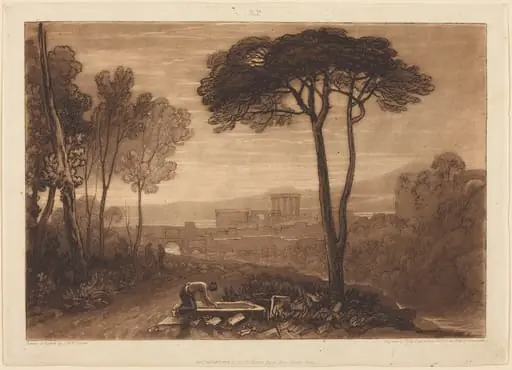
The Woman of Samaria
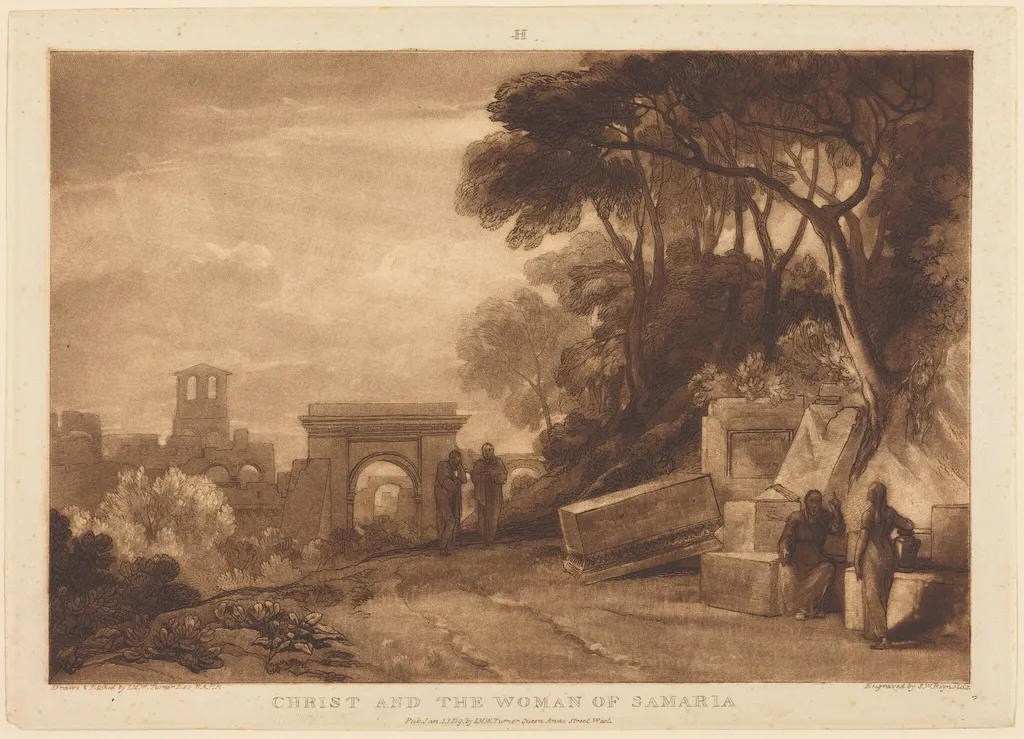
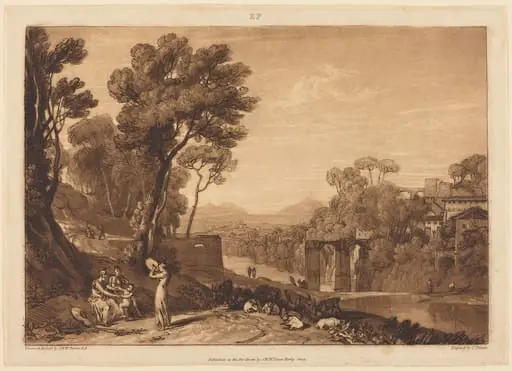
The Woman of Samaria is an ink print by the Romanticist artist Joseph Mallord William Turner. It dates from 1819 and is held in the collection of the National Gallery of Art. Created in 1819, this print by J.
About this work
Overview
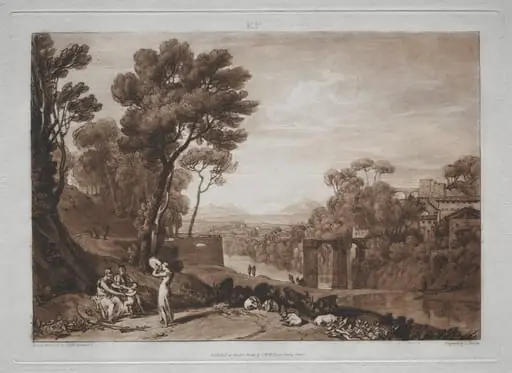
Created in 1819, this print by J. M. W. Turner combines etching with mezzotint to portray a solitary woman beside a well. The composition is set within a verdant landscape that recedes toward a distant city of arches and towers, establishing depth and a calm, reflective atmosphere.
Subject & Meaning
The central figure, a woman in a long robe, stands pensively at the well’s edge, suggesting a moment of quiet contemplation. The surrounding trees and the far‑off urban skyline frame her, reinforcing themes of solitude and the intersection of the natural and built environments.
Technique & Style
Turner employed the fine lines of etching to define the figure and architectural elements, while mezzotint provided rich tonal gradations that model light and shadow across the scene. This hybrid approach creates a subtle atmospheric effect, guiding the eye toward the illuminated well and its attendant figure.
History & Provenance
The work belongs to Turner’s early printmaking period, when he explored the expressive possibilities of combining intaglio processes. Though specific ownership records are limited, the piece is documented among his 1819 prints and reflects his ongoing interest in biblical and literary subjects.
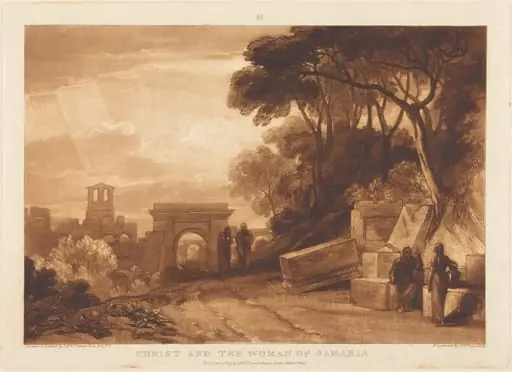
Own this work as a print
Artist & collection
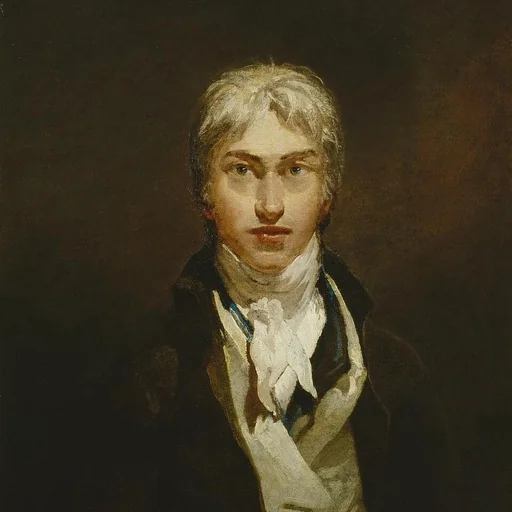
Artist
Joseph Mallord William Turner was born in 1775 at Maiden Lane, Covent Garden, where his father kept a barber and wig-making shop.