Artwork
清 佚名 倣郭熙 溪山無盡圖 卷|Streams and Mountains Without End
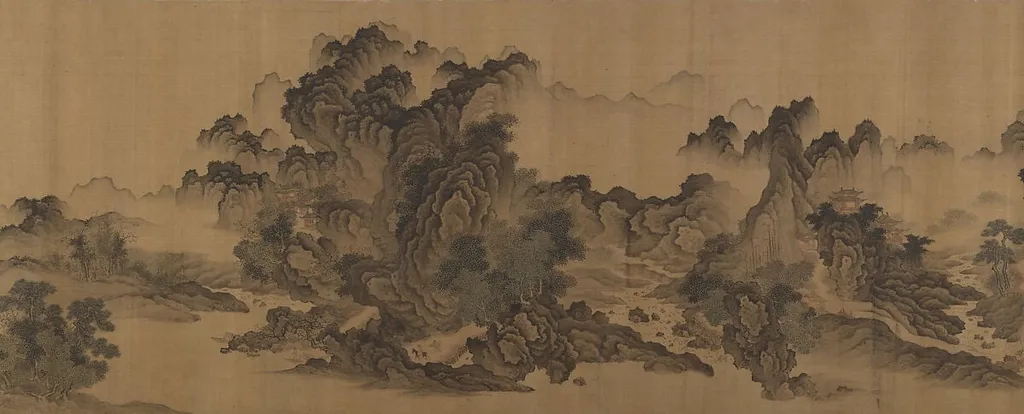
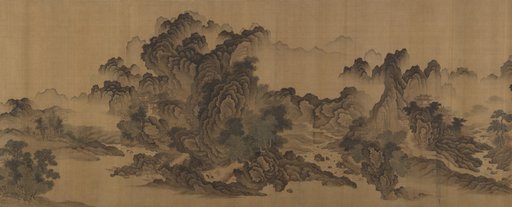
清 佚名 倣郭熙 溪山無盡圖 卷|Streams and Mountains Without End is an ink painting by the Baroque artist After Guo Xi. It dates from 1649 and is held in the collection of the Metropolitan Museum of Art. This handscroll, titled Streams and Mountains Without End, is an ink and light color painting on silk.
About this work
Subject & Meaning
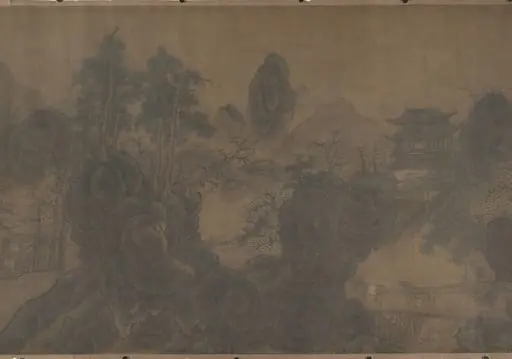
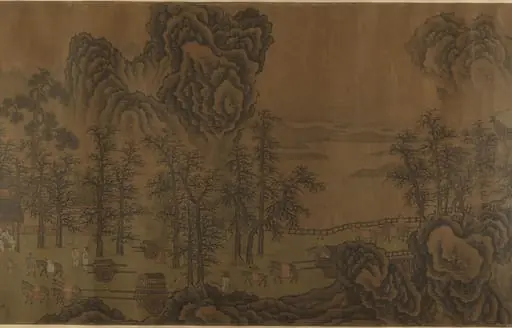
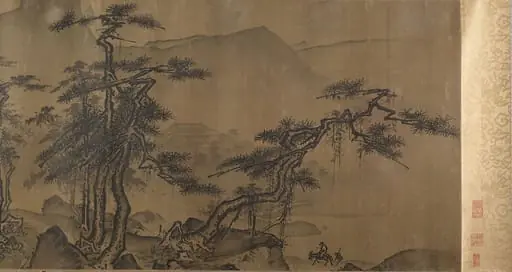
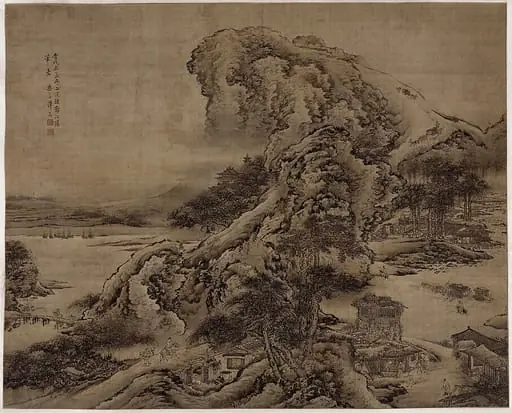
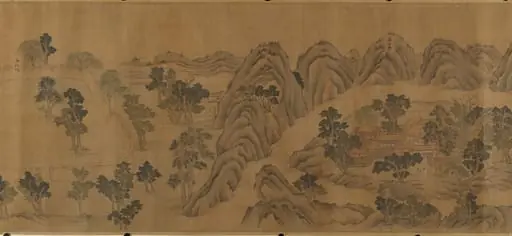
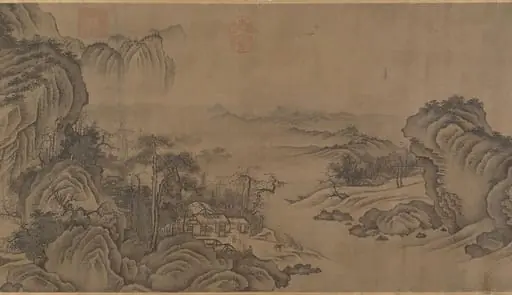
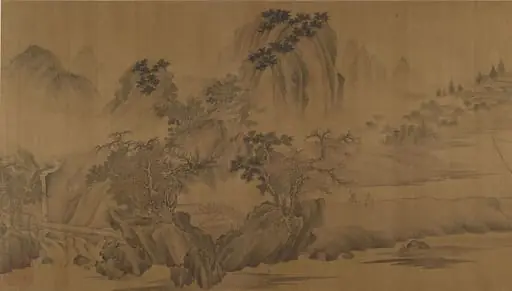
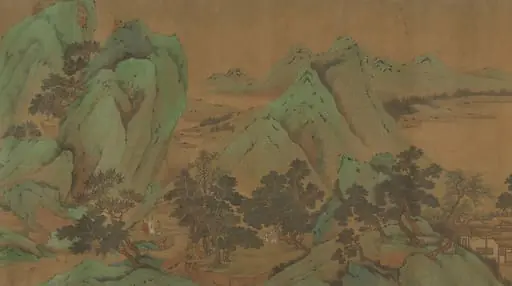
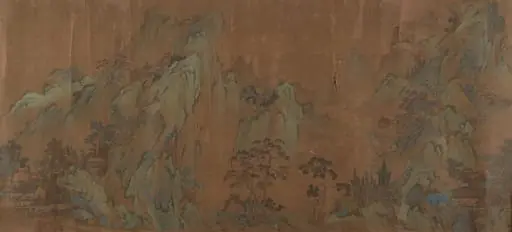
The handscroll portrays a continuous natural scene centered on a winding stream and towering mountains, embodying the Chinese landscape genre.
The handscroll portrays a continuous natural scene centered on a winding stream and towering mountains, embodying the Chinese landscape genre. Its composition follows the tradition of depicting harmonious integration of water, rock, and foliage, a motif associated with scholarly ideals of order and cosmic balance. Executed in ink and color on silk in 1649, the work is attributed to an anonymous painter after the style of Guo Xi, reflecting the enduring influence of earlier Song‑dynasty landscape models.
The painting’s subject, an expansive, unending vista of mountains and streams, serves as a visual representation of the landscape painting genre prevalent in Qing‑era Chinese art.
Technique & Style
The painting is executed as a handscroll on silk, using ink with polychrome pigments, a technique characteristic of early Qing landscape works that emulate Guo Xi’s spatial depth. The composition arranges mist‑filled mountains and a meandering stream in a continuous narrative, reflecting the genre’s emphasis on layered perspective and atmospheric recession. Rendered in the manner of a follower of Guo Xi, the work employs subtle tonal gradations and textural brushstrokes to suggest depth, while the silk support allows flexible handling typical of handscrolls.
The piece is catalogued in the Metropolitan Museum of Art collection, dated to 1649, and remains preserved within the museum’s holdings.
History & Provenance
The handscroll titled Streams and Mountains Without End, executed in ink and color on silk, was created in 1649 in China. Although the work is attributed to an anonymous artist, it is stylistically characterized as an imitation of the Song dynasty master Guo Xi. The painting measures 28.4 cm in height and 194 cm in width.
Regarding its ownership history, the artwork is currently held in the collection of the Metropolitan Museum of Art. No specific details regarding the original commissioner or the intermediate chain of ownership prior to its arrival at the museum are provided in the available records. The work remains a significant example of mid-17th-century Chinese landscape painting within the institution's holdings.
The handscroll is housed in the collection of the Metropolitan Museum of Art in New York, where it is catalogued as part of the museum's holdings of Chinese painting. The exact accession or inventory number is not specified in the documentation examined. The work, dated to 1649 and attributed to an anonymous follower of Guo Xi, appears in the museum’s records as a landscape handscroll on silk.
No exhibition history is documented in the sources provided, indicating that the piece has not been listed in public exhibitions to date.
Overview
This handscroll, titled Streams and Mountains Without End, is an ink and light color painting on silk. Created in the 17th century during the Qing dynasty by an anonymous artist, it depicts a continuous landscape of towering mountains, swirling mist, and a meandering stream. The work intentionally emulates the aesthetic principles of 11th-century Chinese landscape painting, offering a traditional perspective on nature.

Artist & collection