Artwork
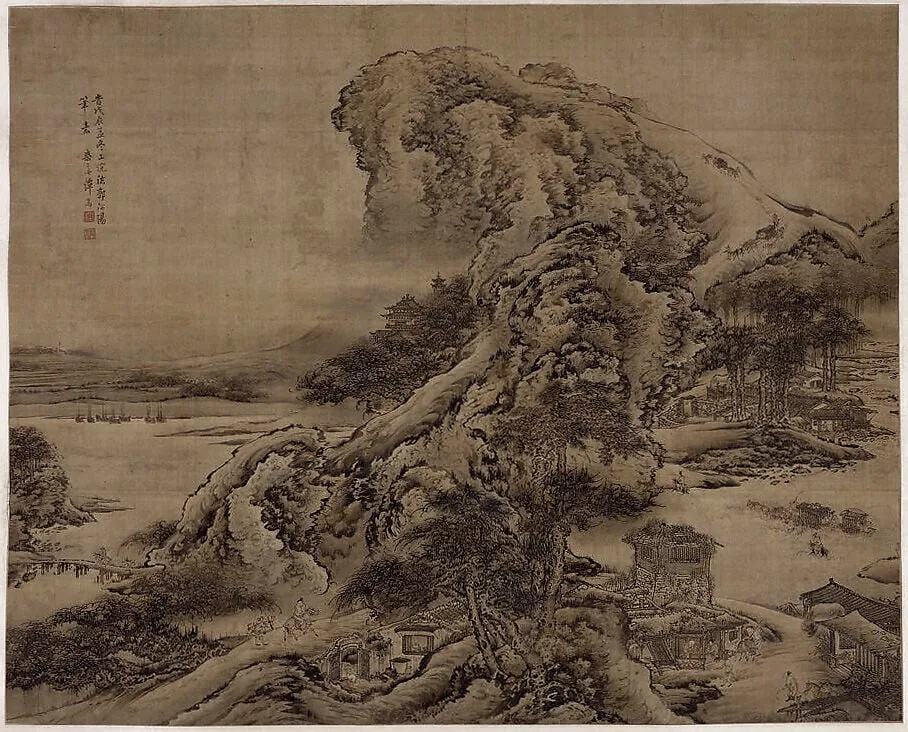
清 譚嵩 倣郭熙山水圖 軸|Landscape in the Style of Guo Xi
About this work
Technique & Style
The work is classified as a landscape painting that explicitly engages with the stylistic tradition of the earlier master Guo Xi, as indicated by its title.
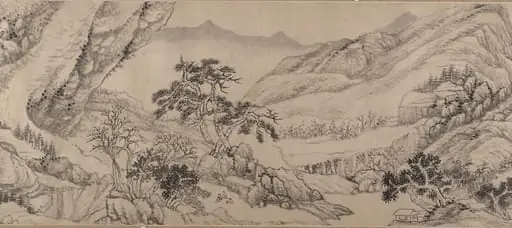
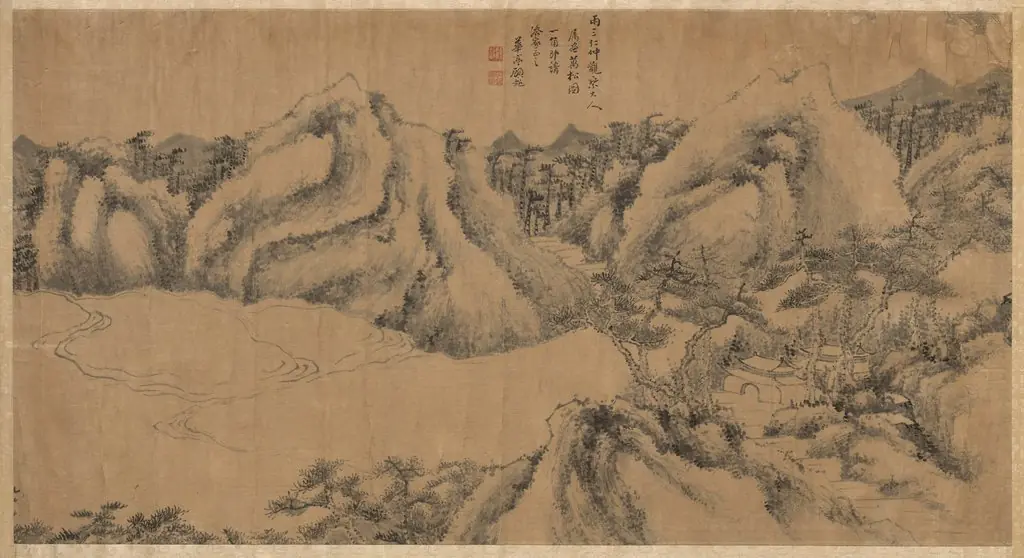
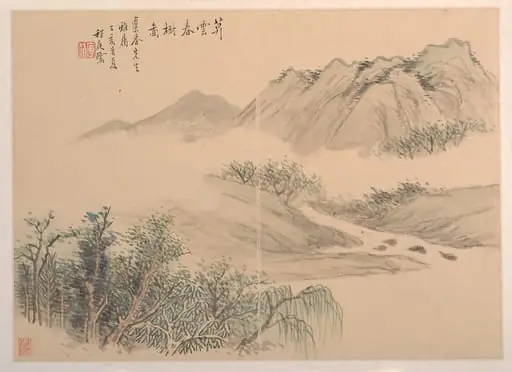
Executed in 1748, this hanging scroll employs ink and color applied on a silk support. The work is classified as a landscape painting that explicitly engages with the stylistic tradition of the earlier master Guo Xi, as indicated by its title. The composition utilizes the formal qualities associated with Guo Xi's approach to mountainous terrain, rendered here through the specific handling of brushwork and pigment characteristic of the Qing dynasty period.
The use of silk as the ground material influences the texture and absorption of the ink and colors, defining the visual depth of the scenery.
History & Provenance
The painting was created in 1748 by the Qing-dynasty artist Tan Song, as indicated by the artist’s inscription on the work. It entered the collection of the Metropolitan Museum of Art, where it is currently held. The museum’s records classify the piece as a hanging scroll executed in ink and color on silk, consistent with Qing-period literati painting practices.
The hanging scroll Landscape in the Style of Guo Xi by Tan Song is held in the collection of the Metropolitan Museum of Art in New York. Created in 1748, the work is classified as a landscape painting executed in ink and color on silk. While the museum houses the piece, the provided sources do not specify a unique inventory or accession number, nor do they record any exhibition history for this specific artwork.
The painting remains part of the museum's holdings of Chinese art, originating from China. No further details regarding its display history or specific catalog identifiers are available in the current documentation.
Overview
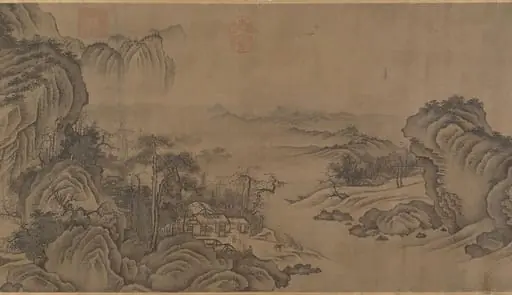
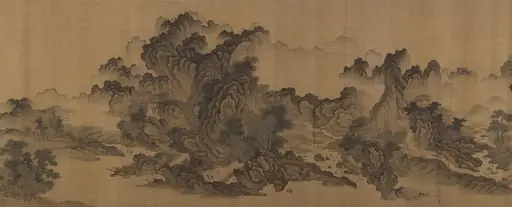
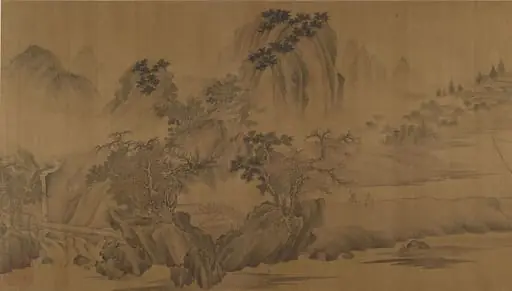
Created in 1748, this hanging scroll presents a traditional Chinese landscape rendered in ink and color on silk. The composition centers on a prominent mountain, flanked by trees, water, and modest architectural structures, all set against a distant, mist‑shrouded range.
Subject & Meaning
The scene depicts an idealized natural environment where human habitation integrates harmoniously with the surrounding terrain. The inclusion of pavilions and bridges suggests a contemplative retreat, reflecting the classical Chinese view of nature as a source of moral and aesthetic inspiration.
Artist & collection