Artwork
明 佚名 羅漢圖 軸|The Arhat Vajraputra
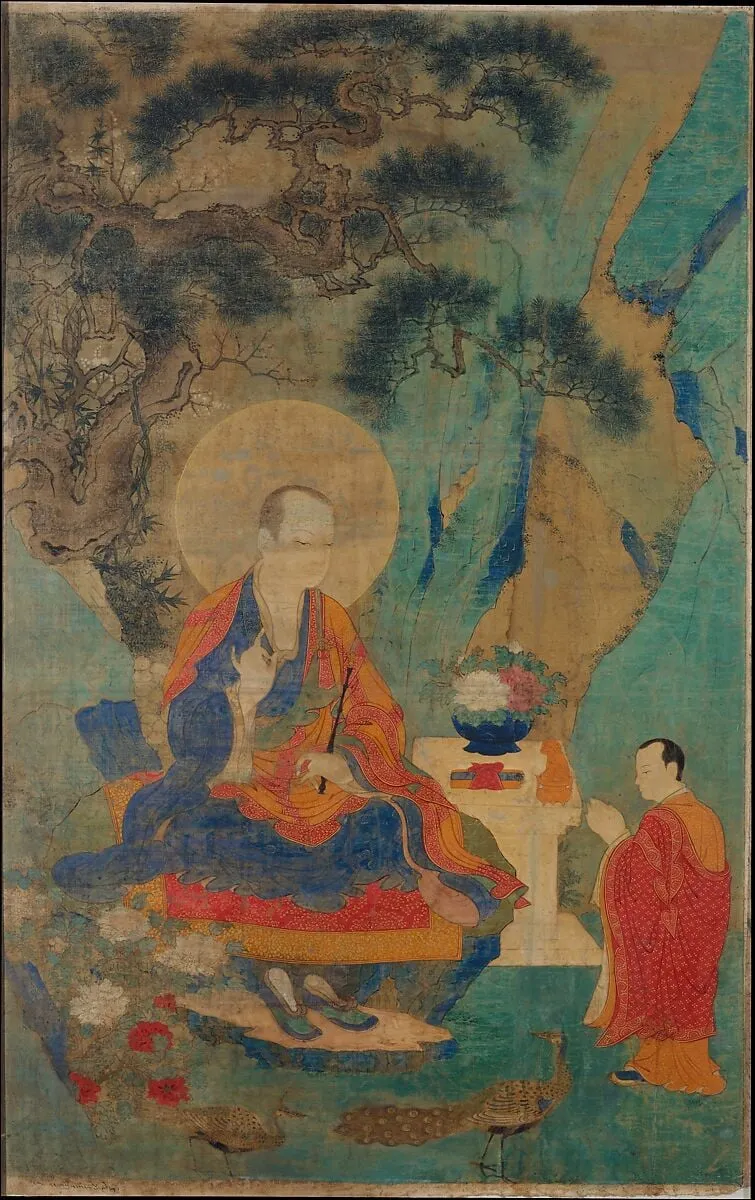
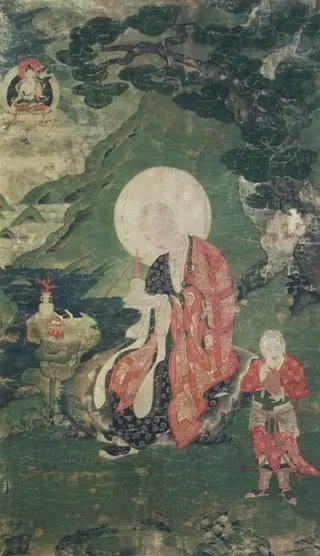
明 佚名 羅漢圖 軸|The Arhat Vajraputra is a distemper painting. It dates from 1449 and is held in the collection of the Metropolitan Museum of Art.
About this work
Subject & Meaning
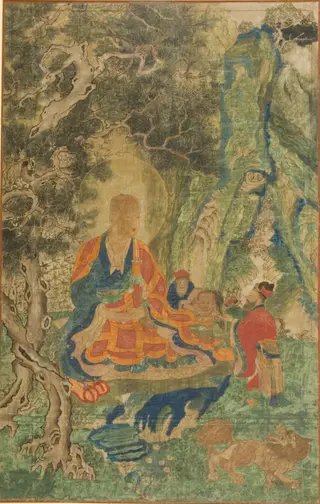
As a work of religious art, the composition centers on the figure of the man, who represents the enlightened disciple Vajraputra within the Buddhist tradition.
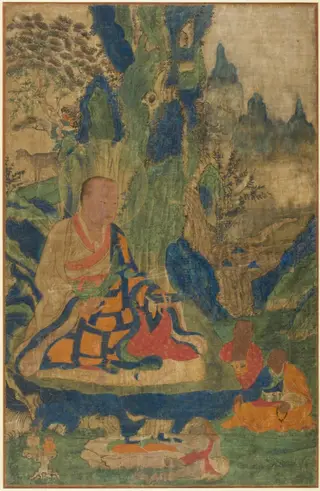
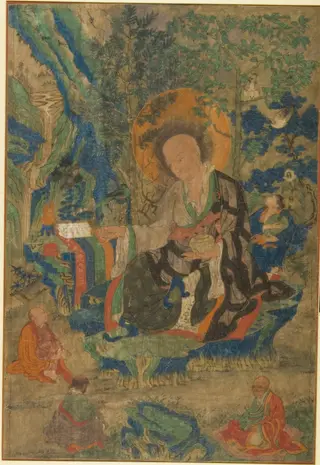
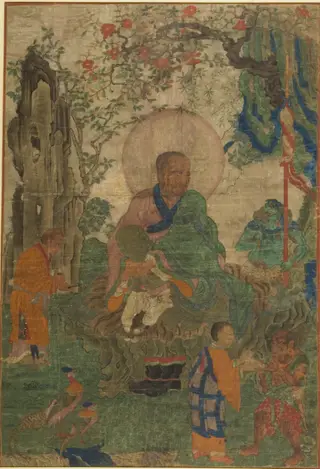
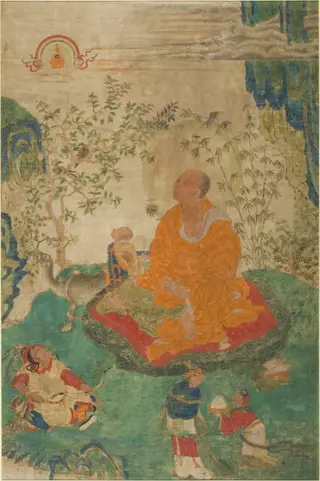
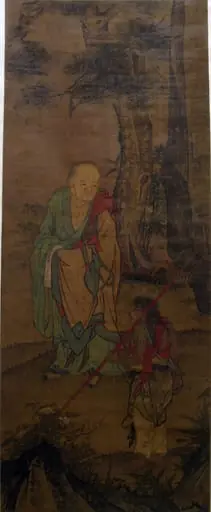
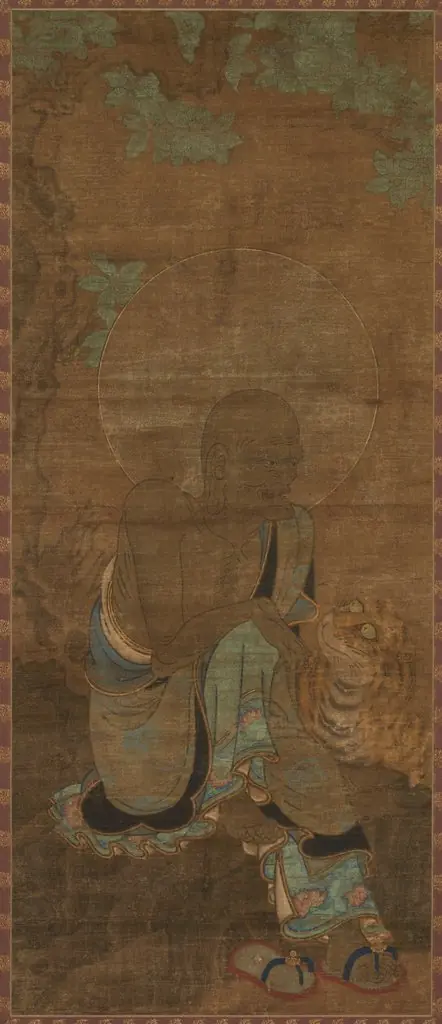
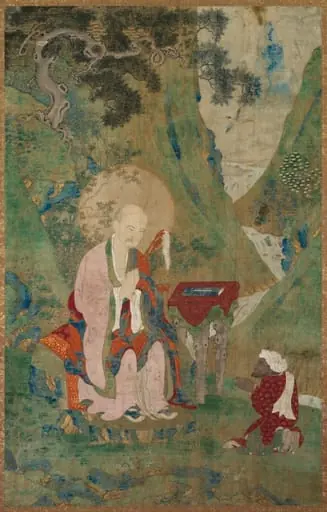
This 1449 religious painting depicts the Arhat Vajraputra, identified by the presence of a man accompanied by a peafowl, a shoe, and a tree. As a work of religious art, the composition centers on the figure of the man, who represents the enlightened disciple Vajraputra within the Buddhist tradition. The inclusion of the peafowl and the shoe alongside the tree serves as specific iconographic markers that define the identity of this particular arhat.
These elements function as symbolic attributes, distinguishing this figure from other members of the sixteen or eighteen arhats often portrayed in similar devotional contexts. The visual narrative relies on these distinct objects to communicate the saint's specific story or attributes to the viewer, grounding the spiritual meaning of the piece in recognizable, albeit enigmatic, material symbols.
Technique & Style
Created in 1449 by an anonymous artist, this religious painting depicts the Arhat Vajraputra alongside a tree, a peafowl, and a shoe. The work is executed using distemper pigments applied onto a cotton support, distinguishing it from the silk or paper often utilized in comparable East Asian traditions. The composition features a central male figure within a naturalistic setting defined by the flora and fauna.
Physically, the artwork measures 81.3 centimeters in height and 50.8 centimeters in width. While the specific condition of the cotton ground and pigment layer is not detailed in the available records, the choice of opaque water-based media on woven fabric defines its material character and handling requirements.
Overview
This painting, titled The Arhat Vajraputra, dates from China's Ming Dynasty (1368–1644) and depicts a significant figure in Buddhist tradition. Executed with distemper on cotton, the work portrays a serene scene featuring a robed man accompanied by a peacock, set within a natural landscape. The artist remains anonymous, a common occurrence for many works from this period, particularly those intended for religious or devotional purposes.
Artist & collection