Artwork
南宋 佚名 雪景待渡圖 團扇|Waiting for the Ferry
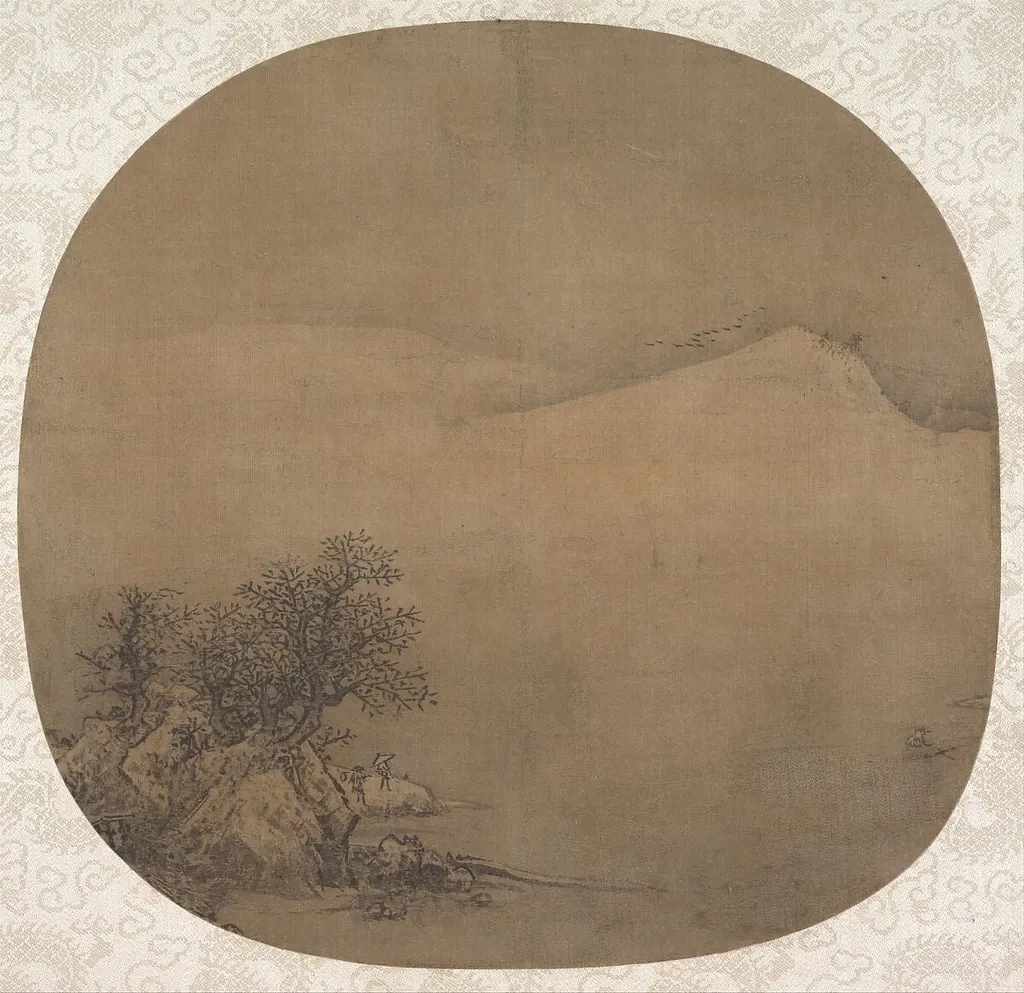
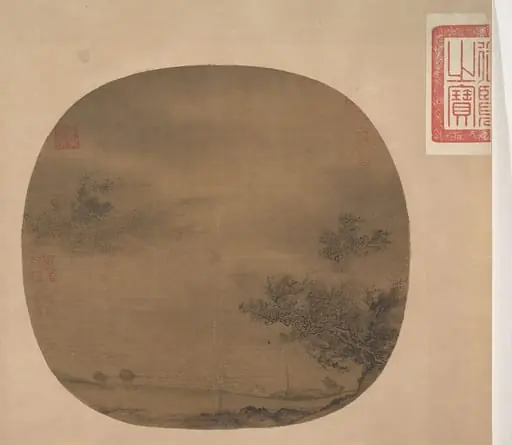
南宋 佚名 雪景待渡圖 團扇|Waiting for the Ferry is an ink painting. It dates from 1216 and is held in the collection of the Metropolitan Museum of Art. This anonymous Southern Song dynasty painting, titled Waiting for the Ferry, depicts a tranquil winter scene rendered in ink on silk.
About this work
Subject & Meaning
The work depicts a winter landscape scene characterized by snow-covered mountains, consistent with the Song dynasty tradition of landscape painting.
The work depicts a winter landscape scene characterized by snow-covered mountains, consistent with the Song dynasty tradition of landscape painting. Created by an anonymous artist, the composition focuses on the natural environment rather than a specific narrative event, though the title 'Waiting for the Ferry' implies a human presence or anticipation of travel within this vast, frozen setting. The imagery of snow and mountains serves as the primary iconographic element, establishing a mood of quiet isolation and the endurance of nature during the harsh season.
As a fan leaf, the intimate scale invites close viewing of these atmospheric details, representing the aesthetic appreciation of seasonal change and the sublime power of the natural world found in Southern Chinese art.
Technique & Style
The work is a hand‑painted fan that was later mounted as an album leaf, executed in ink on silk. Its support consists of a silk backing with the painted surface applied directly, a technique typical of Southern Song album‑leaf fans. The composition depicts a snow‑covered mountain landscape, rendered with delicate, attenuated brushstrokes that emphasize atmospheric depth.
Measured at 25.1 cm in height and 25.7 cm in width, the piece was created in China around 1216 and is now part of the Metropolitan Museum of Art collection. The formal handling reflects the fluid, lyrical style of Southern Song landscape painting, with subtle tonal gradations that convey the quiet stillness of winter.
History & Provenance
The Southern Song anonymous work titled "Waiting for the Ferry" (snowy landscape on a fan) was created in 1216 in China as an ink-on-silk fan mounted as an album leaf. Its authorship is attributed to an unknown painter, and it depicts a snow‑covered mountain scene. The piece entered the collection of the Metropolitan Museum of Art, where it remains on display, having been acquired from its original Chinese context.
No records detail a specific commissioning patron; the work is documented only as an anonymous painting within the museum's holdings. Its dimensions are 25.1 cm by 25.7 cm, and it is classified as a Southern Song landscape painting.
The anonymous Song dynasty fan painting titled Waiting for the Ferry is currently held in the collection of the Metropolitan Museum of Art in New York. The work, dated to 1216, is classified as a landscape painting executed in ink on silk and mounted as an album leaf. While the provided sources confirm its location within the museum and its physical dimensions of 25.1 by 25.7 centimeters, they do not specify a unique inventory or accession number for the object.
Furthermore, the available documentation contains no record of specific exhibitions where this particular fan painting has been displayed, limiting the historical account to its current institutional custody and basic physical attributes.
Overview
This anonymous Southern Song dynasty painting, titled Waiting for the Ferry, depicts a tranquil winter scene rendered in ink on silk. Originally a circular fan, it has since been mounted as an album leaf. The composition features snow-covered mountains and a few figures patiently awaiting transport across water, encapsulating a moment of quiet contemplation within a vast natural setting.
Context
Created during the Southern Song dynasty, a period known for its refined landscape painting, this work reflects the era's appreciation for subtle beauty and philosophical depth in art. While the artist remains unknown, the painting aligns with a tradition of depicting evocative natural scenes that often include solitary figures or small groups, inviting reflection on human experience within the grandeur of nature. Similar compositions can be found in collections such as The Metropolitan Museum of Art.
Artist & collection

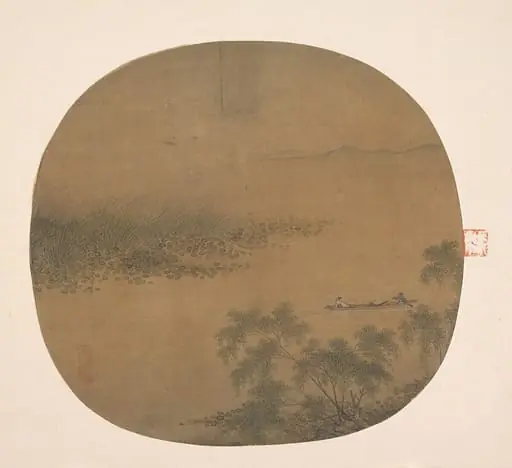
- 南宋 佚名 泛舟柳塘圖 團扇|Boating by a Willow Bank
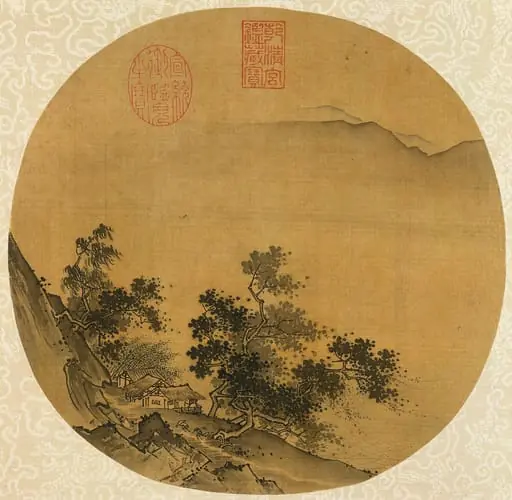 南宋 佚名 倣夏珪 冒雨尋莊圖 團扇|Returning Home in a Driving Rain
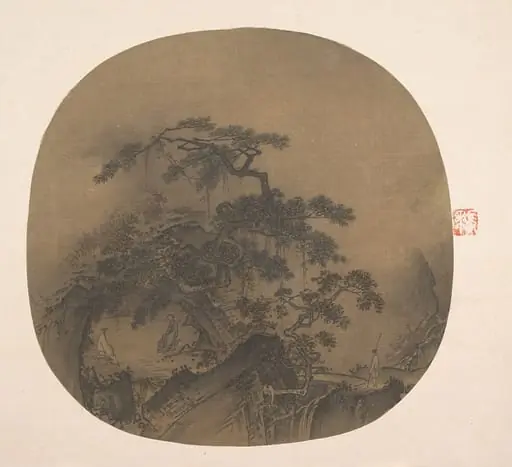 南宋 佚名 洞天論道圖 團扇|Conversation in a cave
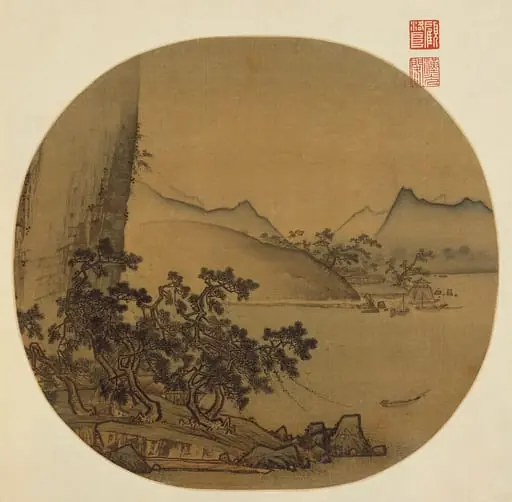 南宋 佚名 舊傳閻次于 風雨維舟圖 團扇|Boats Moored in Wind and Rain
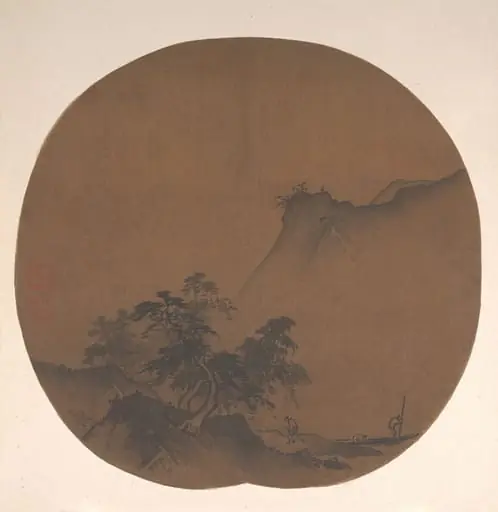 南宋 傳夏珪 澤畔疾風圖 團扇|Windswept lakeshore
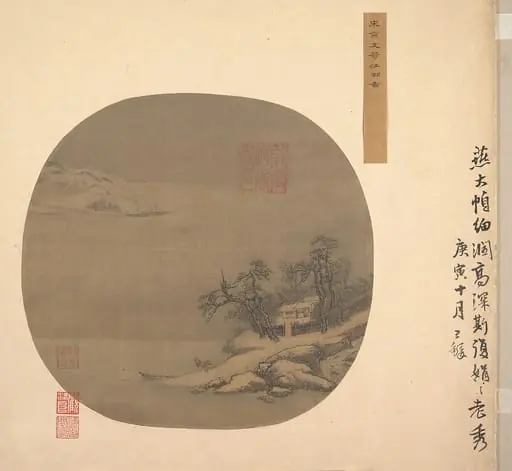 南宋 佚名 江邨圖 團扇|River Hamlet
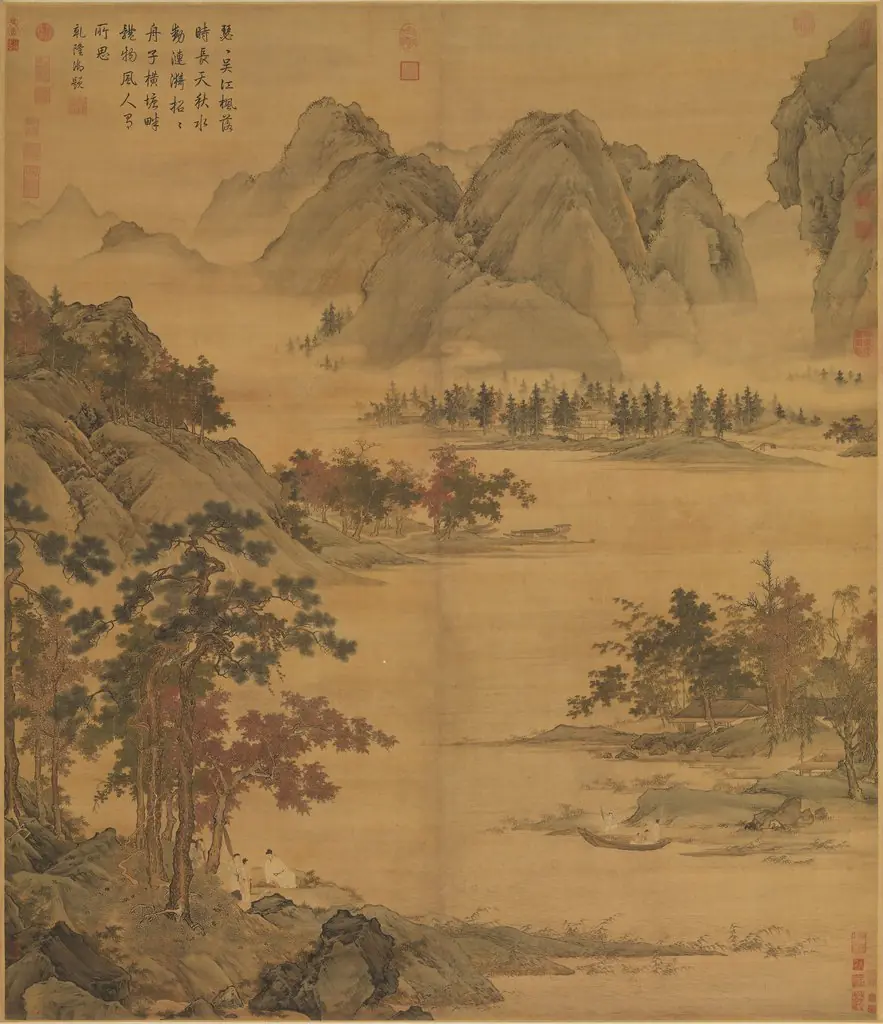 Waiting for the Ferry on an Autumn River
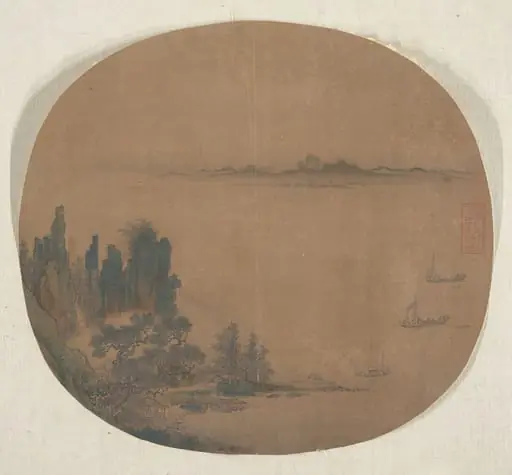 明 佚名 仿趙伯駒 春江行舟圖 團扇|Seascape
 南宋 佚名 風雨拉縴圖 團扇|Towing a Boat in a Rainstorm