Artwork
清 (倣) 錢灃 雙駿圖 軸|Two Horses
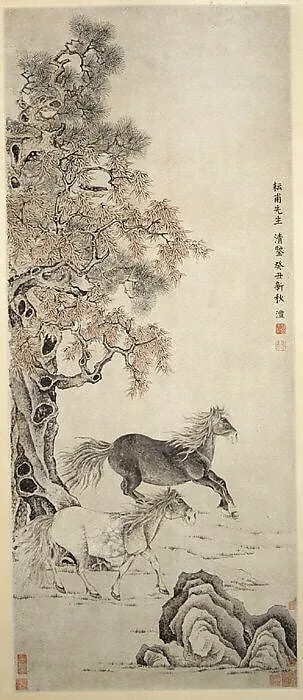
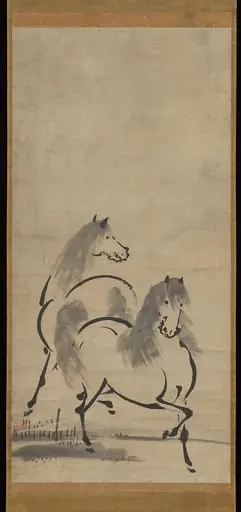
清 (倣) 錢灃 雙駿圖 軸|Two Horses is an ink painting. It dates from 1793 and is held in the collection of the Metropolitan Museum of Art. This hanging scroll, titled Two Horses (清 雙駿圖 軸), is an ink and color painting on paper.
About this work
Subject & Meaning
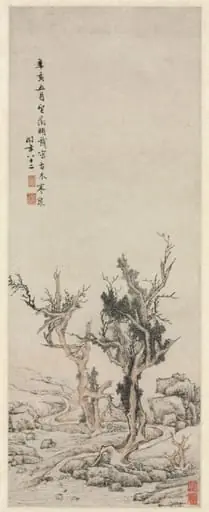
The inclusion of the tree provides a natural setting that frames the animals, a common compositional element in landscape painting.
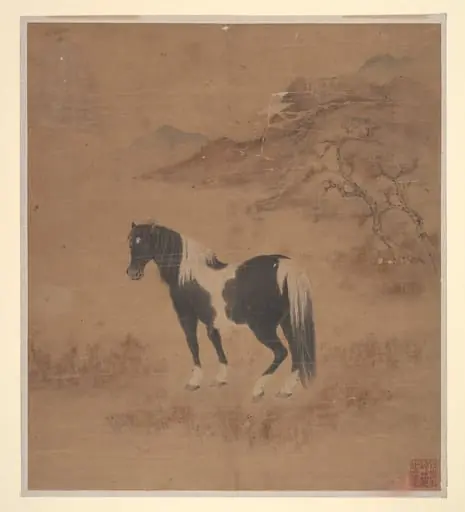
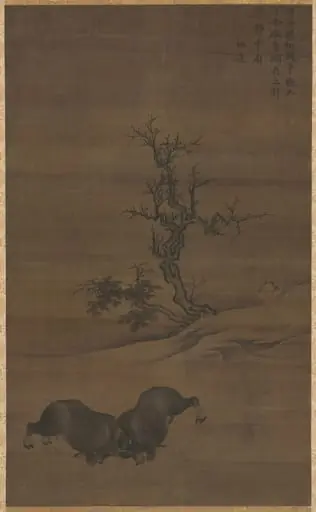
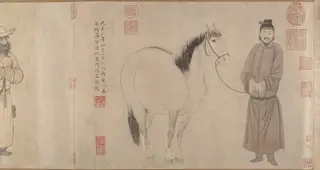
The work depicts two horses standing beneath a tree, rendered in ink and color on paper. This imagery aligns with the traditional Chinese artistic motif of horses, which often symbolize vitality, nobility, and the qualities of a loyal and capable steed. The inclusion of the tree provides a natural setting that frames the animals, a common compositional element in landscape painting.
While the title references Qian Feng, the piece is executed by an unidentified artist following that style, suggesting an homage to established aesthetic values of the late eighteenth century.
Technique & Style
Created in 1793, the work Two Horses is executed as a hanging scroll utilizing ink and color on paper. The piece depicts two horses alongside trees, rendered within a landscape genre tradition attributed to an unidentified artist imitating Qian Feng. As a Chinese painting from the Qing period, the medium and support align with traditional scroll formats where the pigment is applied directly to the paper surface.
History & Provenance
Created in 1793 in China, this hanging scroll is attributed to an unidentified artist working in the style of Qian Feng. The work, titled Two Horses, depicts equine figures and trees rendered in ink and color on paper. It currently resides in the collection of the Metropolitan Museum of Art.
No specific details regarding the original commission, previous ownership chains, or the circumstances of its creation beyond the date and location are provided in the available records.
The painting is held in the collection of the Metropolitan Museum of Art. According to Wikidata, its location is recorded as the Metropolitan Museum of Art, where it is catalogued as a painting made in China in 1793.
No specific inventory or accession number is provided in the available sources, and no exhibition history is documented.
Context
The 1793 hanging scroll, rendered in ink and color on paper, exemplifies Qing‑era landscape painting through its depiction of two horses amid a tree motif. Although the creator is recorded as unidentified and associated with the style of Qian Feng, the work is recognized as a faithful imitation (倣) of that master’s aesthetic. Its composition reflects the period’s interest in equestrian subjects and naturalistic detail, positioning it within the broader trajectory of Chinese horse imagery in the late eighteenth century.
The piece is part of the Metropolitan Museum of Art’s collection, underscoring its significance in contemporary scholarship on Qing dynasty visual culture.
Legacy
The painting known as Two Horses, attributed to the Qing court artist Qian Feng, entered the Metropolitan Museum of Art's collection, where it is displayed as a representative example of 18th‑century Chinese landscape art. Its inclusion in the museum's holdings has contributed to scholarly discussions of Qing painting techniques and the depiction of equine subjects in Chinese art. As a hanging scroll executed in ink and color on paper in 1793, the work is frequently referenced in studies of Qing artistic practice and continues to influence contemporary interpretations of traditional Chinese horse imagery.
Overview
This hanging scroll, titled Two Horses (清 雙駿圖 軸), is an ink and color painting on paper. It depicts two horses standing beneath a gnarled tree, their forms rendered with subtle ink washes in shades of brown and black. The artwork exemplifies traditional Chinese painting, focusing on animal representation within a natural setting, and highlights the artist's command of brushwork.
Artist & collection