
Movement
Qing dynasty painting
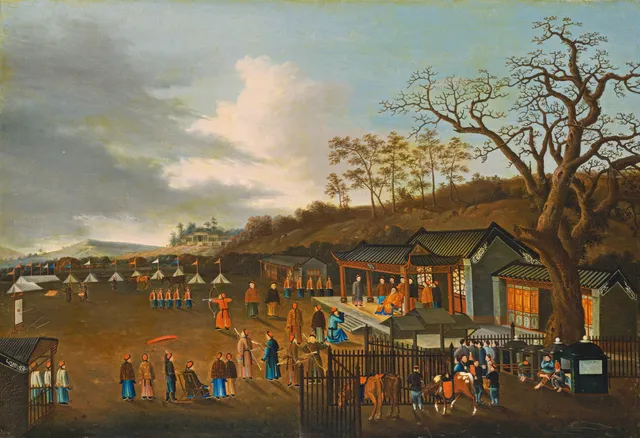
Qing dynasty painting is an art movement of the 1640–1920 period. The gallery holds 385 works in this movement, including works by Chinese Qing Dynasty, Zha Shibiao and Jin Nong. Browse Qing dynasty painting paintings, portraits, pictures and artworks from the world's public-domain museum collections.
Painting of China's last imperial house, the Qing (1644–1911), unfolded after the Manchu conquest of the Ming, a political rupture that paradoxically coincided with one of the richest eras in Chinese art. With no single court style imposed at first, painting branched into distinct currents whose tension—reverence for the past versus radical self-expression—defines the period. Much of its theory descended from the late-Ming critic Dong Qichang, whose canon of "Southern School" literati masters set the terms that both traditionalists and rebels would argue over for the next two centuries.
The dominant orthodox current is embodied by the Six Masters of the early Qing: the landscapists known as the Four Wangs—Wang Shimin (1592–1680), Wang Jian, Wang Hui, and Wang Yuanqi (1642–1715)—joined by Wu Li (1632–1718) and the flower painter Yun Shouping (1633–1690). Working in ink and light color on paper or silk, they prized the disciplined assimilation of Yuan-dynasty models, building cool, architecturally complex landscapes through accumulated brushstrokes (cun) rather than direct observation. Their cautious, scholarly manner won imperial favor and shaped academic taste.
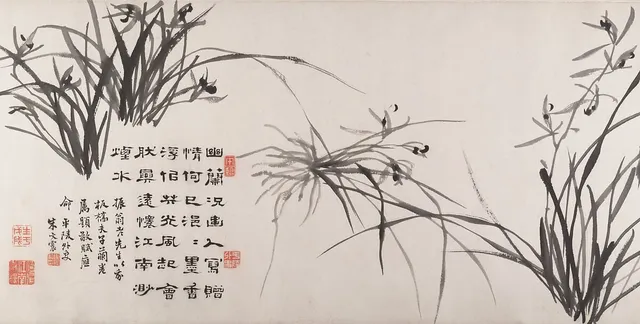
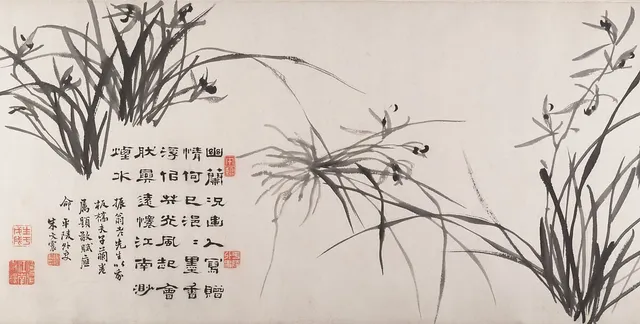
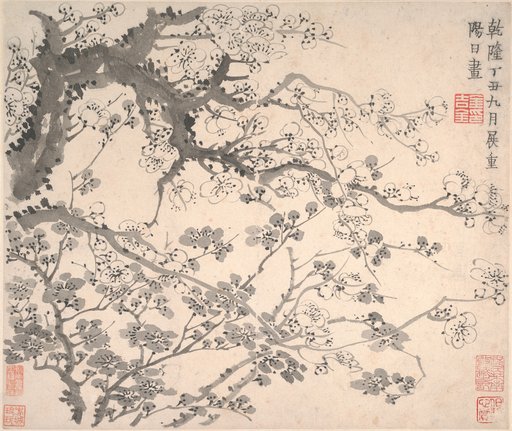
Against this restraint stood the Individualists, many of them Ming loyalists who became monks. The "Four Monks"—Hongren, Kuncan, Bada Shanren (1626–1705), and Shitao (1641–1707)—rejected slavish imitation for vigorous, idiosyncratic compositions: Bada's spare, glaring birds and Shitao's restless, ink-saturated mountains assert the primacy of the artist's own vision. Their lineage continued into the eighteenth century with the Eight Eccentrics of Yangzhou, including Jin Nong (1687–1764), famed for plum blossoms and his "lacquer" calligraphy, and Zheng Xie (Zheng Banqiao, 1693–1765), whose orchids and bamboo carried frank social feeling—seen in our handscroll Orchids and Bamboo.
A third strand emerged inside the imperial workshops, where Jesuit missionaries served as court painters. The Italian Giuseppe Castiglione (Lang Shining, 1688–1766), who worked for the Kangxi, Yongzheng, and Qianlong emperors, fused European linear perspective, chiaroscuro, and naturalism with Chinese brush conventions in works such as One Hundred Horses, forging the hybrid "High Qing" court style.
Qing painting thus extended and contested the Ming literati inheritance rather than overturning it. The orthodox masters preserved tradition, the Individualists pushed brush-and-ink toward modern expressionism, and the Jesuit synthesis opened Chinese art to the West—threads also reflected in our holdings by Yang Jin and the Manchu prince Yongxing.
Key artists

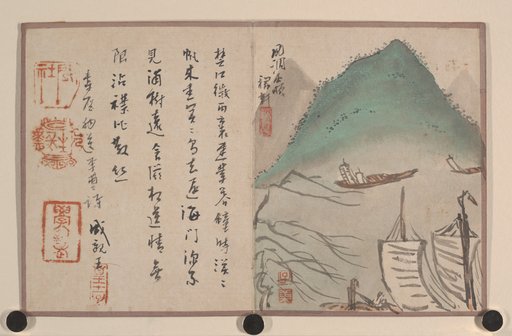
Works
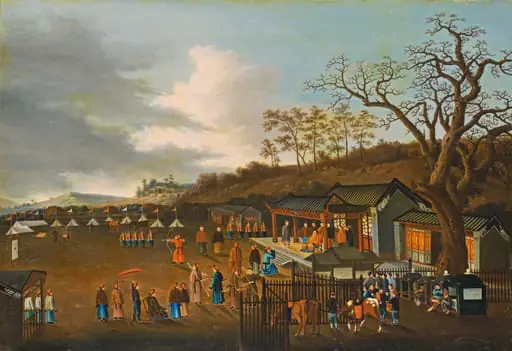 Archery Contest
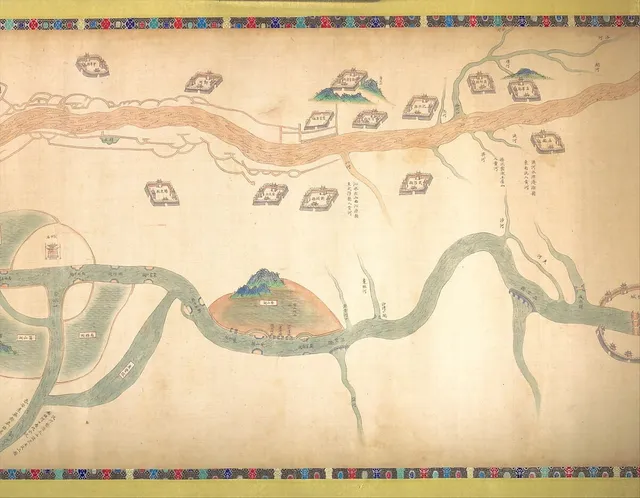
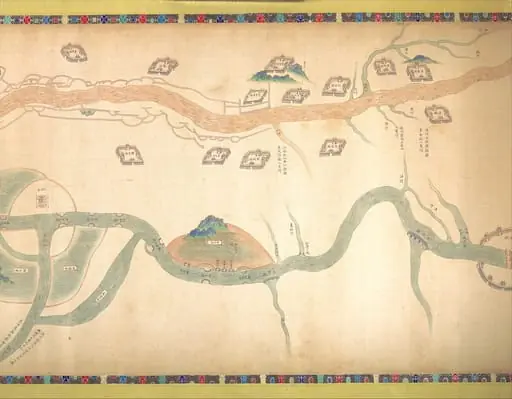 清 佚名 大運河地圖 (從北京至長江) 卷|Map of the Grand Canal from Beijing to the Yangzi River
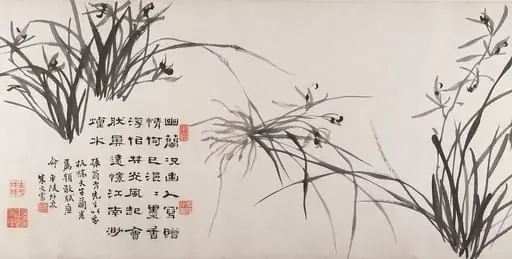 清 鄭燮 蘭竹圖 卷|Orchids and bamboo
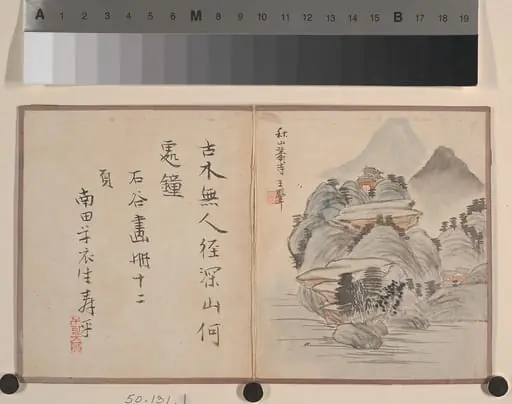 Untitled
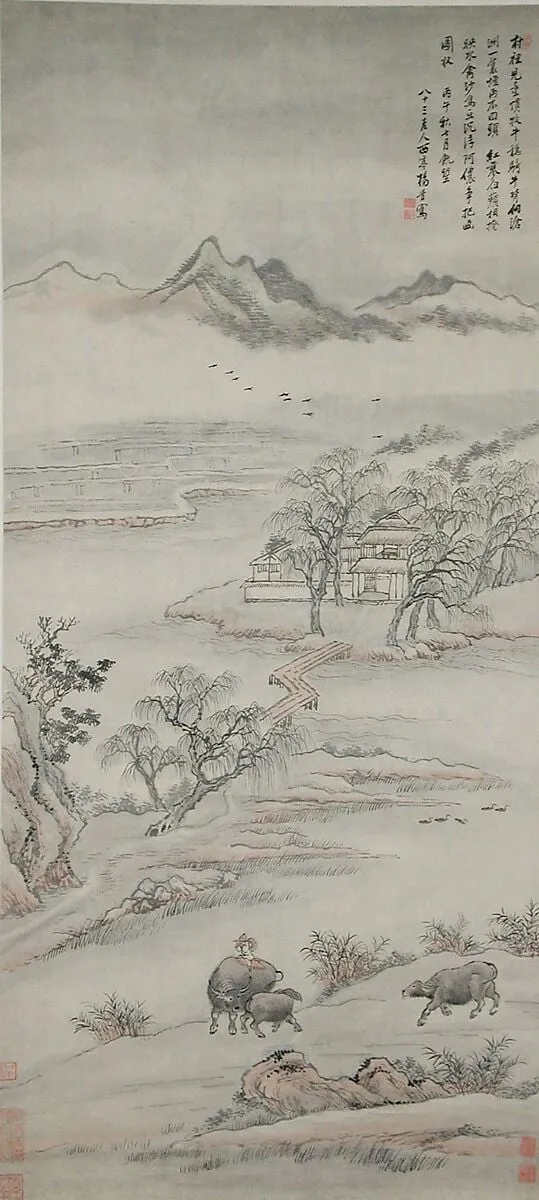
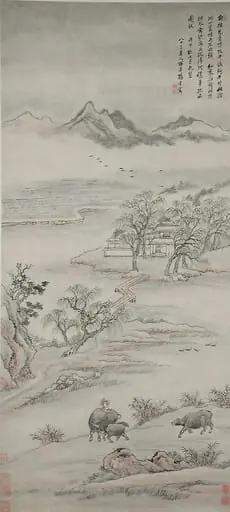 清 楊晉 滄洲牧牛圖 軸|Landscape with Figures
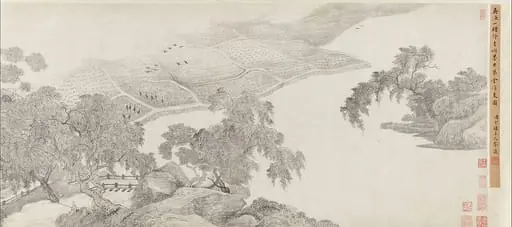 清 吳歷 墨井草堂消夏圖 卷|Whiling Away the Summer at the Ink-Well Thatched Hut
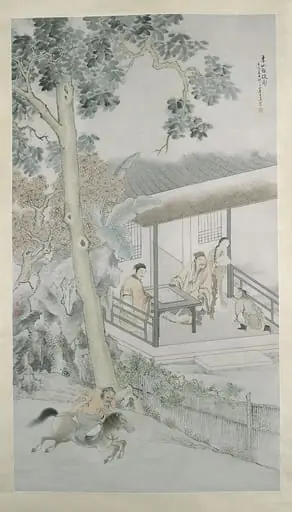 清 王素 東山報捷圖 軸|Bringing the Message of Victory to Dongshan
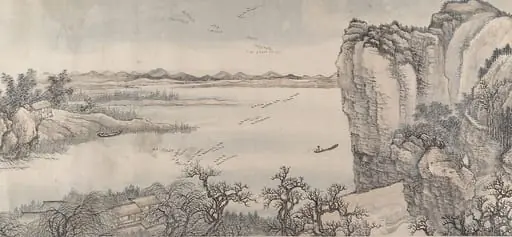 清 王翬 倣巨然燕文貴山水圖 卷|Landscape in the Style of Juran and Yan Wengui
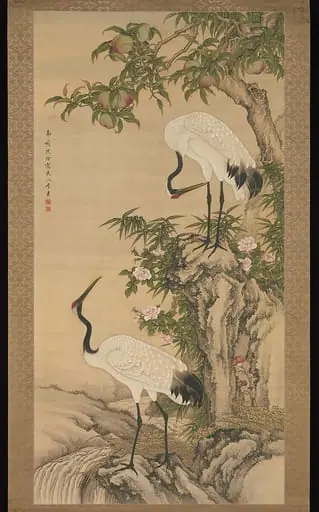 清 沈銓 月季桃鶴圖 軸|Cranes, peach tree, and China rose
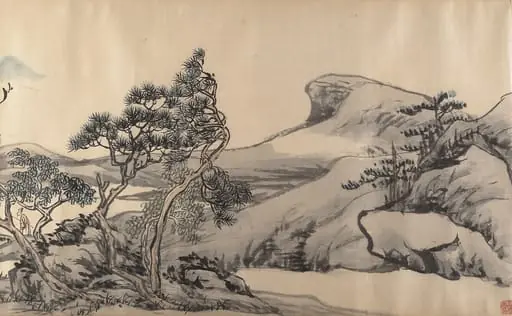 清 張賜寧 設色山水 卷|Landscape
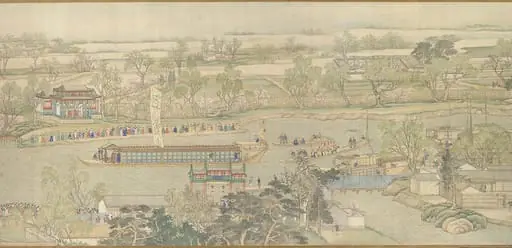 清 徐揚 等 乾隆南巡圖 (第六卷﹕大運河至蘇州) 卷|The Qianlong Emperor's Southern Inspection Tour, Scroll Six: Entering Suzhou along the Grand Canal
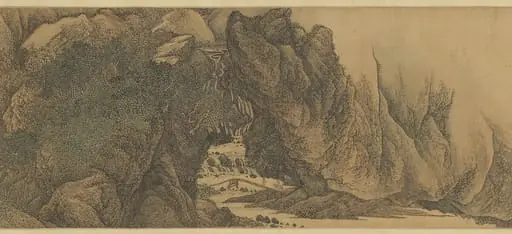 清 王翬 太行山色圖 卷|The Colors of Mount Taihang
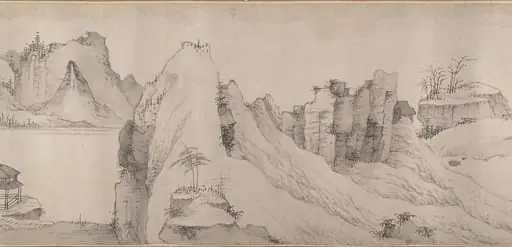 清 傳弘仁 寺橋山色圖 卷|River Scene in Winter
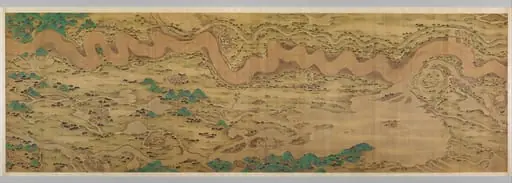 清 佚名 黃河萬里圖 卷|Ten Thousand Miles along the Yellow River
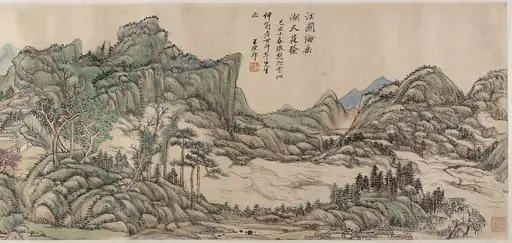 清 王原祁 江國垂綸圖 卷|Fishing in River Country at Blossom Time
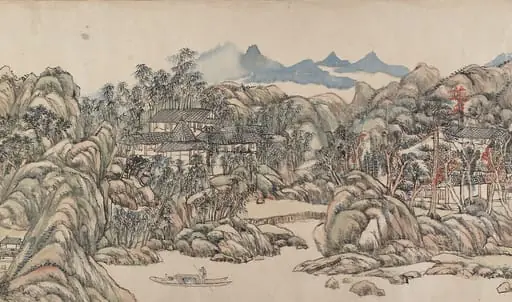 清 王原祁 輞川圖 卷|Wangchuan Villa
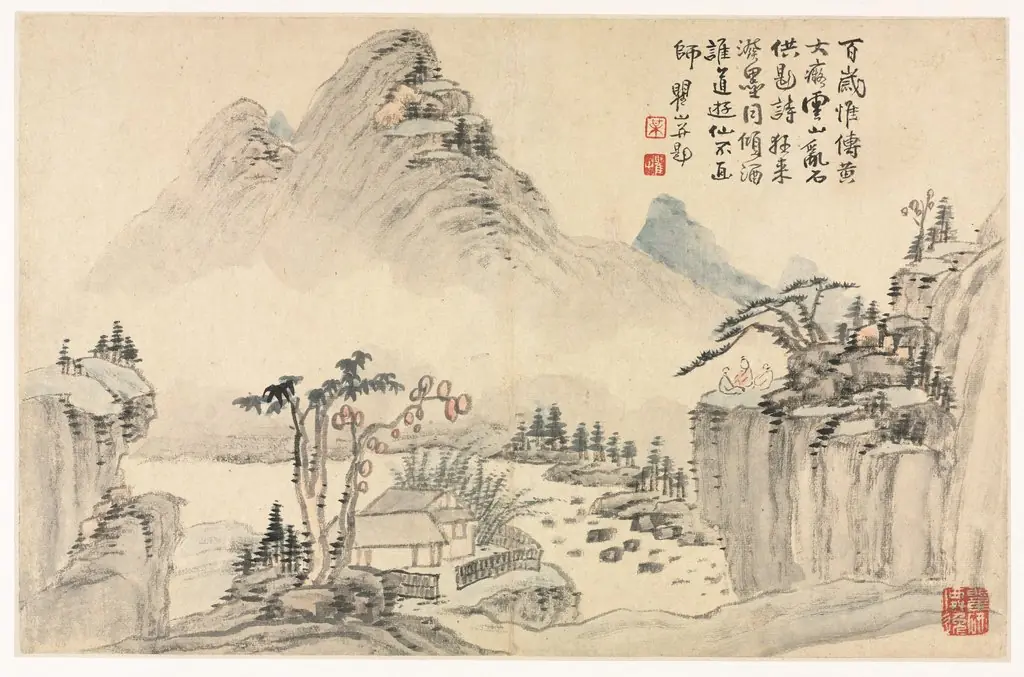 Landscapes in Various Styles after Old Masters
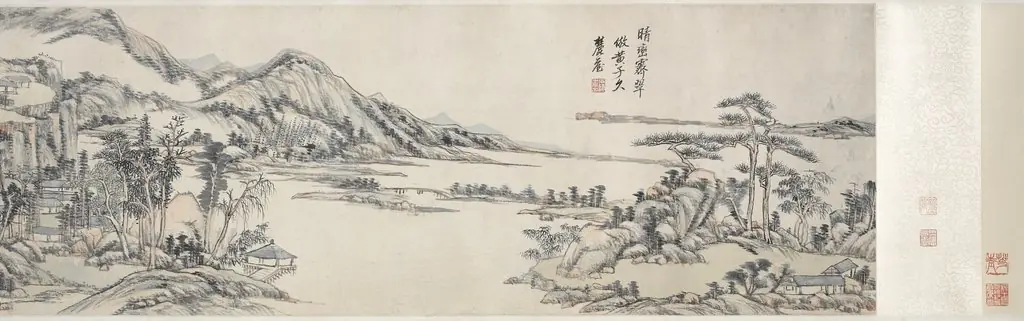 Green Peaks under Clear Sky: After Huang Gongwang
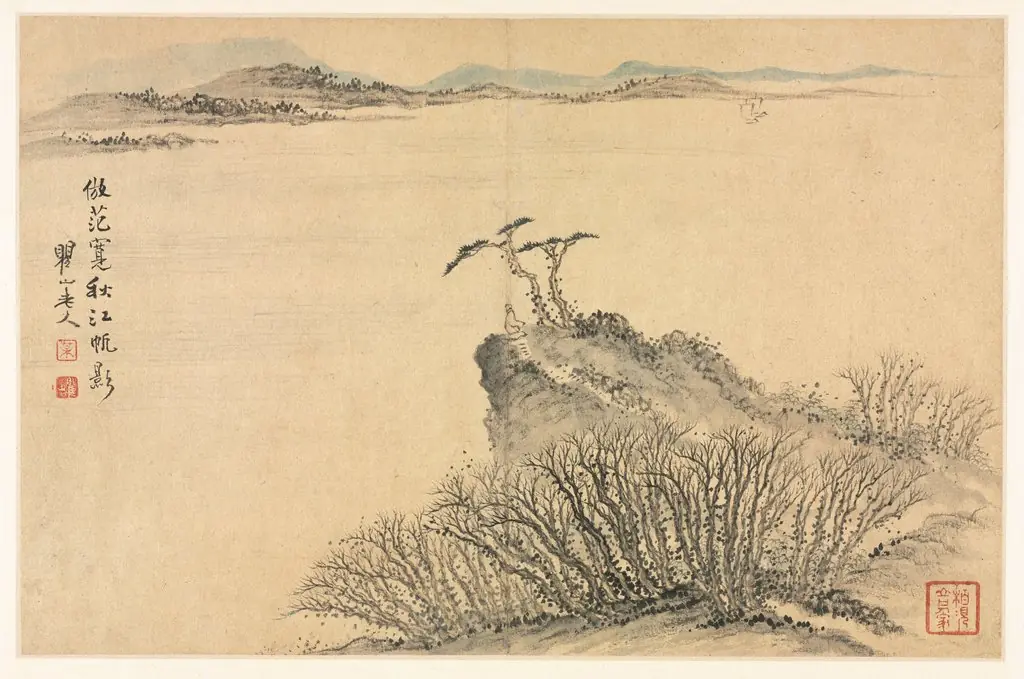 Landscapes in Various Styles after Old Masters
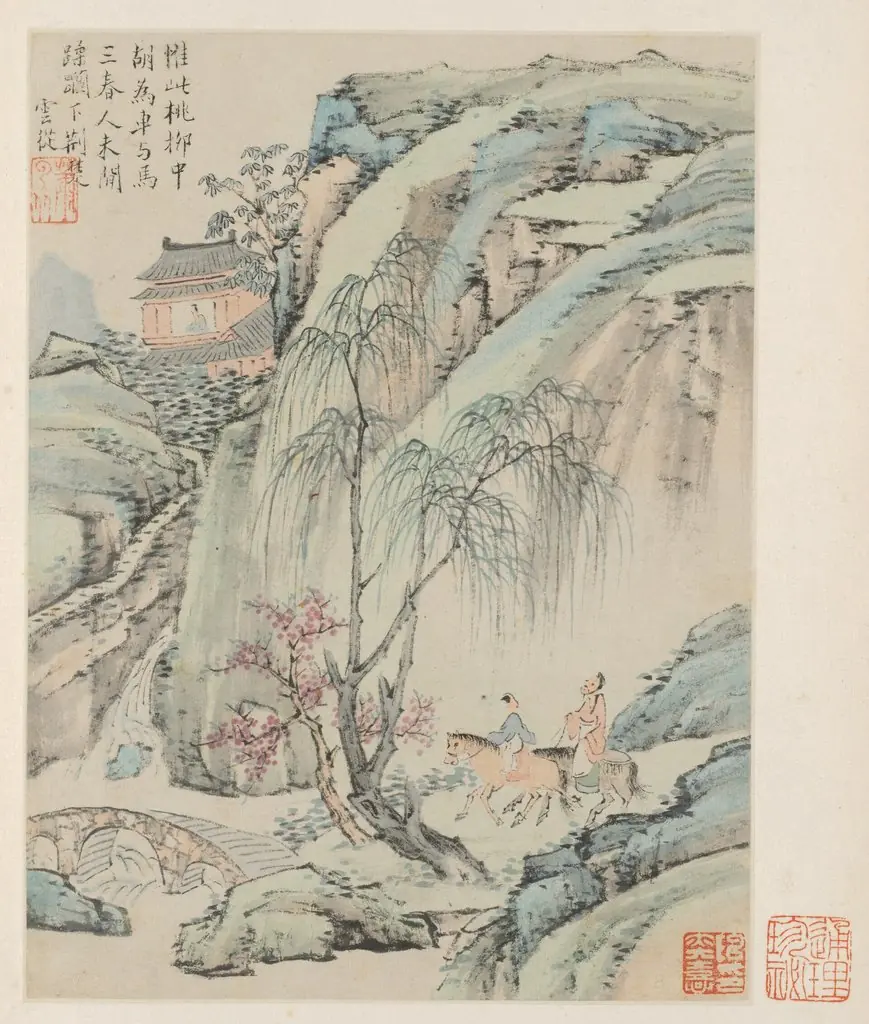 Album of Seasonal Landscapes, Leaf B (previous leaf 1)
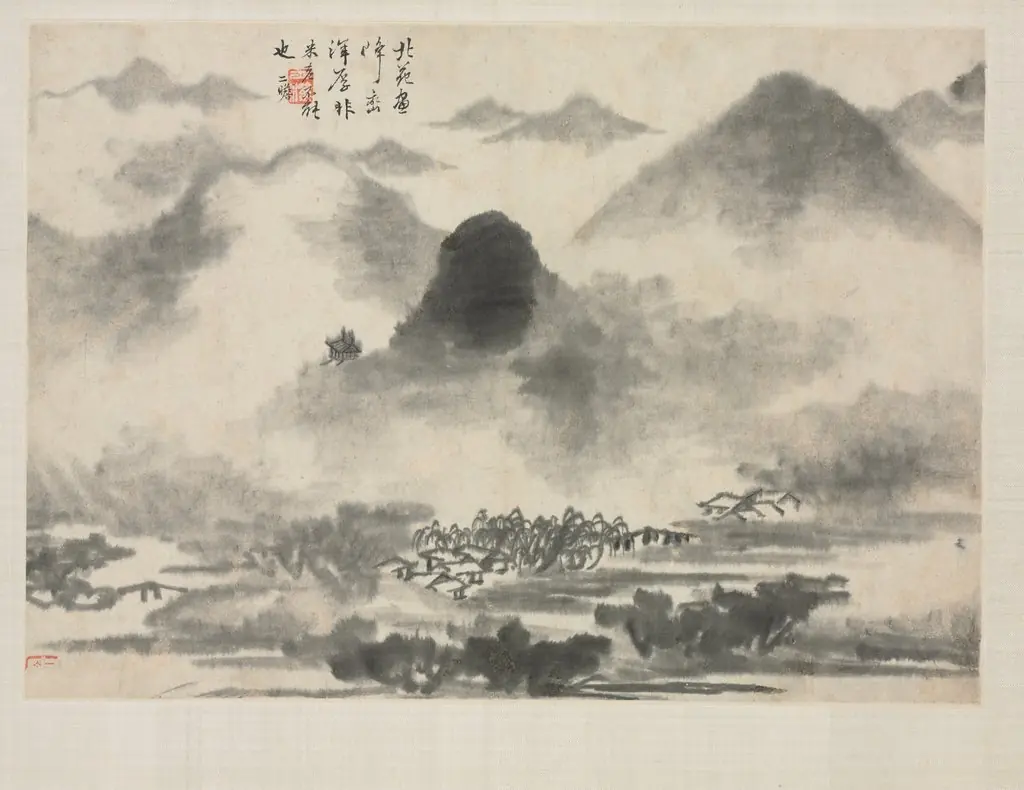 Landscape Album in Various Styles: Landscape after Mi Fei
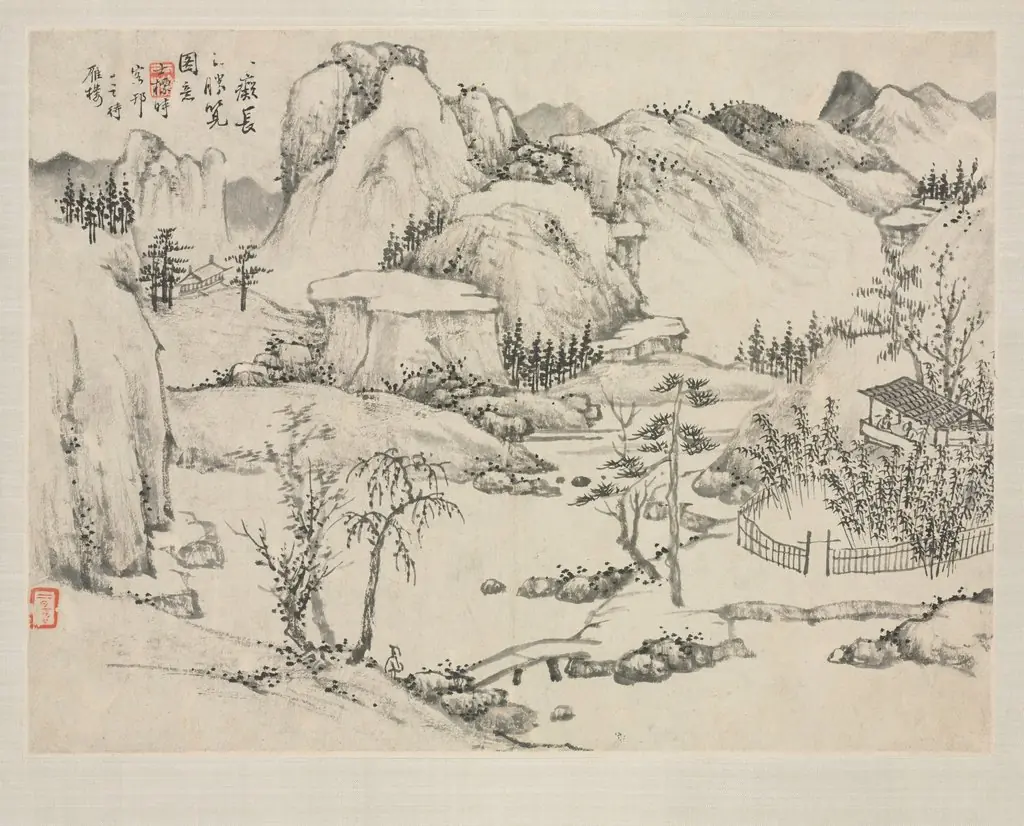 Landscape Album in Various Styles: Scenery of Mt. Changbai after Huang Gongwang
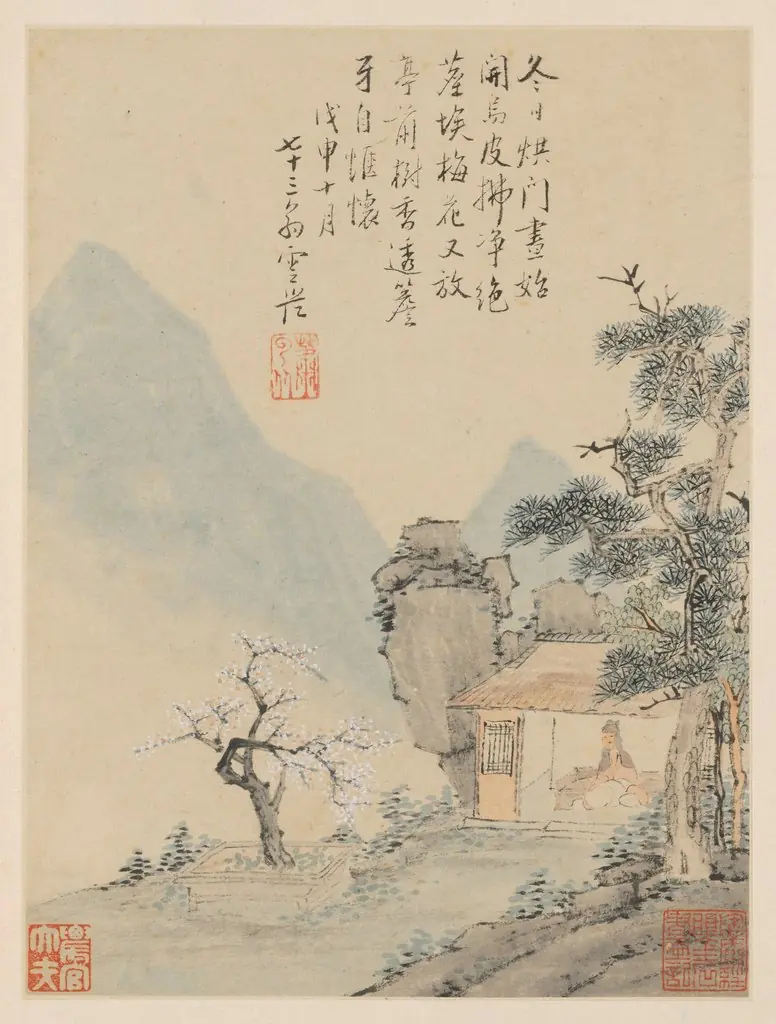 Album of Seasonal Landscapes, Leaf H (previous leaf 8)
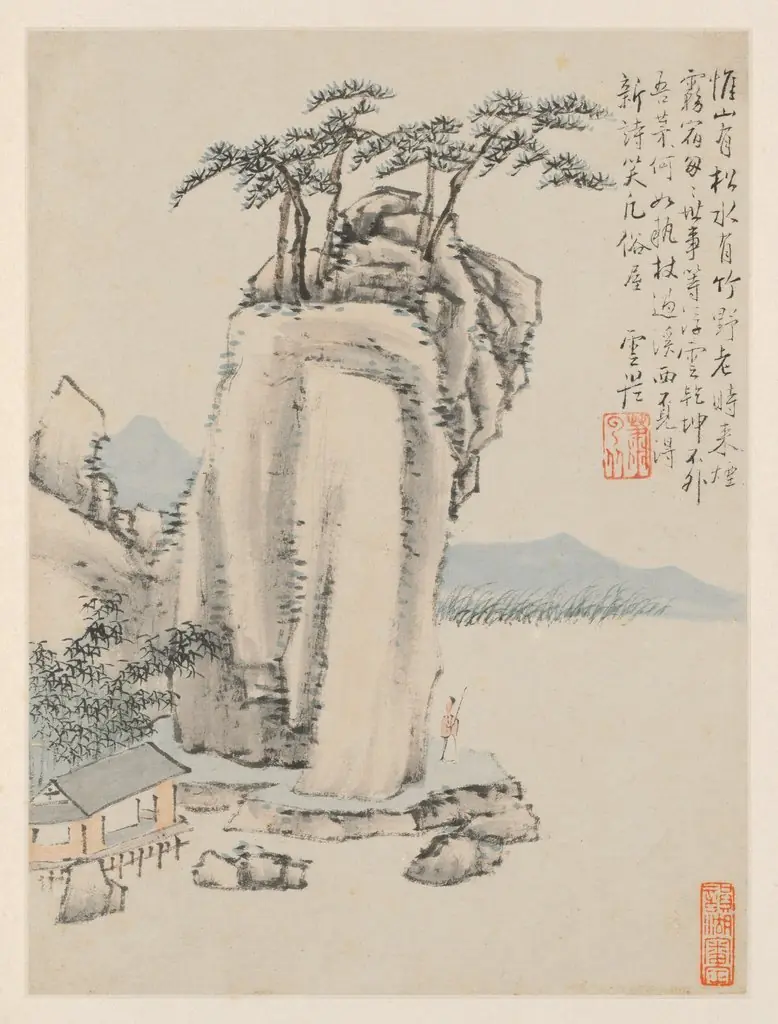 Album of Seasonal Landscapes, Leaf G (previous leaf 7)
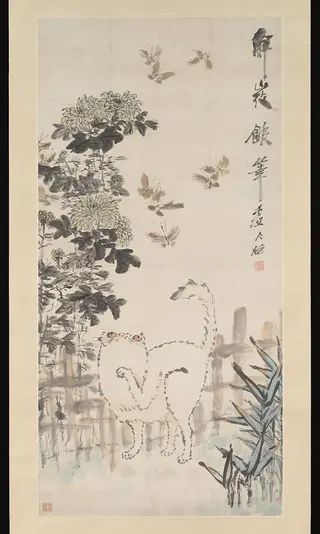 清 虛谷 蝶貓圖 軸|Cat and Butterfly
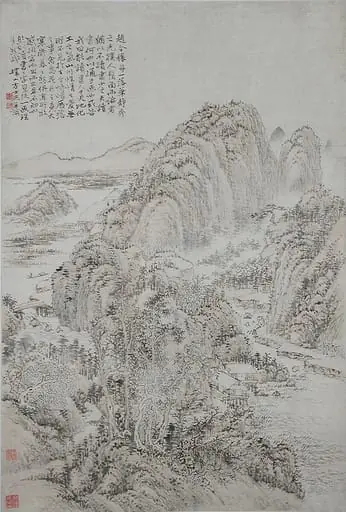 清 方士庶 山水圖 軸|Landscape
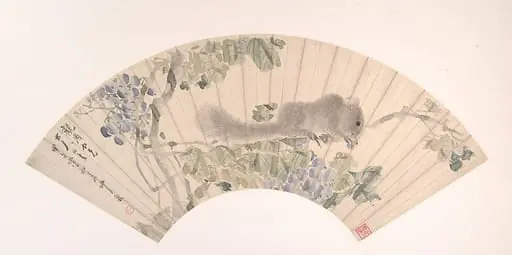 清 沙馥 松鼠葡萄 扇面|Squirrel and Grapes
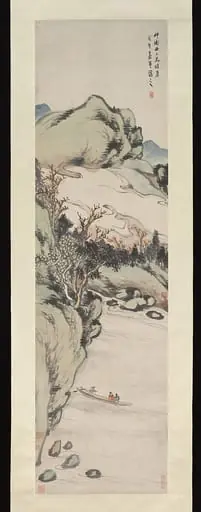 清 吳熙載 山水 軸|Landscape
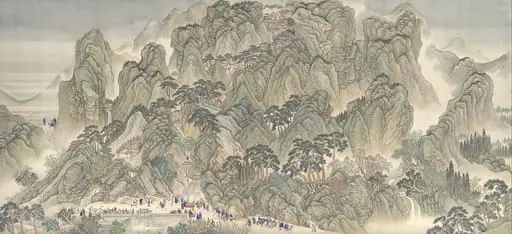 清 王翬等 康熙南巡圖 (卷三: 濟南至泰山) 卷|The Kangxi Emperor's Southern Inspection Tour, Scroll Three: Ji'nan to Mount Tai
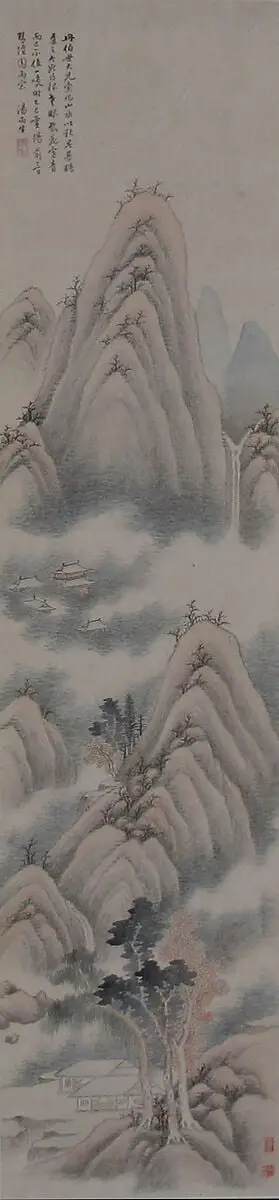 清 湯貽汾 山水圖 軸|Landscape
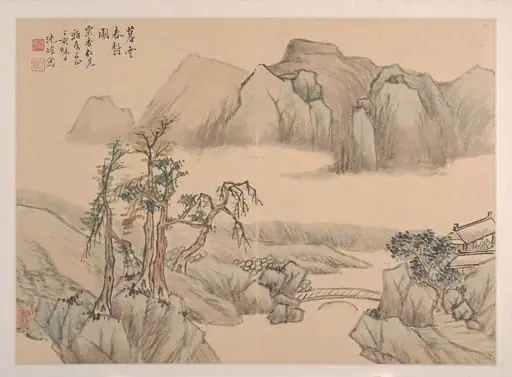 清 沈焯 山水 冊頁|Landscape
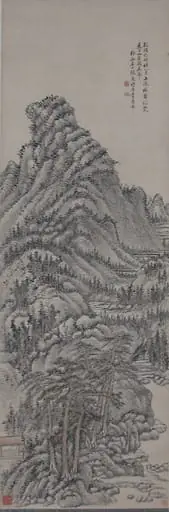 清 張庚 倣王蒙山水圖 軸|Landscape After Wang Meng
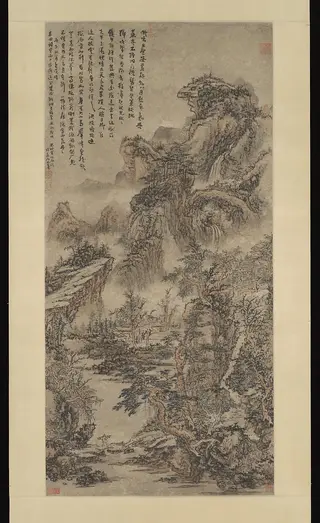 清 倣髡殘 蒸嵐昏巒圖 軸|Wooded Mountains at Dusk
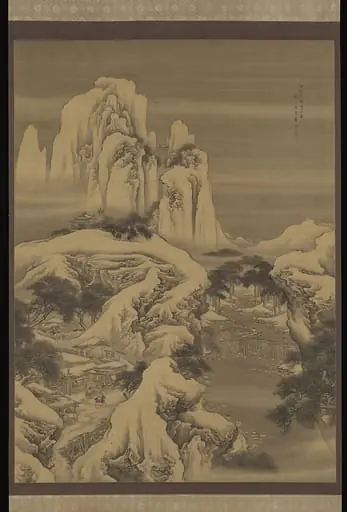 清 袁耀 雪棧行旅圖 軸|Inn and Travelers in Snowy Mountains
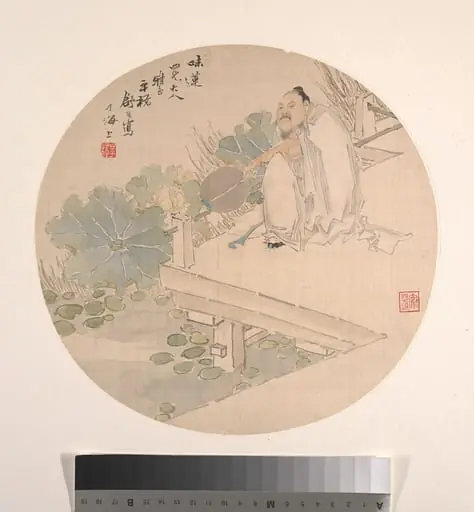 清 舒浩 賞蓮圖 團扇|Zhou Dunyi admiring lotus flowers
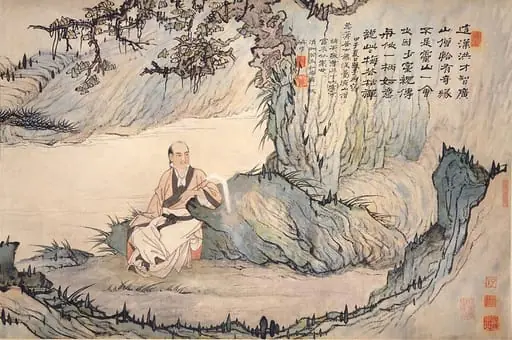 清 石濤(朱若極)、張子為 忍菴居士像 卷|Portrait of Ren'an in a Landscape
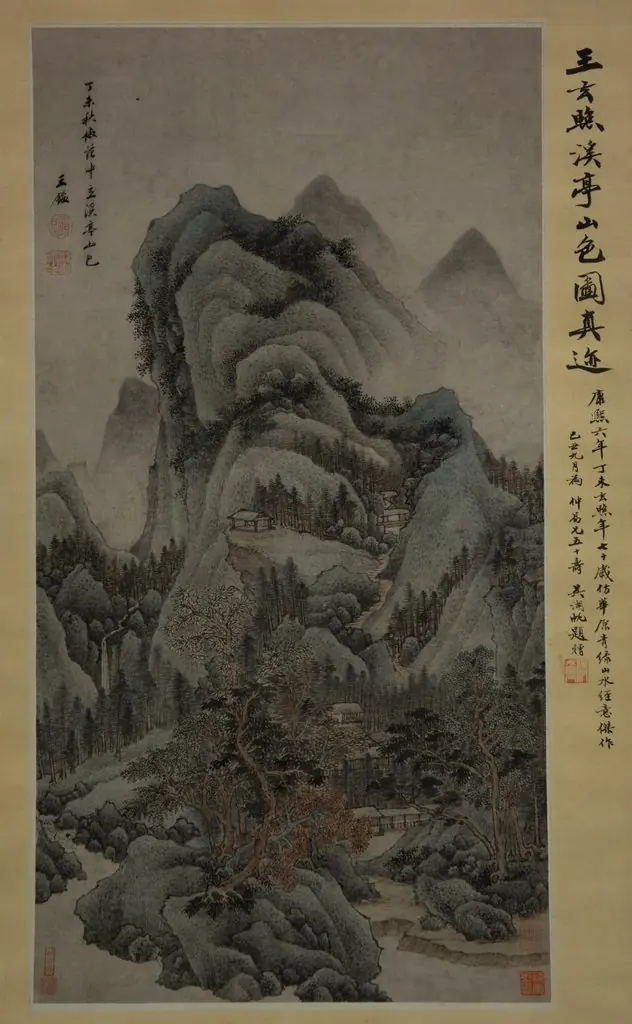 Mountain Scenery with Streams and Pavilions in the Style of Fan Kuan
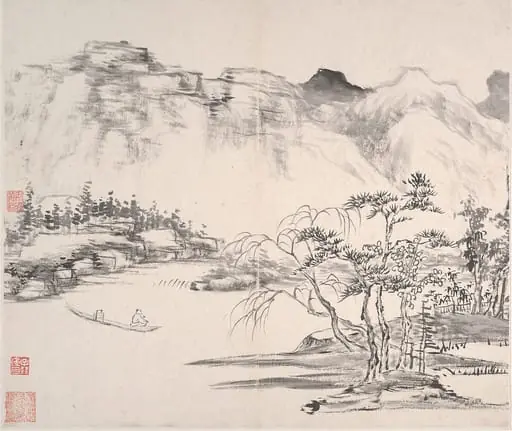 清 伊秉綬 山水 冊|Landscapes
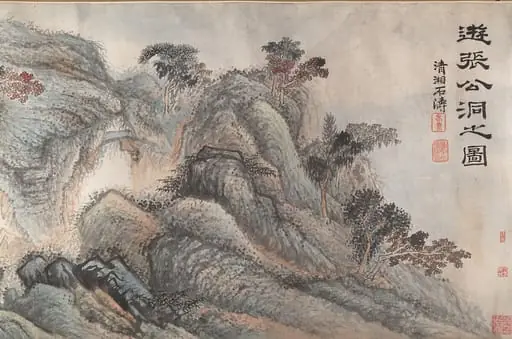 清 石濤(朱若極) 遊張公洞圖 卷|Outing to Zhang Gong's Grotto
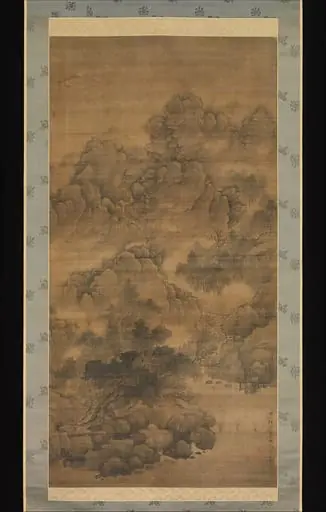 清 法若真 雲山圖軸|Cloudy Mountains
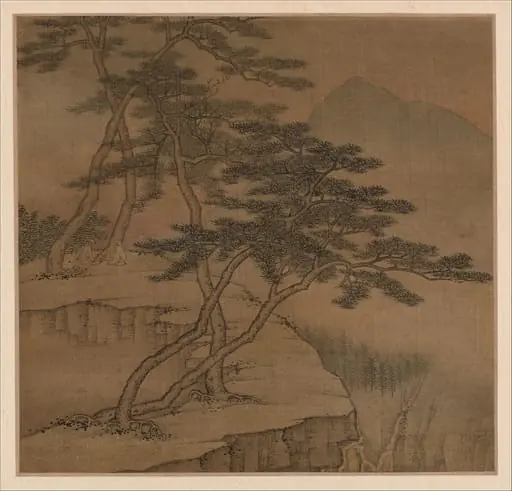 清 高岑 擬古山水圖 冊 絹本|Landscapes in the styles of old masters
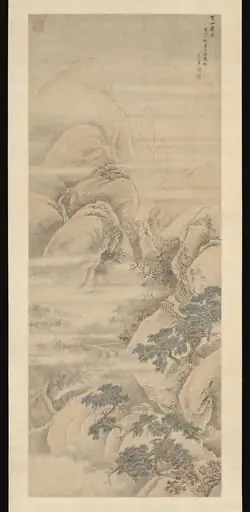 清 (傳)王翬 雪景山水圖 軸|Snowscape
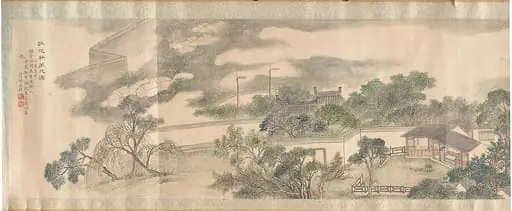 清 楊天壁 敬芝軒第貳圖 卷|Second View of the Studio for Respecting the Fungus of Longevity
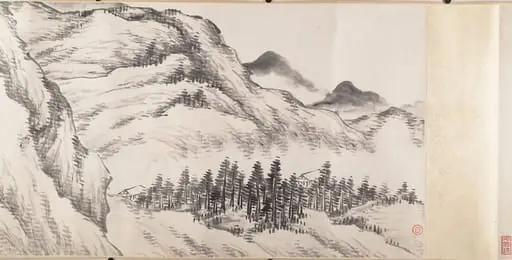 清 松年 山水 手卷|Landscape
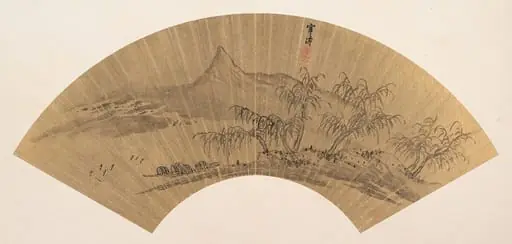 清 吳山濤 山水圖 扇|Riverscape with moored boats
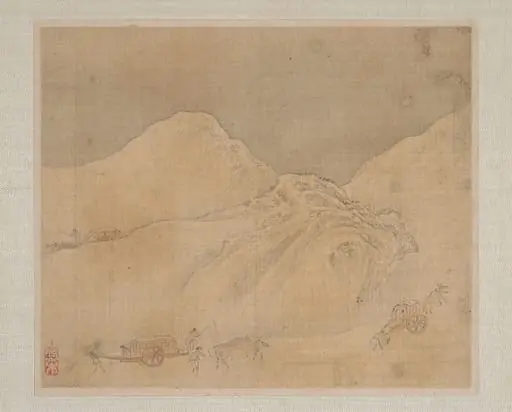 清 葉欣 山水圖 冊 絹本|Landscapes
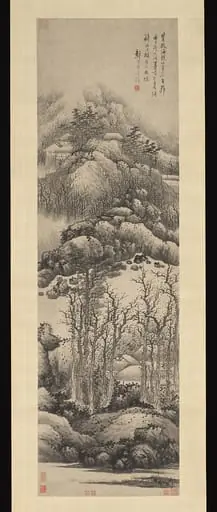 清 龔賢 冬景山水圖 軸|Wintry mountains
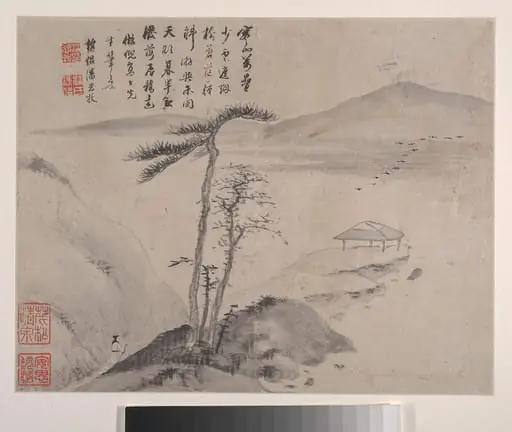 清 潘思牧 山水 冊頁八開|Landscapes
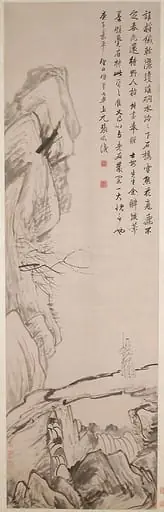 清 倣張風 石橋圖 軸|The Stone Bridge
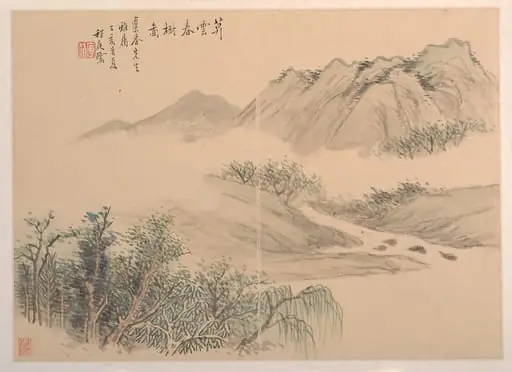 清 程庭鷺 山水 冊頁|Landscape
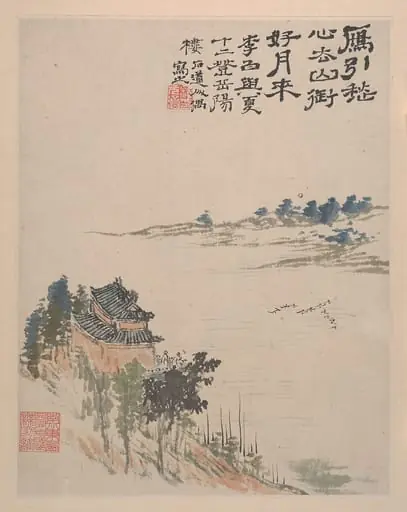 清 石濤 (朱若極) 野色圖 冊|Wilderness Colors
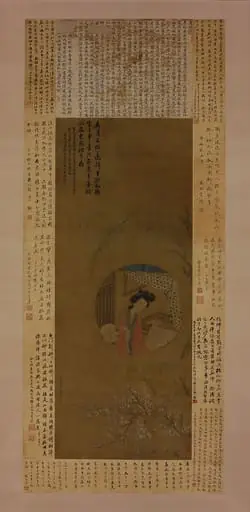 清 崔鶴 李香君小影 軸|Portrait of Li Xiangjun
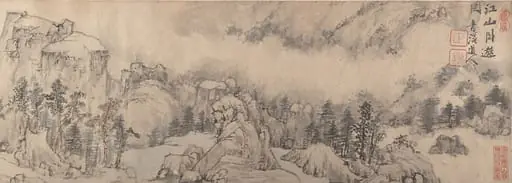 清 程正揆 江山臥遊圖 卷|Dream Landscape
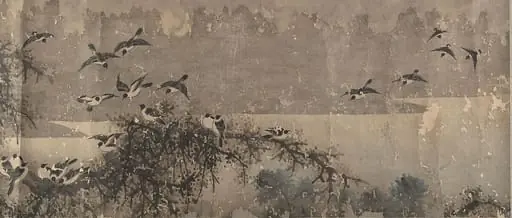 Untitled
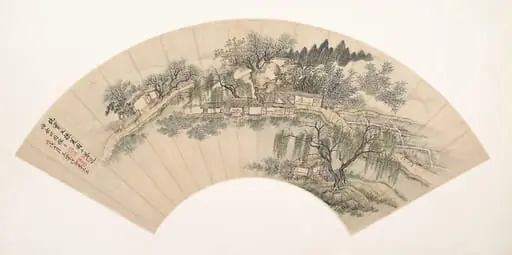 清 佚名 倣王翬 倣仇實父採菱圖 扇|Gathering Water Chestnuts
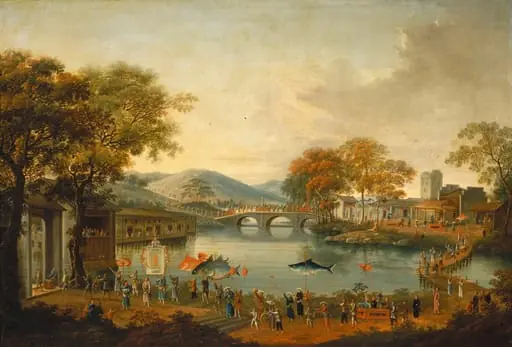 Procession by a Lake
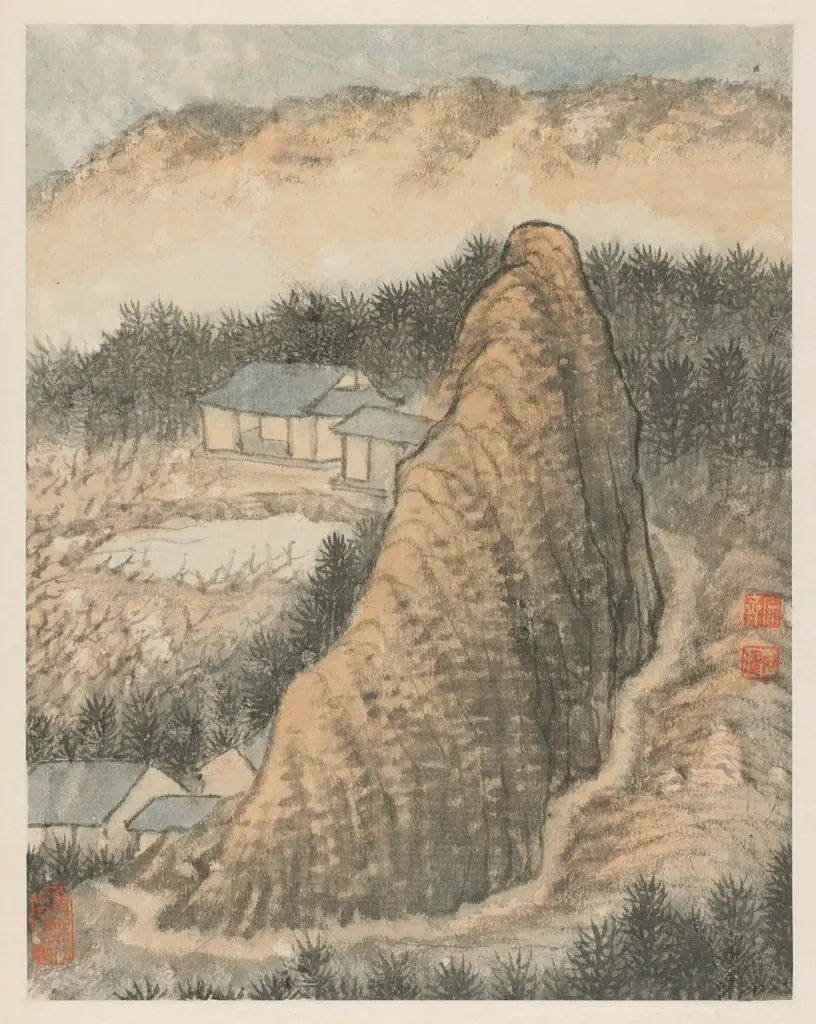 Reminiscences of Qinhuai River
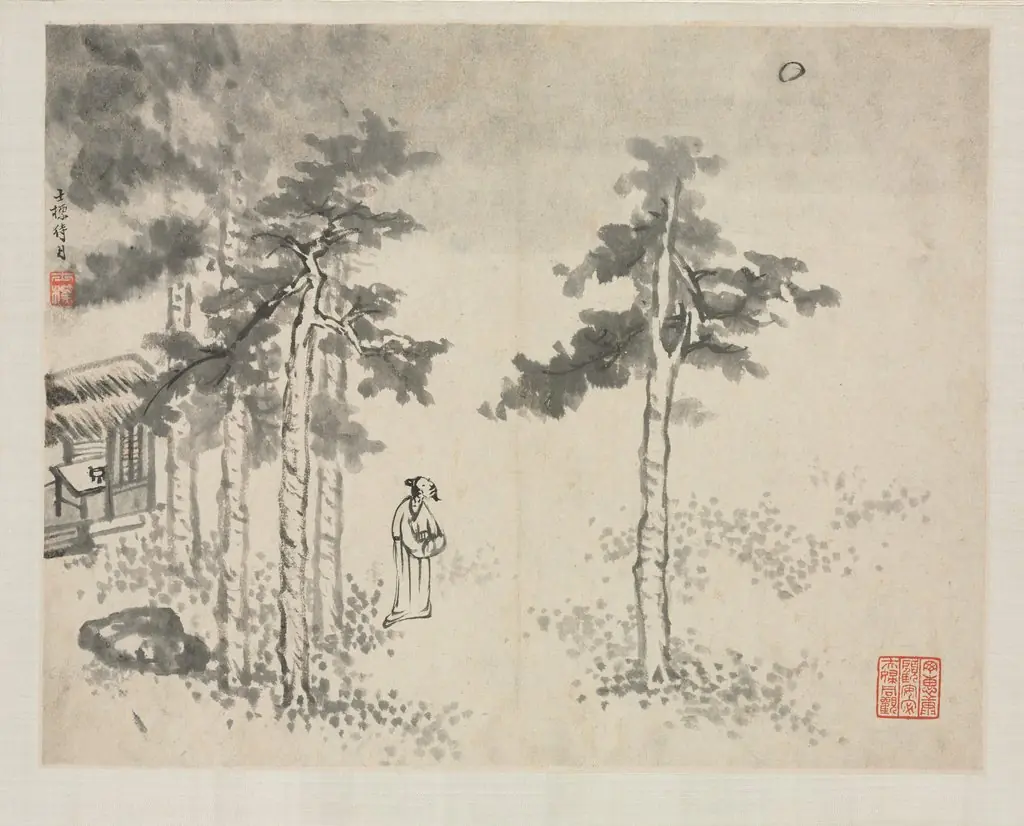 Landscape Album in Various Styles: Shibiao Waiting for the Moon
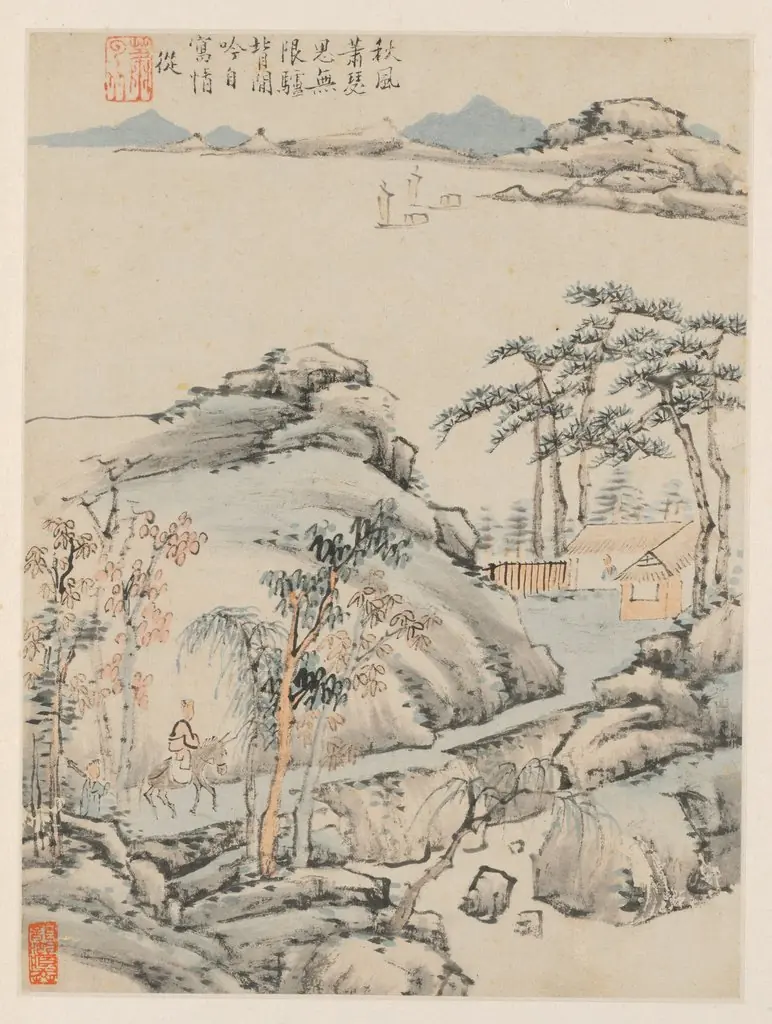 Album of Seasonal Landscapes, Leaf F (previous leaf 5)
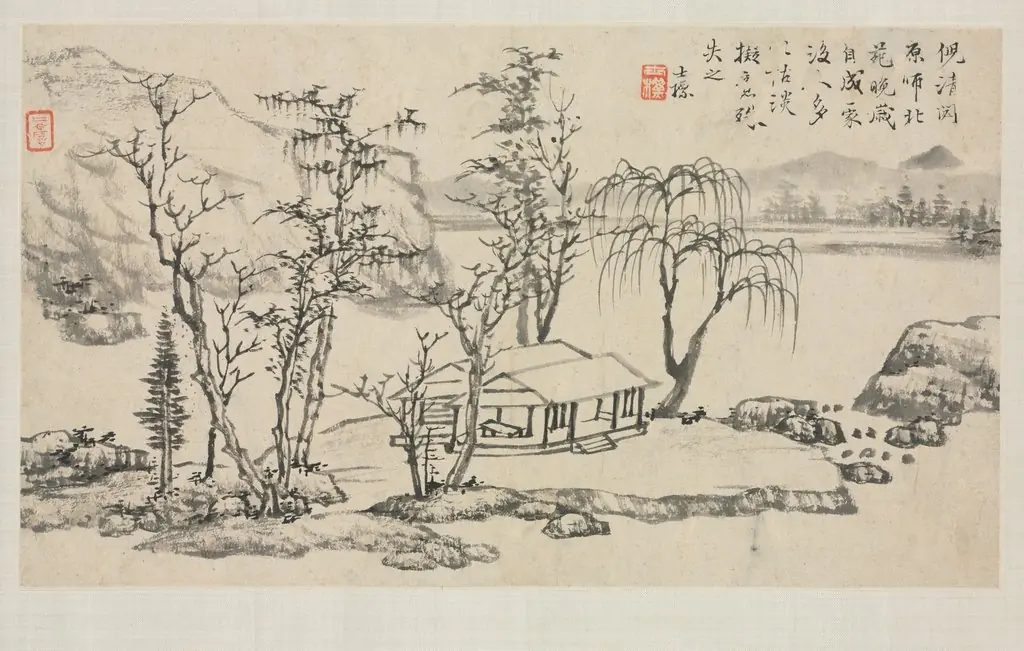 Landscape Album in Various Styles: Landscape after Ni Zan
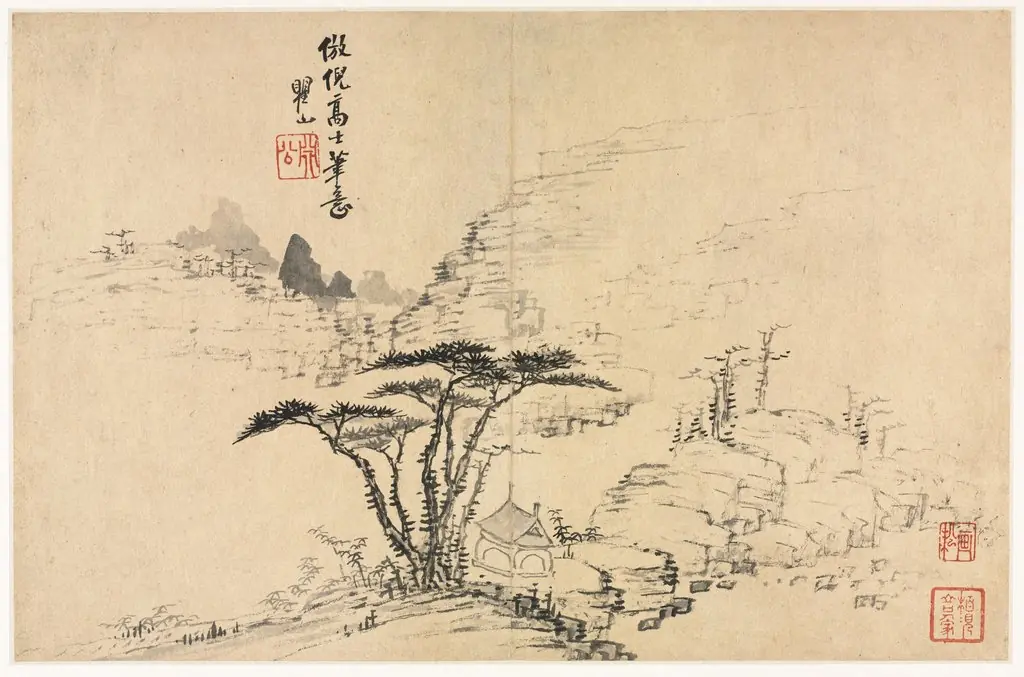 Landscapes in Various Styles after Old Masters
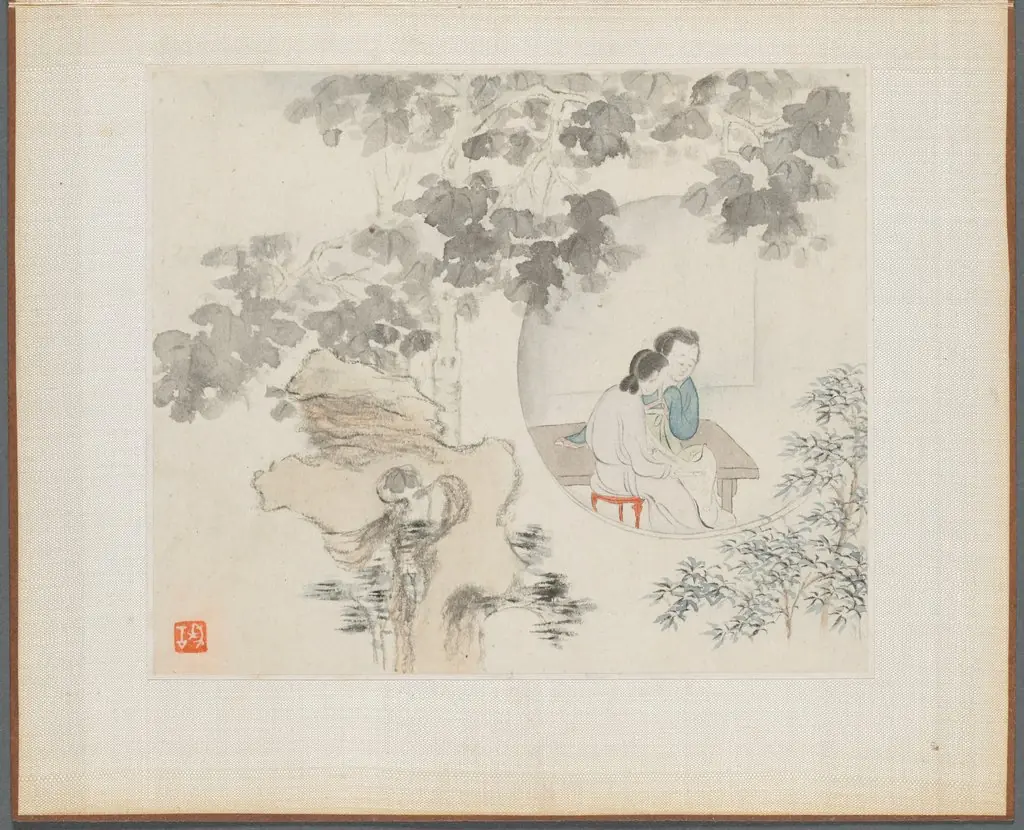 Album of Landscape Paintings Illustrating Old Poems: Two Women with Needlework in a Garden
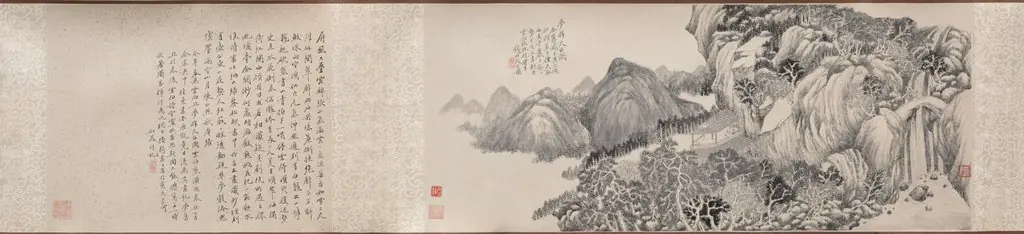 Dream Journey to Mt. Tiantai
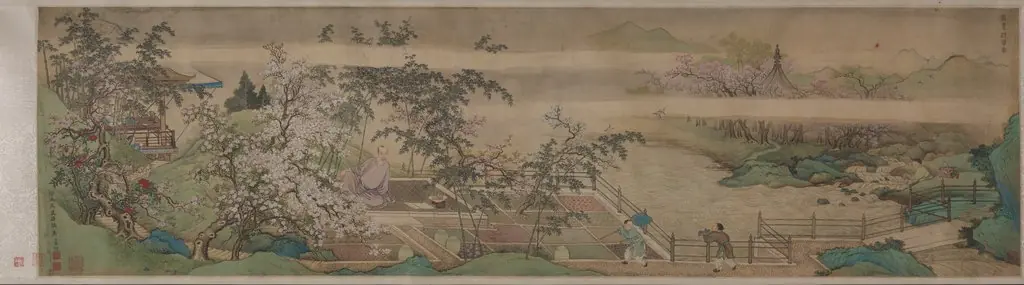 Cleansing Medicinal Herbs in the Stream on a Spring Day
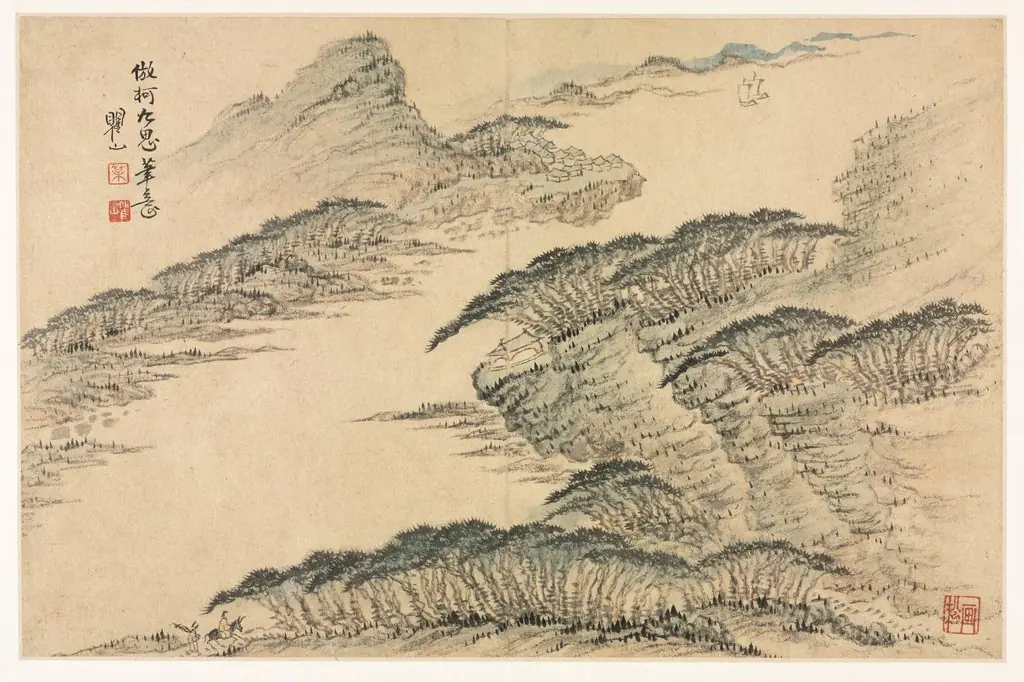 Landscapes in Various Styles after Old Masters
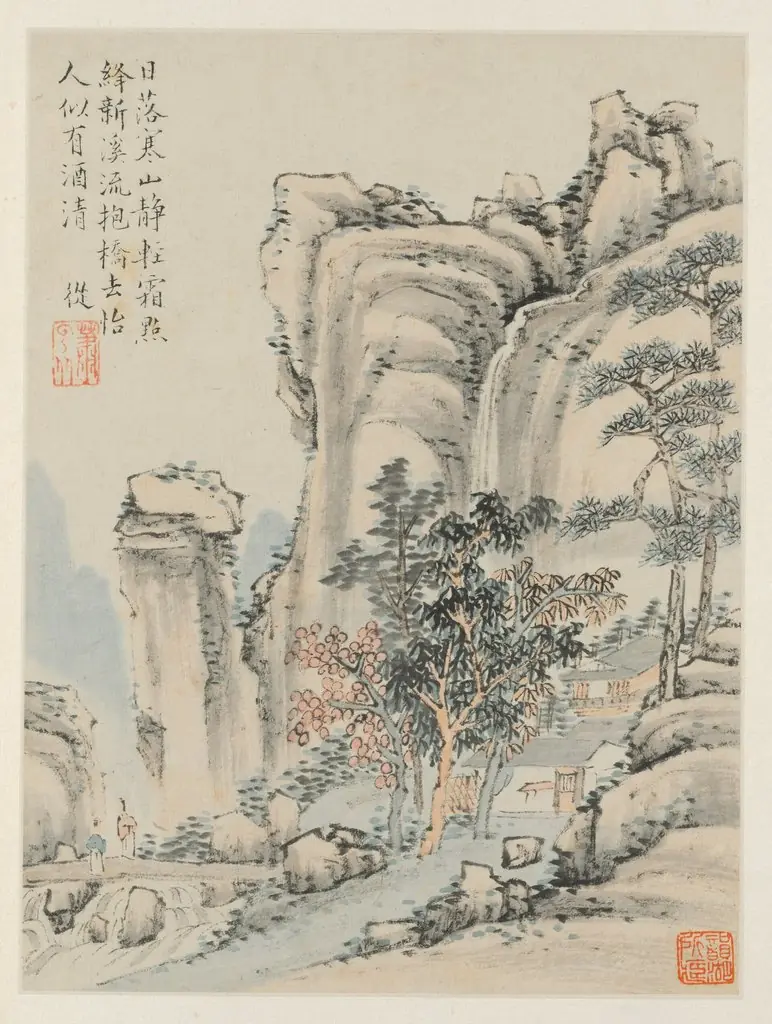 Album of Seasonal Landscapes, Leaf E (previous leaf 3)
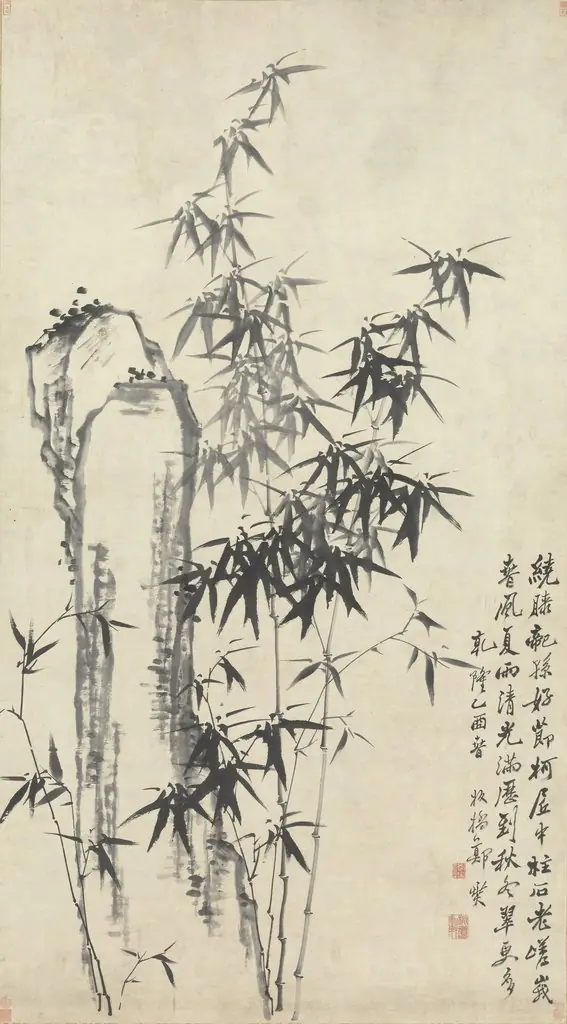 Bamboo and Rock
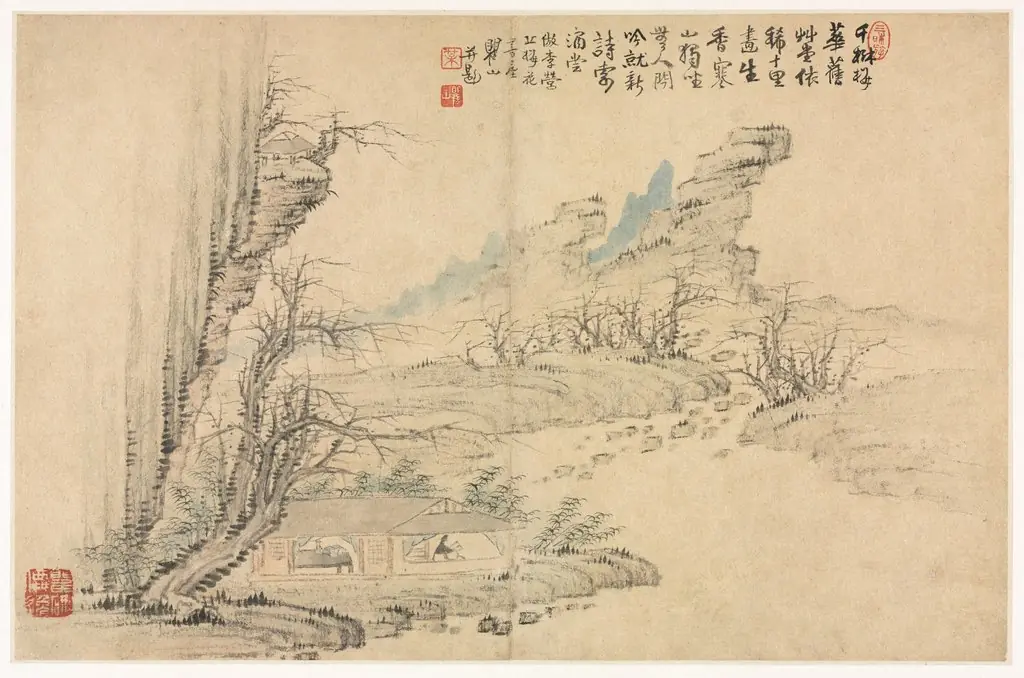 Landscapes in Various Styles after Old Masters
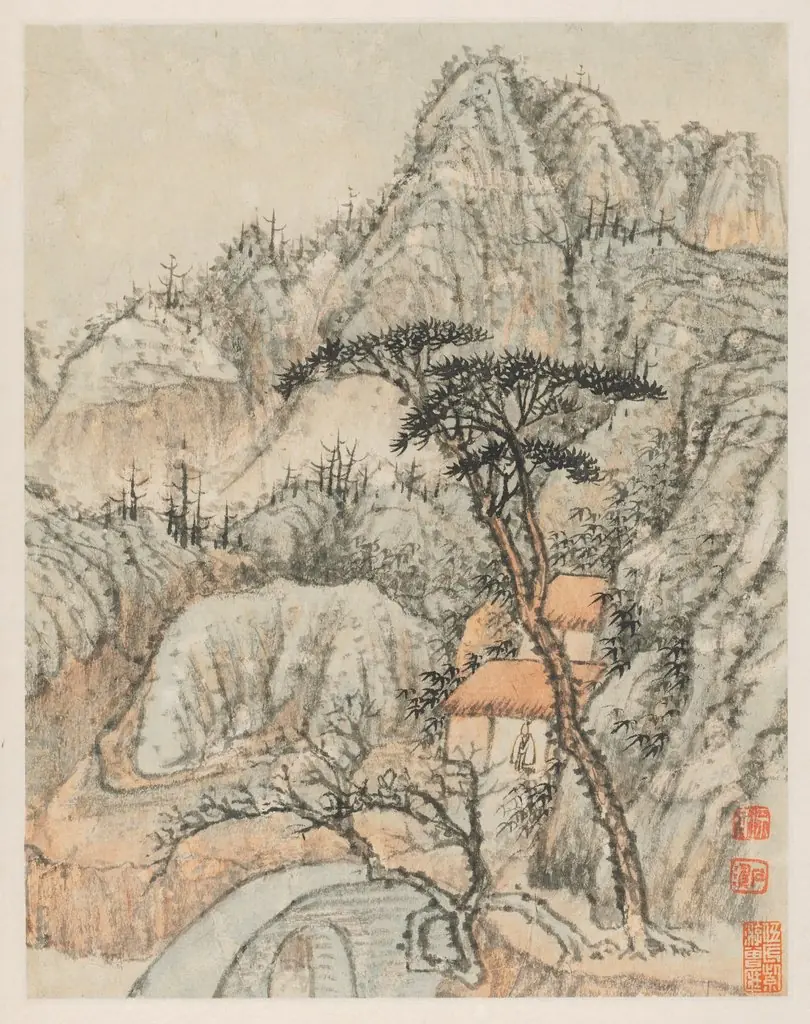 Reminiscences of Qinhuai River
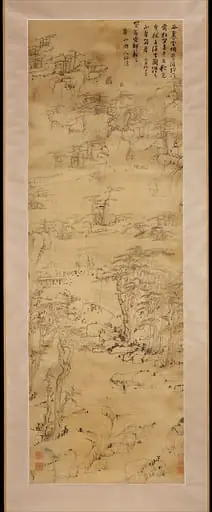 清 梅清 雲谷曳杖圖 軸|Strolling in a Misty Valley
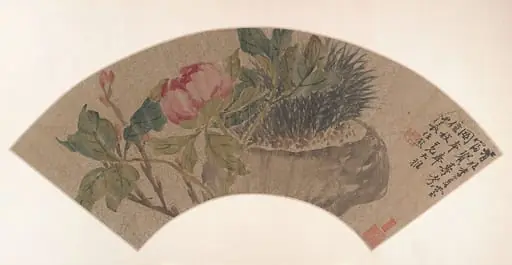 清 任熊 牡丹 扇面|Peony
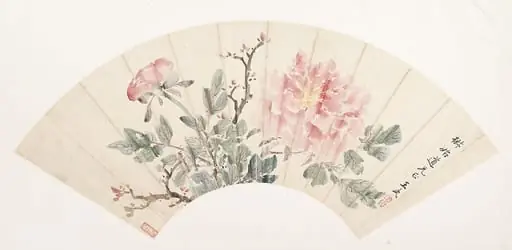 清 王武 牡丹圖 扇面|Peony
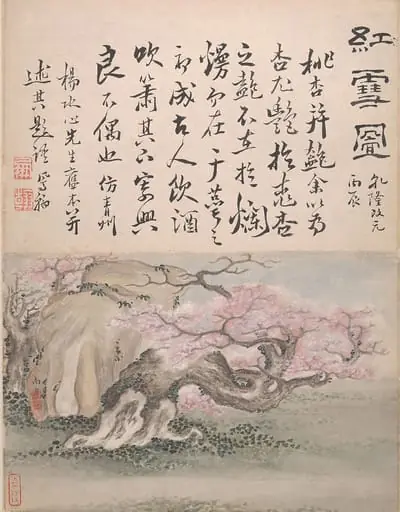 清 傳高鳳翰 書畫合璧 冊|Landscapes and Calligraphy
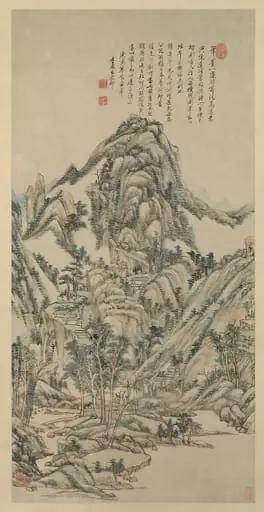 清 王原祁 為瞻亭畫七發妙劑圖 軸|Landscape for Zhanting
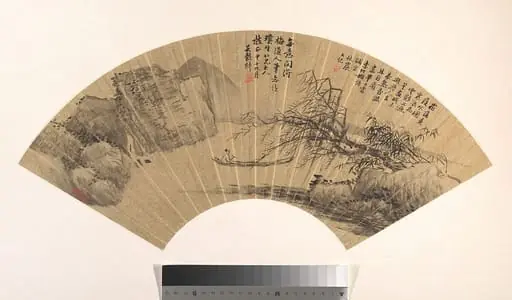 清 吳榖祥 山水 扇面|Landscape
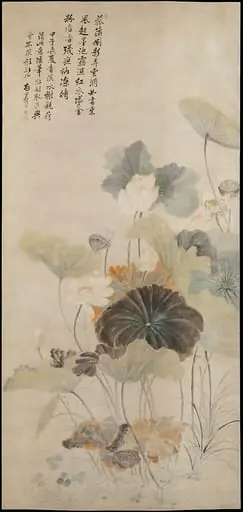 清 佚名 仿惲壽平 夏夜清荷圖 軸|Lotuses on a summer evening
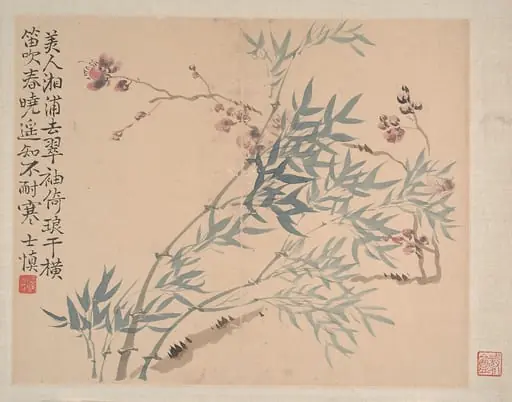 清 汪士慎 山水花卉圖 冊|Landscapes and Flowers
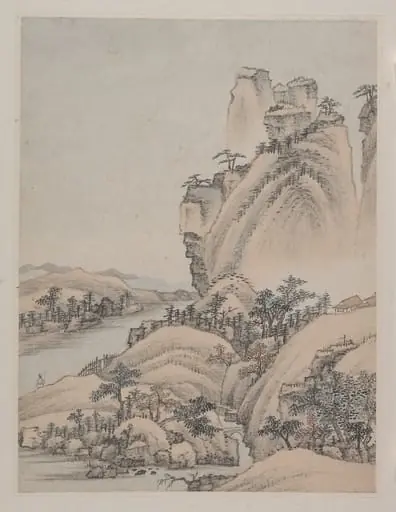 清 蕭雲從 山水圖 冊|Landscapes
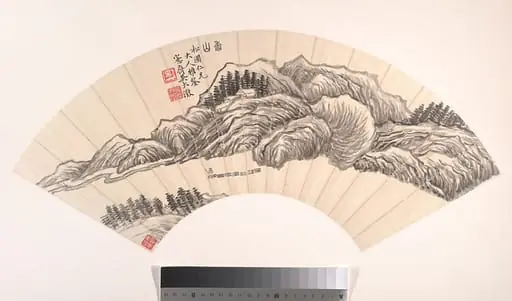 清 吳大澂 山水 扇面|Fragrant Mountains
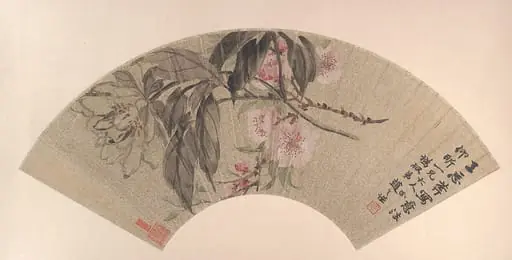 清 趙之謙 芍藥 桃花 扇面|Peach Blossoms and Peony
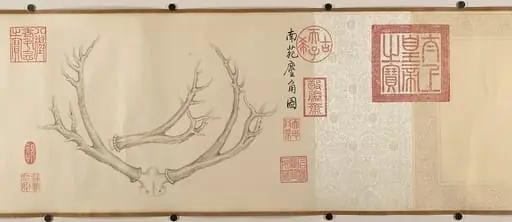 清 弘曆(乾隆皇帝) 鹿角雙幅 卷|Two Paintings of Deer Antlers
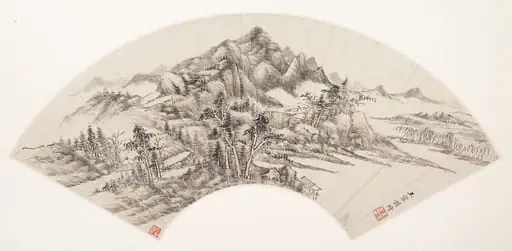 清 王宸 清溪柳橋圖 摺扇|Landscape
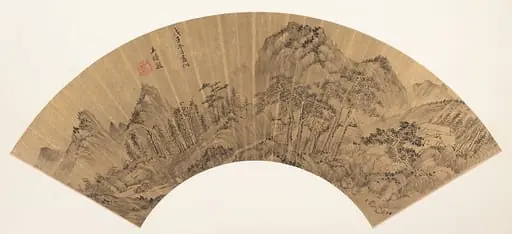 清 倣王時敏 山水 扇面|Landscape
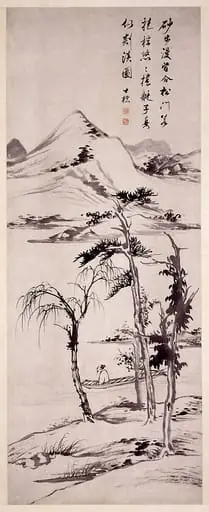 清 傳查士標 泛棹圖 軸|Old Man Boating on a River
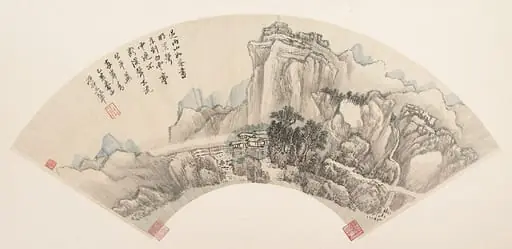 清 王翬 雨後晴巒圖 扇頁|Mountains after Rain
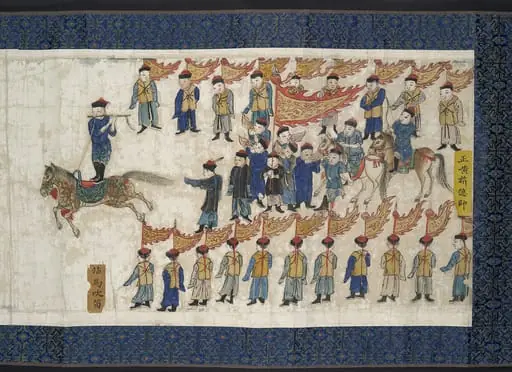 清 那爾敦布 順治皇帝進京之隊伍賽馬全圖 卷|Horsemanship Competition for the Shunzhi Emperor
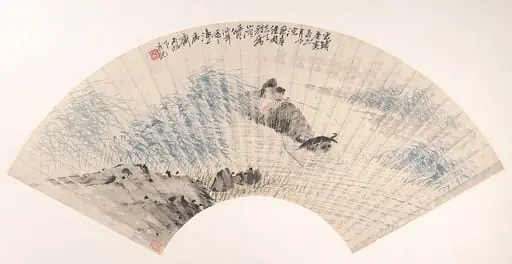 清 任頤 童子水牛 扇面|Herdboy and Buffalo
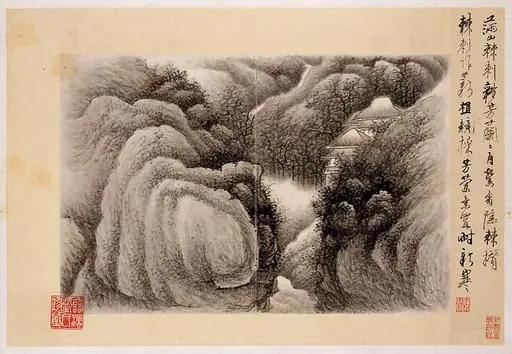 清 龔賢 墨筆山水詩畫 冊|清 龔賢 自題 山水十六開 冊|Landscapes with poems
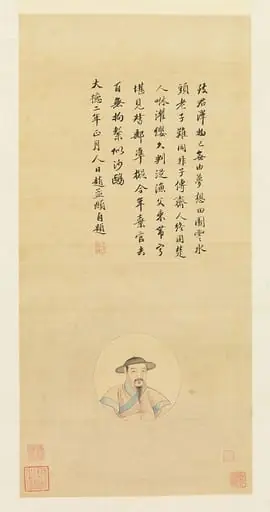 清 汪恭 摹趙孟頫肖像 軸|Copy of a Portrait of Zhao Mengfu
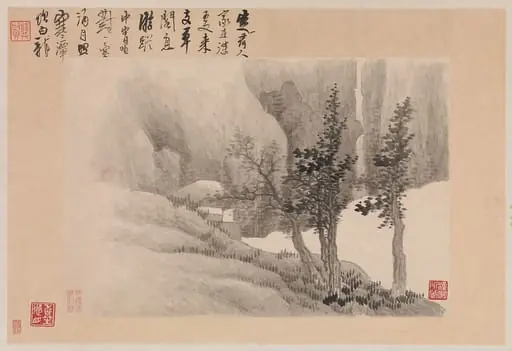 清 龔賢 自題山水十六開 冊|Landscapes with Poems
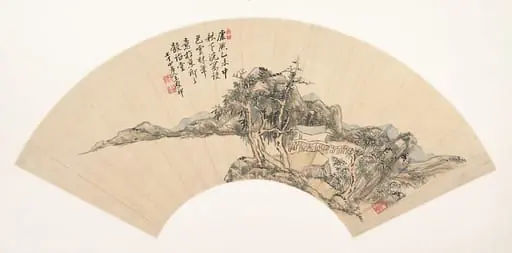 清 倣王原祁 倪雲林筆意山水 扇面|Landscape in the Style of Ni Zan
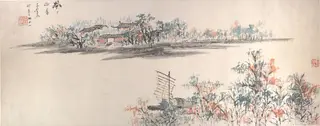 清 虛谷 秋帆圖 冊頁|Sailing in Autumn
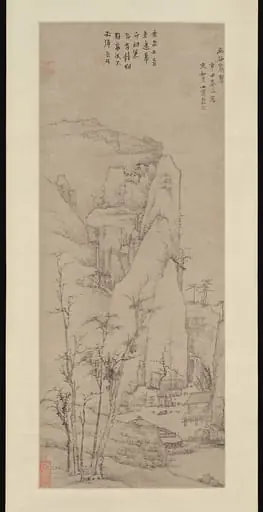 清 倣弘仁 幽谷泉聲圖 軸|The Sound of Spring in a Lonely Valley
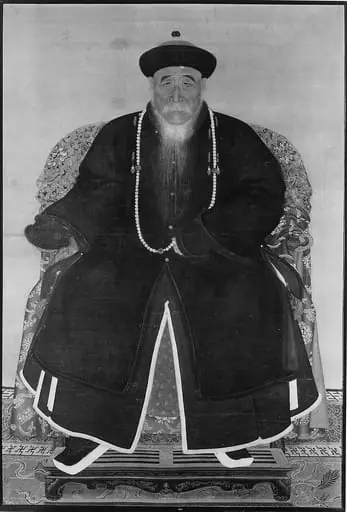 清 佚名 滿清官員像 軸|Portrait of a Manchu Official
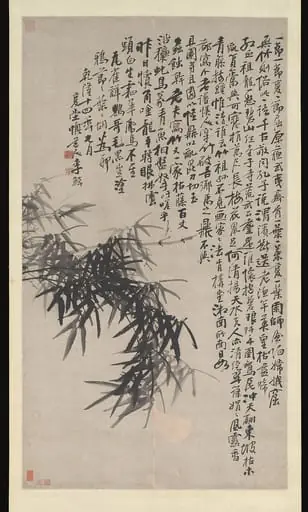 清 李鱓 墨竹圖 軸|Ink bamboo
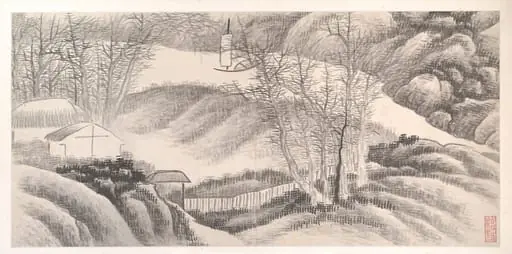 清 龔賢 十二月令山水圖 冊|Landscapes of the Twelve Months
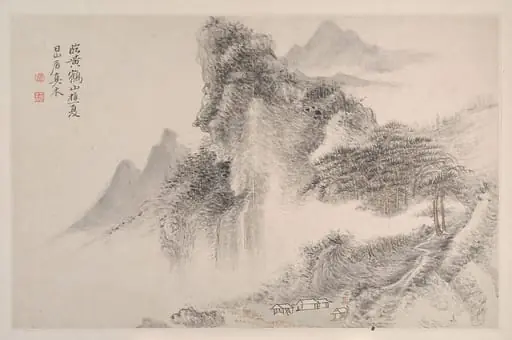 清 惲壽平 倣宋元山水圖 冊|Landscapes in the manner of Song and Yuan masters
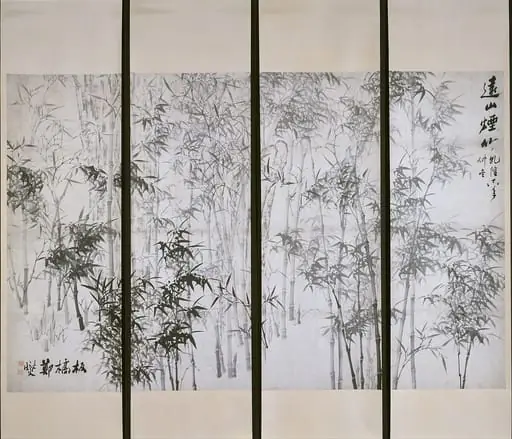 清 鄭燮 遠山煙竹圖 軸|Misty Bamboo on a Distant Mountain
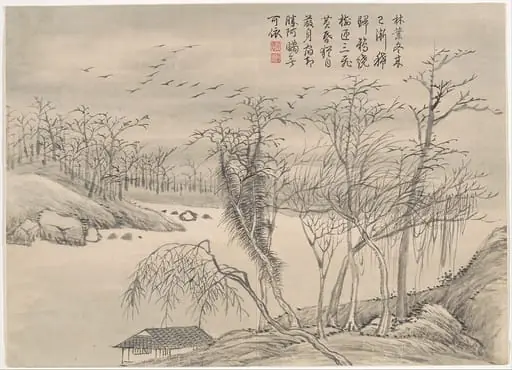 清 錢維城 景數四氣,冬景圖 冊|Winter Landscapes and Flowers
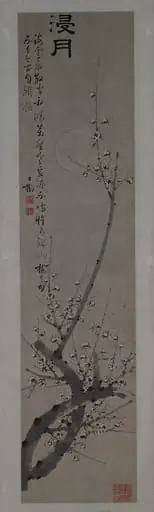 清 童鈺 浸月圖 軸|Drenched in Moonlight
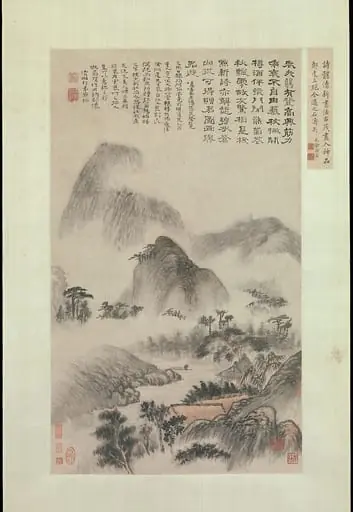 清 石濤(朱若極) 重陽山水圖 軸|Landscape Painted on the Double Ninth Festival
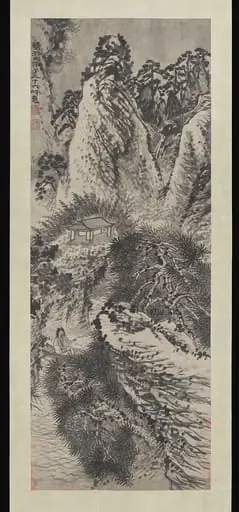 清 石濤(朱若極) 黃山三十六峰意圖 軸|Thirty-six Peaks of Mount Huang Recollected
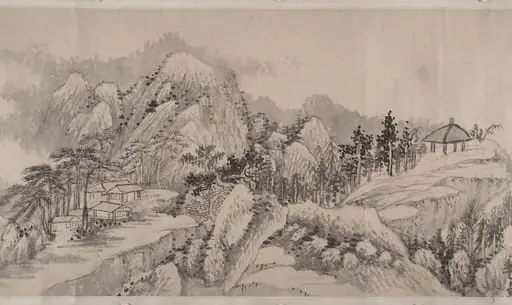 清 柳堉 幽谷深林圖 卷|Remote Valleys and Deep Forests
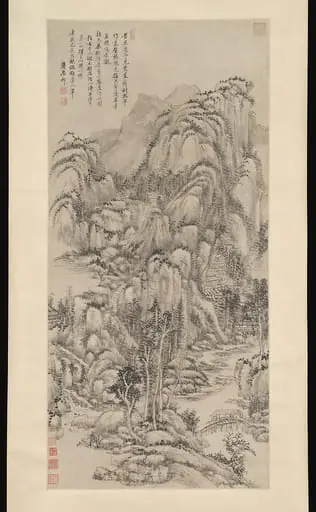 清 王原祁 倣吳鎮山水圖 軸|Landscape after Wu Zhen
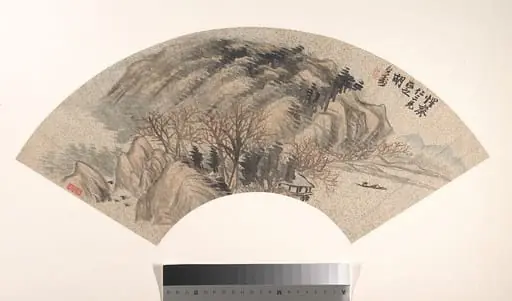 清 胡遠 山水 扇面|Landscape
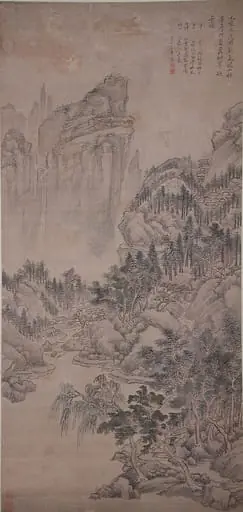 清 惲壽平 山水 軸|Landscape
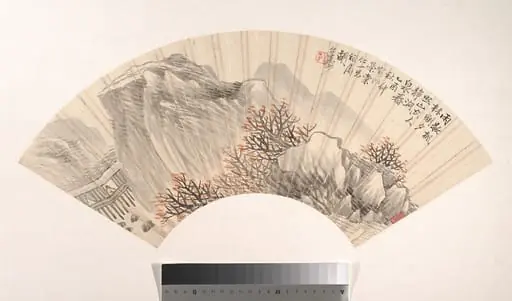 清 胡遠 山水 扇面|Landscape
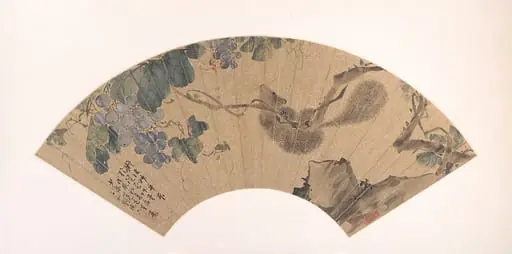 清 劉德六 松鼠葡萄 扇面|Squirrel and Grape
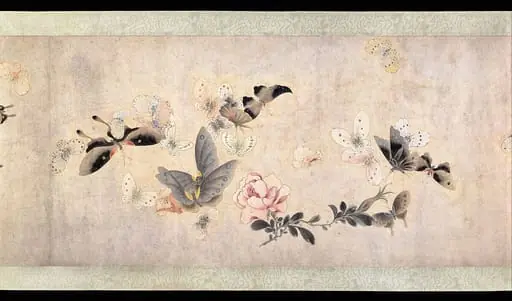 清 佚名 傳馬荃 花蝶圖 卷|Flowers and Butterflies
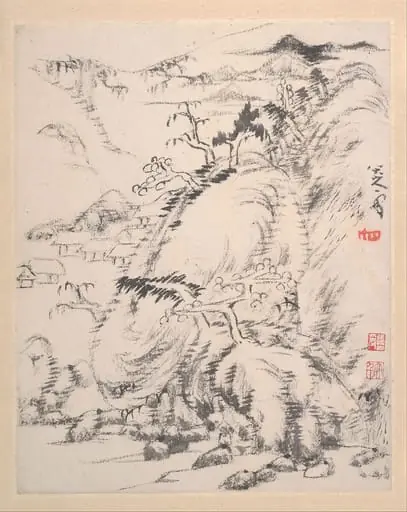 清 朱耷 (八大山人) 山水圖 冊|Landscape album
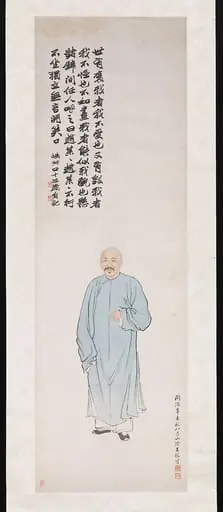 清 王緣 趙之謙肖像 軸|Portrait of Zhao Zhiqian
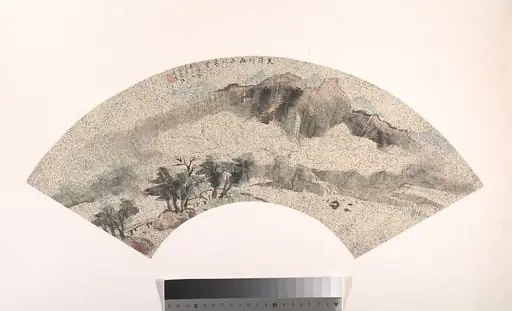 清 汪廷儒 山水 扇頁|Landscape
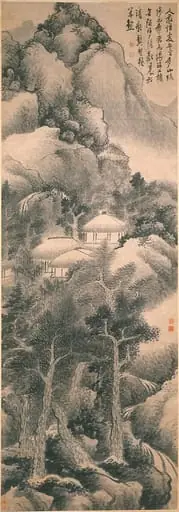 清 倣龔賢 雲山隱居圖 軸|Dwelling among mountains and clouds
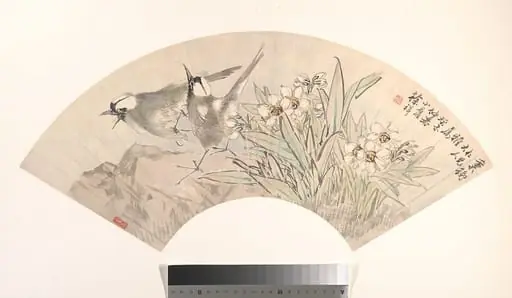 清 徐祥 小鳥水仙 扇面|Birds and Narcissus
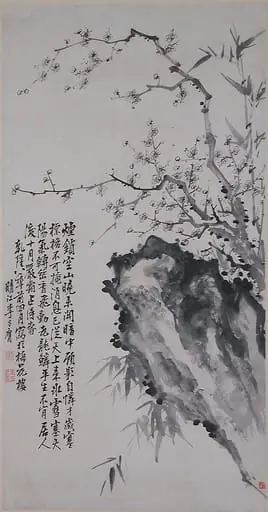 清 李方膺 梅竹石圖 軸|Bamboo, plum, and rock
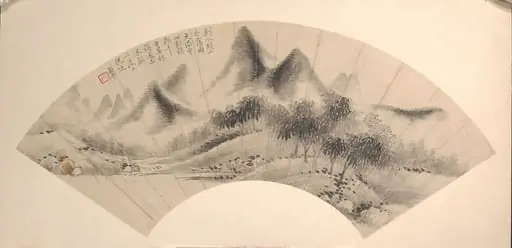 清 佚名 倣惲壽平 倣米家山水圖 扇|Landscape
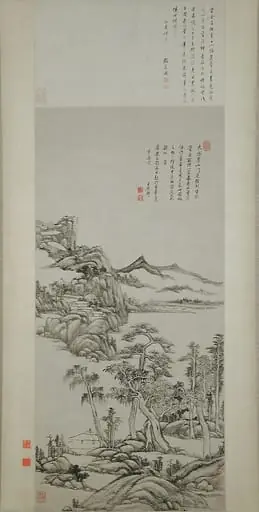 清 王原祁 倣黃公望高克恭山水圖 軸|Landscape in the Styles of Huang Gongwang and Gao Kegong
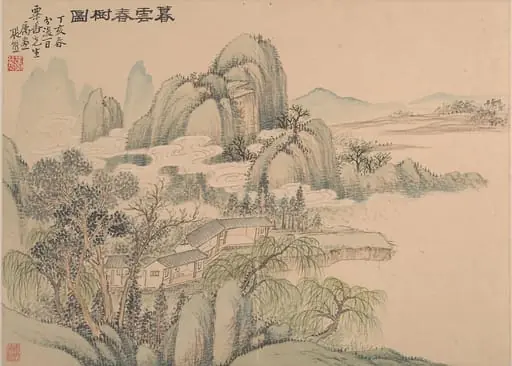 清 張熊 山水 冊頁|Landscape
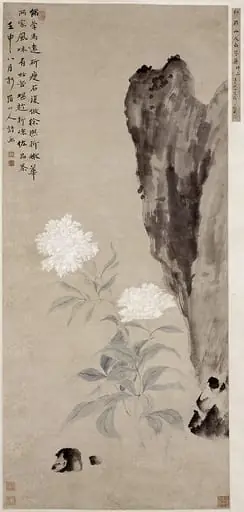 清 華喦 白芍藥圖 軸|White Peony and Rocks
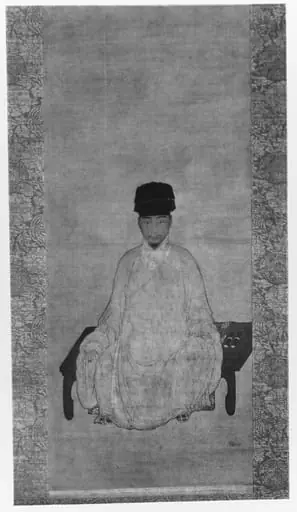 清 佚名 肖像 軸|Portrait of a Scholar
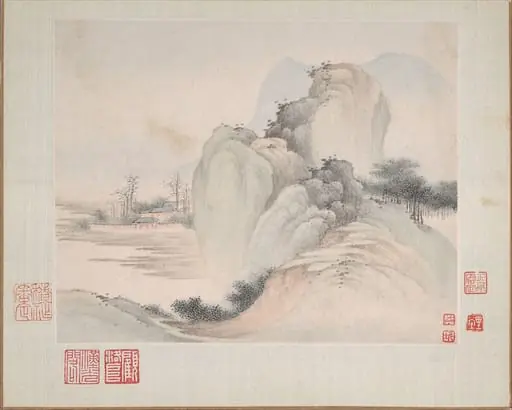 清 樊圻 為玉翁作山水圖 冊|Landscapes Painted for Yuweng
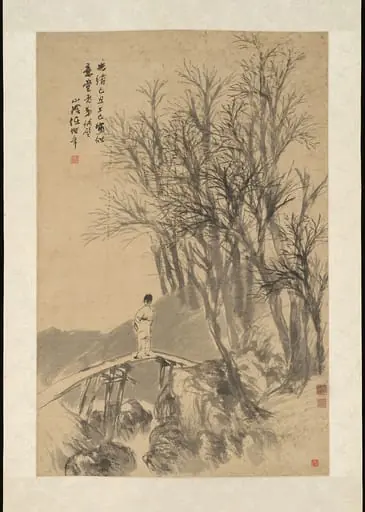 清 任頤 軸|Man on a Bridge
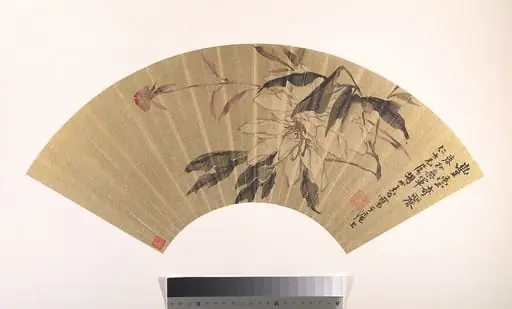 清 胡遠 芍藥 扇面|Herbaceous Peony
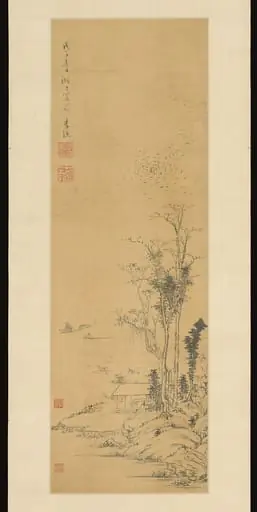 清 李漁 泛舟圖 軸|Landscape
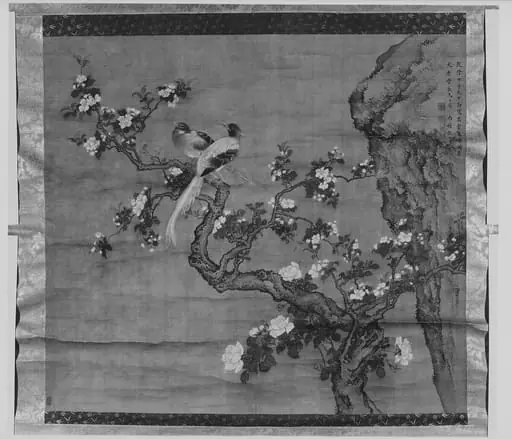 清 傳沈銓 高堂雙壽圖 軸|Flowering Crabapple and Pair of Birds
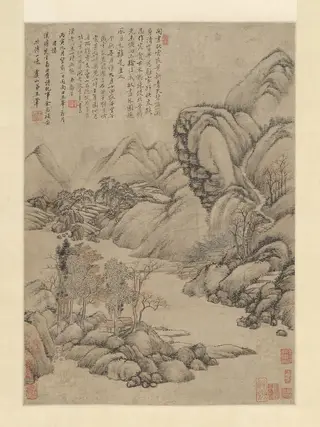 清 王翬 玉峰看月圖 軸|Landscape: Eve of Mid-autumn
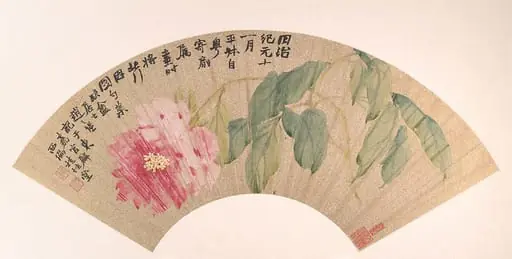 清 趙之謙 芍藥 扇面|Peony
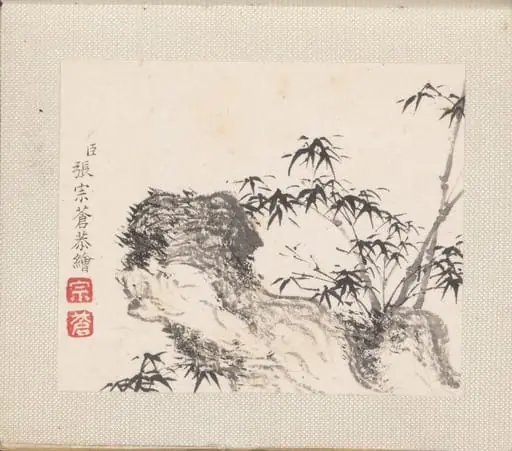 清 張宗蒼 山水 冊 紙本|Miniature landscapes
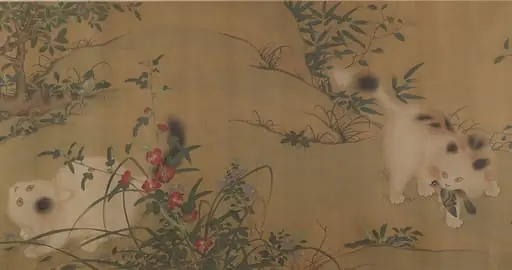 清 佚名 明宣宗(僞款) 唐苑嬉春圖 卷|Spring Play in a Tang Garden
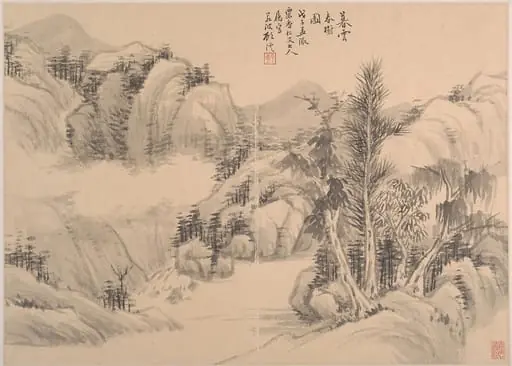 清 顧澐 冊頁|Clouds and Spring Trees at Dusk
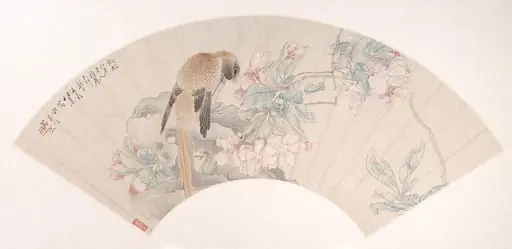 清 任薰 海棠小鳥 扇面|Bird on a Rock by a Flowering Branch
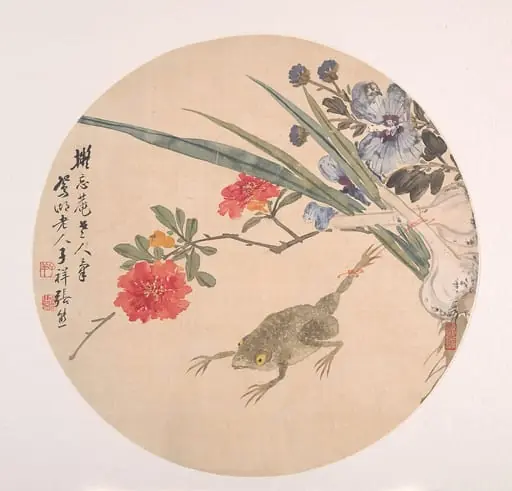 清 張熊 蟾蜍 團扇|Flower and Toad
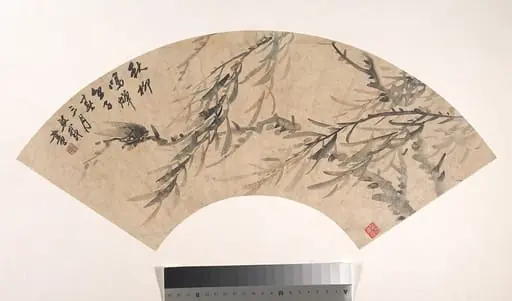 清 吳熙載 蟬柳 扇面|Cicada
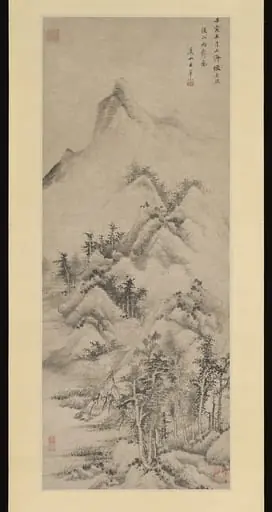 清 王翬 溪山雨霽圖 軸|Clearing after Rain over Streams and Mountains
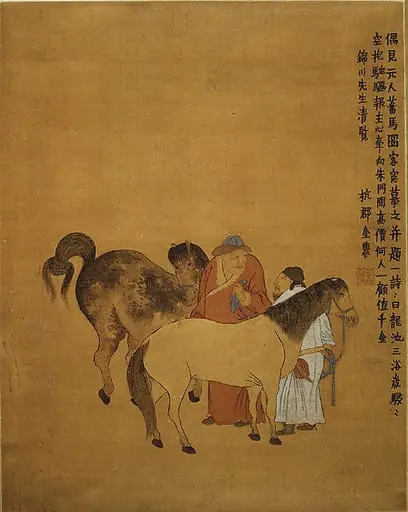 清 傳金農 番馬圖 軸|Grooms and Foreign Horses
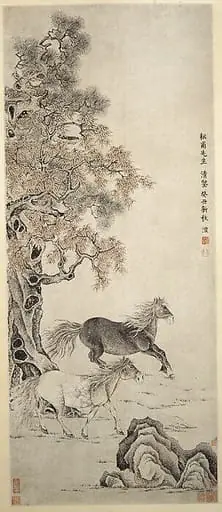 清 (倣) 錢灃 雙駿圖 軸|Two Horses
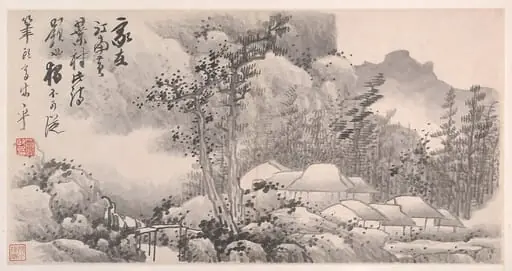 清 龔賢 山水圖 冊|Landscapes
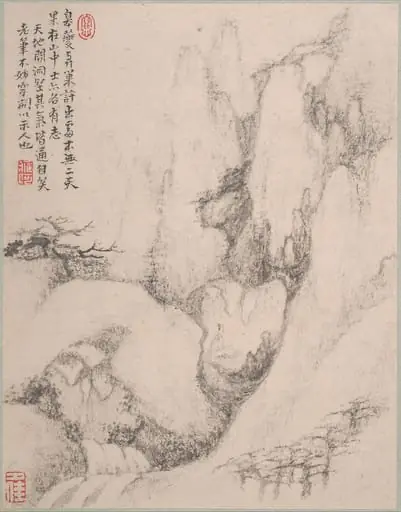 清 戴本孝 山水圖 冊|Landscapes
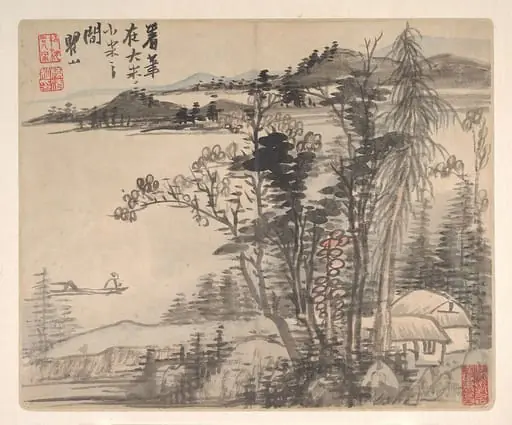 清 梅清 為澤翁倣各家山水圖 冊|Landscapes after Ancient Masters
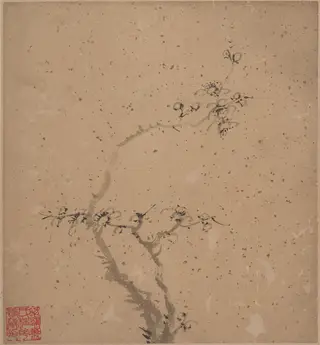 清 湯貽汾 墨梅 四冊頁|Blossoming Plum
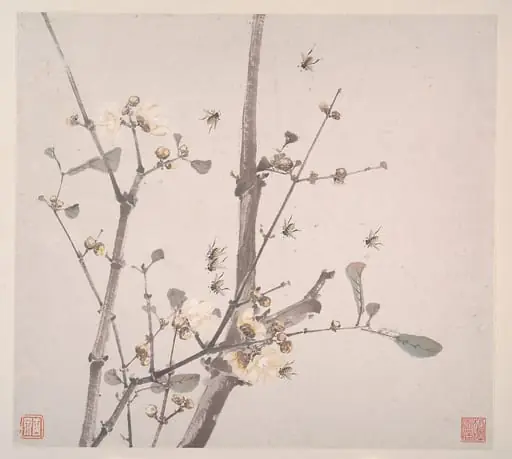 清 居廉 花卉蟲草 冊頁 八開|Insects and Flowers
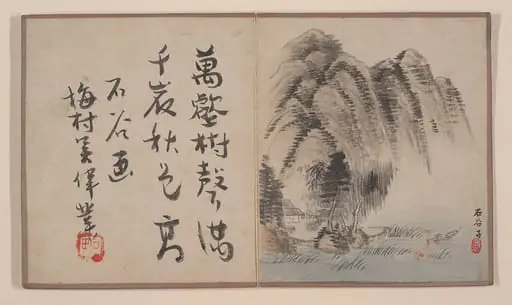 Untitled
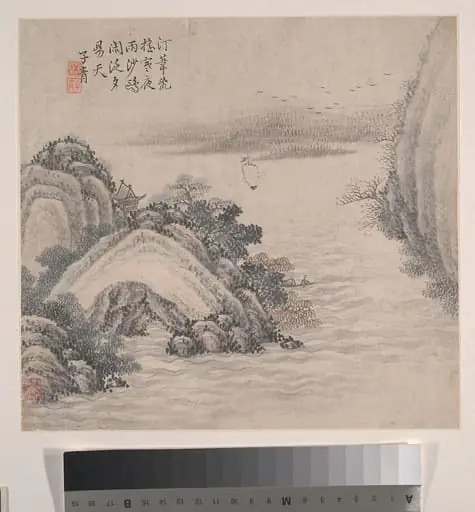 清 張之萬 山水 冊頁十二開|Landscapes
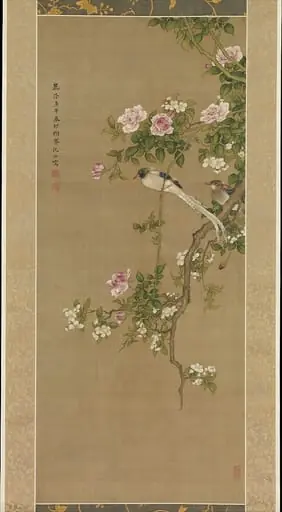 清 沈銓 高堂雙壽圖 軸|Crabapple, China rose, and Indian flycatcher
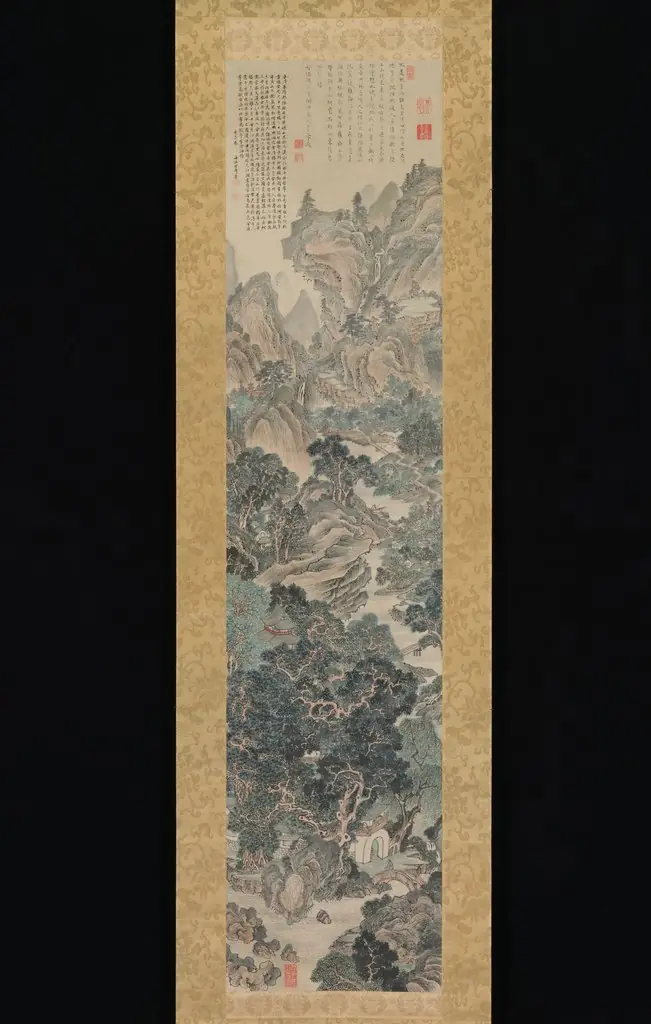 Landscape in the Blue-and-Green Manner
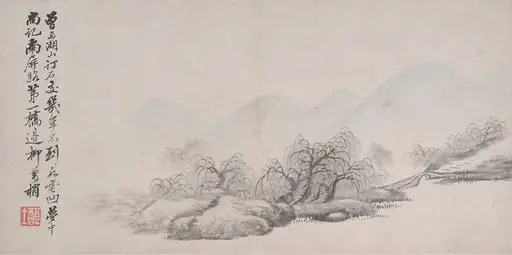 清 戴熙 山水圖 冊|Landscapes
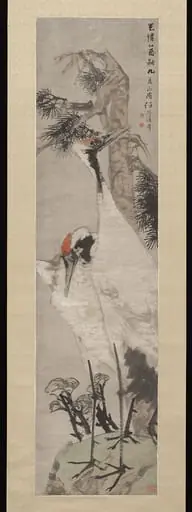 清 任頤 松鶴圖 軸|Cranes, Pine Tree, and Lichen
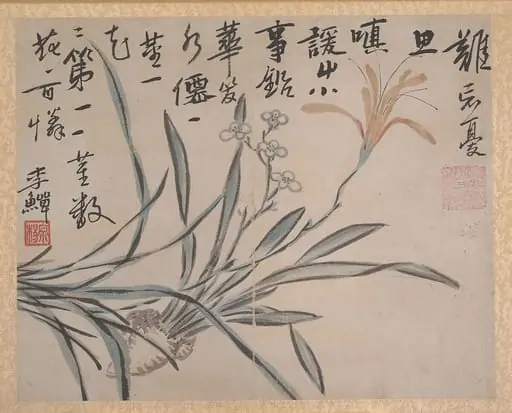 清 佚名 仿李鱓 花果圖 冊|Plants and Vegetables
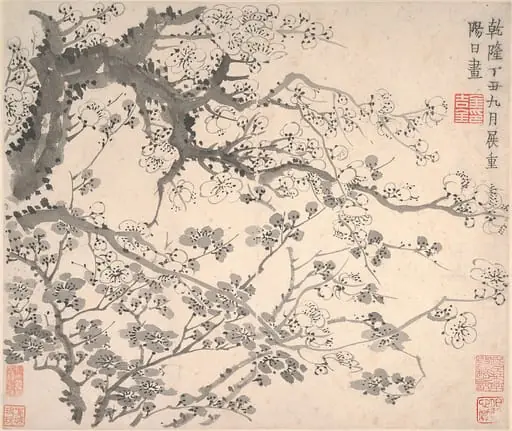 清 金農 墨梅圖 冊|Plum blossoms
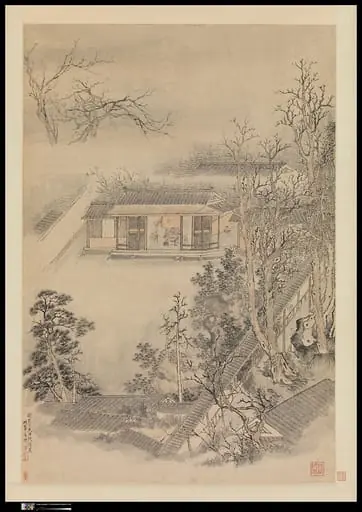 清 羅聘 篠園飲酒圖 軸|Drinking in the Bamboo Garden on the Lantern Festival
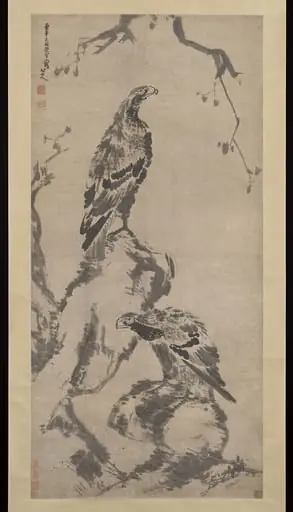 清 朱耷 (八大山人) 二鷹圖 軸|Two eagles
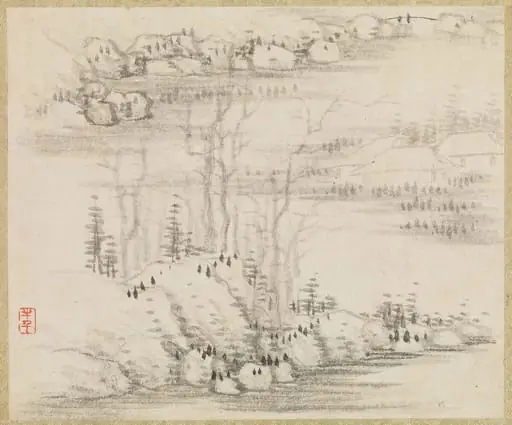 清 龔賢 山水圖 冊|Landscapes and trees
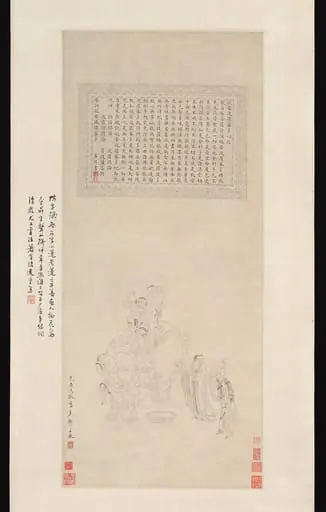 清 陳字 洗象圖 軸|Washing the White Elephant
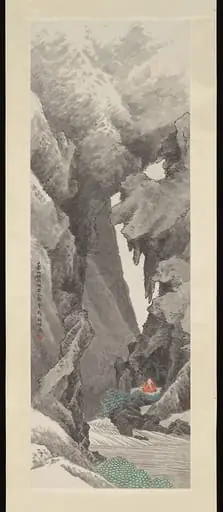 清 任預 石室參禪圖 軸|Meditation in a Cave
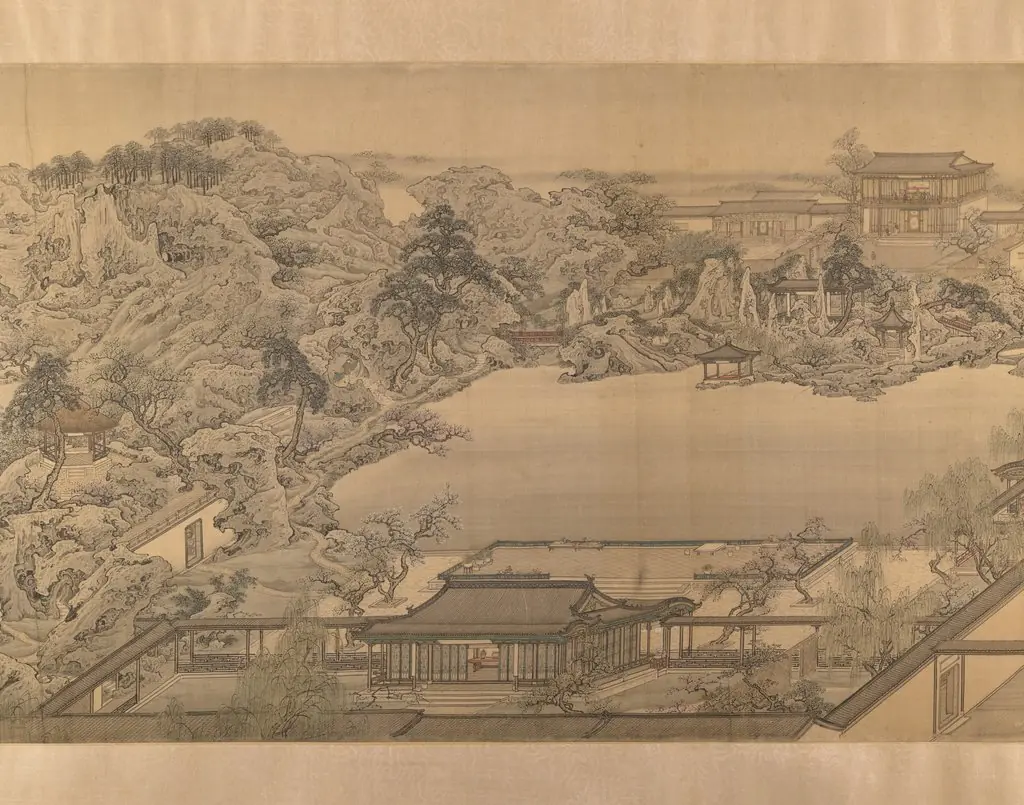 清 佚名 臨袁江瞻園圖 卷|View of a Garden Villa
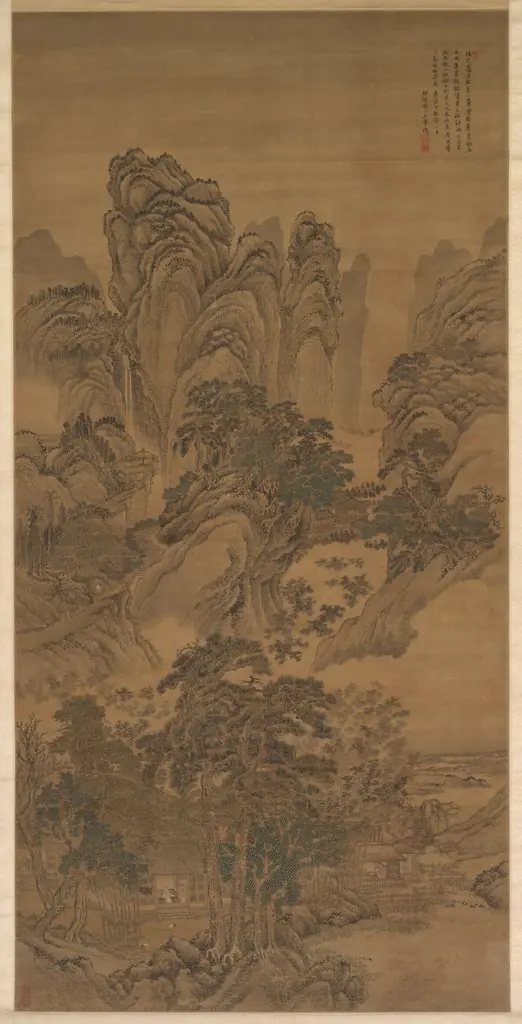 Landscape
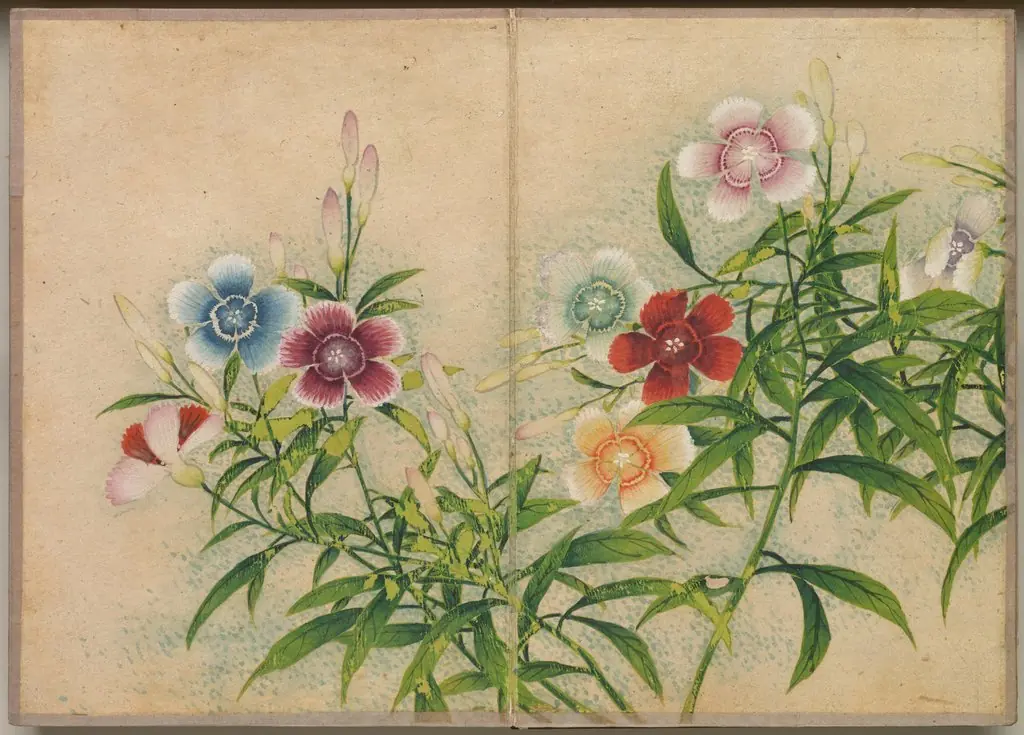 Desk Album: Flower and Bird Paintings (Pinks)
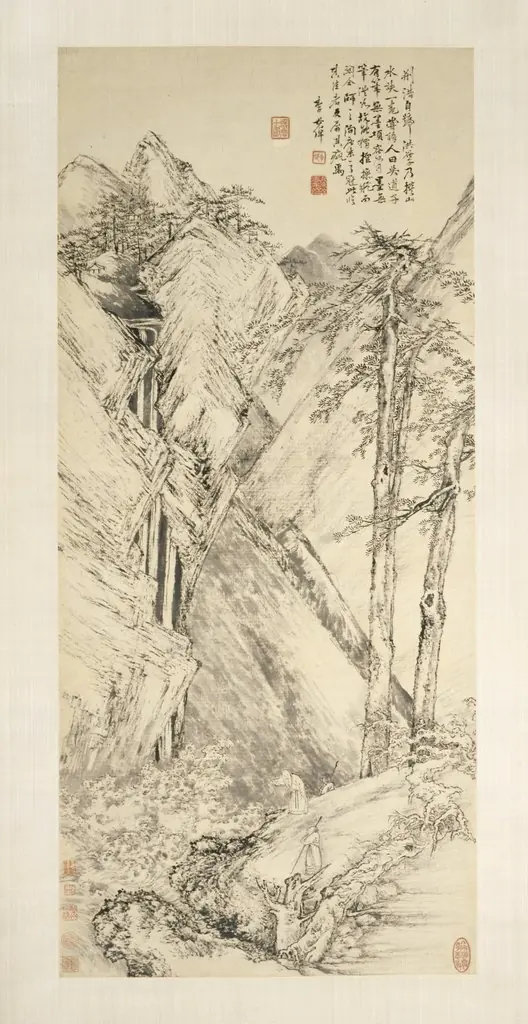 Landscape after Jing Hao and Guan Tong
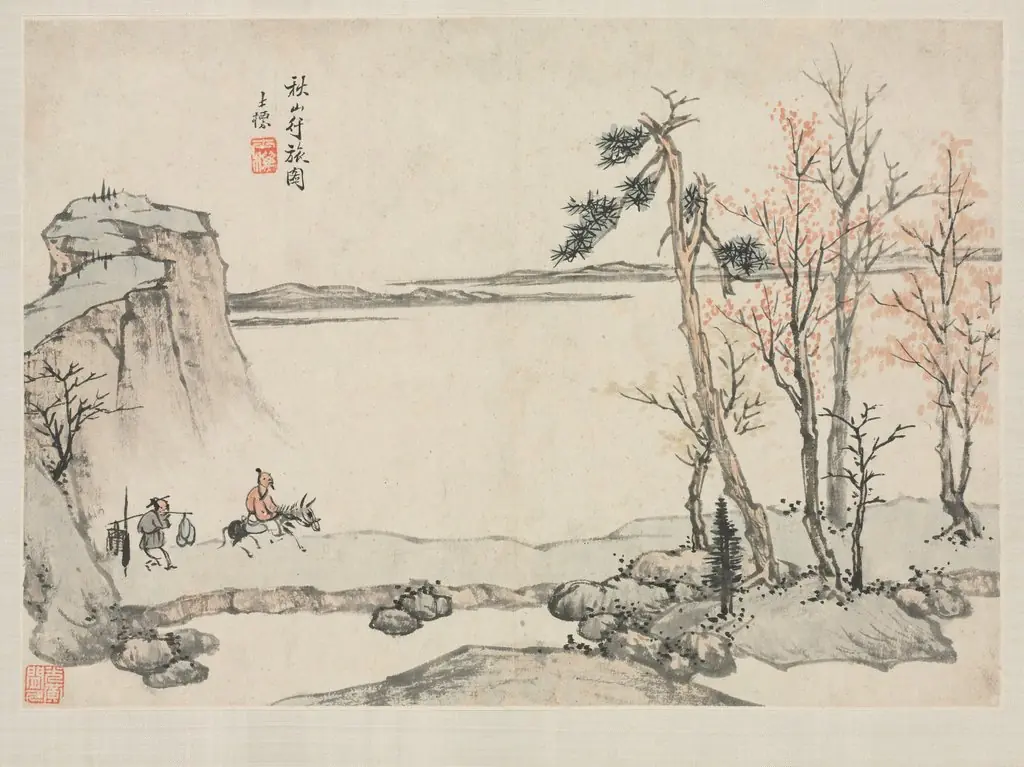 Landscape Album in Various Styles: Traveling in Autumn Mountains
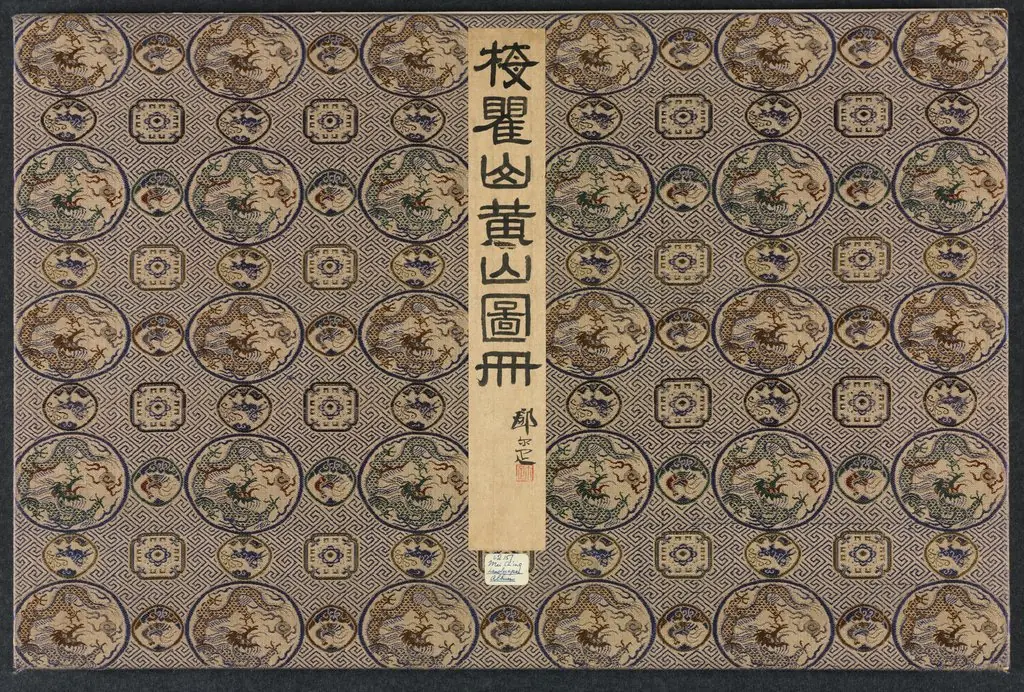 Landscapes in Various Styles after Old Masters
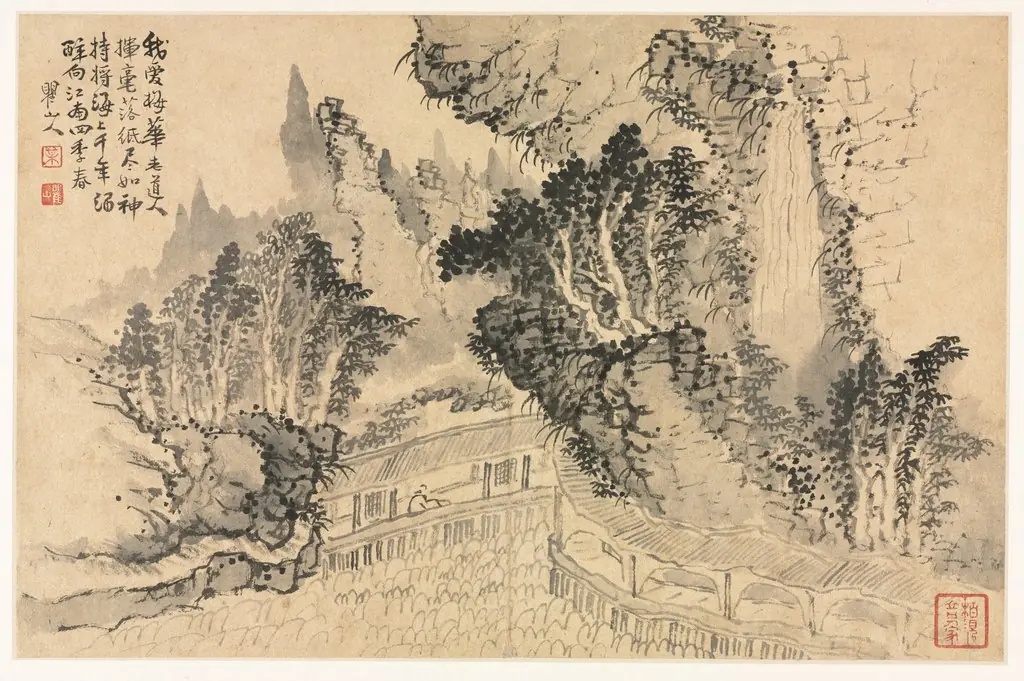 Landscapes in Various Styles after Old Masters
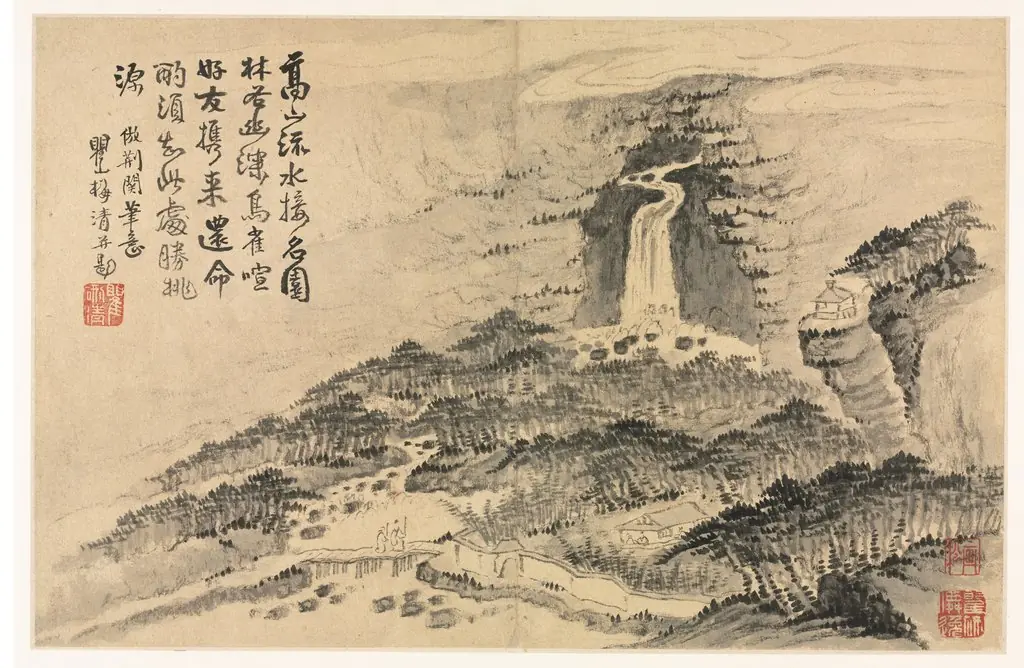 Landscapes after Various Styles of Old Masters
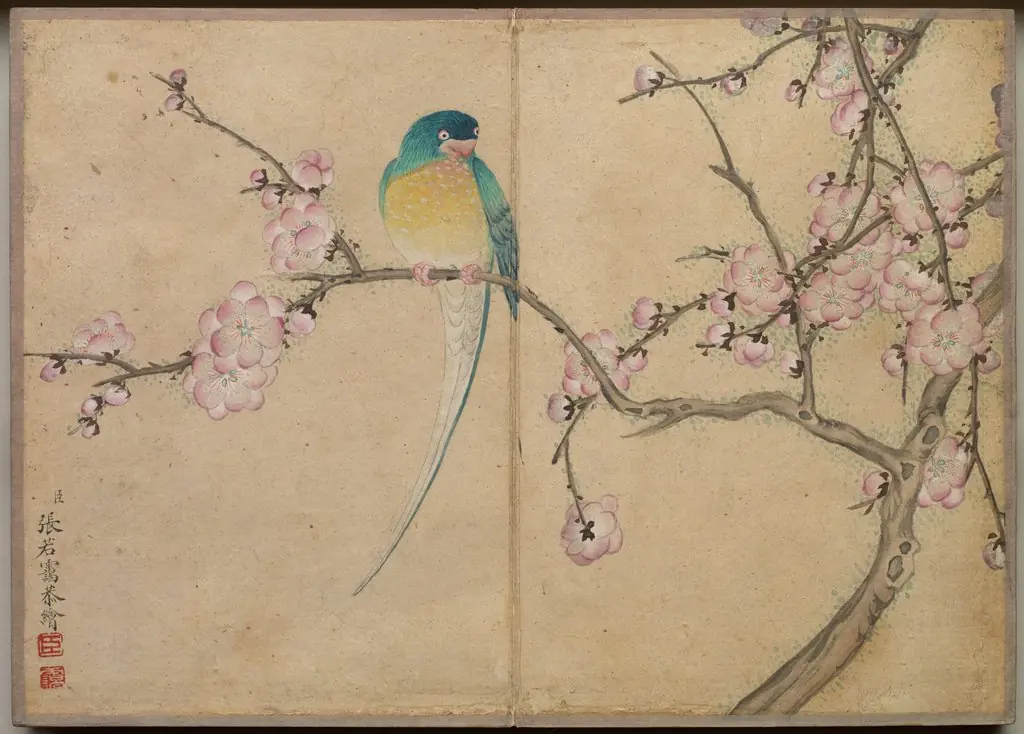 Desk Album: Flower and Bird Paintings (Bird with Plum Blossoms)
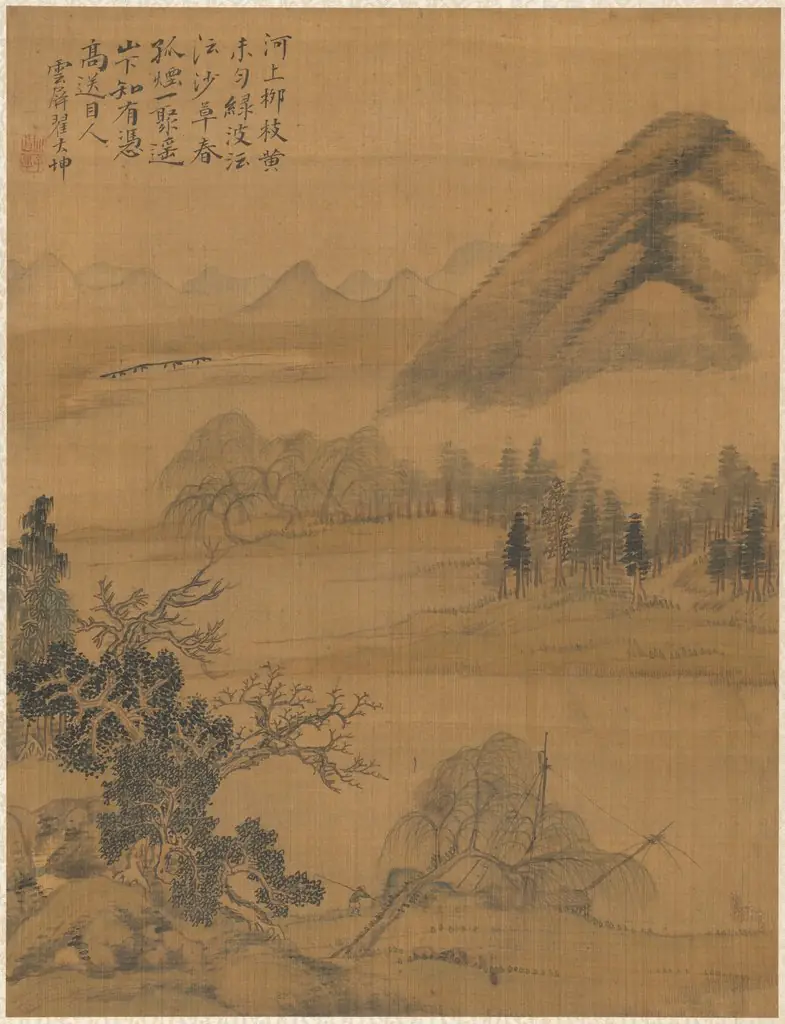 Landscape
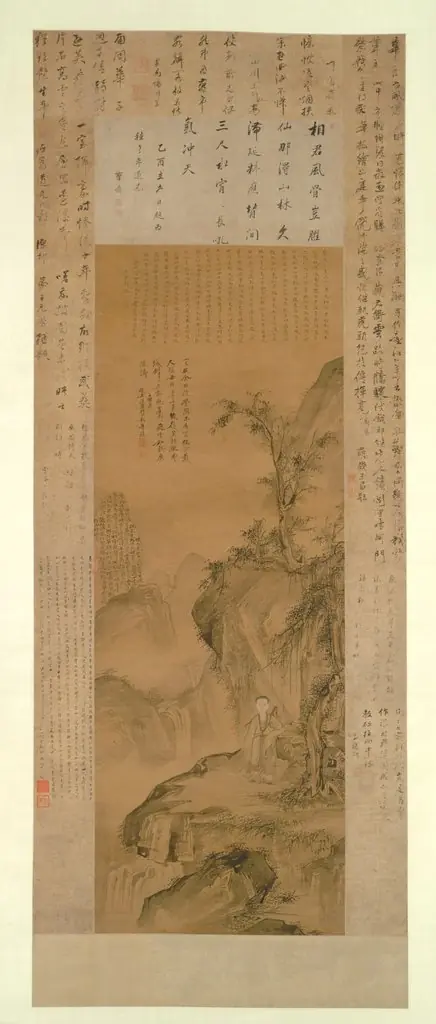 Layered Peaks and Splashing Waterfall: Portrait of Hua Yan as a Young Man
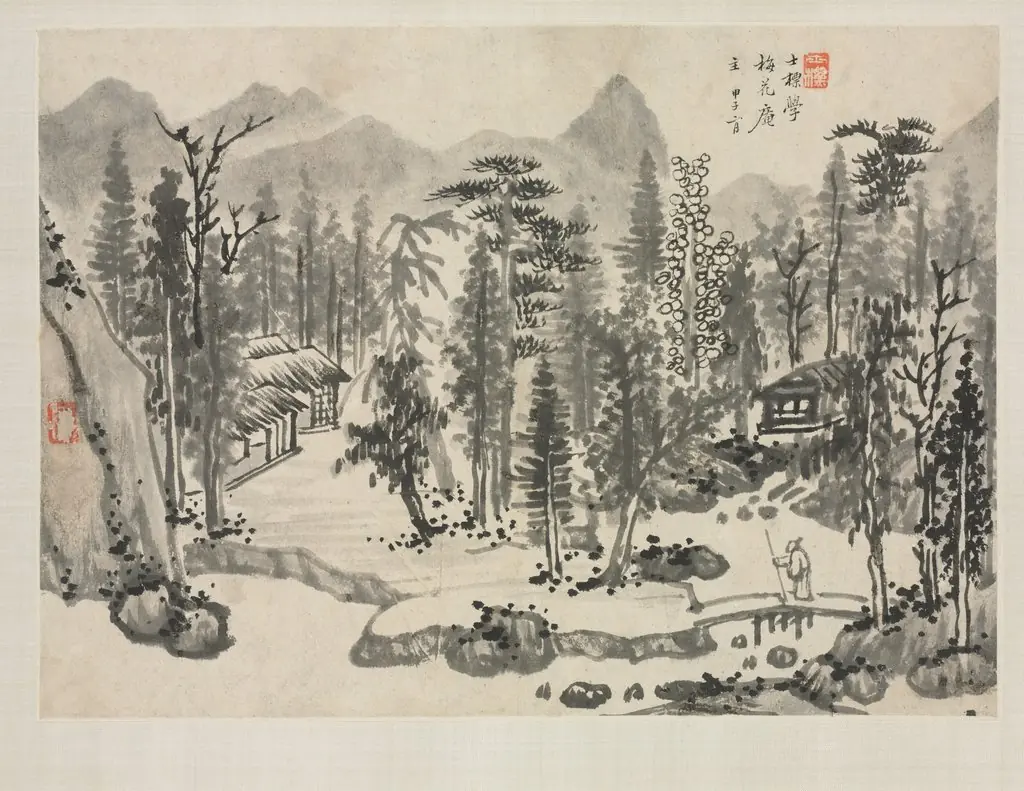 Landscape Album in Various Styles: Landscape after Wu Zhen
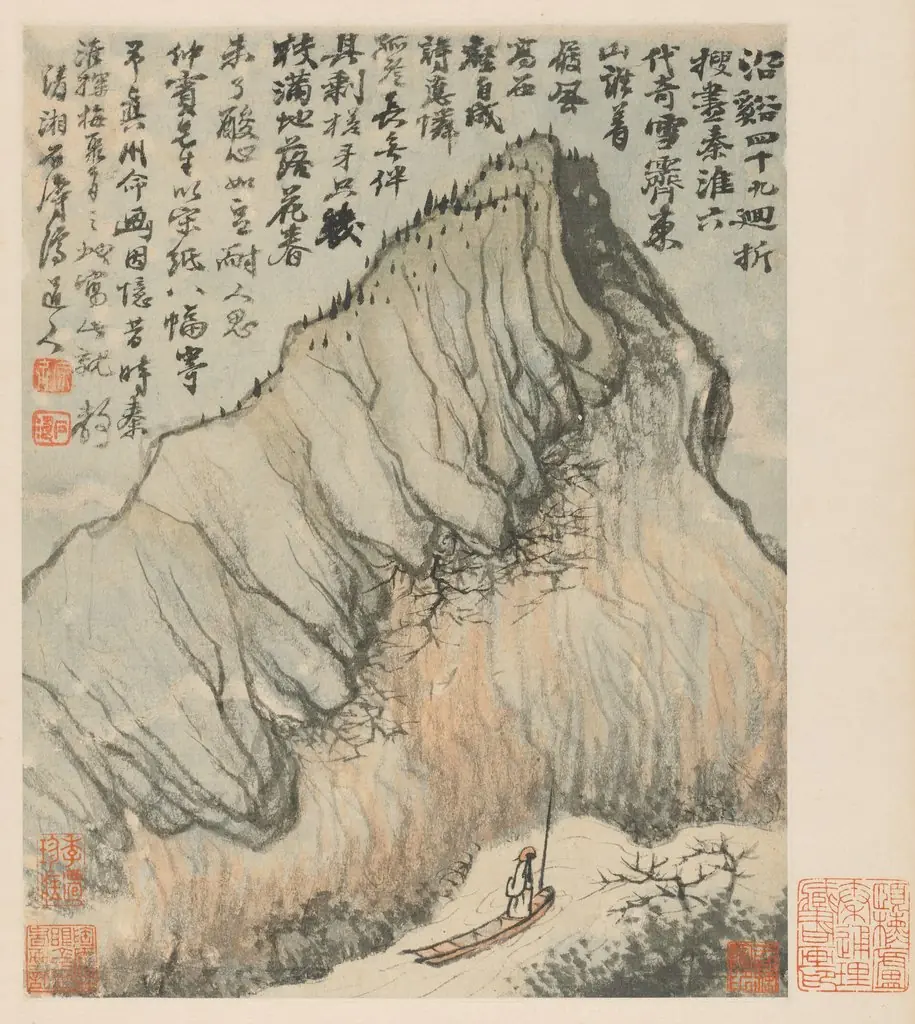 Reminiscences of Qinhuai River
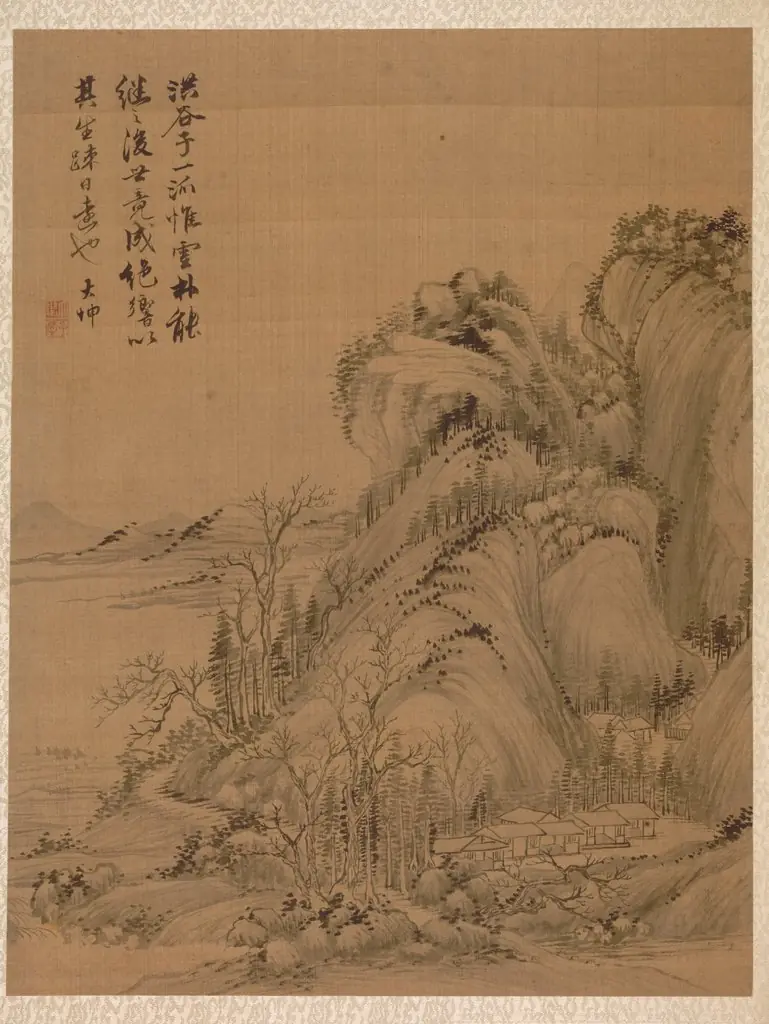 Landscape in the Style of Ching Hao
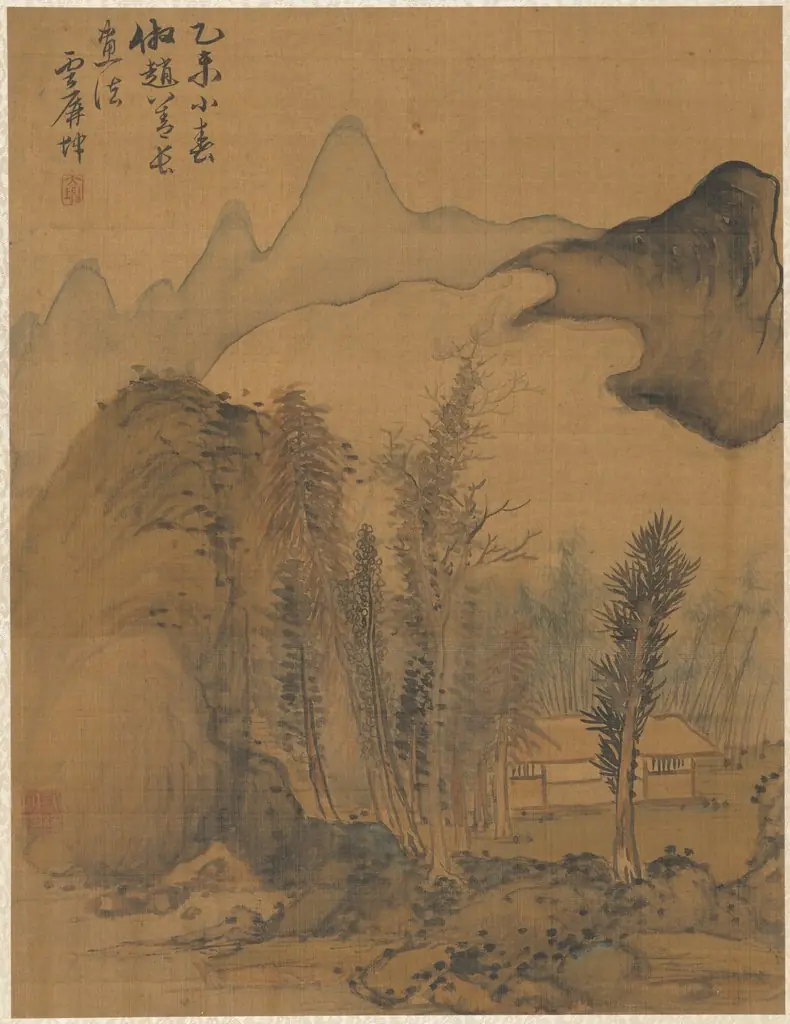 Landscape in the Style of Chao Yuan
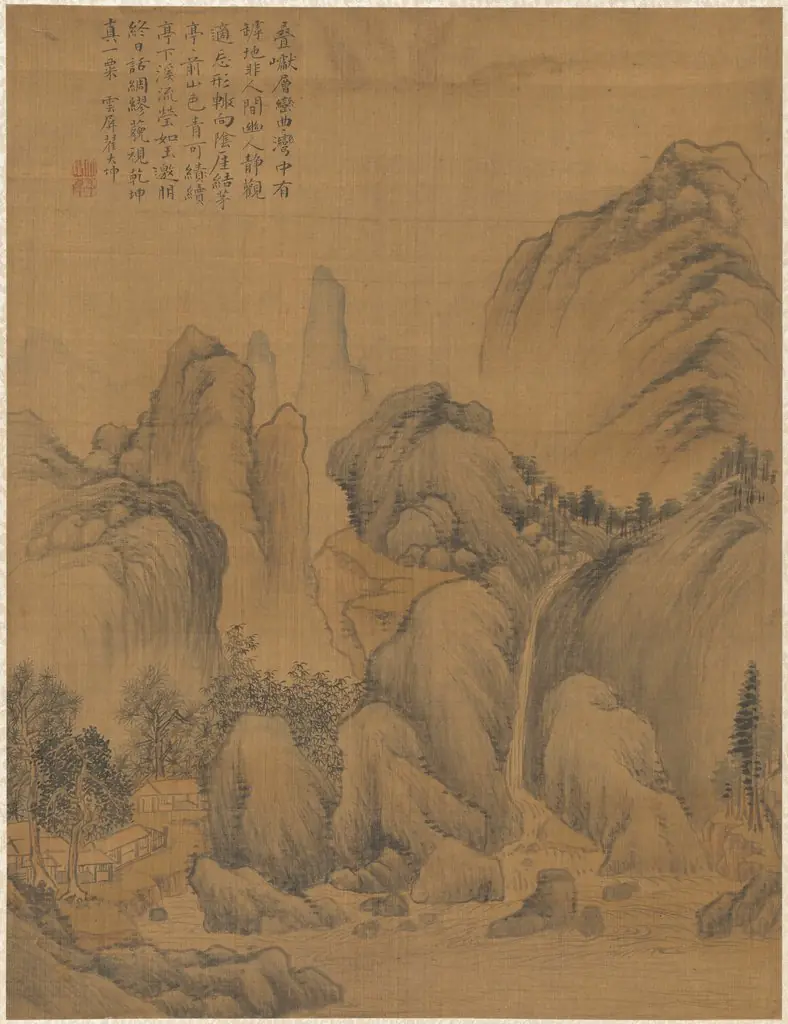 Landscape
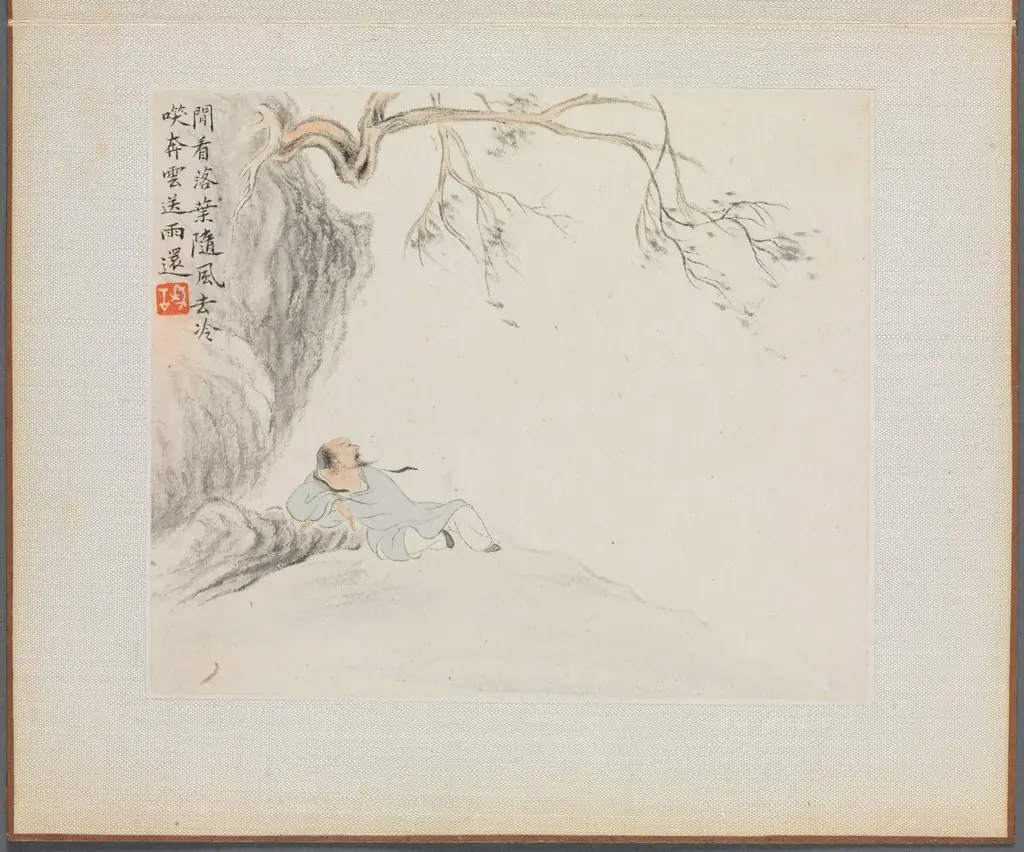 Album of Landscape Paintings Illustrating Old Poems: A Man Reclining and Enjoying the View
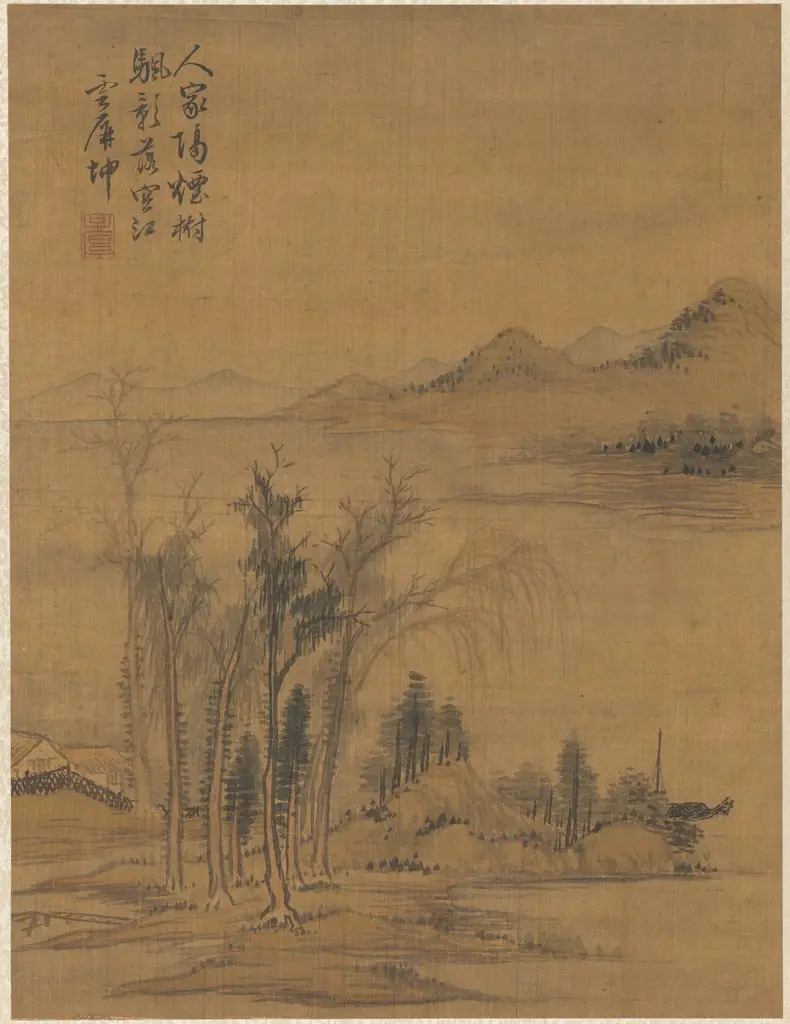 Landscape
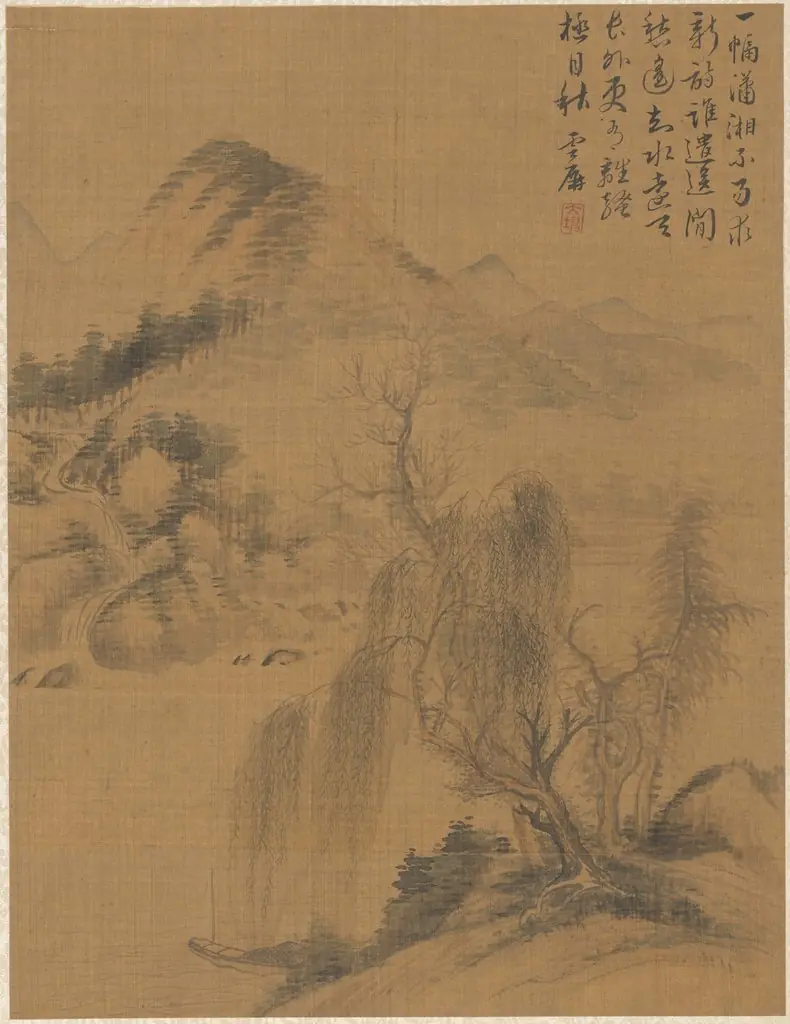 Landscape
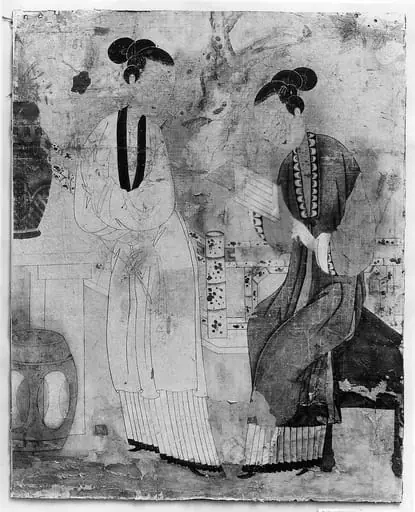 Untitled
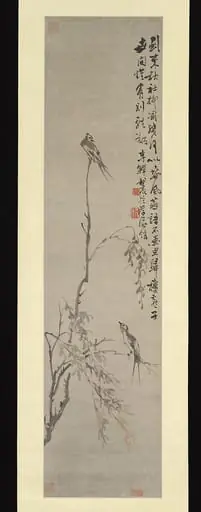 清 李鱓 燕柳圖 軸|Swallows
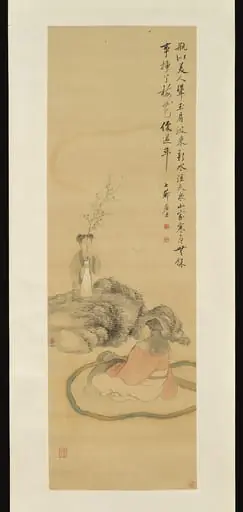 清 改琦 插花圖 軸|Girl Arranging Flowers
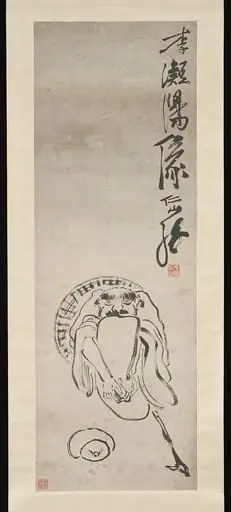 清 蘇仁山 李凝陽像 軸|The Immortal Li Tieguai
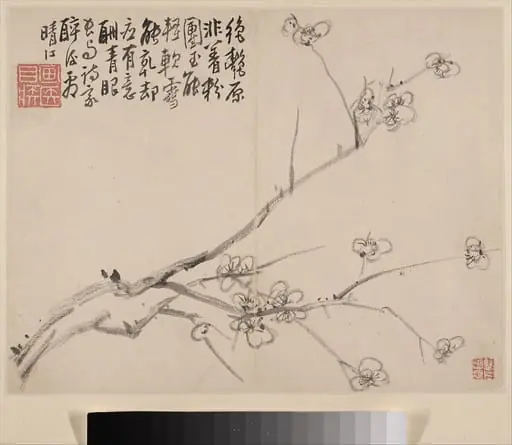 清 李方膺 墨梅圖 冊|Album of Blossoming Plum
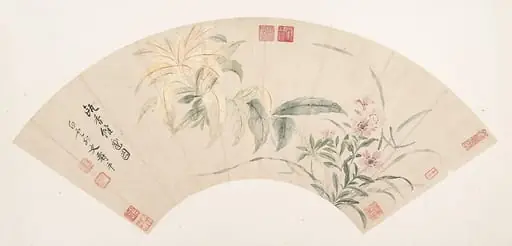 清 惲壽平 花卉圖 摺扇|Carnations and amaranthus
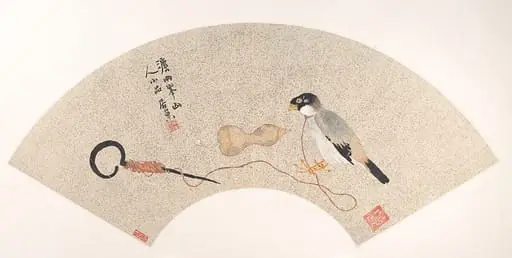 清 居巢 鳥圖 扇面|Bird
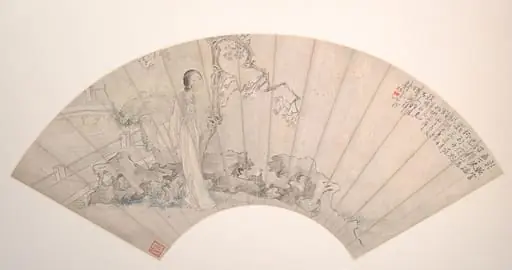 清 錢慧安 仕女圖 摺扇|Woman in a garden
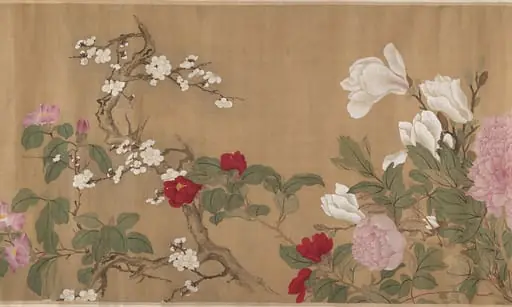 清 (傳)惲壽平 百花圖 卷|One Hundred Flowers
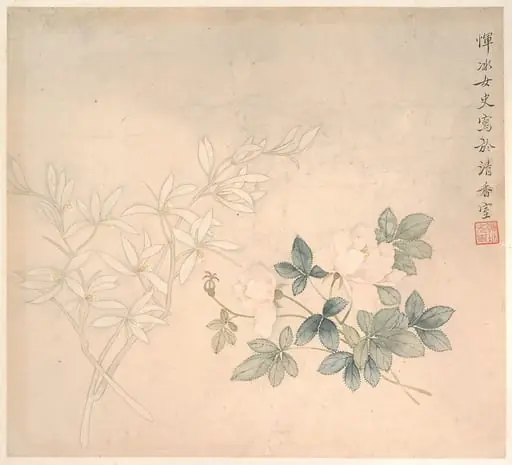 清 惲冰 花卉圖 册页|Flower Study
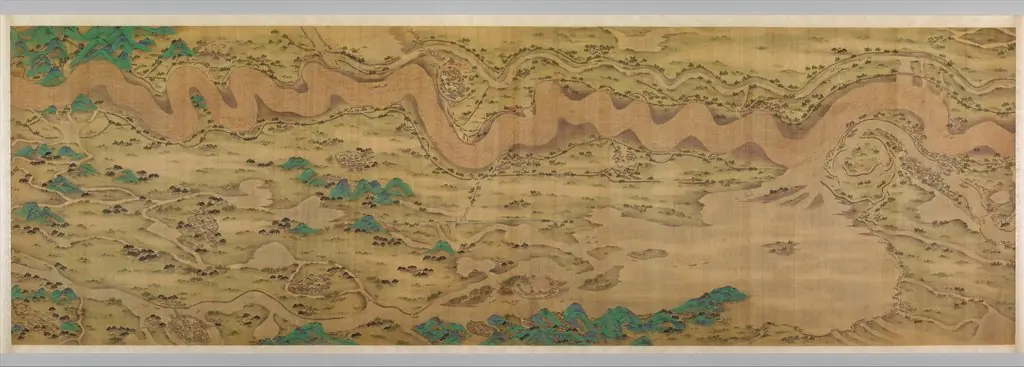 Ten Thousand Miles along the Yellow River
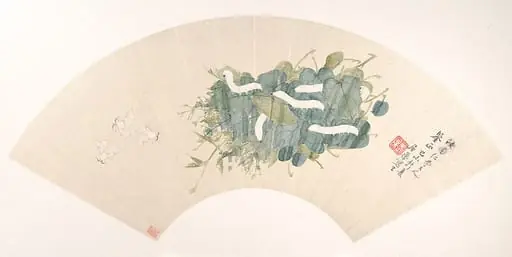 清 居巢 蠶蛾 扇面|Silkworm
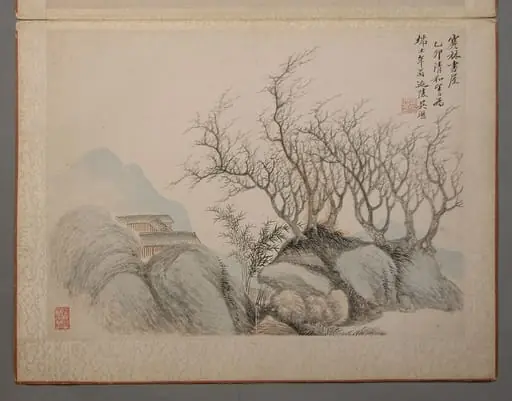 清 清初八大家山水冊|Landscapes Painted for Wang Kui
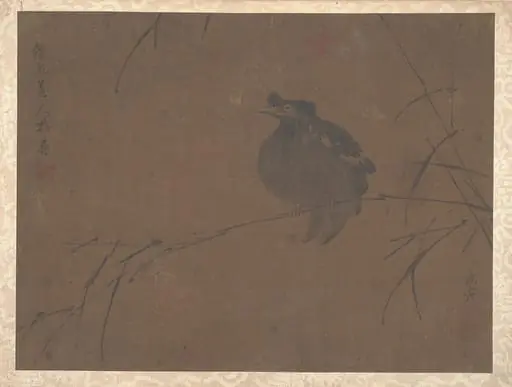 清 郭汝龍 指畫寒禽圖 冊頁|Mynah on Reed
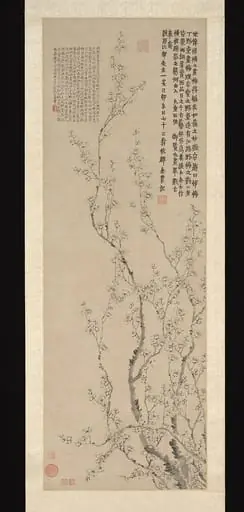 清 金農 墨梅圖 軸|Blossoming plum
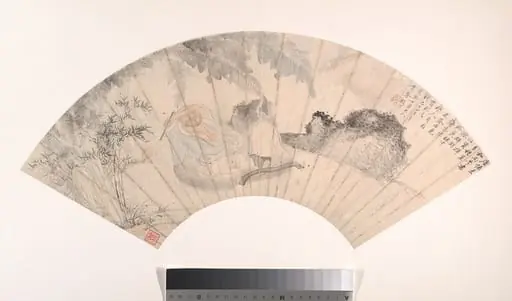 清 顧澐 懷素蕉林午睡圖 扇面|Huaisu in the Banana Grove
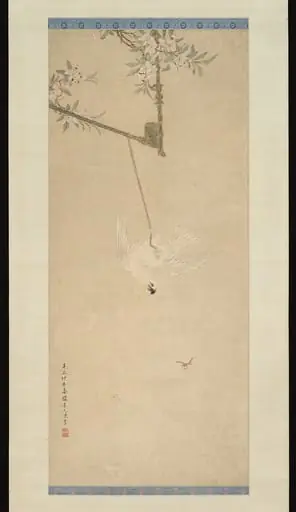 清 陳書 白鸚鵡圖 軸|Cockatoo
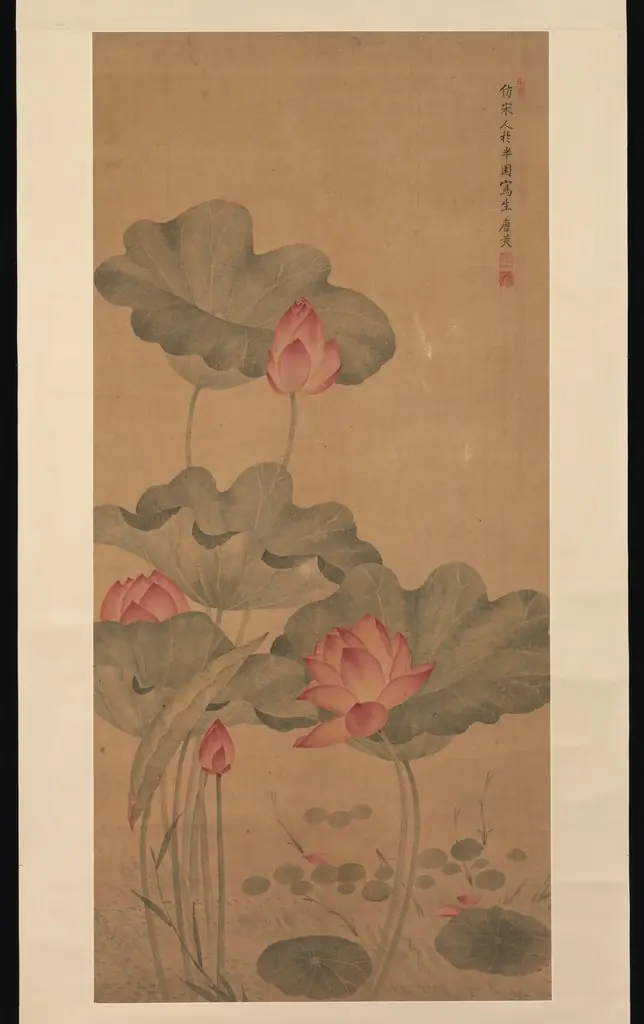 Red Lotus and Fish
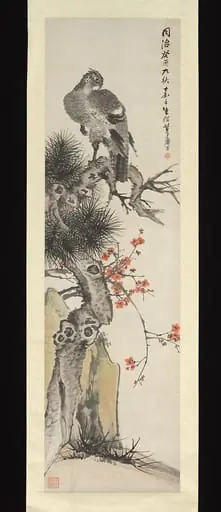 清 朱偁 松鷹圖 軸|Hawk, pine, plum, and rock
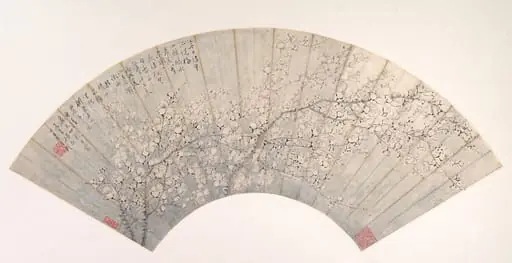 清 金? 梅花 扇面|Plum
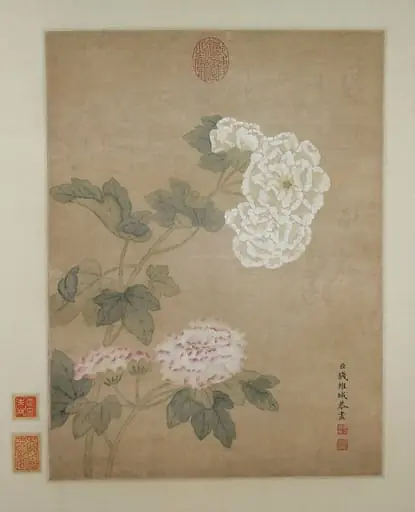 Untitled
 清 虛谷 松鼠 扇面|Squirrel on an Autumn Branch
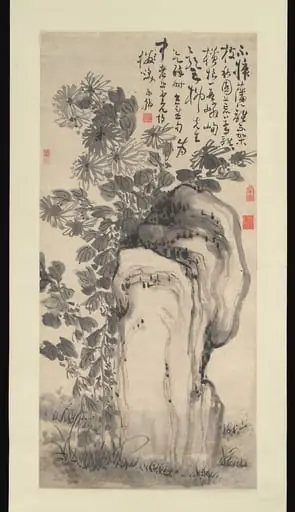 清 高鳳翰 菊石圖 軸|Chrysanthemums by a rock
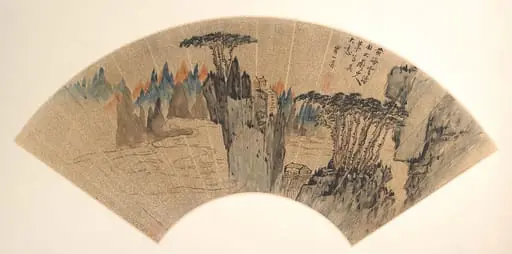 清 倣 梅清 黃海雲濤圖 扇頁|Peaks of Mount Huang
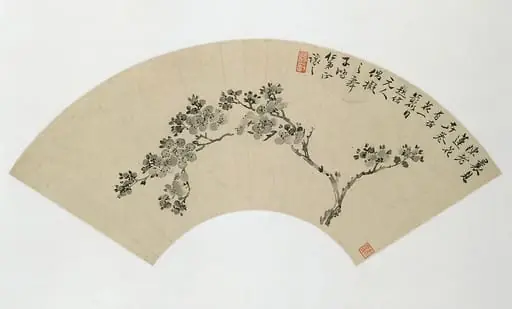 清 吳熙載 杏花 扇面|Apricot
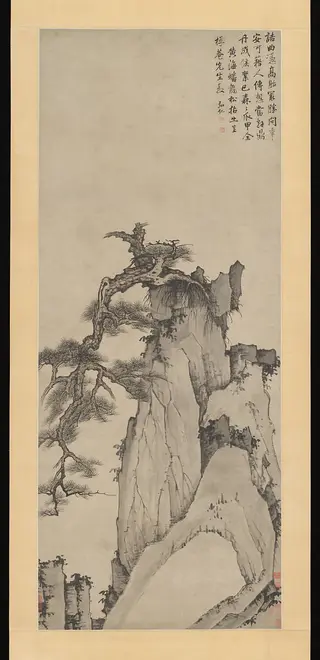 清 倣弘仁 黃山蟠龍松圖 軸|Dragon Pine on Mount Huang
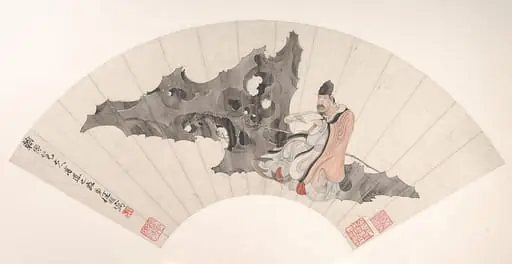 清 任頤 石上讀書 扇面|Scholar on a rock
Frequently asked questions
What is Qing dynasty painting?
Qing dynasty painting is an art movement. Painting of China's last dynasty, the Qing (1644-1911).
How many Qing dynasty painting works does Artifact World Gallery have?
Artifact World Gallery holds 385 public-domain Qing dynasty painting works, all free to view and download.
Who are the key Qing dynasty painting artists?
Key Qing dynasty painting artists in the collection include Chinese Qing Dynasty, Zha Shibiao and Jin Nong.
When did Qing dynasty painting take place?
Qing dynasty painting dates from 1640–1920.
Where can I see Qing dynasty painting works?
Qing dynasty painting works in the collection are held by Metropolitan Museum of Art, Cleveland Museum of Art and National Palace Museum.