Artwork
Spring's Earliest Blossoms
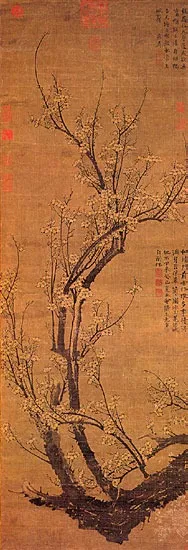
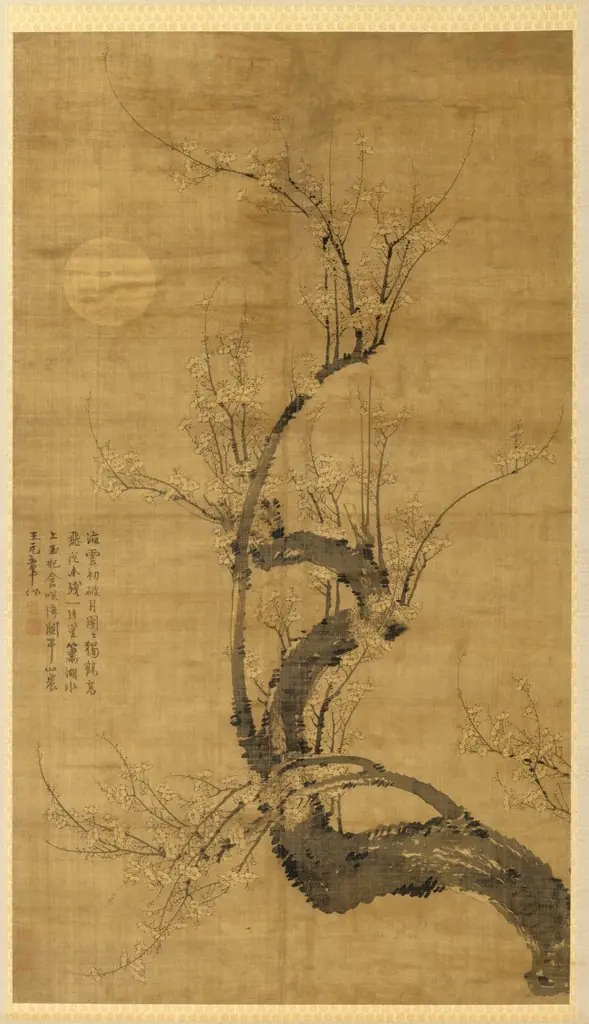
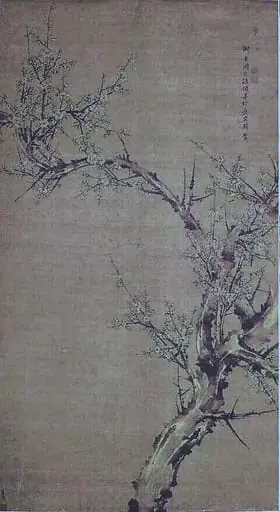
Spring's Earliest Blossoms is an unspecified painting by the Yōga artist Wang Mian. It dates from 1353 and is held in the collection of the National Palace Museum.
About this work
Overview
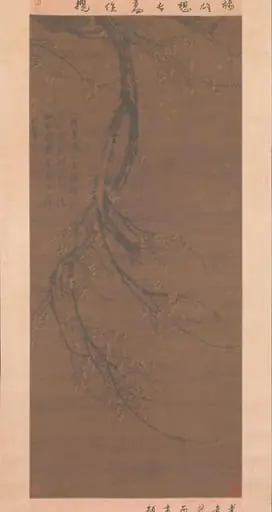
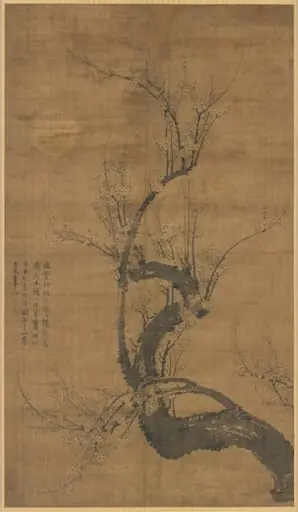
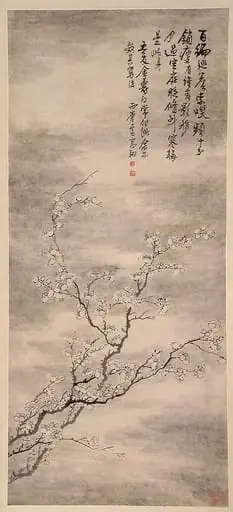
Spring's Earliest Blossoms is a 1353 painting by Wang Mian, a Yuan dynasty artist renowned for his depictions of plum blossoms. The work features a curved, twisted branch with small white flowers and green leaves against a muted background, characterized by fine lines, subtle shading, and a serene atmosphere.
Subject & Meaning
The painting focuses on plum blossoms, a subject Wang Mian favored, symbolizing the arrival of spring. The varied stages of growth among the flowers and leaves convey a sense of dynamism and life.
Technique & Style
Wang Mian employed delicate, fine lines and nuanced shading to achieve depth and texture. The soft, complementary colors of the branch and background create a peaceful visual experience.
History & Provenance
Created in 1353, the painting is part of the National Palace Museum's collection. Note: The mention of 'yoga movement' in the source appears to be inaccurate or unrelated to the painting's style or context, as 'yoga' typically refers to Indian spiritual practices unrelated to Yuan dynasty art. The term might be a mistranslation or error.
Context
As a Yuan dynasty piece, it reflects the period's artistic emphasis on nature and subtle expression. Wang Mian's preference for plum blossoms aligns with the symbol's cultural significance in Chinese art.
Legacy
While specific impact details are not provided, the painting's preservation in a prominent museum suggests its value as a representative work of Wang Mian's oeuvre and Yuan dynasty art.
Artist & collection

Artist
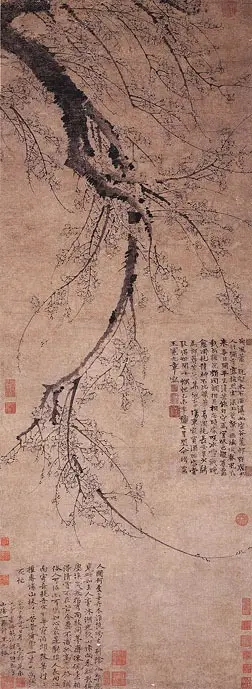
Wang Mian (Chinese: 王冕; pinyin: Wáng Miǎn; Wade–Giles: Wang Mien; 1287–1359), courtesy name Yuanzhang (元章), also known as Zhushi Shannong, was a Chinese painter and poet active during the Yuan dynasty.