Artwork
Alexander the Great Receiving a Sword (?)
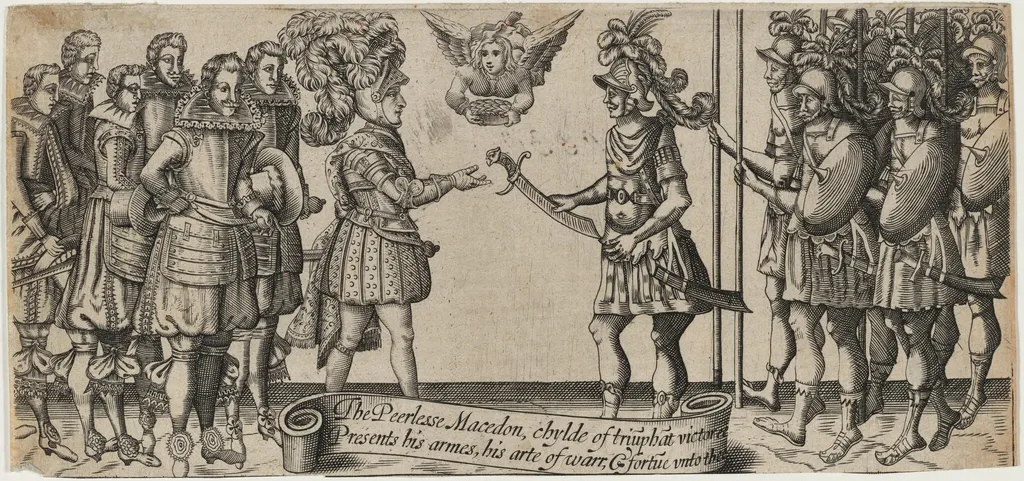
Alexander the Great Receiving a Sword (?) is an ink print by the Romanticist artist Unknown 19th Century. It dates from 1850 and is held in the collection of the National Gallery of Art. This engraving depicts a moment of ceremonial exchange between two figures, one receiving a sword from the other.
About this work
Overview
Produced during the Romantic era, the work reflects an interest in historical narrative and dramatic gesture, typical of 19th-century printmaking.
This engraving depicts a moment of ceremonial exchange between two figures, one receiving a sword from the other. Rendered in fine linear detail, the composition centers on the interaction between armored and helmeted individuals, surrounded by attendants. The plain background focuses attention on the figures and their attire.
Produced during the Romantic era, the work reflects an interest in historical narrative and dramatic gesture, typical of 19th-century printmaking.
Subject & Meaning
The scene is interpreted as Alexander the Great accepting a weapon, possibly symbolizing trust, authority, or the transfer of command. The figures’ attire, elaborate armor, ornate headgear, and tunics, suggests idealized antiquity rather than historical accuracy. The act of handing a sword implies a ritual of leadership, aligning with Romantic-era fascination with heroic figures and symbolic gestures from antiquity.
Technique & Style
Executed as a detailed engraving, the work employs fine, controlled lines to render textures of metal, fabric, and skin. The figures are rendered with precision, emphasizing decorative elements on armor and clothing. The absence of landscape or architectural context directs focus to the human interaction, a hallmark of Romantic prints that prioritized emotional resonance over topographical realism.
History & Provenance
The engraving’s origin is not documented in public records, but its style and subject align with 19th-century European printmakers who illustrated classical themes for private collections. It likely circulated as a standalone print or in illustrated volumes, reflecting contemporary interest in ancient history and heroic biography, though its maker and early owners remain unidentified.
Context
Created during the Romantic period, the image reflects a broader cultural trend of revisiting antiquity through an emotional and imaginative lens. Artists and printmakers of the time often depicted historical or mythological scenes to evoke grandeur and moral resonance, rather than to document factual events. This work fits within that tradition, prioritizing symbolic drama over archaeological fidelity.
Legacy
Though not attributed to a major artist, the engraving contributes to a wider body of Romantic-era prints that shaped popular perceptions of ancient leaders. Its emphasis on ceremonial gesture and idealized dress influenced later visual representations of Alexander and other historical figures, reinforcing enduring iconography even when historical accuracy was secondary to narrative impact.
Artist & collection

Artist

![King and Queen in Consultation about the Turks [recto], by Jacques Callot](https://artifactworldgallery.com/img/jacques-callot--king-and-queen-in-consultation-about-the-turks-recto--5b03792b86815455-w320.webp) King and Queen in Consultation about the Turks [recto]
King and Queen in Consultation about the Turks [recto]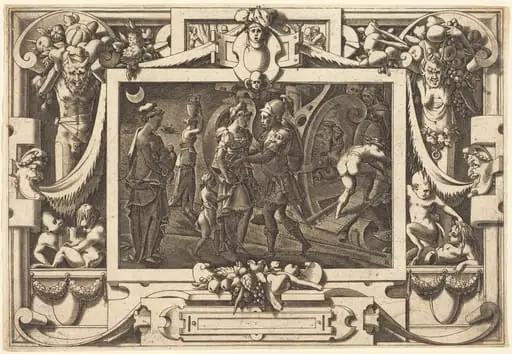 Medea Embarks with Jason
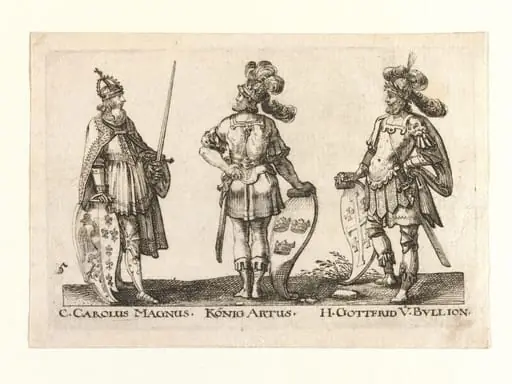 Charles the Great, King Arthur and Godfrey of Bouillon
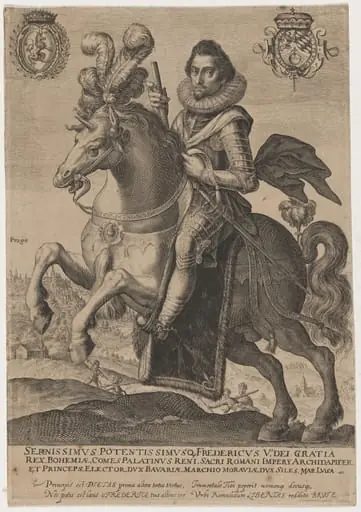 Frederick, King of Bohemia
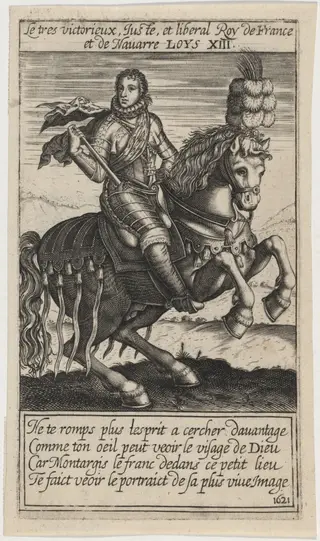 Louis XIII
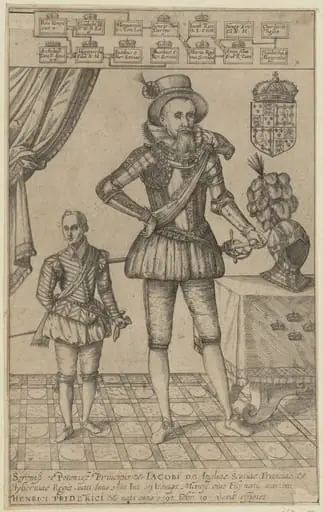 James I and Prince Henry Frederick
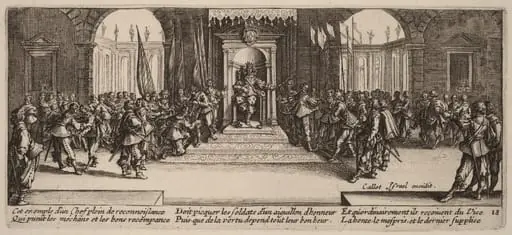 Distribution of Rewards
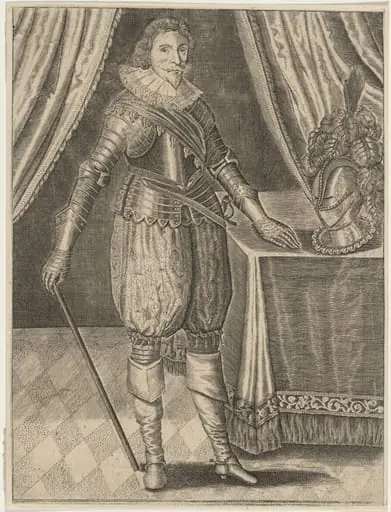 James, Second Marquis of Hamilton
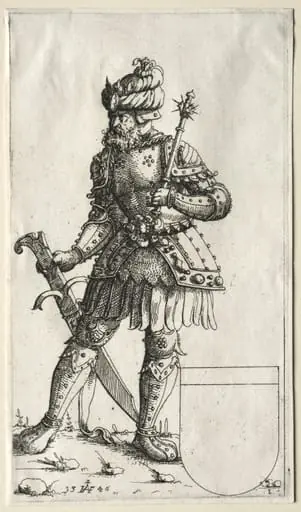 Sigismund II, King of Poland
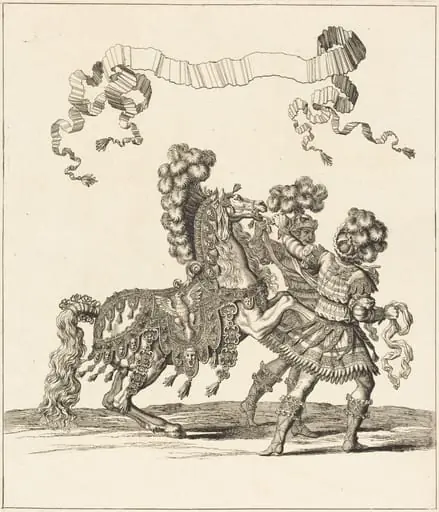 Cheval de Main et Palfreniers Romains
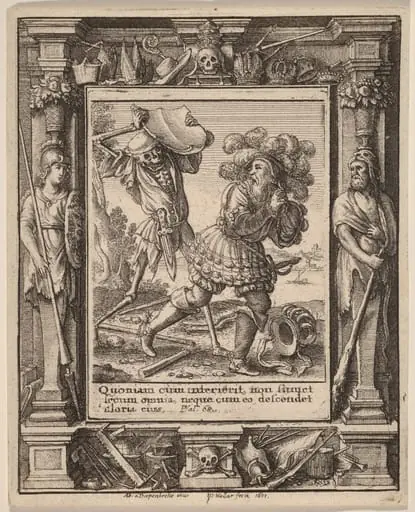 Count
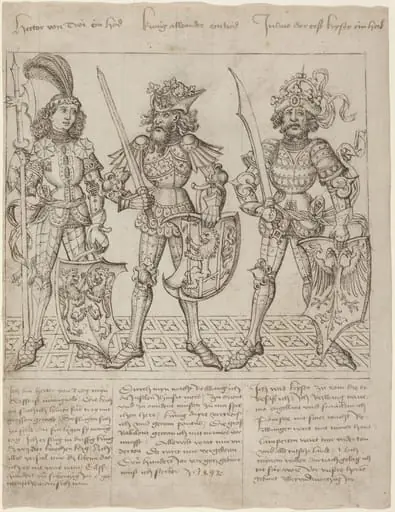
Count- Hector of Troy, Alexander the Great and Julius Caesar