Artwork
Execution of Johan van Oldenbarneveldt
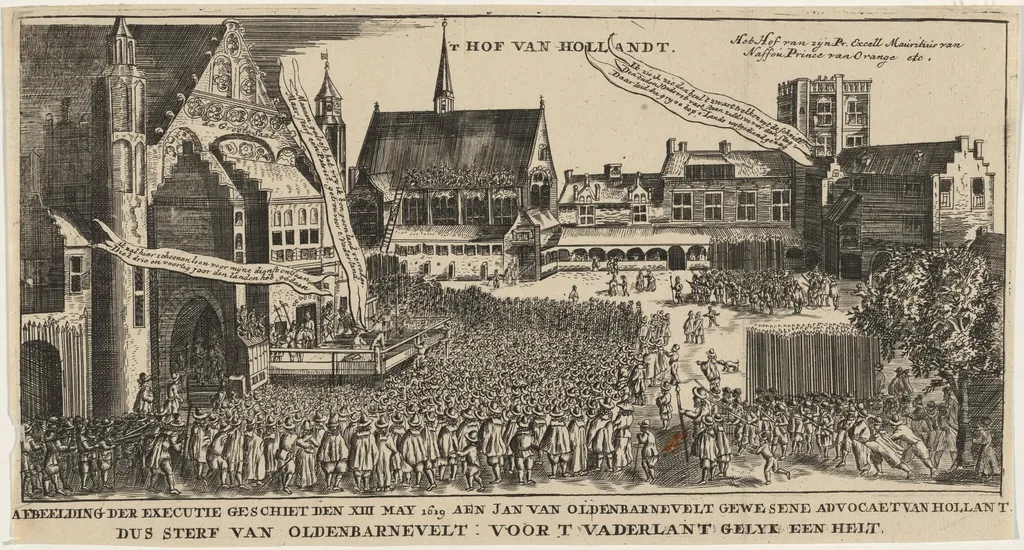
Execution of Johan van Oldenbarneveldt is an ink print by the Romanticist artist Unknown 19th Century. It dates from 1850 and is held in the collection of the National Gallery of Art.
About this work
Overview
Flags and banners adorn the architecture, while soldiers and spectators press tightly around a raised platform where the condemned man stands.
This black-and-white engraving depicts the public execution of Johan van Oldenbarneveldt in The Hague in 1619. Rendered with meticulous fine lines and tonal shading, the scene captures a crowded town square under steep-roofed buildings. Flags and banners adorn the architecture, while soldiers and spectators press tightly around a raised platform where the condemned man stands. The composition emphasizes scale and tension, with the crowd’s density reinforcing the gravity of the moment.
Subject & Meaning
The subject is Johan van Oldenbarneveldt, a leading statesman of the Dutch Republic, executed for treason after a political conflict with Prince Maurice of Nassau. The image frames his death not as a private punishment but as a public spectacle, underscoring the state’s authority. The surrounding crowd, both orderly and impassive, reflects the societal division and political stakes of the moment, transforming the event into a civic drama.
Technique & Style
The artist employed fine, controlled engraving lines to model light and shadow, creating a sense of depth within the crowded square. The dense patterning of figures and architecture conveys mass without clutter, while the contrast between darkened areas and exposed stone or fabric adds dramatic emphasis. Textual inscriptions in Dutch anchor the scene in its historical context, a common practice in early modern prints to guide interpretation.
History & Provenance
Created shortly after the execution in 1619, the engraving was likely produced to disseminate news of the event across the Dutch Republic and beyond. Its circulation served both documentary and propagandistic purposes, depending on the viewer’s political alignment. Surviving impressions suggest it was widely reproduced, indicating its significance as a visual record of a pivotal moment in Dutch political history.
Context
Van Oldenbarneveldt’s execution followed a bitter dispute over religious authority and military command during the Eighty Years’ War. His trial and death marked the consolidation of power by Prince Maurice and the suppression of provincial autonomy. The engraving reflects a society deeply divided, where public spectacle became a tool of political messaging, and visual media played a key role in shaping collective memory.
Legacy
The engraving endures as one of the most direct visual records of a major political execution in early modern Europe. It influenced later depictions of state power and judicial violence, and remains a key source for understanding how public executions were staged and perceived. Its detailed realism and emotional restraint distinguish it from more sensationalized portrayals of the era.
Artist & collection

Artist

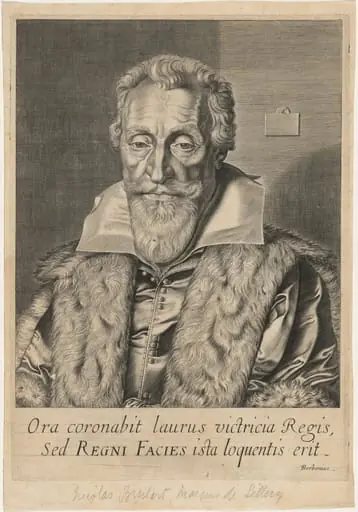
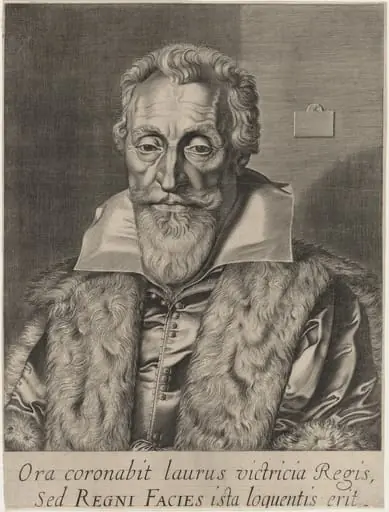
- Disbanding of the Mercenary Troops on the Neude, Utrecht, July 31st, 1618
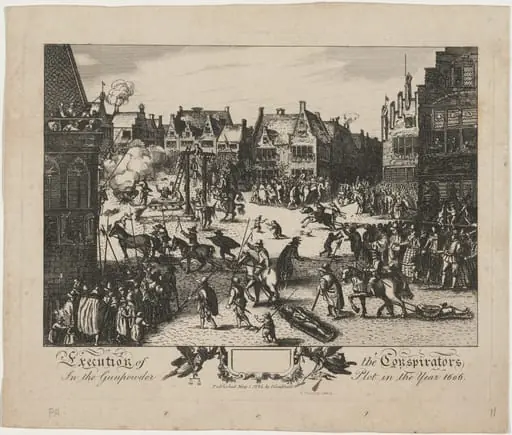 Execution of the Gunpowder Conspirators
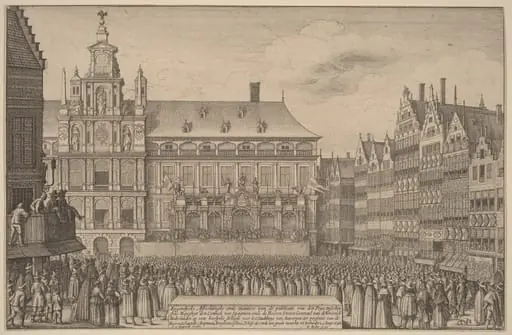 The Peace of Munster
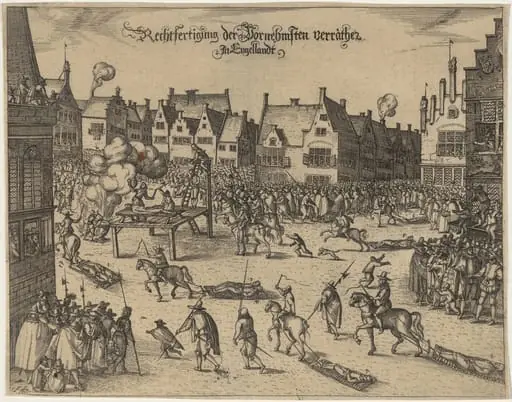 Gunpowder Plot
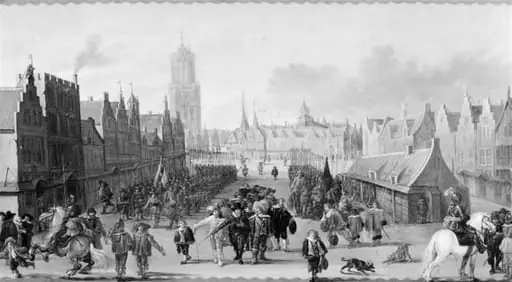
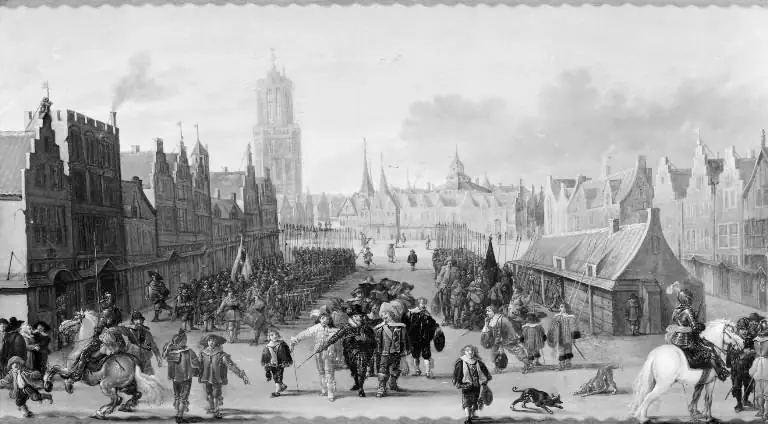 Disbanding of the Mercenary Troops on the Neude, Utrecht, July 31st, 1618
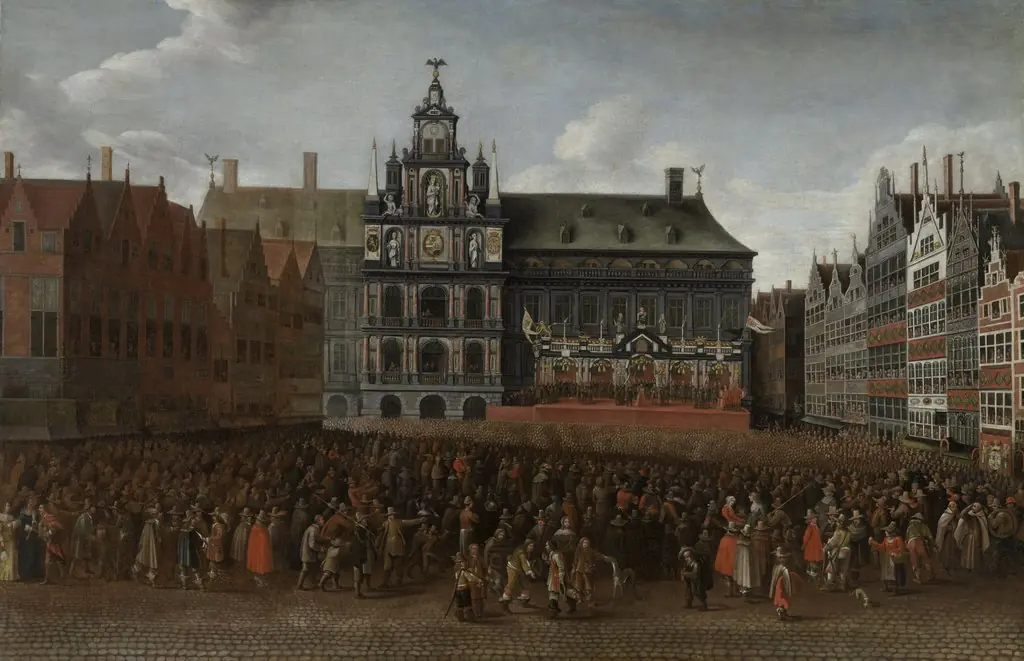 The Proclamation of the Peace of Münster at the Grote Markt in Antwerp
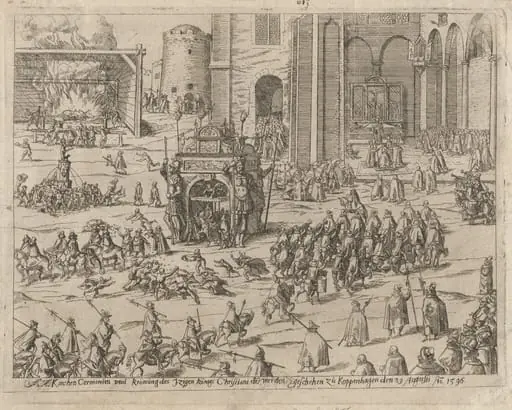 Kirchen Cermonien und Krönung des Zweigen Königs Christiani der Vierden... (Church Ceremonies and Coronation of the Eternal King Christian IV in Copenhagen on August 29, 1596
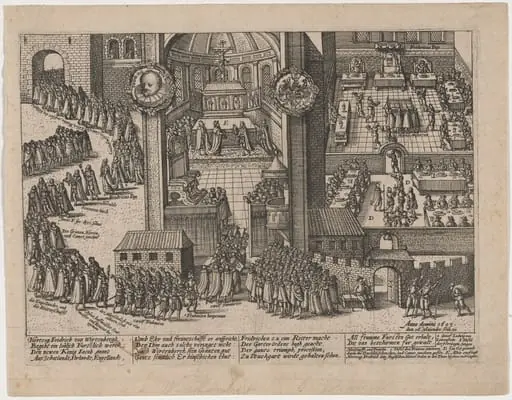 Frederick VI, Duke of Wurtenberg
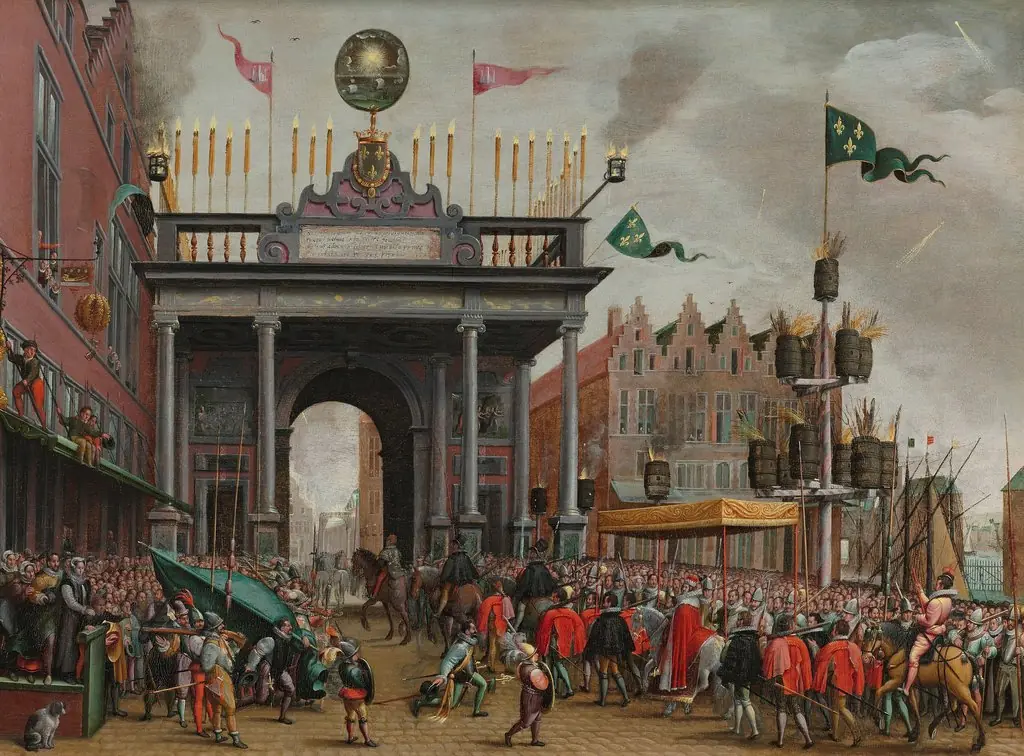 Joyous Entry of François, Duke of Anjou into Antwerp, 19 February 1582, with a Triumphal Arch on St. Jan's Bridge
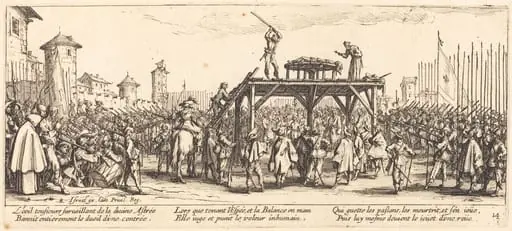 The Wheel
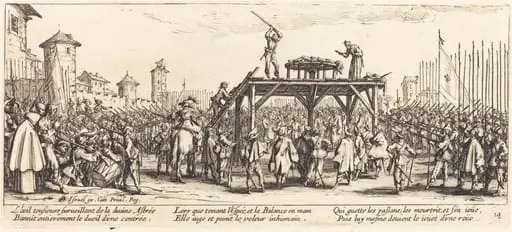 The Wheel
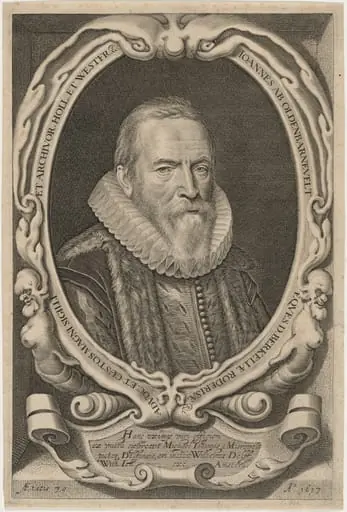 Johan van Oldenbarneveldt