Artwork
Adoration of the Magi
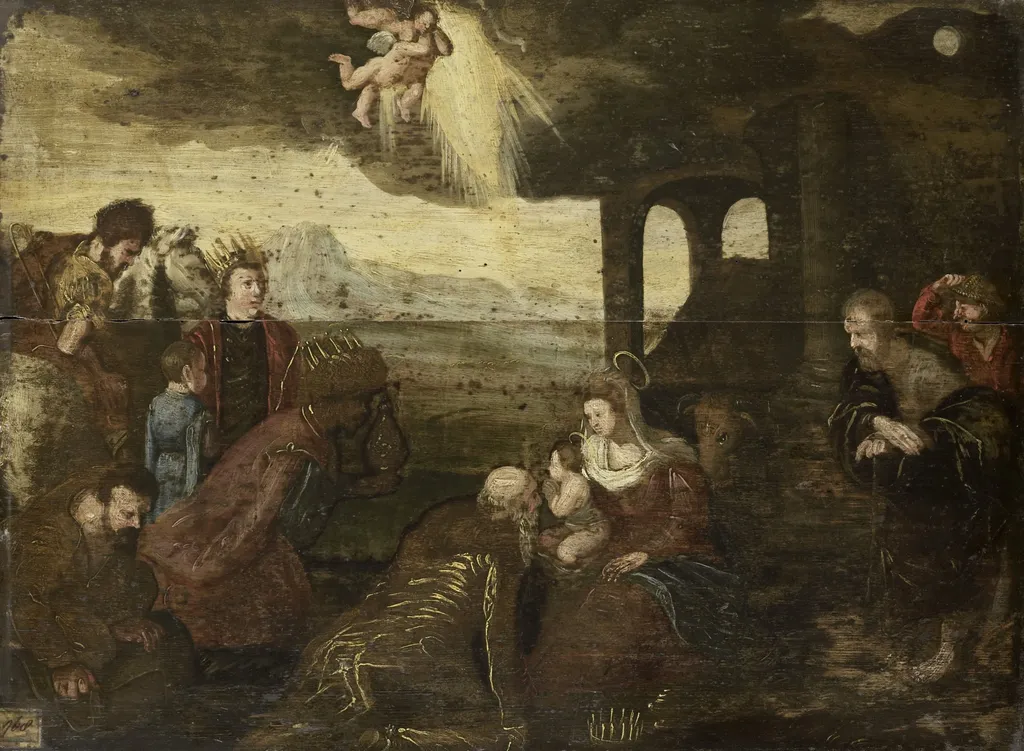
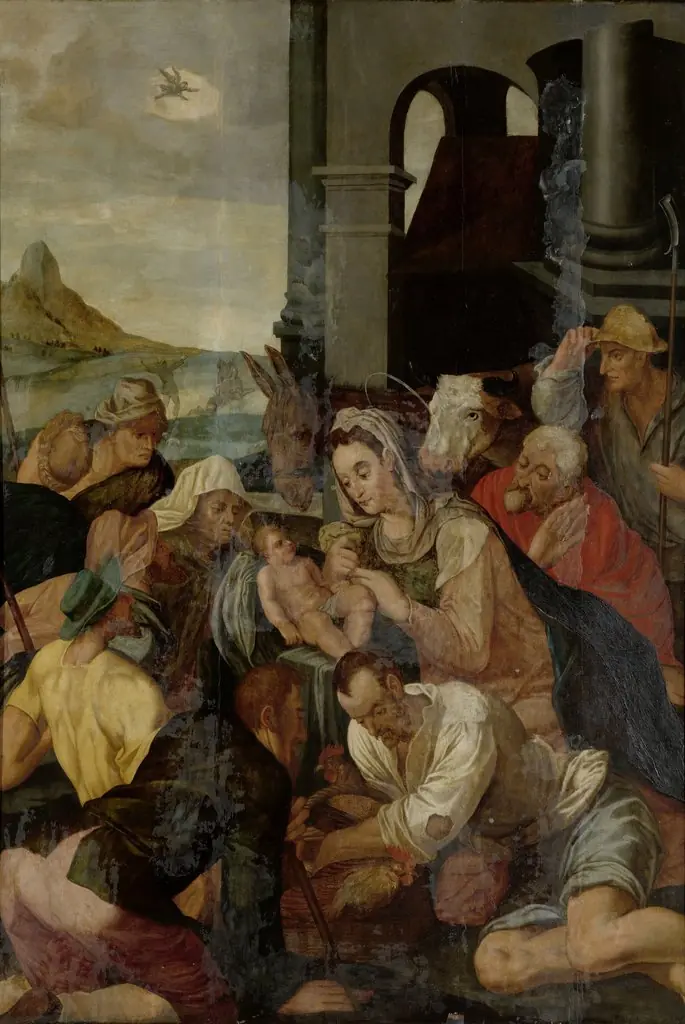
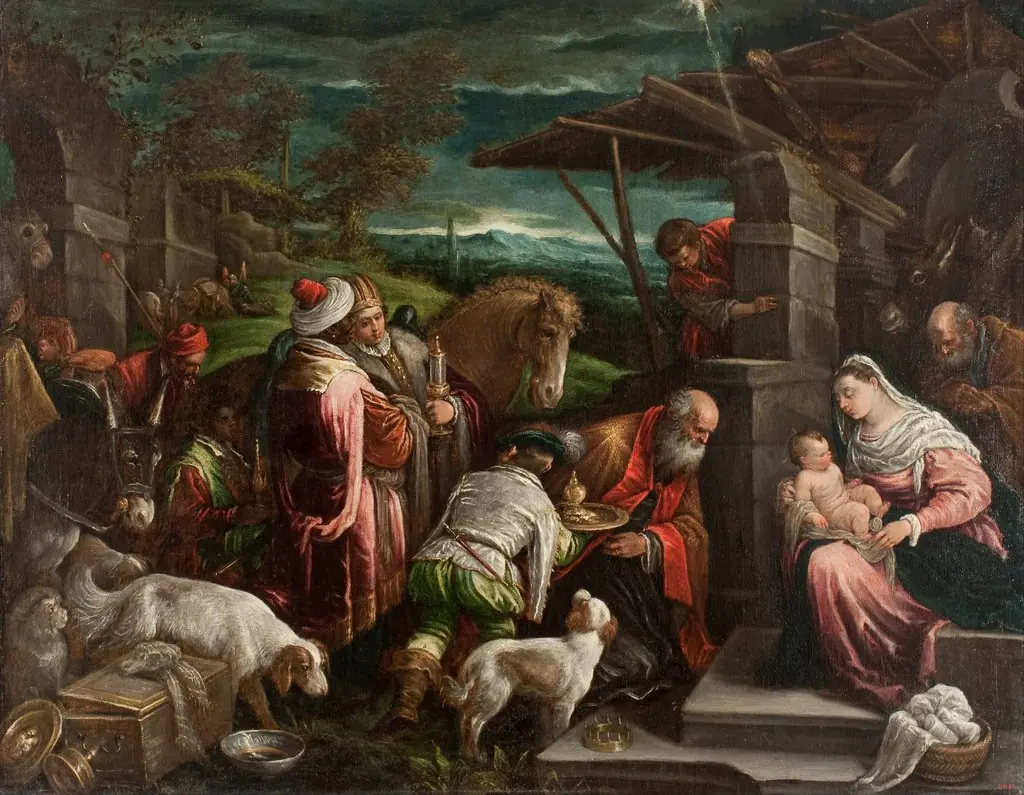
Adoration of the Magi is an oil painting. It dates from 1550 and is held in the collection of the Rijksmuseum.
About this work
Subject & Meaning
The composition centers on the Christ Child as the primary figure of veneration, adhering to the conventions of religious art from the period.
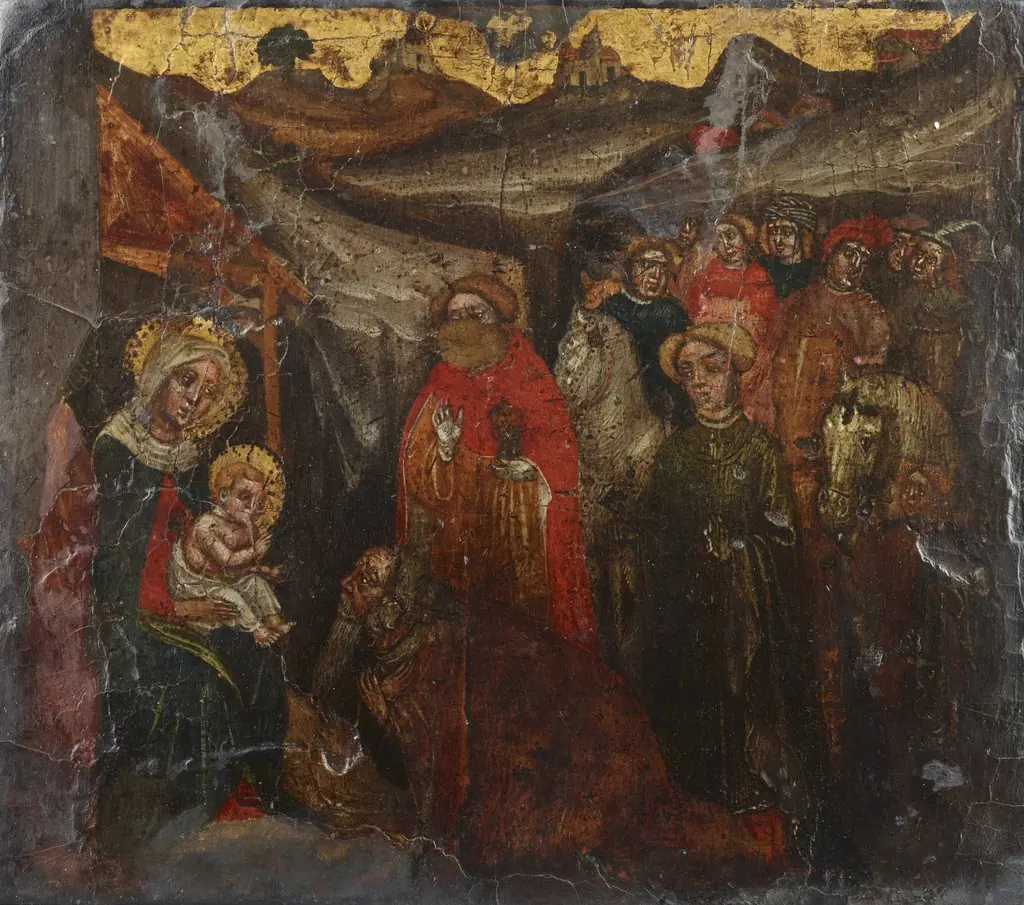
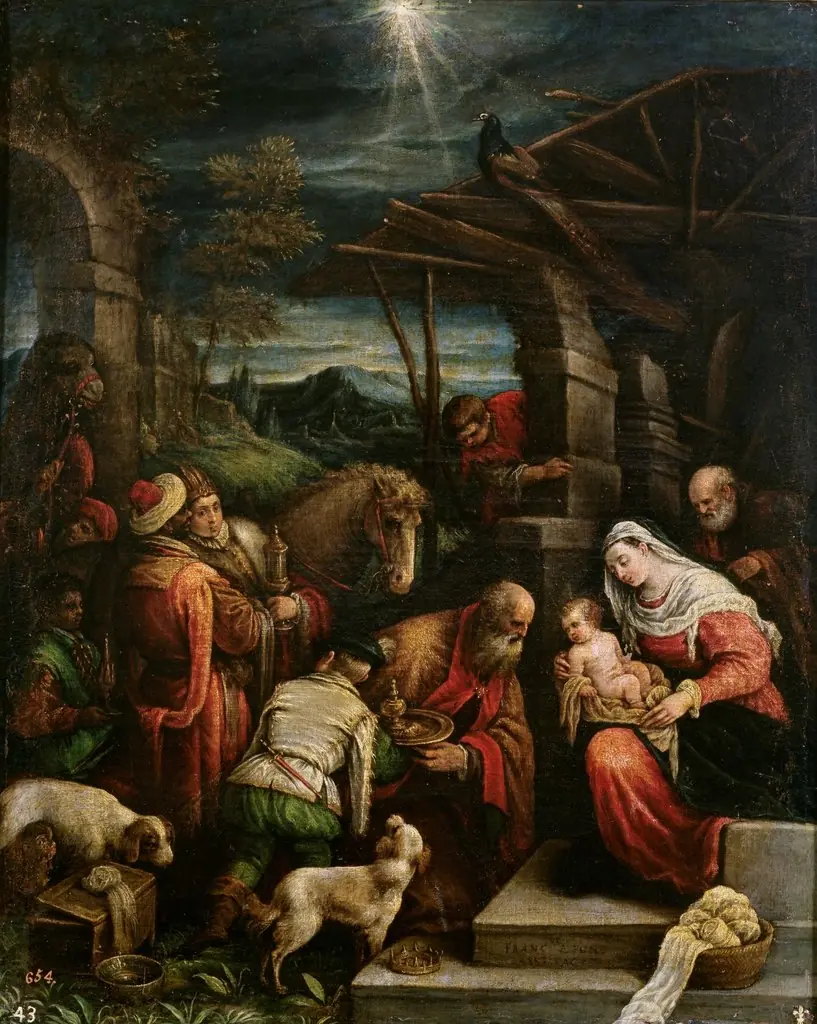
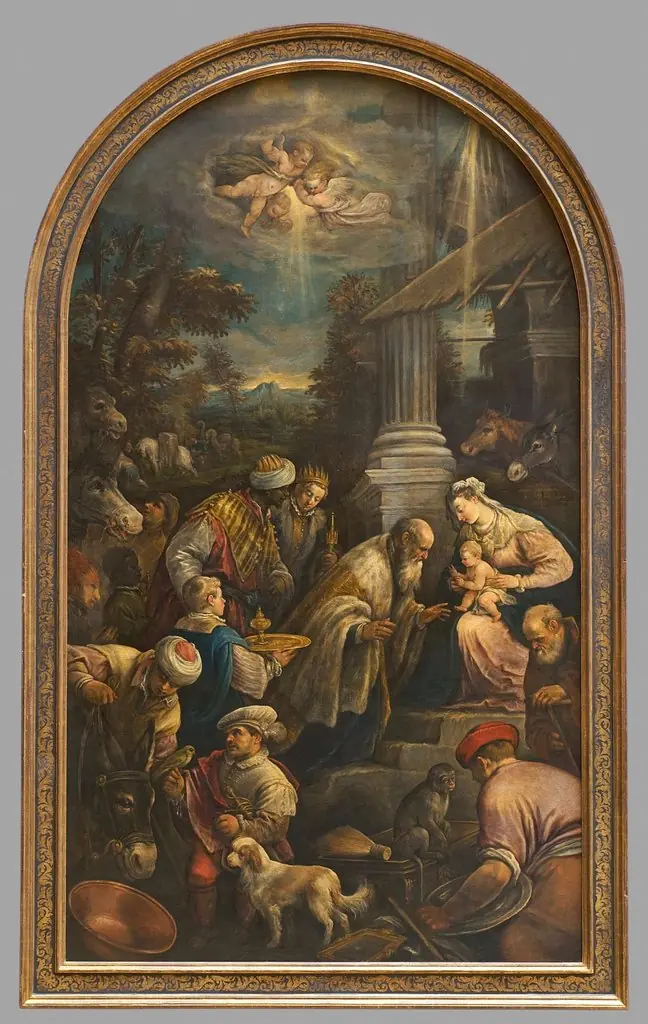
Created in 1550, this oil painting on panel illustrates the biblical episode of the Adoration of the Magi. The composition centers on the Christ Child as the primary figure of veneration, adhering to the conventions of religious art from the period. While the specific arrangement of the visiting kings and accompanying figures is not detailed in the available records, the work's main subject is explicitly identified as the homage paid to the infant Jesus by the Magi.
As an anonymous piece held by the Rijksmuseum, the painting serves as a visual representation of this pivotal moment in Christian narrative, focusing on the recognition of Christ's divinity by foreign dignitaries.
Technique & Style
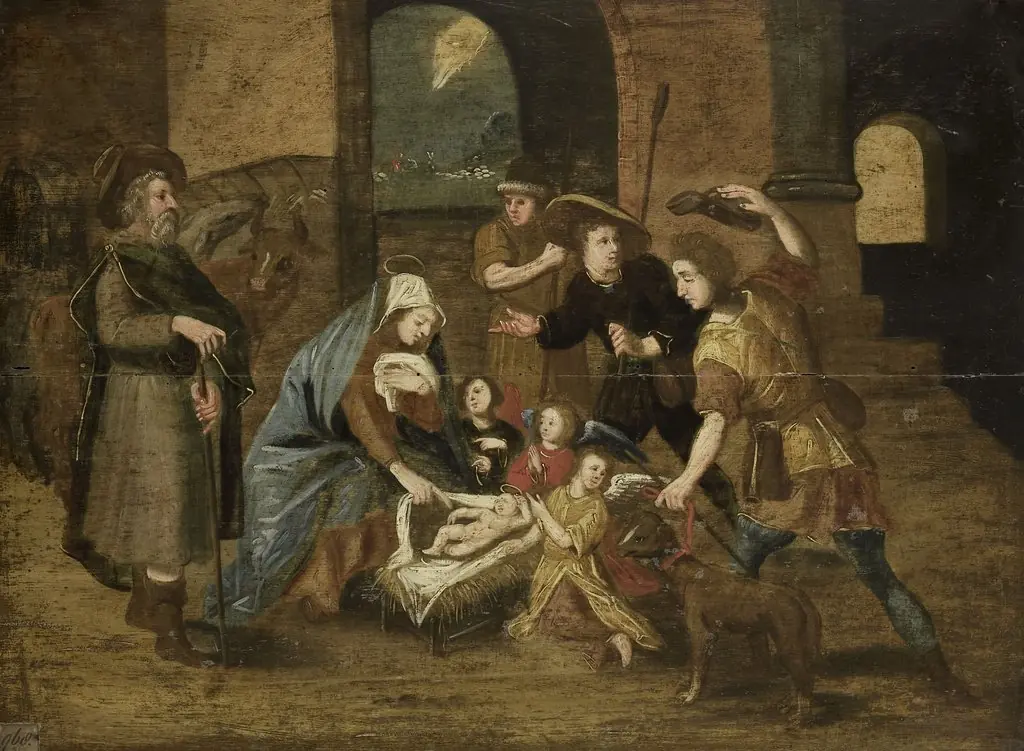
This anonymous religious painting, dated to 1550, is executed in oil paint on a panel support. The work measures 47.5 cm in height and 63 cm in width. Classified as a painting within the religious art genre, the piece depicts the Adoration of the Magi with the Christ Child as a central figure. The medium and support combination is characteristic of the period's panel painting tradition.
History & Provenance
The Adoration of the Magi is an anonymous oil-on-panel painting dated to 1550. It entered the Rijksmuseum collection and is registered as SK‑A‑4185. The work measures 47.5 cm in height and 63 cm in width, depicts the Christ Child surrounded by the Magi, and is classified as religious art.
No earlier ownership, commission, or exhibition history is recorded in the available sources, so the work’s provenance is limited to its current status as part of the Rijksmuseum holdings.
Legacy
The Adoration of the Magi attributed to an anonymous Dutch painter has been part of the Rijksmuseum collection since at least the early 20th century, where it is catalogued as SK-A-4185. The work, executed in oil on panel around 1550, depicts the biblical scene of the Magi adoring the infant Christ and has been studied within the context of Dutch Golden Age religious art. Its formal qualities and iconography have informed scholarly discussions of compositional strategies in 16th-century Netherlandish painting, particularly in relation to other depictions of the Adoration motif.
The painting’s provenance and display history at the Rijksmuseum have contributed to its recognition as a representative example of anonymous religious art from this period.
Overview
The work titled Adoration of the Magi is an oil painting that presents a dimly lit interior scene. Central to the composition is a woman cradling an infant, surrounded by a group of figures in modest brown, blue, and red robes. Above them hovers a luminous, ethereal figure bathed in a gentle glow, drawing the gaze of the assembled onlookers.
Artist & collection