Artwork
As punishment, the jester’s wife and the Zangi are thrown into fire and the emir’s wife and the mahout are trampled by an elephant, from a Tuti-nama (Tales of a Parrot), Twenty-second Night
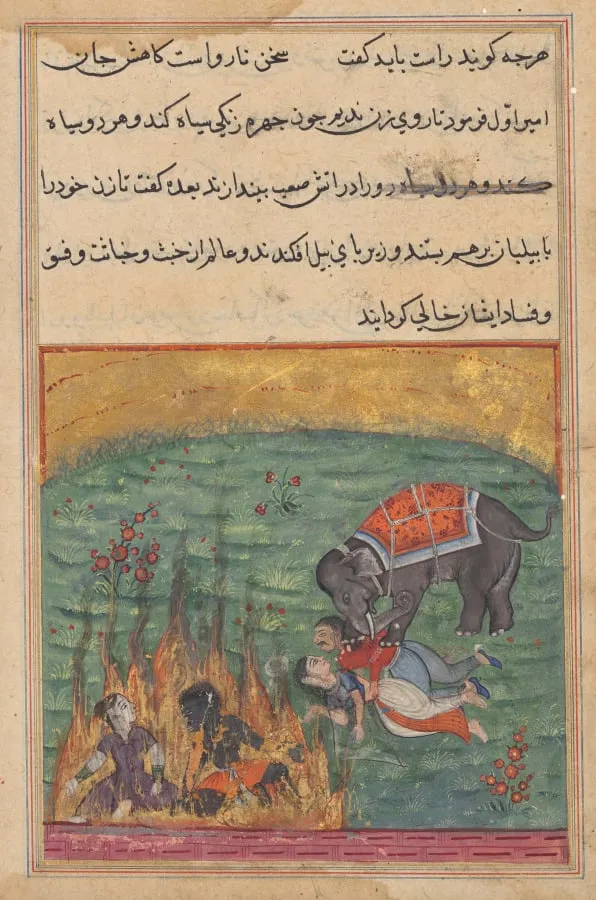
As punishment, the jester’s wife and the Zangi are thrown into fire and the emir’s wife and the mahout are trampled by an elephant, from a Tuti-nama (Tales of a Parrot), Twenty-second Night is an unspecified painting by the Mughal Painting artist Unknown. It dates from 1560 and is held in the collection of the Cleveland Museum of Art.
About this work
You see a crowded scene: a jester’s wife and a servant burned alive, while an elephant crushes two other people under its feet.
You see a crowded scene: a jester’s wife and a servant burned alive, while an elephant crushes two other people under its feet.
This painting comes from a book of parrot tales told in Mughal India. The story warns against shameful acts—here, the punishment is brutal and immediate. The bright colors and flat figures make the violence feel almost like a cartoon, but the message is serious.
To see more stories like this, look up Mughal India, court of Akbar (reigned 1556–1605).
Overview
This painting illustrates the conclusion of the twenty-second night’s tale from the Tuti-nama, a Mughal manuscript cycle featuring stories told by a parrot to a royal woman. It depicts two simultaneous executions: the jester’s wife and her African companion are burned, while the emir’s wife and her lover, the mahout, are crushed beneath an elephant. The scene serves as a moral climax, enforcing consequences for illicit conduct within the courtly world.
Subject & Meaning
The narrative condemns sexual transgression among the elite and their servants, presenting punishment as both swift and public. The jester’s laughter, triggered by witnessing the emir’s wife with her lover, exposes the affair and leads to retribution. The parallel fates of both couples underscore a rigid moral code: infidelity, regardless of social rank, invites violent retribution. The parrot’s tale functions as a cautionary lesson to its listener, Khujasta, against reckless behavior.
Technique & Style
Rendered in the Mughal miniature tradition, the scene uses vivid, flat colors and stylized figures to convey drama without naturalistic depth. The composition is densely packed, with figures arranged in clear, symbolic groupings. The elephant’s massive form dominates the center, while the burning pyre in the lower left contrasts sharply in color and motion. The graphic violence is rendered with a detached, almost theatrical clarity, distancing the viewer from emotional intensity.
History & Provenance
Created during the reign of Emperor Akbar (1556–1605), this painting belongs to a celebrated illustrated manuscript commissioned for the imperial court. The Tuti-nama, translated from Persian and enriched with Indian motifs, was produced by a team of artists in Akbar’s atelier. This folio reflects the Mughal interest in narrative illustration and moral allegory, blending Persian literary traditions with indigenous artistic conventions.
Context
The Tuti-nama was part of a broader Mughal project to translate and adapt classical tales into visual form, often with ethical or political undertones. Courtly audiences would have recognized the story’s warnings about discretion, loyalty, and the dangers of public scandal. The inclusion of African figures, like the Zangi, reflects the cosmopolitan nature of Akbar’s court, where diverse peoples served in various capacities, from soldiers to entertainers.
Legacy
This painting exemplifies how Mughal art used narrative illustration to reinforce social norms through visceral imagery. Its influence extended to later courtly manuscripts that combined literary storytelling with moral instruction. Though the violence depicted is extreme, the work remains a key document in understanding how power, morality, and punishment were visually articulated in early modern South Asian courts.
Artist & collection

 Domestic Scene
 Giacomo and Cardinal Marco, investing Andrea, Abbot of San Zeno, with his Benefice
 The Nymph of Fontainebleau
 Portrait of a Woman
 Madonna and Child with Saints in the Enclosed Garden
 Venus and Minerva
 Family Group of Four on Sofa
 Wall painting from Room H of the Villa of P. Fannius Synistor at Boscoreale
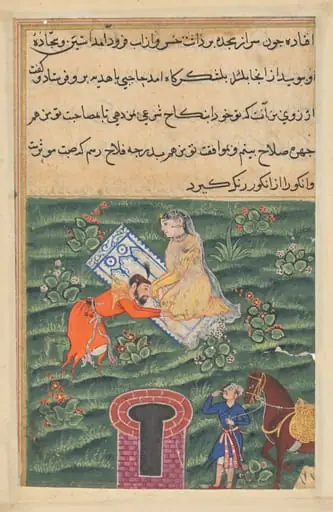 Khusrau, the King of Kings, pays homage to the pious daughter of Khassa, from a Tuti-nama (Tales of a Parrot): Fifty-first Night
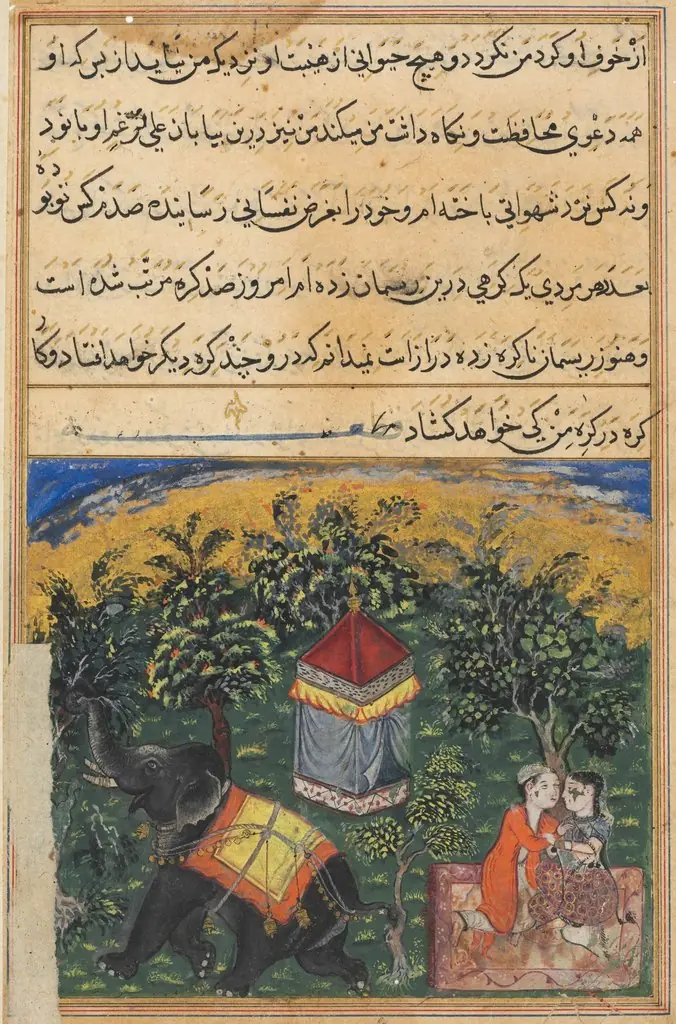 The mendicant’s wife deceives him with a soldier, from a Tuti-nama (Tales of a Parrot): Fourth Night
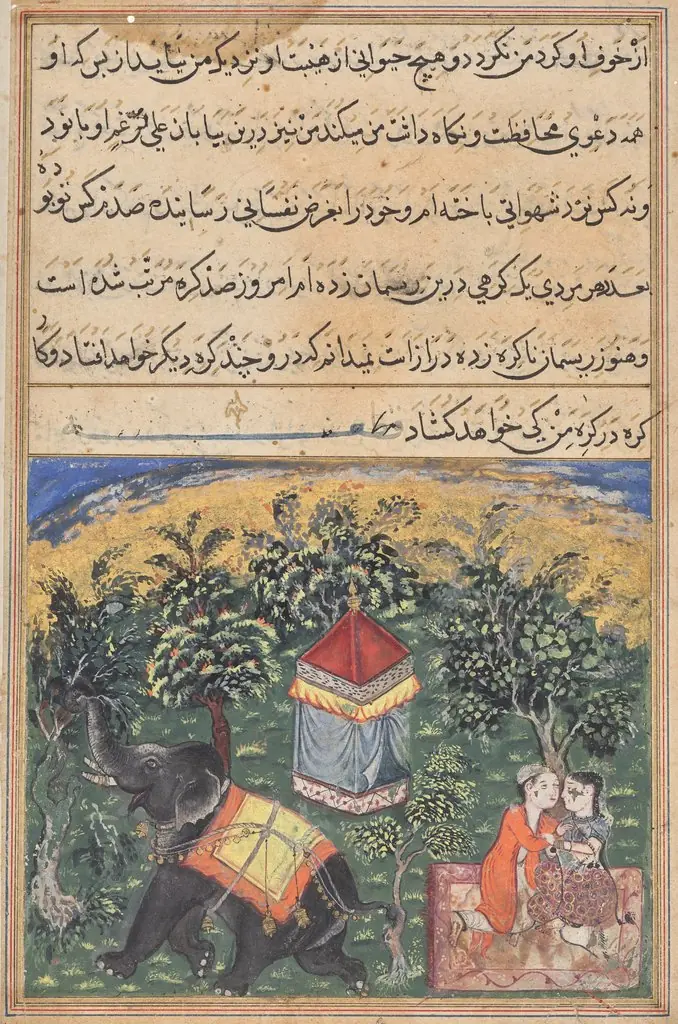 Page from Tales of a Parrot (Tuti-nama): text page
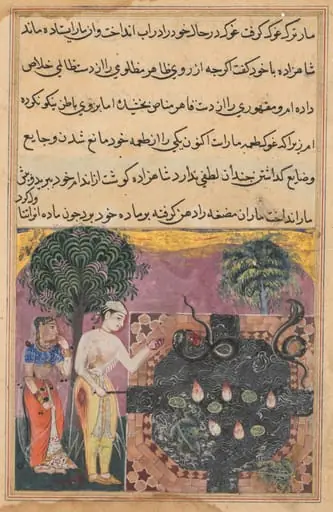 The prince, having deprived the snake of its natural food, a frog, feeds it with a piece of his own flesh, from a Tuti-nama (Tales of a Parrot): Eighteenth Night
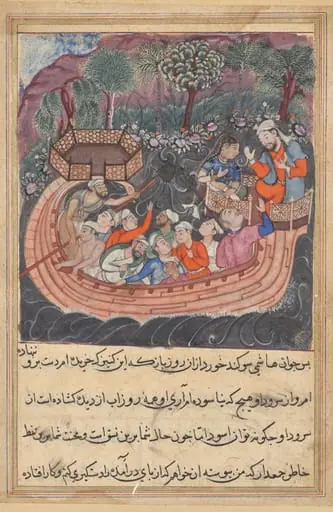 The young man of Baghdad reveals his true identity to the Hashimi, from a Tuti-nama (Tales of a Parrot: Forty-eighth Night
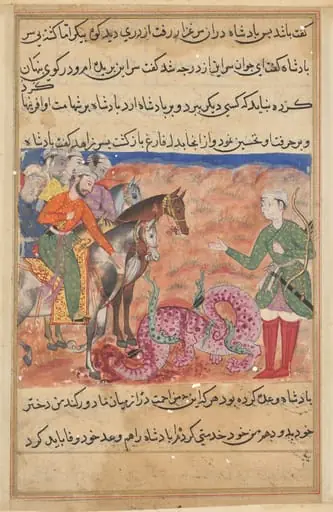 The pious man’s son presents the slain dragon to the king, from a Tuti-nama (Tales of a Parrot): Fifty-second Night
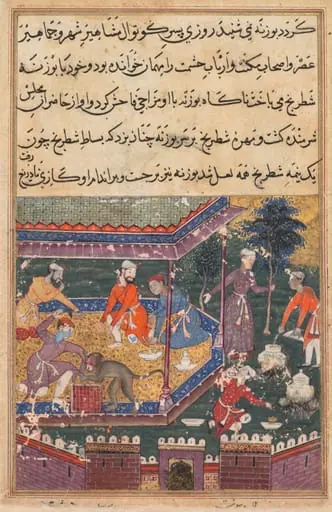 The wounded monkey bites the hand of the prince, his chessmate, in the presence of guests, from a Tuti-nama (Tales of a Parrot): Fifth Night
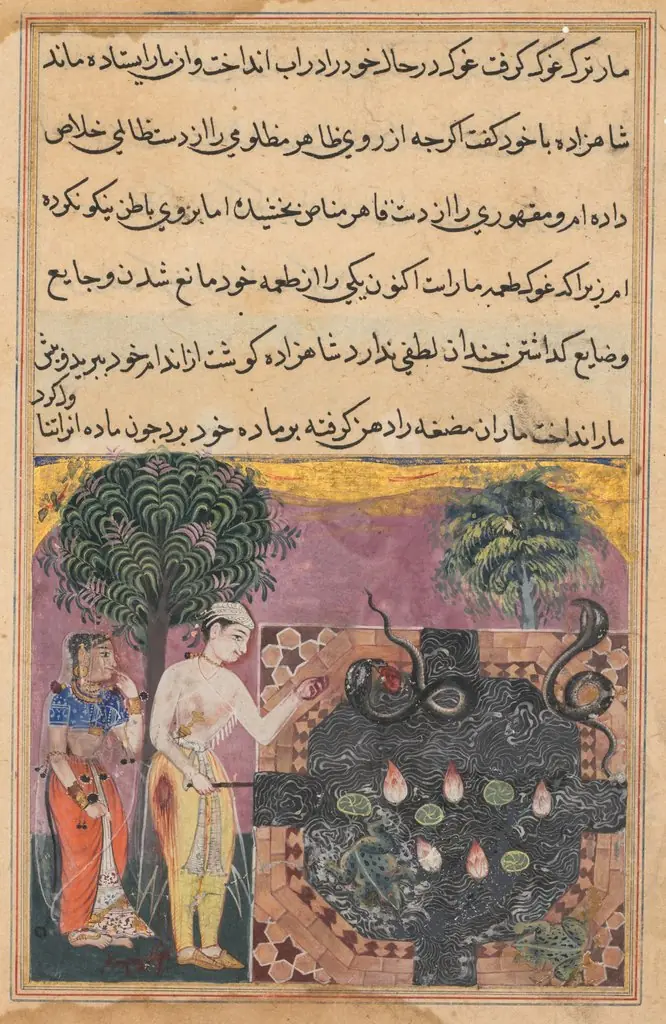 The prince, having deprived the snake of its natural food, a frog, feeds it with a piece of his own flesh, from a Tuti-nama (Tales of a Parrot): Eighteenth Night