Artwork
Bamboo in Four Seasons: Winter
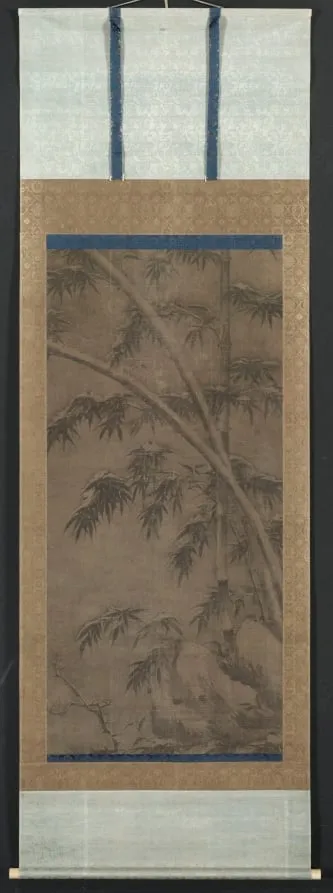
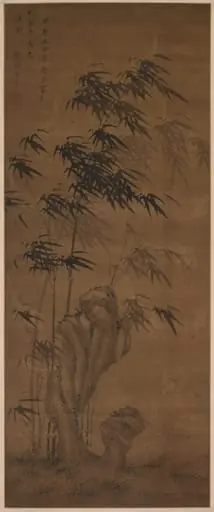
Bamboo in Four Seasons: Winter is an unspecified painting by the Song dynasty landscape artist Unknown. It dates from 1324 and is held in the collection of the Cleveland Museum of Art. This ink-on-silk painting from the Yuan dynasty depicts a single bamboo stalk weighed down by snow.
- Accession no.
- 1982.150.2
- Credit line
- Leonard C. Hanna Jr. Fund
About this work
The artist never signed the work, so we don’t know who made it, but the brushwork is so sure it feels like a signature itself.
You see a single stalk of bamboo bending under a dusting of snow, ink on silk.
This painting comes from the Yuan dynasty, when Chinese artists often used bamboo to show quiet strength. The snow isn’t just decoration, it’s a test: can the plant stay upright under weight? The artist never signed the work, so we don’t know who made it, but the brushwork is so sure it feels like a signature itself.
If you like this, look up more about china, yuan dynasty (1271-1368).
Overview
This ink-on-silk painting from the Yuan dynasty depicts a single bamboo stalk weighed down by snow. Its minimal composition focuses on the plant’s resilience, a recurring theme in Chinese literati art. The absence of a signature leaves the artist anonymous, yet the confidence of the brushwork suggests deep familiarity with the subject, implying a hand trained in both technique and philosophical tradition.
Subject & Meaning
Bamboo, a symbol of endurance in Chinese culture, is shown here under the pressure of winter snow. The weight on its stem does not signify defeat but rather quiet perseverance. The snow is not ornamental; it functions as a moral test, revealing the plant’s inner strength.
This imagery aligns with Confucian and Daoist ideals of steadfastness amid adversity, valued by scholar-officials of the time.
Technique & Style
Rendered in monochrome ink on silk, the painting relies on subtle gradations of tone and controlled brush pressure to suggest texture and form. The bamboo stalk is drawn with swift, decisive strokes, while the snow is applied with lighter, dappled touches. The composition is sparse yet deliberate, emphasizing economy of line and the expressive potential of ink’s variability on absorbent silk.
History & Provenance
Created during the Yuan dynasty (1271–1368), the work reflects the cultural shift under Mongol rule, when many Chinese scholars turned to painting as a private expression of moral integrity. Though unsigned, its style matches other anonymous works from the period, often produced by literati who avoided public attribution. Its survival on silk suggests it was carefully preserved, likely within a collector’s circle.
Context
In Yuan-era China, artists increasingly turned to nature, bamboo, plum blossoms, rocks, as vehicles for personal and ethical expression, especially as official service became inaccessible to many Han Chinese. Bamboo, in particular, was favored for its ability to bend without breaking, mirroring the ideal of dignified endurance. This painting fits within a broader tradition of ink-wash landscapes and botanical studies that prioritized inner character over external realism.
Legacy
Though unnamed, this work exemplifies the Yuan dynasty’s shift toward introspective, symbolic art. Its influence can be traced in later Ming and Qing literati paintings that continued to use bamboo as a metaphor for moral resolve. The painting’s anonymity reinforces its purpose: the idea mattered more than the maker, a principle that shaped East Asian artistic values for centuries.
Artist & collection









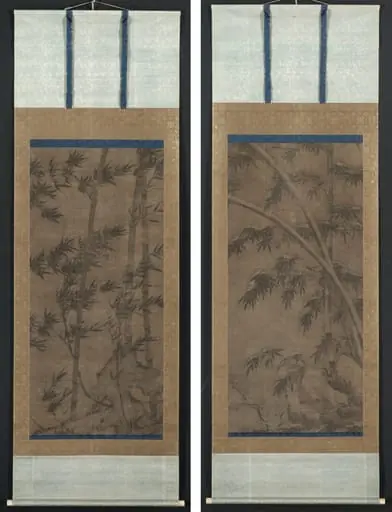
- Bamboo in Four Seasons: Summer and Winter
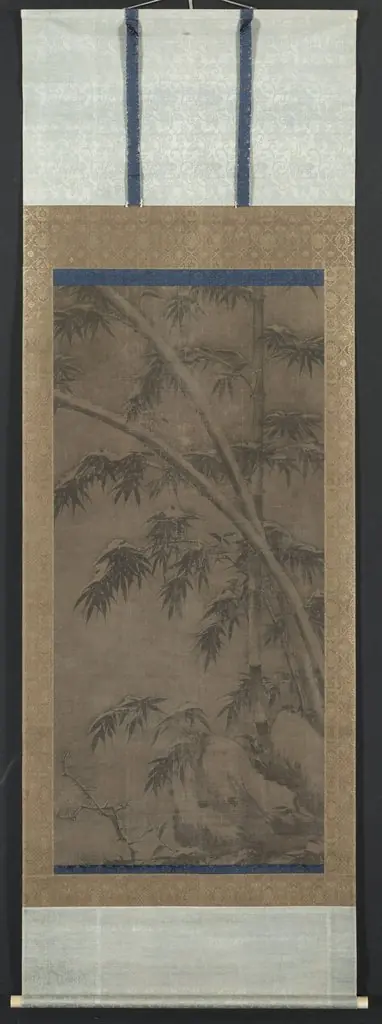 Bamboo in Four Seasons: Winter
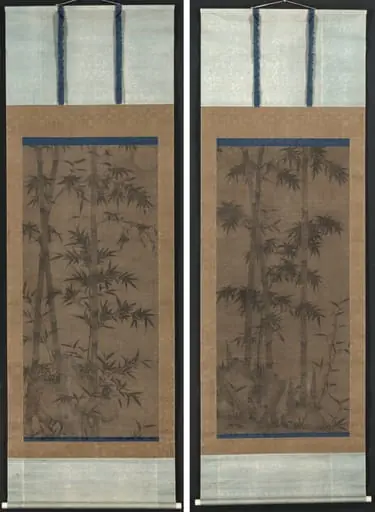 Bamboo in Four Seasons: Spring and Autumn
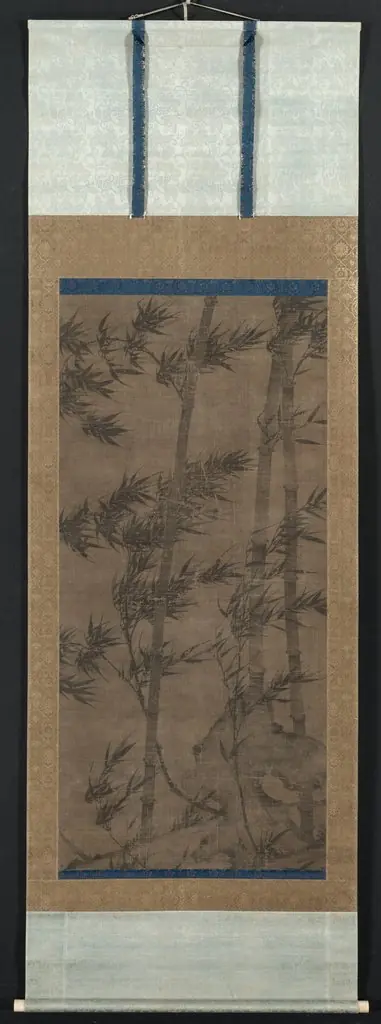 Bamboo in Four Seasons: Summer and Winter
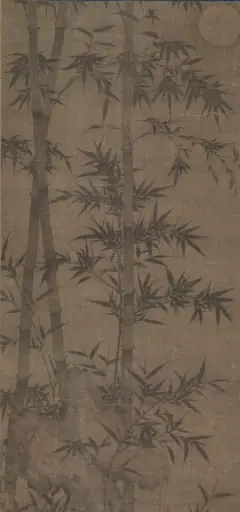 Bamboo in Four Seasons: Spring
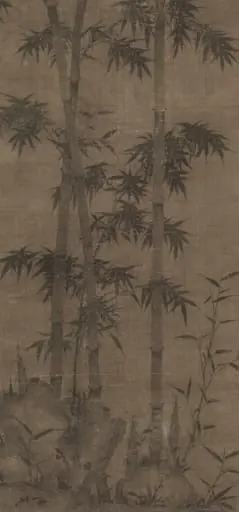 Bamboo in Four Seasons: Autumn
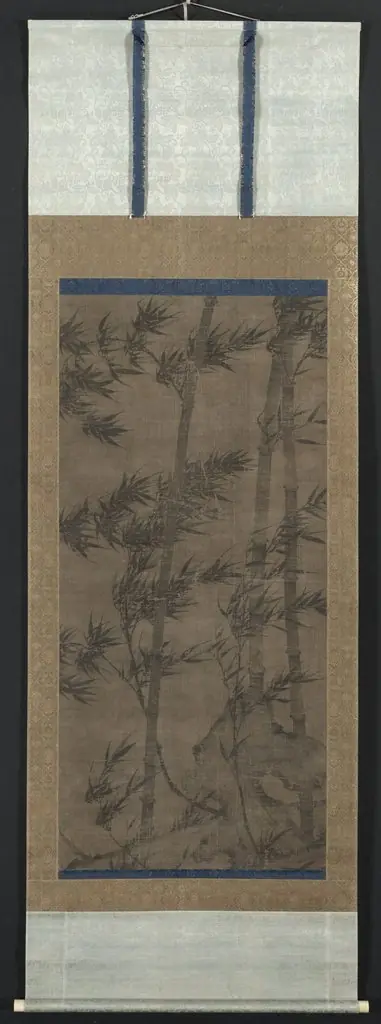 Bamboo in Four Seasons: Summer
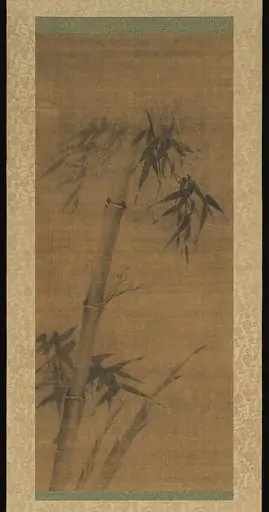 伝可翁筆 竹図|Bamboo
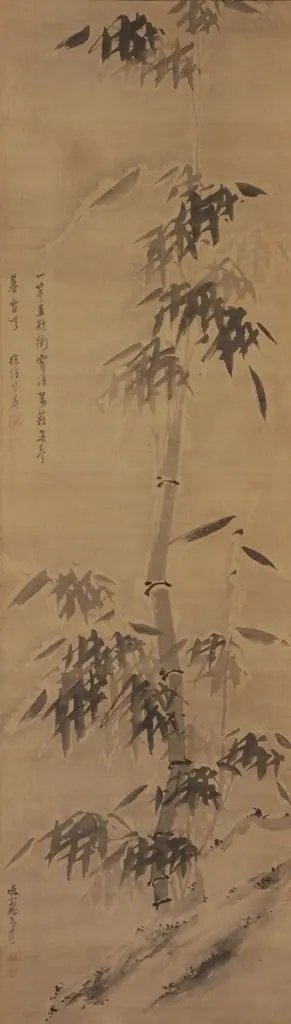 Bamboo in Snow
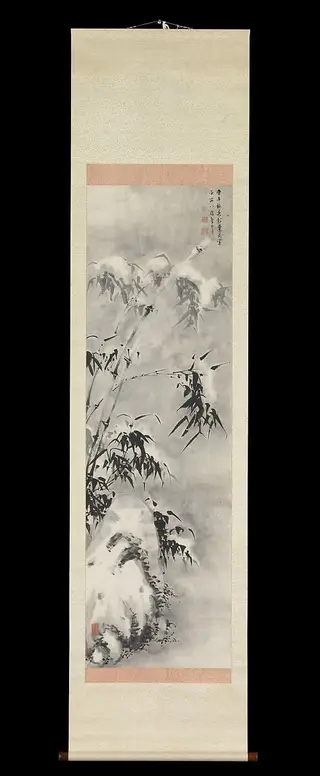 雪竹図|Bamboo and Rock in Snow
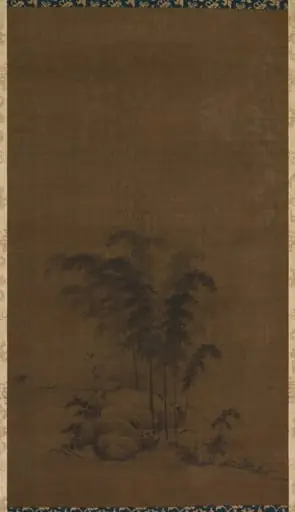 Bamboo Landscape
 Bamboo in the Wind