Artwork
Catherine Hubscher, Marshal Lefèbvre
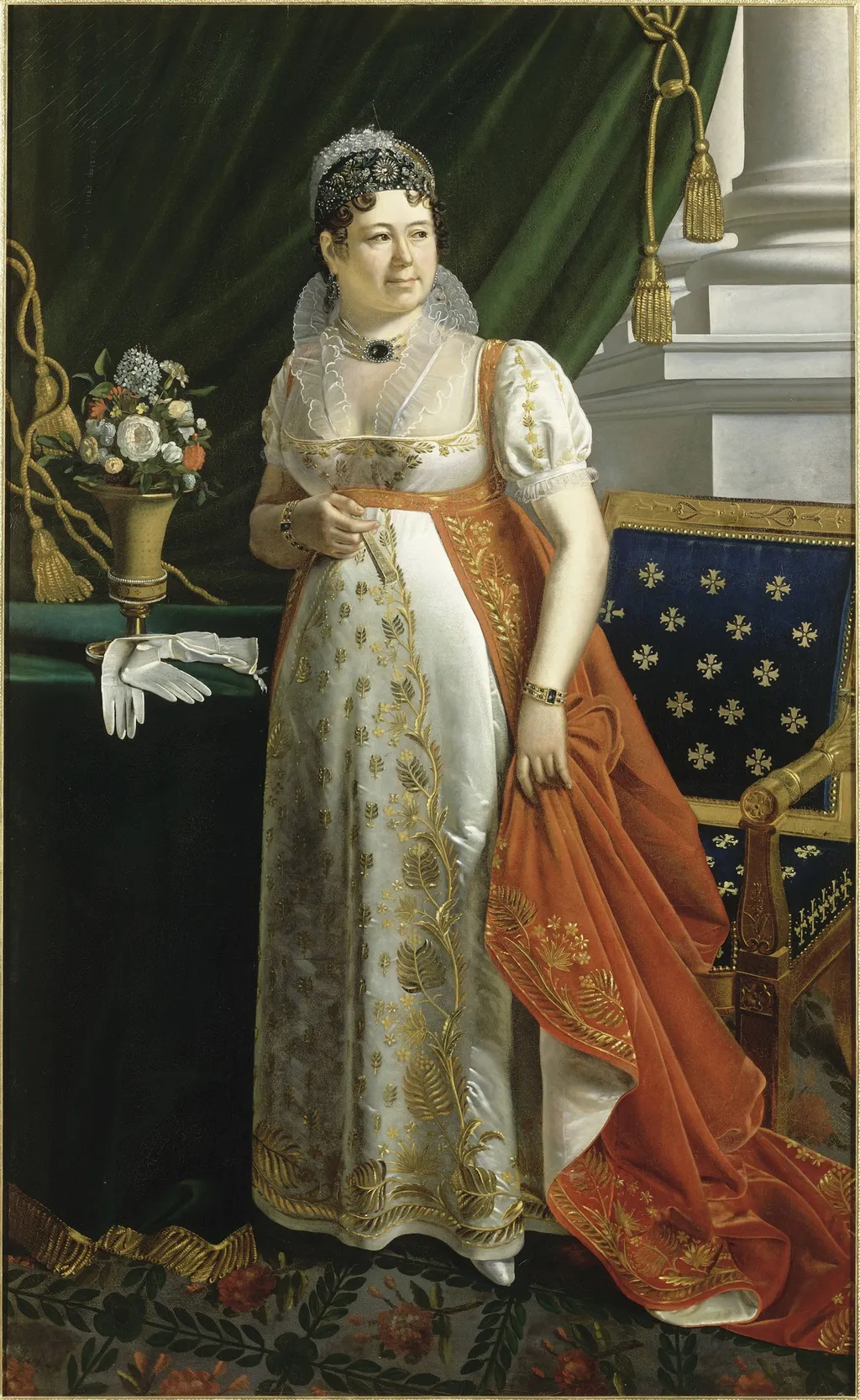
Catherine Hubscher, Marshal Lefèbvre is an oil painting by Unknown. It dates from 1810 and is held in the collection of the Palace of Versailles.
About this work
Overview
It serves as a significant visual record of a notable historical figure whose life traversed the social extremes of revolutionary and Napoleonic France.
Catherine Hubscher, Marshal Lefebvre is an oil on canvas portrait painted in 1810 by an unknown artist. Measuring 206 by 127 centimeters, the work depicts Catherine Hubscher, also known as the Marechale Lefebvre, a Frenchwoman of modest origins who rose to become a duchess and prominent figure at the imperial court. The painting is held in the Museum of the History of France at the Palace of Versailles. It serves as a significant visual record of a notable historical figure whose life traversed the social extremes of revolutionary and Napoleonic France.
Subject & Meaning
The painting portrays Catherine Hubscher standing at full length, facing slightly left with her head turned toward the viewer. She is dressed in a white satin gown with short puffed sleeves, a square neckline, and a sheer lace fichu, embroidered with gold floral and leaf motifs. An orange-red sash drapes over her left shoulder and wraps around her waist, falling in heavy folds to the floor with gold embroidery. She wears a jeweled tiara, a necklace with a dark central stone, bracelets, and earrings. To her left, a green draped table holds a brass vase with mixed flowers and a pair of white gloves. Behind her are dark green curtains with gold tassels beside a white fluted column, while an ornate chair with a blue back patterned with gold fleurs-de-lis stands to her right. The setting and regalia convey her elevated aristocratic status as the Duchess of Dantzig, while the flowers and gloves serve as traditional attributes of courtly refinement.
Technique & Style
Executed in oil paint on canvas, the portrait demonstrates a highly polished, formal style. The composition relies on strong color contrasts, dominated by the white dress, the deep orange sash, and the dark green background. Light falls evenly from the left, illuminating the figure and creating soft shadows. The artist applied paint smoothly with precise detail in the fabrics, jewelry, and accessories, keeping brushwork invisible to produce an enamel-like finish. This meticulous surface handling aligns with the ceremonial presentation expected of official portraiture of the Napoleonic era.
History & Provenance
Created in 1810, the painting forms part of the collections of the Museum of the History of France at the Palace of Versailles. The exact circumstances of its commission and early ownership chain remain unrecorded in the available documentation. Its presence at Versailles places it within the broader nineteenth-century effort to assemble and display portraits of figures significant to French national history. The work remains in the collection of the national museums of Versailles and Trianon, with photographic credits attributed to Gerard Blot and the Reunion des Musees Nationaux.
Context
Catherine Hubscher was born in 1753 in Goldbach-Altenbach and worked as a laundress and ironer before marrying the soldier Francois Joseph Lefebvre in 1783. His ascent to Marshal of the Empire in 1804 elevated her to the imperial court, where she retained her popular manners and frank speech, often displeasing the court but earning the lasting appreciation of Napoleon. The portrait visually codifies her transformation from a woman of humble beginnings to a figure of wealth and rank, capturing the social mobility characteristic of the Napoleonic period. The painting stands as a formal counterpoint to her reputation for unrefined honesty at court.
Legacy
The painting preserves the likeness of a woman who later achieved wide cultural fame under the nickname Madame Sans-Gene. Although the sobriquet was originally given by Napoleon to the woman soldier Therese Figueur, the dramatist Victorien Sardou applied it to Hubscher in his 1893 play of the same name, written with Emile Moreau. The play conflated the histories of both women and spawned numerous adaptations, including an 1915 opera by Umberto Giordano and multiple film versions from 1900 onward. The 1810 portrait remains a vital historical anchor, predating the theatrical mythologizing of Hubscher and documenting her actual appearance during her years at court.
Artist & collection









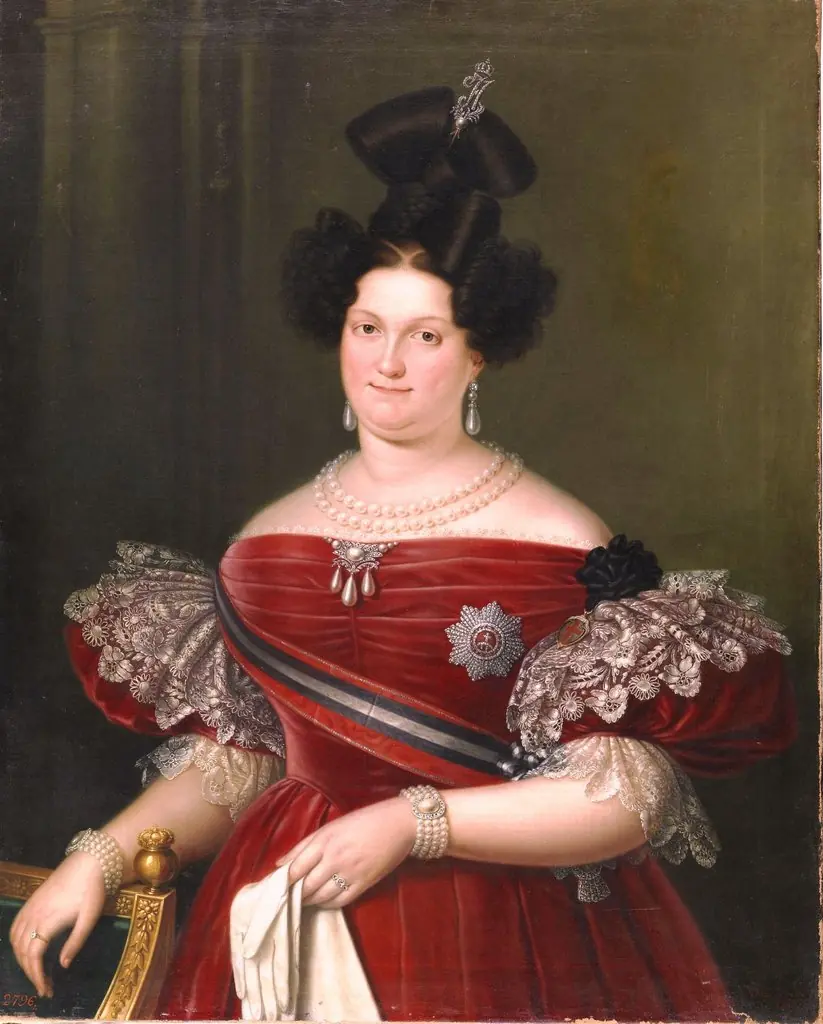
- María Cristina de Borbón
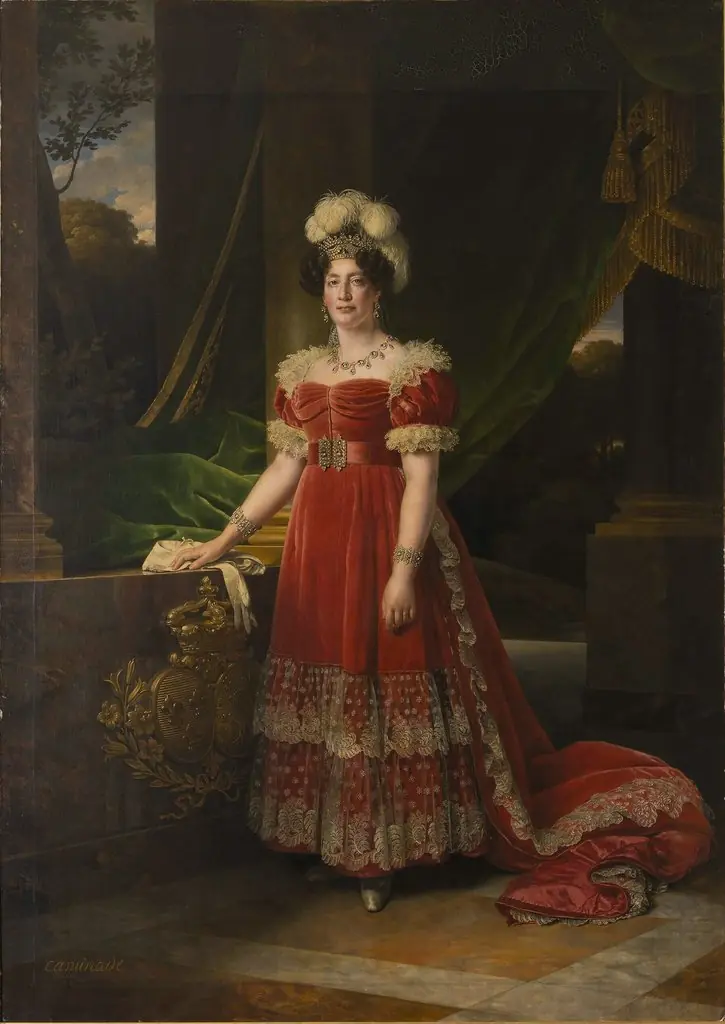 Portrait of Marie Thérèse of France, Duchess of Angoulême (1778-1851)
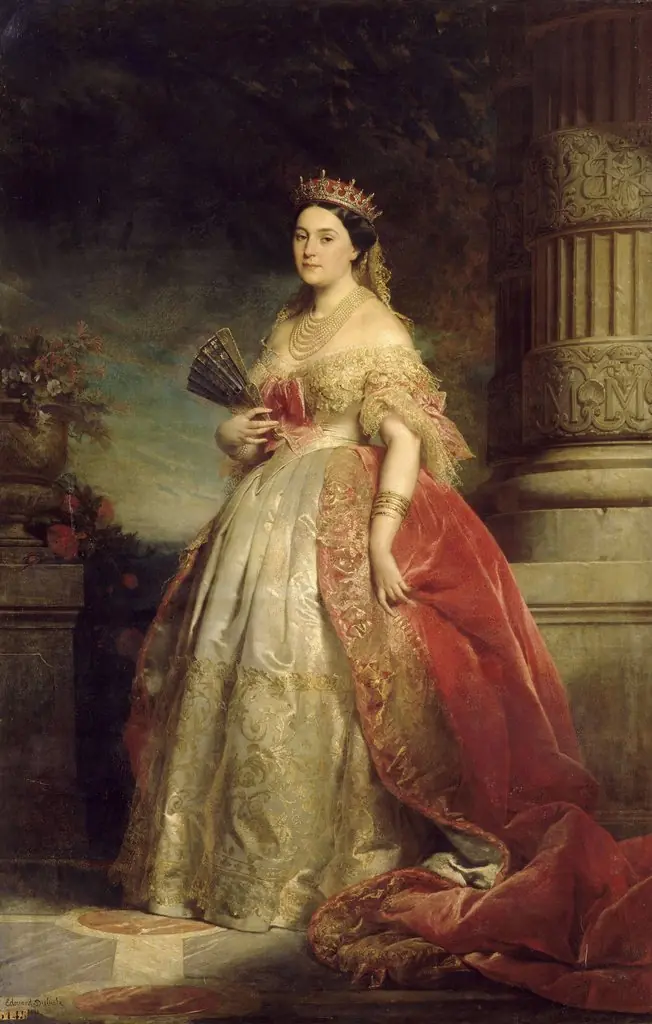 Portrait of the Princess Mathilde
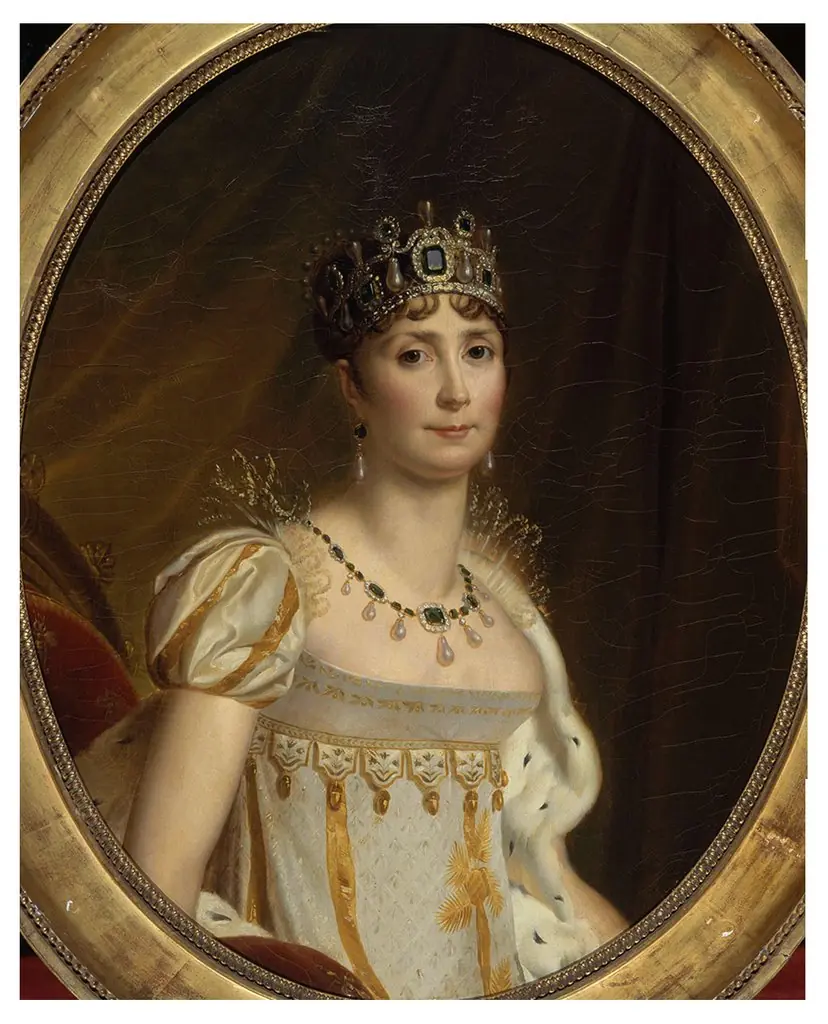 Portrait of Joséphine de Beauharnais
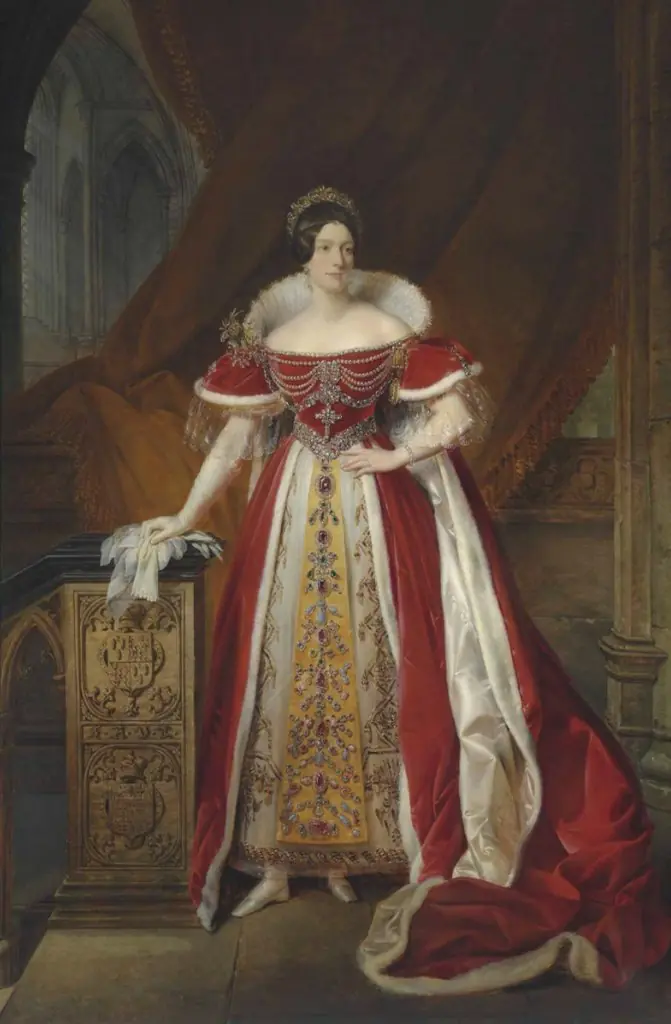 Portrait of Frances Anne Vane, Marchioness of Londonderry
 Portrait of Frances Anne Vane, Marchioness of Londonderry
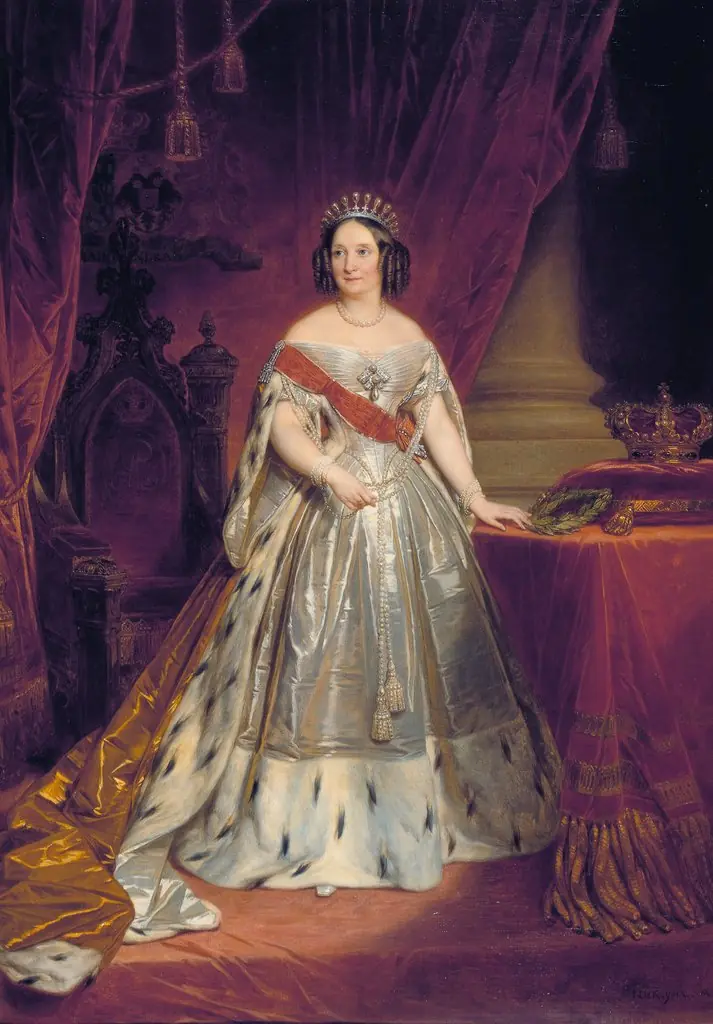 Portrait of Grand Princess Anna Pavlovna
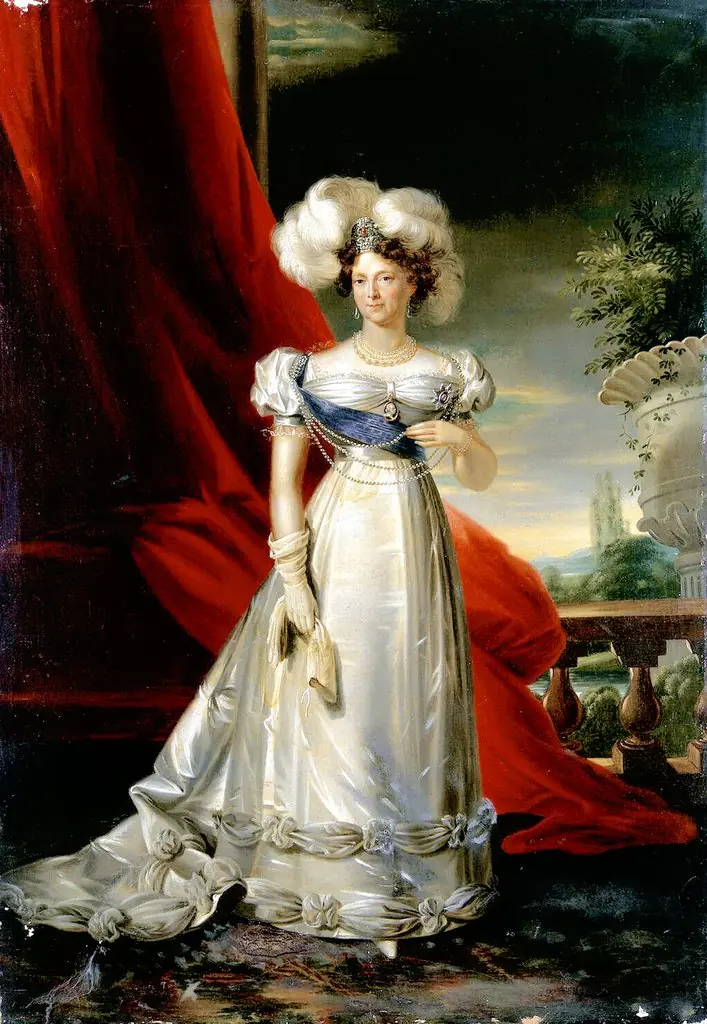 Portrait of the Empress Dowager Maria Feodorovna
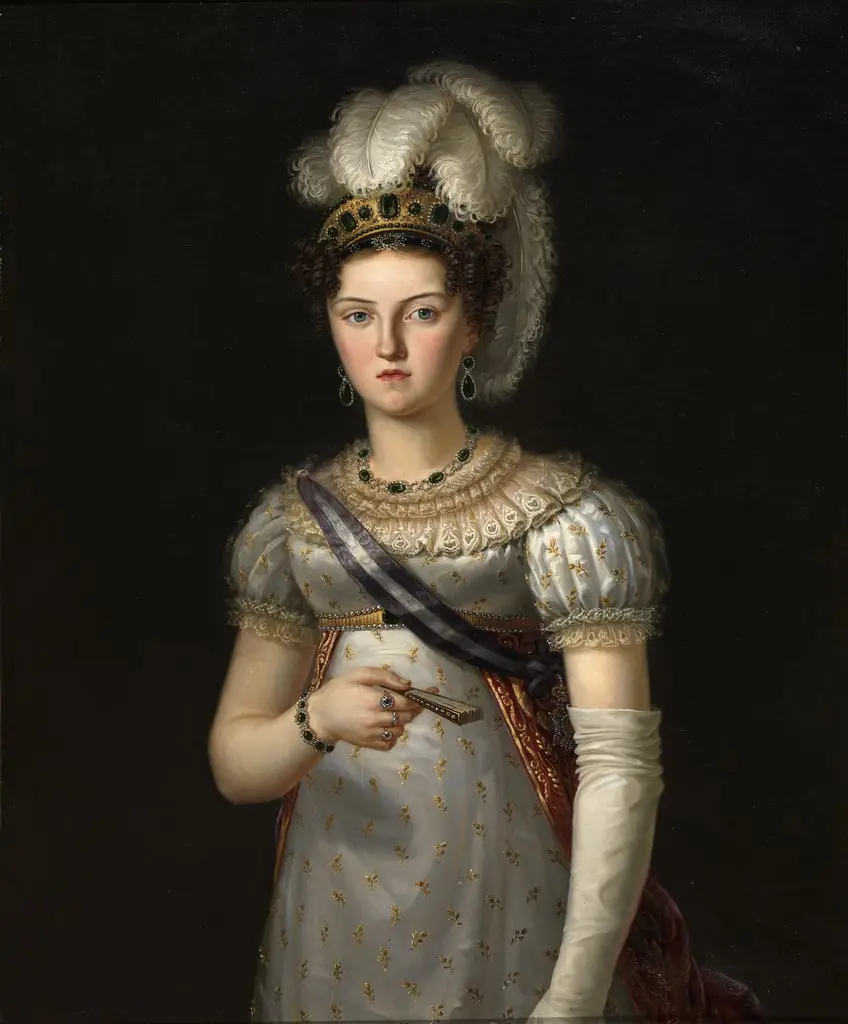 Maria Josepha Amalia of Saxony, Queen of Spain, third wife of Ferdinand VII
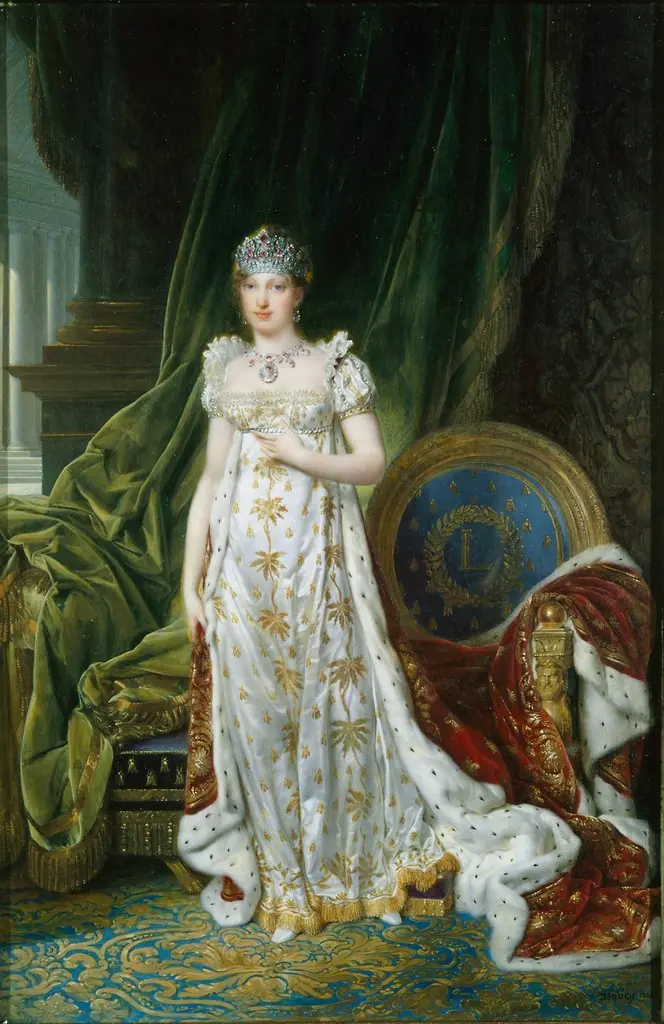 Portrait of Empress Marie-Louise
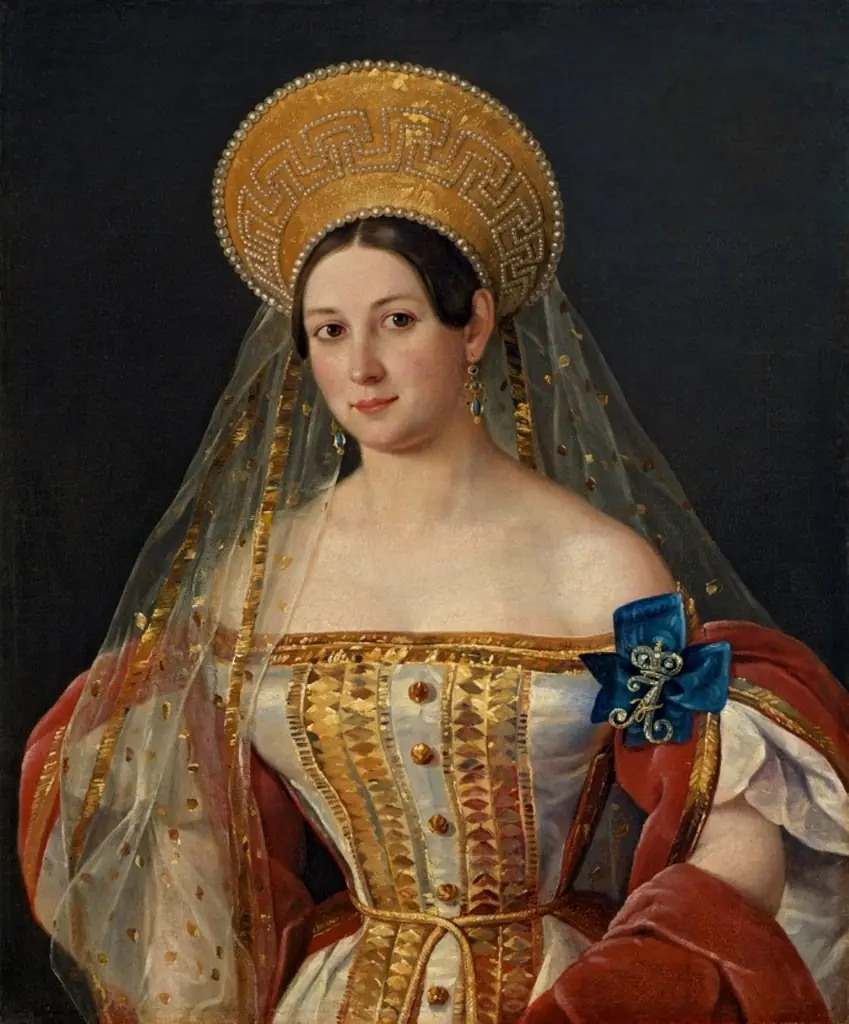 Portrait of the Lady-in-Waiting Sofia Orlova-Denisova (?)
 Portrait of Countess Yulia Samoilova