Artwork
Edward Parkman
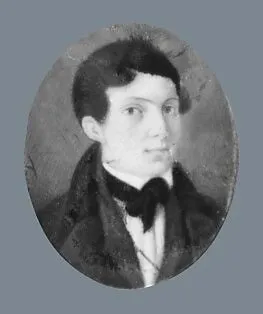
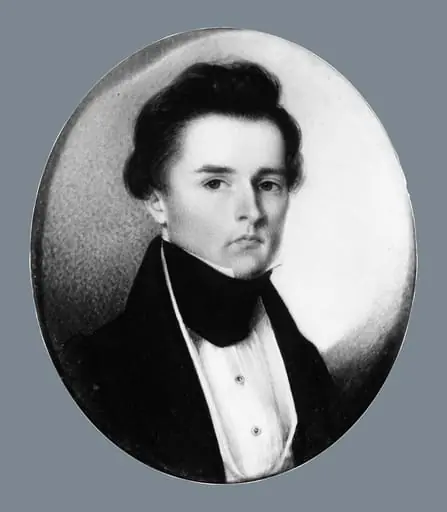
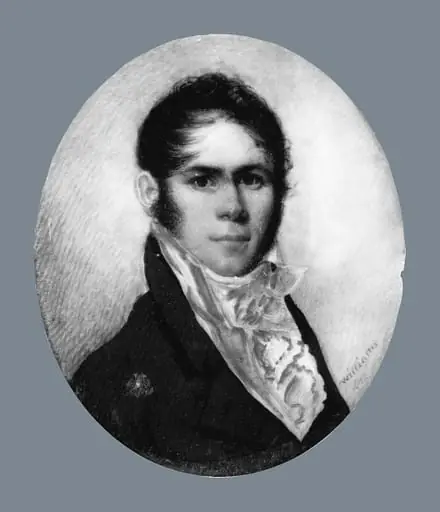
Edward Parkman is a watercolor painting. It dates from 1841 and is held in the collection of the Metropolitan Museum of Art.
About this work
Technique & Style
Edward Parkman is executed as a watercolor portrait on an ivory support, a medium characteristic of early nineteenth-century miniature painting.
Edward Parkman is executed as a watercolor portrait on an ivory support, a medium characteristic of early nineteenth-century miniature painting. Created in 1841, the work depicts a male figure and is classified within the genre of portraiture. The physical dimensions measure 2.7 cm in height and 2.4 cm in width, a small-scale format typical for intimate, wearable likenesses of the era.
The handling of watercolor on the delicate ivory surface reflects the technical precision required for such miniatures. The artwork is held in the collection of the Metropolitan Museum of Art, where it is categorized under The American Wing.
History & Provenance
The work titled Edward Parkman is an anonymous portrait dated 1841, executed in watercolor on ivory. It measures approximately 2.7 × 2.4 cm, as recorded in the museum's catalog. The painting belongs to The American Wing's portrait genre and is housed in the Metropolitan Museum of Art.
Available records do not specify a commissioning context, subsequent owners, or a detailed creation chronology beyond the 1841 date, and the artist remains unidentified. Its precise accession number is not recorded in the consulted documentation, and no exhibition history is listed in the available sources.
Overview
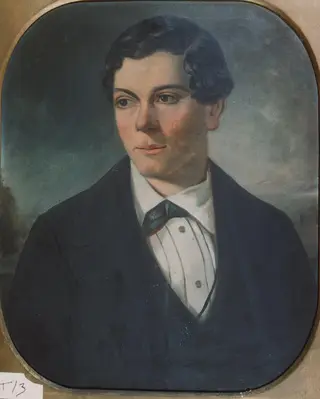
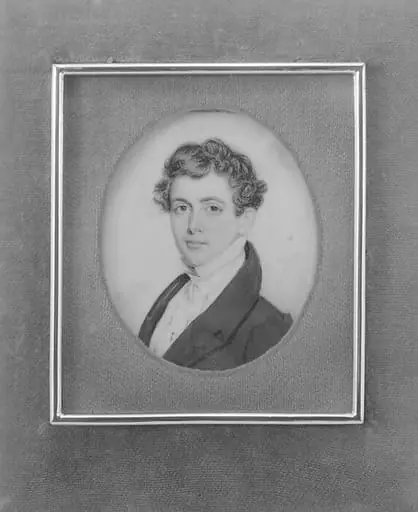
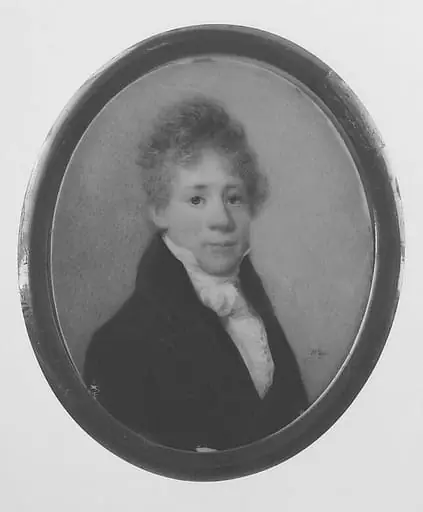
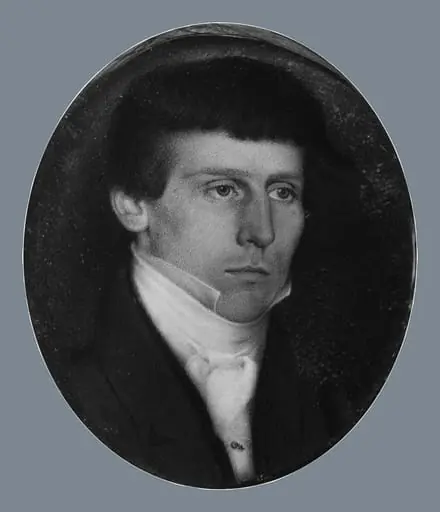
This small, oval watercolor depicts a young man, Edward Parkman, presented in a dark coat with a high collar. His features are gently illuminated, contrasting with a light background. The artwork is a miniature, designed to be held in the hand, offering an intimate portrayal typical of the genre. It resides within the American Wing collection.
Subject & Meaning
Edward Parkman is presented in a formal yet intimate manner, characteristic of portrait miniatures. These small-scale works often served as cherished keepsakes, intended for private viewing or to be carried discreetly. The portrayal suggests a personal connection between the subject and the viewer, evoking a sense of shared confidence or remembrance.
Context
Portrait miniatures were widely popular in America, particularly during the late 18th and early 19th centuries, functioning as portable mementos. They were frequently encased in lockets or small boxes, allowing individuals to carry images of loved ones. This practice underscores their role as personal treasures, distinct from larger, more public portraiture.
Artist & collection