Artwork
Charles Wagner
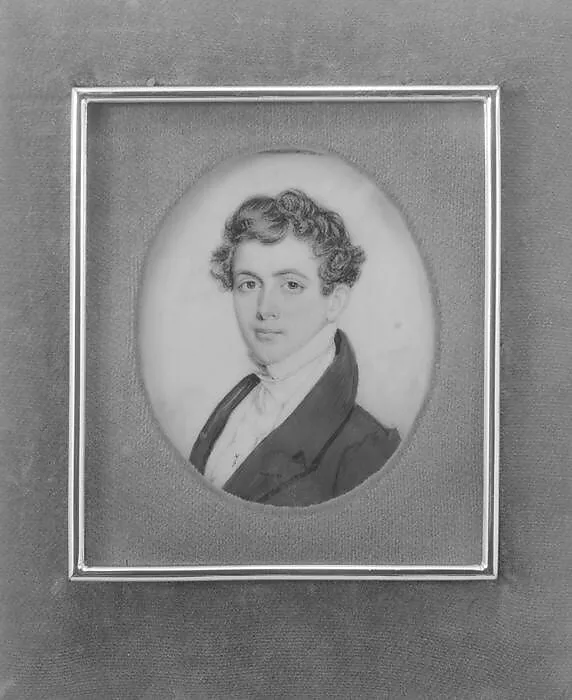
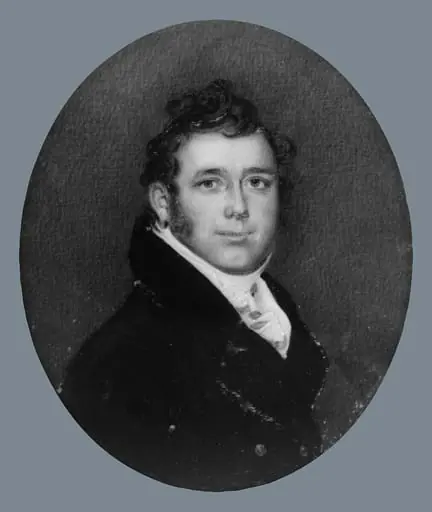
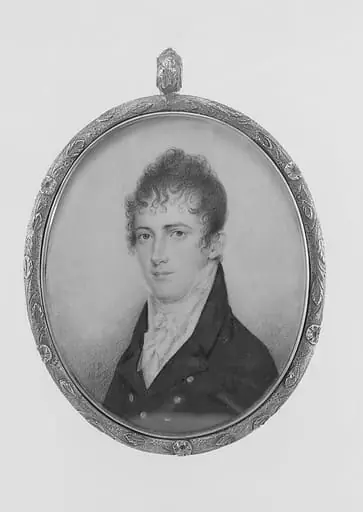
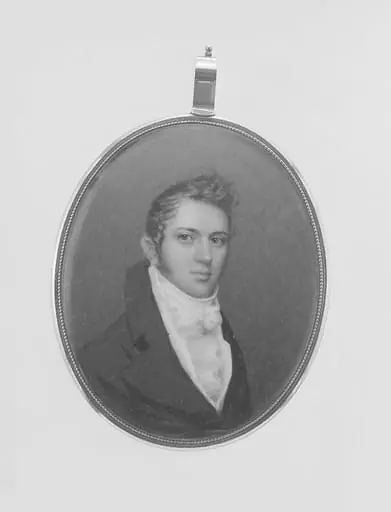
Charles Wagner is a watercolor painting by the Biedermeier artist Benjamin Trott. It dates from 1815 and is held in the collection of the Metropolitan Museum of Art.
About this work
Subject & Meaning
Its meaning is rooted in the genre's traditional purpose of capturing and preserving the image of a specific person for private or familial remembrance.
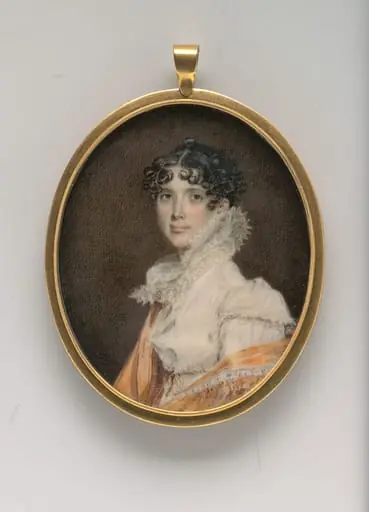
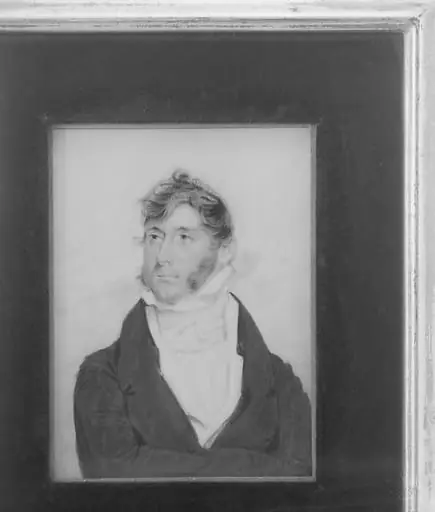
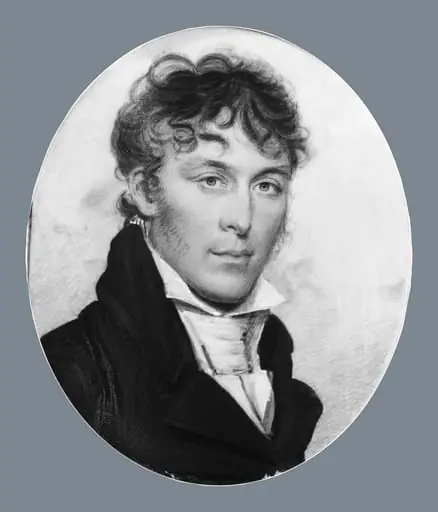
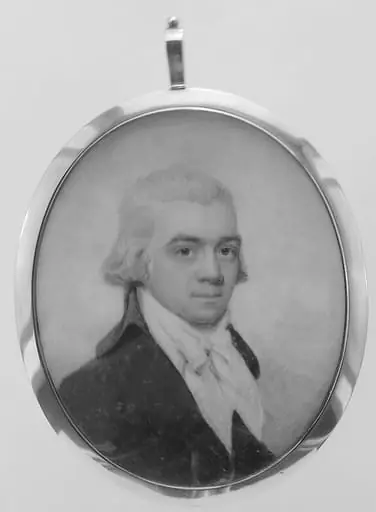
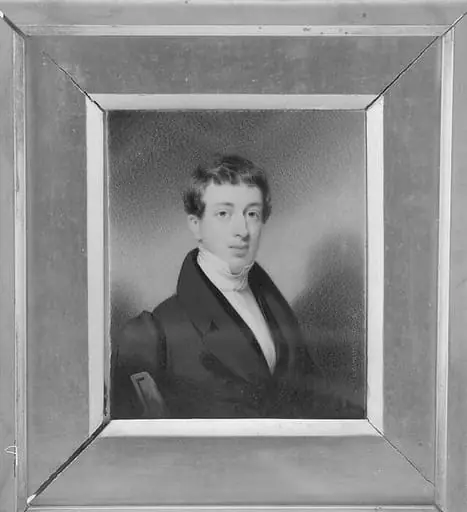
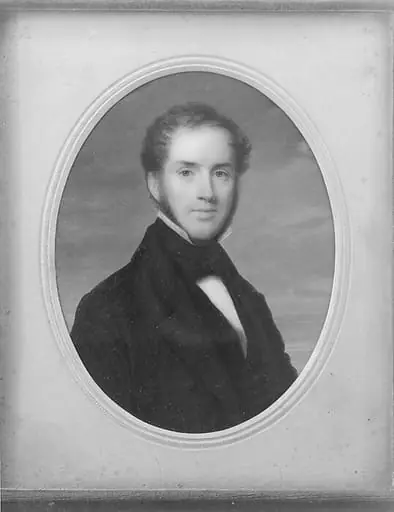
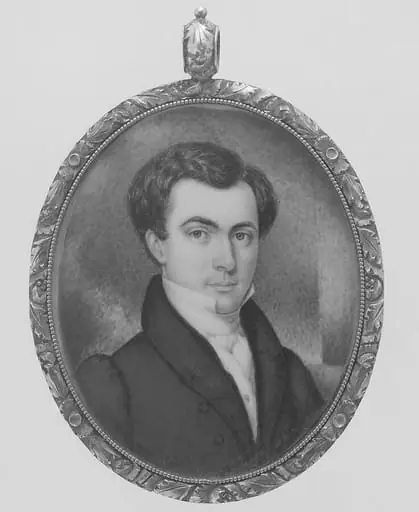
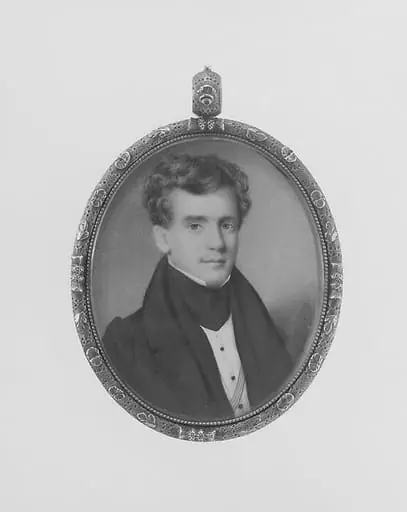
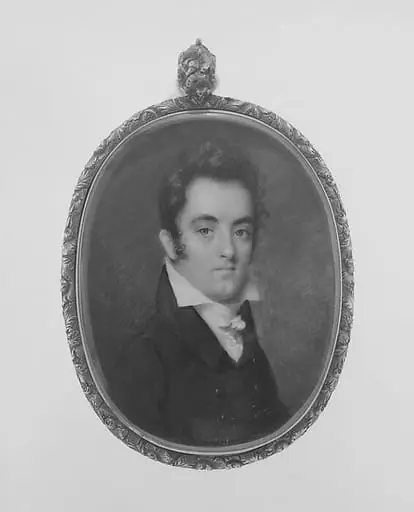
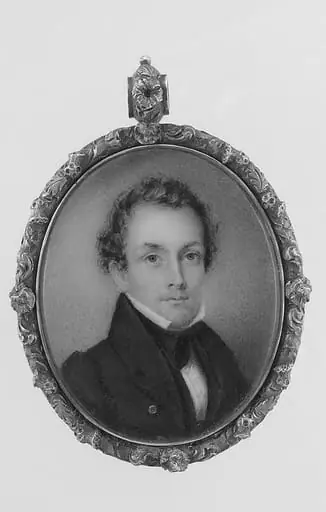
The artwork, a miniature portrait executed in watercolor on ivory by Benjamin Trott in 1815, depicts an unidentified man. As a portrait, the primary subject is the male sitter, presented in a format typical for personal keepsakes of the early nineteenth century. The work functions as a straightforward representation of the individual, focusing on his likeness without explicit narrative scenes or complex allegorical iconography.
Its meaning is rooted in the genre's traditional purpose of capturing and preserving the image of a specific person for private or familial remembrance. The piece is currently held within the collection of the Metropolitan Museum of Art, where it serves as an example of American portrait miniatures from the period.
Technique & Style
Charles Wagner is executed in watercolor on ivory, a miniature format that allows for precise, translucent washes and fine detail typical of early nineteenth-century portrait practice. The support of ivory, prized for its luminous ground, contributes to the soft tonal transitions and delicate rendering of the sitter's features. With dimensions of 7.1 by 5.5 centimeters, the work is a small-scale bust-length portrait, classified within the American Wing collection of the Metropolitan Museum of Art.
The genre is portraiture, depicting a man, and the handling reflects the careful, controlled brushwork associated with watercolor miniature technique of the period.
Context
Charles Wagner is a 1815 watercolor portrait by American artist Benjamin Trott, housed in the Metropolitan Museum of Art’s American Wing. The work exemplifies early Federal‑era portraiture, combining modest scale (7.1 × 5.5 in.) with a focus on individual likeness typical of the period. Its inclusion in a major museum collection underscores scholarly interest in documenting the development of American visual culture and the transatlantic influences on Trott’s practice.
The painting’s provenance, genre, and medium have been cited in studies of 19th‑century American art as a representative example of private commission portraiture, situating it within broader narratives of national identity formation.
Legacy
Charles Wagner, a watercolor on ivory portrait painted by Benjamin Trott in 1815, entered the collection of The American Wing at the Metropolitan Museum of Art, where it is catalogued as a portrait genre work depicting a man. Its inclusion in the museum’s distinguished holdings and its documentation in the Metropolitan’s records and Wikidata have contributed to a sustained scholarly recognition of the piece as an early example of American portraiture. The work’s provenance, medium, and date are consistently cited in museum publications, reinforcing its reputation as a notable example of Trott’s early output and as a reference point for studies of 19th‑century American artistic practice.
Overview
Benjamin Trott, an American artist, created this watercolor on ivory portrait, Charles Wagner, around 1815. This small-scale work exemplifies the Biedermeier aesthetic, capturing the likeness of a man with delicate precision. Its intimate format and detailed execution are characteristic of the miniature portrait genre popular during the early 19th century.
Artist & collection

Artist
Benjamin Trott (c. 1770, in Boston – 27 November 1843, in Baltimore) was an American painter who specialized in portrait miniatures.