Artwork
Portrait of a Gentleman
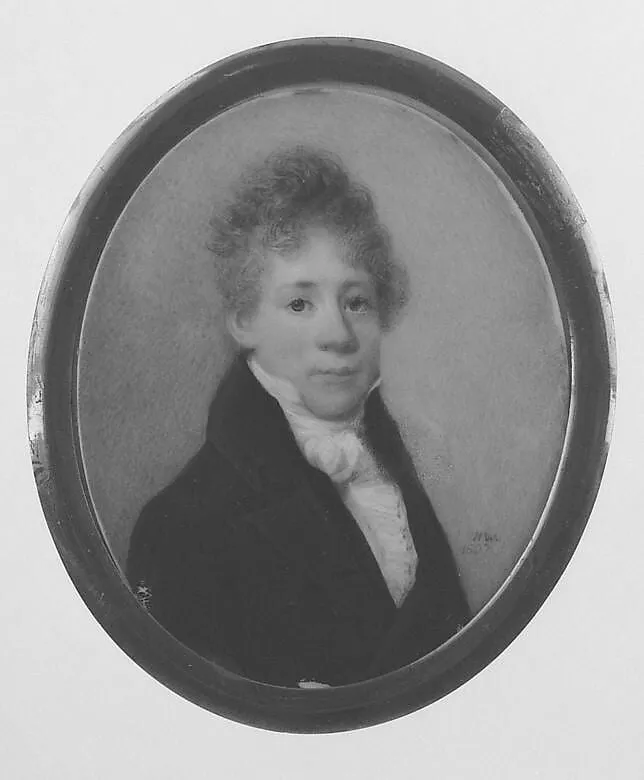
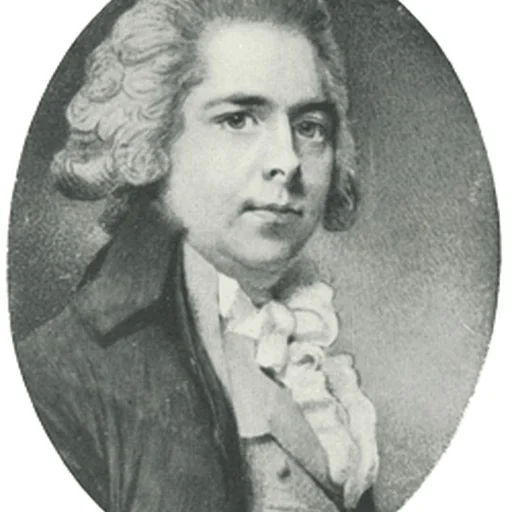
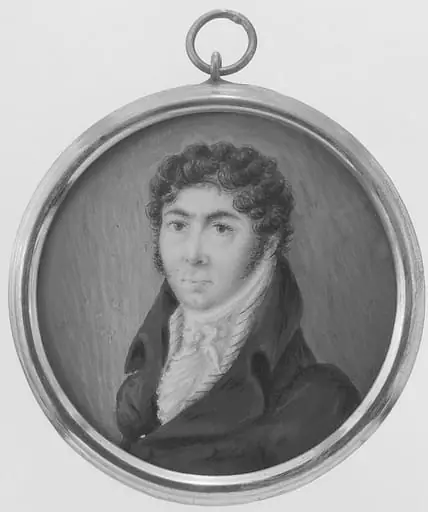
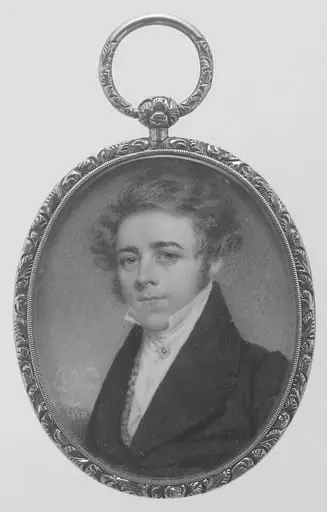
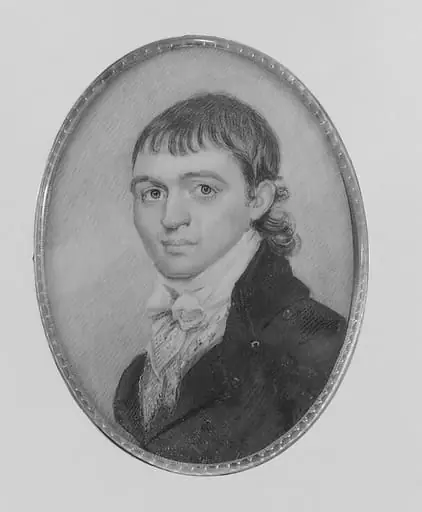
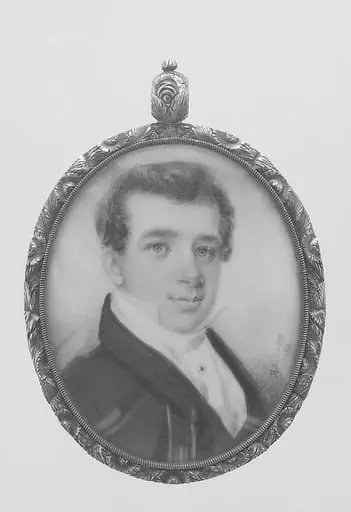
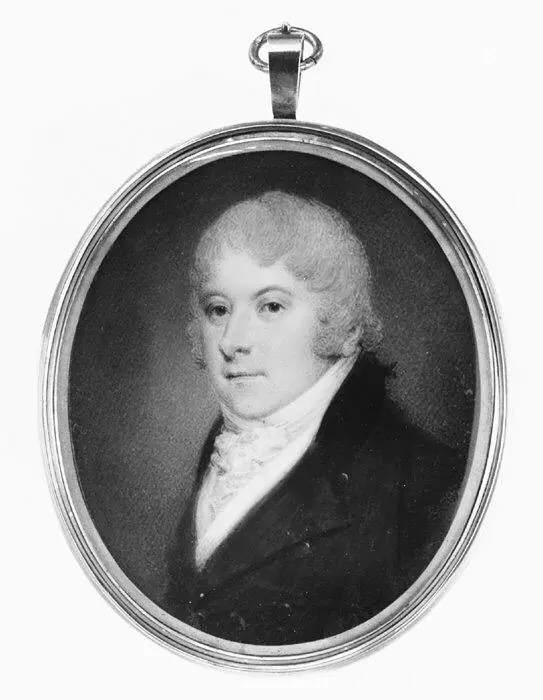
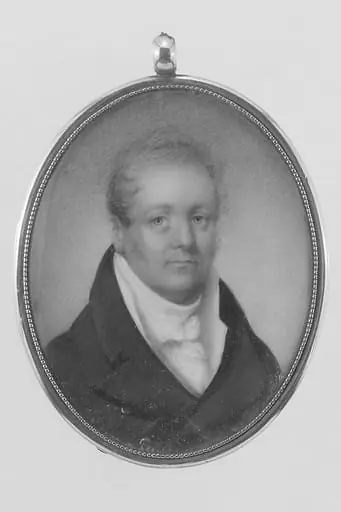
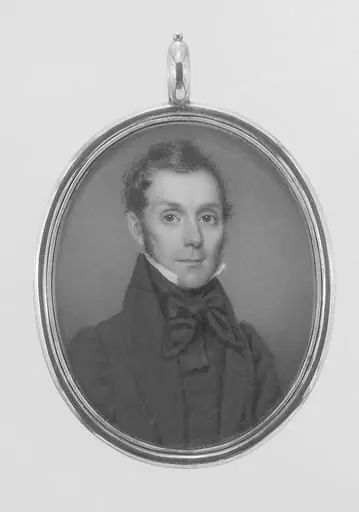
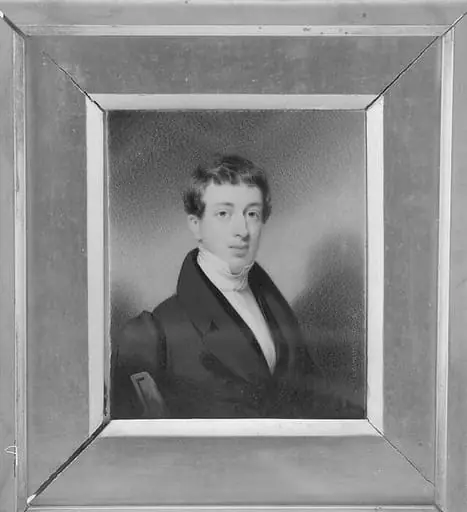
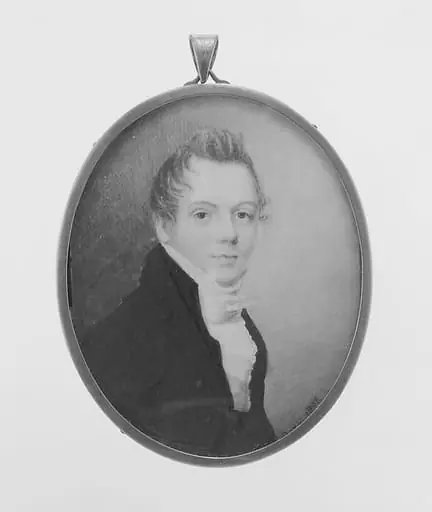
Portrait of a Gentleman is a watercolor painting by the British Romanticist artist Horace Hone. It dates from 1807 and is held in the collection of the Metropolitan Museum of Art.
About this work
Subject & Meaning
The piece thus serves both as a likeness of an individual and as a broader representation of the gentlemanly ideal prevalent in contemporary portraiture.
The painting portrays a gentleman, identified simply as a man in the catalog, reflecting the conventions of early-nineteenth-century portraiture that emphasized social standing and refinement. As a work by Horace Hone dated 1807 and classified within The American Wing's portrait genre, the image functions as a visual record of an affluent sitter, with the formal pose and attire typical of the period suggesting respectability and cultural prominence. The piece thus serves both as a likeness of an individual and as a broader representation of the gentlemanly ideal prevalent in contemporary portraiture.
History & Provenance
The miniature portrait is dated 1807 and is attributed to Horace Hone, an artist active in the late eighteenth and early nineteenth centuries. It entered the collection of the Metropolitan Museum of Art as part of its holdings in The American Wing, where it remains located. No archival evidence survives connecting the work to a specific patron or original commission, and its early provenance prior to museum acquisition is undocumented.
Overview
Horace Hone's "Portrait of a Gentleman," created in 1807, is a delicate watercolor on ivory. This miniature depicts an unidentified man, capturing his likeness with precise detail. The work's small scale suggests it was intended for personal adornment or private display, a common practice for such intimate portraits during the early 19th century.
Technique & Style
Executed in watercolor on a thin sheet of ivory, this portrait showcases the medium's capacity for subtle effects. Hone employed minute brushstrokes to render the textures of the sitter's satin lapels and powdered wig. The translucent glazes of watercolor allow light to pass through the pigment, creating a luminous quality on the skin that evokes a soft, internal glow. Its diminutive size made it suitable for a locket or watch case.
Context
This miniature is housed within The American Wing, reflecting its historical significance in the context of early American portraiture. Its intimate scale and detailed execution offer a contrast to larger, more formal oil paintings of the era. Viewers might consider it alongside works like Gilbert Stuart's "George Washington" to appreciate the diverse approaches to capturing individual likenesses in the late 18th and early 19th centuries.
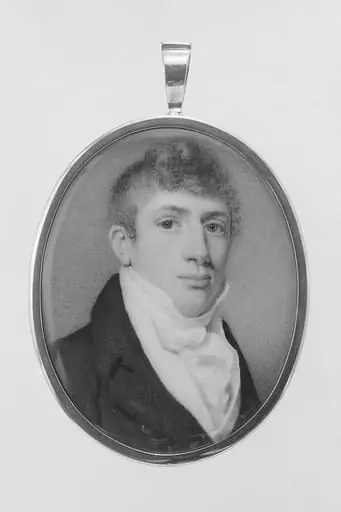
Artist & collection