Artwork
Gorham L. Freeman
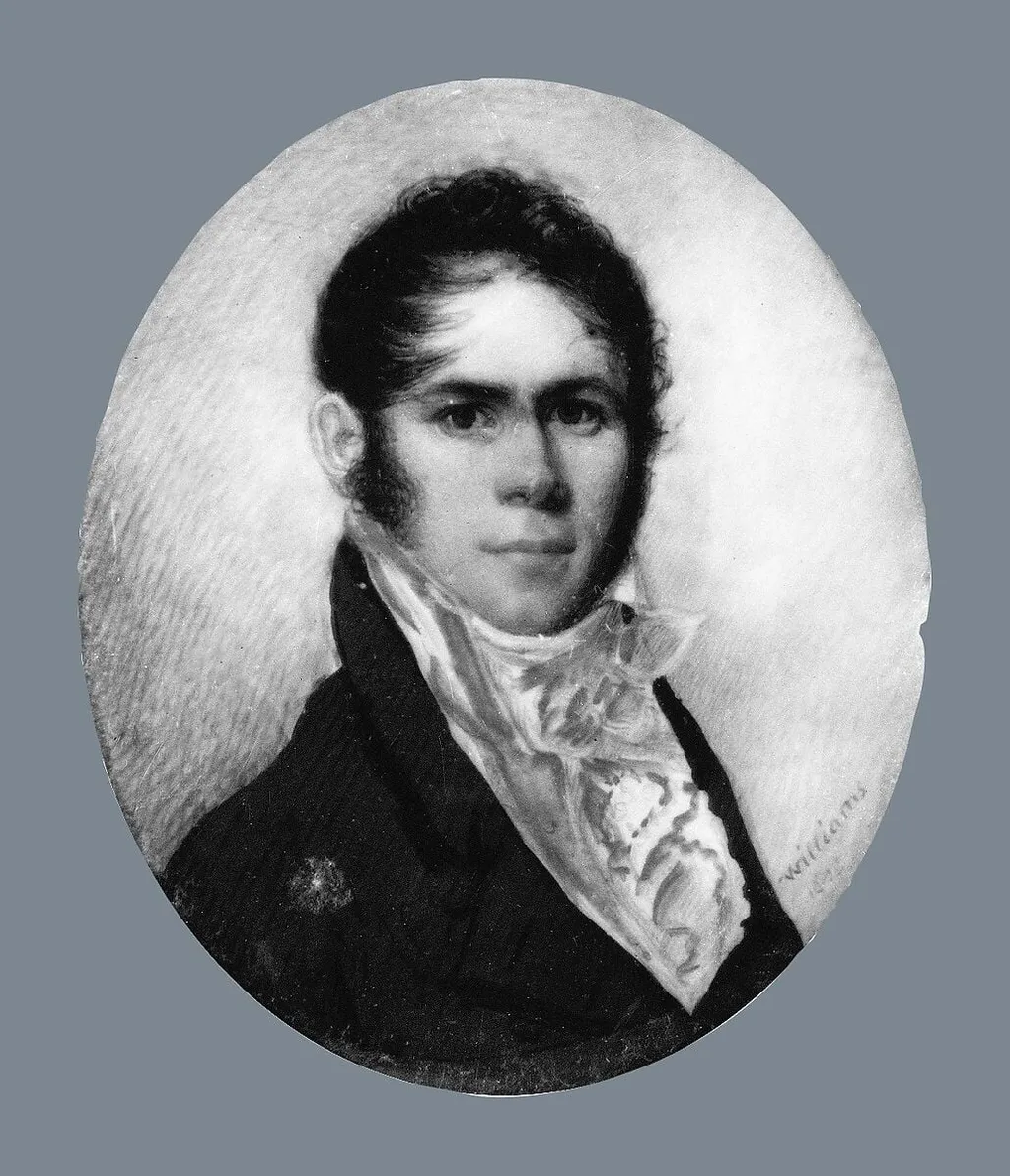
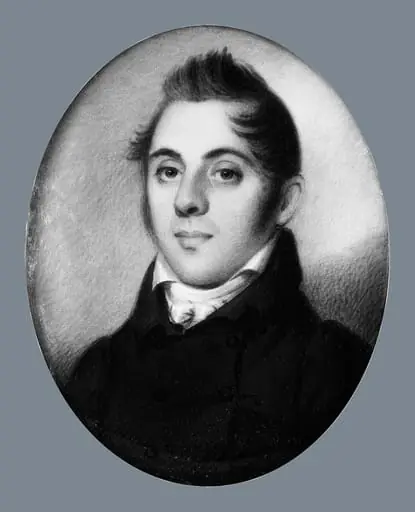
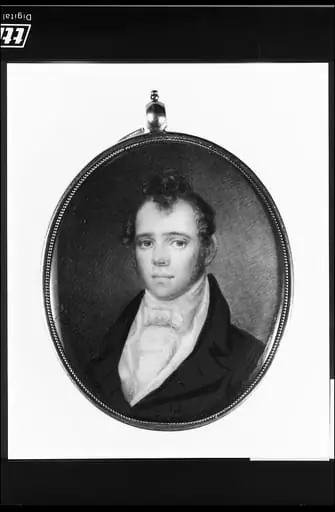
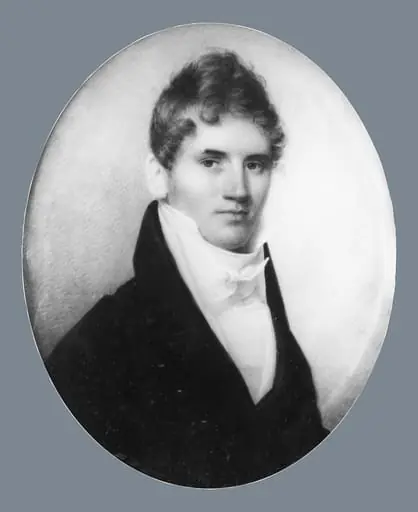
Gorham L. Freeman is a watercolor painting by the American Folk Art artist Henry Williams. It dates from 1813 and is held in the collection of the Metropolitan Museum of Art. This miniature portrait, titled Gorham L.
About this work
This is a watercolor on ivory, a technique used for miniatures before photos.
A young man in a dark coat looks straight at you, his face lit softly. The painting is tiny, small enough to hold in your palm.
This is a watercolor on ivory, a technique used for miniatures before photos. The artist layered thin, see-through washes to build the skin’s glow. It was made in 1813, when portraits like this were keepsakes for families.
If you like this, look up the subject: men, portraits.
Subject & Meaning
The watercolor portrait titled “Gorham L. Freeman” portrays a male sitter identified as Gorham L. Freeman, rendered in the early‑19th‑century style characteristic of American portraiture. The work, executed by Henry Williams in 1813 on ivory, functions as a visual record of the subject’s appearance and social identity, typical of portrait genre conventions that emphasize individual presence and status. No additional iconographic symbols are documented; the meaning derives from the representation of a specific person within the collection of The American Wing at the Metropolitan Museum of Art.
Technique & Style
Created in 1813 by Henry Williams, the portrait of Gorham L. Freeman is executed as a watercolor on ivory. This miniature format, measuring approximately 7.9 by 6.7 units, relies on the translucent and luminous qualities inherent to the ivory support, a material favored for its ability to render fine facial details and subtle tonal gradations in early 19th-century portraiture. The work is classified within the genre of portraiture, focusing on the depiction of a male subject.
As a watercolor medium applied to this specific surface, the technique demands precise handling to maintain the clarity of the image while utilizing the natural texture of the ivory to enhance the lifelike representation of the sitter.
History & Provenance
Gorham L. Freeman was painted in 1813 by Henry Williams as a watercolor on ivory portrait miniature. The work measures about 7.9 cm high and 6.7 cm wide and is classified as a portrait in the American Wing of the Metropolitan Museum of Art, where it now resides. The painting entered the Metropolitan Museum of Art’s collection, although the exact acquisition date is not specified in the available sources. No earlier ownership records or commission details are provided in the sources.
Legacy
The 1813 watercolor portrait by Henry Williams, known as Gorham L. Freeman, is housed in the Metropolitan Museum of Art’s American Wing, a placement noted in its cataloging records. This institutional context situates the work within scholarly narratives of early American portraiture, where its inclusion helps define the visual language of the period. The painting’s dimensions and medium are documented, and its presence in a major American art museum has contributed to ongoing research on 19th‑century portrait conventions.
Its legacy is therefore tied to its role as a reference point for studies of American artistic identity during the early republic.
Overview
This miniature portrait, titled Gorham L. Freeman, was painted by Henry Williams in 1813. Executed in watercolor on ivory, the delicate work captures a young man's likeness, his gaze directed forward. Its diminutive scale, small enough to fit within the palm of a hand, reflects the intimate nature of such personal keepsakes from the early 19th century.
Context
During the early 19th century, miniature portraits like Gorham L. Freeman held significant cultural importance. These small, portable images functioned as intimate personal objects, often carried or displayed in homes as a way to maintain a visual connection with family members. They preceded and fulfilled a similar role to that which photographic portraits would later assume.
Artist & collection

Artist
Henry Williams had a habit of turning people’s faces into tiny mirrors, his watercolors on ivory are so precise you can count the threads in a coat’s weave.