Artwork
Henry Leighton
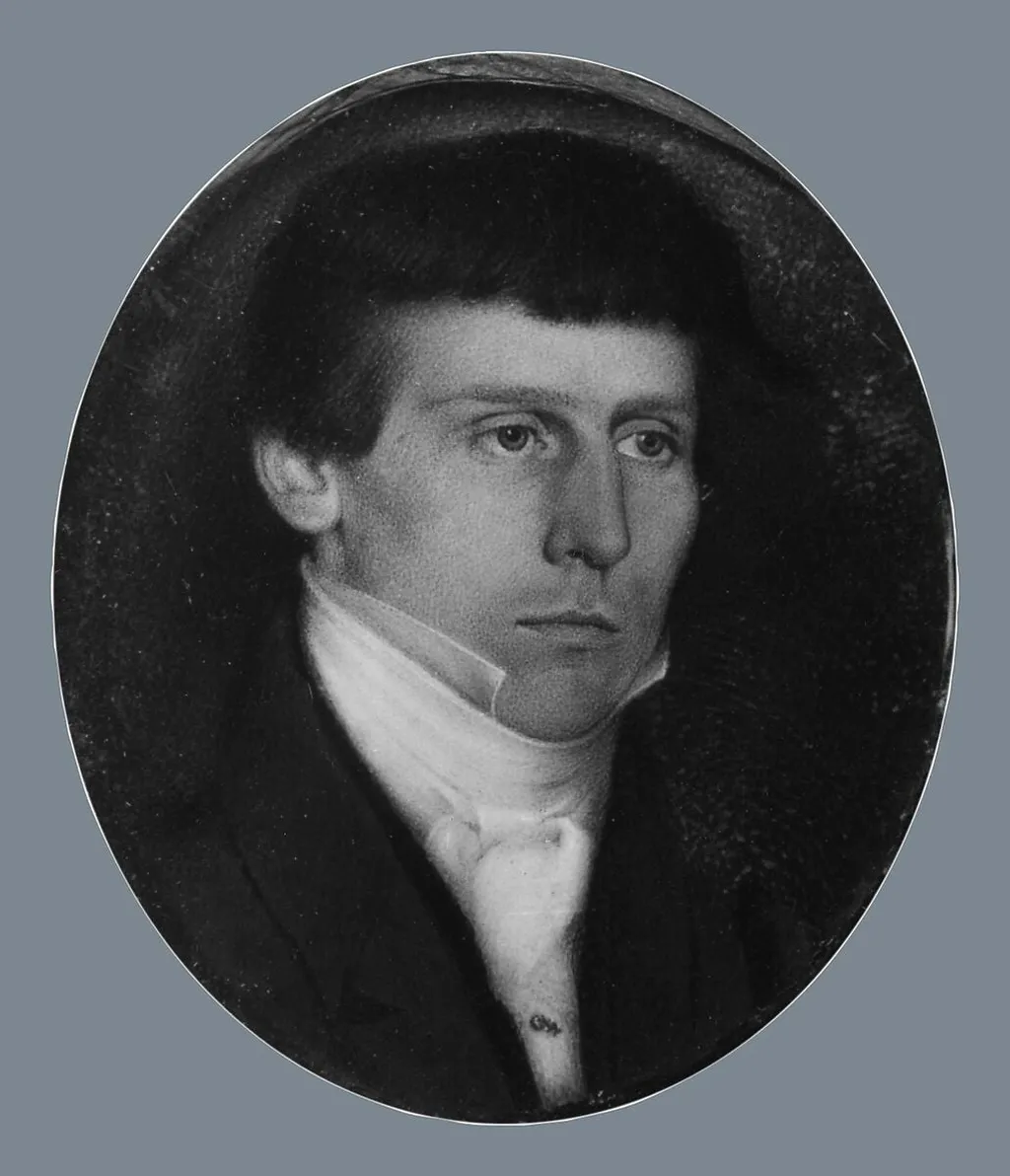
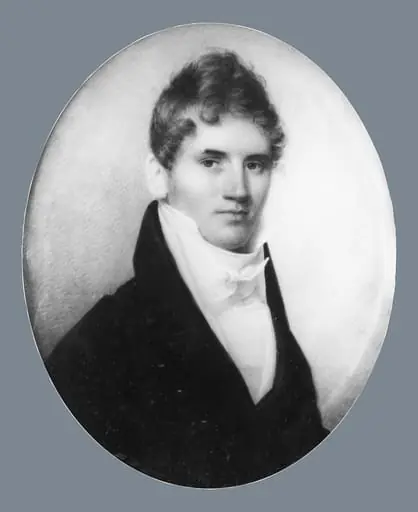
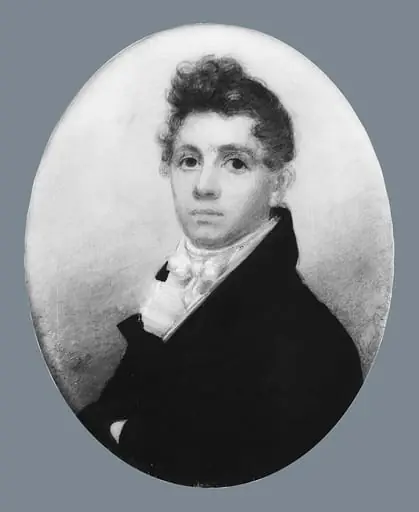
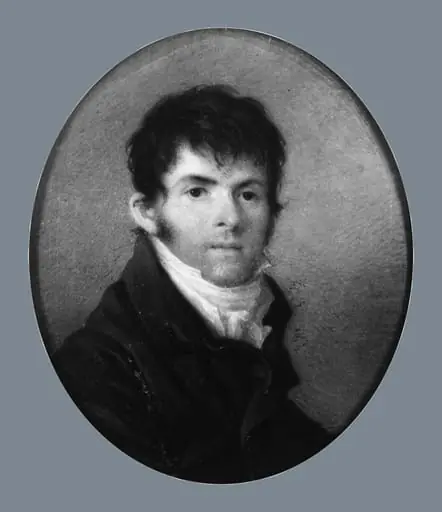
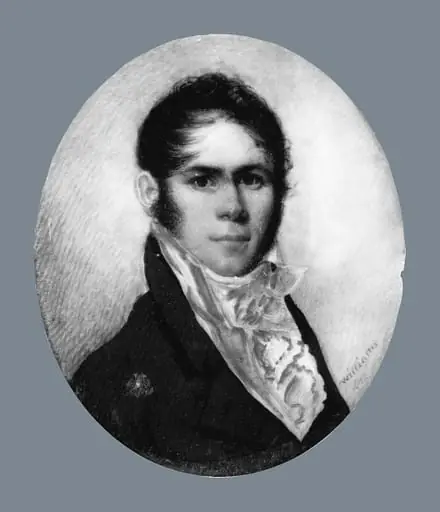
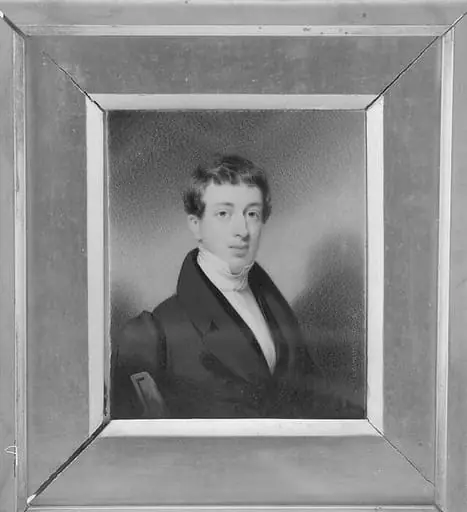
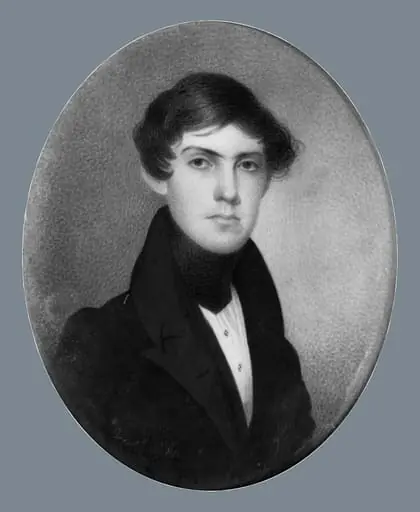
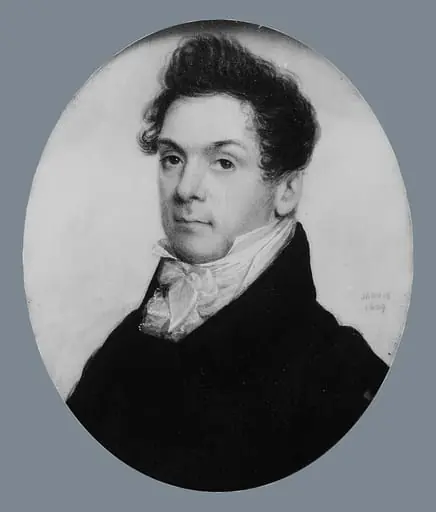
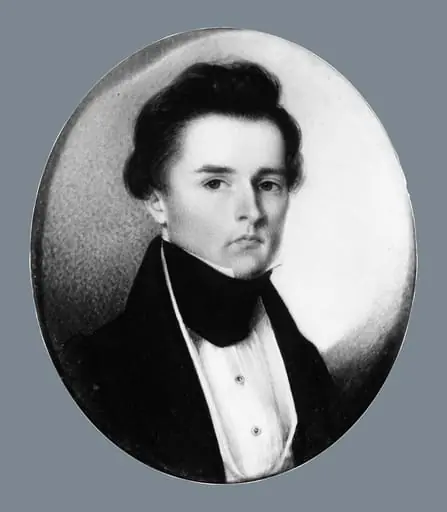
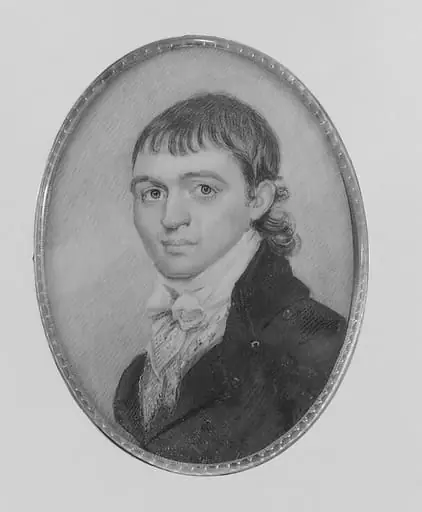
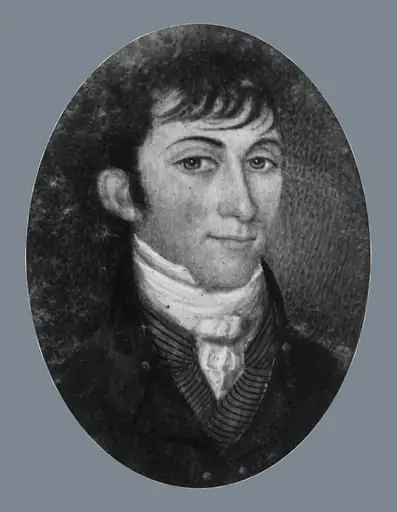
Henry Leighton is a watercolor painting. It dates from 1820 and is held in the collection of the Metropolitan Museum of Art.
About this work
Technique & Style
The painting is housed within a cast and chased metal locket featuring foliate decoration, a reeded bezel, and a ring bail topped with a ball finial.
This 1820 portrait miniature is executed in watercolor on an ivory support. The painting is housed within a cast and chased metal locket featuring foliate decoration, a reeded bezel, and a ring bail topped with a ball finial. The reverse of the object contains a reserve compartment displaying a lock of hair mounted on black silk.
Stylistically classified as a portrait genre work, the piece depicts a male subject. The physical dimensions of the artwork measure approximately 4.4 by 3.7 units. The combination of the painted ivory front and the hair memorial on the verso reflects standard conventions for personal keepsakes of the early nineteenth century.
History & Provenance
The watercolor portrait known as Henry Leighton, dated to 1820, is part of the permanent collection of the Metropolitan Museum of Art in New York. Within the museum's organizational structure, the work is housed in The American Wing. The piece is classified as a portrait depicting a man and is executed in watercolor on ivory.
It is set within a cast, chased foliate locket featuring a ring bail with a ball finial and a reeded bezel, with the reverse side containing a reserve holding a lock of hair on black silk. The physical dimensions of the artwork are recorded as 4.4 units in height and 3.7 units in width. No specific accession number or detailed exhibition history is provided in the available records.
Legacy
Although the artist remains unidentified, the portrait titled Henry Leighton has attained scholarly attention through its inclusion in The American Wing at the Metropolitan Museum of Art. Its status as an 1820 watercolor on ivory within a chased foliate locket illustrates early American decorative arts and portraiture, prompting continued analysis of anonymous works from the period. The piece’s presence in a major public collection has reinforced its reputation as a representative example of the era’s miniaturist techniques, influencing curatorial narratives about anonymity and identity in early American art.
Overview
This miniature portrait depicts a man named Henry Leighton, rendered in watercolor on ivory. Encased within a decorative locket, the artwork is small enough to be held in the palm, indicating its original purpose as a wearable item. The reverse side of the locket contains a lock of hair set against black silk, a common sentimental inclusion of the period.
Subject & Meaning
The subject, Henry Leighton, is presented formally, with neatly combed hair and a starched white collar, gazing directly forward. Such intimate portraits served as personal mementos. The inclusion of a lock of hair on the locket's reverse underscores its function as a keepsake, allowing the owner to maintain a tangible connection to the sitter or a cherished individual.
Context
During the 19th century, miniature portraits and sentimental jewelry were widely popular. These small, portable artworks allowed individuals to carry images of loved ones, or even their hair, as a constant reminder. They functioned not merely as adornments but as deeply personal objects, embodying affection, remembrance, or mourning, reflecting the social customs of the time.
Artist & collection