Artwork
Ewer
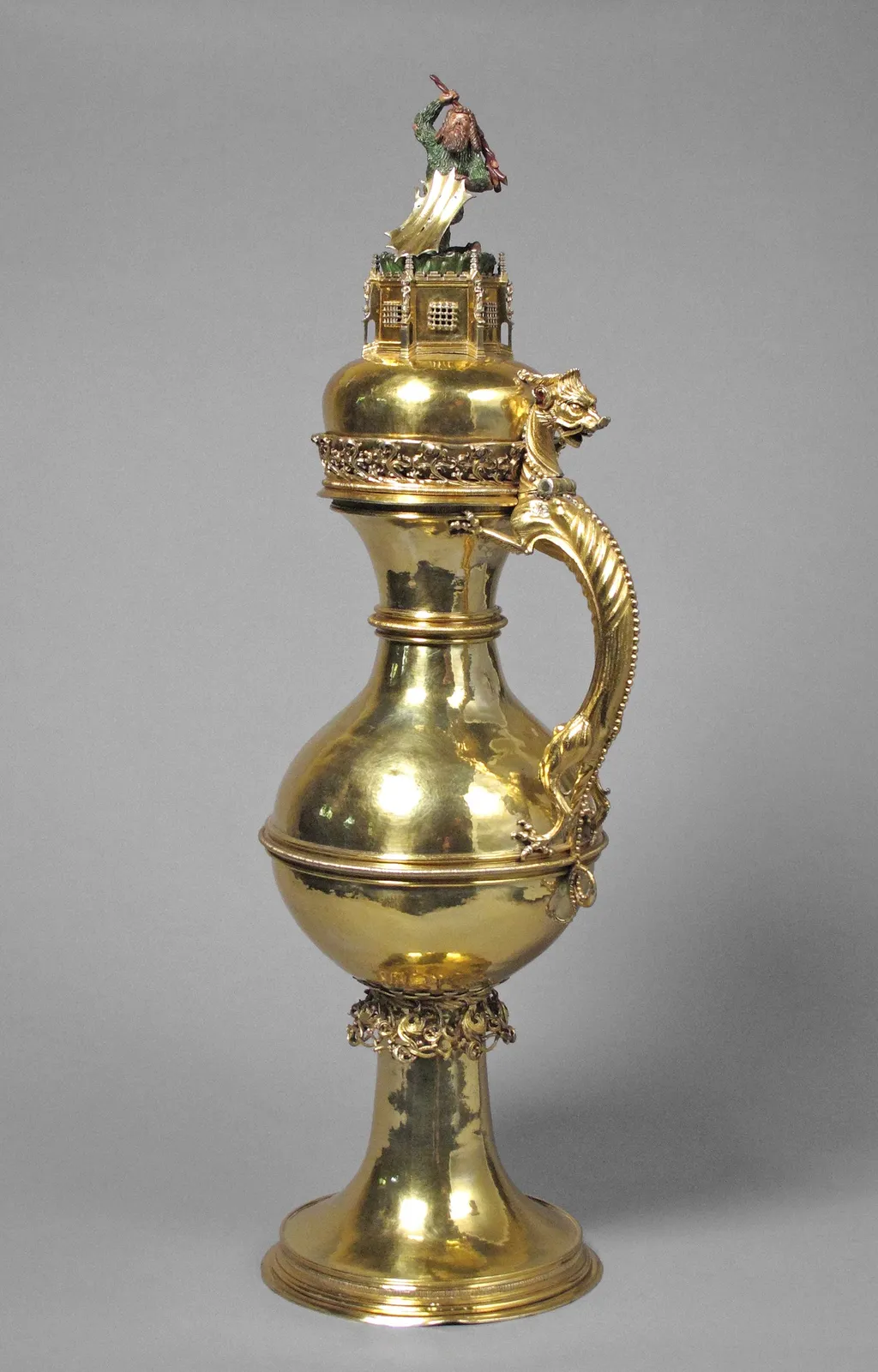
Ewer is an unspecified painting. It dates from 1450 and is held in the collection of the Metropolitan Museum of Art.
About this work
Subject & Meaning
Its iconography aligns with contemporary household objects, suggesting a representation of everyday utility rather than ritual or allegorical significance.
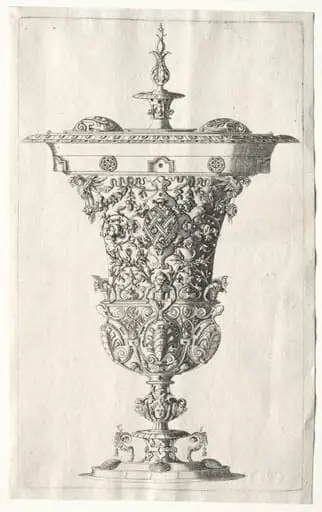
The ewer is depicted as a domestic metal vessel rendered in paint, its form rooted in the material culture of 15th‑century domestic interiors. Its iconography aligns with contemporary household objects, suggesting a representation of everyday utility rather than ritual or allegorical significance. The work’s presence in a museum collection underscores its role as a material artifact of the period, reflecting the aesthetic and functional concerns of contemporary viewers.
History & Provenance
The painting is held in the collection of the Metropolitan Museum of Art. Its accession number is not explicitly stated in the source, but the work is cataloged under the museum's holdings. The piece was exhibited in the exhibition "Exhibition of Paintings and Drawings from the Department of European Paintings," which took place in 1905.
Overview
The work, titled Ewer, presents a richly rendered golden vessel that resembles an object from a storybook. Its tall form rests on a broad base that widens outward, and a domed lid crowns the composition. The painting emphasizes the object's ornamental qualities, drawing attention to its elaborate silhouette and decorative details.
Technique & Style
The artist employs precise, fine brushwork to convey the reflective sheen of gold and the texture of the dragon’s scales. Light is rendered to suggest a polished surface, while the miniature figures and bird are rendered with delicate detail, creating a contrast between the monumental form of the ewer and the intricate narrative tableau on its top.
Context
Although the painting’s date and origin are not specified, its focus on a luxurious object aligns with traditions of still‑life and decorative art that celebrate material splendor. The inclusion of mythic and architectural motifs reflects a broader interest in blending everyday objects with symbolic storytelling.
Legacy
The piece exemplifies a fascination with ornamental craftsmanship that continues to attract viewers interested in the intersection of functional design and imaginative illustration. Its detailed portrayal of a fantastical ewer invites comparison with similar works held in major collections, such as those at the Metropolitan Museum of Art.
Artist & collection

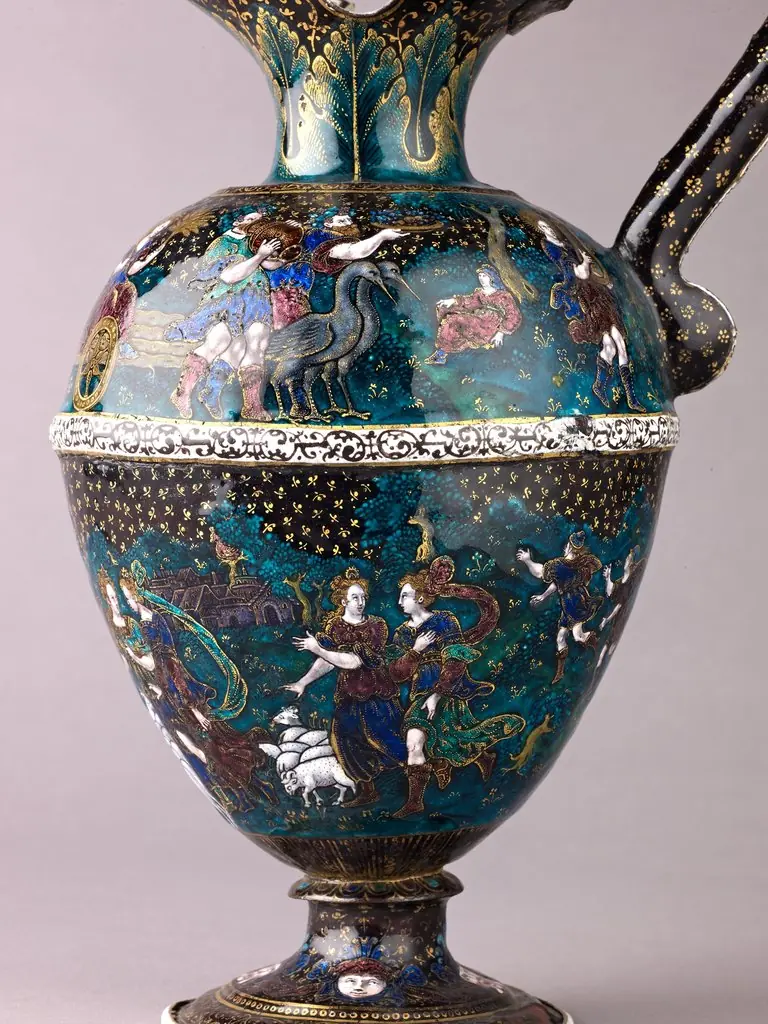 Triumph of Ceres
 Jar with Neptune
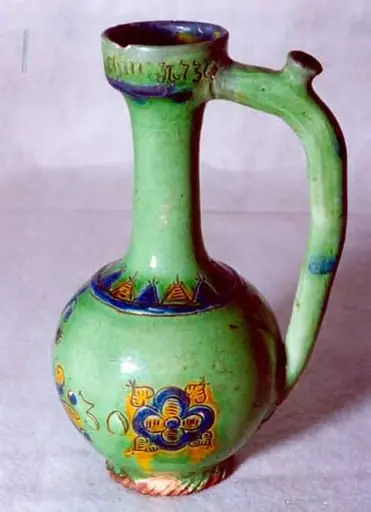 ulcior
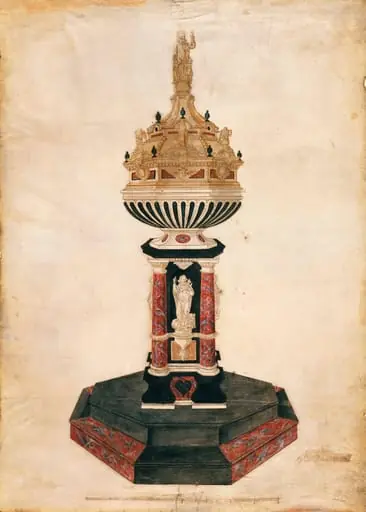 Canterbury Cathedral Font Design
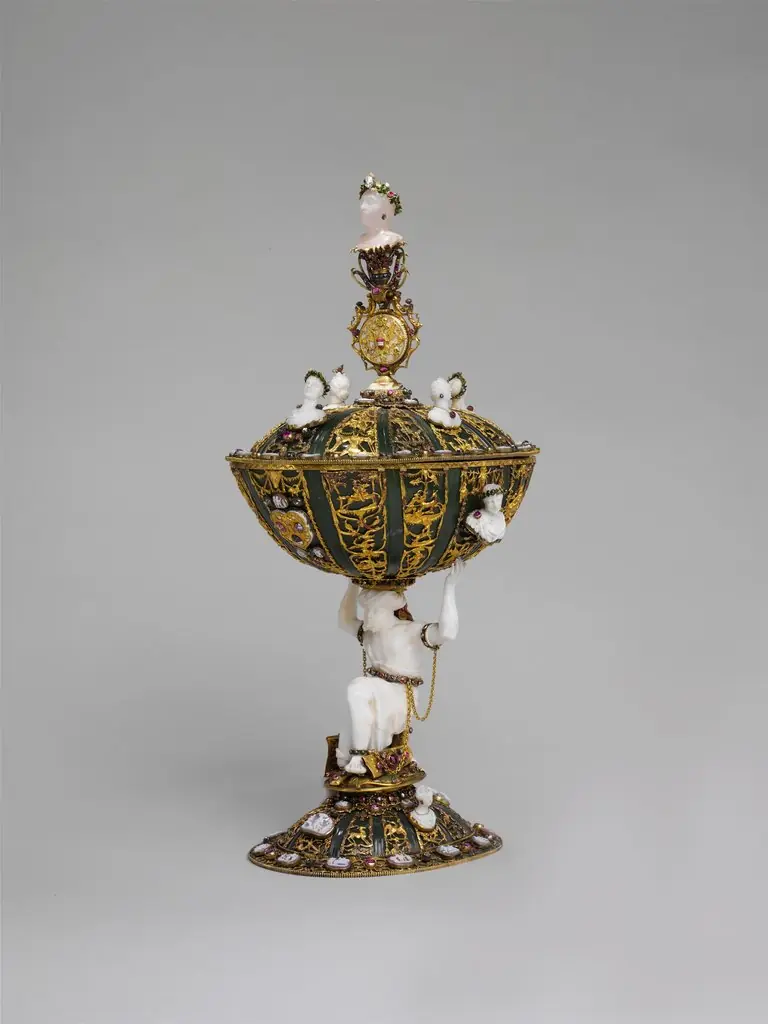 Cup and Cover Supported by an Enchained Turk
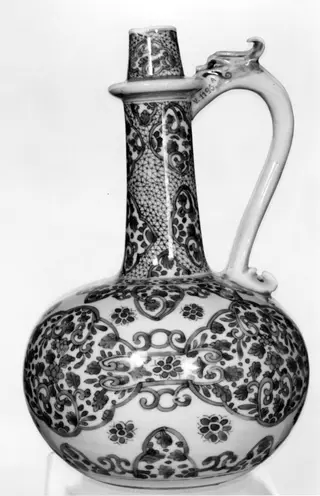 buire
buire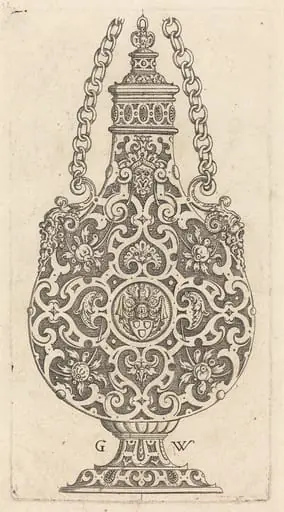 Flask
Flask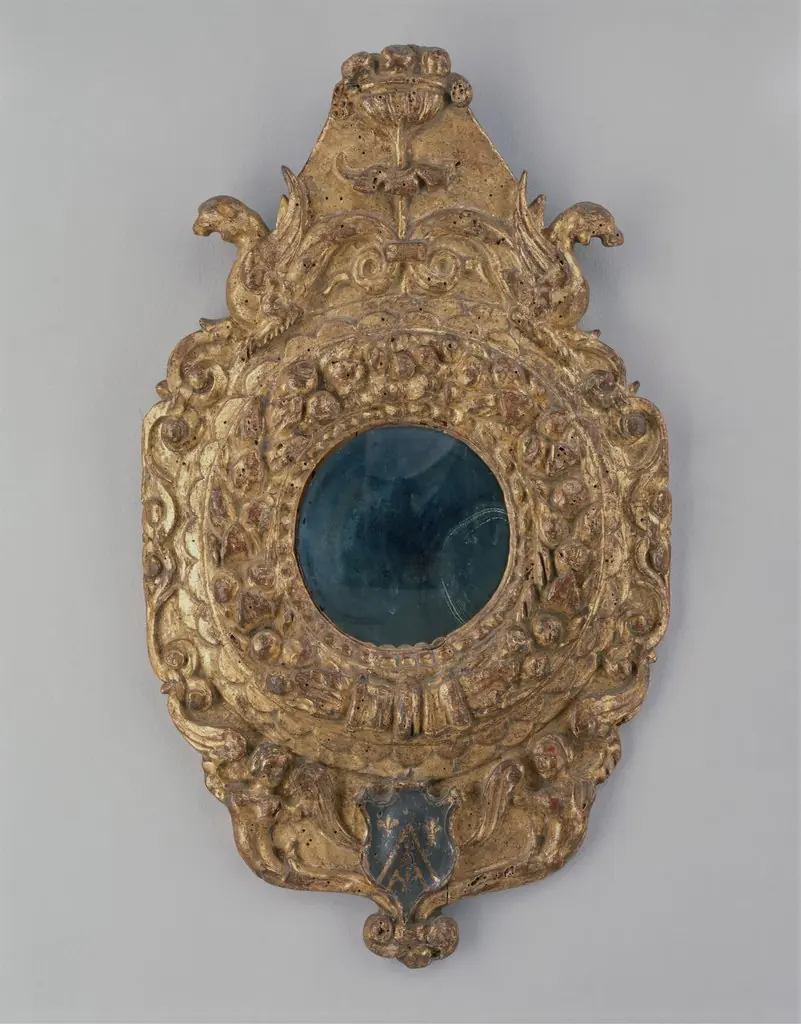 Tondo mirror frame
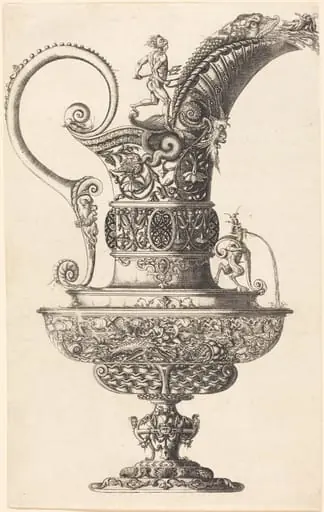
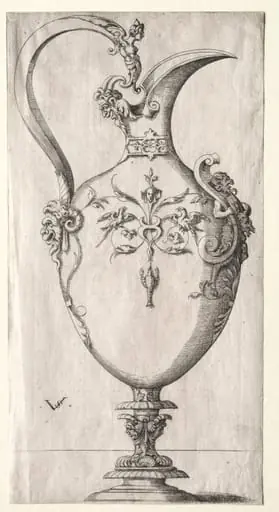 Design for a Ewer
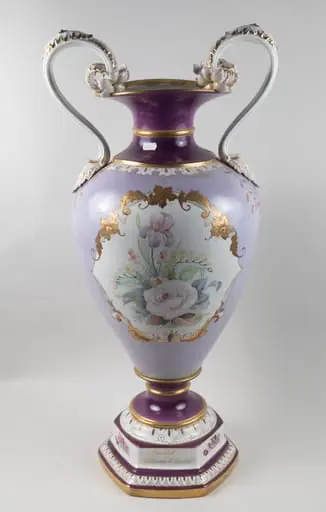 Vază din porțelan, tip amforă, cu două anse, decorată pe un fond mov cu două medalioane, unul reprezentând portretul Elenei Ceaușescu. cel de-al doilea medalion este decorat un buchet cu flori. Pe gâtul vazei o dedicație ”Omagiu, Ianuarie 1989”. Oferită de Consiliul Național al Femeilor. Vază oferită Elenei Ceaușescu de Consiliul Național al Femeilor cu ocazia aniversării zilei de naștere, ianuarie 1989.
 Ornamental Vase
- Ewer