Artwork
虞子君図 (Gushigimi zu)|Consort Yu
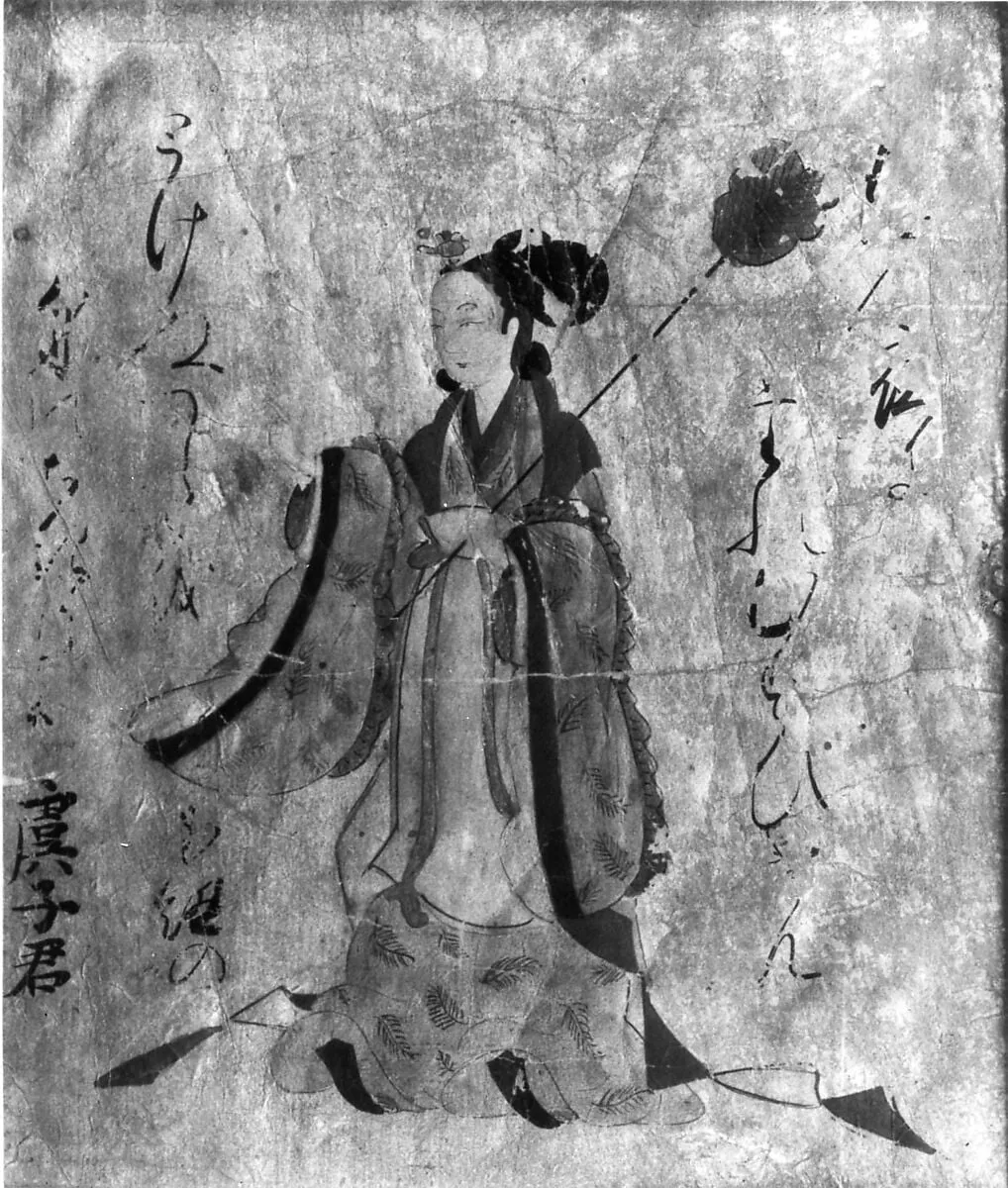
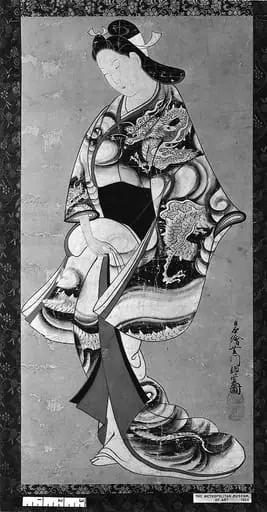
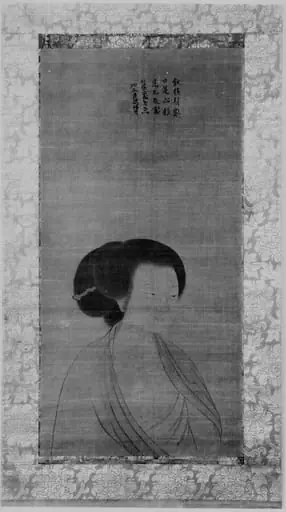
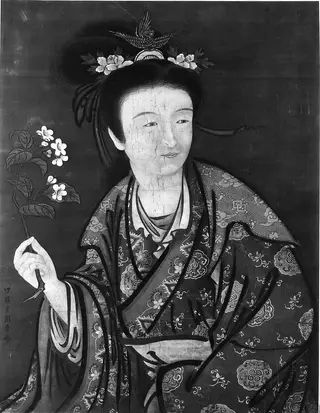
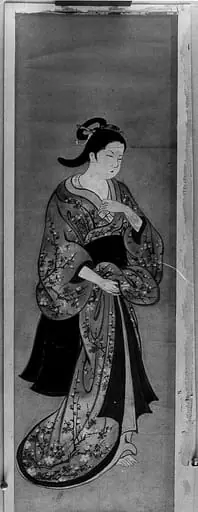
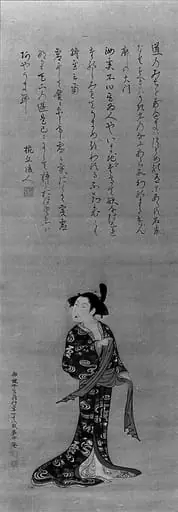
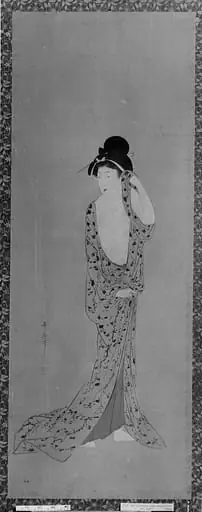
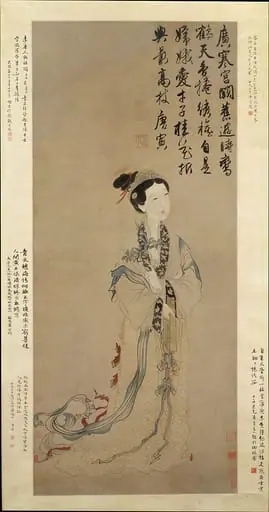
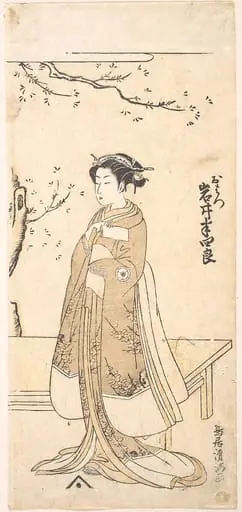
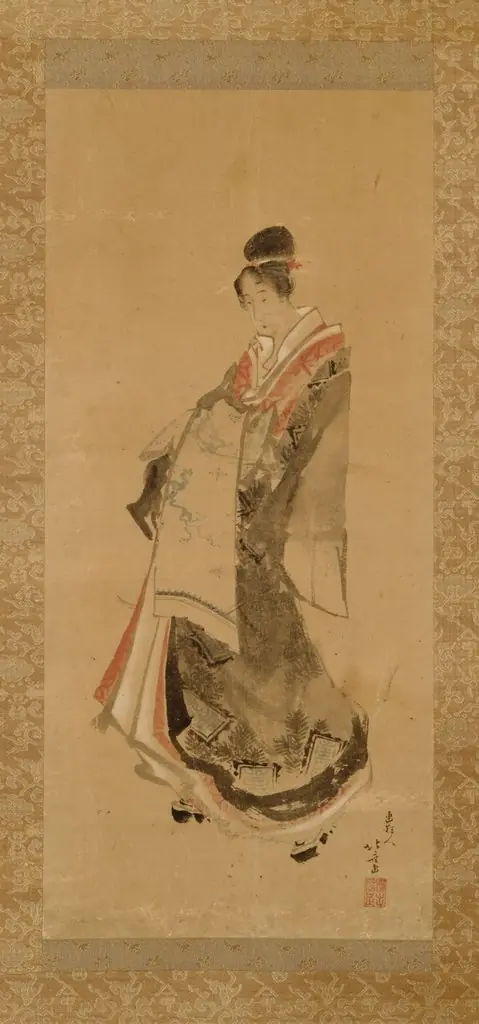
虞子君図 (Gushigimi zu)|Consort Yu is an ink painting. It dates from 1749 and is held in the collection of the Metropolitan Museum of Art. Consort Yu, rendered in ink and color on paper, presents a solitary female figure from the Edo period of Japan.
About this work
Technique & Style
3 cm in width, the painting is a compact sheet that relies on the contrast between ink outlines and subtle color application.
Created in 1749, Consort Yu is executed in ink and color on paper. The work functions as a portrait, depicting a woman with formal clarity characteristic of the period. Measuring 19.7 cm in height and 14.3 cm in width, the painting is a compact sheet that relies on the contrast between ink outlines and subtle color application.
The anonymous Japanese artist employed these traditional materials to render the figure, focusing on the delicate handling of the paper support to define the subject's features.
History & Provenance
虞子君図 (Gushigimi zu), titled "Consort Yu," was created in 1749 by an anonymous Japanese artist working in ink and color on paper. The painting, which depicts a woman, was produced in Japan during the mid-eighteenth century.
The work is now held in the collection of the Metropolitan Museum of Art, where it is catalogued under the accession number 18.146.4. The specific circumstances of its original commission and any intermediate ownership prior to its acquisition by the museum are not documented in the available sources.
Overview
Consort Yu, rendered in ink and color on paper, presents a solitary female figure from the Edo period of Japan. The portrait depicts a woman in a long robe, holding a fan, her hair arranged in a modest updo, and her expression composed. The work exemplifies the era’s interest in portraying historic or legendary women with a calm dignity.
Subject & Meaning
The sitter is Consort Yu, a celebrated figure from Chinese legend renowned for her unwavering loyalty. By selecting this subject, the artist aligns with a broader Edo‑period trend of invoking moral exemplars from foreign histories, using her poised demeanor to convey virtues of fidelity and inner strength without overt narrative detail.
Artist & collection