Artwork
Impotent Fisherman
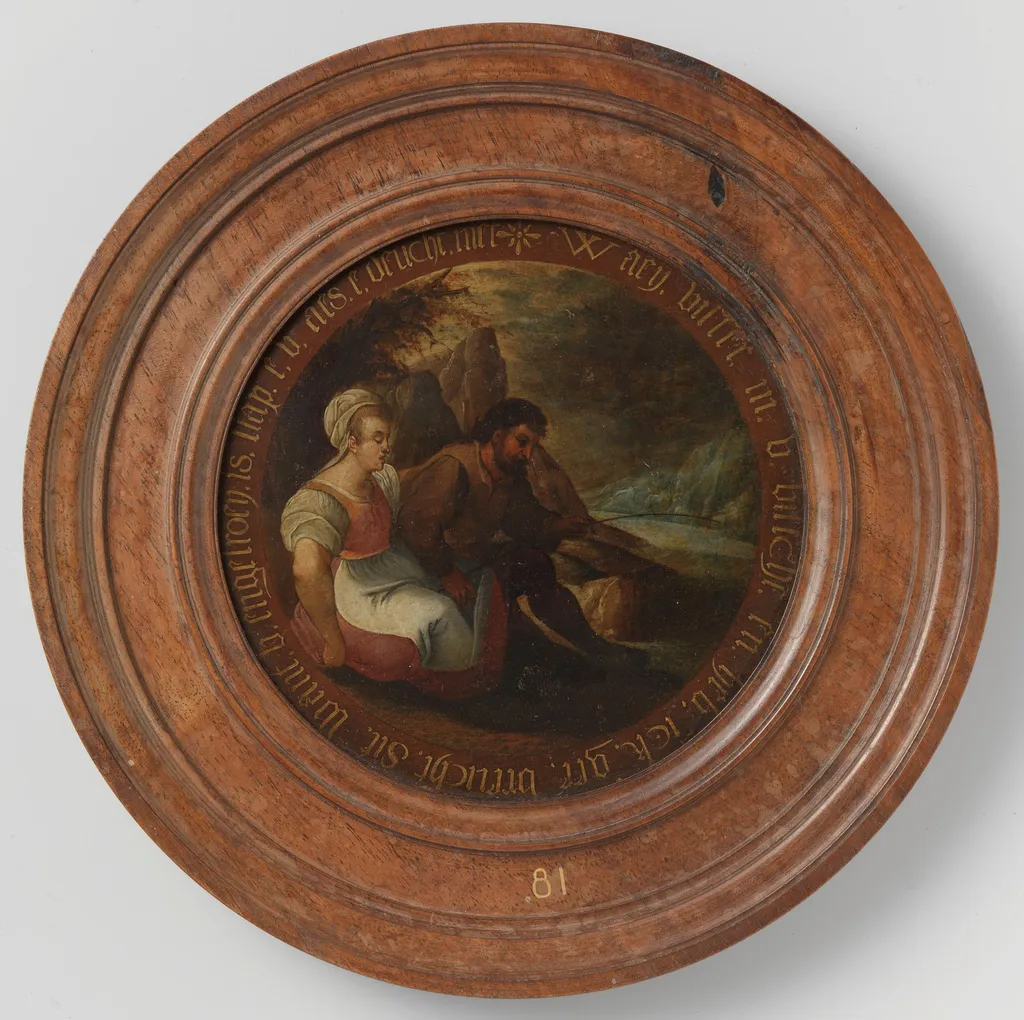
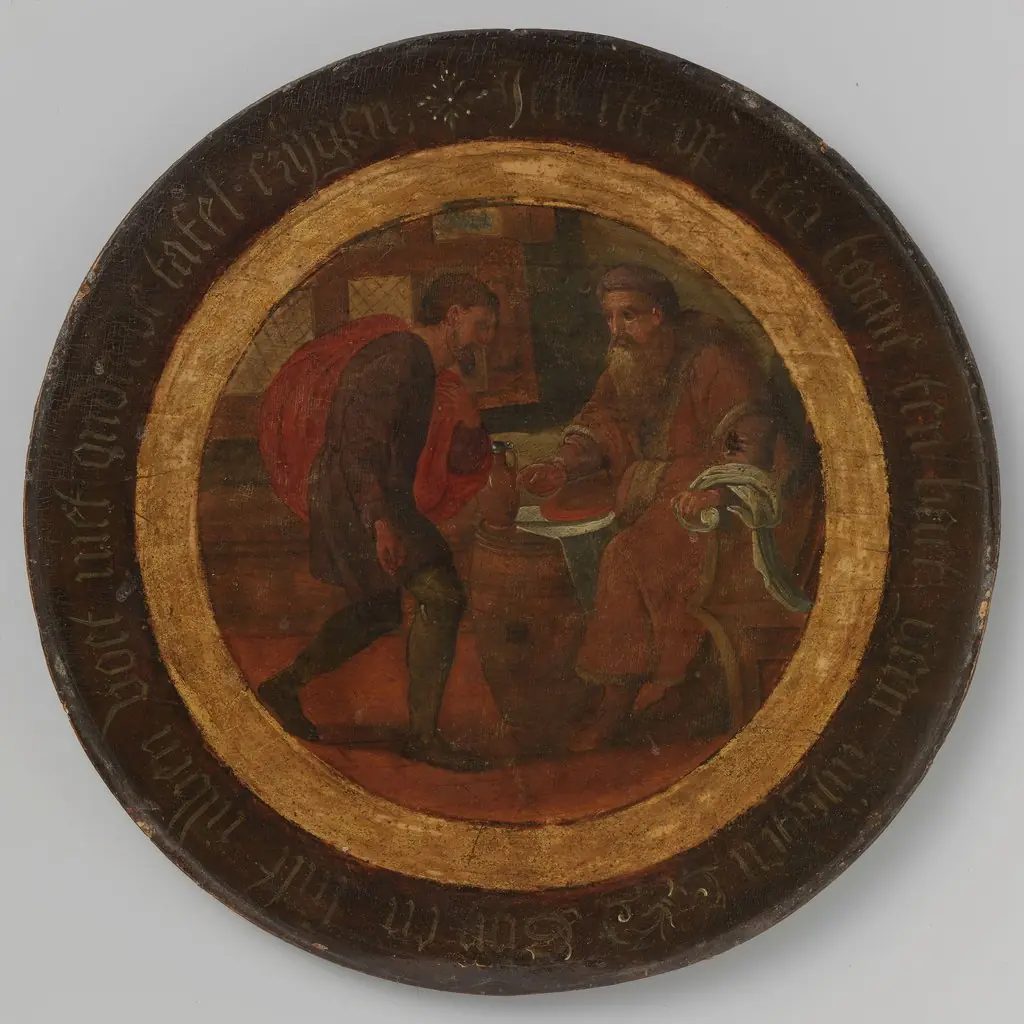
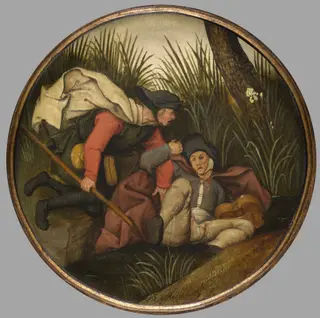
Impotent Fisherman is an oil painting. It dates from 1590 and is held in the collection of the Rijksmuseum.
About this work
History & Provenance
While the sources confirm its current location and institutional affiliation, no specific inventory or accession number is provided in the available records.
The painting was created around 1580, as indicated by its recorded inception date in the Southern Netherlands. It is an anonymous work classified as an allegory and executed in oil on panel, with dimensions of approximately 16 × 16 cm. The work entered the collection of the Rijksmuseum, where it has been held as part of the Nederlandsch Museum voor Geschiedenis en Kunst holdings.
The painting Impotent Fisherman is held in the collection of the Rijksmuseum in Amsterdam, historically associated with the Nederlandsch Museum voor Geschiedenis en Kunst. The work, an anonymous allegory executed in oil on panel, dates to 1580. While the sources confirm its current location and institutional affiliation, no specific inventory or accession number is provided in the available records. Furthermore, the documentation does not include details regarding the work's exhibition history or past display locations.
Overview
The work, titled Impotent Fisherman, is an oil painting executed on a circular wooden panel. It depicts a riverside scene in which a seated woman and a slumped fisherman share a moment beside a rock. The composition is rendered in muted tones, with a modest landscape of water and a solitary tree forming the background.
Subject & Meaning
The woman, dressed in a simple garment with a distinctive red sleeve, rests her hand on the man's shoulder, suggesting a supportive or consoling gesture. The fisherman, holding a rod and appearing exhausted, conveys a sense of fatigue or unsuccessful effort, while the calm demeanor of the female figure introduces a contrast between activity and repose.
Technique & Style
The artist employs chiaroscuro, balancing dark shadows with illuminated areas to model the figures and create spatial depth. Soft, diffused colors define the riverbank and foliage, while the interplay of light on the figures highlights their forms against the darker background, reinforcing the intimate atmosphere of the scene.
Context
Rendered on a round wooden plate, the painting reflects a tradition of portable, decorative panels used for domestic decoration in the 17th‑18th centuries. Its modest scale and subject matter align with genre works that focus on everyday moments rather than grand historical narratives.
Artist & collection