Artwork
Tooth Extractor (Tooth Puller)
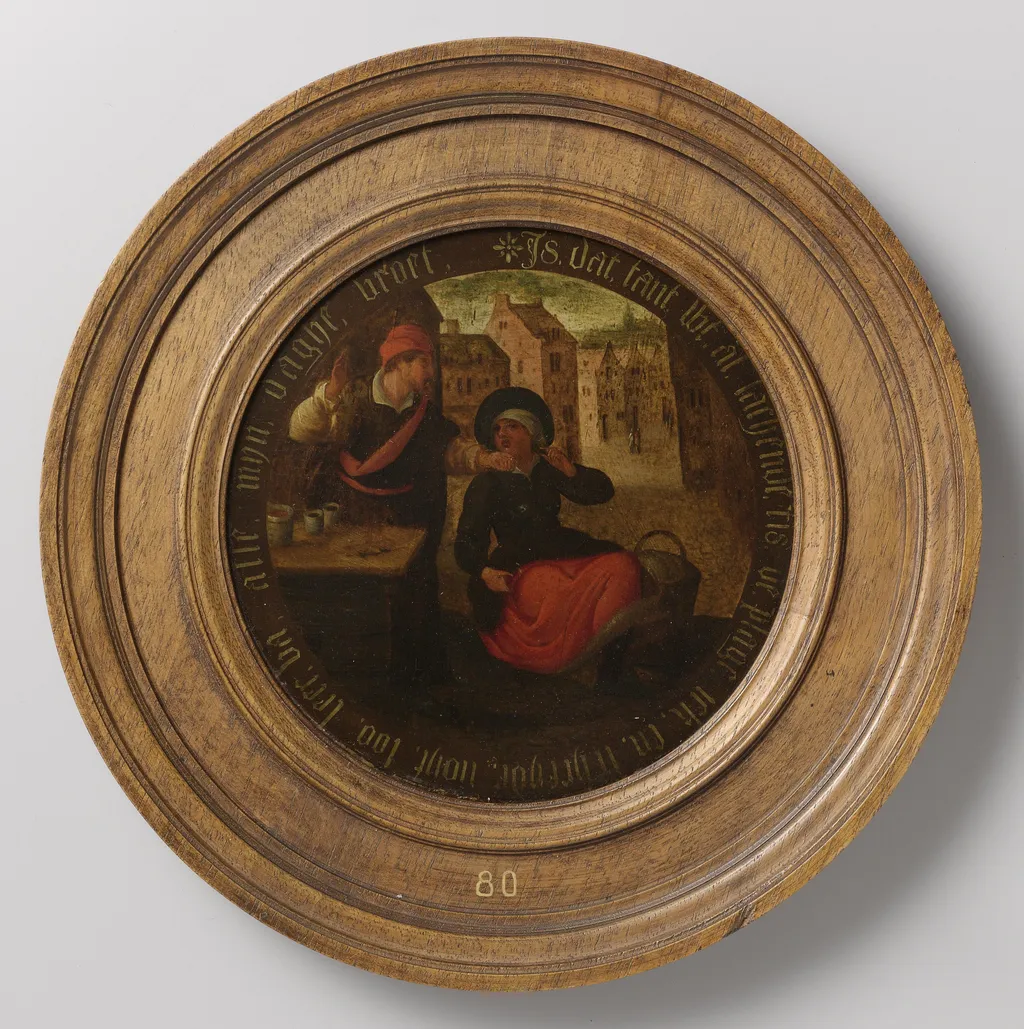
Tooth Extractor (Tooth Puller) is an oil painting. It dates from 1590 and is held in the collection of the Rijksmuseum. The work is an oil painting on a circular wooden panel that depicts a cramped interior scene.
About this work
Technique & Style
The work is executed in oil paint on a wooden panel, a common support for small-scale Northern European paintings of the late sixteenth century.
The work is executed in oil paint on a wooden panel, a common support for small-scale Northern European paintings of the late sixteenth century. Measuring 16 cm by 16 cm, it presents a genre scene depicting a tooth extractor, rendered anonymously in the Southern Netherlands circa 1580. The oil medium allows for smooth blending and fine detail appropriate to the intimate format, while the panel provides a rigid surface that has helped preserve the painting’s surface over time.
History & Provenance
The painting Tooth Extractor (Tooth Puller) is dated to 1580, aligning with the earliest documented attribution in the Southern Netherlands.
Its provenance traces to the Nederlandsch Museum voor Geschiedenis en Kunst, which later formed part of the Rijksmuseum’s holdings. The work entered the Rijksmuseum collection as part of this institutional merger, where it remains housed. The small panel format and date situate it within the late sixteenth-century genre tradition of the Southern Netherlands.
The anonymous oil-on-panel painting Tooth Extractor (Tooth Puller), dated to 1580, is held in the collection of the Rijksmuseum in Amsterdam. The institution, formerly known as the Nederlandsch Museum voor Geschiedenis en Kunst, houses this 16 cm by 16 cm genre scene. The work originates from the Southern Netherlands and is cataloged as an anonymous creation within the museum's holdings. No specific accession number or exhibition history is provided in the available records.
Legacy
The painting is held in the Rijksmuseum collection and has been cited in scholarly discussions of early Netherlandish genre scenes, influencing later interpretations of domestic labor in Dutch art. Its representation of a dental procedure contributed to the visual vocabulary of medical practice in 16th‑century Northern Europe, informing later works that depicted physicians and barbers engaged in tooth extraction. The work is frequently referenced in art‑historical literature on the development of realism in genre painting, underscoring its role in shaping perceptions of everyday bodily interventions.
Overview
The work is an oil painting on a circular wooden panel that depicts a cramped interior scene. A woman wearing a red headscarf is engaged in extracting a tooth from a man who clutches the table, his expression contorted in pain. A second woman stands nearby, holding a cup, while a window reveals a modest town with a church steeple beneath a muted sky.
Subject & Meaning
The composition captures a moment of domestic medical practice, emphasizing the physical strain and emotional tension of the procedure. The contrast between the vivid red of the headscarf and the subdued surroundings underscores the intensity of the act, while the onlookers’ presence suggests a communal involvement in the painful rite.
Context
Set within a simple room that opens onto a townscape, the painting situates a private, perhaps rural, episode against a broader communal backdrop. The inclusion of the church steeple beyond the window hints at the everyday life of the period, where medical care was often administered in domestic settings.
Artist & collection

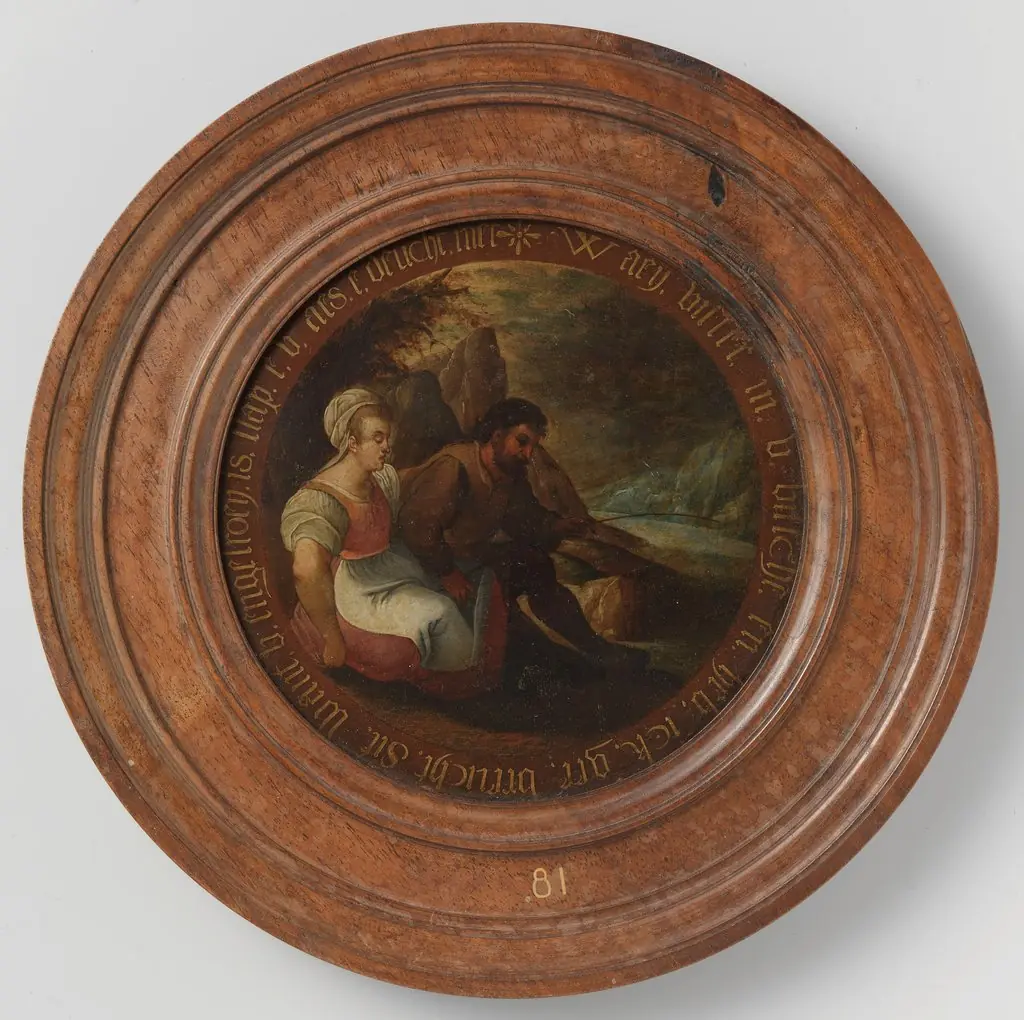
- Impotent Fisherman
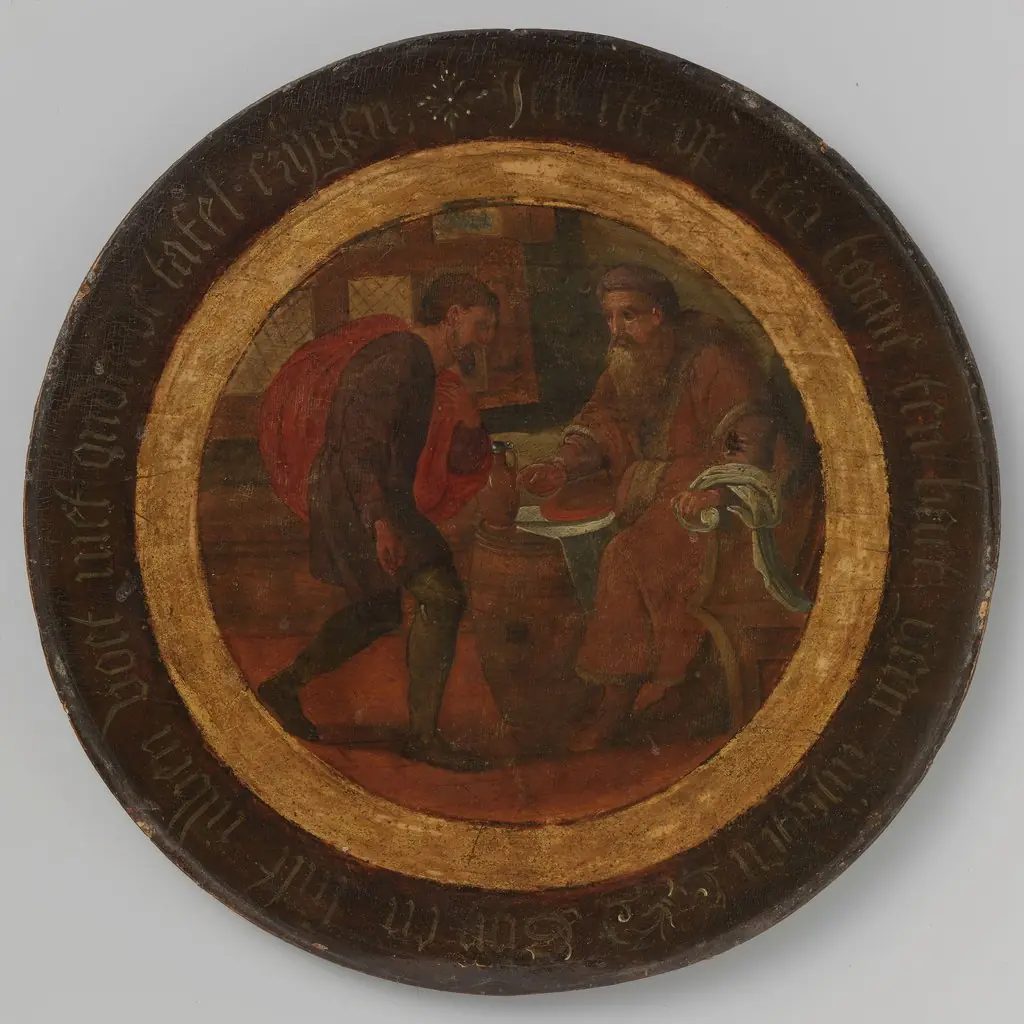 Allegory of the Cooperage
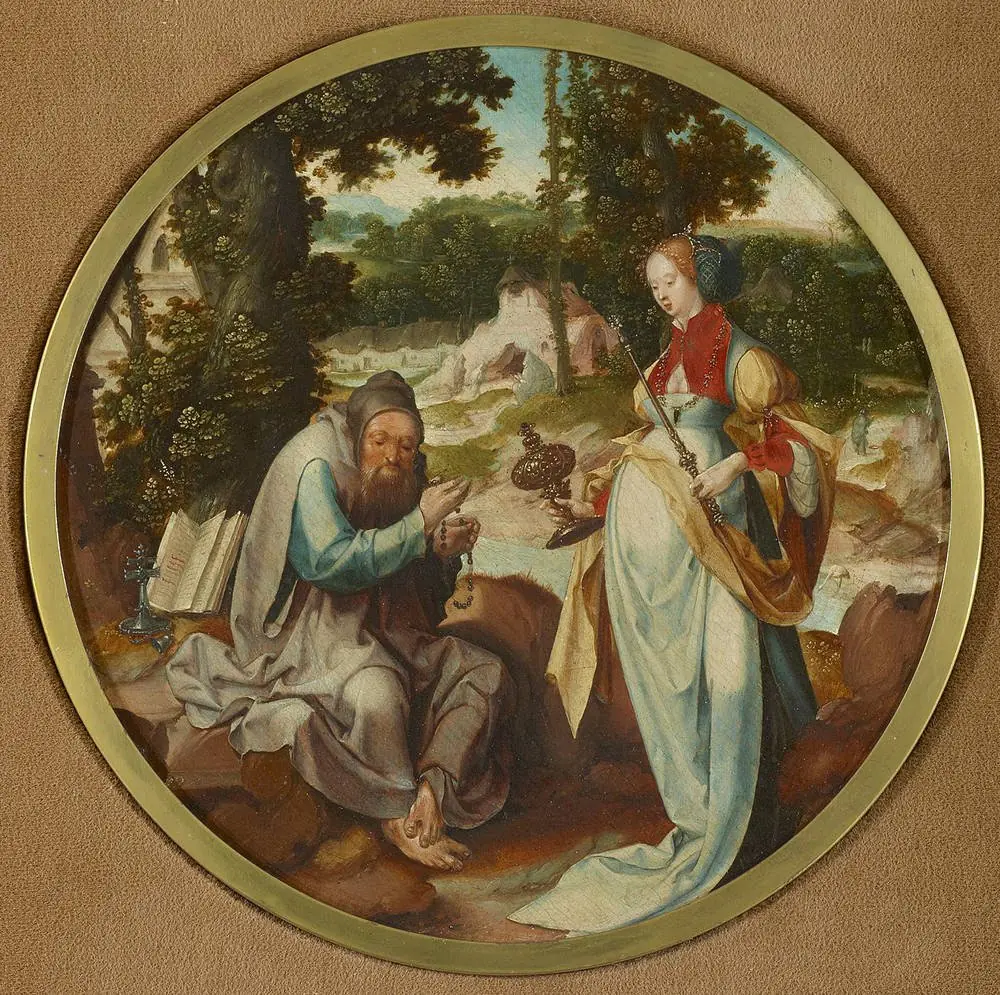 The temptation of Saint Antony
 Saint Jerome and Donor
 Blazon of the Chambers of Rethoric "De Violieren
 The Harvest: Allegory of Summer
 The Tradeswoman
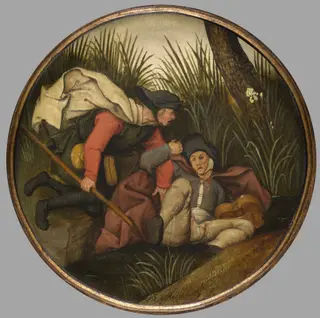 If the Blind Lead the Blind, Both shall Fall into the Ditch
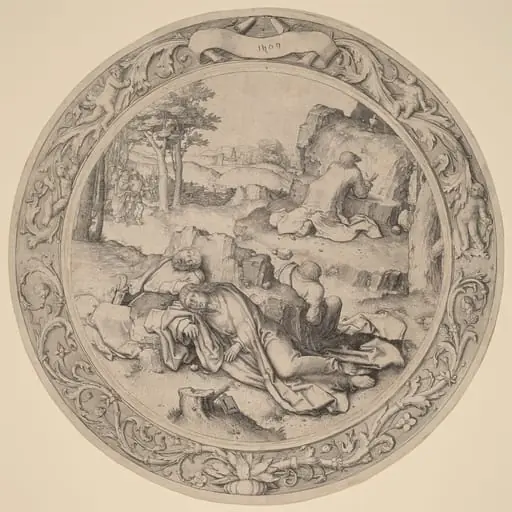 Christ in Gethsemane (Agony in the Garden)
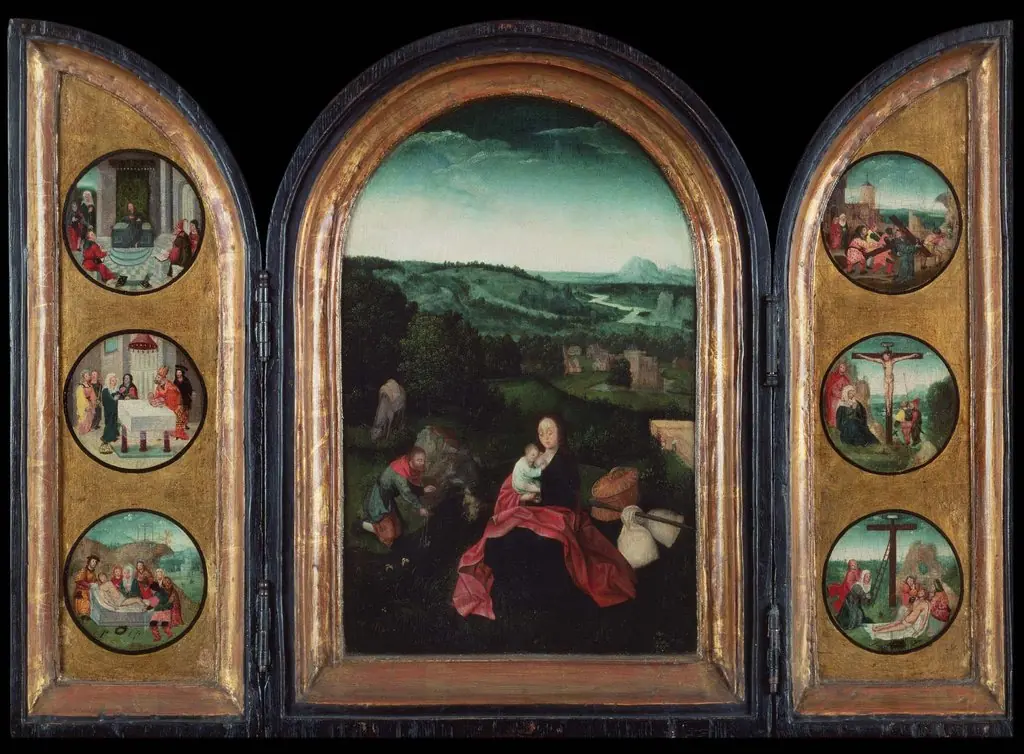 Triptych: Rest on the Flight into Egypt
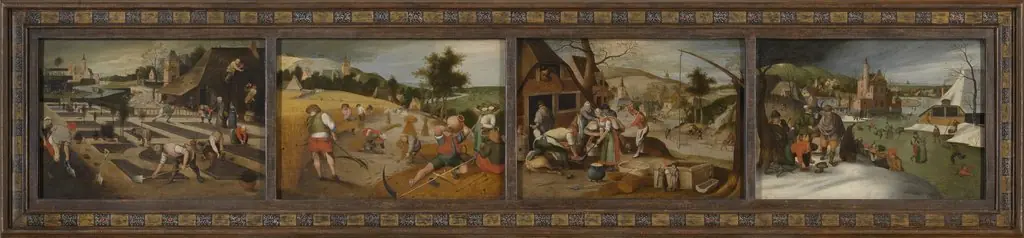 The Four seasons
 Der heilige Christophorus