Artwork
Ink Plum
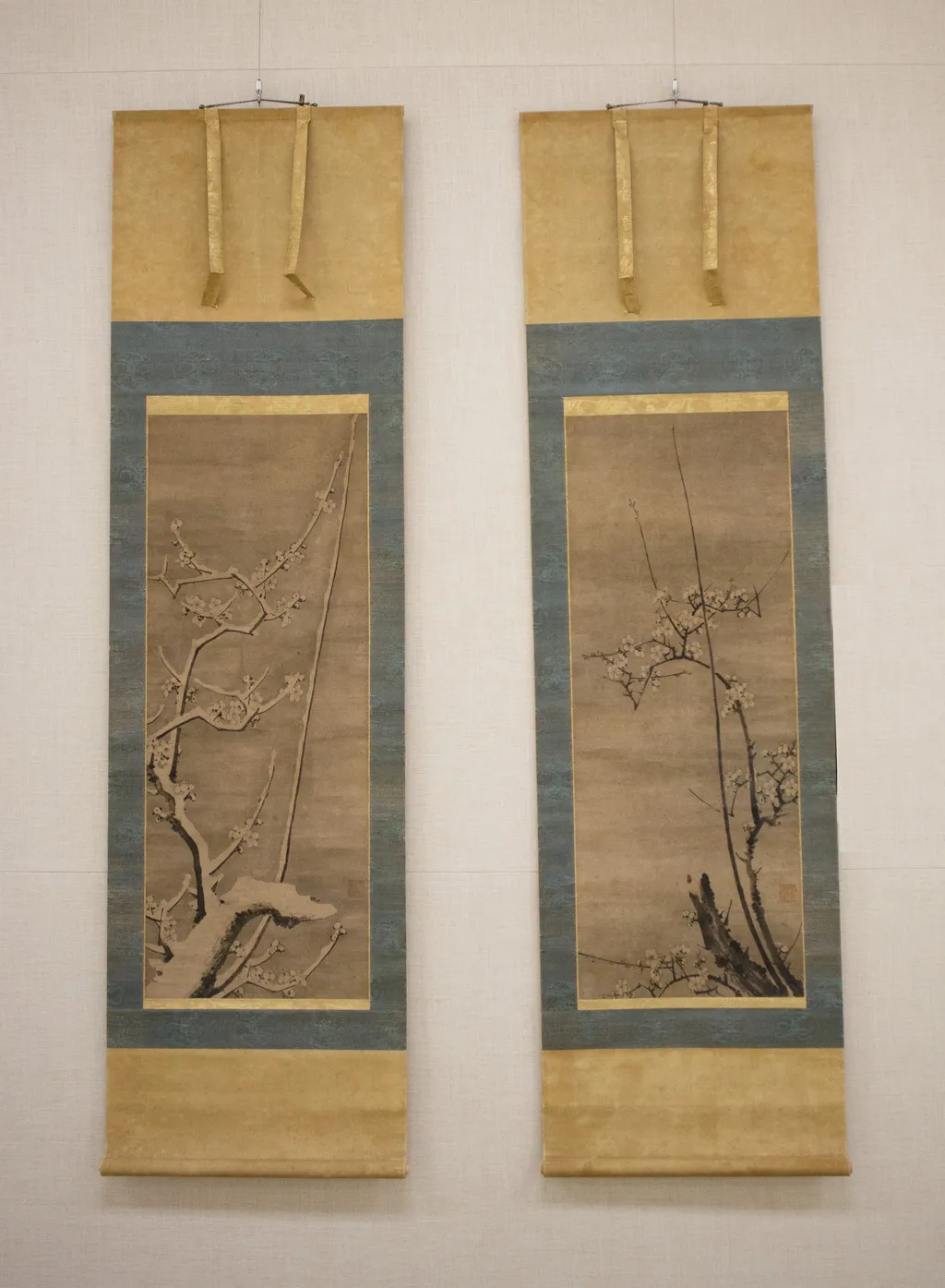
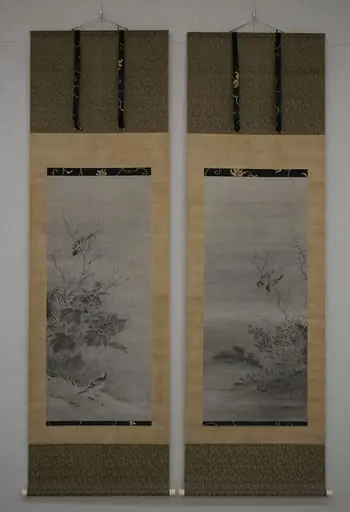
Ink Plum is an unspecified painting. It dates from 1440 and is held in the collection of the Metropolitan Museum of Art. The work consists of two vertically oriented scrolls placed side by side.
About this work
History & Provenance
The Ink Plum is dated to 1440, aligning with the Muromachi period in Japan, and is attributed to the painter Heisen (Byōsen) within the Myōshitsu lineage.
The Ink Plum is dated to 1440, aligning with the Muromachi period in Japan, and is attributed to the painter Heisen (Byōsen) within the Myōshitsu lineage.
The work entered the Metropolitan Museum of Art as part of the Myōshitsu collection, where it has been held since at least the point of acquisition. Its creation history situates it within the broader context of Japanese ink painting traditions, particularly those associated with the Myōshitsu school during the 15th century.
The painting is held by the Metropolitan Museum of Art, where it is recorded as part of the Myōshitsu collection. Its inventory/accession number is not specified in the cited sources.
The work is documented with an inception date of 1440, aligning with its attribution to the Muromachi period in Japan.
Overview
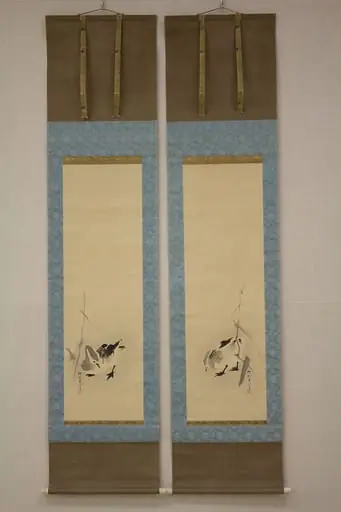
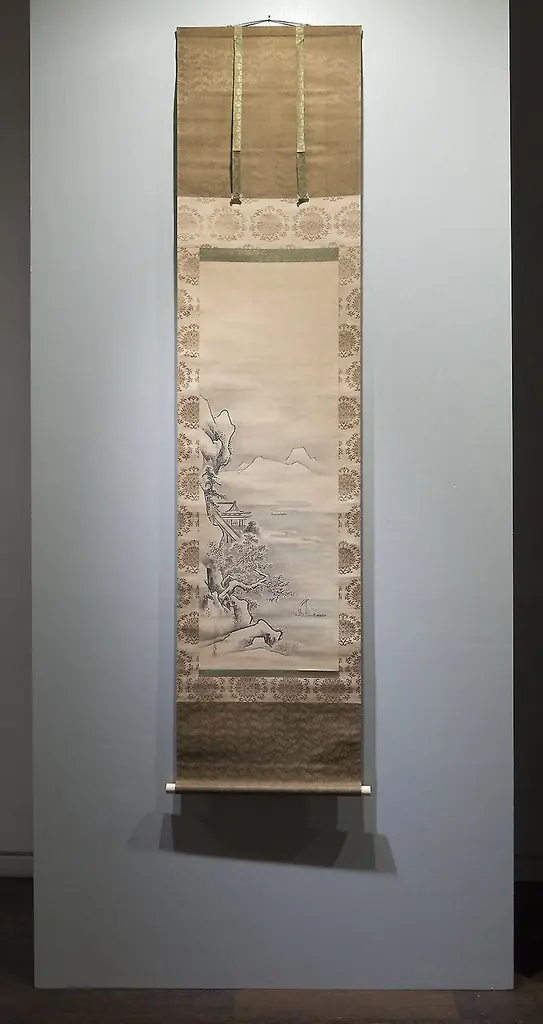
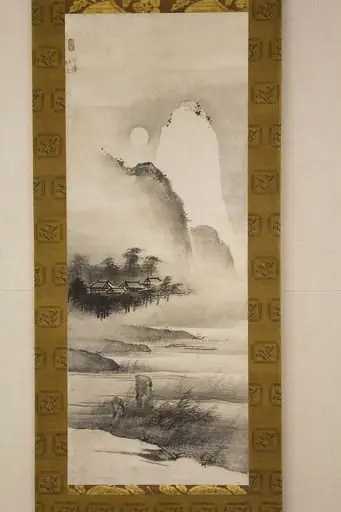
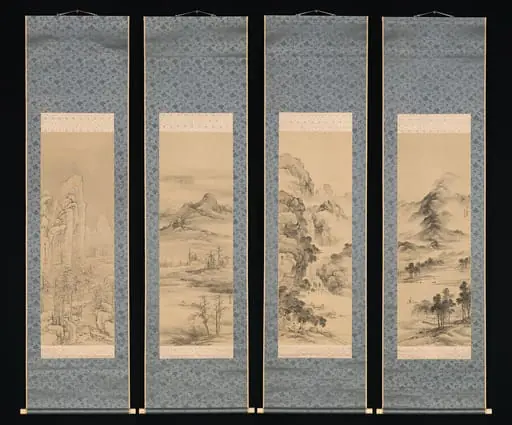
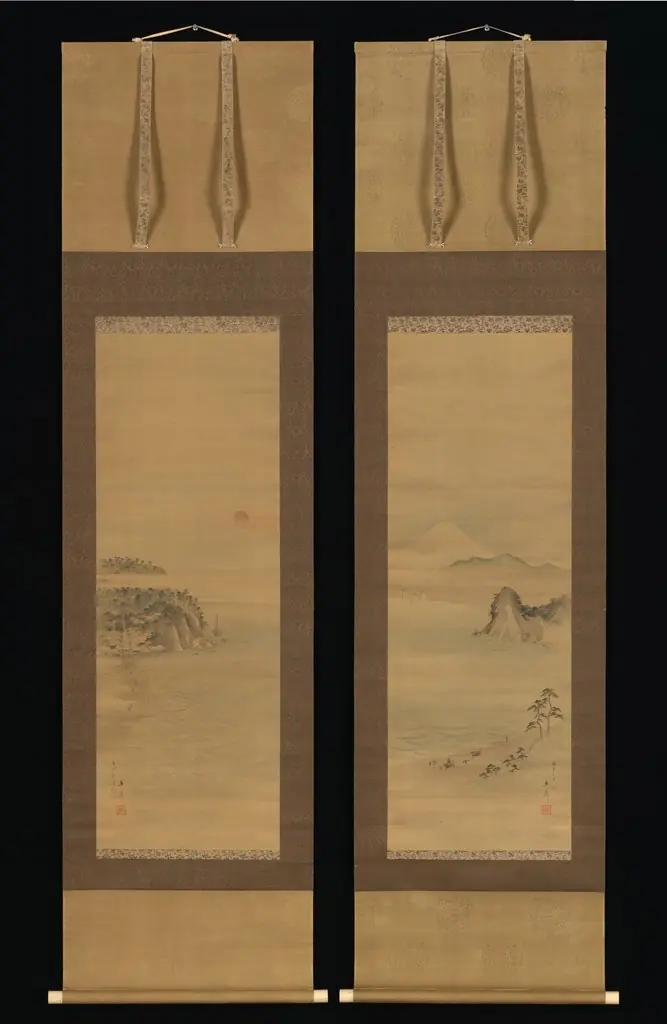
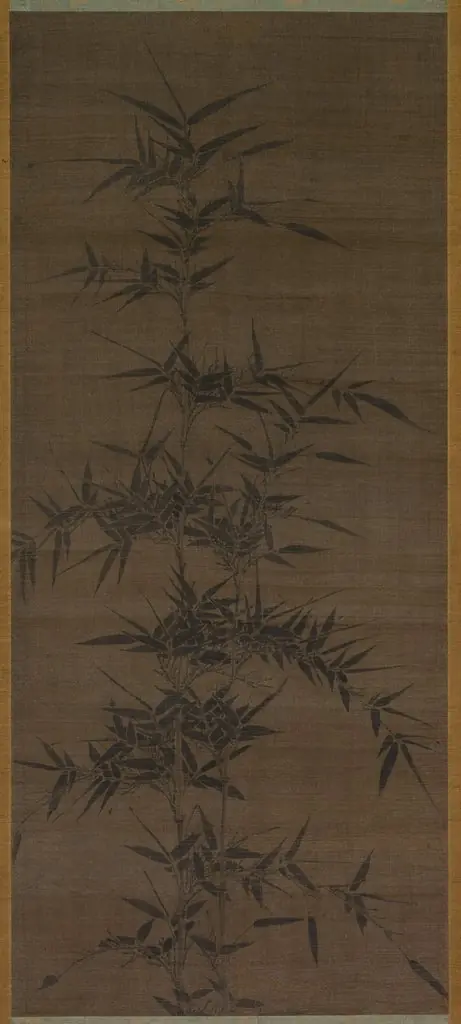
The work consists of two vertically oriented scrolls placed side by side. Each scroll is divided into three horizontal zones: a dark blue band at the top, a central band of muted brown, and a matching dark blue band at the bottom. The central area contains sparse, linear depictions of bare branches bearing small white blossoms, set against an otherwise empty background.
Subject & Meaning
The composition focuses on the seasonal emergence of plum blossoms, a motif traditionally associated with early spring and renewal. By isolating the delicate flowers on stark branches, the artist emphasizes the fleeting beauty of the blossoms and the quiet transition from winter’s bareness to the promise of growth.
Technique & Style
The blossoms and branches are rendered with fine ink-like lines, suggesting a brushwork that mimics calligraphic strokes. The limited palette, primarily muted brown and deep blue, creates a restrained visual field, allowing the white flowers to become the focal points. The scrolls’ weathered edges and subtle surface wear convey an aged, archival quality.
Context
The piece aligns with East Asian ink painting traditions that celebrate natural subjects through minimal composition. The use of hanging scrolls as a format reflects a historical practice of displaying artworks in domestic or ceremonial settings, where the viewer could appreciate the subtle interplay of line, space, and seasonal symbolism.
Artist & collection