Artwork
Fei Jiang-fang with a Crane
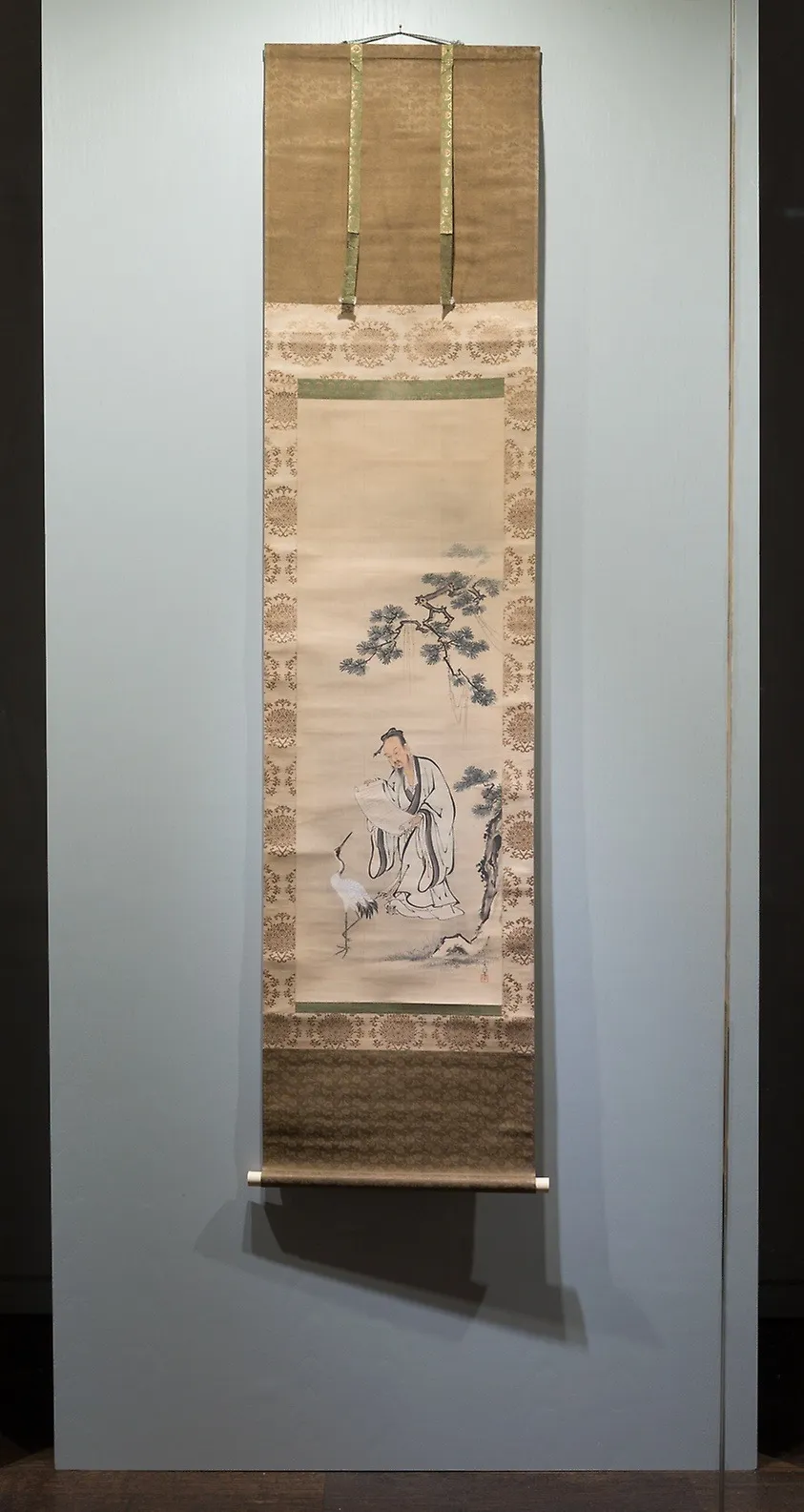
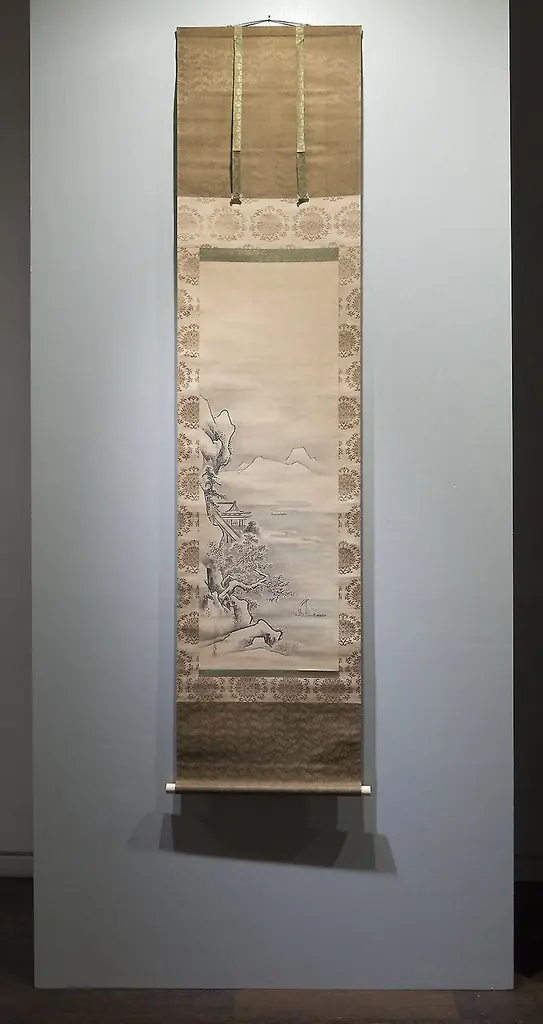
Fei Jiang-fang with a Crane is an ink painting by the Kanō school artist Kano Shigenobu. It dates from 1674 and is held in the collection of the Art Institute of Chicago.
About this work
Overview
Fei Jiang-fang with a Crane, a 1674 ink painting by Kano Shigenobu, depicts a serene scene of a robed figure and a crane. Part of the Art Institute of Chicago's collection, the work showcases the artist's use of ink to convey tranquility and subtle detail.
Subject & Meaning
The painting portrays Fei Jiang-fang, a figure likely drawn from Chinese literature or legend, in contemplative interaction with a crane, symbol of longevity and wisdom. The crane, poised on one leg as if about to fly, may suggest the transient nature of moments of connection.
Technique & Style
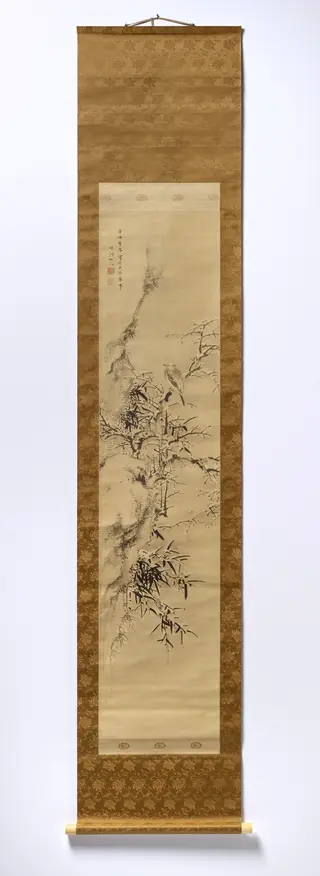
Executed in ink, the piece features a light-toned background with expressive darker ink patterns. A tree branch with leaves behind the figure and the crane's poised stance demonstrate Shigenobu's mastery of suggestive, nuanced brushwork characteristic of Japanese ink painting traditions.
History & Provenance
Created in 1674 by Kano Shigenobu, a prominent artist of the Kano school, the painting is now part of the Art Institute of Chicago's collection, though the path of its acquisition is not detailed here.
Context
This work reflects the cross-cultural influences of 17th-century Japanese art, incorporating elements from Chinese themes and subjects while maintaining a distinctly Japanese aesthetic through its technique and composition.
Artist & collection
Artist
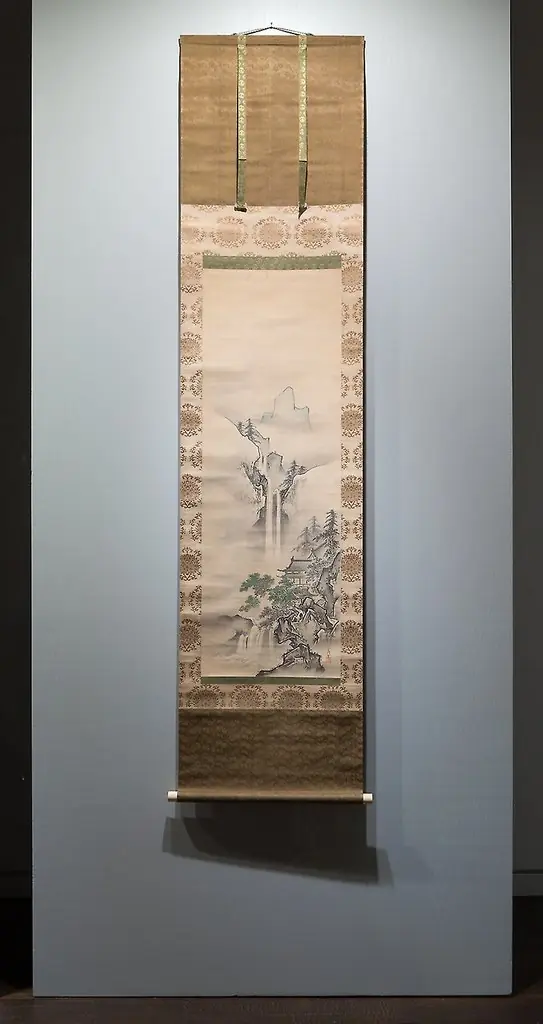
Kano Shigenobu painted ink landscapes and figures in 17th-century Japan. His brush traced scenes like The Poet Du Fu Riding a Donkey and ink scrolls such as Landscape with Waterfall. Look for his crane-and-scholar…