Artwork
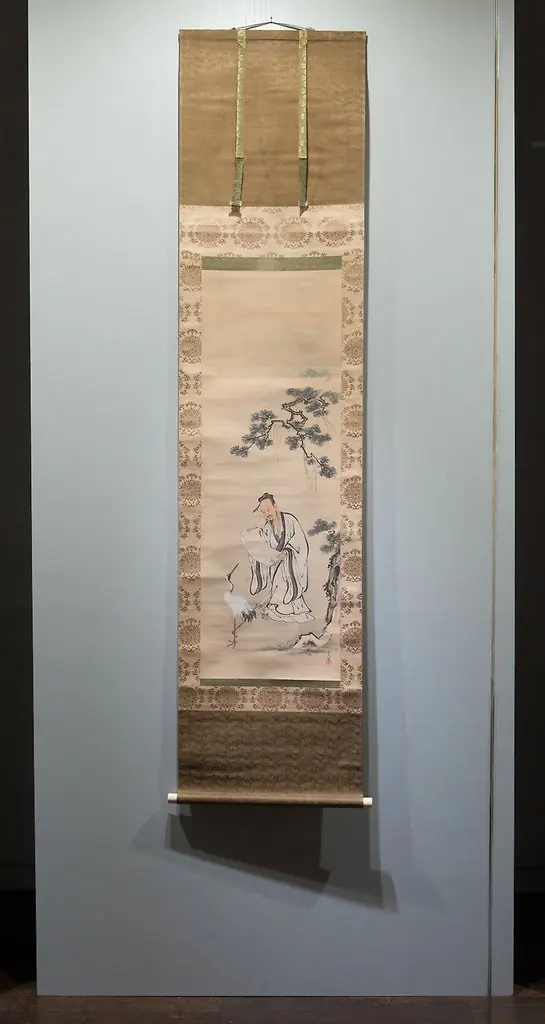
Fei Jiang-fang with a Crane
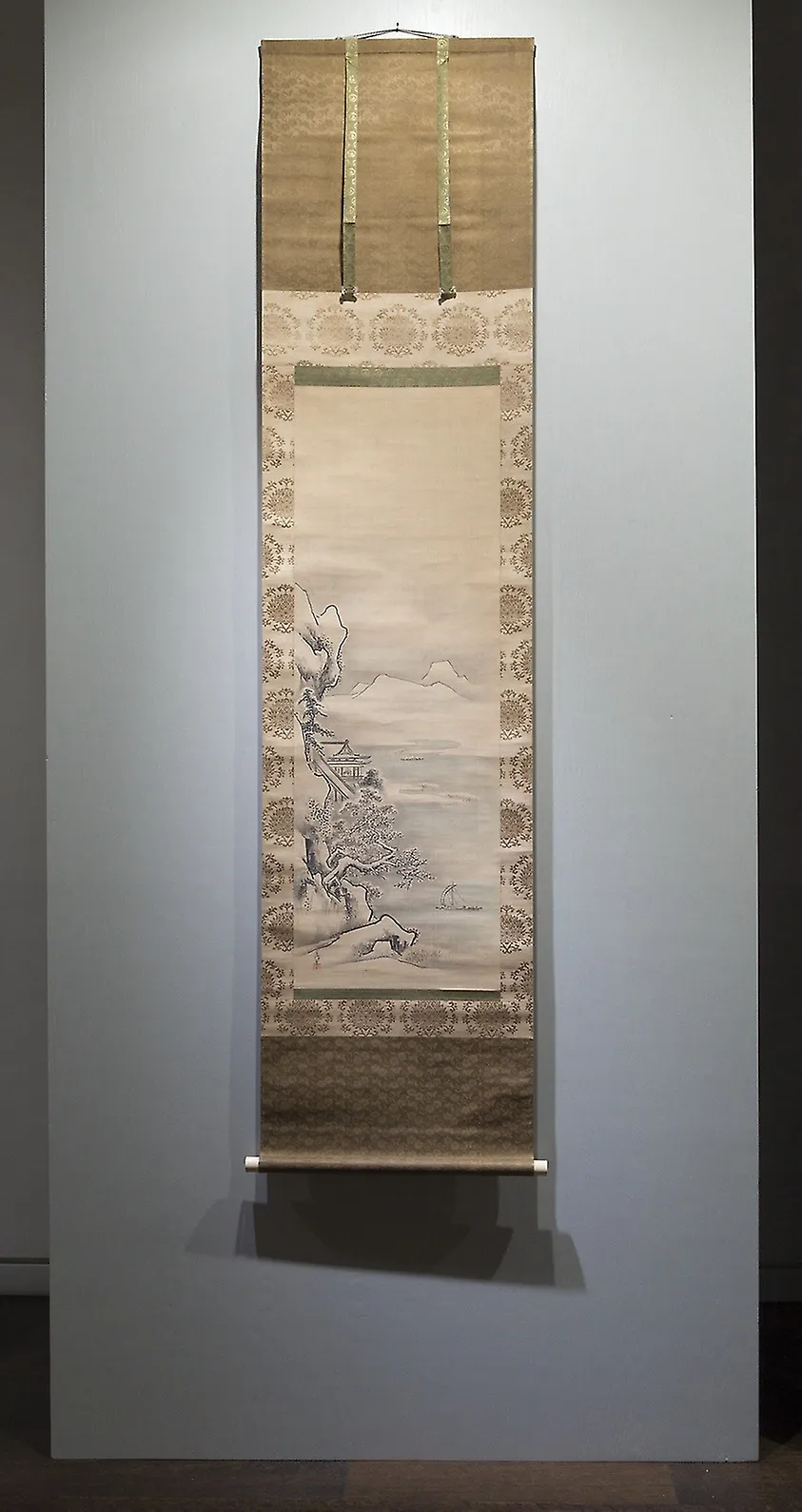
Fei Jiang-fang with a Crane is an ink painting by the Kanō school artist Kano Shigenobu. It dates from 1674 and is held in the collection of the Art Institute of Chicago.
About this work
Overview
Executed in monochrome ink, the work exemplifies the Kano school’s refined approach to natural subjects, blending observational detail with restrained elegance.
Created in 1674 by Kano Shigenobu, this ink painting depicts a solitary figure beside a bare tree, accompanied by a crane perched above. Executed in monochrome ink, the work exemplifies the Kano school’s refined approach to natural subjects, blending observational detail with restrained elegance. It resides in the collection of the Art Institute of Chicago, where it is valued for its quiet composition and technical precision.
Subject & Meaning
The figure, dressed in traditional attire, stands calmly beneath a crane, a symbol of longevity and spiritual transcendence in East Asian culture. The barren tree suggests winter or transition, reinforcing themes of endurance and quiet contemplation. The crane’s poised presence implies a harmonious bond between human and nature, reflecting Daoist and Zen ideals of stillness and balance within the natural world.
Technique & Style
Shigenobu employs ink washes and controlled brushwork to define form with minimal strokes. Bold outlines structure the figures and tree, while subtle gradations of tone model volume and texture. The crane’s feathers are rendered with delicate, layered lines, and the tree’s bare branches convey movement through rhythmic, angular sweeps. The composition avoids ornamentation, emphasizing the expressive potential of ink alone.
History & Provenance
Painted during the early Edo period, the work reflects the Kano school’s dominance in Japanese court and elite patronage. It entered the Art Institute of Chicago’s collection through documented acquisitions in the 20th century, likely from a private Japanese collection. Its preservation in good condition allows for continued study of Kano workshop practices and 17th-century ink aesthetics.
Context
Kano Shigenobu worked within a lineage of painters serving the Tokugawa shogunate, blending Chinese ink traditions with Japanese sensibilities. This piece aligns with contemporary trends favoring poetic restraint over decorative flourish. Similar subjects, figures with cranes, solitary trees, appear in other Kano works, indicating a recurring thematic vocabulary tied to scholarly and spiritual ideals of the era.
Legacy
The painting contributes to the broader understanding of Edo-period ink painting as a vehicle for introspection rather than spectacle. It exemplifies how the Kano school maintained classical Chinese models while adapting them to Japanese aesthetic values. Its presence in a major Western institution underscores its role in cross-cultural appreciation of East Asian monochrome painting traditions.
Artist & collection
Artist
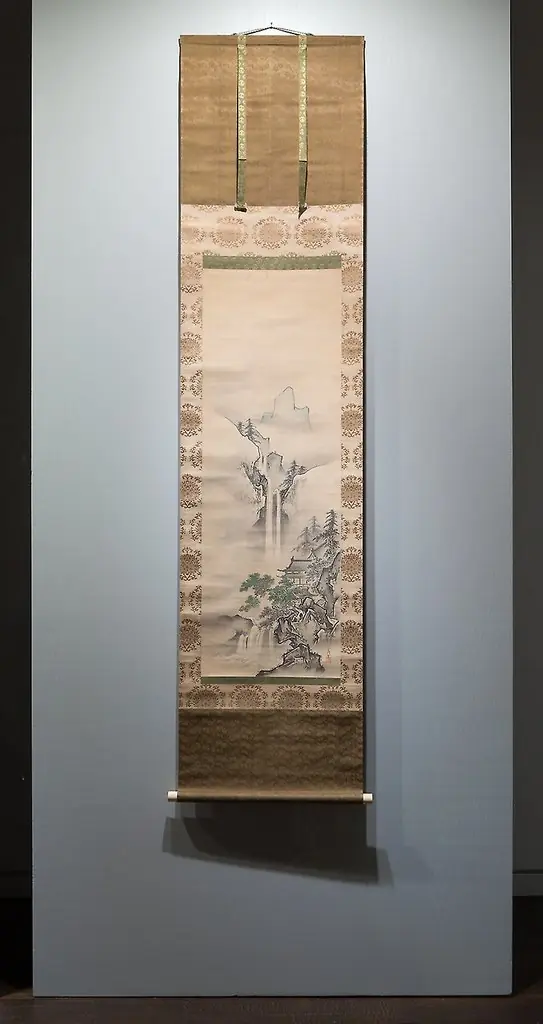
Kano Shigenobu painted ink landscapes and figures in 17th-century Japan. His brush traced scenes like The Poet Du Fu Riding a Donkey and ink scrolls such as Landscape with Waterfall. Look for his crane-and-scholar…