Artwork
John Isham
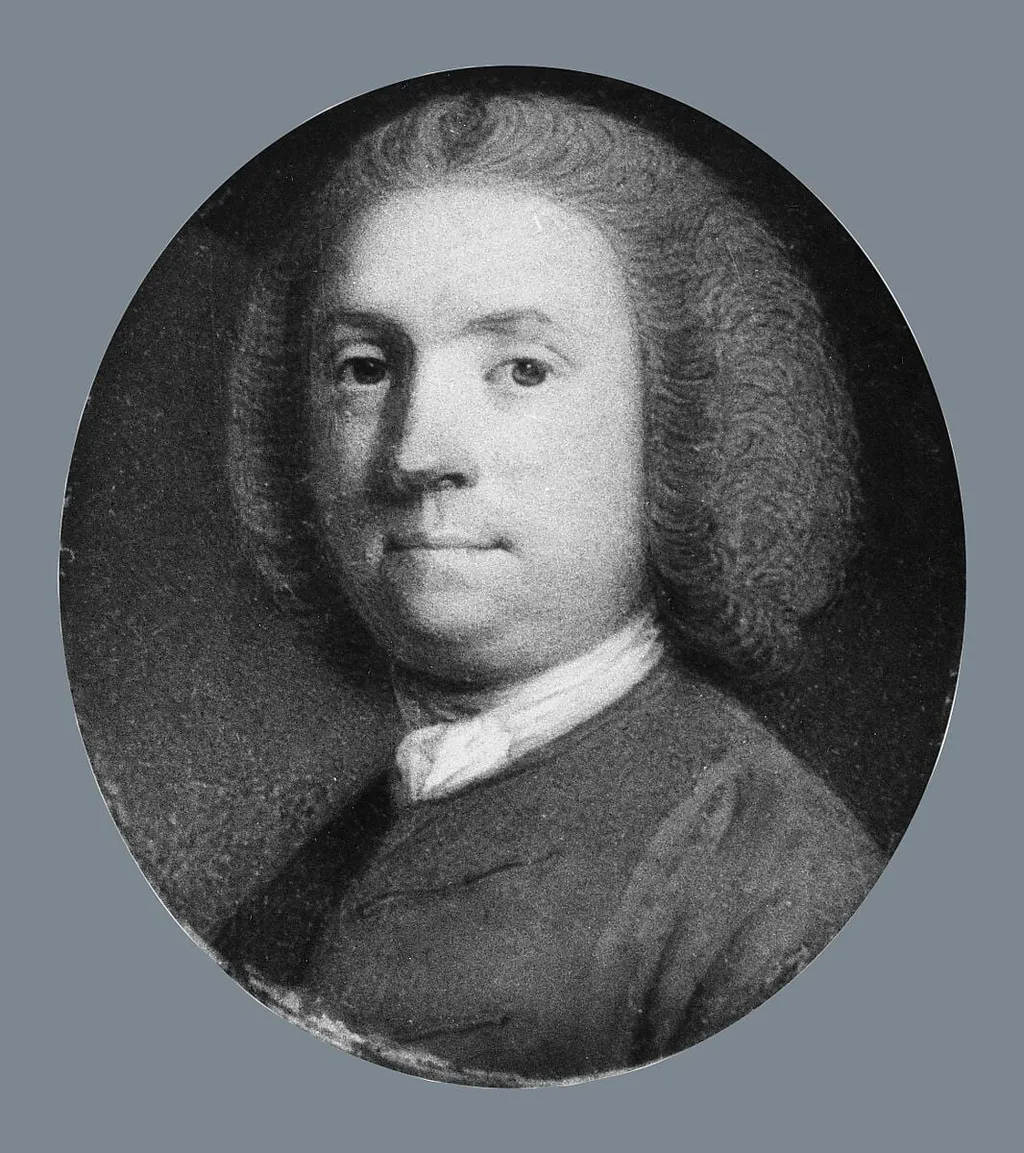
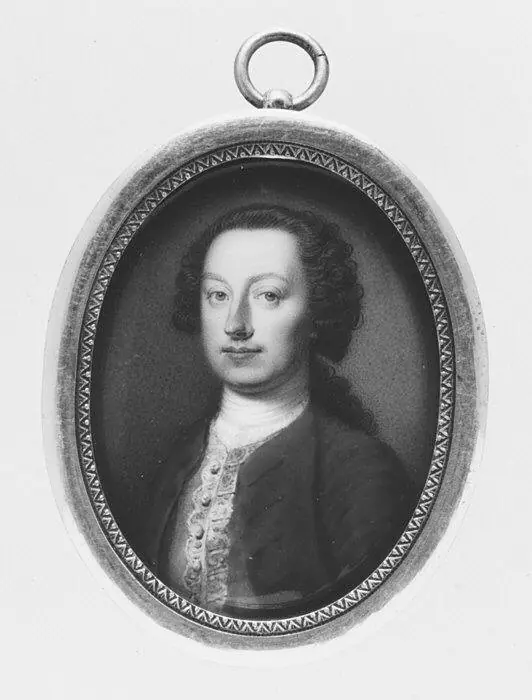
John Isham is a watercolor painting. It dates from 1750 and is held in the collection of the Metropolitan Museum of Art.
About this work
Watercolor on ivory was common for keepsake portraits, people carried them like photos.
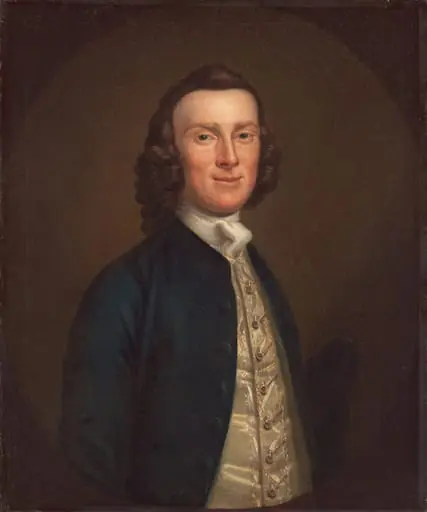
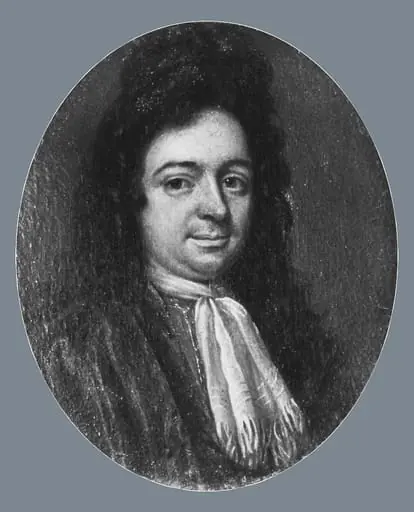
A man in a dark coat looks straight at you, his face lit softly. The background is plain brown, so your eyes stay on his calm expression.
This tiny painting is on ivory, not paper. Watercolor on ivory was common for keepsake portraits, people carried them like photos. The artist is unknown, but the work feels personal, like a quiet hello from 1750.
To see more small portraits like this, look up the subject portrait.
Technique & Style
Executed in watercolor on ivory, the portrait is rendered with fine, controlled brushwork typical of miniature painting on the support. The handling favors delicate modeling of facial features and costume details, with a restrained palette and subtle glazes to suggest three-dimensional form. The oval format and intimate scale (3.3 × 3 cm) align with eighteenth-century British miniature conventions. No losses or significant abrasions are recorded, suggesting the work remains in stable condition.
History & Provenance
The watercolor portrait of an unidentified man, dated to 1750, is held in the collection of the Metropolitan Museum of Art. Classified within The American Wing, the work is executed in watercolor on ivory and measures 3.3 inches in height by 3 inches in width. While the specific accession number is not detailed in the available records, the piece is cataloged as an anonymous painting from the mid-18th century.
The provided sources do not contain information regarding a specific exhibition history for this artwork, nor do they list prior ownership or provenance details beyond its current institutional location in New York.
Context
An anonymous portrait dating to 1750, executed in watercolor on ivory, exemplifies early American portraiture within the Colonial Atlantic world. The work, measuring approximately 3.3 × 3 inches, depicts a seated male sitter and is catalogued as a portrait in The American Wing of the Metropolitan Museum of Art. Its inclusion in the museum’s collection highlights the institutional interest in preserving 18th‑century visual culture and provides a rare surviving example of medium‑specific experimentation in colonial America.
Scholarship on the piece remains sparse, but its stylistic analysis contributes to broader discussions of identity and representation in pre‑revolutionary American art.
Overview
This miniature portrait, titled John Isham, depicts a man in a dark coat, his gaze directed forward. Executed in watercolor on a small ivory support, the artwork features a softly illuminated face against a simple brown background. The intimate scale and direct presentation contribute to a personal feel, characteristic of portraits from the mid-18th century.
Subject & Meaning
The portrait presents John Isham with a calm, composed expression, his features gently highlighted. His dark attire is understated, ensuring that the viewer's attention remains on his face. Such miniature portraits often served as personal mementos, intended for private viewing or to be carried by loved ones, embodying a direct and intimate form of communication across time.
Artist & collection