Artwork
Portrait of a Gentleman
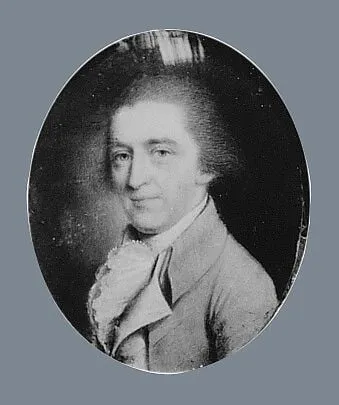
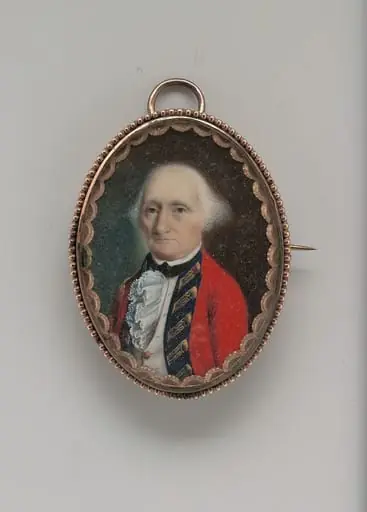
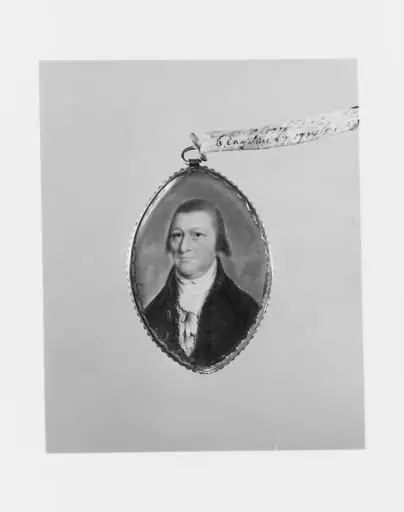
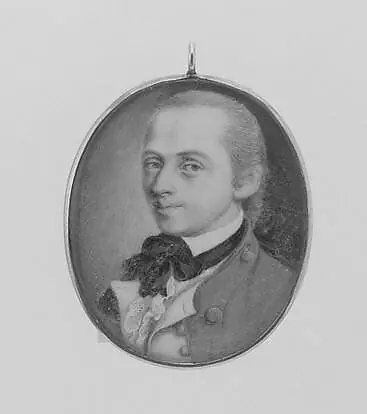
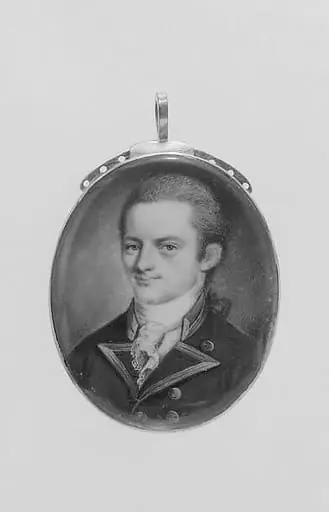
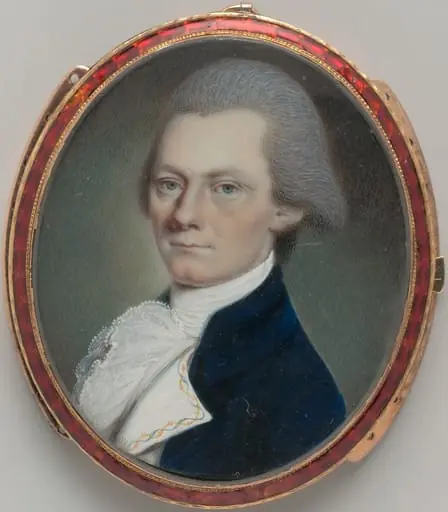
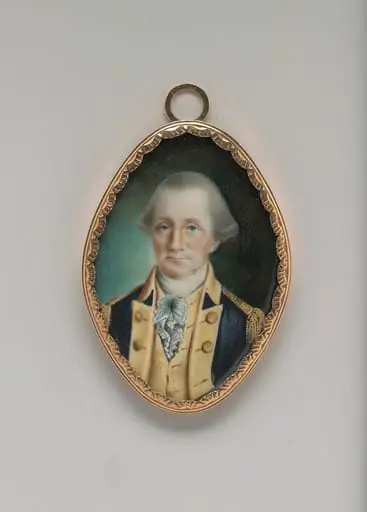
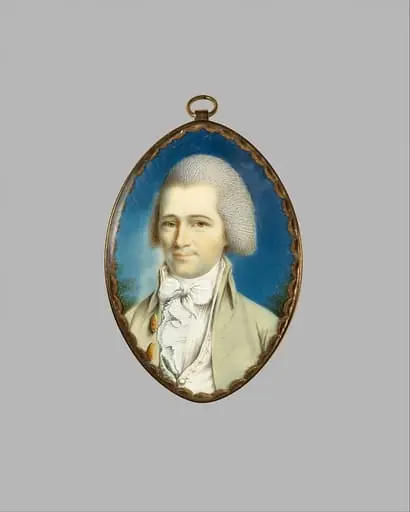
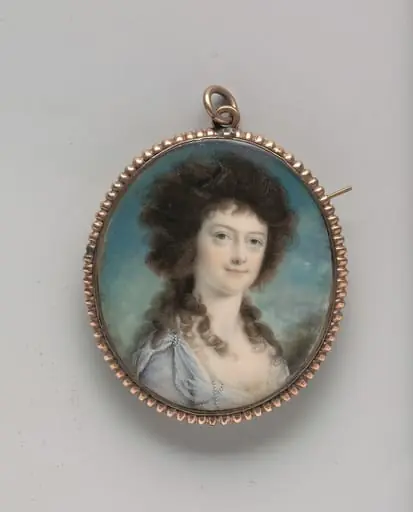
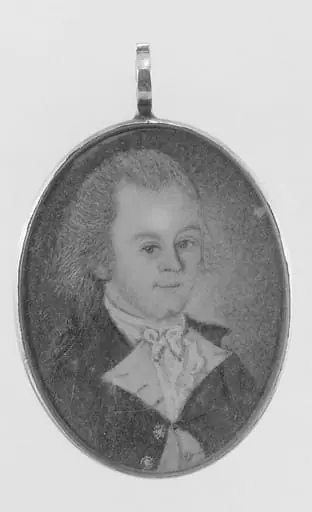
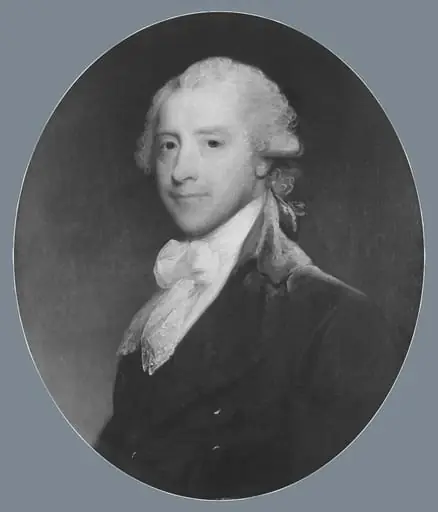
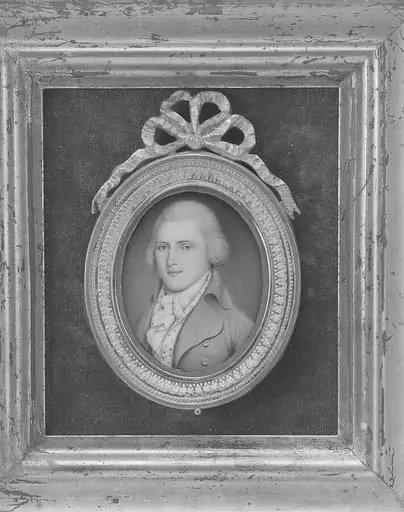
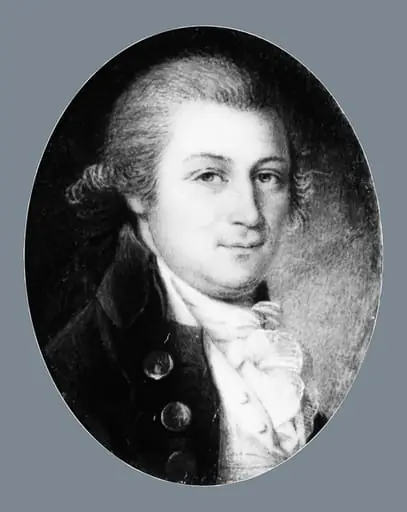
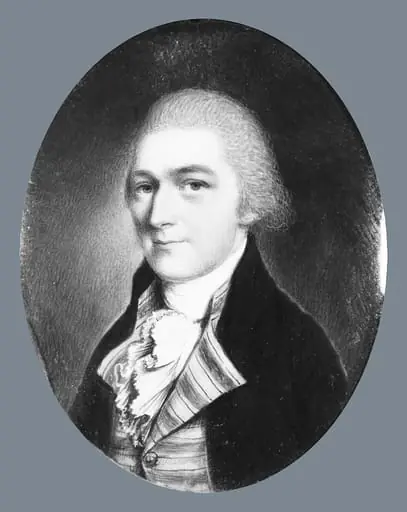
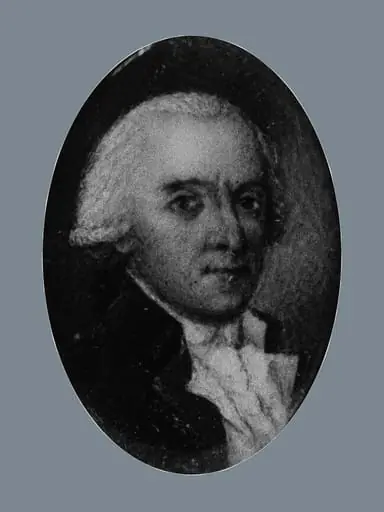
Portrait of a Gentleman is a watercolor painting by the American Folk Art artist John Ramage. It dates from 1790 and is held in the collection of the Metropolitan Museum of Art.
About this work
Technique & Style
The artist's handling of the watercolor medium on the ivory surface creates a refined, intimate depiction of a male subject.
Executed in 1790, this portrait by John Ramage is distinguished by its use of watercolor applied to an ivory support. The work measures 4.4 by 3.4 units, a format characteristic of miniature portraiture on this delicate material. The artist's handling of the watercolor medium on the ivory surface creates a refined, intimate depiction of a male subject.
While the piece is classified within the American Wing of the Metropolitan Museum of Art, its physical properties define it as a small-scale watercolor painting rather than a large oil canvas. The choice of ivory as a support medium was typical for high-status portraiture of the late eighteenth century, allowing for fine detail and luminosity in the facial features.
History & Provenance
Created in 1790, this miniature watercolor on ivory is attributed to the artist John Ramage. The work, which depicts an unidentified male subject, entered the collection of the Metropolitan Museum of Art, where it is currently held within the American Wing. While the specific original commissioner and the detailed ownership chain prior to its museum acquisition are not specified in the available records, the piece is firmly dated to the final decade of the eighteenth century.
The physical dimensions of the ivory support are recorded as approximately 4.4 by 3.4 units. The artwork remains classified as a portrait genre piece within the institution's holdings.
Overview
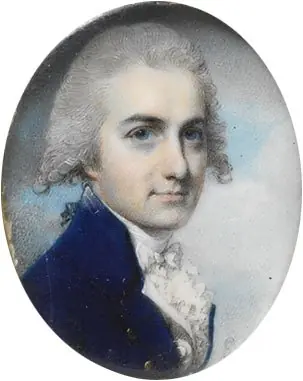
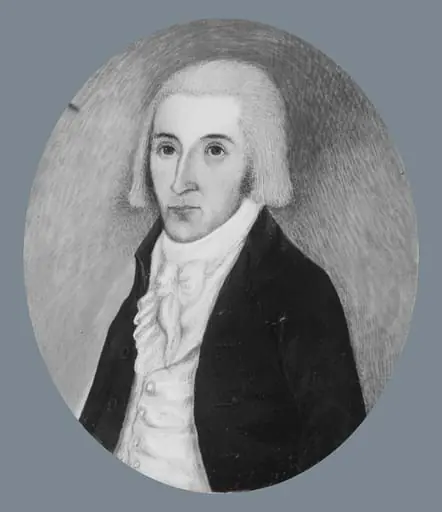
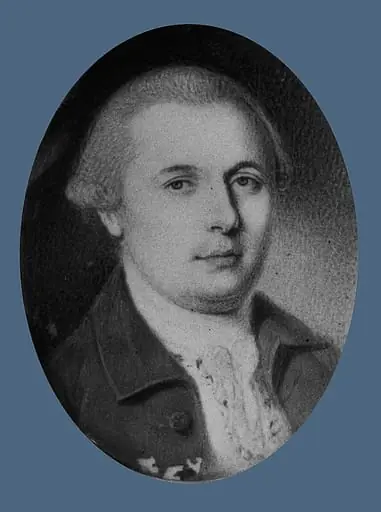
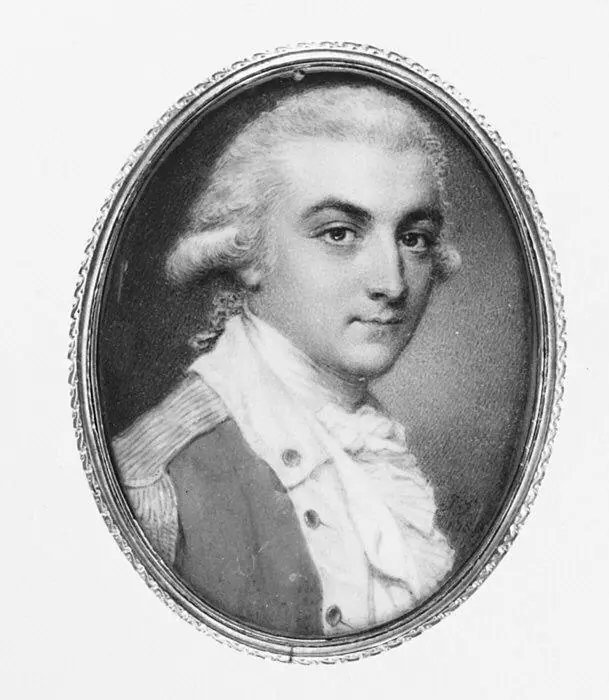
This Portrait of a Gentleman, created around 1790 by the Irish-born American artist John Ramage, is a watercolor miniature on ivory. It depicts a formally dressed man, his face measuring only two inches tall, looking directly at the viewer. Such small-scale portraits were often intended to be worn or carried, serving as personal mementos.
Ramage was a prominent figure in early American art, particularly recognized for his skill in this specialized format.
Subject & Meaning
The miniature presents a gentleman in a dark coat and white cravat, his gaze direct and composed. These intimate portraits served as personal keepsakes, often worn close to the body, much like a locket. The formal attire and direct presentation align with the conventions of late 18th-century portraiture, reflecting the sitter's status and the era's aesthetic preferences for dignified representation.
Context
John Ramage, an artist and goldsmith originally from Ireland, established himself in America, becoming a notable practitioner of miniature painting. This work was created shortly after the American Revolution, a period when such European artistic skills were being cultivated in the new nation. Ramage's reputation was further solidified by his distinction as the first artist to paint George Washington following his presidency.
Artist & collection

Artist
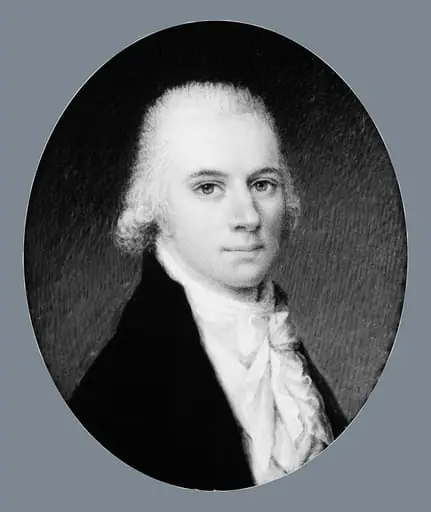
John Ramage (1748 – 24 October 1802) was an Irish American artist, goldsmith, patroller, and second lieutenant.