Artwork
John Stevens (?)
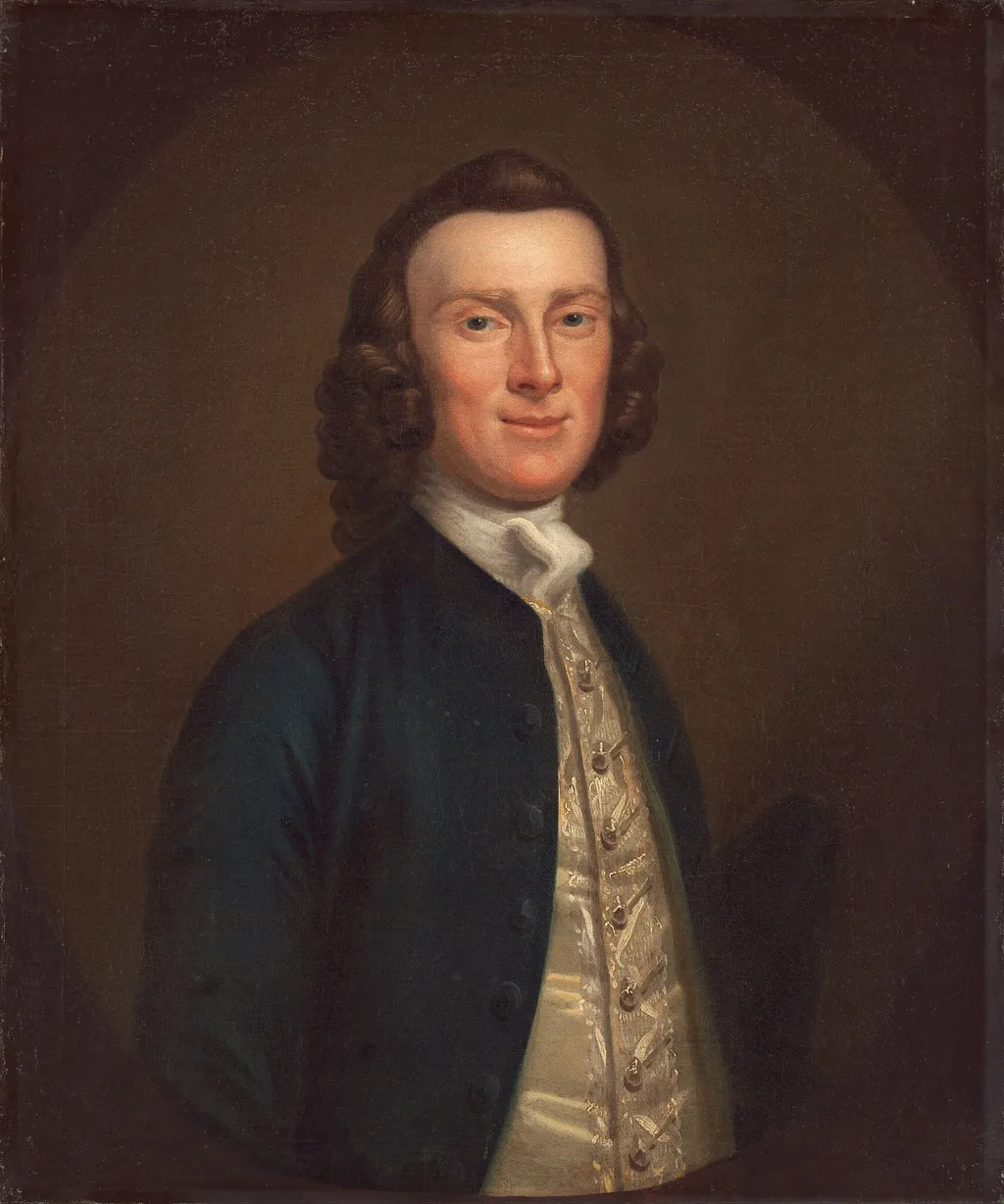
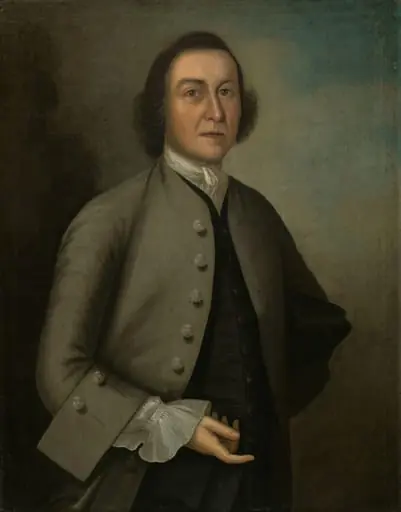
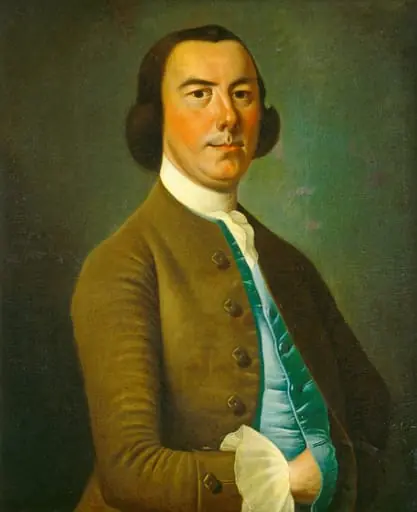
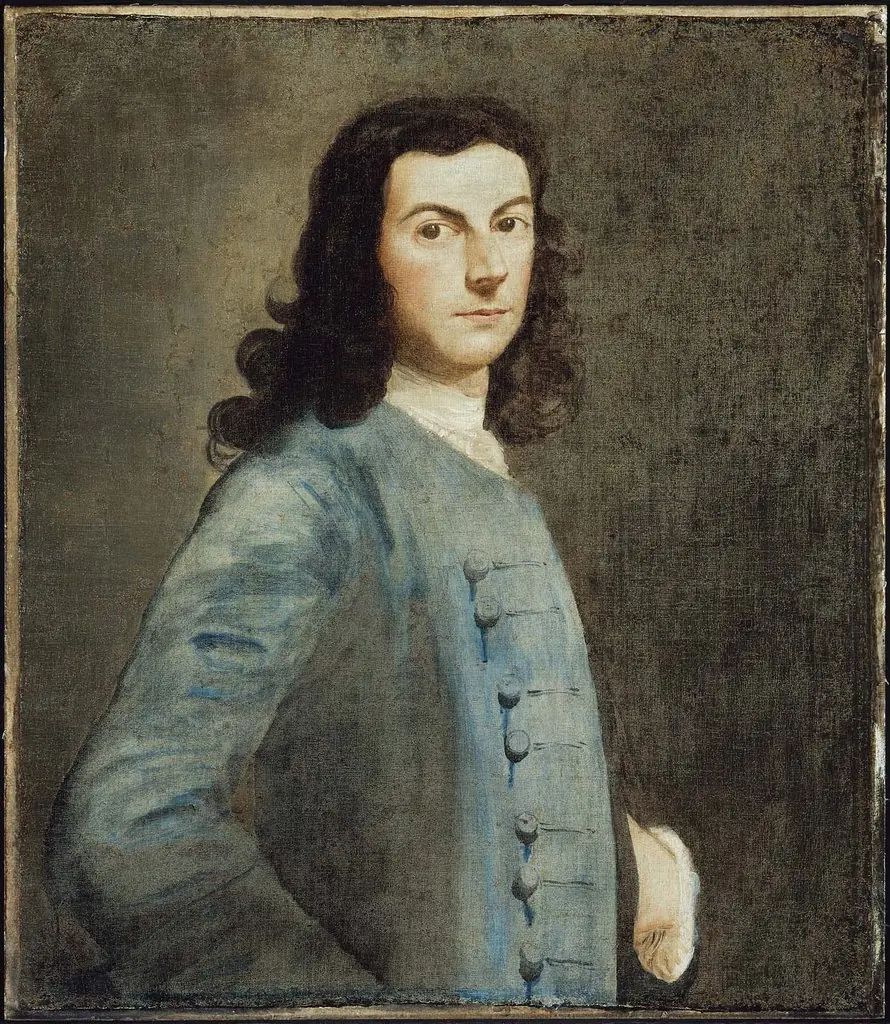
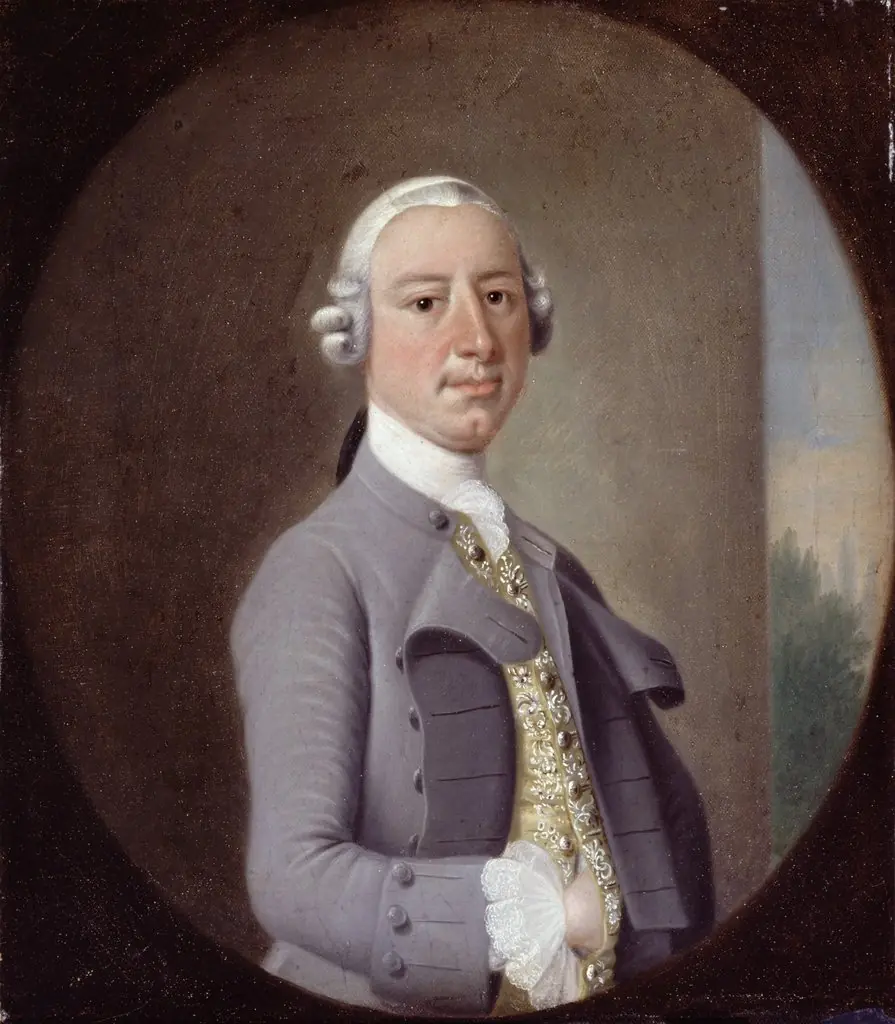
John Stevens (?) is an oil painting by the Baroque artist John Wollaston. It dates from 1750 and is held in the collection of the National Gallery of Art. This oil on canvas painting, titled John Stevens (?
About this work
Subject & Meaning
As a portrait, the work functions to record the subject's appearance and convey his social standing within the conventions of 18th‑century portraiture.
The painting titled John Stevens (?), executed by John Wollaston the Younger in 1750, portrays the sitter identified as John Stevens. As a portrait, the work functions to record the subject's appearance and convey his social standing within the conventions of 18th‑century portraiture. The depiction follows typical compositional practices of the period, emphasizing realistic rendering of clothing and posture to suggest the sitter's profession or status.
The painting's provenance, from the Clarke collection to the National Gallery of Art, underscores its institutional recognition as an example of early American portraiture.
Technique & Style
The painting is an oil on canvas portrait created circa 1750. It is executed in oil paint on a canvas support, a technique typical of 18th‑century portraiture, and measures 76.5 cm by 63.6 cm. The work is classified as a portrait and belongs to the National Gallery of Art’s collection, reflecting its provenance from the Andrew W. Mellon collection. These attributes are documented in the National Gallery of Art’s collection records. Its formal qualities align with the portrait genre, presenting the sitter in a straightforward composition.
History & Provenance
John Stevens (?) is an oil on canvas portrait by John Wollaston dated 1750. Its documented provenance begins with C.K. Johnson of Greenwich, Connecticut, who sold the work on 15 October 1925 to the New York collector Thomas B. Clarke [1848–1931]. Clarke's two letters from Johnson dated 5 and 12 October 1925 offered the portrait without an attribution to Wollaston, and the seller and purchase date are recorded in an annotated copy of the 1928 Philadelphia Museum of Art exhibition catalogue for Clarke's collection held in NGA curatorial records.
Following Clarke's death, the painting was sold as part of the Clarke collection on 29 January 1936 through M. Knoedler & Co., New York, to The A.W. Mellon Educational and Charitable Trust in Pittsburgh. The Trust later gave the painting to the National Gallery of Art in 1947, where it remains in the Andrew W. Mellon Collection.
No commission information is recorded in the available sources.
John Stevens (?) is held by the National Gallery of Art in Washington, D.C., as part of the Andrew W. Mellon Collection. It came to the gallery as a 1947 gift from The A.W. Mellon Educational and Charitable Trust of Pittsburgh, which had acquired it through M. Knoedler & Co., New York, on 29 January 1936 as part of the Thomas B. Clarke collection sale. Clarke's estate had held the painting since Clarke purchased it on 15 October 1925 from C.K. Johnson of Greenwich, Connecticut.
Two letters from Johnson to Clarke, dated 5 October 1925 and 12 October 1925, offered the portrait without an attribution to Wollaston. The provenance is documented in a copy of the 1928 Philadelphia Museum of Art exhibition catalogue, Paintings by Early American Artists of the Seventeenth, Eighteenth and Nineteenth Centuries Collected by Thomas B. Clarke, annotated with information from the files of M. Knoedler & Co. and held in NGA curatorial records and library.
The painting was exhibited at the Philadelphia Museum of Art in 1928 as part of that Clarke collection exhibition.
Context
John Stevens, attributed to John Wollaston the Younger, exemplifies mid‑eighteenth‑century American portraiture. The oil on canvas work, painted circa 1750, measures 76.5 × 63.6 cm and depicts a gentleman in a style characteristic of early colonial portraiture. Its provenance traces from the collection of C.K. Johnson in Greenwich, Connecticut, to Thomas B. Clarke, who acquired it in 1925, and subsequently entered the Andrew W. Mellon collection before being gifted to the National Gallery of Art in 1947.
The painting’s inclusion in the National Gallery’s holdings underscores its significance within the corpus of early American portraiture and reflects the broader transmission of colonial artworks into major museum collections.
Overview
This oil on canvas painting, titled John Stevens (?), was created around 1750 by the artist John Wollaston. The work is a portrait depicting an unidentified man, capturing his likeness with a direct gaze. As a painting from the mid-18th century, it exemplifies the period's approach to formal portraiture, focusing on the individual's presence and social standing through detailed rendering.
Own this work as a print
Artist & collection