Artwork
Judith with the Head of Holofernes
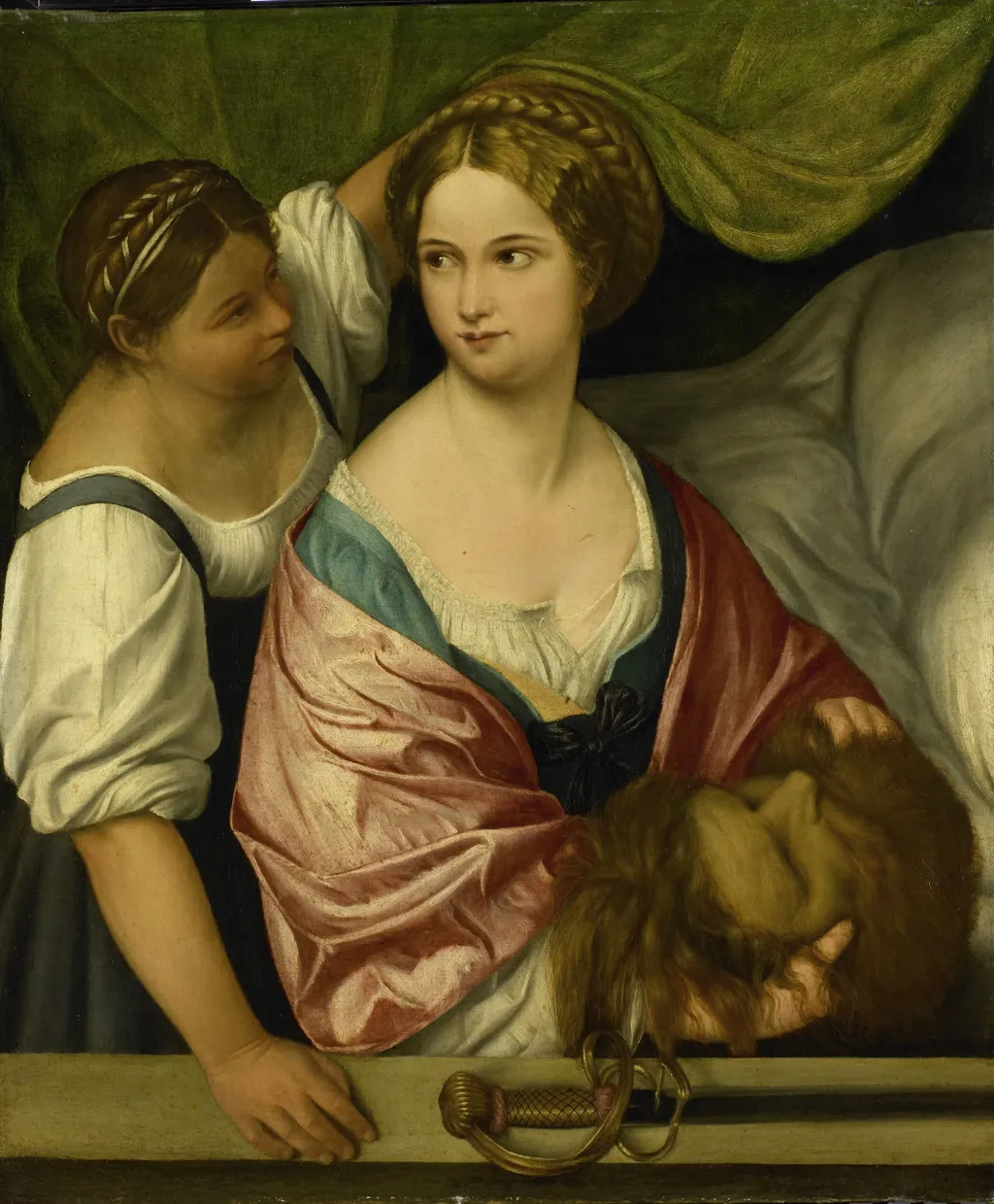
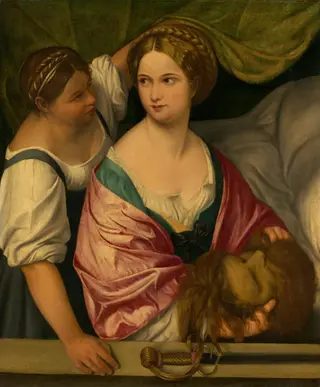
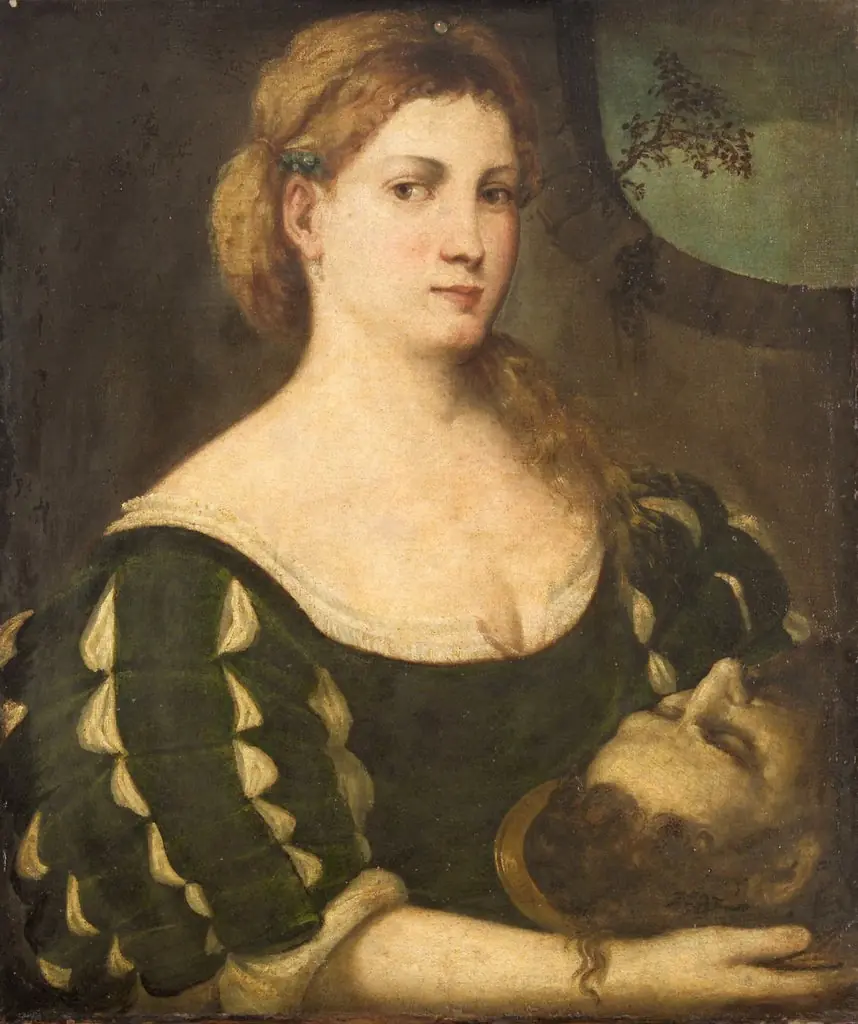
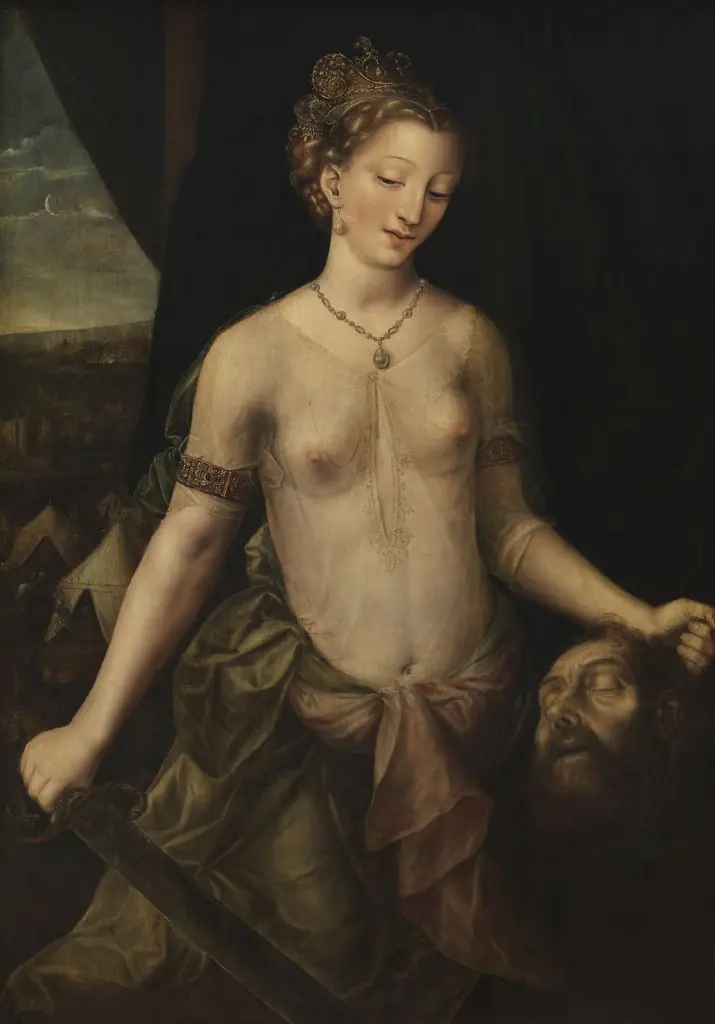
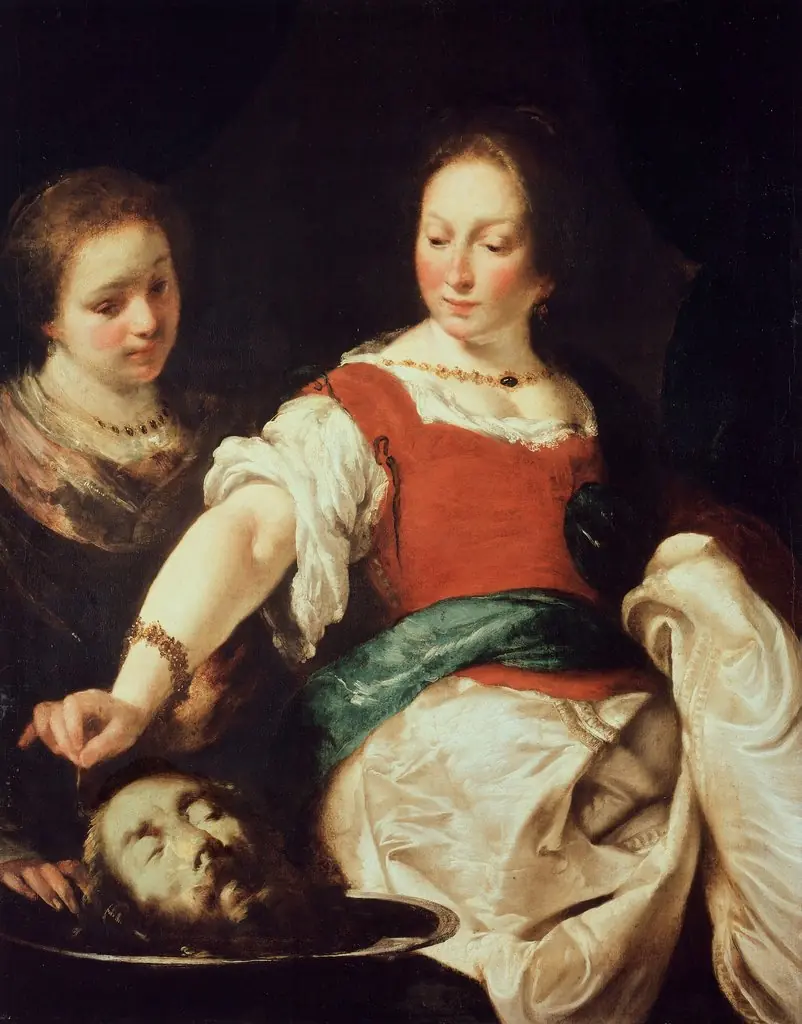
Judith with the Head of Holofernes is an oil painting. It dates from 1519 and is held in the collection of the Rijksmuseum. The oil painting depicts two women positioned closely together.
About this work
Subject & Meaning
Her act of decapitation symbolizes the triumph of virtue over tyranny and has been interpreted as an allegory of righteousness overcoming oppression.
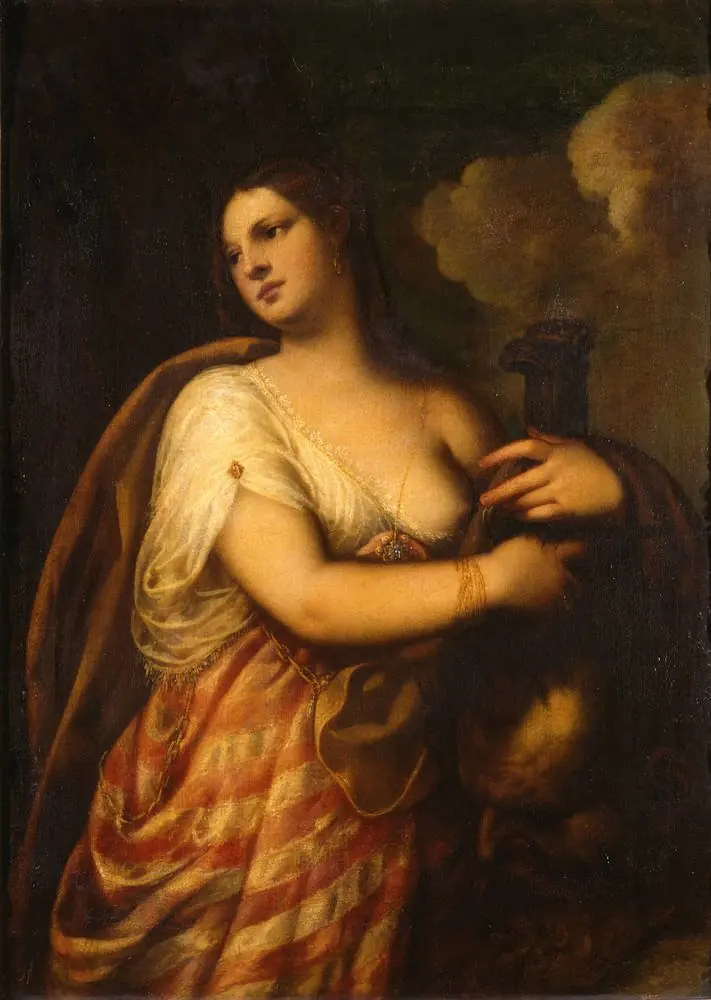
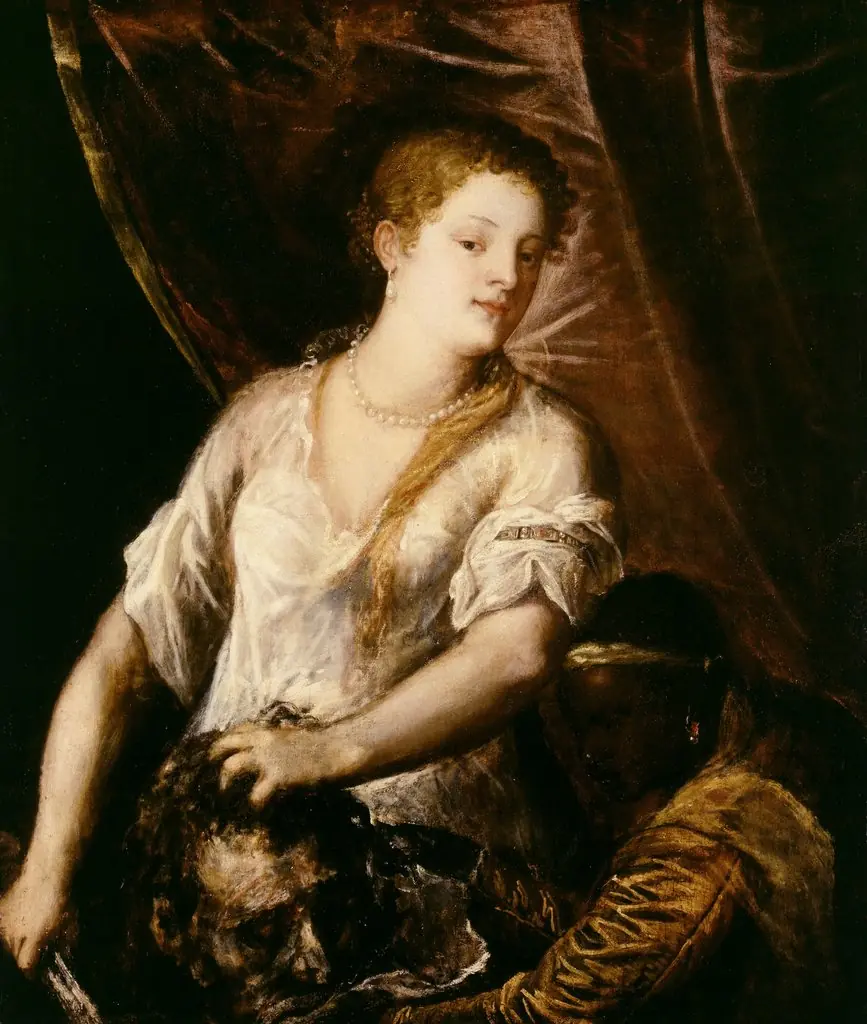
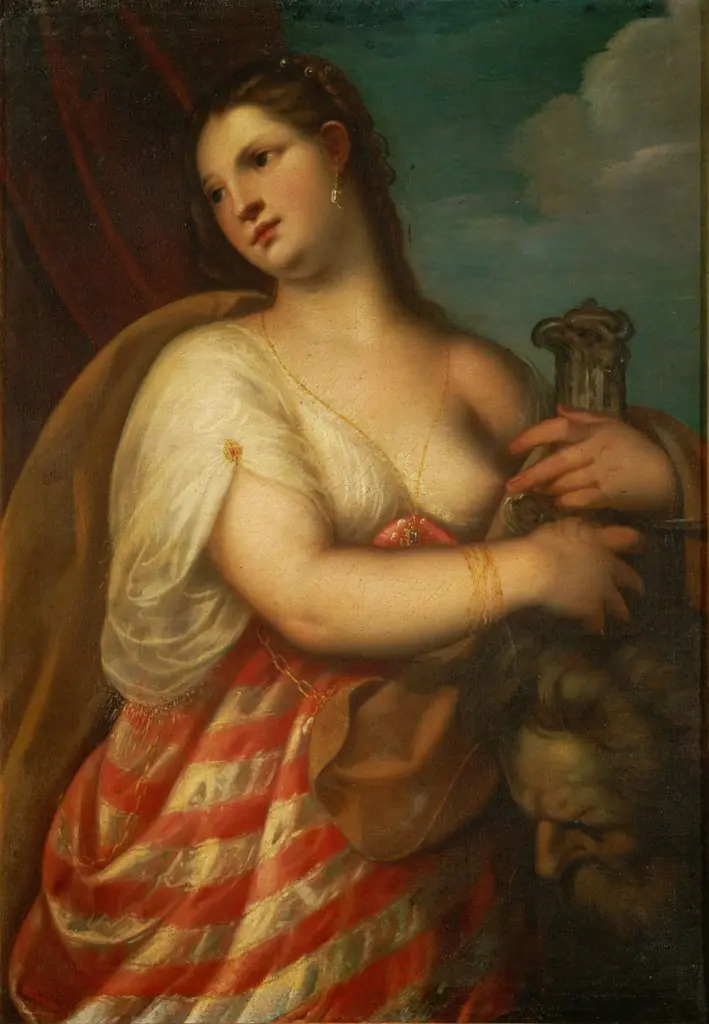
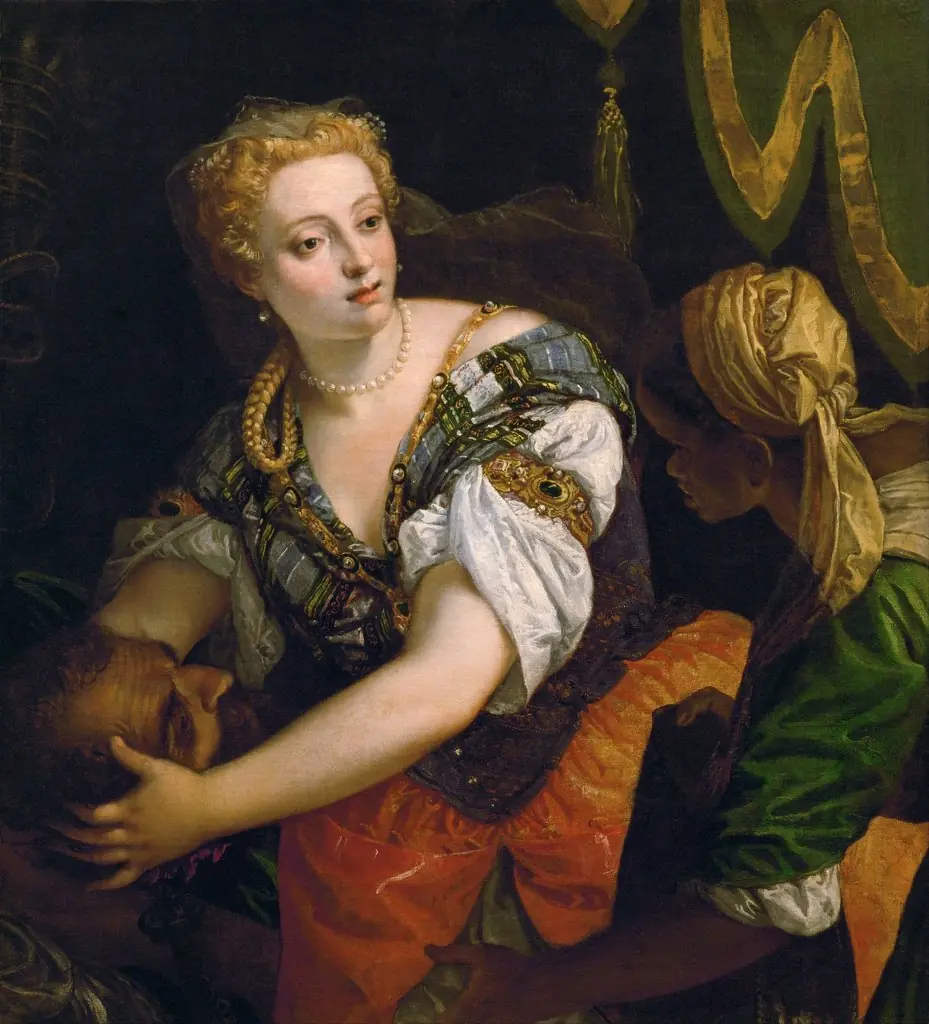
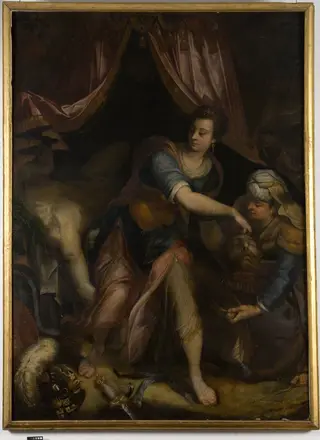
The painting portrays the biblical heroine Judith holding the severed head of the Assyrian general Holofernes, a moment drawn from the deuterocanonical Book of Judith. Her act of decapitation symbolizes the triumph of virtue over tyranny and has been interpreted as an allegory of righteousness overcoming oppression. The work was created by Pordenone in 1519 and is housed in the Rijksmuseum, where it is classified as a religious painting.
Technique & Style
Executed in oil paint on canvas, the work measures 103.5 cm in height and 86.5 cm in width. The handling aligns with early sixteenth-century Italian practice, employing fluid, broadly brushed passages for the drapery while maintaining tighter control in the rendering of the faces and the severed head. The composition is classified within the religious genre, centering on Judith's figure and the dramatic narrative of the decapitation.
History & Provenance
Judith with the Head of Holofernes is an oil painting on canvas created in 1519 by the artist known as Pordenone. The work depicts the biblical figure Judith holding the severed head of Holofernes and measures 103.5 cm in height by 86.5 cm in width. No specific details regarding the original commission or initial patron are provided in the available records.
The painting currently resides in the collection of the Rijksmuseum in Amsterdam, where it is classified as religious art. No specific inventory or accession number, nor exhibition history, is documented in the materials supplied.
Overview
The oil painting depicts two women positioned closely together. The figure on the right cradles a tightly wrapped bundle in her left arm, her expression composed, while a second woman leans forward, her hand resting on the first’s shoulder. The scene is rendered with a contrast of dark shadows and a soft illumination that isolates the figures from the surrounding space.
Context
Created as an oil painting, the work aligns with the tradition of biblical subjects popular in European art. Its focus on Judith reflects the enduring fascination with her story as a moral exemplar, a motif frequently revisited by painters seeking to explore virtue, sacrifice, and the complexities of female agency.
Artist & collection

- Judith with the Head of Holofernes
 Judith with the Head of Holofernes
 Judith with the Head of Holofernes
 Judith with the head of Holofernes
 Judith with the Head of Holofernes
 Judith with the Head of Holofernes
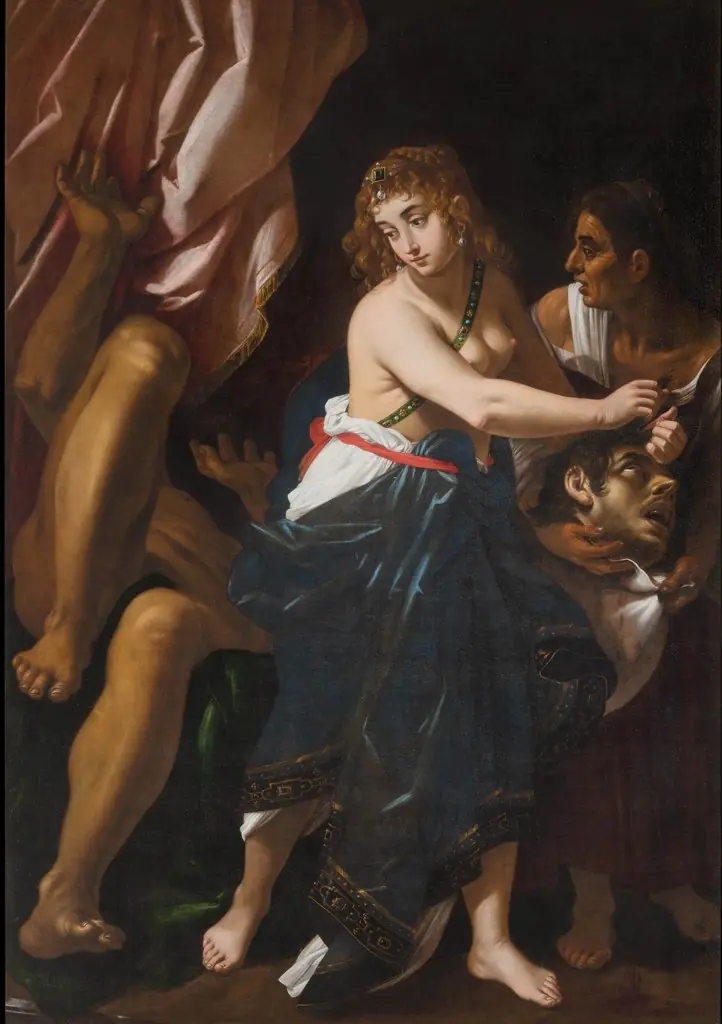 Judith and the Head of Holofernes
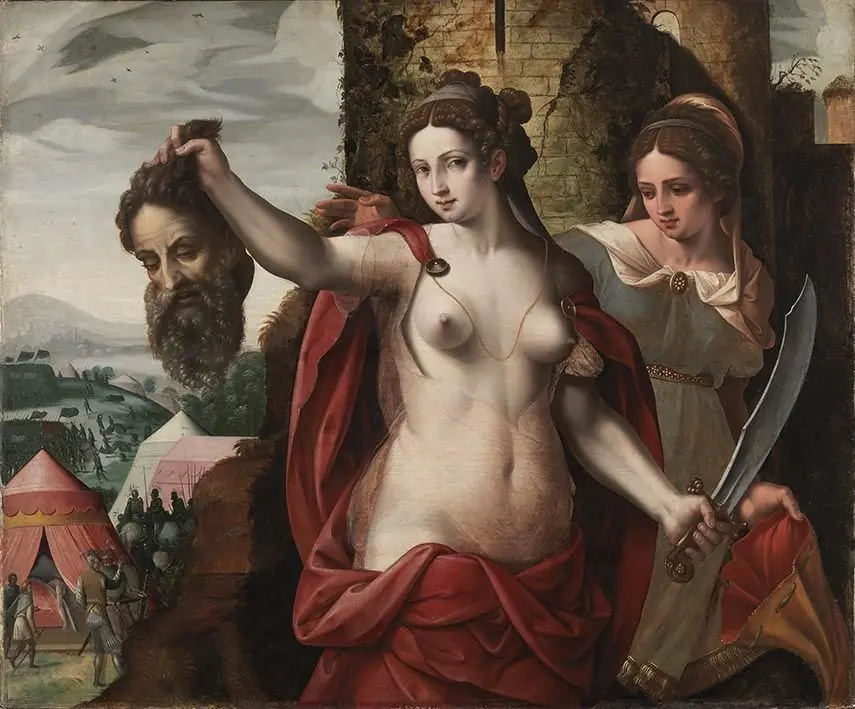 Judith with the Head of Holofernes
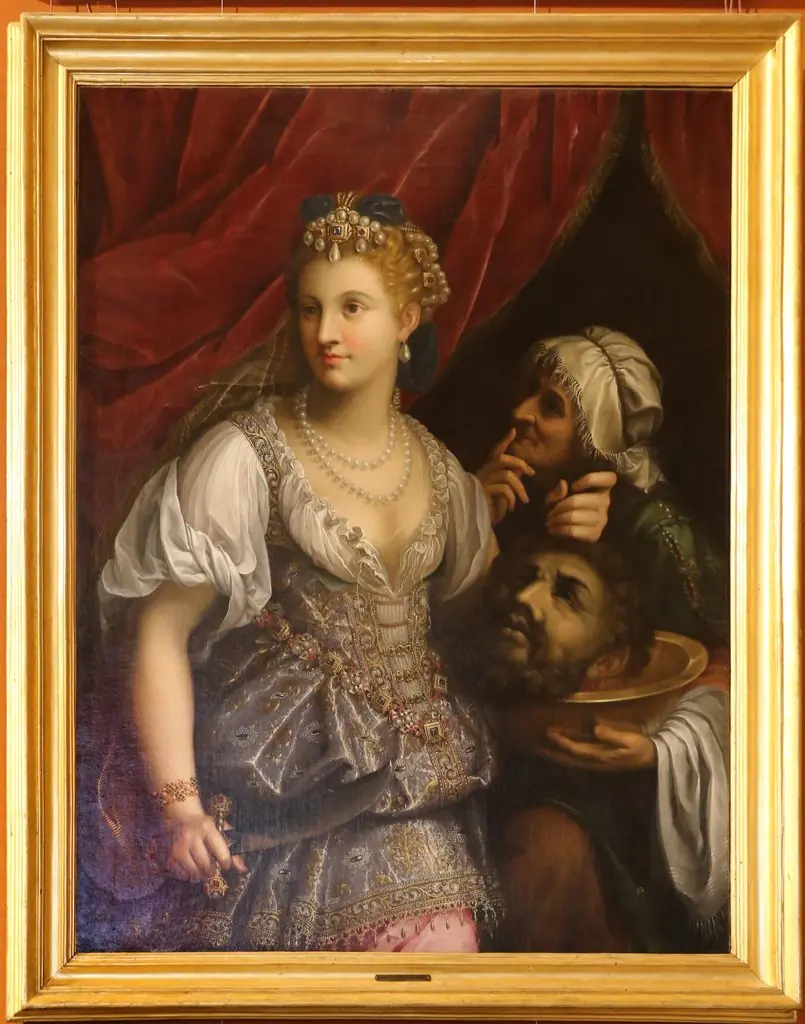 Judith with the Head of Holofernes
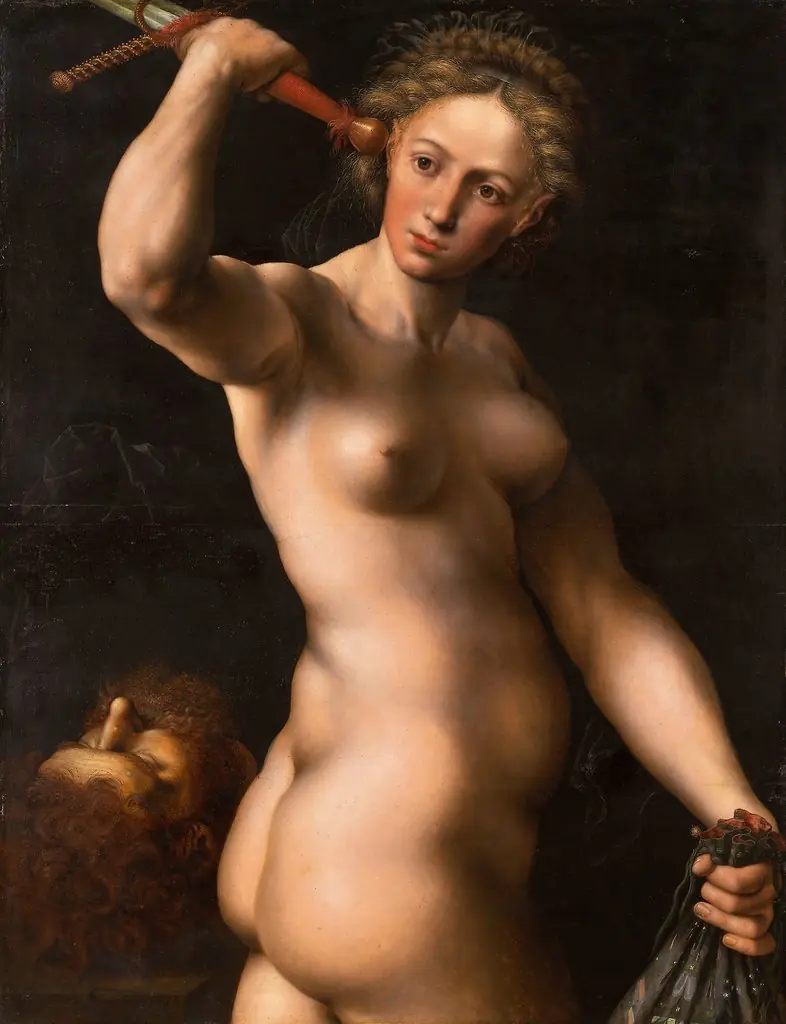 Judith with the Head of Holofernes