Artwork
Judith with the Head of Holofernes
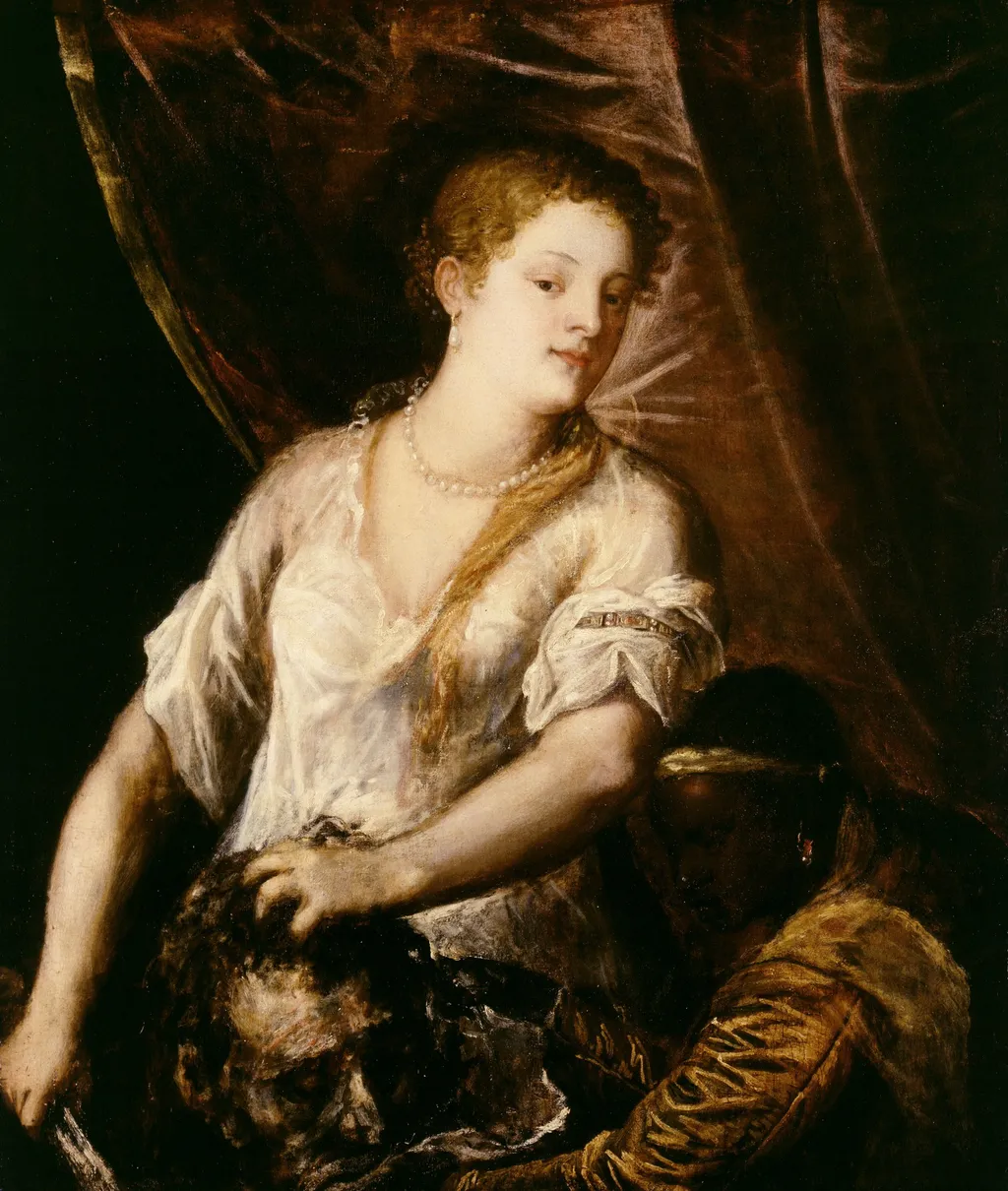
Judith with the Head of Holofernes is an oil painting by the Mannerist artist Titian. It dates from 1570 and is held in the collection of the Detroit Institute of Arts.
About this work
Subject & Meaning
The scene traditionally represents the deliverance of her people, marked by subsequent rejoicing and thanksgiving upon her return.
The painting illustrates the biblical narrative of Judith, a pious widow from the Tribe of Simeon, who saves her city of Bethulia from the Assyrian general Holofernes. Dressed in rich attire and accompanied by her maid, Judith gains entry to the enemy camp by feigning defection. After disarming Holofernes's suspicions with fabricated tales, she waits until he falls asleep following a lavish banquet before beheading him with his own sword.
This work serves as Titian's sole known depiction of this specific moment of execution. The image captures the immediate aftermath of the violence, where Judith presents the severed head as a trophy, symbolizing the triumph of virtue and divine intervention over tyranny. The scene traditionally represents the deliverance of her people, marked by subsequent rejoicing and thanksgiving upon her return.
Technique & Style
Executed around 1570, this work is an oil painting on canvas measuring 113 cm in height and 95.3 cm in width. Created by Titian, the piece exemplifies the Venetian school through its application of oil paint to depict the biblical narrative of Judith and Holofernes. The composition focuses on the moment Judith, accompanied by her maid, presents the severed head of the Assyrian general.
Scholars universally accept the handling of the brushwork and materials as entirely autograph, confirming it as the only known depiction of this specific subject by the artist. The physical support remains a canvas ground, consistent with the artist's late-period materials.
History & Provenance
Judith with the Head of Holofernes is an oil on canvas painted by Titian circa 1570. The work was first recorded in the collection of the Florentine aristocrat and art collector Marchese Gerini, noted by Francesco Bocchi and Giovanni Cinelli in 1677. It was purchased by Edsel B. Ford from a private collection in New York City in 1935, and gifted to the Detroit Institute of Arts later that same year.
Prior owners documented in the record include Arthur L. Nicholson and Siegfried Aram. The painting has been universally accepted as an autograph work by Titian since its rediscovery by Tancred Borenius in 1922, and it is the only known depiction of Judith beheading Holofernes by the artist.
The painting is held in the collection of the Detroit Institute of Arts. Its documented history likely begins in 1677 within the collection of the Florentine aristocrat Marchese Gerini, as recorded by Francesco Bocchi and Giovanni Cinelli. Following its rediscovery by Tancred Borenius in 1922, the work was acquired in 1935 by Edsel Bryant Ford from a private New York City collection.
Ford gifted the piece to the Detroit Institute of Arts later that same year. Previous owners included Arthur L. Nicholson and Siegfried Aram prior to Ford's acquisition.
Context
Titian's Judith with the Head of Holofernes, executed circa 1570, represents the artist's sole known depiction of this biblical subject. The work is firmly situated within the Venetian school of painting. Scholarship regards the piece as an autograph work, a status universally accepted since its rediscovery by Tancred Borenius in 1922.
Early documentation suggests the painting was recorded in the collection of the Florentine aristocrat Marchese Gerini as early as 1677. Its modern prominence began when it was acquired from a New York private collection by Edsel Bryant Ford in 1935 and subsequently gifted to the Detroit Institute of Arts, an event covered by major press outlets of the time.
Legacy
The painting's influence stems from its status as the sole autograph work by Titian depicting Judith beheading Holofernes, a subject central to the biblical story of Assyrian general Holofernes' decapitation. Its rediscovery by Tancred Borenius in 1922 confirmed Titian's authorship, solidifying its significance within the Venetian school and religious art tradition. The work's journey from Florentine collection records in 1677 to private ownership before Edsel Ford's 1935 acquisition and donation to the Detroit Institute of Arts highlights its provenance narrative.
Today housed at the Detroit Institute of Arts, it remains a key reference for studies of Titian's technique and the Judith and Holofernes motif in art history.
Overview
Titian’s oil painting titled Judith with the Head of Holofernes dates to around 1570. Executed on canvas, the work now belongs to the collection of the Detroit Institute of Arts. The composition centers on a seated female figure, whose calm demeanor contrasts with the violent narrative suggested by the wrapped bundle she cradles.
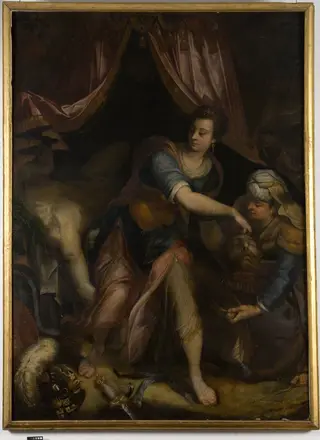
Own this work as a print
Artist & collection

Artist
Tiziano Vecellio (Italian:; c. 1488/1490 – 27 August 1576), Latinized as Titianus, hence known in English as Titian ( TISH-ən), was an Italian Renaissance painter. The most important artist of Renaissance Venetian…







- Judith with the Head of Holofernes
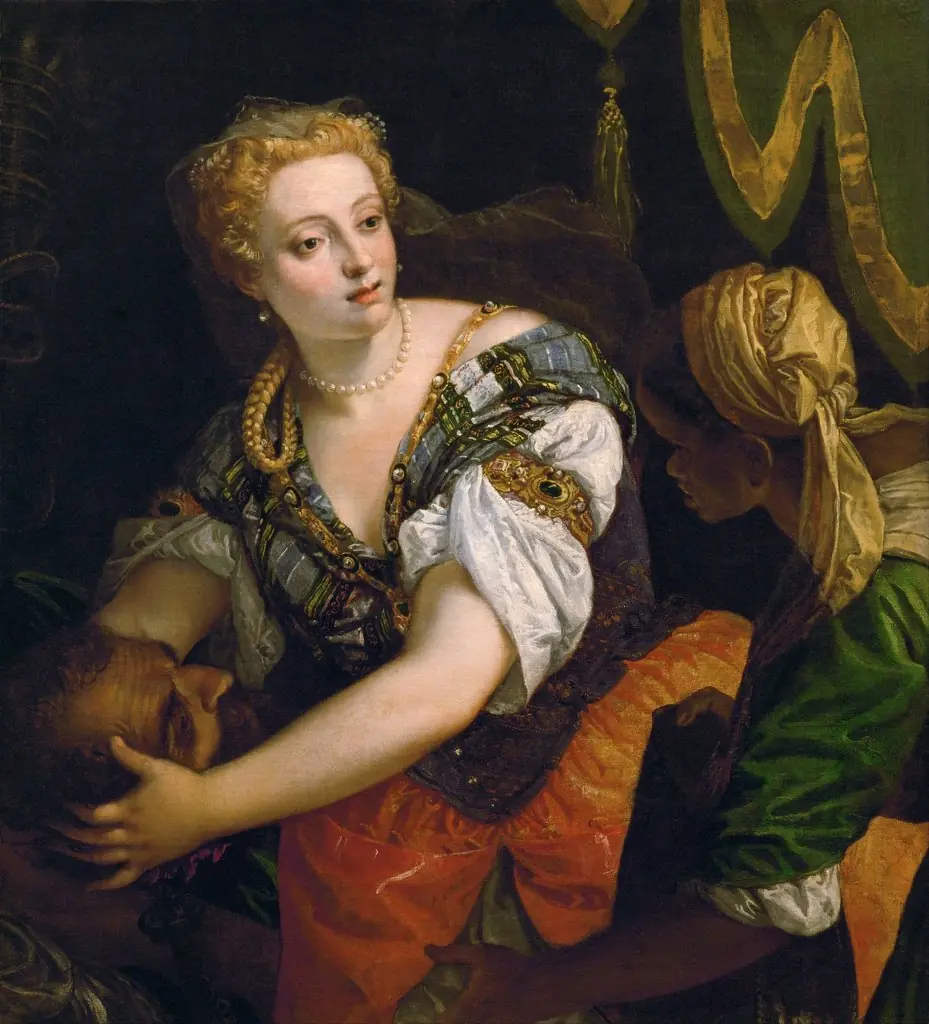 Judith with the Head of Holofernes
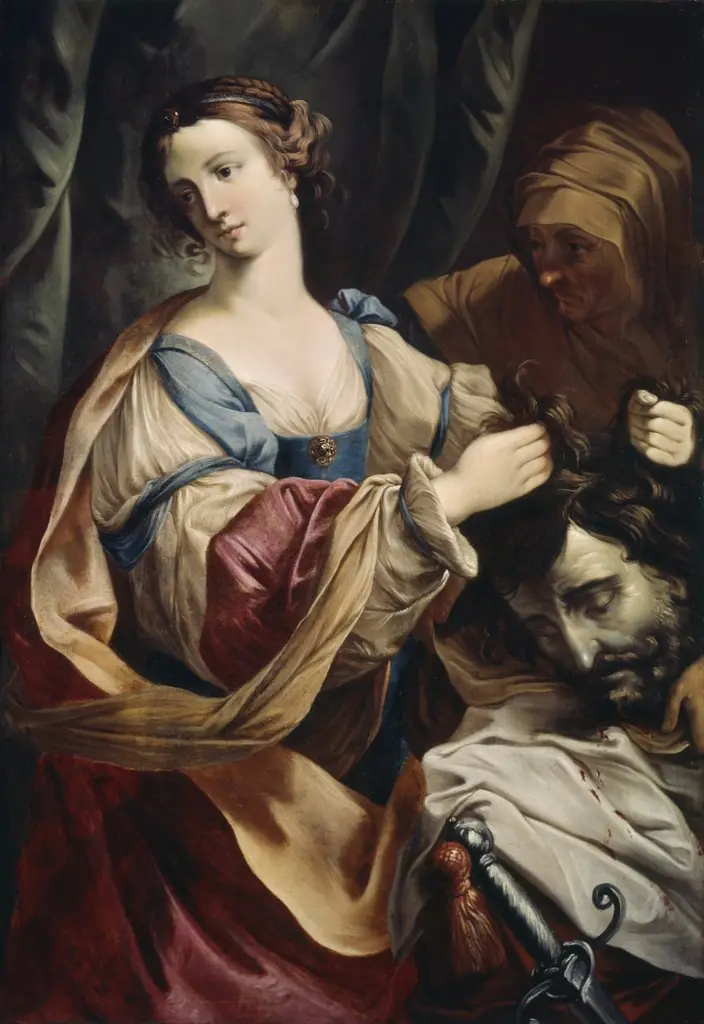 Judith with the Head of Holofernes
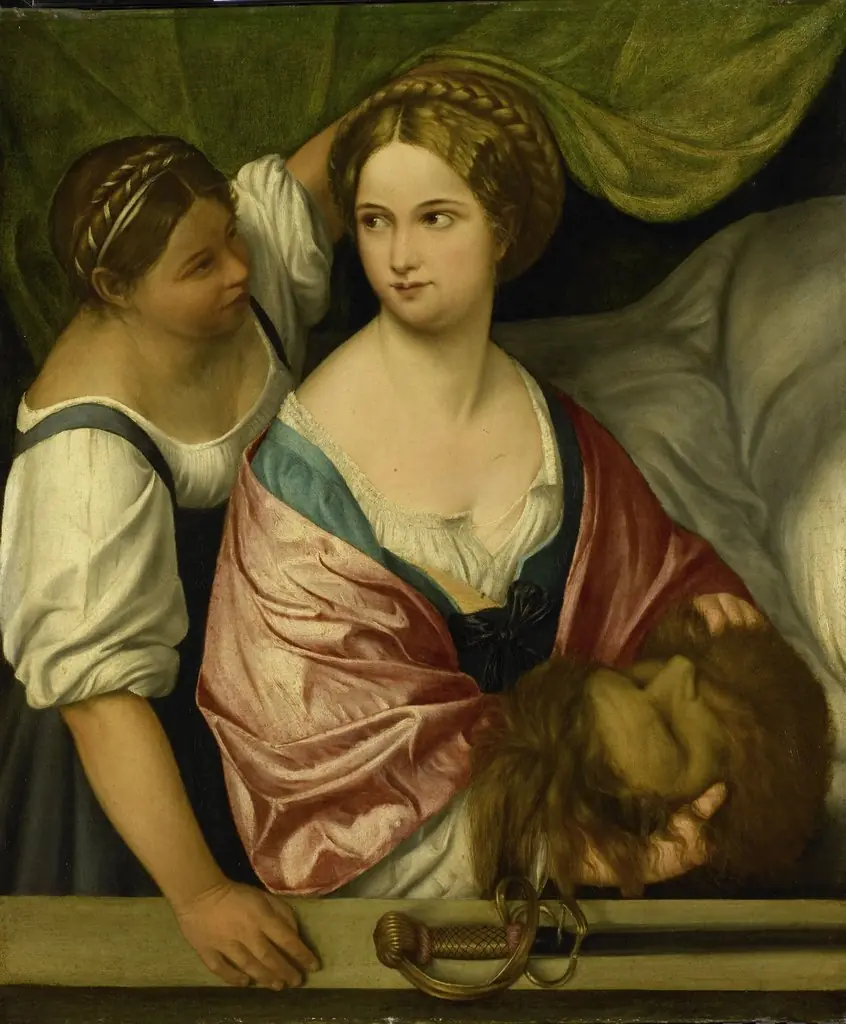 Judith with the Head of Holofernes
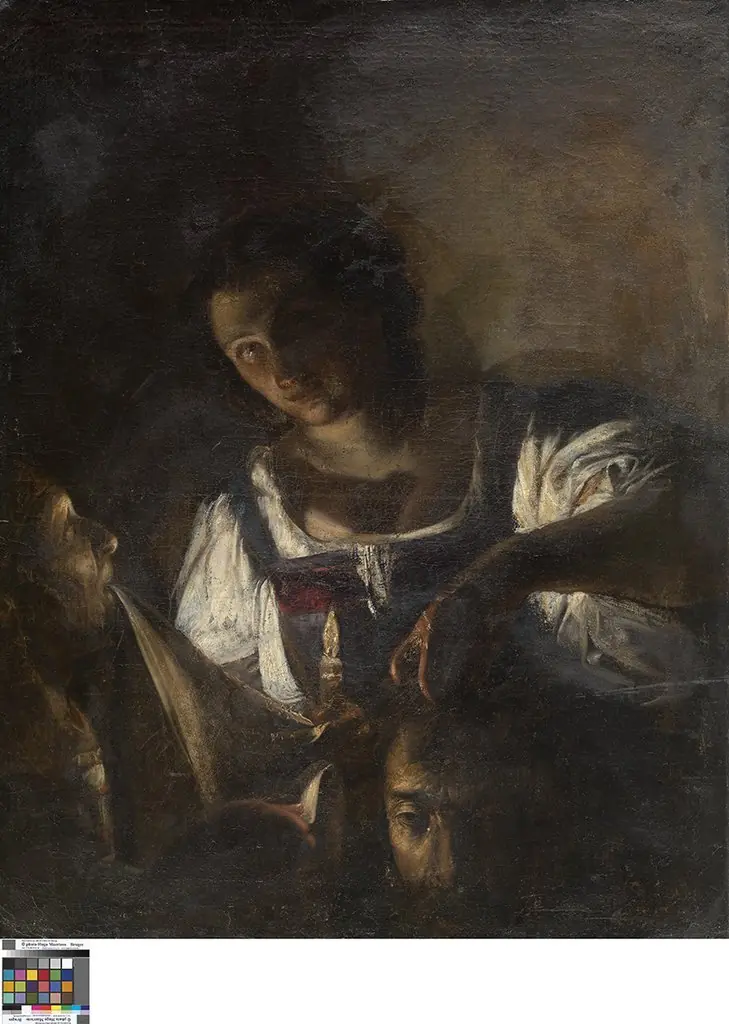 Judith with the head of Holofernes
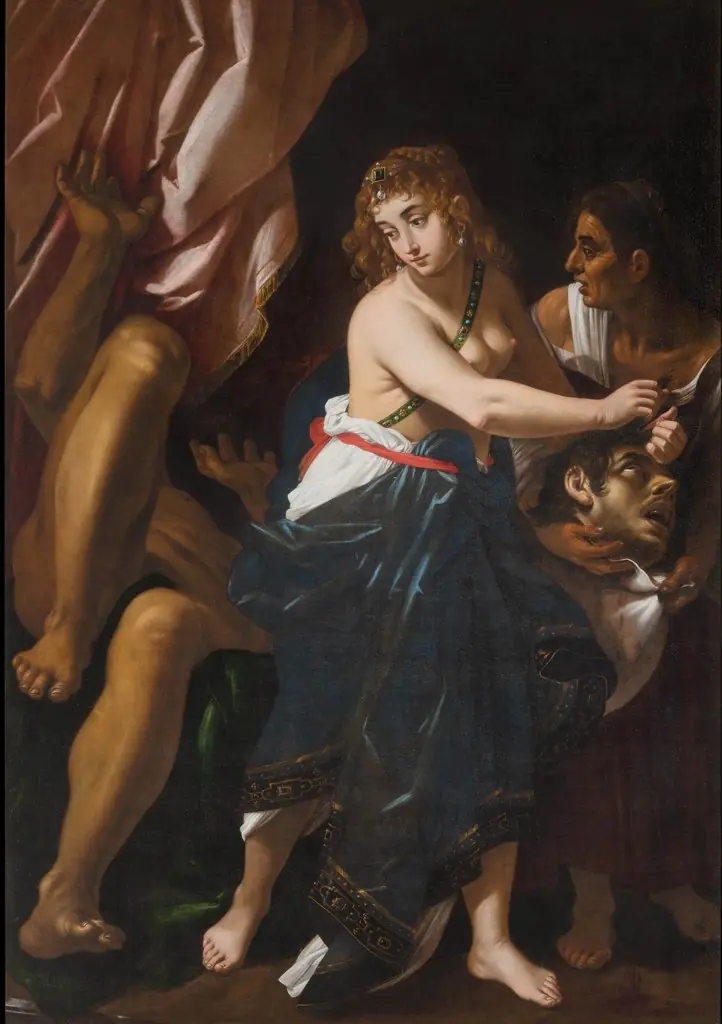 Judith and the Head of Holofernes
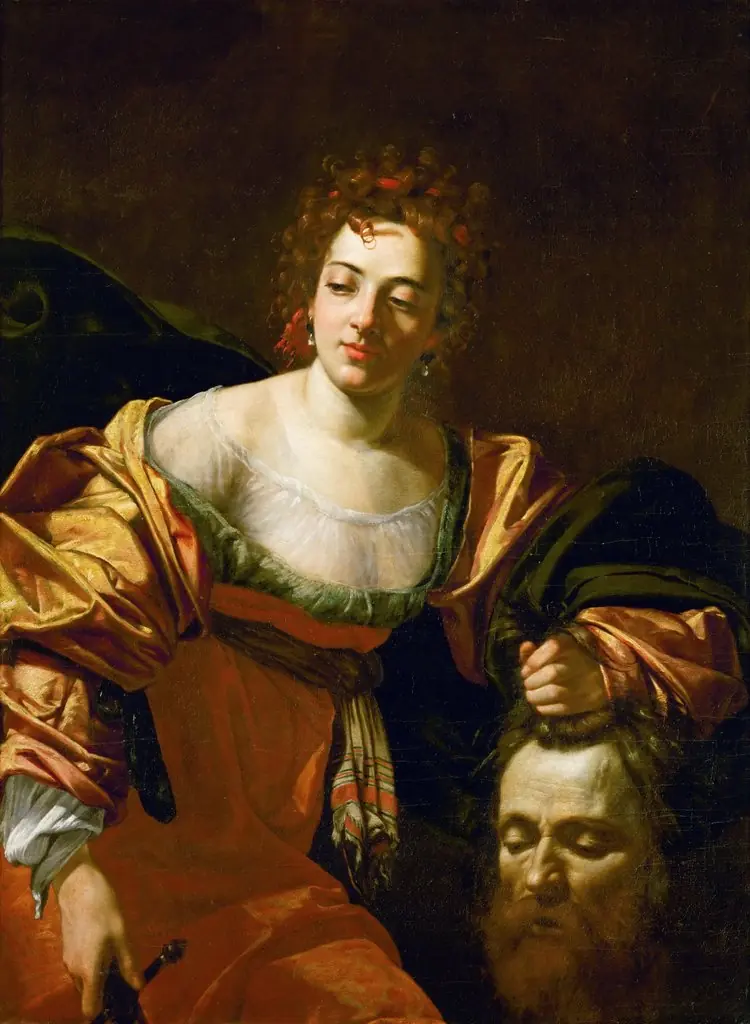 Judith with the Head of Holofernes
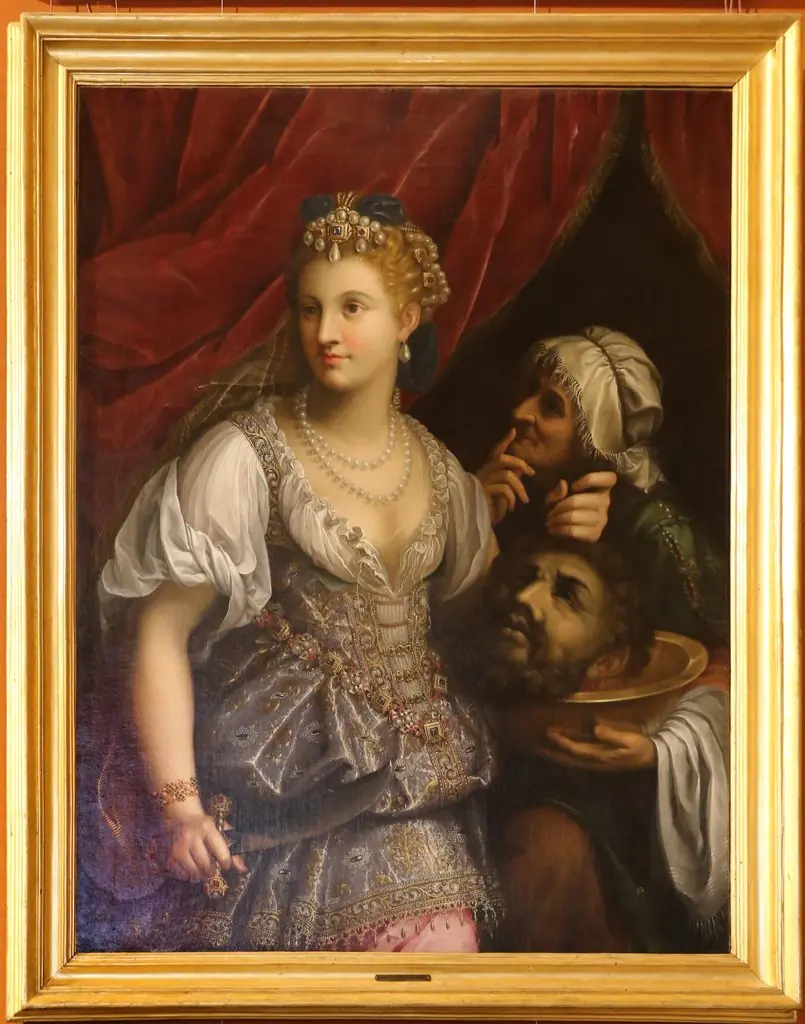 Judith with the Head of Holofernes
 Portrait of Judith with the Head of Holofernes
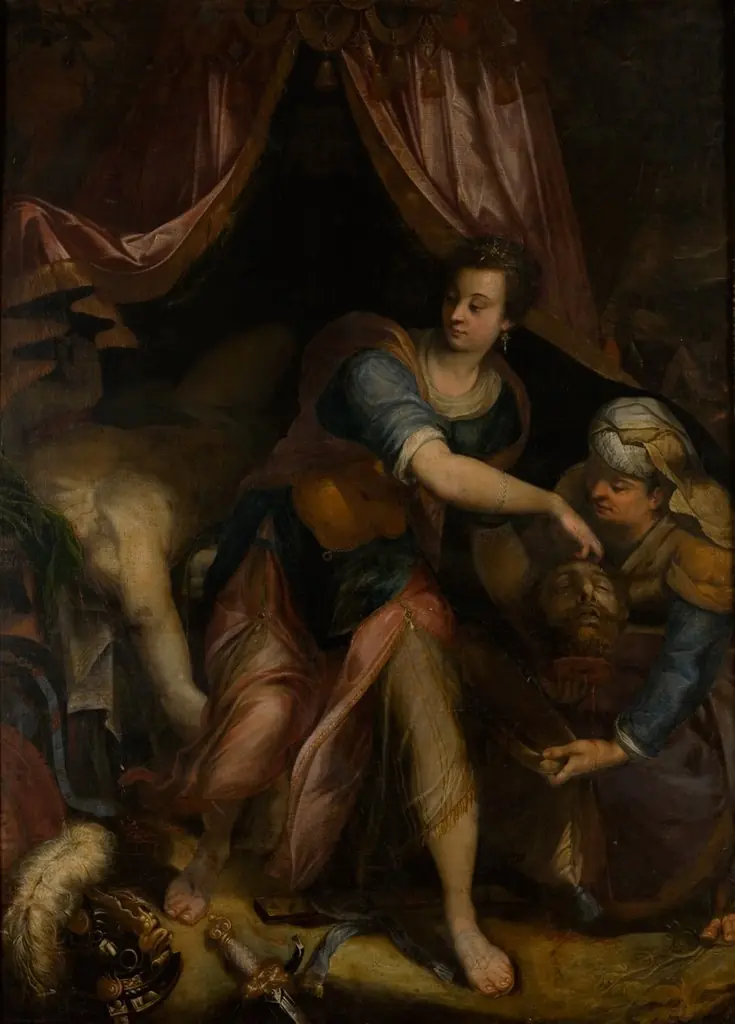 Judith with the Head of Holofernes
 Judith with the Head of Holofernes