Artwork
Vrouw uit Jisp
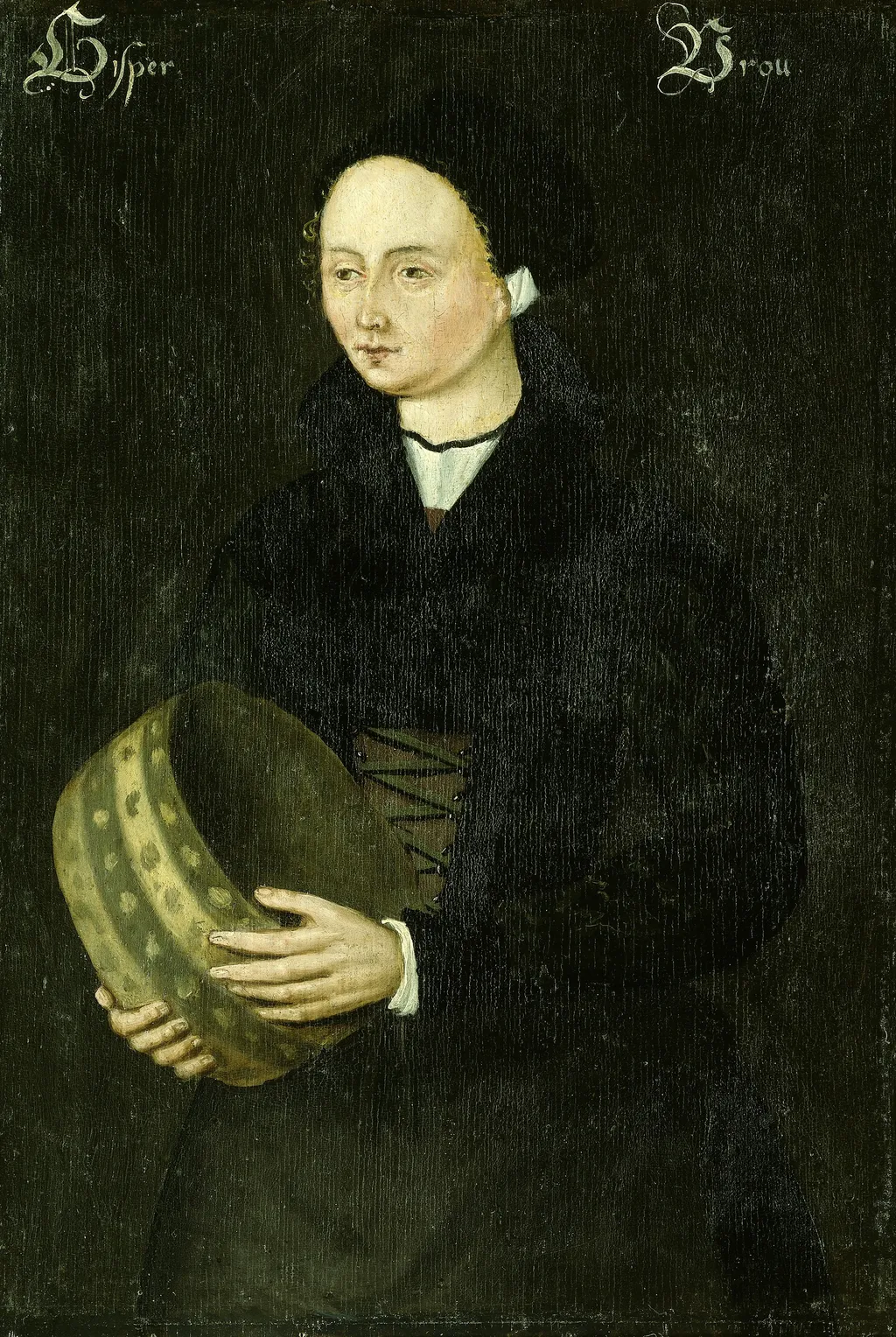
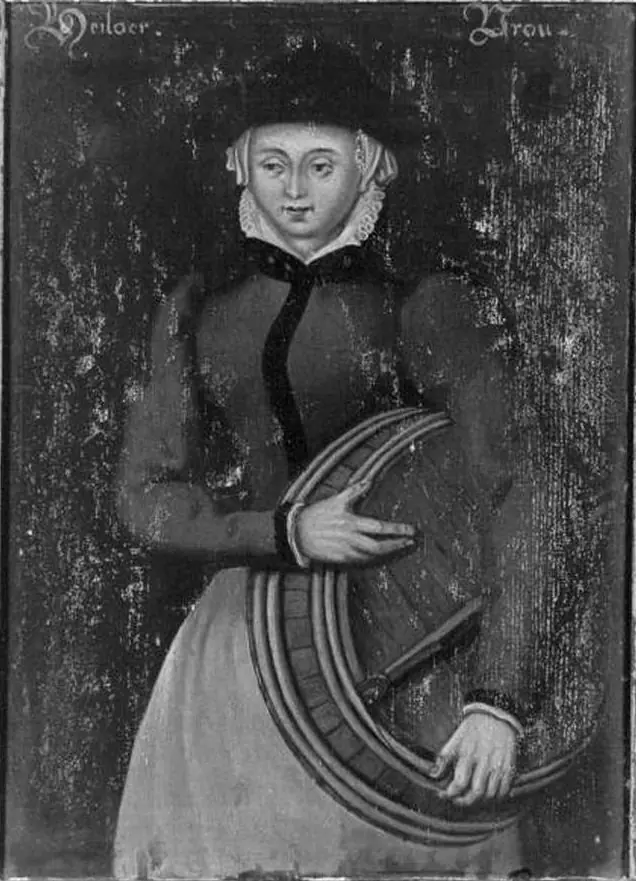
Vrouw uit Jisp is an oil painting. It dates from 1550 and is held in the collection of the Rijksmuseum.
About this work
Subject & Meaning
As a half-length portrait, the work focuses on the sitter's attire and physical presence rather than an elaborate narrative scene.
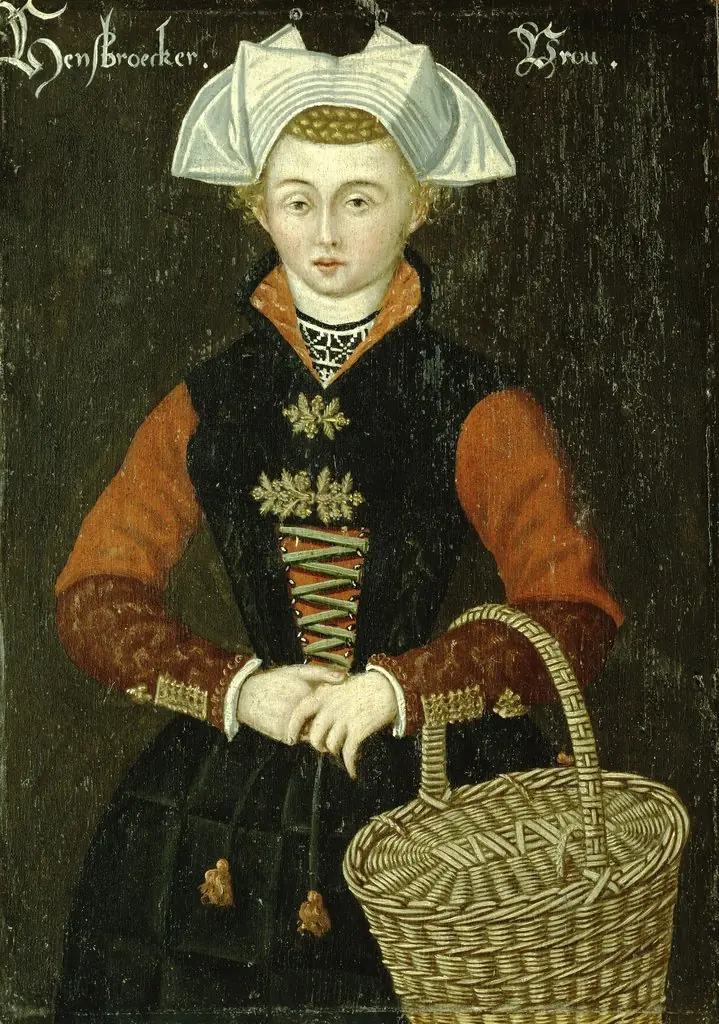
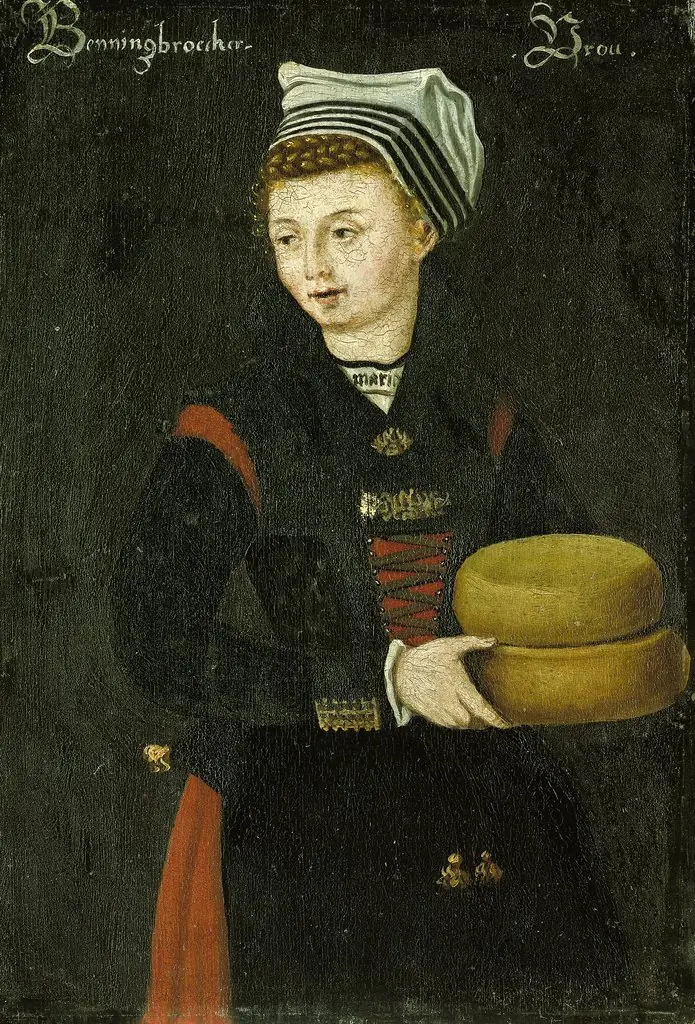
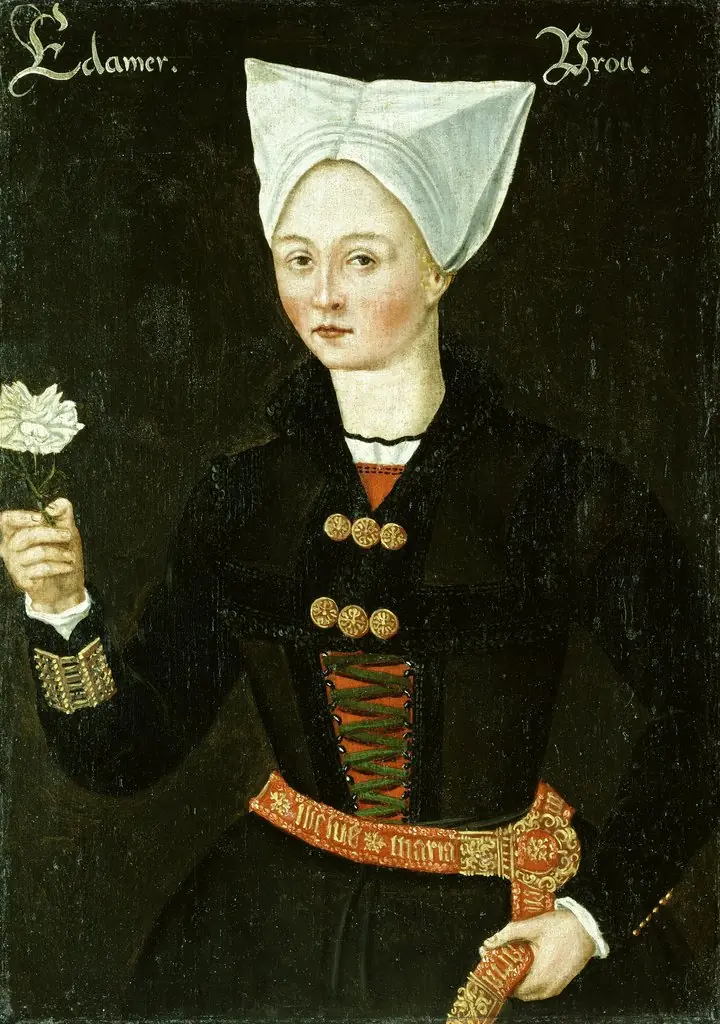
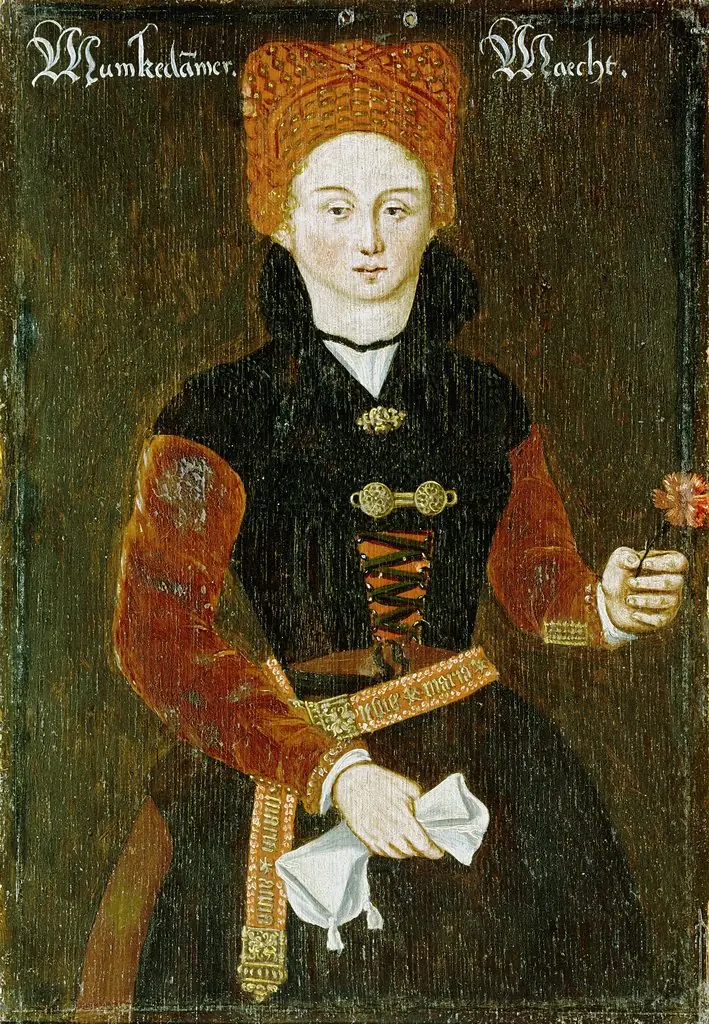
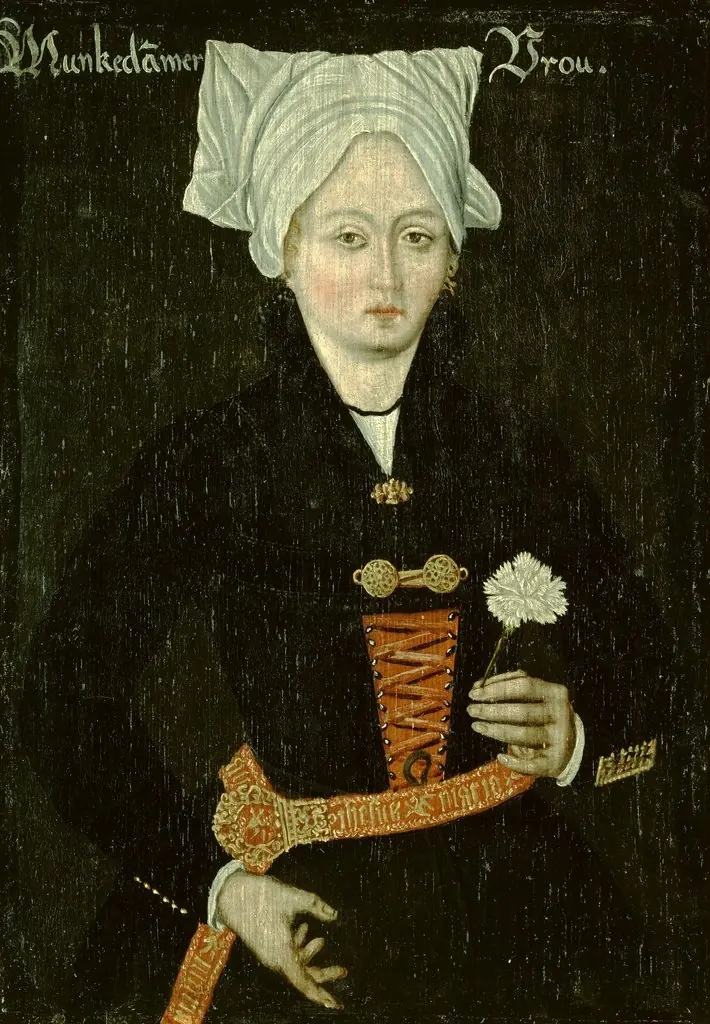
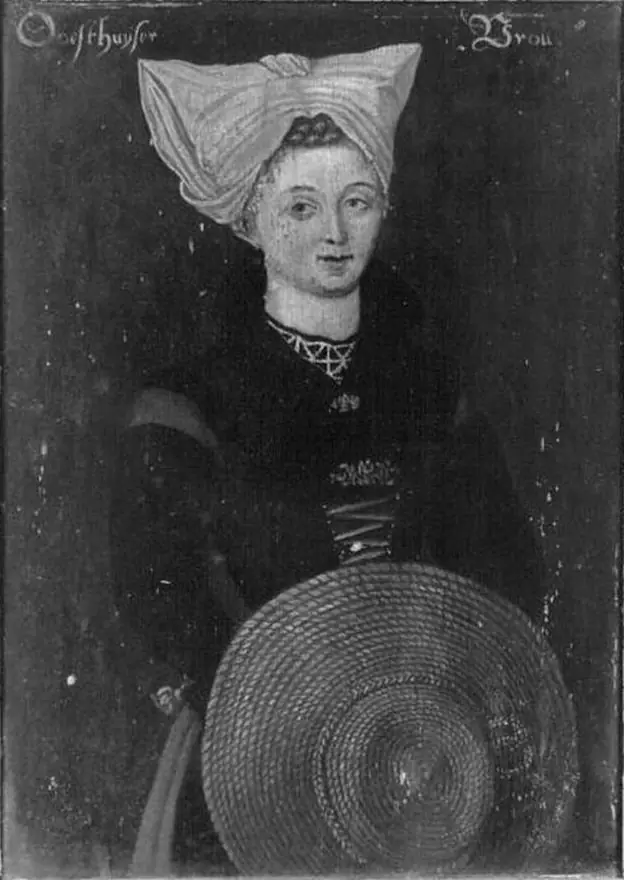
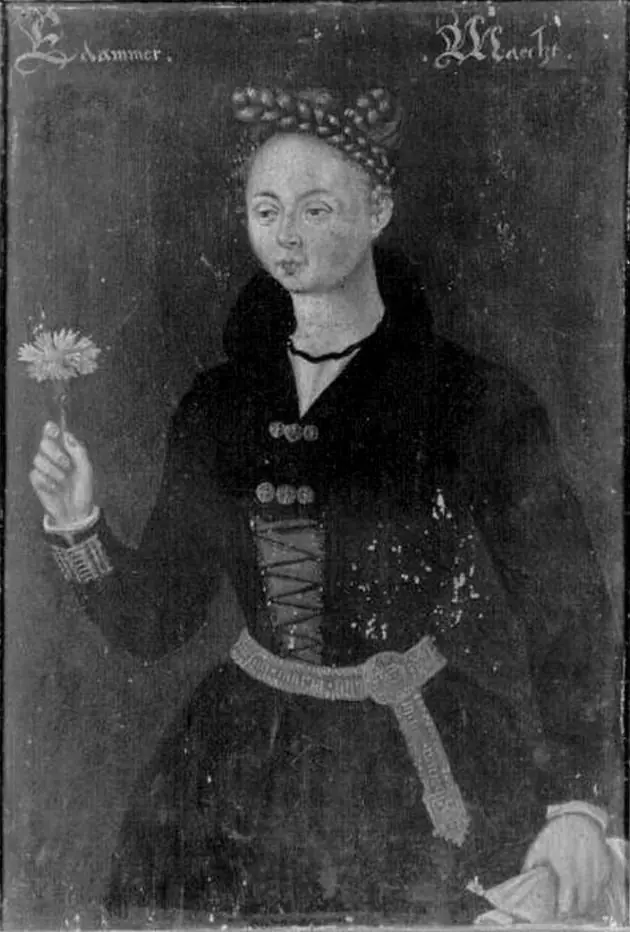
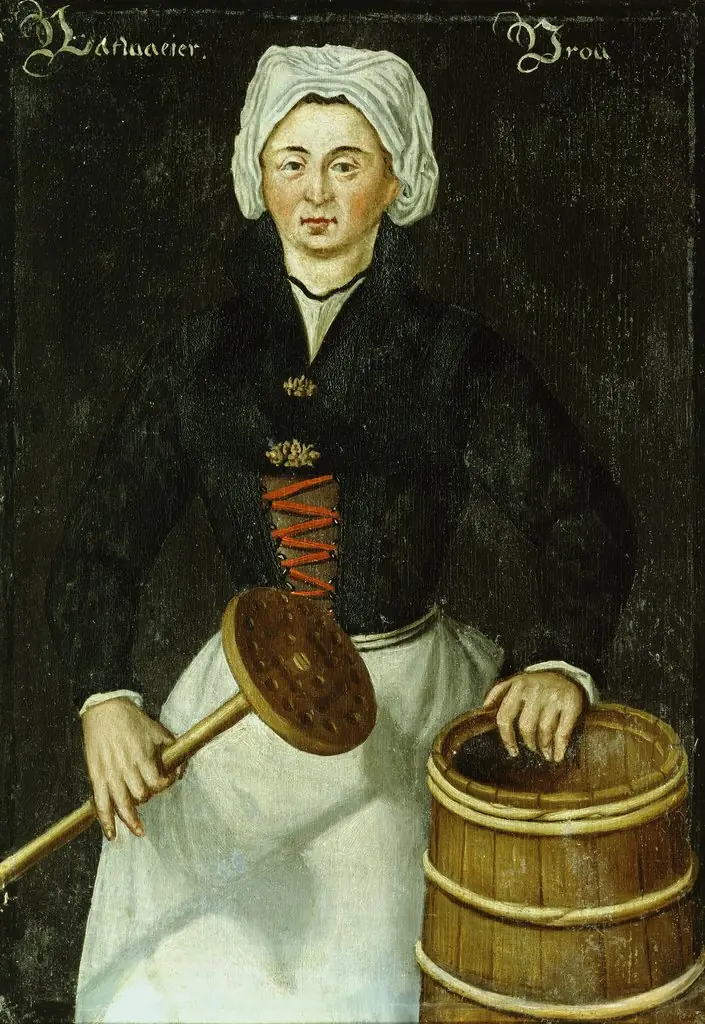
The painting depicts a woman from Jisp, a village in the Netherlands, wearing traditional Dutch clothing. As a half-length portrait, the work focuses on the sitter's attire and physical presence rather than an elaborate narrative scene. The subject represents a specific regional identity from the mid-16th century, capturing the distinctive local dress of that era.
The depiction serves as a historical record of female attire and social appearance in the Netherlands during the 1500s.
Technique & Style
The work is an oil painting executed on wood panel, measuring 42 by 29 centimeters. It portrays a woman in traditional Dutch dress, reflecting the portrait genre of the mid-sixteenth century. The painting belongs to the anonymous works held in the Rijksmuseum and the Bavarian State Painting Collections.
The formal qualities are defined by a restrained palette and precise rendering of texture, typical of early Netherlandish portraiture. The handling of light emphasizes the sitter’s facial features while maintaining a flat, decorative background.
History & Provenance
Vrouw uit Jisp is an anonymous oil-on-panel portrait dated to 1550. The work has been held jointly by the Rijksmuseum and the Bavarian State Painting Collections, with both institutions listed as its current collections and locations. No details of an original commission, prior ownership chain, or later acquisition history are recorded in the available sources.
The painting Vrouw uit Jisp is held in the collections of both the Rijksmuseum and the Bavarian State Painting Collections. Created around 1550, the work is an anonymous oil-on-panel portrait depicting a woman in traditional Dutch clothing. The sources do not provide specific inventory or accession numbers for either holding institution. Furthermore, no exhibition history is recorded in the available documentation for this artwork.
Overview
The work, titled Vrouw uit Jisp, is an oil painting that presents a solitary female figure rendered against a deep, shadowed backdrop. She is dressed in traditional Dutch attire, a black gown with a white collar and a modest head covering, while holding a sizable bowl adorned with a simple dotted and linear pattern. The composition is dominated by a stark contrast between illuminated foreground and enveloping darkness.
Context
Rendered in the Dutch tradition of genre painting, the piece aligns with 17th‑century interests in portraying ordinary people and their surroundings. The choice of regional costume and the inclusion of a commonplace object reflect a broader cultural emphasis on realism and the moral dignity of everyday labor within the Netherlands.
Legacy
While not widely reproduced, the painting serves as a representative example of Dutch chiaroscuro portraiture, illustrating how artists used light to convey both physical form and psychological nuance. It continues to inform studies of regional costume, domestic symbolism, and the technical mastery of oil painting in the Northern European tradition.
Artist & collection